
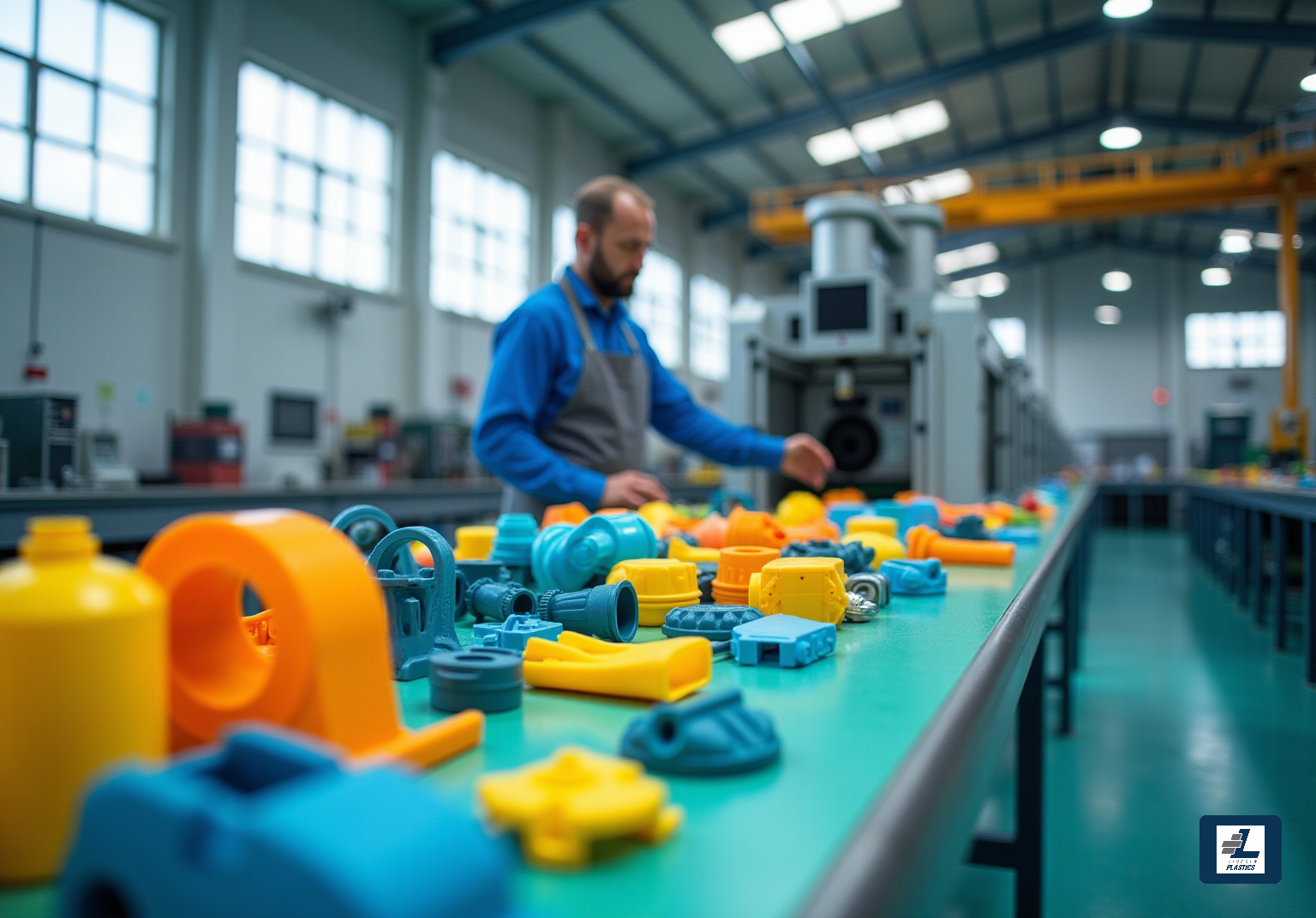
Why Plastic Materials for Industry Are Essential for Manufacturing Success
Introduction
Have you noticed how much the manufacturing world has changed? Plastic materials have become essential in so many industries. They’re not just versatile; they also help cut down production costs, making them a key player in today’s manufacturing success. But here’s the kicker: as we all start to think more about sustainability, manufacturers are left wondering how to balance the benefits of plastics with environmental concerns and the challenges of choosing the right materials.
In this article, we’ll dive into the many roles plastics play in manufacturing. We’ll explore their benefits, the various applications, and the trends that are shaping the future of this important industry. So, let’s get started!
Explore the Versatility of Plastic Materials in Manufacturing
Plastic materials are pretty amazing, right? The versatility of plastics makes them a must-have in so many industries. Take the automotive industry, for instance. Here, plastics can be molded into all sorts of shapes, paving the way for innovative designs that not only boost vehicle performance but also make them look great. On the flip side, durability and heat resistance, making them perfect for parts that need to withstand tough conditions.
Now, this adaptability doesn’t just spark innovation in the use of plastics; it also helps keep production efficient. Think about it: the ability to tweak formulations means producers can quickly respond to changing market demands and tech advancements. In the medical field, polymers are crafted to meet strict safety and performance standards, with thermoplastics showing up in everything from syringes to surgical tools.
You might be interested to know that the plastic market is on the rise, expected to grow at a compound annual growth rate of 5.6% from 2023 to 2031. This reflects our increasing demand for sustainable materials. Plus, innovations can cut down water and fossil fuel usage by a whopping 99%! That’s a big win for sustainability.
Let’s look at some practical uses. The automotive industry is leaning more on thermoplastics for lightweight components. Meanwhile, the medical sector relies on thermosetting materials for their reliability in critical situations. As the manufacturing processes keep evolving, the adaptability of these substances remains a key player in production success.

Analyze the Advantages of Plastics in Production Processes
You know, when it comes to production processes, plastics really shine, especially with Lincoln Plastics' products. Their lightweight nature means reduced shipping costs. Plus, they’re super durable, which translates to longer product lifespans. And let’s not forget, plastic materials for industry can be produced at a fraction of the cost compared to metals or glass, making them a smart choice for manufacturers.
Now, let’s talk about the advantages of plastic materials. This flexibility allows for rapid prototyping, so companies can quickly adapt to whatever the market throws their way. And here’s where Lincoln Plastics really stands out: their innovative designs can create unique product features that not only enhance functionality. They ensure precision and compliance for OEMs through rigorous testing and Pantone color matching. Isn’t that impressive?

Address the Challenges of Material Selection in Manufacturing
Choosing the right materials in manufacturing can be a real headache, can’t it? There are so many factors to juggle - performance, durability, and of course, cost. Take plastics, for example. They’re super versatile, but not every type is a fit for every application.
At Lincoln Plastics, we get it. That’s why we’re here to help manufacturers like you figure out what you really need. Whether it’s strength, flexibility, or weight, our expert team is ready to guide you through the maze of options in material selection. We work closely with clients to make sure the components you choose meet all requirements, including those all-important checks for ‘fit and function.’
Now, let’s talk about sustainability. It’s a big deal these days, right? Companies are trying to balance performance with being environmentally responsible, which can complicate things even more. But don’t worry! With our solutions, you can streamline your production while keeping your inventory levels just right.
By understanding these challenges and tapping into our expertise, you can navigate the selection process with confidence and boost your overall efficiency. So, why not reach out and see how we can help you today?
Forecast the Future of Plastic Materials in Manufacturing
The future of synthetic substances in production is poised for a significant change, fueled by technological progress and a growing industry. Manufacturers are leading this transition, with the worldwide market expected to attain USD 24.86 billion by 2033, indicating a compound annual growth rate (CAGR) of 11.1% from 2026 to 2033. This growth is fueled by rising consumer demand for sustainable products and corporate commitments to sustainability.
Innovations in production processes, such as the development of starch-based products, which represented a considerable market share of 42.27% in 2025, are improving the viability of biodegradable materials. The starch-based segment is expected to grow at a CAGR of 12.1% from 2026 to 2033, driven by advancements in technology that facilitate their use in flexible packaging and carry bags. Furthermore, the packaging sector is projected to expand at a CAGR of 9.8% during the same timeframe, underscoring the growing importance of sustainable solutions in manufacturing.
Moreover, the integration of smart technologies in polymer manufacturing is anticipated to improve efficiency and minimize waste. As sectors increasingly emphasize sustainability, the demand for eco-friendly alternatives will likely rise, prompting producers to adjust their processes and material choices. Insights from sector leaders highlight the essential role of innovation and recycling advancements in creating a sustainable future. This evolution not only enhances the sustainability of manufacturing but also paves the way for new opportunities, positioning plastic materials as a critical component in the future of the industry.

Conclusion
You know, the role of plastic materials in manufacturing is pretty crucial. Their versatility and adaptability make them a must-have across so many industries, from automotive to medical. By using different types of plastics, manufacturers can really innovate and boost product performance while keeping costs in check. And with the growing demand for sustainable options, the rise of biodegradable plastics opens up exciting possibilities for a greener future in production.
Throughout this article, we’ve explored some key insights into the benefits of using plastics. For starters, their lightweight nature helps cut down on transportation costs, and their durability means products last longer. Plus, the ease of molding and shaping allows for quick prototyping, so manufacturers can adapt to market changes in no time. And let’s not forget the focus on sustainability and the development of eco-friendly materials, which shows the industry’s commitment to responsible practices.
Looking ahead, the future of plastic materials in manufacturing is set for some big changes, thanks to technological advancements and a stronger focus on sustainability. As industries increasingly look for eco-friendly alternatives, integrating biodegradable materials and smart technologies will not only boost operational efficiency but also pave the way for innovative growth. Embracing these changes is going to be key for manufacturers who want to stay ahead in a competitive landscape, reinforcing just how important plastic materials are as a cornerstone for success in the industry.
Frequently Asked Questions
What are the key advantages of using plastic materials in manufacturing?
Plastic materials offer versatility, allowing for innovative designs, cost-effective production, and the ability to respond quickly to market demands and technological advancements.
How are thermoplastics utilized in the automotive industry?
In the automotive sector, thermoplastics are molded into various shapes to enhance vehicle performance and aesthetics, particularly through the creation of lightweight parts that improve fuel efficiency.
What are thermosetting materials, and where are they commonly used?
Thermosetting materials are known for their durability and heat resistance, making them ideal for parts that must endure tough conditions, such as those found in the medical field.
How do plastic materials contribute to the medical industry?
In the medical field, polymers are designed to meet strict safety and performance standards, with thermoplastics used in products ranging from syringes to surgical tools due to their reliability and compliance with regulations.
What is the growth trend of the green polypropylene market?
The green polypropylene market is expected to grow at a compound annual growth rate of 5.6% from 2023 to 2031, reflecting a rising demand for eco-friendly products.
How does recycling polypropylene benefit the environment?
Recycling polypropylene can significantly reduce water and fossil fuel usage by up to 99%, contributing to sustainability efforts.
What role does the adaptability of plastic materials play in manufacturing success?
The adaptability of plastic materials allows manufacturers to evolve their products continuously, ensuring they meet changing market needs and maintain production efficiency.
List of Sources
- Explore the Versatility of Plastic Materials in Manufacturing
- mpd.4spe.org (https://mpd.4spe.org/news)
- Is Polypropylene Eco-Friendly? Stats & Trends (https://greenmatch.co.uk/polypropylene-environmental-impact)
- Plastics News - Plastic Industry News, Resin Pricing & Analysis (https://plasticsnews.com)
- makersite.io (https://makersite.io/insights/advantages-and-disadvantages-of-plastic)
- Analyze the Advantages of Plastics in Production Processes
- icca-chem.org (https://icca-chem.org/news/new-economic-study-reveals-major-contributions-of-plastic-industry-to-global-economy)
- makersite.io (https://makersite.io/insights/advantages-and-disadvantages-of-plastic)
- unipipes.com (https://unipipes.com/blog/plastics-over-metals)
- comar.com (https://comar.com/resources/knowledge-center/5-advantages-of-lightweighting-plastic-packaging-using-advanced-technology)
- U.S. Plastics Industry Helps Power $1.1 Trillion in Economic Output, Making Products that Support Nearly 5 Million American Jobs - America's Plastic Makers (https://plasticmakers.org/news/us-plastics-industry-help-power-economic-output)
- Address the Challenges of Material Selection in Manufacturing
- forbes.com (https://forbes.com/sites/bernardmarr/2025/11/12/6-defining-manufacturing-trends-of-2026)
- sciencedirect.com (https://sciencedirect.com/science/article/abs/pii/S0079642500000190)
- advancedplastiform.com (https://advancedplastiform.com/using-abs-vs-acrylic-in-plastic-manufacturing)
- CHEMICAL RESISTANT PLASTICS: AN EXPERT GUIDE TO MATERIAL SELECTION FOR PRECISION PARTS – AIP Precision Machining (https://aipprecision.com/chemical-resistant-plastics-an-expert-guide-to-material-selection-for-precision-parts)
- The Mechanical Properties of Plastics (https://qualitymag.com/articles/95839-the-mechanical-properties-of-plastics)
- Forecast the Future of Plastic Materials in Manufacturing
- grandviewresearch.com (https://grandviewresearch.com/industry-analysis/biodegradable-plastics-market)
- packagingdigest.com (https://packagingdigest.com/careers-education-training/words-of-wisdom-from-your-packaging-peers-gallery)
- factmr.com (https://factmr.com/report/bioplastics-market)
- americanchemistry.com (https://americanchemistry.com/chemistry-in-america/news-trends/press-release/2024/acc-issues-principles-to-support-growth-of-bio-based-plastics-innovation-in-us)
- statista.com (https://statista.com/statistics/979050/global-market-value-of-biodegradable-plastics?srsltid=AfmBOorY-lcamtGZKqxWr-OWBslncfCRNo6BySSY4z198s5TB0lnr_rB)
Related posts

Designing Custom Extrusions: How We Work with OEM Engineers
Lincoln Plastics partners with OEM engineers to design custom extrusion profiles — reducing modifications, improving performance, and lowering costs


Precision Matters: Tolerances and Quality Control in Extrusion
Lincoln Plastics ensures precision in every extrusion with tight tolerances, in-line checks, and strict quality control for OEM applications
Plastic Extrusion for Agricultural Equipment: Beyond Irrigation
Lincoln Plastics supports agriculture with custom plastic extrusions that go beyond irrigation, delivering durability and reliability in the field
