
What Are PVC Shapes? Definition, Types, and Applications Explained
Introduction
In the realm of modern manufacturing, the right PVC shapes can make all the difference in achieving efficiency and sustainability. PVC shapes are crafted from polyvinyl chloride and come in both rigid and flexible varieties, each serving unique purposes in sectors such as construction, agriculture, and healthcare.
With so many options available, how do you choose the right PVC shapes that meet both sustainability and quality standards? This article delves into the definition, types, and applications of PVC shapes, emphasizing their importance and the critical factors to consider in their selection and use.
Understanding the nuances of PVC shapes is crucial for making informed decisions that impact your bottom line and environmental footprint.
Define PVC Shapes and Their Importance
PVC configurations encompass a variety of forms and profiles crafted from polyvinyl chloride (PVC), a highly adaptable thermoplastic polymer. These forms come in rigid and flexible options, produced mainly through extrusion and molding. Their significance is underscored by extensive applications across multiple sectors, including construction and agriculture.
In construction, PVC forms are essential for producing durable and weather-resistant materials such as pipes, window frames, and roofing components. For instance, PVC piping systems boast a service life of at least 100 years, making them a reliable choice for infrastructure projects. The demand for plastic pipes is on the rise, driven by their critical roles in irrigation systems, greenhouse films, and fencing, particularly in agricultural settings where durability and cost-effectiveness are paramount. But how do you ensure you're choosing the right materials for your needs?
Recent advancements in the PVC industry highlight a commitment to sustainability. The European Plastic Pipes and Fittings Association (TEPPFA) aims to recycle at least 900,000 tons of PVC annually by 2025, reflecting a growing trend towards mechanical recycling. This initiative not only addresses environmental concerns but also enhances the appeal of PVC products in construction and agriculture. What does this mean for your projects?
Case studies further demonstrate the significance of PVC forms. For example, a preschool in Gothenburg, Sweden, utilized 600 meters of sewage pipes made from bio-attributed PVC, achieving a remarkable 49.5% reduction in CO2 emissions. Such projects illustrate the potential of PVC to contribute to sustainable construction practices.
Expert opinions emphasize the need for collaboration among manufacturers, clients, and regulatory bodies to overcome challenges in the PVC sector. As the industry evolves, the focus on innovative solutions, such as custom extruded profiles tailored to specific requirements, will continue to drive the adoption of PVC shapes in a variety of applications.
At Lincoln Plastics, we prioritize quality by strictly following ISO 9001:2015 standards. Our robust quality management program includes dedicated quality books, critical in-process checks, and comprehensive documentation to ensure that our products meet all specifications and quality requirements. This commitment to excellence ensures that our rigid profiles are precisely what you specified for critical dimensions, providing peace of mind for OEMs.
By understanding the nuances of PVC forms, you can make informed decisions that enhance efficiency and performance in your projects. For customized solutions and estimates, we encourage you to reach out to Plastics experts today.

Explore Types of PVC Shapes: Rigid, Flexible, and More
Choosing the right PVC type can be a daunting task, but understanding the differences between rigid and flexible PVC is essential for success. PVC shapes can be classified into two main categories: rigid and flexible types.
- Rigid PVC, often referred to as unplasticized PVC (uPVC), is known for its strength and durability, making it ideal for applications such as pipes, window frames, and structural components.
- As a leader in custom rigid conduit manufacturing based in Nebraska, we prioritize quality control through rigorous management plans, including dedicated quality plans and process check sheets.
- Our ISO 9001:2015 certification reflects our commitment to excellence.
- The building and construction segment accounted for the largest market revenue share in 2023, driven by urbanization and infrastructure development in emerging economies.
On the other hand, flexible PVC contains plasticizers that enhance its pliability, allowing it to be used in applications like electrical cable insulation, medical tubing, and flexible hoses.
- We also provide custom flexible profiles and co-extrusion solutions, enabling the development of multi-color or multi-material profiles designed for specific requirements.
- The healthcare industry utilizes PVC for its compatibility with the body and ease of sterilization, showcasing its versatility.
- Additionally, specialized forms of PVC, such as chlorinated PVC (CPVC), offer enhanced temperature and chemical resistance, making them suitable for hot water applications.
Understanding these types is crucial; choosing the wrong PVC shapes can result in costly mistakes in your projects.
Furthermore, the significant growth in PVC recycling in the U.S. reflects a trend towards sustainability, making it increasingly relevant in discussions about PVC applications. Don't risk your project's success; ensure you select the right PVC type for your specific needs by reaching out to Lincoln Plastics today.

Examine Applications of PVC Shapes in Industry and Daily Life
In an era where reliability is paramount, PVC shapes stand out as essential components in numerous industries. In construction, rigid PVC is essential for plumbing pipes, window frames, and siding. Its strength and resistance to environmental factors make it a preferred choice. The plumbing segment is projected to experience significant growth, with a compound annual growth rate (CAGR) of 6.1% from 2022 to 2031, driven by urbanization and residential construction projects.
In agriculture, PVC shapes play a crucial role in irrigation systems by providing durable and lightweight solutions for efficient water transport. Did you know that irrigation accounted for 42% of the U.S. total freshwater withdrawals in 2015? This statistic highlights the importance of effective irrigation methods.
PVC shapes that are flexible are also crucial in medical devices, such as IV bags and tubing, where adaptability and biocompatibility are paramount. Furthermore, PVC shapes are commonly found in consumer products, including flooring, furniture, and packaging materials.
How can your diverse needs be met by PVC shapes? The versatility of PVC shapes makes them indispensable in both industrial processes and everyday life. Lincoln Plastics specializes in tailored solutions for irrigation and cable management.
We guarantee that all products meet strict standards through thorough assessments for fit and function. With Lincoln Plastics' ISO 9001:2015 certification and robust quality management plans, including dedicated quality books and in-process checks, customers can trust that their specifications will be met with precision and care. The company's engineering expertise further enhances its ability to deliver tailored solutions that meet the unique demands of various applications.
Choosing Lincoln Plastics means investing in quality that safeguards your projects and enhances performance.

Understand the Manufacturing Processes of PVC Shapes
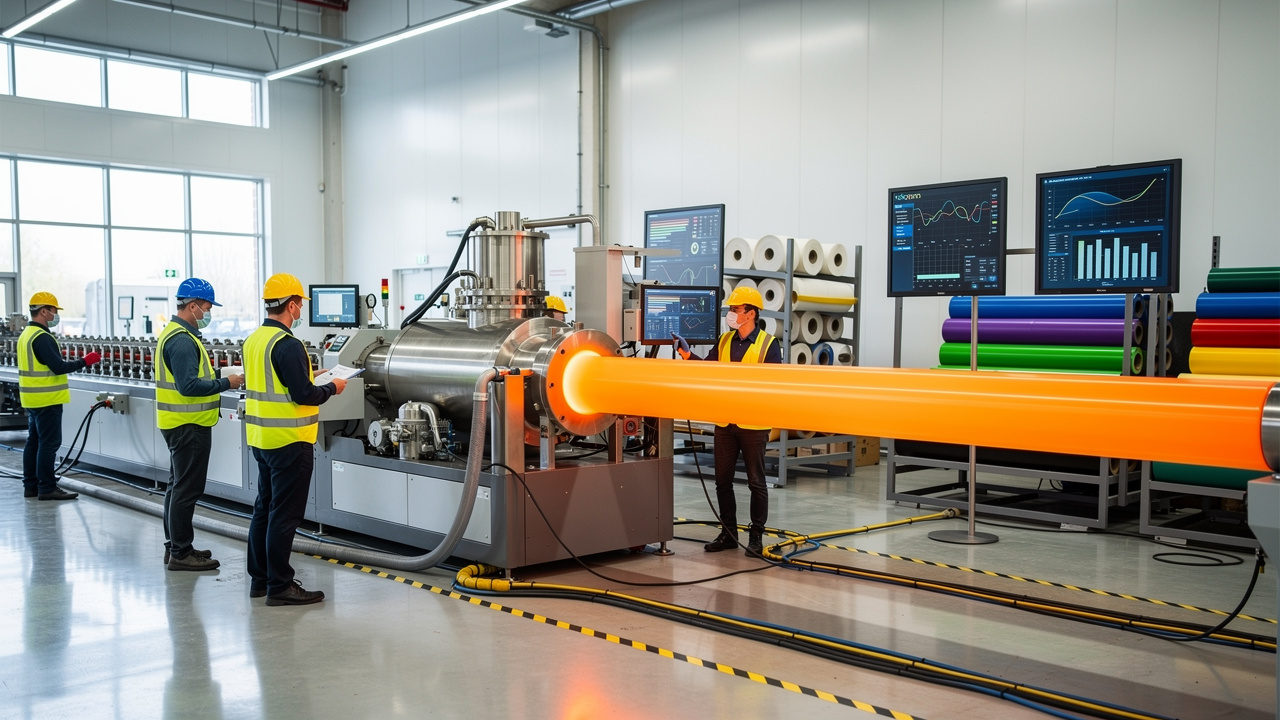
At Lincoln Plastics, we excel in the art of PVC extrusion, delivering precision-engineered profiles that set the standard in the industry. The production of PVC forms primarily involves extrusion, a process where PVC resin is heated and forced through a die to create continuous profiles. This method allows for the production of various shapes, including pipes, sheets, and custom profiles tailored to specific requirements.
The extrusion process starts with preparing PVC resin. This resin is melted and shaped as it moves through the die. Quality control is critical during this phase; without stringent quality control, the integrity of your PVC products could be compromised, leading to costly failures.
At Lincoln Plastics, we adhere to strict management plans. Our ISO 9001:2015 certification ensures our processes meet the highest industry standards. Our dedicated quality plans and in-process checks enhance reliability and consistency in our products.
Additionally, we can use co-extrusion methods to combine different types of PVC or add additives. This enhances both the functionality and visual appeal of the forms we create. It's crucial to grasp these processes to guarantee that your processes for PVC shapes meet and even exceed industry standards.
Our team is dedicated to providing expert guidance on custom pipe and tube design, material selection, and vendor-managed inventory solutions tailored to your needs. Partnering with us means investing in quality and reliability that will elevate your projects to new heights. As part of the PCE family of companies, we leverage our collective expertise to deliver exceptional results for our clients.

Conclusion
PVC shapes are not just components; they are essential solutions that drive efficiency across multiple industries. Their versatility and importance span applications from construction to agriculture. Knowing the characteristics and types of PVC - rigid and flexible - is crucial for making informed decisions that boost project efficiency and performance. Lincoln Plastics' commitment to quality, backed by ISO 9001:2015 standards, guarantees that our products meet the high demands of today's manufacturing landscape.
Throughout this article, we've highlighted key insights into the manufacturing processes, applications, and sustainability efforts surrounding PVC shapes. From the durability of rigid PVC in construction to the adaptability of flexible PVC in medical devices, the diverse uses of these materials underscore their significance in both industrial and everyday contexts. Furthermore, our emphasis on quality management and innovative solutions, such as co-extrusion capabilities, positions Lincoln Plastics as a leader in delivering tailored products that meet specific client needs.
As industries evolve, neglecting the role of PVC shapes could hinder progress and efficiency. Embracing sustainable practices and collaborating with experts in the field can lead to more efficient and environmentally friendly solutions. For those seeking customized PVC shapes or expert guidance, reaching out to Lincoln Plastics means investing in quality and innovation that can redefine your project's success.
Frequently Asked Questions
What are PVC shapes and why are they important?
PVC shapes are various forms and profiles made from polyvinyl chloride (PVC), a versatile thermoplastic polymer. They are important due to their extensive applications in sectors like construction and agriculture, where they are used for durable and weather-resistant materials such as pipes, window frames, and roofing components.
What are the applications of PVC in construction?
In construction, PVC is used to produce materials like pipes, window frames, and roofing components. PVC piping systems, for example, have a service life of at least 100 years, making them reliable for infrastructure projects.
How is PVC used in agriculture?
PVC is increasingly used in agriculture for applications such as irrigation systems, greenhouse films, and fencing. Its durability and cost-effectiveness make it a preferred choice in these settings.
What recent advancements are being made in the PVC industry regarding sustainability?
The European Plastic Pipes and Fittings Association (TEPPFA) aims to recycle at least 900,000 tons of PVC annually by 2025, reflecting a trend towards mechanical recycling. This initiative addresses environmental concerns and enhances the appeal of PVC products.
Can you provide an example of a sustainable PVC project?
A preschool in Gothenburg, Sweden, used 600 meters of sewage pipes made from bio-attributed PVC, achieving a 49.5% reduction in CO2 emissions. This illustrates how PVC can contribute to sustainable construction practices.
What is the role of collaboration in the PVC sector?
Collaboration among manufacturers, clients, and regulatory bodies is essential to overcome challenges in the PVC sector. This teamwork fosters innovative solutions, such as custom extruded profiles tailored to specific requirements.
How does Lincoln Plastics ensure quality in its PVC products?
Lincoln Plastics adheres to ISO 9001:2015 standards and has a robust quality management program that includes dedicated quality books, critical in-process checks, and comprehensive documentation to ensure products meet all specifications and quality requirements.
How can I get customized solutions or estimates for PVC products?
For customized solutions and estimates, you are encouraged to reach out to Lincoln Plastics experts for assistance.
List of Sources
- Define PVC Shapes and Their Importance
- Vinyl and PVC Uses in Everyday Life | Vinyl Institute (https://vinylinfo.org/news/pvc-uses-in-everyday-life)
- 10 Essential Uses of Plastic Tubing PVC Across Industries (https://lincoln-plastics.com/news-post/10-essential-uses-of-plastic-tubing-pvc-across-industries)
- Built to Last and Evolve: The Trends, Challenges and Opportunities for PVC Piping Solutions (https://pipelife.com/service/news-and-projects/2023/built-to-last-and-evolve-the-trends-challenges-and-opportunities-for-pvc-piping-solutions.html)
- Plastic pipe demand growing due to its ‘critical roles' (https://plasticsnews.com/news/us-plastic-pipe-market-hit-268b-2028-amid-infrastructure-surge)
- Explore Types of PVC Shapes: Rigid, Flexible, and More
- Emerging Trends in the Rigid Vinyl (PVC) Film Market: Detailed Overview of Applications (Packaging,Printing & Lamination,Signage and Pop Displays,Cons (https://linkedin.com/pulse/emerging-trends-rigid-vinyl-pvc-film-market-detailed-kjtec)
- Polyvinyl Chloride Market Size And Share Report, 2024-2030 (https://grandviewresearch.com/industry-analysis/polyvinyl-chloride-pvc-market)
- Teknor Apex, Known Worldwide for Flexible Vinyl, Unveils Full Range of Rigid PVC Compounds for Diverse Applications (https://teknorapex.com/en-us/news/teknor-apex-known-worldwide-for-flexible-vinyl-unveils-full-range-of-rigid-pvc-compounds-for-diverse-applications)
- The Growth of PVC Recycling in U.S. Plastics (https://slideproducts.com/news/the-growth-of-pvc-recycling-in-u.s.-plastics?srsltid=AfmBOordOEprXWq8z2j99H0yh3cOETLZ4Yd1IObzu_zd1La68vT88ko6)
- Examine Applications of PVC Shapes in Industry and Daily Life
- Vinyl and PVC Uses in Everyday Life | Vinyl Institute (https://vinylinfo.org/news/pvc-uses-in-everyday-life)
- PVC is a Solution for Water Conservation – Irrigation - Vinyl (https://vinylinfo.org/news/pvc-is-a-solution-for-water-conservation-irrigation)
- PVC Pipe Market Analysis Report 2026: Major Trends, Influencing Factors and Forecast Overview (https://openpr.com/news/4513271/pvc-pipe-market-analysis-report-2026-major-trends-influencing)
- argusmedia.com (https://argusmedia.com/en/news-and-insights/latest-market-news/2748322-westlake-sees-rebounding-pvc-demand-in-2026)
- Understand the Manufacturing Processes of PVC Shapes
- Manufacturing Processes and Emerging Technology Trends of PVC Pipe Production - Knowledge (https://ifanplumbing.com/info/manufacturing-processes-and-emerging-technolog-99590226.html)
- Master the PVC Pipe Extrusion Process: Steps, Tools, and Solutions (https://lincoln-plastics.com/news-post/master-the-pvc-pipe-extrusion-process-steps-tools-and-solutions)
- Advancements In PVC Conduit Manufacturing Technology | Ctube (https://ctube-gr.com/news/advancements-in-pvc-conduit-manufacturing-technology.html)
- Plastics Extrusion: 4 Critical Statistics to Track for Increased Quality & Plant Profit (https://gaugeadvisor.com/plastics-extrusion-4-critical-statistics-to-track-for-increased-quality-plant-profit)
Related posts

Discover key insights on profile extrusion plastic for OEM managers to enhance production efficiency.


Explore best practices for the extrusion of polymers to enhance quality and efficiency in manufacturing.
Discover the significance and applications of extruded polymers in modern manufacturing.
