
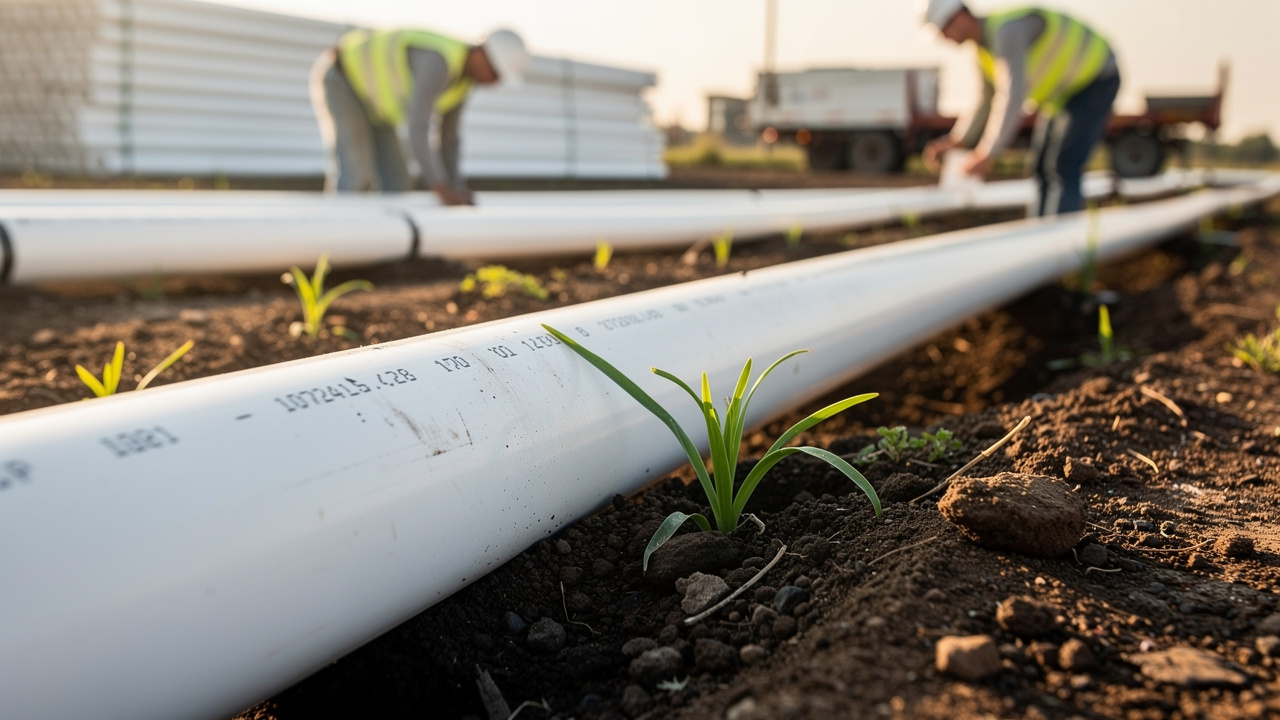
Unlock the Advantages of PVC for Your Manufacturing Needs
Introduction
Polyvinyl Chloride (PVC) stands at the forefront of modern manufacturing, revolutionizing industries with its unmatched durability and versatility. With its unique properties, PVC not only meets the demands of various applications but also offers significant cost savings and operational efficiencies. Yet, as manufacturers embrace PVC, they must confront its environmental implications head-on.
How can businesses leverage the advantages of PVC while navigating these challenges? This article delves into the multifaceted benefits of PVC, exploring its applications and the considerations that come with its use in modern manufacturing. Understanding how to harness PVC's strengths while addressing its challenges is crucial for sustainable growth in manufacturing.
Explore the Properties of PVC: Understanding Its Composition and Characteristics
In a world where standard solutions often fall short, Polyvinyl Chloride (PVC) stands out as a highly versatile thermoplastic polymer that meets diverse application needs. Its composition of chlorine and carbon gives it several advantageous properties essential for various applications:
- Durability: PVC is notably resistant to weathering, corrosion, and chemical degradation, making it ideal for outdoor applications and harsh environments. This durability is particularly beneficial in agricultural settings where exposure to elements is constant.
- Lightweight: Compared to metals, PVC is significantly lighter, which reduces transportation costs and simplifies handling during installation. This characteristic is crucial for manufacturers looking to optimize logistics and efficiency.
- Fire Resistance: PVC demonstrates notable flame-retardant characteristics, improving safety in construction and electrical uses. Its application in construction components can aid in adhering to safety regulations.
- Electrical Insulation: With outstanding dielectric characteristics, PVC acts as a perfect material for electrical insulation in wiring and conduits, ensuring safety and dependability in electrical uses.
- Versatility: PVC can be formulated to be either rigid or flexible, allowing for a wide range of uses, from piping systems to flooring solutions. This adaptability makes it a preferred choice in various industries, including agriculture and construction.
Have you ever found that standard pipe sizes just don’t cut it for your specific needs? At Lincoln Plastics, we focus on custom pipe extrusion, providing tailored diameters, wall thicknesses, and finishes to guarantee optimal performance in your applications. Our custom solutions include options such as smooth or textured finishes, enhancing both functionality and aesthetics. Additionally, our custom cord covers and Flexiduct solutions not only enhance safety by managing loose cords but also improve overall efficiency in your operations.
Understanding these characteristics helps manufacturers to identify the advantages of PVC for specific applications, ensuring optimal performance and durability in their products. We take quality seriously, backed by our ISO 9001:2015 certification, ensuring every product not only meets but exceeds industry standards. For tailored solutions that meet your specific needs, contact Lincoln Plastics experts today. Choosing Lincoln Plastics means investing in tailored solutions that not only meet but exceed your expectations for quality and performance.
Identify the Key Advantages of PVC: Durability, Cost-Effectiveness, and Versatility
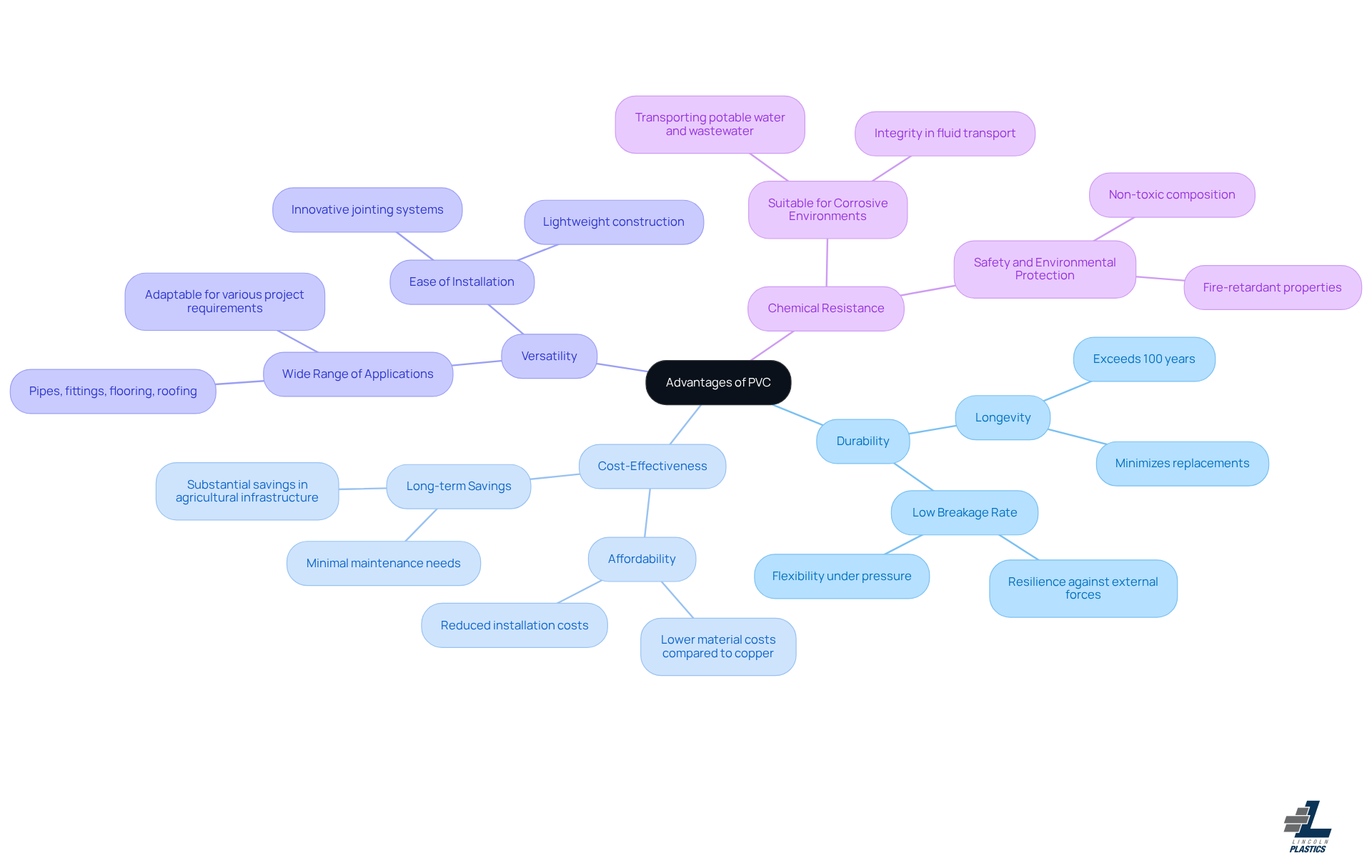
When it comes to manufacturing, PVC stands out as a material that combines durability, cost-effectiveness, and versatility. Here are some key advantages that make PVC a preferred choice:
- Durability: PVC's exceptional longevity often exceeds 100 years, significantly reducing the need for frequent replacements. This durability is crucial for plumbing and construction, where reliability is non-negotiable. As Piper Diers notes, "PVC pipes boast an extended useful life, often exceeding 100 years."
- Cost-Effectiveness: The advantages of PVC, such as its affordability and low maintenance requirements, translate to substantial cost savings over time. Its production process is less energy-intensive compared to alternatives like metal or glass, enhancing its economic appeal. This means that investing in PVC not only saves money but also enhances operational efficiency. For instance, switching to PVC piping in agricultural infrastructure could save billions of dollars, showcasing the advantages of PVC.
- Versatility: The advantages of PVC include its ability to be easily shaped into different forms and dimensions, making it suitable for a wide array of uses, from pipes and fittings to flooring and roofing materials. This adaptability enables manufacturers to meet various client needs effectively, accommodating different diameters, lengths, and configurations for distinct project requirements, including gravity flow systems, pressurized pipelines, and trenchless installations.
- Chemical Resistance: PVC's inherent resistance to a wide range of chemicals, acids, and solvents makes it ideal for use in environments where exposure to corrosive substances is a concern, such as in chemical processing plants. This means fluids are transported safely, protecting both public health and the environment.
The advantages of PVC establish it as a top option in multiple sectors, including construction, agriculture, and manufacturing, making it a wise choice for OEMs aiming to enhance their operations. Choosing PVC is not just a decision; it's a strategic move that can redefine operational success.
Apply PVC Advantages: Real-World Applications in Manufacturing and Construction
The advantages of PVC as a cornerstone material across industries include its unmatched durability and versatility, which drive innovation and efficiency.
- Construction: PVC is extensively utilized for pipes, window frames, and roofing materials due to its durability and resistance to weathering. For instance, PVC pipes are commonly employed in plumbing systems, offering corrosion resistance and longevity. In fact, construction accounts for over 55% of PVC consumption, totaling approximately 33 million tonnes annually, showcasing the advantages of PVC in infrastructure development.
- Electrical Conduits: Isn't it remarkable how PVC's versatility positions it as the go-to choice for a range of electrical applications? The electrical industry relies on PVC for conduits and insulation because of the advantages of PVC, which include excellent dielectric properties that ensure safety and reliability in electrical installations.
- Automotive Components: In the automotive sector, PVC is used for interior trim, dashboards, and wiring insulation. The advantages of PVC, including its lightweight and durable nature, significantly contribute to overall vehicle efficiency, enhancing both performance and safety.
- Packaging: Flexible PVC is frequently used in packaging purposes, such as shrink wraps and blister packs, because of its clarity and capacity to safeguard products from moisture and contamination. This makes it an ideal substance for preserving the integrity of consumer goods.
- Medical Devices: PVC's biocompatibility and ease of sterilization render it appropriate for multiple medical uses, including IV bags and tubing. The importance of PVC in healthcare is underscored by the fact that nearly 40% of disposable medical devices utilize the advantages of PVC.
As industries evolve, the demand for PVC's unique properties will only continue to rise, shaping the future of manufacturing and construction.

Evaluate Environmental Impact: Sustainability Considerations of PVC Usage
While PVC is known for its versatility and durability, its environmental impact raises critical questions for manufacturers today:
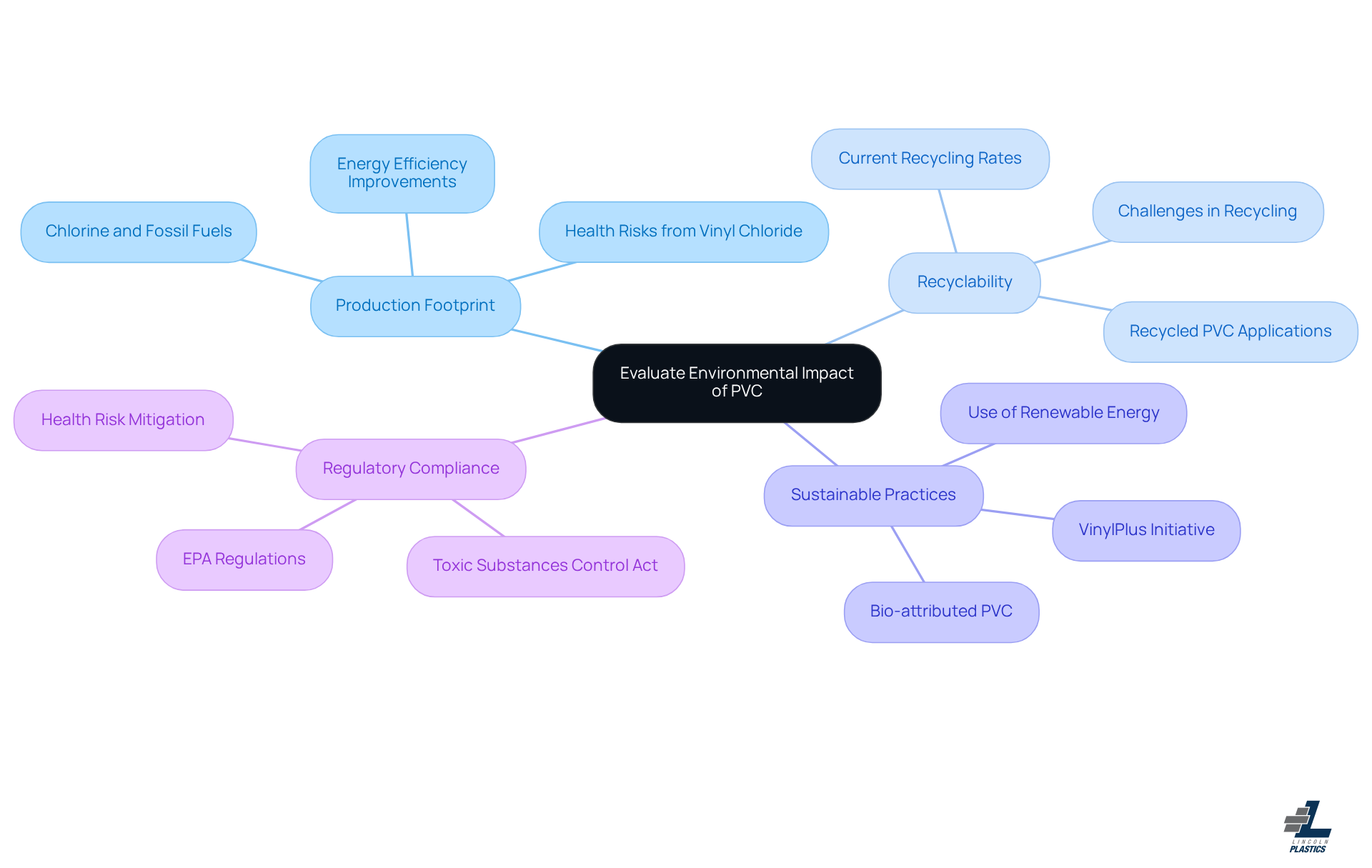
- Production Footprint: The manufacturing of PVC involves chlorine and fossil fuels, raising concerns about emissions and resource consumption. Chronic exposure to vinyl chloride poses significant health risks. What does this mean for manufacturers? Advancements in production techniques are making processes more energy-efficient. This reduction in energy use helps lower the overall environmental footprint.
- Recyclability: PVC is recyclable, but challenges remain. In 2019, approximately 9% of plastic waste was recycled, highlighting the need for improved pathways. Chemical recycling of PVC waste accounted for only 0.8% in the past fifteen years. How can manufacturers address these recycling challenges? Recycled PVC can be employed in various applications, thereby reducing the need for new resources. One of the advantages of PVC is its durability, which contributes to a long lifespan and can mitigate the environmental impact associated with frequent replacements. This longevity results in a lower overall carbon footprint over time, which showcases the advantages of PVC as a more sustainable choice in the long run.
- Sustainable Practices: Have you noticed how many manufacturers are now embracing sustainable practices, like using renewable energy and creating bio-attributed PVC from renewable materials? The VinylPlus initiative aims to recycle at least 900,000 tonnes of PVC for new products by 2025, showcasing a commitment to sustainability.
- Regulatory Compliance: Adhering to environmental regulations and standards is increasingly important. Manufacturers using PVC should remain informed about regulations regarding its use and disposal to ensure alignment with sustainability goals. The EPA's review of vinyl chloride as a high-priority substance under the Toxic Substances Control Act underscores the importance of compliance in mitigating health risks.
By evaluating these factors, manufacturers can gain a clearer understanding of the environmental implications of PVC and make informed decisions that align with their sustainability objectives. Understanding these factors is essential for manufacturers aiming to align their practices with sustainability goals and public health standards.
Conclusion
The advantages of Polyvinyl Chloride (PVC) in manufacturing are not just beneficial; they are essential for staying competitive in today's market. Its exceptional properties cater to a wide range of industrial applications. From remarkable durability and cost-effectiveness to versatility, PVC stands out as a material that can significantly enhance operational efficiency and product longevity. Understanding these benefits allows manufacturers to make informed decisions tailored to their specific needs.
Throughout the article, key insights into PVC's characteristics have been highlighted, including its lightweight nature, fire resistance, and chemical resilience. These attributes make PVC suitable for various applications - from construction and electrical conduits to automotive components and medical devices - and underscore its role in driving innovation across industries. Furthermore, Lincoln Plastics' commitment to quality, backed by ISO 9001:2015 certification, ensures that every PVC product meets rigorous standards, providing peace of mind for manufacturers.
As the demand for sustainable practices grows, the environmental considerations surrounding PVC usage cannot be overlooked. Embracing advancements in recycling and production techniques can help manufacturers mitigate the environmental impact of PVC while still reaping its benefits. Engaging with experts at Lincoln Plastics can provide tailored solutions that not only meet operational needs but also align with sustainability goals. Choosing PVC is not merely a decision; it’s a commitment to innovation and sustainability that will define the future of your operations.
Frequently Asked Questions
What is PVC and what are its main properties?
Polyvinyl Chloride (PVC) is a versatile thermoplastic polymer composed of chlorine and carbon. Its main properties include durability, lightweight nature, fire resistance, electrical insulation, and versatility, making it suitable for various applications.
Why is PVC considered durable?
PVC is resistant to weathering, corrosion, and chemical degradation, which makes it ideal for outdoor applications and harsh environments, particularly beneficial in agricultural settings.
How does the lightweight nature of PVC benefit manufacturers?
PVC's lightweight characteristic reduces transportation costs and simplifies handling during installation, optimizing logistics and efficiency for manufacturers.
What fire-resistant properties does PVC have?
PVC exhibits flame-retardant characteristics, enhancing safety in construction and electrical applications, and helping to adhere to safety regulations.
How does PVC function as an electrical insulator?
PVC has outstanding dielectric characteristics, making it an excellent material for electrical insulation in wiring and conduits, ensuring safety and reliability in electrical uses.
In what ways can PVC be formulated for different applications?
PVC can be formulated to be either rigid or flexible, allowing for a wide range of uses, including piping systems and flooring solutions, making it adaptable for various industries.
What custom solutions does Lincoln Plastics offer for PVC applications?
Lincoln Plastics specializes in custom pipe extrusion, providing tailored diameters, wall thicknesses, and finishes. They also offer custom cord covers and Flexiduct solutions to enhance safety and efficiency.
How does Lincoln Plastics ensure product quality?
Lincoln Plastics is ISO 9001:2015 certified, which ensures that every product meets and exceeds industry standards through rigorous quality management plans.
How can I contact Lincoln Plastics for tailored solutions?
For tailored solutions that meet specific needs, you can contact Lincoln Plastics experts directly to discuss your requirements and receive quotes.
List of Sources
- Explore the Properties of PVC: Understanding Its Composition and Characteristics
- PVC (https://spglobal.com/energy/en/news-research/special-reports/chemicals/chemical-trends-h1-2026/macroeconomic-woes/pvc)
- Topic: Polyvinyl chloride (PVC) (https://statista.com/topics/11401/polyvinyl-chloride-pvc?srsltid=AfmBOopYsW5uJAwj7J49q_U6bD_tV4fFElw3unMKeL0WPdn4DIUccBG1)
- Polyvinyl Chloride (PVC) Market Size and Forecast, 2026-2033 (https://coherentmarketinsights.com/market-insight/polyvinyl-chloride-market-5789)
- Identify the Key Advantages of PVC: Durability, Cost-Effectiveness, and Versatility
- The Economic Advantages of PVC Plumbing Pipes: A Cost-Effective Solution (https://ifanplus.com/knowledge/the-economic-advantages-of-pvc-plumbing-pipes-a-cost-effective-solution)
- The Numerous Advantages of PVC Pipe - Vinyl (https://vinylinfo.org/news/the-numerous-advantages-of-pvc-pipe)
- Construction demand helps push PVC prices higher for May (https://plasticsnews.com/video-livestreams/material-insights/pn-construction-demand-pvc-prices-0601)
- Highlighting the Advantages of PVC Products in Building and Construction - Vinyl (https://vinylinfo.org/news/highlighting-the-advantages-of-pvc-products-in-building-and-construction)
- Apply PVC Advantages: Real-World Applications in Manufacturing and Construction
- Polyvinyl Chloride (https://paulmurphyplastics.com/industry-news-blog/polyvinyl-chloride)
- Tonnes of Pvc Plastics Produced Worldwide - Live Counter | StatsPanda (https://statspanda.com/live-counters/tonnes-of-pvc-plastics-produced-worldwide)
- Vinyl and PVC Uses in Everyday Life | Vinyl Institute (https://vinylinfo.org/news/pvc-uses-in-everyday-life)
- Evaluate Environmental Impact: Sustainability Considerations of PVC Usage
- PVC Production and Recycling Statistics (https://energycle.com/global-pvc-production-and-disposal-statistics)
- New Website Highlights Public Health & Environmental Risks of PVC - GreenLatinos (https://greenlatinos.org/new-website-highlights-public-health-environmental-risks-of-pvc)
- Life cycle assessment of polyvinyl chloride production and its recyclability in China (https://sciencedirect.com/science/article/abs/pii/S0959652616318029)
- Poison Plastic: The Toxic Life Cycle of PVC (https://ecocenter.org/plastic-pollution-and-zero-waste/poison-plastic-toxic-life-cycle-pvc)
- Moving the PVC industry to a low-carbon circular economy - VinylPlus (https://vinylplus.eu/news/moving-the-pvc-industry-to-a-low-carbon-circular-economy)
Related posts

Discover how to select reliable extrusion companies near me with our comprehensive step-by-step guide.


Discover the top 10 strong plastics ideal for heavy-duty applications. Explore their benefits!
Discover essential steps on how to improve quality in a factory for better operational performance.
