
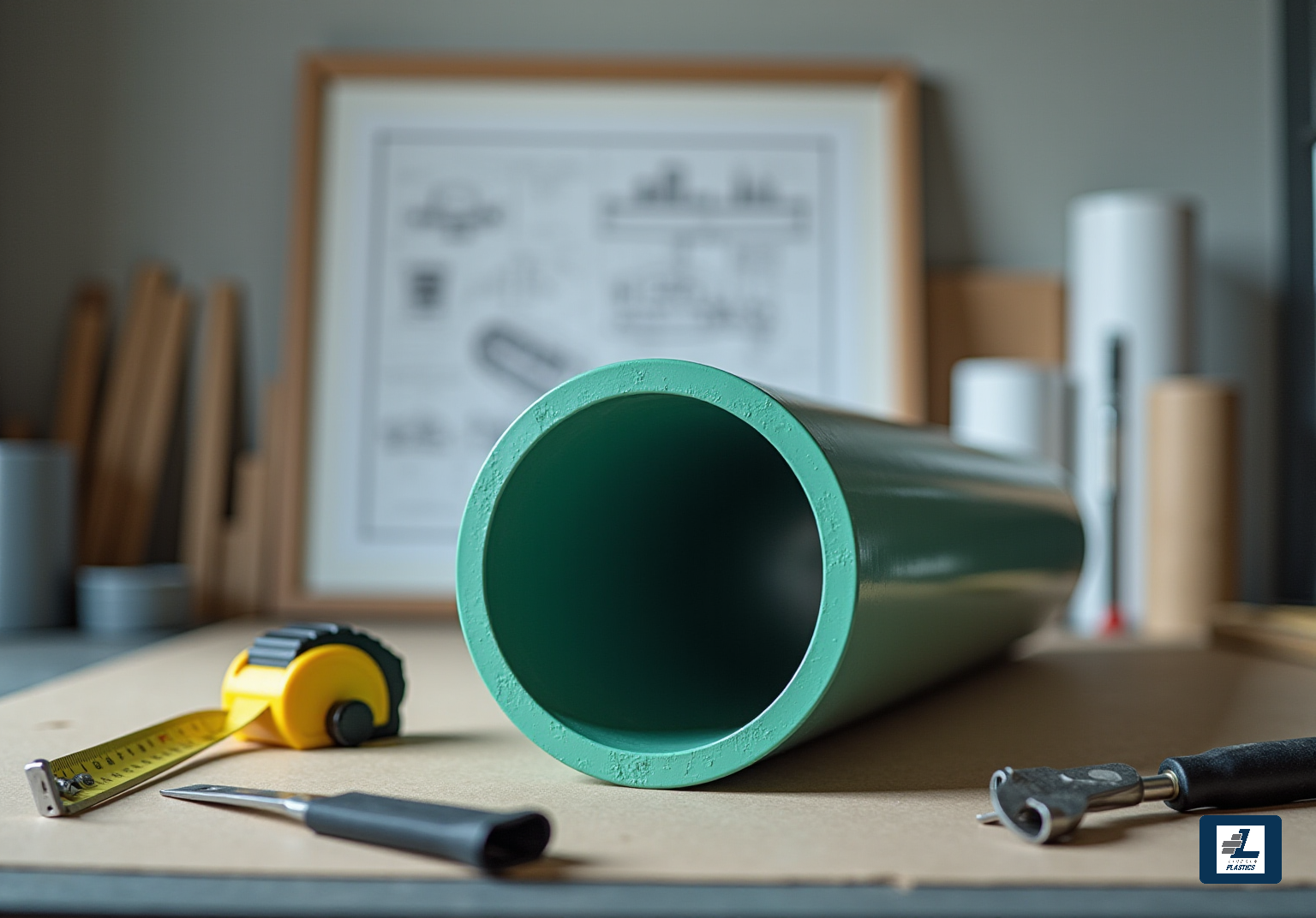
Understanding Type 1 PVC: Key Properties and Applications for OEMs
Introduction
Type 1 PVC, or unplasticized polyvinyl chloride, is quite the player in the materials world! It’s known for its impressive strength and durability, all without needing plasticizers. This rigid form of PVC isn’t just built for structural integrity; it also stands up well against environmental factors, making it a go-to choice for construction and plumbing projects.
But here’s the thing: as industries push for more versatile and sustainable materials, you might be wondering—can Type 1 PVC keep up with the changing demands of modern manufacturing while still holding onto its core benefits? Let’s dive into this together!
Define Type 1 PVC: Characteristics and Composition
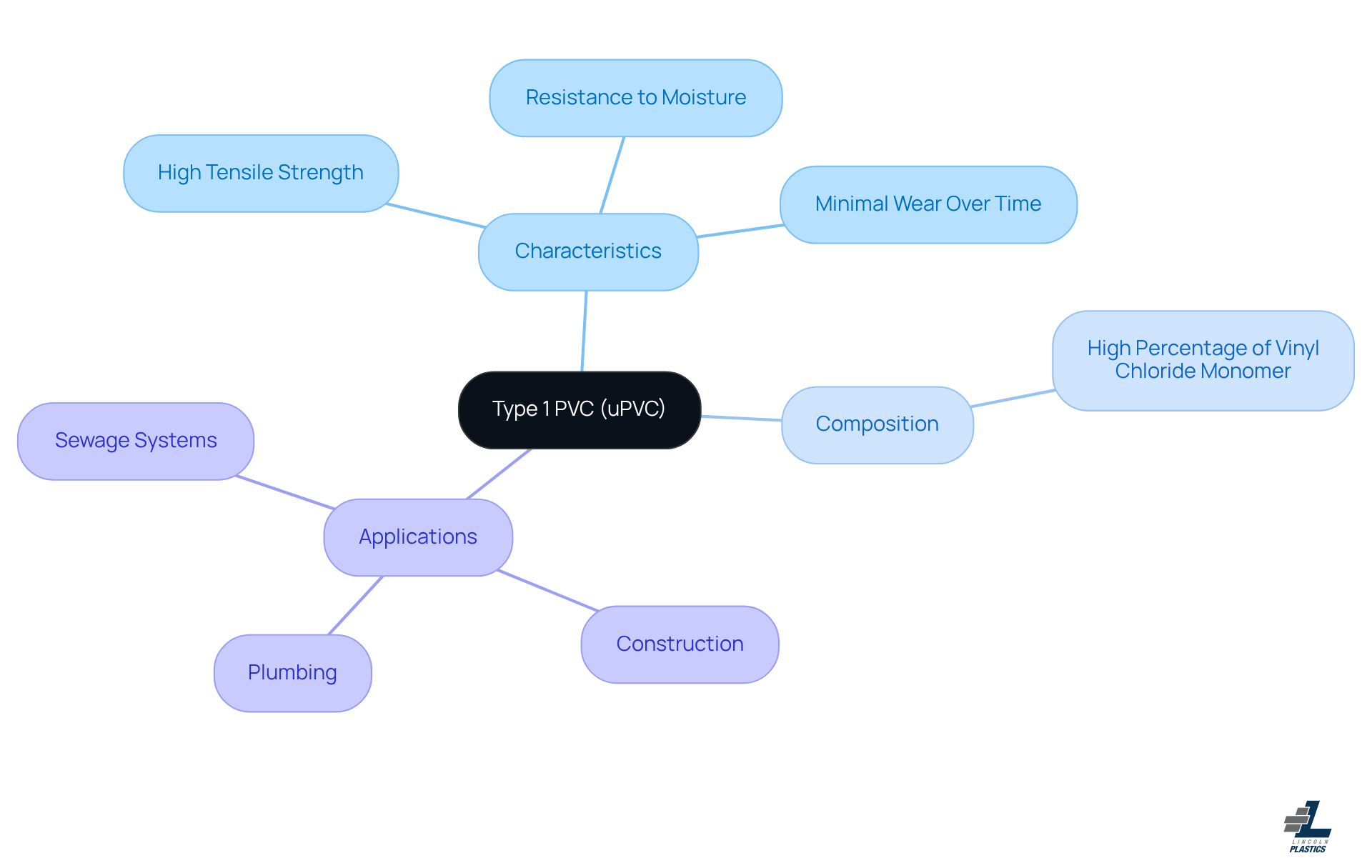
Let’s dive into Category 1 PVC, or unplasticized polyvinyl chloride. This rigid form of PVC is known for its durability. Unlike other types of PVC that use plasticizers to become more flexible, type 1 PVC skips those additives, resulting in a material that’s naturally stiff and robust. It’s made up of a high percentage of vinyl chloride monomer, which really boosts its structural integrity. This makes unplasticized polyvinyl chloride a great choice for applications where resistance to environmental factors are key, like in construction and plumbing.
Now, you might be curious about how plastic manufacturing has evolved. Recent advancements have focused on enhancing the performance traits of these materials. For instance, research shows that this type of plastic has excellent chemical resistance, making it perfect for underground water supply and sewage systems. Plus, its durability is impressive, with minimal maintenance needs, which solidifies its reputation as a go-to option in many industrial applications.
So, what are the key properties of uPVC? Here’s a quick rundown:
- High tensile strength and rigidity, ensuring structural stability under stress.
- Excellent weather resistance, which helps it last longer in outdoor applications.
- Minimal wear over time, with studies showing that plastic pipes maintain their performance even after extensive use.
At Lincoln Plastics, we work closely with OEMs to make sure our products meet all specifications. This includes special checks for ‘fit and function’ and sticking to tolerances. We’re also here to offer expert advice on custom design, resource selection, and vendor-managed inventory (VMI) solutions. This way, we can help OEMs optimize their production processes. These qualities highlight the versatility and reliability of this synthetic polymer, making it a top choice for OEMs seeking durable materials for their products. As the demand for sustainable and long-lasting materials continues to grow, uPVC is evolving too, adapting to meet the needs of modern applications while keeping its core benefits intact.
Examine Properties of Type 1 PVC: Strength, Flexibility, and Chemical Resistance
You know, when it comes to materials that really pack a punch, Type 1 PVC often stands out. It's known for its impressive strength, making it a go-to choice for projects that need durability. Its rigidity means it holds its shape under pressure, and its tough surface ensures it lasts even in harsh conditions. This material can handle a variety of chemicals, from acids to alkalis, which is super important in fields like construction and plumbing.
Now, let’s talk about the recent advancements in manufacturing techniques. These improvements have made this material even more reliable for OEMs. At Lincoln Plastics, we make sure our products, including those made from this tough PVC, meet all the standards and regulations. Plus, we can match colors to your Pantone specifications for that consistent look across different manufacturers.
However, it’s good to keep in mind that while Type 1 PVC shines in strength, it doesn’t offer the same flexibility as some other PVC types. This could limit its use in situations where bending or stretching is necessary. Overall, though, the combination of strength, chemical resistance, and durability, along with our dedication to quality and service, makes a versatile and trustworthy option for many applications. So, what do you think? Could this be a fit for your next project?
Explore Applications of Type 1 PVC: Industries and Use Cases
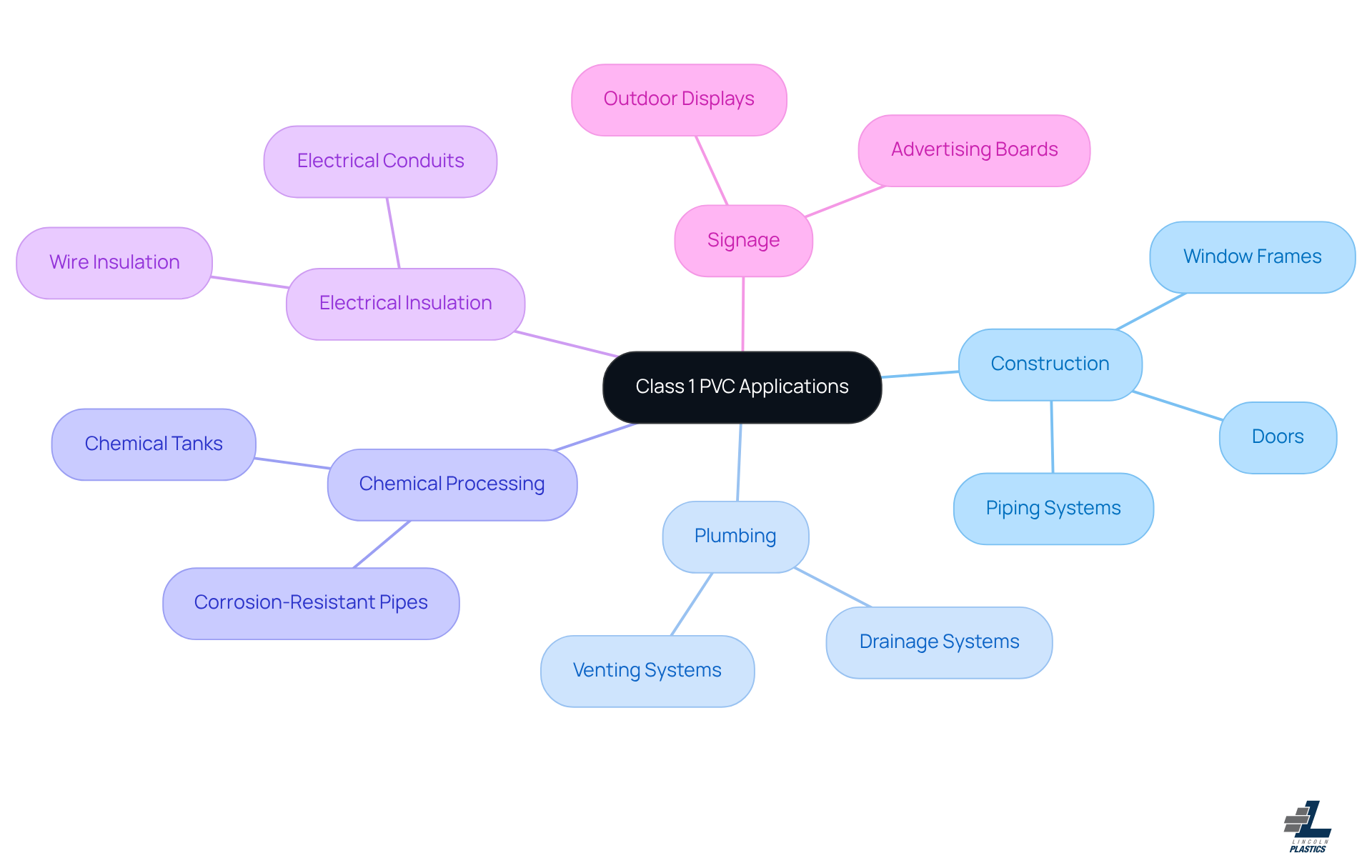
Have you ever thought about the materials that make up the things we use every day? Type 1 PVC is one of those unsung heroes, playing a vital role in various sectors thanks to its amazing qualities. In construction, for instance, it’s a go-to choice for:
- Window frames
- Doors
Why? Because it’s super rigid and can withstand the weather, giving you the durability needed.
Now, let’s talk plumbing. Type 1 PVC is the preferred material. It handles wastewater like a champ, ensuring everything flows smoothly. And if you’re in the chemical processing industry, you know how important it is to have materials that resist corrosion. That’s where Type 1 PVC shines, making it an essential choice.
But wait, there’s more! This versatile material is also used for:
- Electrical insulation
- Signage
Its durability against environmental factors means it can stand the test of time. With such a wide range of applications, it’s no wonder that manufacturers rely on Type 1 PVC for reliable and efficient solutions. So, next time you see a window frame or a pipe, remember the role Type 1 PVC plays in keeping everything running smoothly!
Conclusion
Type 1 PVC, or unplasticized polyvinyl chloride, really stands out as a strong and reliable material. It’s perfect for a wide range of applications. With its impressive strength and longevity, it's a top pick for industries where durability and resistance to the elements are key. By ditching plasticizers, this rigid PVC keeps its structural integrity, making it essential in construction, plumbing, and chemical processing.
Let’s take a closer look at some of the standout features of Type 1 PVC. It boasts:
- High tensile strength
- Moisture resistance
- Minimal wear over time
These traits not only boost its performance in tough environments but also highlight how adaptable it is to modern manufacturing needs. Plus, the latest advancements in this material reinforce its status as a go-to choice for OEMs, providing customization and quality assurance that meet industry standards.
Understanding the importance of Type 1 PVC across various sectors is vital for anyone involved in product design and manufacturing. As the demand for sustainable and resilient materials grows, tapping into the benefits of Type 1 PVC can really enhance efficiency and reliability in your products. Whether you’re looking at window frames, piping systems, or electrical insulation, the versatility of Type 1 PVC is an invaluable asset in the toolkit of original equipment manufacturers. So, why not consider it for your next project?
Frequently Asked Questions
What is Type 1 PVC?
Type 1 PVC, also known as unplasticized polyvinyl chloride (uPVC), is a rigid form of PVC characterized by its incredible strength and longevity. It does not contain plasticizers, resulting in a naturally stiff and robust material.
What are the main characteristics of unplasticized polyvinyl chloride (uPVC)?
uPVC has high tensile strength and rigidity, excellent resistance to moisture, corrosion, and UV rays, and minimal wear over time, ensuring structural stability and longevity in various applications.
In what applications is Type 1 PVC commonly used?
Type 1 PVC is commonly used in construction and plumbing applications, particularly where rigidity and resistance to environmental factors are essential, such as underground water supply and sewage systems.
How has plastic manufacturing evolved in relation to uPVC?
Recent advancements in plastic manufacturing have focused on enhancing the performance traits of uPVC, including its resistance to microbial organisms and durability, which requires minimal maintenance.
What quality standards does Lincoln Plastics adhere to for uPVC products?
Lincoln Plastics works closely with OEMs to ensure that their uPVC products meet all quality standards, including special checks for ‘fit and function’ and adherence to tolerances.
How does Lincoln Plastics support its clients in using uPVC?
Lincoln Plastics offers expert advice on custom pipe and tube design, resource selection, and vendor-managed inventory (VMI) solutions to enhance design for manufacturing and meet the needs of their clients.
Why is uPVC considered a reliable choice for OEMs?
uPVC is regarded as a reliable choice for OEMs due to its versatility, durability, and efficiency, making it suitable for a wide range of industrial applications as the demand for sustainable and long-lasting materials increases.
List of Sources
- Define Type 1 PVC: Characteristics and Composition
- Plastic pipe demand growing due to its ‘critical roles' (https://plasticsnews.com/news/us-plastic-pipe-market-hit-268b-2028-amid-infrastructure-surge)
- elkharashy.com (https://elkharashy.com/general-contracting-solutions/upvc-doors-and-windows)
- PVC — News Stories About Plastic Pollution — Beyond Plastics - Working To End Single-Use Plastic Pollution (https://beyondplastics.org/news-stories/tag/PVC)
- PVC Properties - Vinidex Pty Ltd (https://vinidex.com.au/resources/technical-resources/material-properties/pvc-properties)
- pmkplastik.com (https://pmkplastik.com/en/5_how-to-calculate-upvc-window-door-price.html)
- Examine Properties of Type 1 PVC: Strength, Flexibility, and Chemical Resistance
- lgchem.com (https://lgchem.com/product-detail/pvc)
- Applications of PVC: Versatile Utility Across Modern Industries (https://chemanalyst.com/NewsAndDeals/NewsDetails/applications-of-pvc-versatile-utility-across-modern-industries-37716)
- piedmontplastics.com (https://piedmontplastics.com/products/pvc-type-1?srsltid=AfmBOooa_d0haFycs3dwpFJmPlQVYfI2SK7U-XIp7Ik0X40XYlk_qY37)
- PVC, Type I | Emco Plastics (https://emcoplastics.com/pvc-type-i)
- curbellplastics.com (https://curbellplastics.com/materials/plastics/pvc?srsltid=AfmBOoq1w9TBTle9KKc6aCFkFARa1-a8RjdehP_XUIbnDLk_Y90Lc6wt)
- Explore Applications of Type 1 PVC: Industries and Use Cases
- ud-machine.com (https://ud-machine.com/blog/pvc-applications)
- fortunebusinessinsights.com (https://fortunebusinessinsights.com/polyvinyl-chloride-pvc-market-109398)
Related posts

Designing Custom Extrusions: How We Work with OEM Engineers
Lincoln Plastics partners with OEM engineers to design custom extrusion profiles — reducing modifications, improving performance, and lowering costs


Precision Matters: Tolerances and Quality Control in Extrusion
Lincoln Plastics ensures precision in every extrusion with tight tolerances, in-line checks, and strict quality control for OEM applications
Plastic Extrusion for Agricultural Equipment: Beyond Irrigation
Lincoln Plastics supports agriculture with custom plastic extrusions that go beyond irrigation, delivering durability and reliability in the field
