
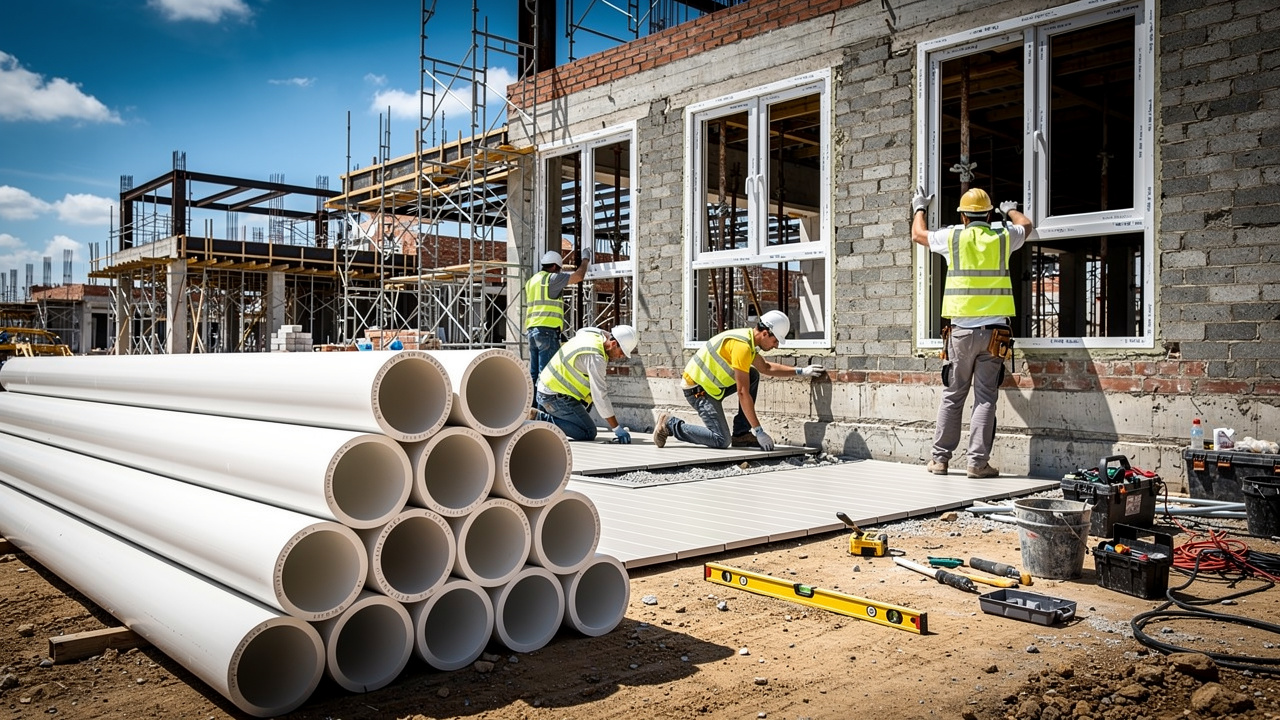
Understanding the Characteristics of PVC: Definition and Key Insights
Introduction
The versatility and durability of Polyvinyl Chloride (PVC) position it as a pivotal material in manufacturing, especially across construction and agriculture sectors. As the market for PVC expands, driven by innovations and sustainability initiatives, manufacturers must adapt its properties to meet specific application needs.
How can understanding PVC's unique characteristics help you make better decisions in manufacturing?
Define Polyvinyl Chloride (PVC)
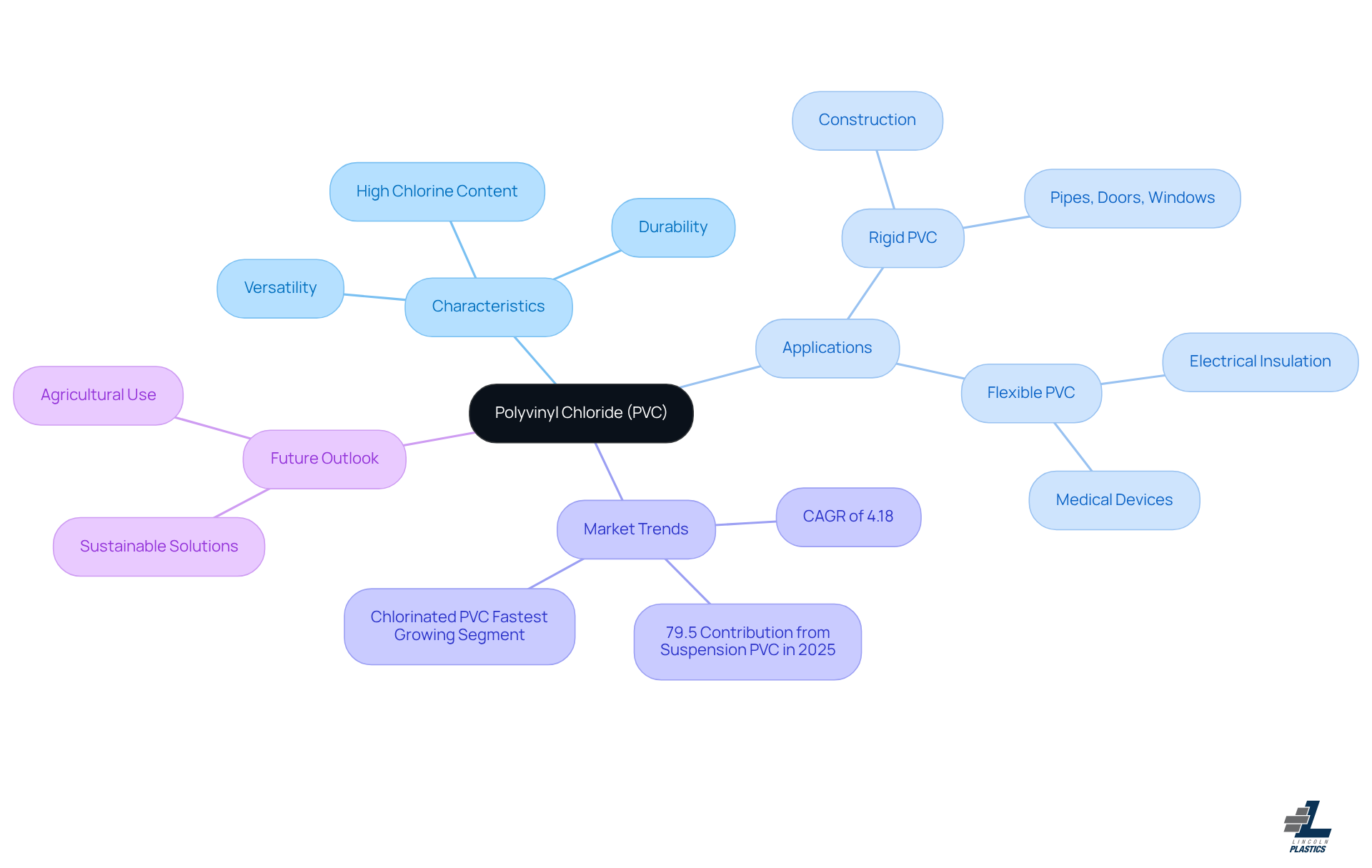
In the world of plastics, the characteristics of PVC highlight its status as a powerhouse, known for its unmatched versatility and durability. This synthetic thermoplastic polymer, synthesized through the polymerization of vinyl chloride monomers, ranks among the most widely produced plastics globally. PVC comes in two main varieties: rigid and flexible, each tailored for specific applications. Rigid PVC is primarily used in construction, including pipes, doors, and windows, while flexible PVC finds its place in electrical cable insulation and medical devices. The characteristics of PVC, including its high chlorine content, contribute to its exceptional durability against fire, chemicals, and environmental wear and tear, making it suitable for a wide range of uses.
As the market evolves, companies face the challenge of adapting to the surging demand for chlorinated PVC, projected to be the fastest-growing segment. The global PVC market is expected to expand at a compound annual growth rate (CAGR) of 4.18% from 2026 to 2035, with production reaching approximately 85.67 million tons by 2035. Notably, in 2025, the output volume of suspension PVC alone is anticipated to contribute roughly 79.5% to the market.
Furthermore, in agriculture, PVC is gaining recognition for its critical role in irrigation systems, especially as agricultural infrastructure expands. The characteristics of PVC, including its durability and resistance to environmental influences, make it an excellent option for uses demanding longevity and reliability. As the global population grows, the demand for efficient irrigation solutions will likely drive further adoption of PVC in agricultural settings. As we look to the future, embracing PVC in agriculture could be the key to meeting the demands of a growing population sustainably.
Trace the History and Development of PVC
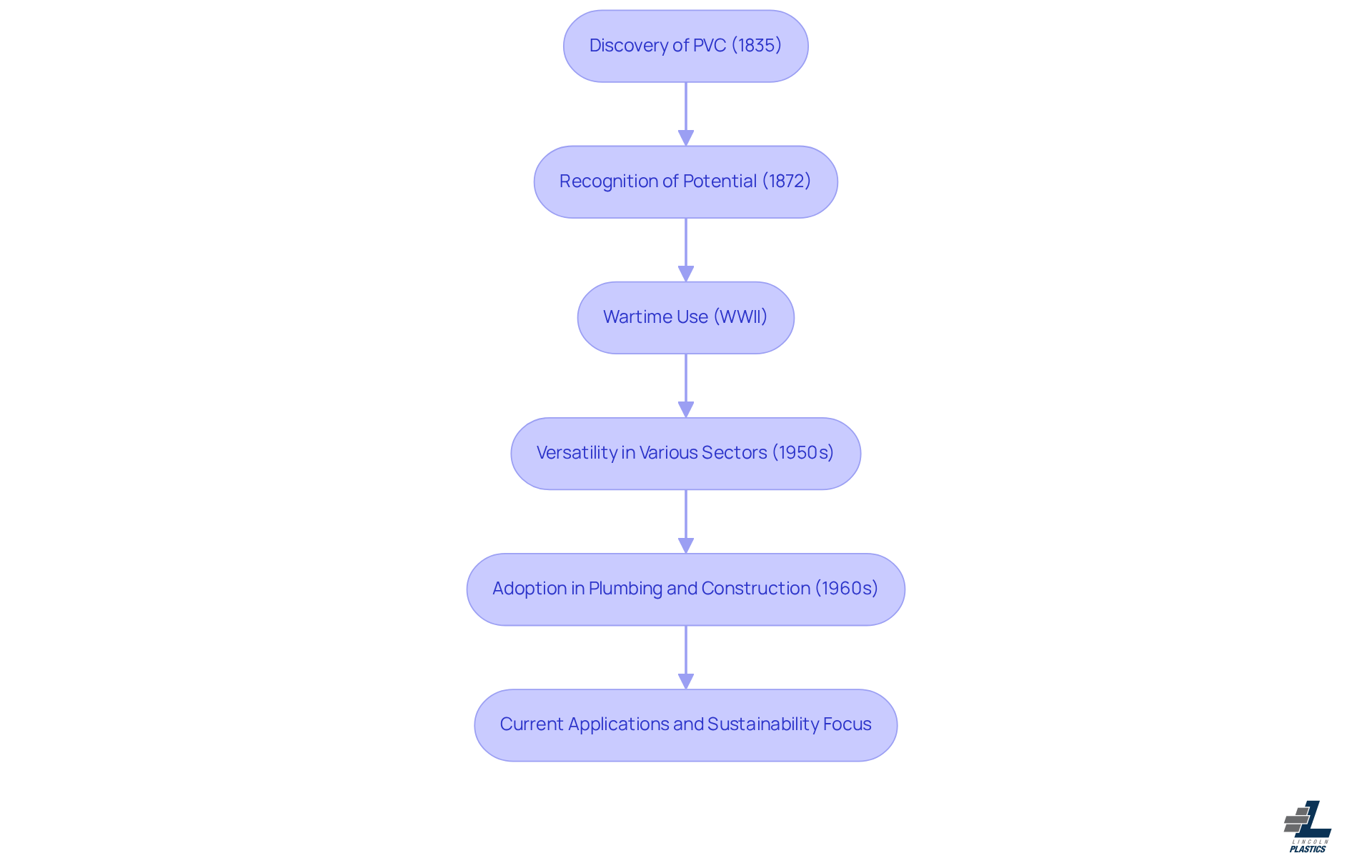
PVC's journey from a scientific curiosity to an industry staple showcases its remarkable adaptability and enduring relevance. Discovered in 1835 by French chemist Henri Victor Regnault, PVC's potential was only recognized in 1872 by German chemist Eugen Baumann. Initially overshadowed by more versatile plastics, its unique properties sparked renewed interest in the mid-20th century. During World War II, the material gained traction as it was used for military purposes. Notably, it served as a substitute for rubber insulation in wiring on military ships. This wartime demand catalyzed its popularity, leading to widespread adoption across various sectors.
By the 1960s, PVC became the go-to material for plumbing and construction. The characteristics of PVC, including its durability, chemical resistance, and cost-effectiveness, made it an obvious choice. The first PVC pipes were produced in the late 1930s, with over 400 residences in central Germany installed with PVC drinking water and wastewater pipelines from 1936 to 1939, still in use today. By the 1950s, the characteristics of PVC were recognized for their versatility, leading to its use in construction, automotive, and electrical sectors. The post-war economic recovery further fueled consumer demand, solidifying PVC's role as a staple in the plastics industry.
Today, PVC is essential to various applications, including building supplies, healthcare items, and consumer products. Its resilience and low maintenance requirements continue to make it an attractive option for builders and homeowners alike. Recent trends indicate a growing focus on sustainability within the PVC industry, with initiatives like the VIABILITY recycling grant program aimed at improving recycling rates and reducing environmental impact. With projections estimating the PVC market will reach USD 99.70 billion by 2035, one must ask: how will this material continue to adapt in a rapidly evolving market? As the industry evolves, PVC's commitment to sustainability will determine its future in a competitive market.
Examine Key Characteristics of PVC
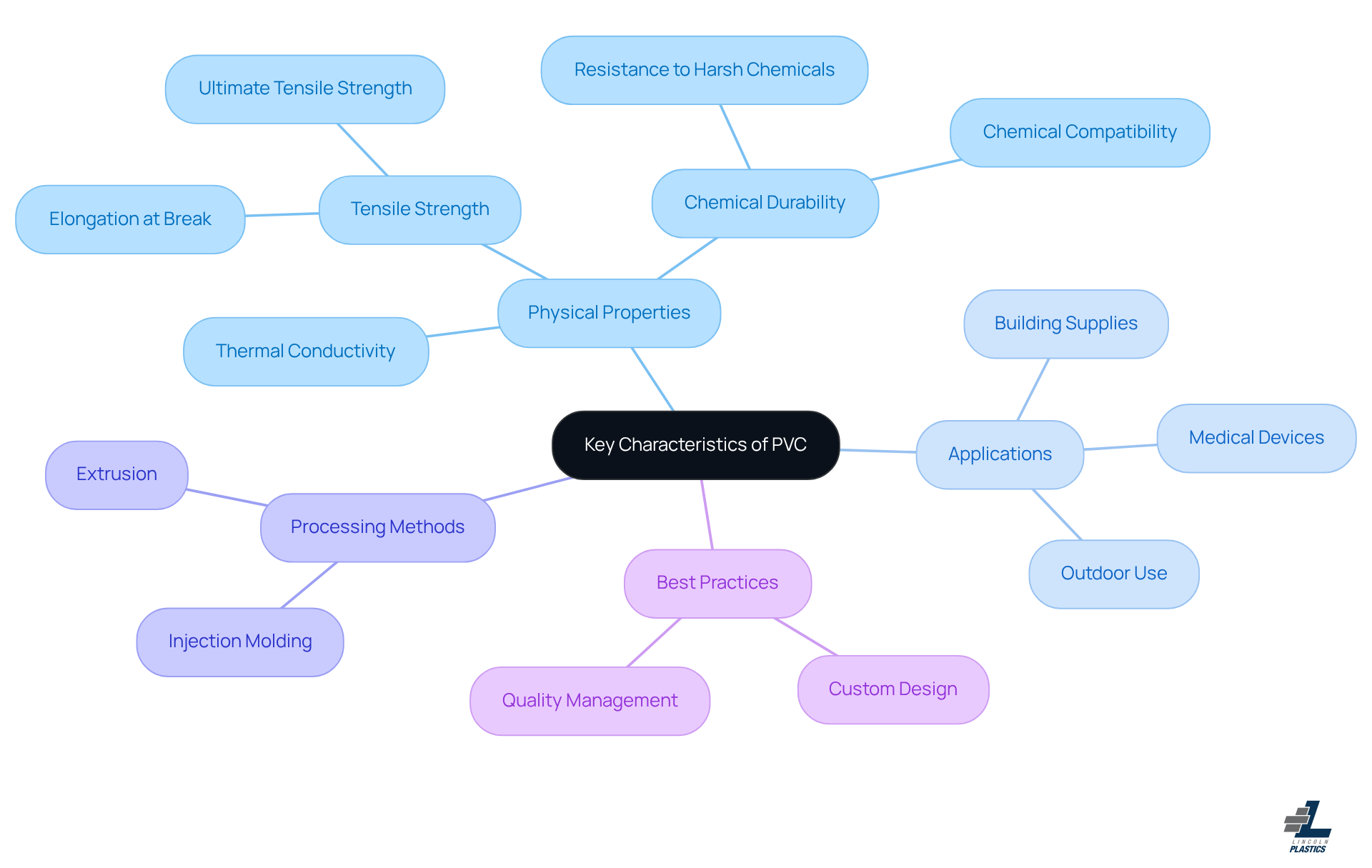
PVC stands out in the materials world, boasting remarkable properties that cater to diverse applications. Its high tensile strength can reach up to 90 MPa in its oriented form (PVC-O), along with outstanding chemical durability. This versatility allows PVC to serve a wide range of applications, including building supplies and medical devices. Its lightweight and durable characteristics, combined with the ability to withstand weathering, enhance its appeal for outdoor use.
The material demonstrates low thermal conductivity, making it energy-efficient in numerous applications. PVC can be processed through methods such as extrusion and injection molding, allowing for tailored solutions to meet specific needs. Furthermore, it can be modified with additives like plasticizers to improve flexibility or stabilizers for UV protection, further expanding its usage range.
At Lincoln Plastics, we focus on best practices that optimize plastic extrusion profiles, guaranteeing both efficiency and quality in our production process. Our ISO 9001:2015 certification underscores our commitment to quality management, supported by rigorous quality plans and in-process checks. Our expertise in tube extrusion allows us to provide essential insights for OEMs, helping them master the process and achieve superior results. Case studies highlight PVC's chemical resistance, especially in microfluidic applications, where its durability ensures dependable performance in medical and pharmaceutical environments. For instance, PVC pipes are compatible with a variety of non-reactive chemicals, including ammonium salts and alcohols, making them a reliable choice for industries requiring robust piping solutions.
Current statistics indicate that PVC's elongation at break ranges from 50% to 80%, showcasing its ability to withstand stress without failure. The elastic tensile modulus varies between 3.0 GPa and 3.3 GPa, while the ultimate tensile strength is approximately 52 MPa at 20°C. These properties highlight PVC's appropriateness for challenging applications, ensuring safety and durability in practice.
It is essential to understand the characteristics of PVC, particularly its limitations in chemical compatibility, to avoid costly mistakes in material selection. At Lincoln Plastics, we are dedicated to offering expert advice on custom pipe and tube design, selection of substances, and vendor-managed inventory solutions, ensuring that our clients receive personalized support for their unique needs. Our strategic Midwest location enables quick order turnaround and efficient logistics, making us a preferred partner for OEMs across various industries. With its impressive properties, PVC not only meets industry demands but also sets the standard for reliability and performance.
Explore Variations of PVC: Rigid vs. Flexible
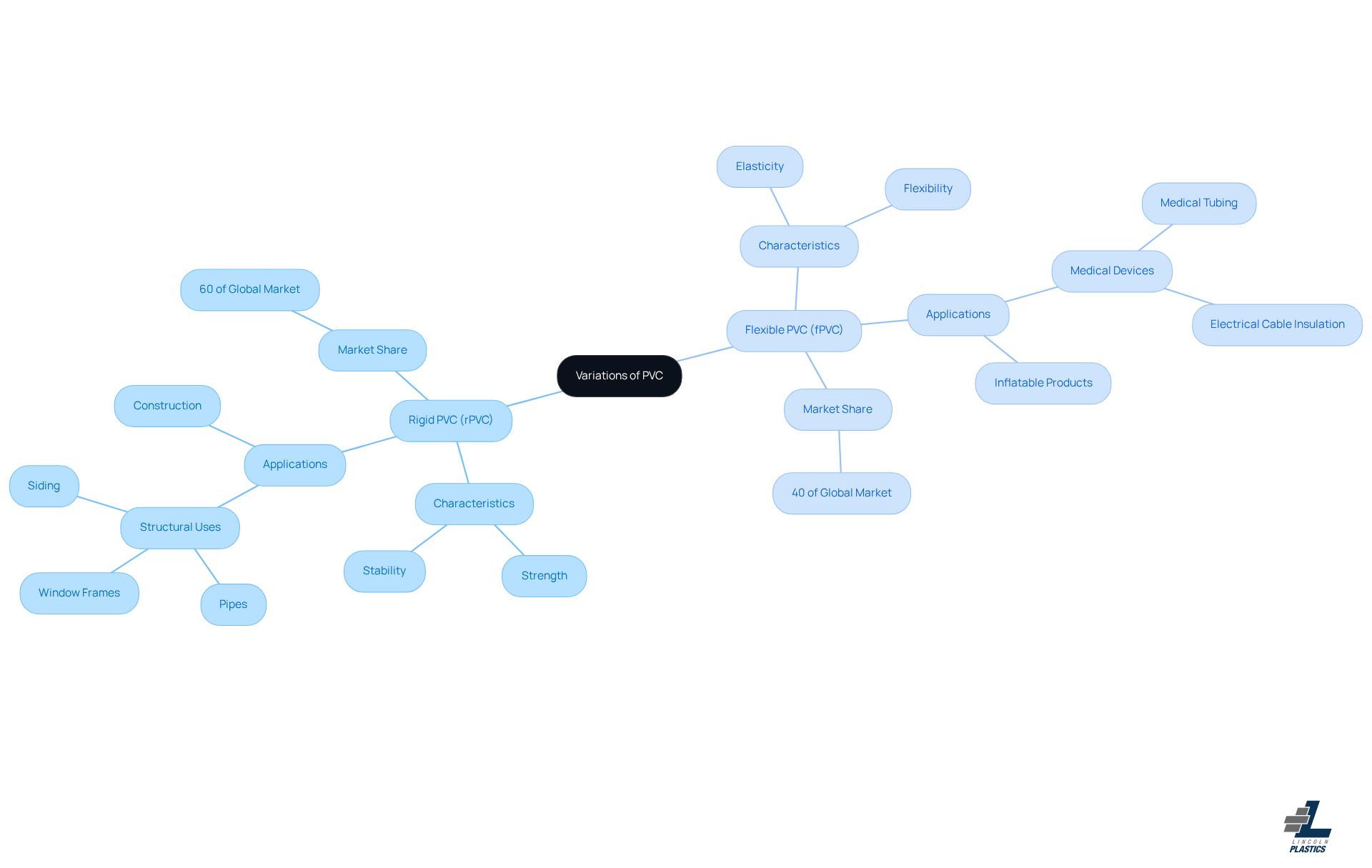
When it comes to PVC, understanding the differences between rigid and flexible types is essential for making informed decisions. The characteristics of PVC allow it to be categorized into two main types: rigid PVC (rPVC) and flexible PVC (fPVC). Rigid PVC is defined by its strength and stability, making it perfect for structural uses such as pipes, window frames, and siding. It's often used in construction due to its durability and resistance to impact. For instance, in a recent case study, rPVC was employed in a large-scale infrastructure project, showcasing its effectiveness in load-bearing applications. Meanwhile, flexible PVC is made by adding plasticizers, which enhance its elasticity and flexibility. This type is frequently utilized in areas such as electrical cable insulation, medical tubing, and inflatable products. A notable example includes the use of fPVC in medical devices, where its flexibility is crucial for patient comfort and safety.
Have you considered which type of PVC best suits your needs? It's clear that rigid PVC dominates the market, especially in construction. Meanwhile, flexible PVC is gaining traction in the electrical and medical sectors. As of 2023, the global PVC market was valued at approximately USD 8.5 billion, with projections indicating a growth rate of 3.6% from 2024 to 2030. Significantly, rigid PVC represents approximately 60% of the market share, propelled by urbanization and infrastructure growth, while flexible PVC, holding a 40% share, is increasingly preferred for its adaptability in diverse uses.
Expert insights highlight that the choice between rPVC and fPVC should be guided by the specific requirements of the application. Choosing the right type of PVC can be daunting, especially with the varying requirements of different applications. For instance, while rPVC is ideal for load-bearing structures, fPVC is better suited for environments requiring flexibility and resilience. Failing to choose the appropriate type could lead to inefficiencies and increased costs in your projects. Understanding the characteristics of PVC is crucial for effectively selecting the appropriate type to meet operational needs. Selecting the right PVC type not only enhances performance but also ensures long-term success in your projects.
Identify Applications of PVC in Various Industries
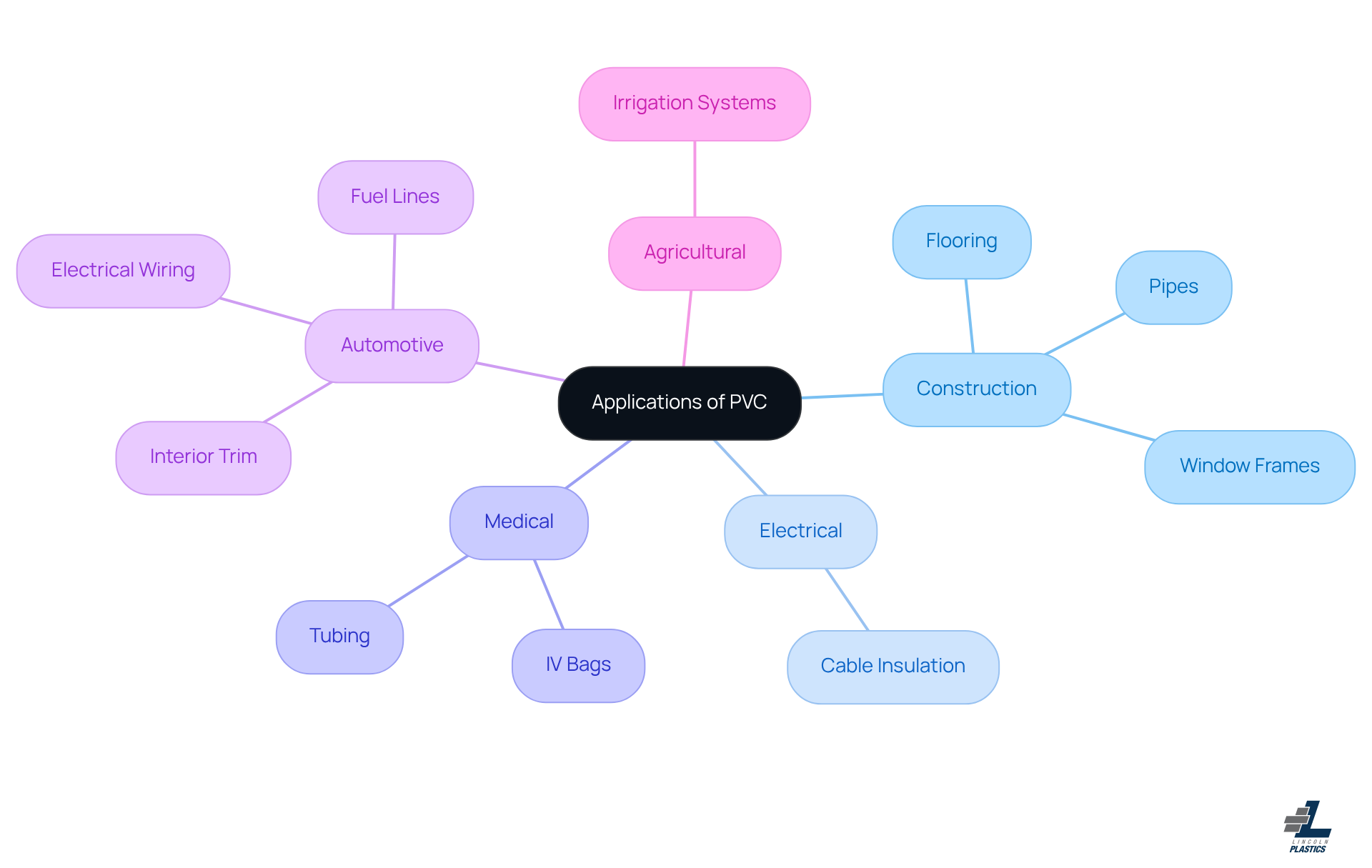
The characteristics of PVC make it a game-changing material, revolutionizing industries with its unmatched versatility and reliability. In the construction sector, the characteristics of PVC are predominantly utilized for:
- Pipes
- Window frames
- Flooring
The characteristics of PVC, including its inherent chemical resistance, make it an ideal choice for plumbing and drainage systems, ensuring durability and reliability. The worldwide PVC pipes market is anticipated to undergo substantial expansion, fueled by rising demand for lightweight and moisture-resistant substances, with a valuation expected to increase from USD 2.9 billion in 2023 to USD 4.8 billion by 2034, indicating a compound annual growth rate (CAGR) of 4.2%.
Beyond construction, the characteristics of PVC are crucial in the electrical industry. It serves as insulation for cables and wires, enhancing safety and longevity. The characteristics of PVC, especially its flexibility, are particularly valuable in the medical field, where it is used for products such as IV bags and tubing, ensuring hygiene and adaptability. Furthermore, the characteristics of PVC are integral to the automotive sector, as its lightweight nature contributes to improved fuel efficiency and reduced emissions. The agricultural industry also benefits from the characteristics of PVC, especially in the manufacturing of irrigation systems and components that require durability and resistance to environmental factors. Case studies highlight the successful implementation of PVC in constructing efficient irrigation pipes, showcasing its role in enhancing agricultural productivity.
At Lincoln Plastics, we take pride in ensuring that the characteristics of PVC in our products meet the highest quality standards through our robust quality management program, which includes dedicated quality books and critical in-process checks. Our strategic location in Lincoln, Nebraska, enables quick order turnaround and efficient logistics, allowing us to serve OEMs across various sectors effectively. Our collaboration with OEMs allows us to customize solutions that meet specific requirements, ensuring precision and reliability in every application. As industries evolve, the demand for PVC will not only shape market trends but also redefine the characteristics of PVC regarding quality and performance.
Conclusion
PVC stands as a cornerstone in modern manufacturing, offering unmatched versatility and durability across diverse industries. Understanding the characteristics of Polyvinyl Chloride, from its chemical structure to its applications, raises an important question: have you considered how the unique characteristics of PVC can transform your manufacturing processes? With its two primary forms - rigid and flexible - PVC caters to a wide array of needs, making it a staple in sectors such as agriculture, healthcare, and electrical engineering.
Key insights into PVC's history highlight its evolution from a scientific curiosity to a critical component in modern infrastructure. The material's remarkable properties, including chemical resistance, tensile strength, and adaptability, position it as a reliable choice for manufacturers and OEMs alike. At Lincoln Plastics, we don’t just talk about quality; we live it, ensuring every product meets the highest standards through our ISO 9001:2015 certification and dedicated quality management programs.
As industries continue to evolve, the demand for PVC is set to grow, driven by its applications in sustainable practices and innovative solutions. By collaborating with Lincoln Plastics, manufacturers can navigate these complexities and make informed decisions that enhance their projects. Choosing PVC not only meets immediate project needs but also positions businesses for future growth and sustainability in an ever-evolving market.
Frequently Asked Questions
What is Polyvinyl Chloride (PVC)?
Polyvinyl Chloride (PVC) is a synthetic thermoplastic polymer known for its versatility and durability. It is produced through the polymerization of vinyl chloride monomers and comes in two main varieties: rigid and flexible. Rigid PVC is commonly used in construction, while flexible PVC is utilized in applications like electrical cable insulation and medical devices.
What are the characteristics of PVC?
PVC is characterized by its high chlorine content, which contributes to its exceptional durability against fire, chemicals, and environmental wear and tear. These properties make it suitable for a wide range of applications, including construction and agriculture.
How is the PVC market expected to grow in the coming years?
The global PVC market is projected to expand at a compound annual growth rate (CAGR) of 4.18% from 2026 to 2035, with production expected to reach approximately 85.67 million tons by 2035. The demand for chlorinated PVC is anticipated to be the fastest-growing segment, with suspension PVC expected to contribute roughly 79.5% to the market by 2025.
What role does PVC play in agriculture?
PVC is gaining recognition in agriculture for its critical role in irrigation systems, particularly as agricultural infrastructure expands. Its durability and resistance to environmental influences make it an excellent choice for applications requiring longevity and reliability, which is essential for meeting the demands of a growing population.
What is the history of PVC?
PVC was discovered in 1835 by Henri Victor Regnault but gained recognition in 1872 by Eugen Baumann. Its popularity surged during World War II when it was used as a substitute for rubber insulation in military wiring. By the 1960s, PVC became a staple in plumbing and construction due to its durability, chemical resistance, and cost-effectiveness.
What are some modern applications of PVC?
Today, PVC is essential in various applications, including building supplies, healthcare items, and consumer products. Its resilience and low maintenance requirements continue to make it an attractive option for builders and homeowners.
How is the PVC industry addressing sustainability?
The PVC industry is increasingly focusing on sustainability, with initiatives like the VIABILITY recycling grant program aimed at improving recycling rates and reducing environmental impact. This commitment to sustainability will be crucial for PVC's future in a competitive market.
List of Sources
- Define Polyvinyl Chloride (PVC)
- Polyvinyl Chloride Market Size, Share & Growth Report 2035 | MRFR (https://marketresearchfuture.com/reports/polyvinyl-chloride-market-1043)
- PVC Production and Recycling Statistics (https://energycle.com/global-pvc-production-and-disposal-statistics)
- Polyvinyl Chloride (PVC) Market Forecast Report 2026-2032: Examining the Strategies of Shin-Etsu Chemical, Formosa Plastics, Westlake Chemical, PolyOne, INEOS and Other Key Players (https://globenewswire.com/news-release/2026/01/19/3220820/0/en/polyvinyl-chloride-pvc-market-forecast-report-2026-2032-examining-the-strategies-of-shin-etsu-chemical-formosa-plastics-westlake-chemical-polyone-ineos-and-other-key-players.html)
- PVC Prices Rise 12% in 2026 Amid Supply Tightness and Strong Asia Demand (https://openpr.com/news/4468125/pvc-prices-rise-12-in-2026-amid-supply-tightness-and-strong-asia)
- Trace the History and Development of PVC
- The Early History of PVC Pipe (https://jmeagle.com/early-history-pvc-pipe)
- Polyvinyl Chloride (PVC) Market Size, Share & Growth Report 2035 (https://snsinsider.com/reports/polyvinyl-chloride-market-10346)
- The Exciting History (and Future!) of PVC Medical Products (https://mwrco.com/news/the-exciting-history-and-future-of-pvc-medical-products/amp)
- A Brief History of PVC - Piper Plastics Corp. (https://piper-plastics.com/2017/03/27/a-brief-history-of-pvc)
- The Evolution of PVC: From Discovery to Modern Applications - Vinyl (https://vinylinfo.org/news/the-evolution-of-pvc-from-discovery-to-modern-applications)
- Examine Key Characteristics of PVC
- Scientists develop novel method for strengthening PVC products (https://news.osu.edu/scientists-develop-novel-method-for-strengthening-pvc-products)
- PVC Properties - Vinidex Pty Ltd (https://vinidex.com.au/resources/technical-resources/material-properties/pvc-properties)
- PVC (Polyvinyl Chloride) – Chemical Resistance Chart (https://blog.darwin-microfluidics.com/pvc-polyvinyl-chloride-chemical-resistance-chart)
- The Chemical Resistance Of PVC Pipes: 5 Must-Know Facts (https://polyfabonline.com/chemical-resistance-pvc-pipes)
- Explore Variations of PVC: Rigid vs. Flexible
- France PVC Pipes Industry to 2026 - Focus on Rigid and Flexible Pipes - ResearchAndMarkets.com (https://businesswire.com/news/home/20211220005414/en/France-PVC-Pipes-Industry-to-2026---Focus-on-Rigid-and-Flexible-Pipes---ResearchAndMarkets.com)
- Polyvinyl Chloride (PVC) Market Size & Share | Industry Growth 2032 (https://databridgemarketresearch.com/reports/global-polyvinyl-chloride-pvc-market?srsltid=AfmBOoo17rpr9se4ZRXrNJdqi2J7jzWFQuRYue2wmA2-bT9oG0ZM3nOm)
- PVC Market Set to Surge: Key Trends Shaping the Future of Plastics (https://openpr.com/news/4058572/pvc-market-set-to-surge-key-trends-shaping-the-future-of-plastics)
- Polyvinyl Chloride Market Size And Share Report, 2024-2030 (https://grandviewresearch.com/industry-analysis/polyvinyl-chloride-pvc-market)
- Master PVC Mechanical Properties for Optimal OEM Applications (https://lincoln-plastics.com/news-post/master-pvc-mechanical-properties-for-optimal-oem-applications)
- Identify Applications of PVC in Various Industries
- PVC Pipe Market Analysis Report 2026: Major Trends, Influencing Factors and Forecast Overview (https://openpr.com/news/4513271/pvc-pipe-market-analysis-report-2026-major-trends-influencing)
- How PVC Is Revolutionising Today's Manufacturing Industries — McNeall Plastics (https://mcneallplastics.com.au/news/how-pvc-is-revolutionising-industries)
- Future of PVC 2026 Highlights Innovation Across the PVC Value Chain - VinylPlus (https://vinylplus.eu/news/future-of-pvc-2026-highlights-innovation-across-the-pvc-value-chain)
- PVC Manufacturing and PVC Products Essential to Protecting Public Health - Vinyl (https://vinylinfo.org/news/pvc-manufacturing-coronavirus-essential-public-health)
Related posts

Discover the versatility and benefits of bendable plastic pipe for various industries and applications.


Optimize your extrusion control process with essential strategies for quality and efficiency.
Discover the essentials of plastic extrusion processes, their types, and significance in manufacturing.
