
Understanding Chemical Resistance of Polymers for OEM Managers
Introduction
In the world of custom plastic extrusion, understanding chemical resistance is not just beneficial - it's crucial for OEM managers aiming for excellence in component durability and reliability. Let’s explore the key factors that influence polymer selection and see how chemical resistance plays a vital role in enhancing operational efficiency and extending product longevity.
OEM managers often struggle to find materials that balance durability with performance in demanding environments. The right material choice can mean the difference between success and costly setbacks in your operations.
Define Chemical Resistance and Its Importance in Polymers
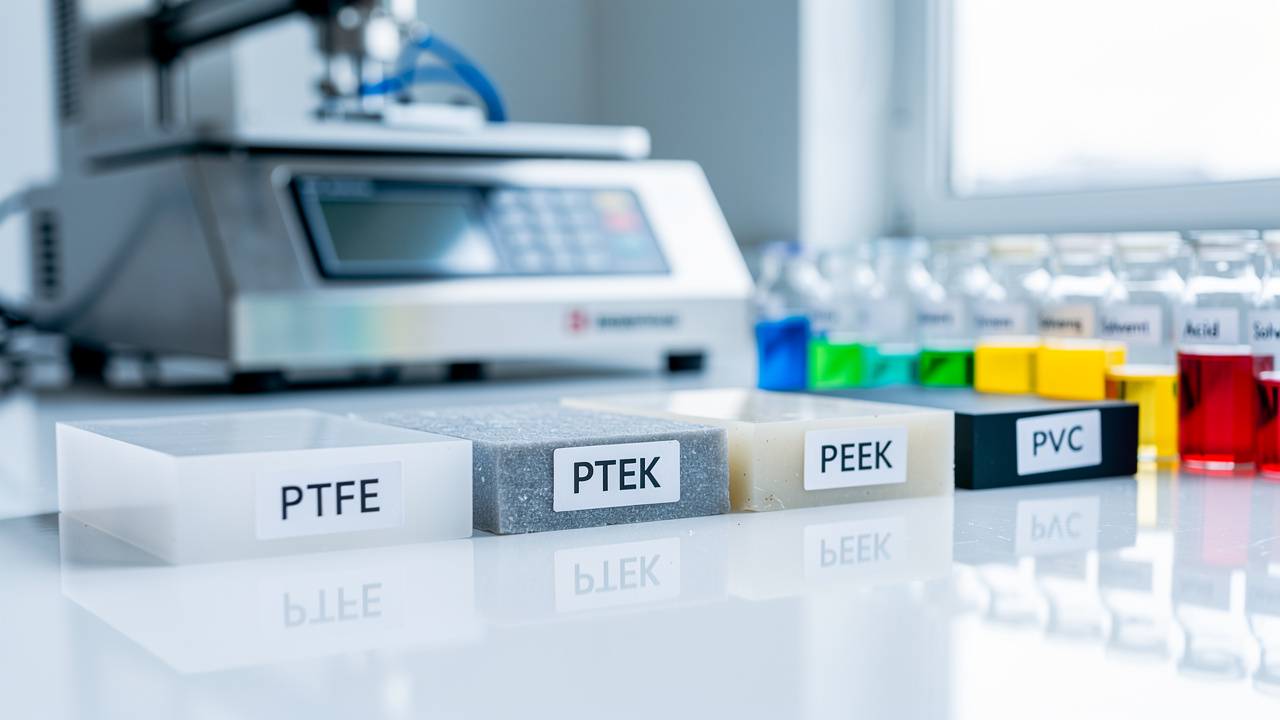
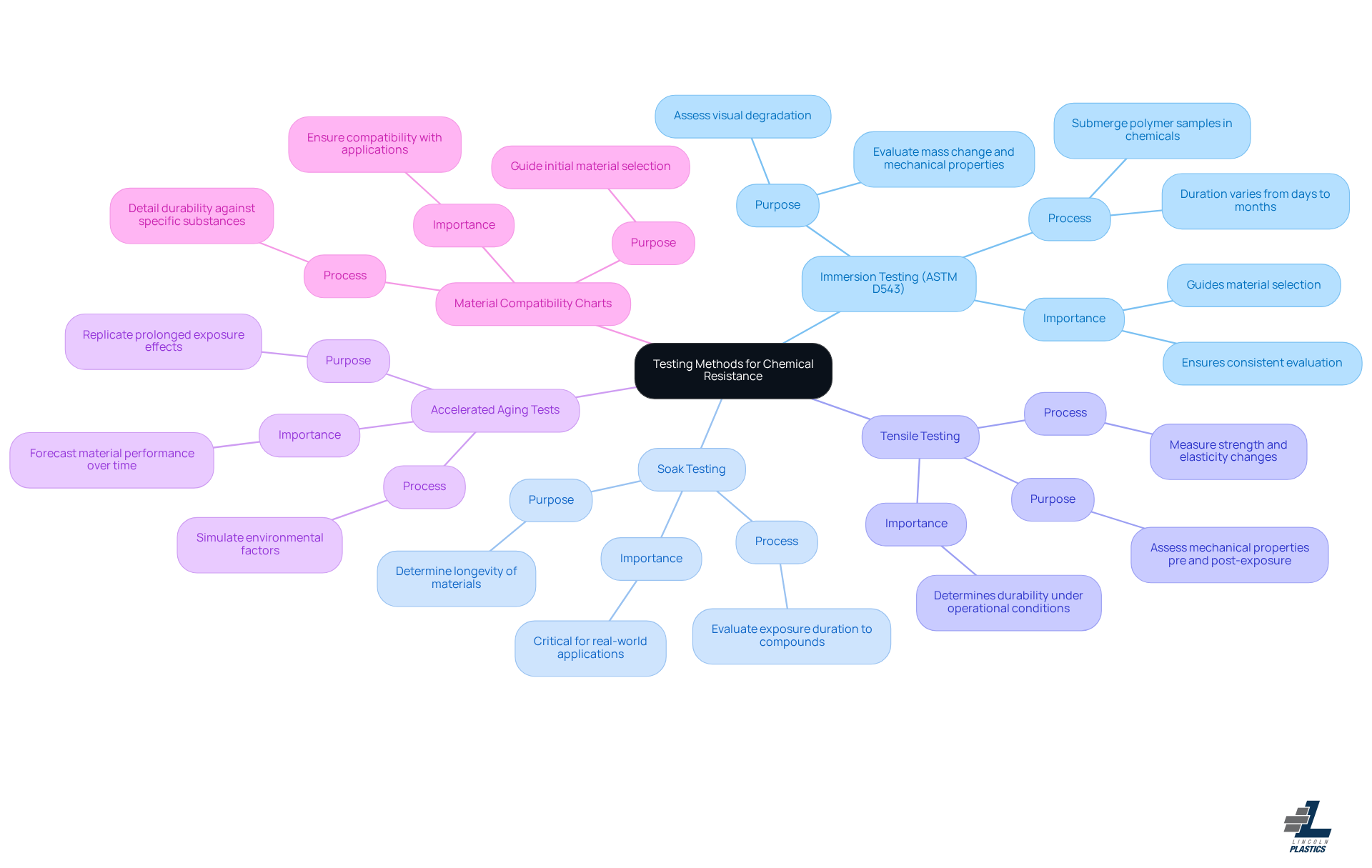
Understanding the chemical resistance of polymers is vital for OEM managers aiming to ensure the longevity and reliability of their components in demanding environments. Chemical durability, particularly the chemical resistance of polymers, refers to a material's ability to maintain its structural integrity when exposed to various substances, preventing degradation, swelling, or loss of mechanical properties. For OEM managers, the chemical resistance of polymers is a crucial trait because it impacts the durability and reliability of components in industrial applications. Materials like PTFE and PEEK are recognized for their exceptional chemical resistance of polymers to harsh substances, making them ideal for extreme conditions. Understanding the durability characteristics of materials is key to selecting the right polymers for specific applications, ensuring components operate effectively without failure.
Case studies illustrate the importance of informed material choice in enhancing reliability. One study emphasizes that selecting compatible fluoropolymers can significantly extend service life and reduce maintenance needs, ultimately improving overall system reliability. Another highlights the essential role of understanding the substance environment that components will encounter, including primary process materials and cleaning agents, which can lead to premature failure if not properly evaluated.
For OEM applications, the effects of material durability are significant. The risk of material failure due to inadequate compatibility assessments can lead to costly operational disruptions. Substances that excel in short-term assessments may deteriorate quickly under prolonged exposure if their compatibility has not been thoroughly assessed. This underscores the need for OEM managers to prioritize the chemical resistance of polymers when sourcing materials, as overlooking this can lead to costly failures and increased maintenance demands. By ensuring that the chosen materials can withstand specific substance challenges, OEMs can enhance product quality and operational safety. Additionally, Lincoln Plastics, certified under ISO 9001:2015, offers custom solutions, including cord covers and Flexiduct products, designed to meet rigorous quality management standards. This dedication to excellence guarantees that workplaces remain safe and efficient, especially in handling substances, while also benefiting from the logistical advantages of Lincoln Plastics' strategic location in Lincoln, Nebraska.
Explore Factors Influencing Chemical Resistance of Polymers
Choosing the right polymer can be daunting, especially with so many factors at play. Several key elements significantly influence the chemical resistance of polymers, which OEM managers must consider when selecting materials for demanding applications:
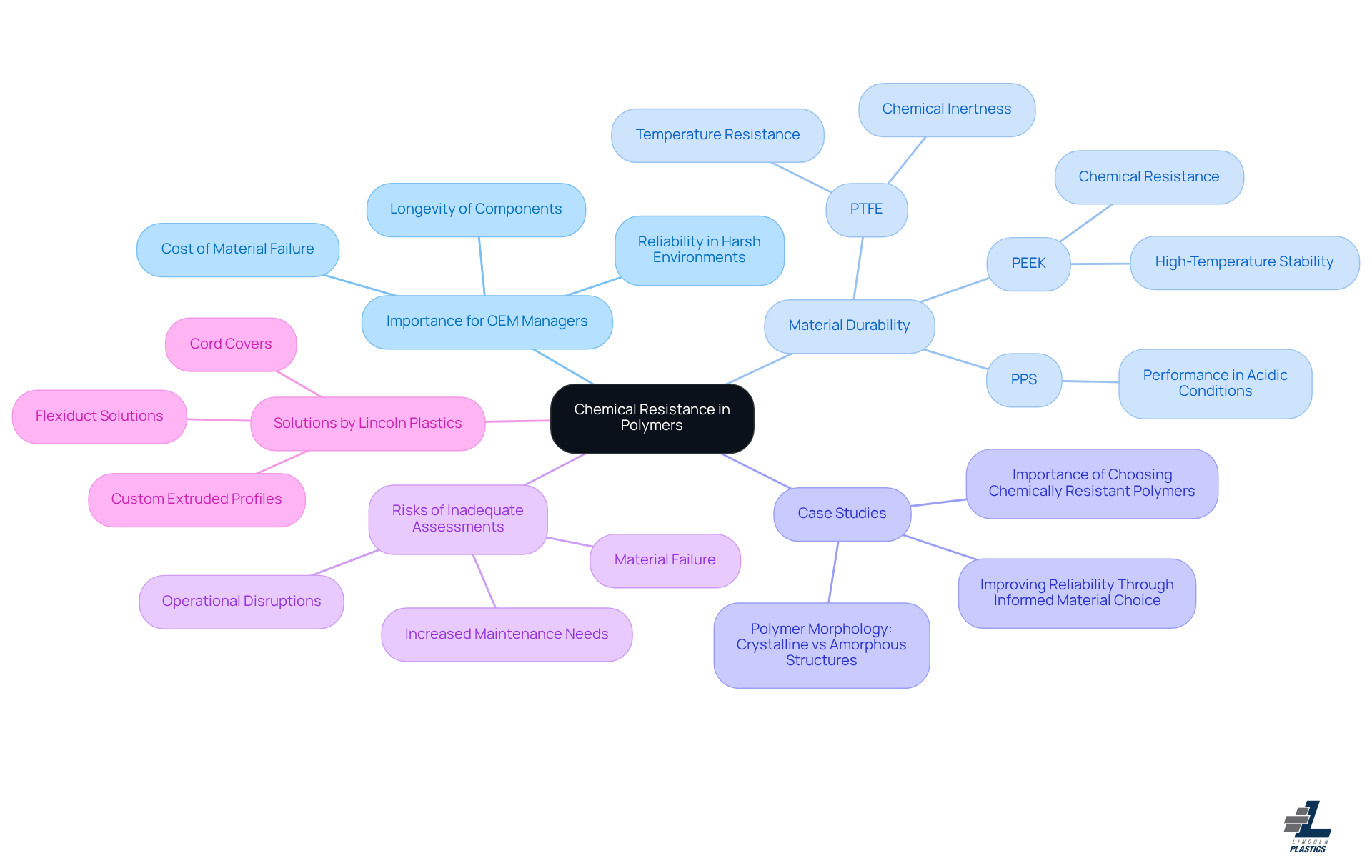
- Chemical Composition: The molecular structure and functional groups of a polymer play a pivotal role in its resistance to specific chemicals. For instance, fluoropolymers are recognized for their high durability due to strong carbon-fluorine bonds, making them suitable for aggressive environments. Furthermore, larger molecular weight substances tend to show improved durability against reactions due to enhanced chain entanglement and decreased chain mobility.
- Temperature: Elevated temperatures can speed up reactions, potentially reducing a material's resistance. Understanding the operational temperature range is essential for ensuring material integrity under varying conditions.
- Concentration of Substances: The degradation rates of plastics often rise with greater concentrations of aggressive substances. It is essential to evaluate the substance concentration present in the application environment to predict performance accurately.
- Exposure Time: Extended contact with substances can weaken polymers, leading to failure. Evaluating the expected duration of exposure is critical for selecting the right materials that will maintain their properties over time.
- Mechanical Stress: Mechanical loads can exacerbate chemical attacks, resulting in premature failure of components. Assessing the operational stresses on materials is necessary for accurate predictions of their performance in real-world applications.
By understanding these factors, you can ensure the chemical resistance of polymers in your components, helping them stand the test of time in industries like agriculture and manufacturing. Neglecting these critical factors could result in costly failures and diminished product performance, impacting your bottom line.
Review Common Testing Methods for Assessing Chemical Resistance
In the world of custom plastic extrusion, understanding the chemical resistance of polymers is essential for ensuring product reliability and performance. To evaluate this resistance, several standardized testing methods are commonly employed:
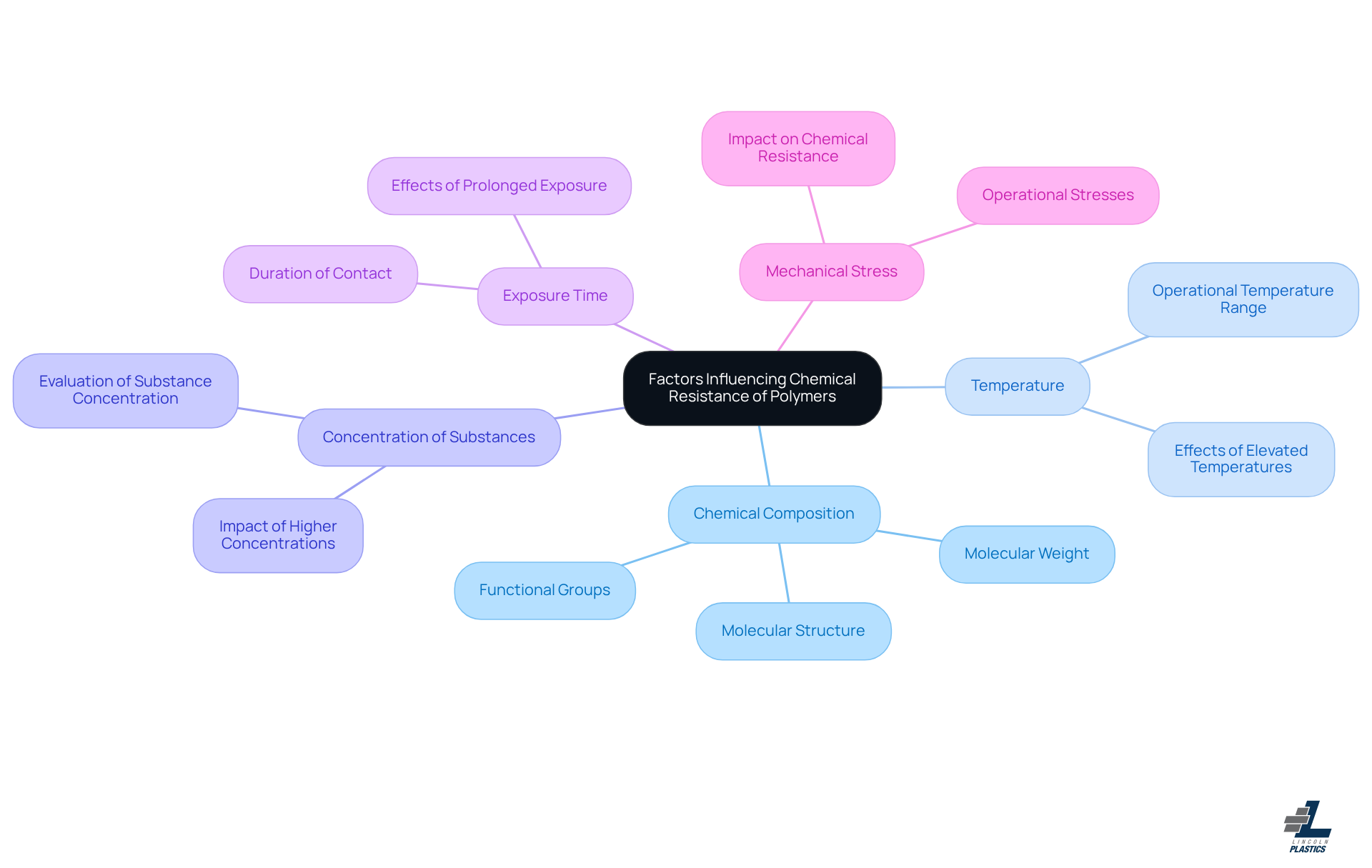
- Immersion Testing (ASTM D543): This method involves submerging polymer samples in specific chemicals for a set duration, which can last from a few days to several months based on project requirements. After exposure, assessments are made regarding mass change, mechanical properties, and visual inspection for any signs of degradation. This standardized approach ensures consistent evaluation across different materials.
- Soak Testing: How long can your materials really last in the field? This method helps answer that question by evaluating how long a substance can endure exposure to a compound before showing signs of failure. It's crucial for understanding the longevity of materials in real-world applications.
- Tensile Testing: This method assesses the mechanical properties of materials before and after exposure to substances, offering insights into how interactions with these agents influence strength and elasticity. It is essential for determining the durability of materials under operational conditions.
- Accelerated Aging Tests: These tests replicate prolonged exposure to substances under controlled conditions, enabling forecasts about material performance over time. By replicating environmental factors, manufacturers can better anticipate how materials will behave in actual use.
- Material Compatibility Charts: Using charts that detail the durability of different materials to particular substances assists in the initial selection process. These charts guide OEM managers toward suitable materials, ensuring compatibility with the intended application.
Understanding these testing methods is vital for OEM managers to make informed decisions regarding material selection, ultimately enhancing product reliability and performance through the chemical resistance of polymers. Without a thorough grasp of these testing methods, OEM managers risk compromising the integrity and longevity of their products in the marketplace. Furthermore, it is essential to take into account factors like polymer structure, functional groups, and additives, as these can greatly affect resistance to substances. Environmental Stress Cracking Resistance (ESCR) testing is also essential for comprehending the combined effects of mechanical and substance-related damage over time. As highlighted by industry specialists, 'Key factors include exposure duration, substance type, temperature, and pressure,' which further underscores the necessity for comprehensive testing and assessment.
Compare Chemical Resistance Profiles of Common Polymers
When it comes to chemical resistance, not all polymers are created equal, and understanding their profiles is crucial for optimal performance:
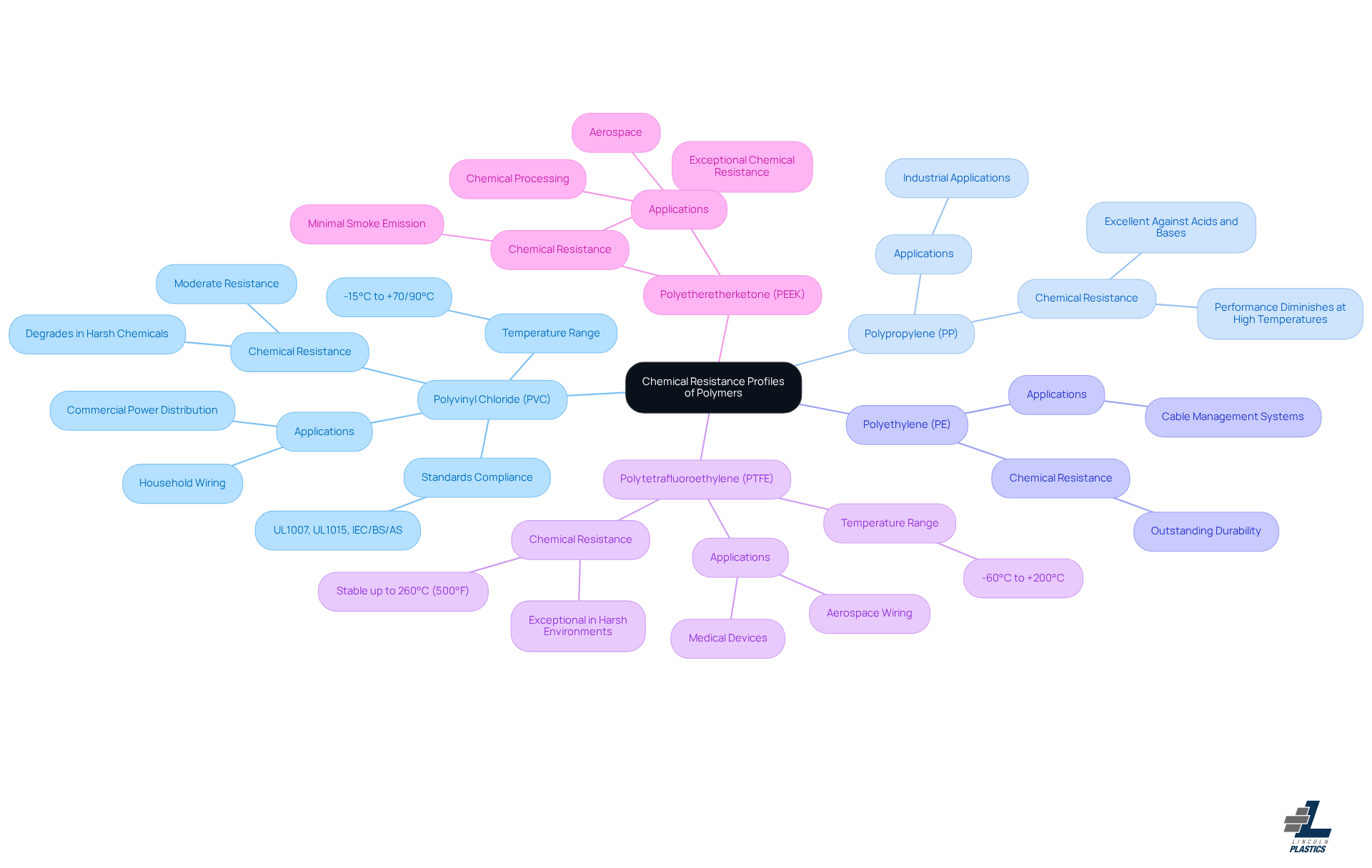
- Polyvinyl Chloride (PVC): Known for its moderate chemical resistance, PVC is suitable for many applications, particularly in household wiring and commercial power distribution. It complies with UL1007, UL1015, and IEC/BS/AS standards, ensuring reliability. However, what happens when PVC cables are exposed to harsh chemicals? They may degrade, leading to potential failures in critical applications. PVC cables have a temperature range of -15°C to +70/90°C.
- Polypropylene (PP): This polymer offers excellent durability against acids and bases, showcasing the chemical resistance of polymers, which makes it a reliable choice for various industrial applications. However, its performance can diminish at elevated temperatures compared to other materials. Have you considered how this could impact your operations?
- Polyethylene (PE): Demonstrating outstanding durability against a broad spectrum of substances, the chemical resistance of polymers such as PE makes it a flexible choice for numerous uses, including cable management systems. Its durability makes it appropriate for settings where substance exposure is a concern.
- Polytetrafluoroethylene (PTFE): PTFE excels in harsh environments and extreme temperatures, showcasing the chemical resistance of polymers even at 260°C (500°F). Its low friction and moisture durability further improve its appropriateness for high-performance uses in aerospace wiring and medical devices. PTFE cables have a temperature range of -60°C to +200°C. Have you considered how this could benefit your applications?
- Polyetheretherketone (PEEK): This high-performance polymer is known for its exceptional chemical resistance and thermal stability, making it suitable for challenging industrial uses. PEEK is particularly effective in environments where other materials may fail, such as in chemical processing and aerospace. Furthermore, PEEK produces minimal smoke when subjected to flame, improving its safety in high-temperature uses.
Understanding these profiles empowers OEM managers to make informed decisions that enhance product longevity and reliability. The right polymer choice not only enhances performance but also safeguards against potential operational failures and safety risks.
Conclusion
Are your components truly equipped to endure the harshest environments? Understanding the chemical resistance of polymers is crucial for OEM managers aiming to ensure the durability and reliability of their components. The ability of a polymer to withstand exposure to various substances without degrading is a key factor influencing material selection. When OEM managers prioritize chemical resistance, they not only boost product quality but also enhance operational safety, leading to better performance and lower maintenance costs.
Throughout this article, we've explored the key factors influencing chemical resistance, including:
- Chemical composition
- Temperature
- Concentration of substances
- Exposure time
- Mechanical stress
Each of these elements plays a vital role in determining how well a polymer performs in real-world applications. Furthermore, common testing methods such as:
- Immersion testing
- Soak testing
- Tensile testing
provide valuable insights into material durability, enabling informed decision-making for OEM managers.
In conclusion, choosing the right materials isn't just a decision; it's a commitment to excellence that can define your success in the industry. By understanding the profiles of various materials, such as PVC, polypropylene, polyethylene, PTFE, and PEEK, OEM managers can make strategic choices that enhance the longevity and reliability of their products. Engaging with experts at Lincoln Plastics can provide tailored solutions and insights into the best materials for specific applications, ensuring that components not only meet but exceed industry standards. Emphasizing a commitment to quality and excellence, Lincoln Plastics stands ready to support OEMs in navigating the complexities of material selection, ultimately fostering successful partnerships and operational success.
Frequently Asked Questions
What is chemical resistance in polymers?
Chemical resistance refers to a polymer's ability to maintain its structural integrity when exposed to various substances, preventing degradation, swelling, or loss of mechanical properties.
Why is chemical resistance important for OEM managers?
Chemical resistance is crucial for OEM managers because it impacts the durability and reliability of components in industrial applications, ensuring they can operate effectively in demanding environments without failure.
Which materials are known for their exceptional chemical resistance?
Materials like PTFE (Polytetrafluoroethylene) and PEEK (Polyether ether ketone) are recognized for their exceptional chemical resistance, making them ideal for extreme conditions.
How can informed material choice enhance reliability in OEM applications?
Informed material choice can significantly extend service life and reduce maintenance needs, ultimately improving overall system reliability by selecting compatible materials that withstand the specific environments they will encounter.
What risks are associated with inadequate compatibility assessments of materials?
Inadequate compatibility assessments can lead to costly operational disruptions due to material failure, as substances that perform well in short-term assessments may deteriorate quickly under prolonged exposure.
How can OEM managers ensure the quality and safety of their products?
OEM managers should prioritize the chemical resistance of polymers when sourcing materials to enhance product quality and operational safety, ensuring that chosen materials can withstand specific substance challenges.
What solutions does Lincoln Plastics offer related to chemical resistance?
Lincoln Plastics offers custom solutions, including cord covers and Flexiduct products, designed to meet rigorous quality management standards, ensuring safe and efficient handling of substances.
What certification does Lincoln Plastics hold that reflects its commitment to quality?
Lincoln Plastics is certified under ISO 9001:2015, which emphasizes its rigorous quality management plans and dedication to excellence.
Where is Lincoln Plastics located, and how does this benefit logistics?
Lincoln Plastics is located in Lincoln, Nebraska, which provides logistical advantages such as quick order turnaround and efficient shipping options, including less-than-truckload shipping and international delivery.
List of Sources
- Define Chemical Resistance and Its Importance in Polymers
- Compare Plastics for OEMs: Key Insights on Chemical Resistance (https://lincoln-plastics.com/news-post/compare-plastics-for-oems-key-insights-on-chemical-resistance)
- Reducing Equipment Failure Through Chemical-Resistant Polymers (https://holscot.com/reducing-equipment-failure-how-chemical-resistance-influences-polymer-performance)
- Chemical Resistance of Polymers (https://specialchem.com/plastics/guide/chemical-resistance-polymers)
- The Best Chemical-Resistant Composites (https://atlasfibre.com/best-chemical-resistant-composites)
- CHEMICAL RESISTANT PLASTICS: AN EXPERT GUIDE TO MATERIAL SELECTION FOR PRECISION PARTS – AIP Precision Machining (https://aipprecision.com/chemical-resistant-plastics-an-expert-guide-to-material-selection-for-precision-parts)
- Explore Factors Influencing Chemical Resistance of Polymers
- Polycarbonate Chemical Resistance Chart - Fibox (https://fiboxusa.com/enclosure-resources/chemical-resistance-of-polycarbonate)
- Chemical resistance plastics | Röchling US (https://roechling.com/us/industrial/characteristics/chemical-resistance-plastics)
- CHEMICAL RESISTANT PLASTICS: AN EXPERT GUIDE TO MATERIAL SELECTION FOR PRECISION PARTS – AIP Precision Machining (https://aipprecision.com/chemical-resistant-plastics-an-expert-guide-to-material-selection-for-precision-parts)
- Chemical Resistance of Polymers (https://specialchem.com/plastics/guide/chemical-resistance-polymers)
- The Chemical Resistance of Plastics - LATI (https://lati.com/en/the-chemical-resistance-of-plastics)
- Review Common Testing Methods for Assessing Chemical Resistance
- How to Test for Chemical Resistance in Plastic Components (https://plasticsengineering.org/2026/04/how-to-test-for-chemical-resistance-in-plastic-components-010963)
- Polymer Chemical Resistance Testing – Polymer Material Testing | Element (https://element.com/materials-testing-services/polymer-testing-services/polymer-chemical-resistance-testing)
- Chemical Resistance of Polymers (https://specialchem.com/plastics/guide/chemical-resistance-polymers)
- ASTM D543: Resistance of Plastics to Chemical Reagents (https://samaterials.com/blog/astm-d543-resistance-of-plastics-to-chemical-reagents.html)
- Compare Chemical Resistance Profiles of Common Polymers
- Top 5 Chemical-Resistant Plastics - SyBridge Technologies (https://sybridge.com/top-five-chemical-resistant-plastics)
- Which Is Better PTFE Or PVC Cable? - News (https://greaterwire.com/news/which-is-better-ptfe-or-pvc-cable-85226187.html)
- Compare Plastics for OEMs: Key Insights on Chemical Resistance (https://lincoln-plastics.com/news-post/compare-plastics-for-oems-key-insights-on-chemical-resistance)
- Chemical Resistance of Polymers (https://specialchem.com/plastics/guide/chemical-resistance-polymers)


