
Profile Manufacturing vs. Traditional: Key Insights for OEM Managers
Introduction
In the fast-changing world of manufacturing, OEM managers often find themselves at a crossroads: should they stick with traditional methods or explore profile manufacturing? It’s a big decision! Profile manufacturing shines with its focus on customization and efficiency, bringing some real perks that can boost both product offerings and operational performance. On the flip side, traditional methods are great for high-volume production but can fall short when it comes to flexibility and adaptability.
As we look ahead to 2025, it’s worth asking: how can OEMs make the most of these different approaches? Navigating this landscape isn’t just about choosing a method; it’s about optimizing manufacturing processes to keep up with the ever-evolving market demands. So, let’s dive in and explore how you can tackle these challenges head-on!
Understanding Profile Manufacturing and Traditional Manufacturing
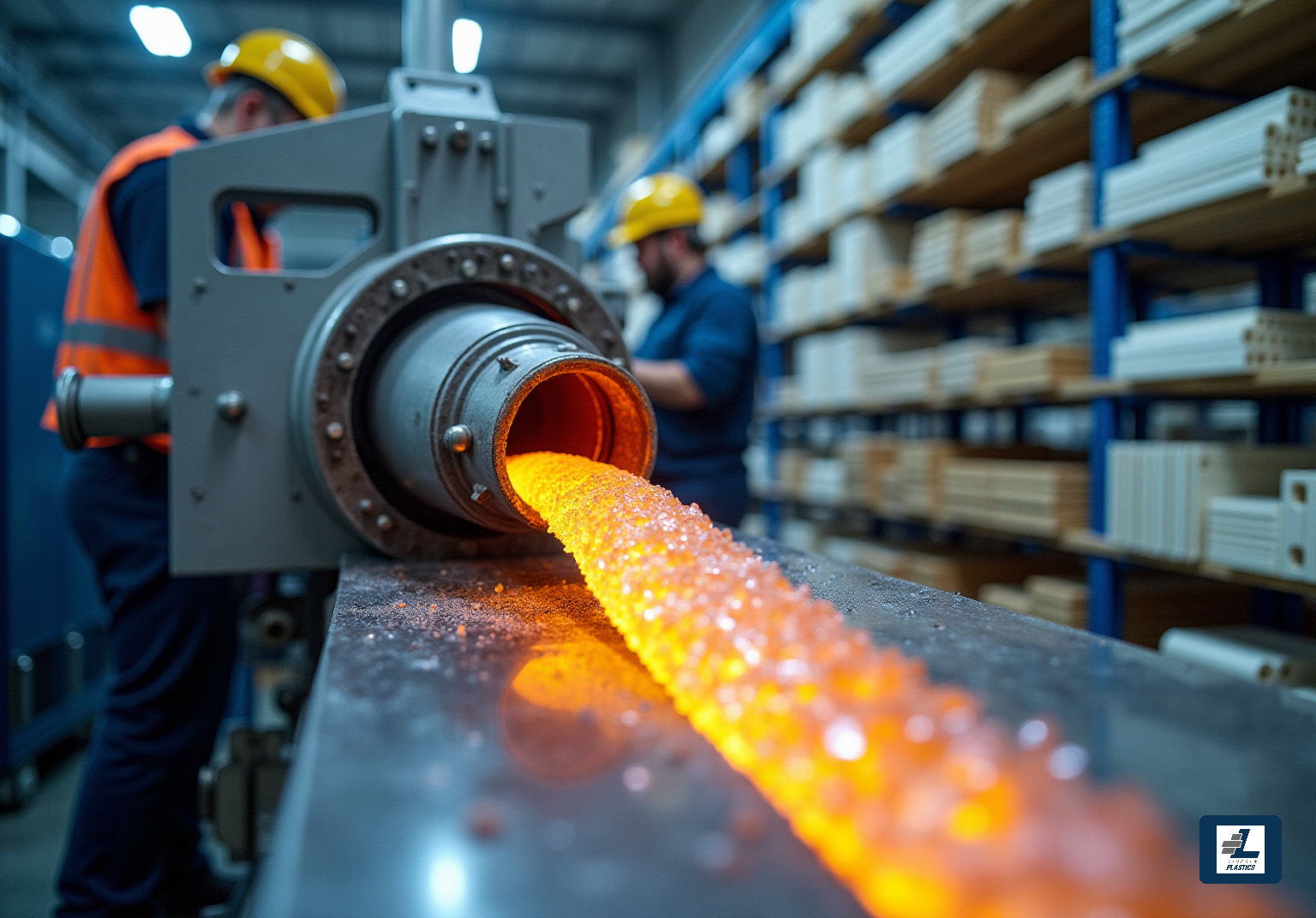
Manufacturing processes are a pretty specialized process, right? It’s all about creating unique shapes and forms by pushing heated plastic through a die. This continuous method really shines when it comes to customization, allowing for intricate designs tailored for specific uses, like cable management and cord covers.
Now, let’s talk about Lincoln Plastics. They’re experts in this field, offering products and solutions made from a variety of materials, including polyethylene, ridged PVC, flexible PVC, and polypropylene. Plus, they can work with any plastic resin to meet your specific needs, which really enhances the customization game.
In contrast, traditional methods cover a wider range of techniques, like machining, casting, and injection molding. These usually depend on fixed tooling and molds. While these methods are great for high-volume production, they often fall short on flexibility and cost-effectiveness when it comes to small batch production.
As we look ahead to 2025, the trends are becoming clearer. Innovations are really ramping up efficiency and adaptability to market needs. Have you seen how OEMs are using profile manufacturing to meet unique specifications? It’s impressive how this approach boosts operational efficiency through streamlined processes.
Understanding these differences is crucial. They need to choose the right production method that aligns with their product needs and market dynamics. So, what do you think? Are you ready to explore the possibilities of profile manufacturing?
Advantages of Profile Manufacturing: Customization and Efficiency
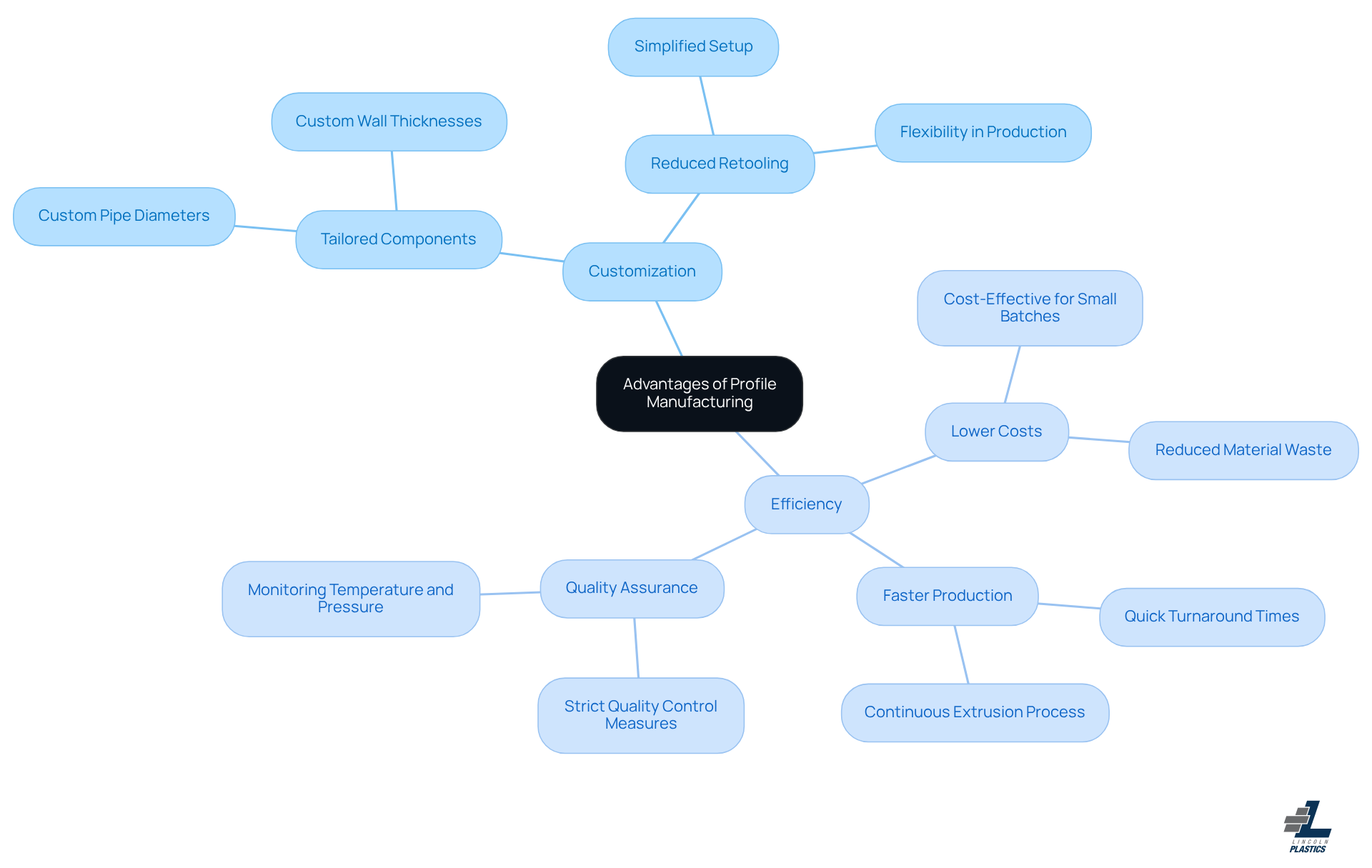
Profile manufacturing offers significant advantages, especially in terms of customization and efficiency. Imagine being able to whip up components that fit your operational needs perfectly - no more hefty retooling! This flexibility not only speeds up production but also reduces waste since profile manufacturing enables manufacturers to produce just what they need.
Now, let’s talk about costs. Creating items this way often means lower expenses. Why? Because the setup for profile manufacturing is a breeze compared to traditional methods, which usually involve a bunch of molds and tooling changes. Plus, the continuous nature of the process in profile manufacturing means things get made quickly, resulting in faster turnaround times and better cash flow for businesses.
Take Lincoln Plastics, for example. They offer various products, illustrating how profile manufacturing can truly enhance efficiency. And don’t miss their innovative solutions that keep cords and cables organized, enhancing workplace safety while maximizing productivity.
But here’s the catch: keeping quality in check during production can be tricky. Factors like temperature, speed, and pressure can throw a wrench in the works. That’s why Lincoln Plastics has quality control measures in place, using various check gauges to ensure everything fits just right and maintains consistent quality throughout the manufacturing process.
Challenges of Traditional Manufacturing: Limitations and Drawbacks
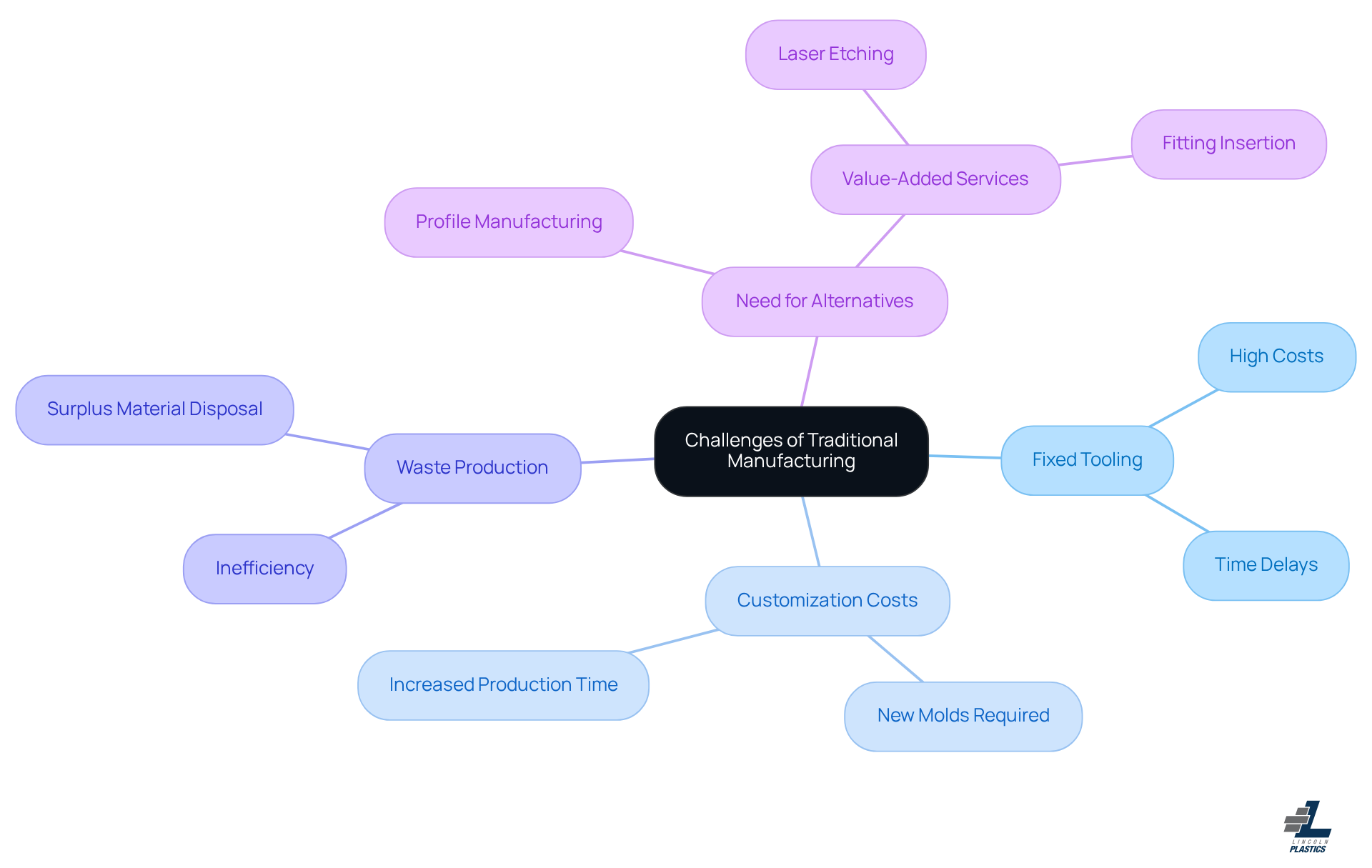
You know, traditional production techniques can be pretty effective when it comes to cranking out high volumes. But they also come with some limitations. One big issue? The reliance on fixed tooling and molds. These things are not only expensive but also take a lot of time to produce. Because of this, introducing new products can take ages, making it tough for OEMs to keep up with what the market wants.
And let’s not forget about customization. When you want to tweak a design, it usually means creating new molds, which can be time-consuming. Imagine a manufacturer needing to switch gears to a different product line. The time and money needed to develop new tooling can be a real hurdle.
Plus, traditional methods can lead to a lot of waste, especially when producing small batches. You often end up tossing out surplus material, which is just plain inefficient. This is why it’s so important for OEM managers to explore alternative production techniques, including profile manufacturing. These options can really help in reducing costs.
At Lincoln Plastics, we’ve got a range of services that can help. For instance, our laser etching and fitting insertion services can cut down the time and costs associated with traditional methods. With our laser etching, you can make quick adjustments to product markings without needing new molds, making the whole process smoother for OEMs.
And don’t worry about quality—we have robust assurance processes in place to ensure all products meet the exact specifications OEMs need. This way, you get tailored solutions that really enhance product performance. With rising costs in materials and labor, OEMs have to think about the bottom line, which can complicate pricing strategies and overall profitability. So, why not explore these alternatives? It could make a world of difference!
Suitability of Profile vs. Traditional Manufacturing for Various Applications
When it comes to choosing between profile manufacturing and conventional methods, OEM managers really need to consider what their applications require. Picture this: if you’re working on a prototype or a cutting-edge cable management solution, profile manufacturing truly shines. Why? Because it’s super flexible, allowing for customization without breaking the bank. Perfect for those unique or ever-changing project needs, right?
Now, let’s talk about traditional manufacturing. This method often takes the spotlight when it comes to applications where consistency and cost savings are key. Think about industries like automotive or consumer products - these folks rely on conventional methods to crank out standardized parts efficiently, which means they can meet high demand.
So, how do you decide between profile manufacturing and traditional manufacturing? It really boils down to a few important factors: project complexity, production volume, and how much customization you need. For instance, if you’re dealing with complex designs or low production volumes, profile manufacturing might be your best bet. On the flip side, if your designs are straightforward and demand is high, traditional methods could be the way to go. By aligning your manufacturing choices with your project specs, you can really optimize your production processes and boost overall efficiency.

Conclusion
When we look at profile manufacturing versus traditional manufacturing, there's a key difference that OEM managers really need to grasp as they navigate the tricky waters of production methods. Profile manufacturing shines with its amazing customization options and efficiency. It allows for solutions that are tailored just right for specific project needs. This kind of flexibility in design and quick production can really boost operational efficiency, especially in settings where being adaptable is crucial.
Now, let’s talk about some of the standout benefits of profile manufacturing. You’ll find that it can cut costs for small to medium-sized batches, reduce waste, and speed up turnaround times compared to traditional methods. On the flip side, traditional manufacturing techniques, while great for high-volume outputs, often hit roadblocks with fixed tooling, high costs, and a lack of flexibility when it comes to design changes. As manufacturing continues to evolve, understanding these differences is super important for making smart decisions.
So, what’s the takeaway? The choice between profile and traditional manufacturing really boils down to the specific needs of each project. OEM managers should take a moment to consider factors like output volume, design complexity, and customization needs to fine-tune their production processes. Embracing the perks of profile manufacturing could be a game-changer, opening doors to innovative solutions that meet market demands and boost overall efficiency in the manufacturing world.
Frequently Asked Questions
What is plastic extrusion?
Plastic extrusion is a manufacturing process that involves creating unique shapes and forms by pushing heated plastic through a die, allowing for customization and intricate designs.
What types of products can be created using plastic extrusion?
Products made through plastic extrusion include items like irrigation pipes and cord covers, tailored for specific uses.
Who is Lincoln Plastics and what do they offer?
Lincoln Plastics is a company specializing in custom flexible profiles and cable management solutions, using various materials such as polyethylene, ridged PVC, flexible PVC, and polypropylene.
How does Lincoln Plastics enhance customization in their products?
Lincoln Plastics can work with any plastic resin to meet specific customer needs, significantly enhancing the customization options available.
What are traditional manufacturing methods, and how do they differ from plastic extrusion?
Traditional manufacturing methods include techniques like machining, casting, and injection molding, which typically rely on fixed tooling and molds. Unlike plastic extrusion, these methods are less flexible and cost-effective for customized solutions.
What are the advantages of profile manufacturing in the extrusion sector?
The advantages include increased efficiency and adaptability to market needs, allowing OEMs to meet unique specifications and enhance their product offerings.
Why is it important for OEM managers to understand the differences between manufacturing methods?
Understanding these differences helps OEM managers choose the right production method that aligns with their product needs and market dynamics.
List of Sources
- Understanding Profile Manufacturing and Traditional Manufacturing
- The Extrusion Industry in 2025: Innovations, Trends, and Opportunities (https://plextrusions.com/extrusion-blog/the-extrusion-industry-in-2025-innovations-trends-and-opportunities)
- samaterials.com (https://samaterials.com/additive-manufacturing-vs-traditional-manufacturing.html)
- qualitymag.com (https://qualitymag.com/articles/98477-trends-in-manufacturing-advances-in-technologies-and-methodologies)
- 3yourmind.com (https://3yourmind.com/news/which-is-better-traditional-vs.-on-demand-manufacturing)
- Advantages of Profile Manufacturing: Customization and Efficiency
- pexco.com (https://pexco.com/custom-plastic-extrusion-basics-benefits-and-future-explained)
- Unlocking the Versatility of Plastic Profile Extrusion (https://lakelandplastics.com/understanding-the-versatility-of-plastic-profile-extrusion)
- 10 Benefits of Plastic PVC Extrusion Profiles for OEMs (https://lincoln-plastics.com/news-post/10-benefits-of-plastic-pvc-extrusion-profiles-for-oe-ms)
- The Advantages of Custom Plastic Extrusions in Modern Manufacturing (https://paulmurphyplastics.com/industry-news-blog/the-advantages-of-custom-plastic-extrusions-in-modern-manufacturing)
- Aluminum Extrusion Profiles for OEMs | Amfas International (https://amfasinternational.com/newsroom/aluminum-extrusion-profiles-types-applications-and-benefits)
- Challenges of Traditional Manufacturing: Limitations and Drawbacks
- 18 Challenges the Manufacturing Industry Faces in 2026 (https://netsuite.com/portal/resource/articles/erp/manufacturing-industry-challenges.shtml)
- rapid3devent.com (https://rapid3devent.com/event/news/additive-manufacturing-news-2025)
- readerprecision.com (https://readerprecision.com/manufacturing-in-2025-the-challenges-still-haunting-u-s-industry)
- mrohardware.com (https://mrohardware.com/2025/07/30/top-challenges-of-us-manufacturing-in-2025?srsltid=AfmBOorxsK_G2eBAsZ9lS-6j5_b67AycxVj-fettnRkXE0_eVP3nt7f6)
- news.okstate.edu (https://news.okstate.edu/magazines/engineering-architecture-technology/impact/articles/2025/2025_breaking_the_mold_osu_advanced_materials_manufacturing_lab.html)
- Suitability of Profile vs. Traditional Manufacturing for Various Applications
- 3yourmind.com (https://3yourmind.com/news/which-is-better-traditional-vs.-on-demand-manufacturing)
- sinterit.com (https://sinterit.com/3d-printing-guide/future-of-3d-printing/3d-printing-vs-traditional-manufacturing)
- samaterials.com (https://samaterials.com/additive-manufacturing-vs-traditional-manufacturing.html)
- thesteelprinters.com (https://thesteelprinters.com/news/metal-3d-printing-vs.-traditional-manufacturing-which-should-you-choose)
Related posts

Designing Custom Extrusions: How We Work with OEM Engineers
Lincoln Plastics partners with OEM engineers to design custom extrusion profiles — reducing modifications, improving performance, and lowering costs


Precision Matters: Tolerances and Quality Control in Extrusion
Lincoln Plastics ensures precision in every extrusion with tight tolerances, in-line checks, and strict quality control for OEM applications
Plastic Extrusion for Agricultural Equipment: Beyond Irrigation
Lincoln Plastics supports agriculture with custom plastic extrusions that go beyond irrigation, delivering durability and reliability in the field
