
Plastic Outdoor vs. Traditional Materials: Key Comparisons for OEMs
Introduction
Choosing between plastic and traditional materials for outdoor use isn’t just about looks; it’s about durability, maintenance, and cost, too. As both manufacturers and consumers look for options that can handle the weather while keeping upkeep low, the benefits of synthetic materials like polyethylene and polypropylene really stand out. But here’s a question for you: can these modern materials really compete with the classic charm of wood and metal? Or do they come with their own set of hurdles?
In this article, we’ll dive into the key comparisons between plastic outdoor materials and traditional choices. This will help OEMs like you navigate the ever-changing world of outdoor product design. So, let’s get started!
Understanding Plastic and Traditional Materials for Outdoor Use
Have you ever thought about how tough outdoor materials really need to be? Well, plastic substances like polyethylene (PE) and polypropylene (PP) are designed to handle just about anything nature throws at them. They resist moisture, UV rays, and temperature swings like champs! Take polyethylene, for instance. It’s super durable and can take a hit, which makes it perfect for outdoor use.
Now, let’s talk about traditional materials like wood and metal. Sure, they can look great, but they often need extra treatments to stand up to the elements. Wood might bring some charm to your space, but it’s also prone to rot and insect damage unless you treat it. And guess what? That can really drive up maintenance costs.
On the flip side, synthetic materials are lightweight and resistant to corrosion, which means they usually don’t need much upkeep. That’s why they’re such a great choice for plastic outdoor furniture! Plus, polypropylene furniture keeps its good looks and structure even when left outside for long stretches.
What’s more, plastics come in a wide range of colors and designs, so you can find something that fits your style perfectly. This versatility, combined with their durability, makes PE and PP stand out as top choices over traditional materials for plastic outdoor settings. So, why not consider making the switch?

Comparing Durability: Plastic vs. Traditional Materials
When it comes to durability, high-density polyethylene (HDPE) really stands out compared to traditional materials like wood and metal. You see, HDPE is known for its impressive resistance to impacts, moisture, and UV damage, making it a fantastic choice for outdoor seating and structures. Plus, it’s eco-friendly! It’s 100% recyclable and made from recycled materials, which is great for those of us who care about sustainability.
Now, let’s think about untreated wood for a moment. It can warp, crack, and rot when it gets wet, and metals? They can rust if they don’t have protective coatings. Research shows that plastic patio furniture can last over 20 years with just a bit of care, while wooden pieces usually need replacing every 5 to 10 years because of wear and tear from the elements. HDPE furniture is super low-maintenance too; a quick wash with soap and water is all it takes to keep it looking good.
This big difference in durability not only extends the life of the products but also helps with the overall cost of ownership for OEMs. So, HDPE really is a more economical and reliable choice for outdoor applications. At Lincoln Plastics, we make sure our HDPE products meet strict quality standards through our solid quality system. This includes thorough quality checks, using check gauges for precise tolerances, and working closely with OEMs to create solutions that fit specific project needs.
And if you’re wondering about colors, we can easily match your Pantone specifications for consistency across manufacturers. As Bright Idea Shop points out, 'HDPE safety doesn't limit your design choices.' This really highlights the customization options available for HDPE boards, which can be tailored to meet your unique project requirements.

Evaluating Cost: Financial Considerations of Plastic and Traditional Materials
When you think about the costs of outdoor materials, synthetic products usually come out on top with a lower initial investment compared to traditional options like hardwood or metal. For instance, high-quality wood can hit your wallet hard right from the start, but synthetic materials can save you money in the long run. Why? Well, they require less maintenance and don’t need to be replaced as often, making them a smarter choice over time.
Did you know that the global synthetic furniture market is expected to grow from $13,499.1 million in 2021 to $15,873.6 million by 2025? That’s a clear sign that more folks are looking for budget-friendly solutions! Plus, synthetic materials are lightweight, which not only makes them easier to handle but also cuts down on shipping costs. Talk about improving your bottom line!
Now, let’s break it down a bit. A thorough comparison shows that while traditional materials might seem cheaper at first glance, the overall cost of ownership for plastic products is often lower. Why? Because they’re more durable and need less upkeep. This shift in perspective is crucial for OEMs who want to make the most of their investments while ensuring their outdoor products last.
Here are some key points to consider:
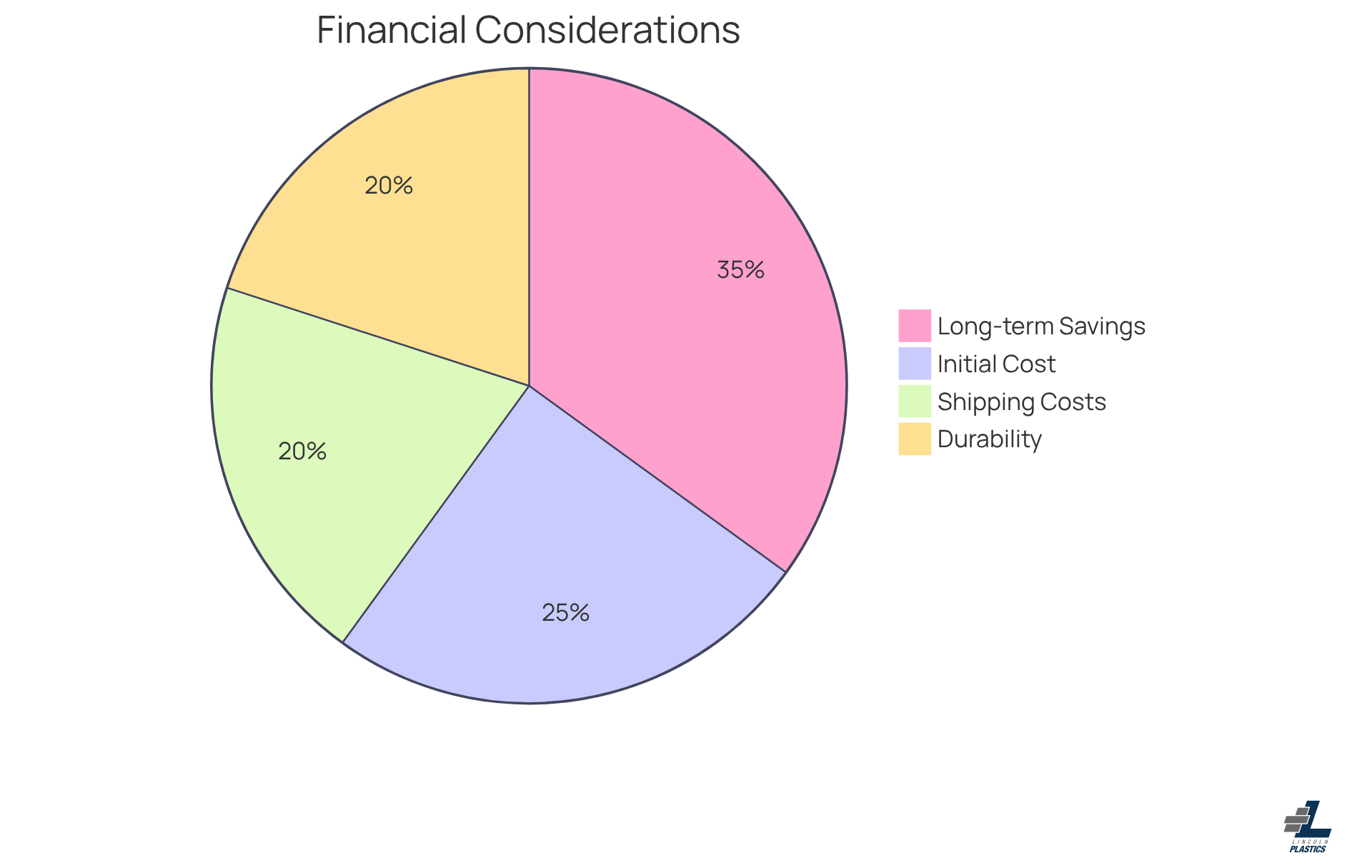
- Initial Cost: Plastic materials usually have a lower upfront cost than hardwood or metal.
- Long-term Savings: Less maintenance and replacement means more savings in the long run.
- Shipping Costs: The lightweight nature of plastics helps reduce shipping expenses.
- Durability: Plastic products tend to be more durable, leading to a lower total cost of ownership.
By keeping these factors in mind, OEMs can make smart decisions that align with their financial goals.
Practical Applications: Choosing the Right Material for Outdoor Furniture
When it comes to picking the right materials for outdoor furniture, it really boils down to how you plan to use it and the environment it’ll be in. For example, plastic materials like high-density polyethylene (HDPE) shine in humid places like coastal areas. Why? Because they resist corrosion and decay like champs! On the flip side, traditional woods like teak and cedar are often chosen for their beauty and natural durability. But here’s the catch: they need regular upkeep to keep looking good. Take teak, for instance. With the right care, it can last 40 to 50 years, but it does need some oiling now and then to keep that lovely golden color. Otherwise, it might turn into a silver patina if left alone.
Now, if you’re in a spot where durability and low maintenance are key - think public parks or busy outdoor spaces - plastic seating is becoming the go-to choice. It’s lightweight and super easy to clean, which is why patio items made from HDPE are gaining traction. They’re not just sturdy; they also resist fading, so they look great for years. Plus, HDPE can handle UV exposure for decades without breaking down, proving it can stand up to the elements without losing its strength.
So, what does this mean for manufacturers? Well, they need to keep these factors in mind to align their products with what people want. The growing trend towards plastic materials shows a shift in consumer preferences, where the practicality of low-maintenance options is starting to outweigh the classic charm of wood. As outdoor furniture keeps evolving, understanding these changes will be crucial for brands looking to meet the needs of today’s consumers.

Conclusion
When it comes to choosing outdoor materials, the decision between plastic and traditional options like wood and metal is pretty important for OEMs. You know, highlighting the durability, low maintenance, and cost-effectiveness of plastics like high-density polyethylene (HDPE) makes a strong case for using them outdoors. As more consumers lean towards practical and long-lasting solutions, the benefits of plastic materials really stand out.
Throughout this discussion, we’ve seen how plastics can outshine traditional materials in several ways. Think about their amazing resistance to moisture and UV damage, plus their lightweight nature that helps cut down on shipping costs. Synthetic materials really do make a solid argument for outdoor use. And let’s not forget the long-term savings from lower maintenance needs and longer product lifespans - these factors really boost the economic appeal for both manufacturers and consumers.
So, what does all this mean? Embracing plastic materials for outdoor furniture isn’t just a passing trend; it’s a smart move that aligns with what consumers are looking for these days. As the market keeps evolving, manufacturers should definitely think about tapping into the unique properties of plastics to meet today’s outdoor needs. By doing this, they can keep their products competitive and relevant in a landscape that’s always changing.
Frequently Asked Questions
What are the advantages of using plastic materials like polyethylene (PE) and polypropylene (PP) for outdoor use?
Plastic materials like PE and PP are highly durable, resistant to moisture, UV rays, and temperature fluctuations, making them ideal for outdoor applications.
How do traditional materials like wood and metal compare to plastic for outdoor use?
Traditional materials like wood and metal can look appealing but often require additional treatments to withstand outdoor conditions. Wood is susceptible to rot and insect damage, which can increase maintenance costs.
What are the maintenance requirements for synthetic materials compared to traditional materials?
Synthetic materials, such as plastic, are lightweight and resistant to corrosion, typically requiring less maintenance than traditional materials like wood and metal.
How does polypropylene furniture perform when left outside for extended periods?
Polypropylene furniture maintains its appearance and structural integrity even when left outside for long periods, making it a practical choice for outdoor settings.
What design options are available for plastic outdoor furniture?
Plastics come in a wide range of colors and designs, allowing for versatile choices that can match various styles for outdoor spaces.
List of Sources
- Understanding Plastic and Traditional Materials for Outdoor Use
- How to Choose the Best Plastic for Outdoor Use (https://advancedplastiform.com/how-to-choose-the-best-plastic-for-outdoor-use)
- Effect of Moisture on the Mechanical Properties of Wood–Plastic Composites Hybridized with Metal Grid Layers - PMC (https://pmc.ncbi.nlm.nih.gov/articles/PMC10748366)
- Five Reasons Why Polypropylene is the Best Plastic for Outdoor Furniture | bzmaka (https://bzmaka.com/five-reasons-why-polypropylene-is-the-best-plastic-for-outdoor-furniture)
- News - Top 5 common application of polypropylene (https://pvcpppe.com/news/top-5-common-application-of-polypropylene)
- Polymer Selection: Identifying the Ideal Material for an Outdoor Application (https://ptonline.com/articles/polymer-selection-identifying-the-ideal-material-for-an-outdoor-application)
- Comparing Durability: Plastic vs. Traditional Materials
- Why HDPE Plastic Is Ideal for Outdoor Furniture (https://piedmontplastics.com/blog/hdpe-for-outdoor-furniture?srsltid=AfmBOoqQjGtq6kY0bcK9FzHVZReuPaVqzUnOiXbmWa-HEMoCKStRGH9m)
- Why HDPE Boards Are the Best Choice for Outdoor Applications? - Polyreflex (https://polyreflex.com/n1905219/Why-HDPE-Boards-Are-the-Best-Choice-for-Outdoor-Applications.htm)
- Does plastic outdoor furniture fade in the sun? (https://lazysusanfurniture.co.uk/blogs/news/does-plastic-outdoor-furniture-fade-in-the-sun)
- Is HDPE Safe for Outdoor Furniture? | Bright Idea Shops (https://brightideashops.com/informationcenter/resources/is-hdpe-safe-for-outdoor-furniture)
- Understanding the Differences Between Durable HDPE and Regular Plastic in Outdoor Garden Furniture (https://polyoutdoors.com.au/sustainable-furniture-bog/2024/8/12/understanding-the-differences-between-durable-hdpe-and-regular-plastic-in-outdoor-garden-furniture)
- Evaluating Cost: Financial Considerations of Plastic and Traditional Materials
- Cast Aluminum vs. Wrought Iron Patio Furniture: Which is Best for You? (https://hauserspatio.com/blog/cast-aluminum-vs-wrought-iron-patio-furniture-which-is-best-for-your-outdoor-space)
- Plastic Furniture Market Analysis 2026, Market Size, Share, Growth, CAGR, Forecast, Trends, Revenue, Industry Experts, Consultation, Online/Offline Surveys, Syndicate Reports (https://cognitivemarketresearch.com/plastic-furniture-market-report)
- Recycled plastic outdoor furniture market to reach $6.7 billion by 2034 - Casual News Now (https://casualnewsnow.com/blog/2024/12/18/recycled-plastic-outdoor-furniture-market-to-reach-6-7-billion-by-2034)
- Furniture Plastic Market worth $21.55 billion by 2030 - Exclusive Report by MarketsandMarkets™ (https://prnewswire.com/news-releases/furniture-plastic-market-worth-21-55-billion-by-2030---exclusive-report-by-marketsandmarkets-302664263.html)
- The Ultimate Guide to Choosing Outdoor Furniture | Coated Outdoor Furniture (https://coatedoutdoorfurniture.com/blogs/editorial/the-ultimate-guide-to-choosing-outdoor-furniture-a-balance-of-durability-comfort-and-style)
- Practical Applications: Choosing the Right Material for Outdoor Furniture
- Best Materials & How to Care for Outdoor Furniture | Lumens (https://the-edit.lumens.com/the-guides/the-best-materials-for-outdoor-furniture)
- Best Outdoor Furniture Materials: A Complete Guide to Durability & (https://peakhomefurnishings.com/blogs/outdoor-furniture/best-outdoor-furniture-materials?srsltid=AfmBOoo-g91FDUPpcdFXyNLHRqwLA1omOrEgFRQyxGhpSXtWynUnM8WE)
- Outdoor Seating Material Types: Durability and Impact (https://sitpack.com/blogs/news/outdoor-seating-material-types?srsltid=AfmBOopAoJN6hXma4znhuCruCaRoC_cRa-Ut6TDKrkaNMPd9XVPwxy7f)
- Patio Furniture Materials Comparison Guide (https://riverbendhome.com/blogs/advice-ideas/patio-furniture-materials-comparison-guide?srsltid=AfmBOoq6UHJ_Ye39bWa2pTe1jVQ2UC3CL_rkEOoqsvG4w0MP5YMLnTM9)
Related posts

Discover key insights on profile extrusion plastic for OEM managers to enhance production efficiency.


Explore best practices for the extrusion of polymers to enhance quality and efficiency in manufacturing.
Discover the significance and applications of extruded polymers in modern manufacturing.
