

Plastic C Channels vs. Metal: Key Differences for OEMs
Introduction
Have you ever found yourself torn between plastic C channels and traditional metal channels? This choice is becoming more important across various industries as manufacturers look for materials that balance performance, cost, and sustainability.
Plastic C channels, made from versatile thermoplastics, provide lightweight solutions that resist corrosion and can be easily customized. This makes them a great fit for modern applications.
On the flip side, metal channels are known for their strength and durability. They still reign supreme in heavy-duty environments, but they do come with their own set of challenges, like weight and maintenance.
As the demand for efficiency continues to rise, how can OEMs navigate the complexities of material selection to optimize their projects? Let's dive in and explore this together!
Understanding Plastic C Channels and Traditional Metal Channels
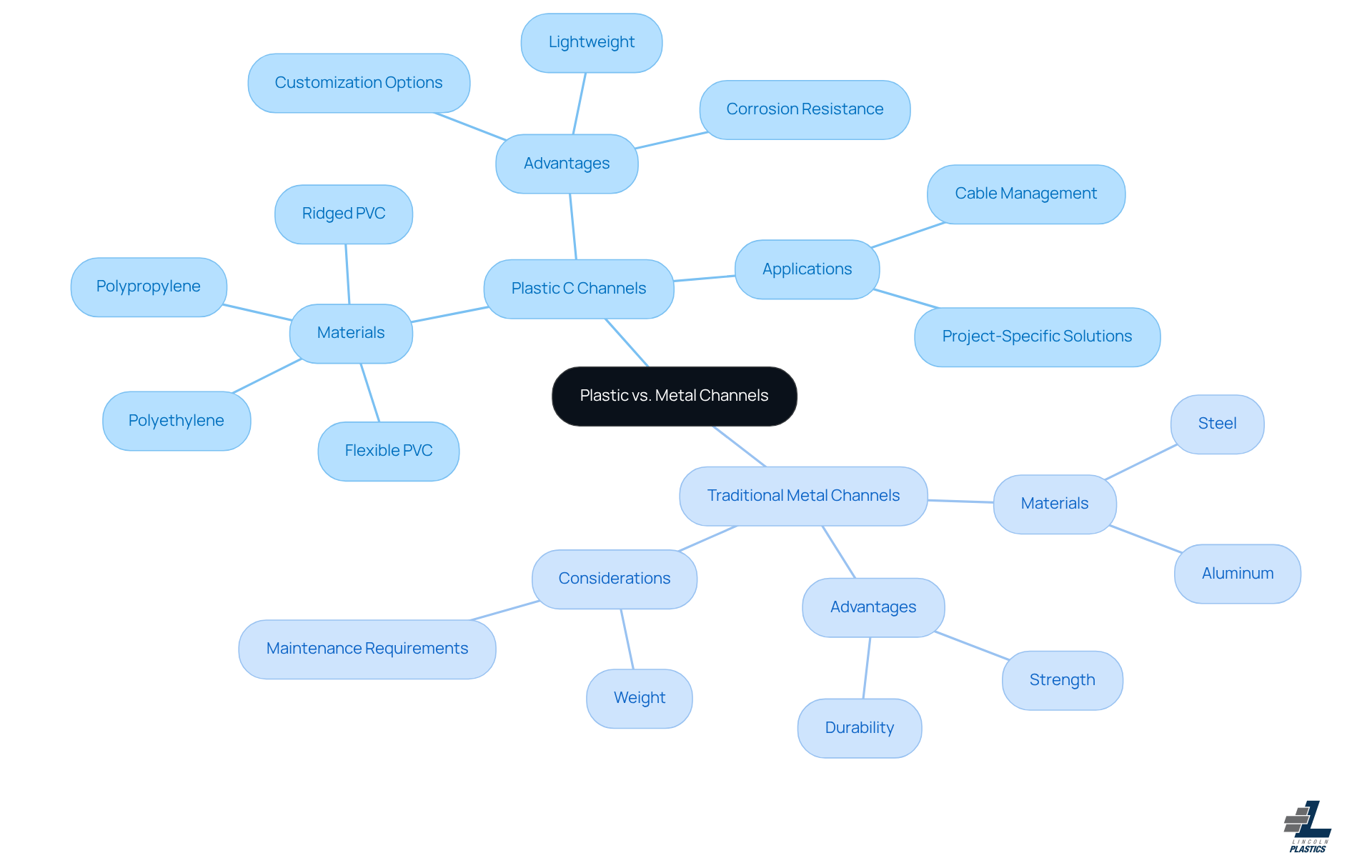
are extruded profiles crafted from various thermoplastics such as polyethylene, ridged PVC, flexible PVC, and polypropylene. They’re designed to provide structural support and protection for cables and other components. Thanks to their lightweight nature and resistance to corrosion, they’re ideal for numerous applications, especially where durability is key. Plus, with customization options in size and color, they offer tailored solutions that can meet specific project needs.
Now, let’s talk about conventional steel or aluminum conduits. These materials are well-known for their strength and durability, thriving in heavy-duty situations. You’ll often find them in construction and industrial settings where support is a must. While metallic conduits do provide robust support, they come with the downside of being heavier and requiring extra maintenance to prevent rust and corrosion, particularly in harsh conditions.
So, how do you choose between synthetic and metallic conduits? It really boils down to your specific application requirements. For instance, plastic channels are gaining traction in the market due to their lightweight nature and cuts down on shipping costs. Moreover, the market share for plastic channels is on the rise, driven by their flexibility and lower costs compared to metal alternatives.
Industry leaders are definitely noticing this shift in material selection. One expert pointed out that the move towards synthetic conduits reflects a broader trend in manufacturing, where efficiency and sustainability are becoming increasingly important. This shift highlights the need to understand the options available so you can make informed choices that align with your project goals. And remember, Lincoln Plastics is committed to quality and provides expert insights into material selection, helping you navigate these options.
Material Composition: Comparing Plastics and Metals
are mainly made from materials like PVC, polypropylene, and polyethylene. They come with some pretty great perks, like being lightweight, super resistant to chemicals, and easy to work with. Unlike metals, plastics don’t corrode and are less prone to wear and tear, making them ideal for a bunch of different applications. For example, polypropylene is used in chemical processing, as it stands tough against many organic solvents and acids.
Now, let’s talk about metal channels. Typically made from steel or aluminum, they offer strength and durability. But they do have some downsides, like being heavier and at risk of corrosion if they aren’t treated properly. Plus, metals often need protective coatings to boost their durability, which can bump up the overall cost and complexity of maintenance.
So, how do you choose between synthetic and metal channels? It really depends on what you need. In industries where weight is critical, like aerospace or automotive, plastic channels provide a lighter option without compromising on performance. Plus, the chemical resistance makes them ideal for environmental labs, where harsh substances are part of the job.
Did you know that plastic channels can weigh significantly less than their metallic counterparts? For instance, polypropylene weighs around 0.27 kg per meter, while steel can tip the scales at over 1 kg per meter. This weight difference can lead to substantial savings in shipping costs, making plastic channels even more appealing for OEMs seeking efficiency.

Applications and Use Cases: When to Choose Plastic or Metal Channels
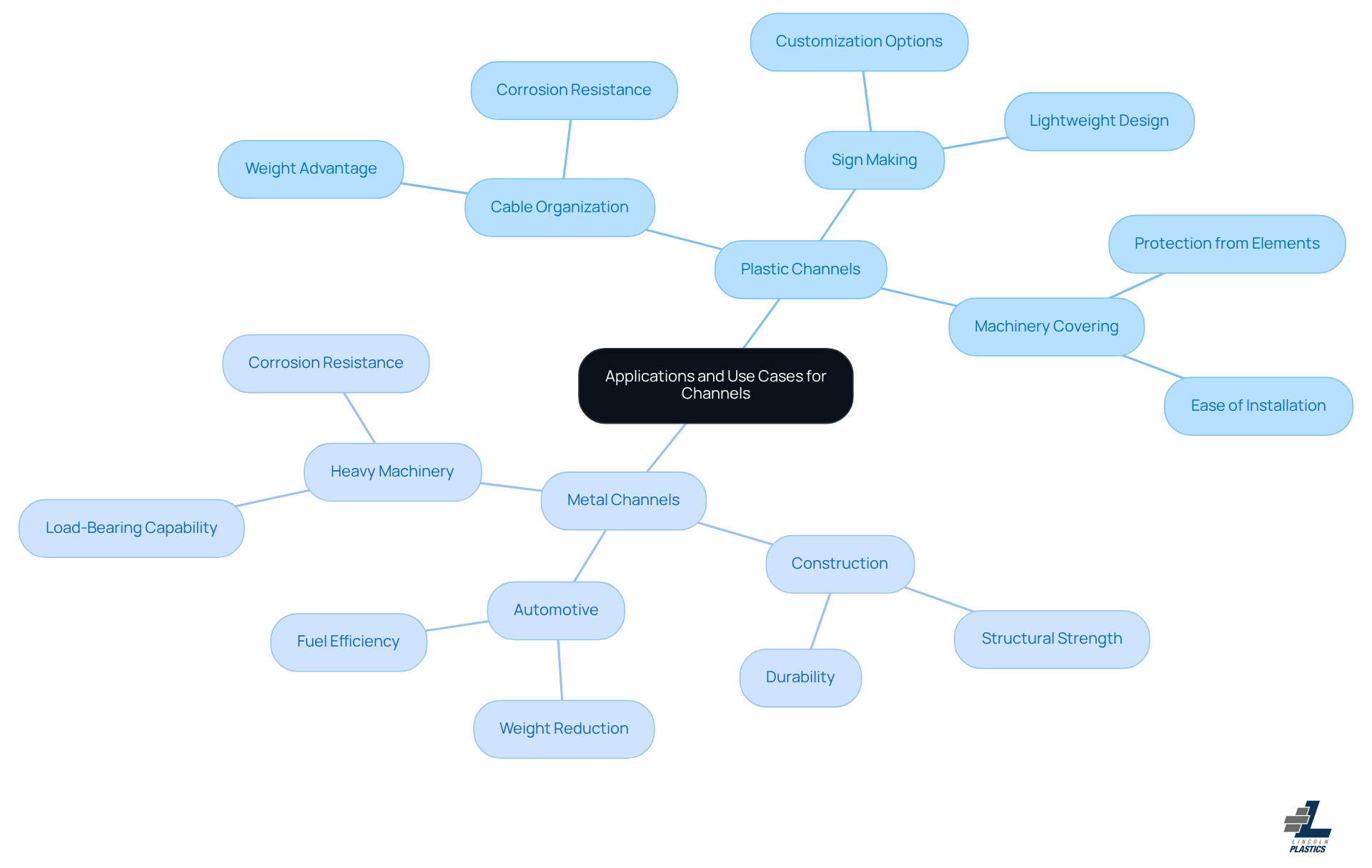
Plastic C Channels are super handy for organizing cables, making signs, and covering machinery. Why? Because they’re lightweight! At Lincoln Plastics, we take pride in our custom solutions. This means we can tailor our products to meet the specific needs of our clients.
Now, let’s talk about our applications. They really shine in humid or chemical-heavy environments, making them perfect for all sorts of indoor and outdoor applications. For instance, in the automotive world, our plastic channels, which is a big win for fuel efficiency in vehicles.
On the flip side, metallic conduits are the go-to choice in construction, automotive, and heavy machinery industries where you need that extra strength. They’re often used in framing and support structures, ensuring durability and safety in tough environments. A great example? Aluminum channels are commonly found in large infrastructure projects, where their strength and corrosion resistance are absolutely vital.
And here’s something interesting: metal channels are gaining popularity due to their recyclability and longevity. In fact, copper pipes can last about 20 years longer than their plastic counterparts, as noted in industry reports. This really highlights how important it is to choose the right material based on your specific needs. You’ve got to balance strength, weight, environmental impact, and the growing concerns about the sustainability of materials. So, what’s your take on this? The right choice can make all the difference!
Pros and Cons: Evaluating Plastic C Channels vs. Metal Channels
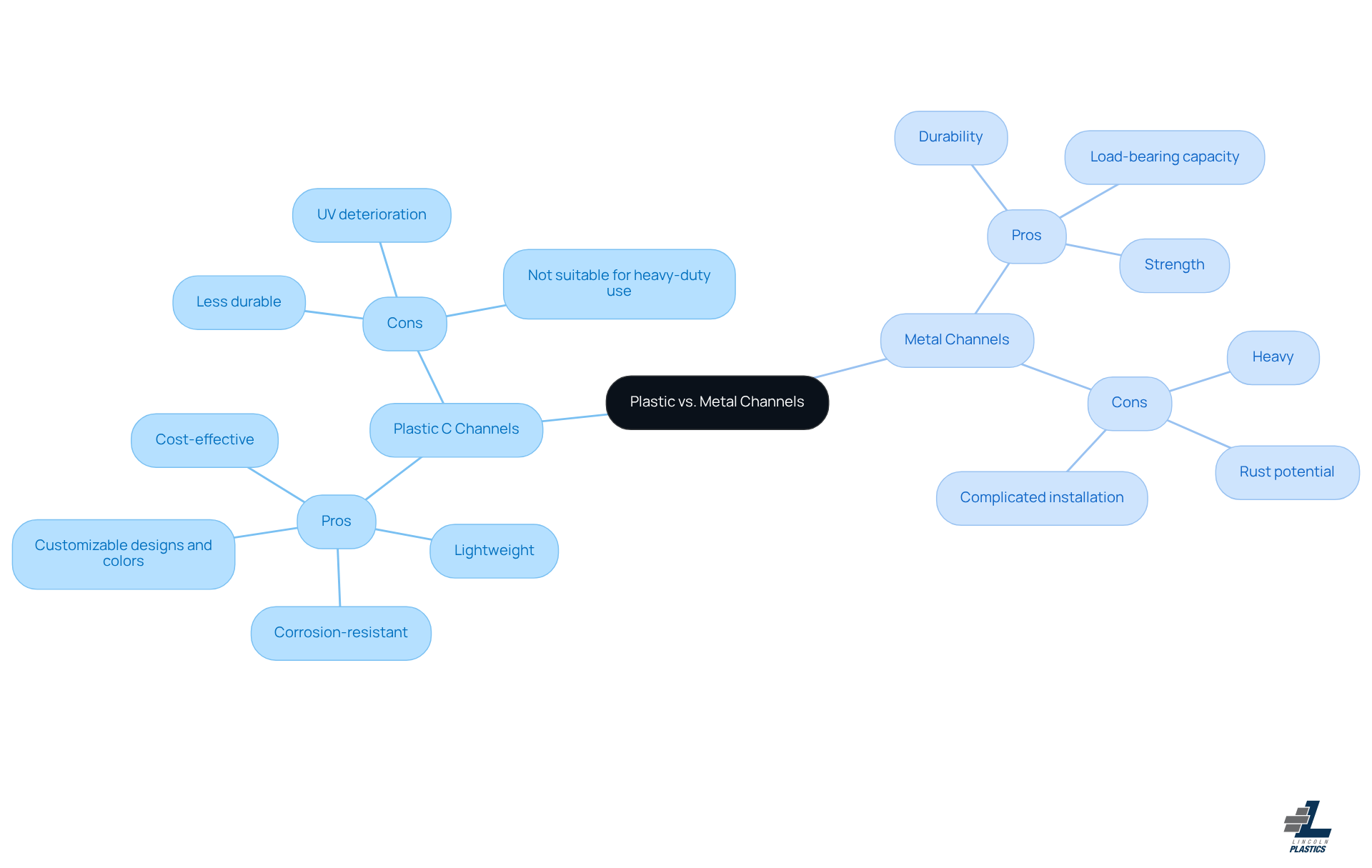
Plastic C shapes are a great choice for OEMs, right? They’re lightweight. Plus, they can be easily shaped into custom designs and colors, which really opens up the possibilities. At Lincoln Plastics, we take this versatility up a notch with our advanced manufacturing techniques. Think co-extrusion, laser etching for customization, fitting insertion, threading, and —all tailored to meet your project needs.
But here’s the thing: while plastic channels are super flexible, they might not hold up under heavy loads. They can also be prone to UV deterioration over time. On the flip side, metallic conduits shine in terms of strength, durability, and load-bearing capacity. They’re perfect for tough environments, but their weight can be a downside. Plus, without the right treatment, they can rust and might require more complicated installation.
When it comes to cost-efficiency, plastic channels often come out on top, especially for lighter applications where their advantages can really shine. For instance, did you know that switching from solid to hollow profiles can reduce material costs? And because they’re lighter, you’ll save on shipping too! Industry experts frequently highlight how plastic materials can significantly lower production costs when used appropriately. And let’s not forget Lincoln Plastics’ commitment to quality—our rigorous control processes ensure you get products that meet your exact specifications.
So, what’s the bottom line? Choosing between plastic and metal channels really depends on your specific application needs, such as cost, weight, and environmental factors. It’s essential for OEMs to weigh these elements carefully. And remember, you can always lean on Lincoln Plastics’ expertise in material selection to help you make the best choice for your project.
Conclusion
Choosing between plastic C channels and traditional metal channels is a big deal for OEMs, reflecting a growing trend towards efficiency and sustainability in manufacturing. It's crucial to understand the unique benefits each material brings to the table so you can make informed decisions that fit your project's needs.
Throughout this article, we've highlighted some key differences. For instance, plastic C channels are lightweight and corrosion-resistant, while metal conduits offer strength and durability. The perks of plastic—like lower shipping costs and less maintenance—make it a popular choice in various applications, especially in industries that are sensitive to weight and environmental conditions. On the flip side, metal channels are still essential in heavy-duty situations where structural integrity is a must.
Ultimately, picking the right material isn't just about personal preference; it's a strategic choice that can significantly influence your project's success. So, as an OEM, take the time to evaluate your specific requirements. Think about factors like cost, weight, and environmental impact. By embracing the versatility of plastic C channels along with the robust capabilities of metal conduits, you can find optimized solutions that meet both performance and sustainability goals. Now, how will you make your choice?
Frequently Asked Questions
What are plastic C channels made from?
Plastic C channels are extruded profiles crafted from various thermoplastics such as polyethylene, ridged PVC, flexible PVC, and polypropylene.
What are the main advantages of using plastic C channels?
The main advantages of plastic C channels include their lightweight nature, resistance to corrosion, customization options in size and color, and suitability for applications where durability is key.
How do traditional metal channels differ from plastic C channels?
Traditional metal channels, made from materials like steel or aluminum, are known for their strength and durability, making them suitable for heavy-duty situations. However, they are heavier and require extra maintenance to prevent rust and corrosion, especially in harsh conditions.
When should I choose plastic C channels over metal channels?
You should choose plastic C channels when lightweight design, simplified installation, and lower long-term maintenance costs are important for your application, such as in cable management systems.
What is driving the increased market share for synthetic conduits in OEM production?
The increased market share for synthetic conduits in OEM production is driven by their flexibility, lower long-term maintenance costs, and the growing trend towards efficiency and sustainability in construction and manufacturing.
What should I consider when selecting between synthetic and metallic conduits?
When selecting between synthetic and metallic conduits, consider your specific application requirements, including the need for structural integrity, weight considerations, maintenance needs, and the overall goals of your project.
How can Lincoln Plastics assist in the selection of conduits?
Lincoln Plastics is committed to quality assurance and provides expert insights into extrusion molding, helping you navigate the options between synthetic and metallic conduits.
List of Sources
- Understanding Plastic C Channels and Traditional Metal Channels
- Plastic Pollution (https://ourworldindata.org/plastic-pollution)
- frpzs.com (https://frpzs.com/News/FRP-C-Channel-vs-Steel-Which-Is-the-Better-Choice.html)
- Plastics: Material-Specific Data | US EPA (https://epa.gov/facts-and-figures-about-materials-waste-and-recycling/plastics-material-specific-data)
- paulmurphyplastics.com (https://paulmurphyplastics.com/industry-news-blog/exploring-the-versatility-of-plastic-channels-in-modern-applications)
- Material Composition: Comparing Plastics and Metals
- xometry.com (https://xometry.com/resources/materials/polypropylene-vs-pvc)
- 7 Need-to-Know Polypropylene Material Properties (https://marlinwire.com/blog/7-need-to-know-polypropylene-material-properties)
- goldengatemolders.com (https://goldengatemolders.com/post/plastic-vs-metal-understanding-material-selection-in-engineering)
- plastic-concepts.com (https://plastic-concepts.com/plastic-vs-metal)
- curbellplastics.com (https://curbellplastics.com/resource-library/material-selection-tools/plastic-properties-table?srsltid=AfmBOoo0upaZ-xtA1PIrm6XjBQ9ZfoBvLAKF_scIrHRhQrX0XWS0vFjG)
- Applications and Use Cases: When to Choose Plastic or Metal Channels
- straitsresearch.com (https://straitsresearch.com/report/cable-management-market)
- absltd.co.uk (https://absltd.co.uk/blog/metals-vs-plastics-the-use-of-metal-in-construction)
- goldengatemolders.com (https://goldengatemolders.com/post/plastic-vs-metal-understanding-material-selection-in-engineering)
- Plastic Channels: Process & Applications | IQS Directory (https://iqsdirectory.com/articles/plastic-extrusion/plastic-channels.html)
- cuspuk.com (https://cuspuk.com/sustainability/plastics-greenwash/plastic-in-construction)
- Pros and Cons: Evaluating Plastic C Channels vs. Metal Channels
- idrc-crdi.ca (https://idrc-crdi.ca/sites/default/files/openebooks/504-5)
- ec.europa.eu (https://ec.europa.eu/eurostat/statistics-explained/index.php/Packaging_waste_statistics)


