
Maximize Efficiency with Plastic C-Channels: Best Practices for OEMs
Introduction
In the competitive landscape of manufacturing, plastic c-channels stand out as essential components that drive efficiency and quality. These profiles offer a blend of versatility and functionality, enhancing product quality and operational efficiency. As original equipment manufacturers (OEMs) seek to streamline their processes, understanding the myriad applications and benefits of these plastic profiles becomes crucial. Manufacturers must navigate sourcing issues, quality control, and design limitations to fully leverage these components, ensuring they maximize their operational potential.
Understand Plastic C-Channels: Definition and Applications
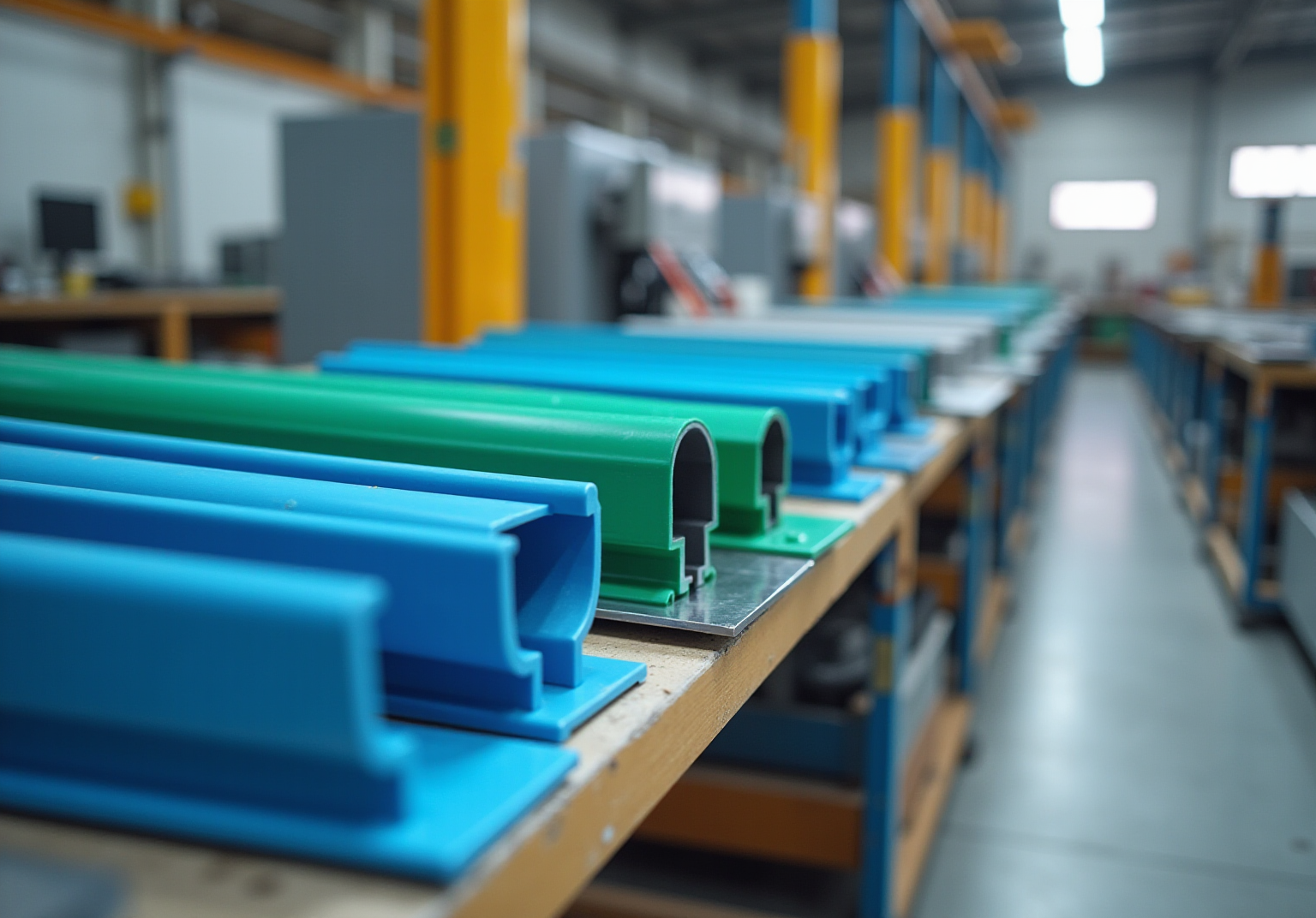
Plastic c-channels are not just profiles; they are essential components that enhance the reliability and quality of your products. These rigid, three-sided extruded profiles with an open back are specifically designed to encase and protect the edges of panels, glass, metal sheets, or trim. Their versatility makes them invaluable across various applications, including:
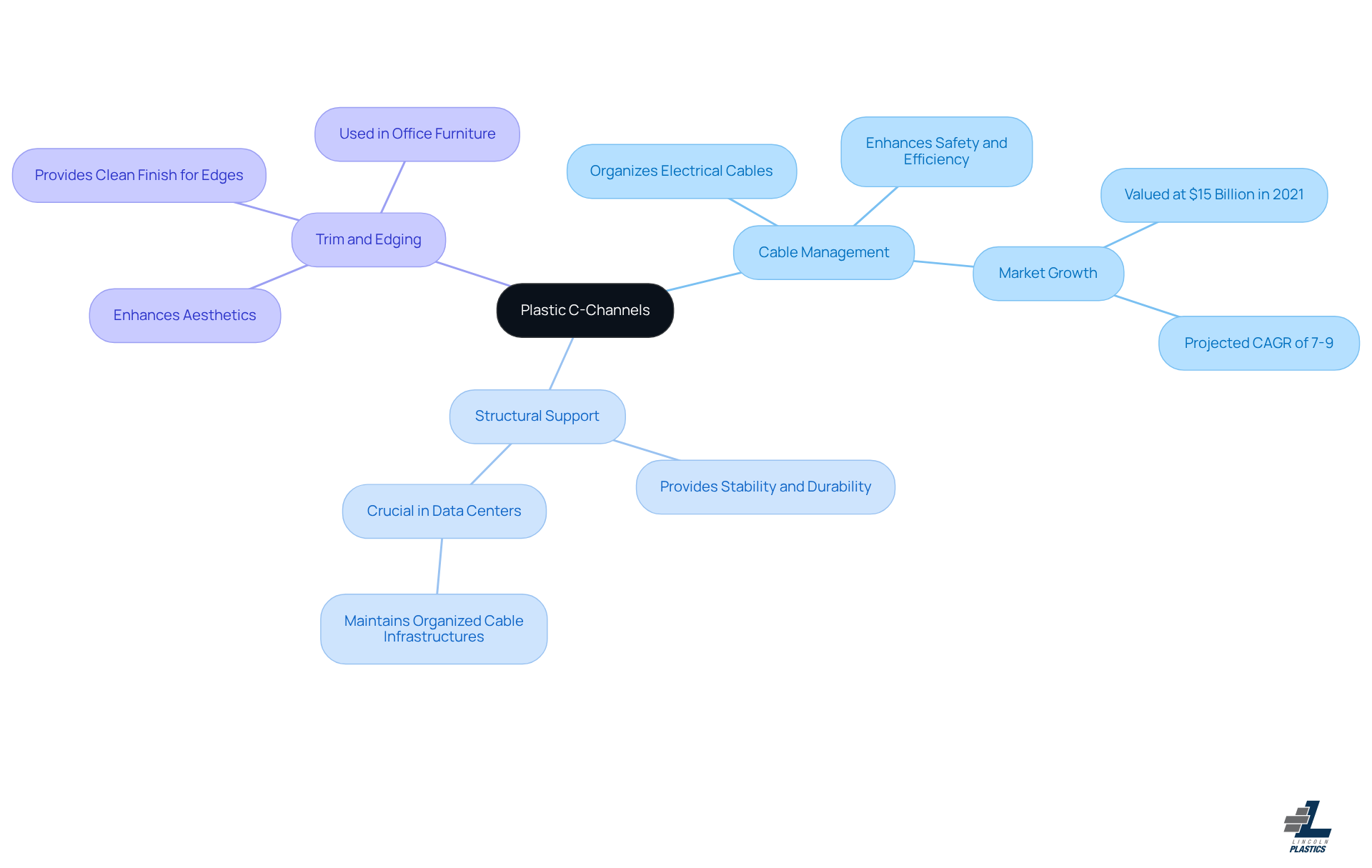
- Cable Management: C-channels effectively organize and protect electrical cables in industrial settings, ensuring safety and efficiency. The global cable management market, valued at approximately $15 billion in 2021, is projected to grow at a compound annual growth rate (CAGR) of 7-9% over the next decade, highlighting the increasing demand for effective solutions in this area.
- Structural Support: These profiles provide essential structural integrity in machinery and equipment, ensuring stability and durability. For instance, in high-density environments like data centers, plastic c-channel systems are crucial for maintaining organized cable infrastructures, which are vital for optimal performance.
- Trim and Edging: In construction and manufacturing, channel sections provide a clean finish for edges, enhancing both aesthetics and safety. Their use in office furniture contexts, such as board edging, demonstrates their ability to enhance product appeal while meeting durability standards.
These plastic c-channel channels also play a significant role in directing components and protecting sensitive parts from environmental factors, which is particularly crucial in scenarios requiring high reliability.
Are you struggling to enhance the functionality of your designs? By understanding these uses, you can effectively incorporate synthetic channels into your products. Furthermore, industry leaders stress that incorporating synthetic channels streamlines operations and enhances overall efficiency, making them a favored option in modern production environments. Imagine a production process that runs smoother and more efficiently with the right components.
Leverage the Benefits of Plastic C-Channels in Manufacturing
Are you looking for ways to enhance your manufacturing processes? The solution you need could be plastic c-channels. These channels offer numerous benefits that can significantly improve operations for OEMs:
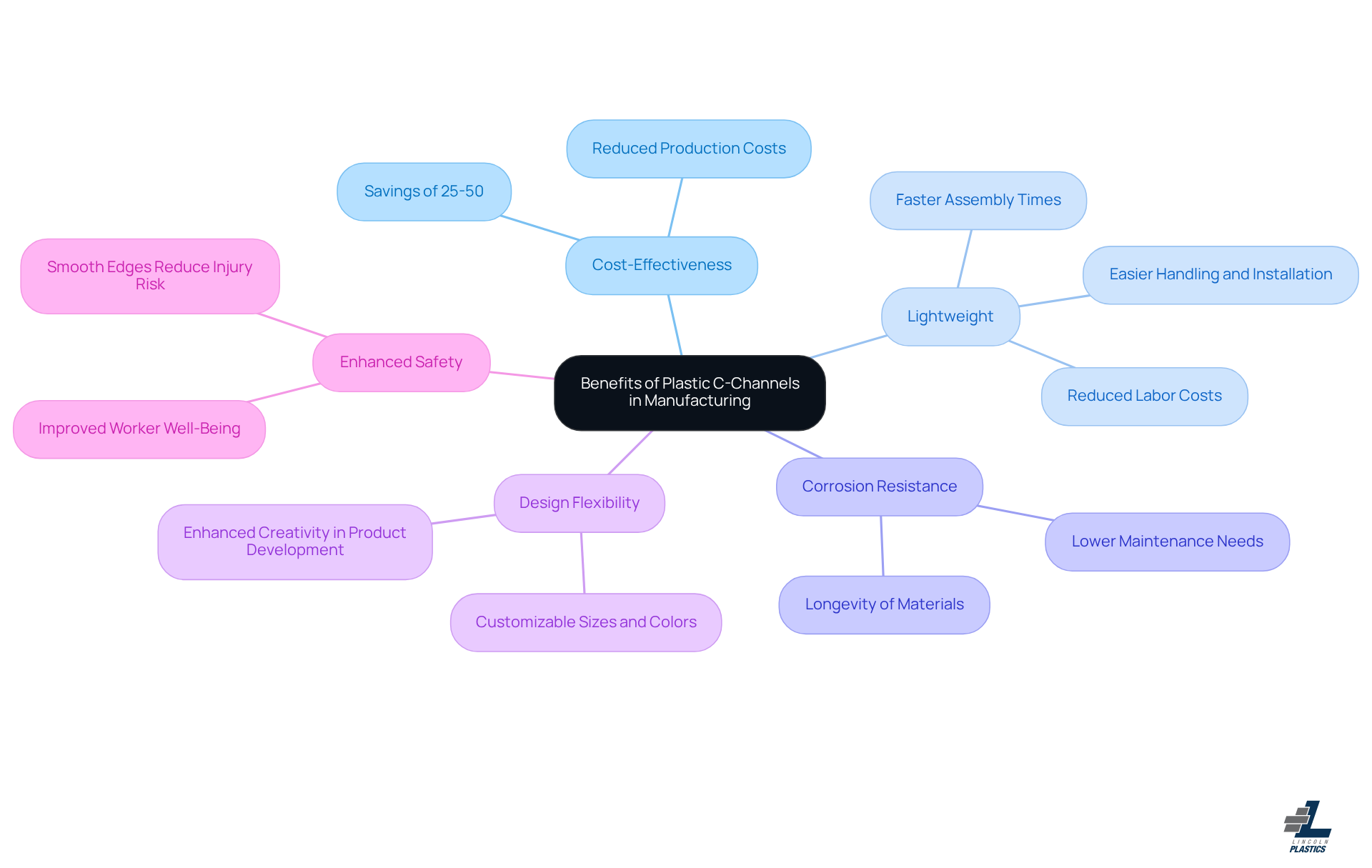
- Cost-Effectiveness: Compared to metal alternatives, plastic C-channels are generally more affordable, reducing overall production costs. Replacing metal components with alternative materials can result in savings of 25-50%, making them a financially appealing choice.
- Lightweight: Their lightweight nature makes them easier to handle and install, leading to faster assembly times and reduced labor costs. This efficiency is particularly beneficial in environments facing labor shortages, minimizing physical strain on workers and enhancing safety during operations.
- Corrosion Resistance: Unlike metal, plastic channels do not corrode, ensuring longevity and reducing maintenance needs. This durability translates into lower long-term costs and less frequent replacements, further enhancing their cost-effectiveness.
- Design Flexibility: Available in various sizes and colors, these channels can be customized to meet specific design requirements, allowing for greater creativity in product development. Lincoln Plastics collaborates closely with original equipment manufacturers to ensure that these customizations meet all quality standards, including special checks for fit and function.
- Enhanced Safety: The smooth edges of synthetic channels reduce the risk of injury during handling and installation, fostering a safer work environment. This aspect is crucial in maintaining operational efficiency and employee well-being.
Imagine the impact of embracing these advantages on your operations. By utilizing Lincoln Plastics' stringent quality assurance and dedication to accuracy through the extrusion molding technique, original equipment manufacturers can improve their product offerings and optimize their manufacturing processes. Embracing plastic c-channel not only streamlines your operations but also positions your products for greater market success.
Implement Best Practices for Integrating C-Channels into Production
Integrating plastic c-channel components into production can be challenging, but following best practices ensures efficiency and quality. To effectively incorporate these channels, OEMs should focus on several key areas:
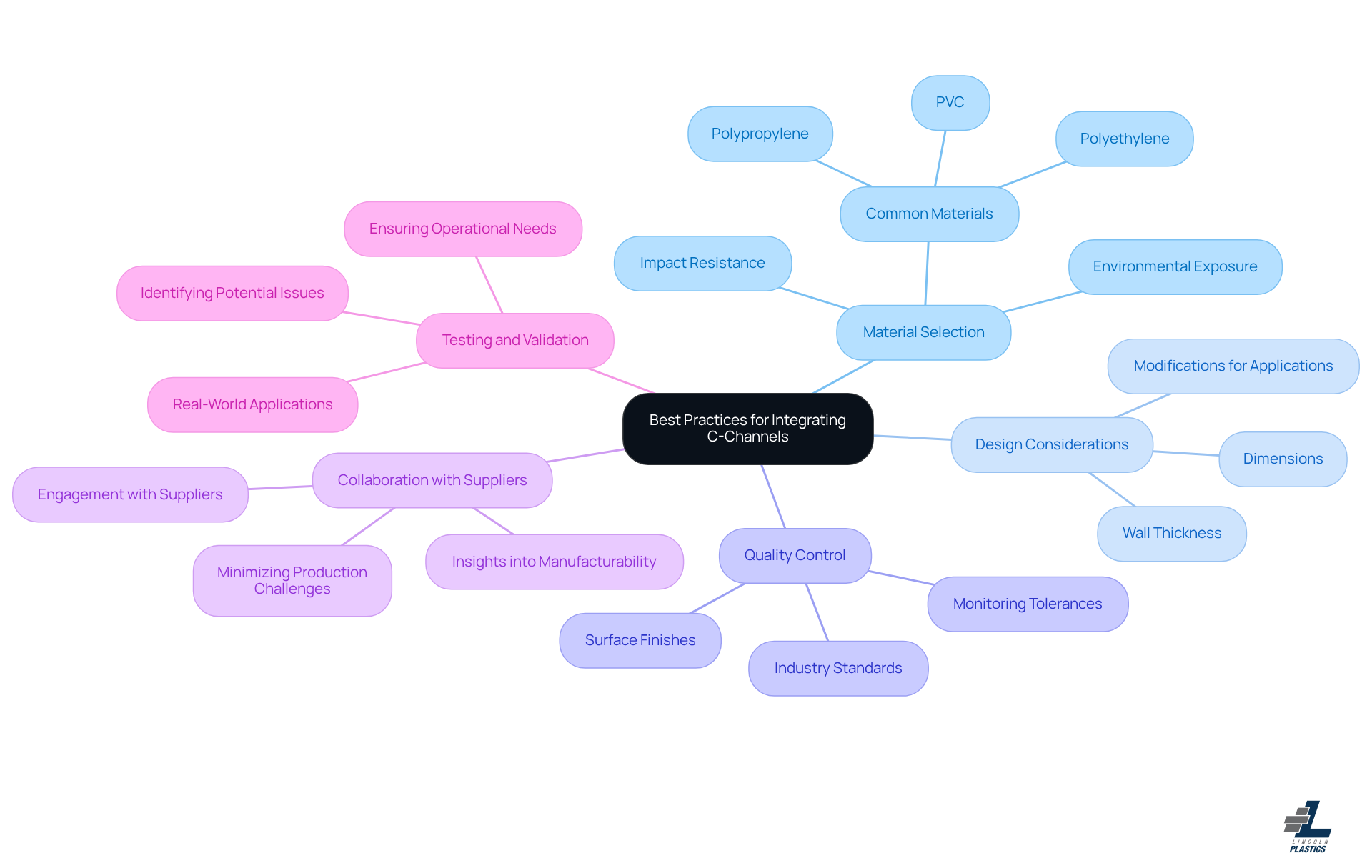
- Material Selection: Choosing the right plastic material is essential based on specific application requirements, such as impact resistance and environmental exposure. Common materials for channel sections include PVC, polyethylene, and polypropylene, each offering distinct advantages tailored to various use cases.
- Design Considerations: The design of the channels must align with overall product specifications. Important factors include wall thickness, dimensions, and any necessary modifications tailored to specific applications, which can significantly influence both performance and manufacturability.
- Quality Control: Implementing stringent quality control measures throughout the extrusion process is vital to ensure that the channels meet required specifications and industry standards. This includes monitoring tolerances and surface finishes to enhance product reliability.
- Collaboration with Suppliers: Engaging closely with suppliers, such as Lincoln Plastics, can provide valuable insights into manufacturability and tolerances. This collaboration guarantees that the channels are produced efficiently and effectively, minimizing potential production challenges.
- Testing and Validation: Conducting thorough testing of the communication channels in real-world applications is crucial for validating their performance. This step helps identify any potential issues before full-scale production, ensuring that the final product meets operational needs.
Are you struggling to find the right practices for integrating plastic c-channel into your production? By implementing these best practices, OEMs can not only streamline their production processes but also enhance the overall quality of their products, setting themselves apart in a competitive market.
Address Challenges in Sourcing and Utilizing Plastic C-Channels
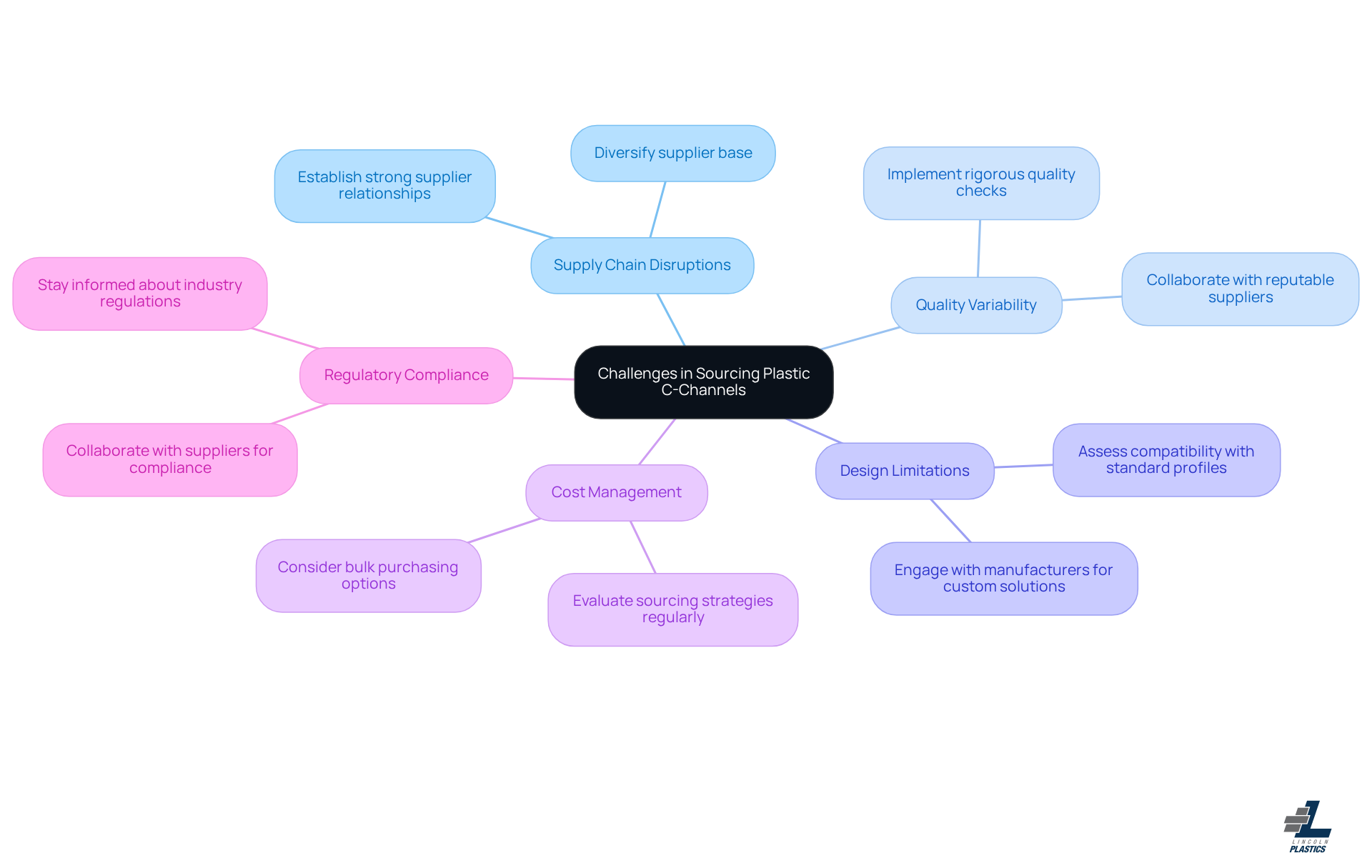
OEMs encounter significant hurdles when sourcing and utilizing plastic c-channel components, impacting their production efficiency. These challenges include:
- Supply Chain Disruptions: How can OEMs ensure their production schedules remain intact amidst unpredictable supply chain disruptions? Fluctuations in material availability can significantly impact production schedules. Establishing strong relationships with multiple suppliers is crucial for ensuring a steady supply of materials, thereby minimizing disruptions.
- Quality Variability: Inconsistent quality from suppliers can lead to production delays and increased costs. Implementing rigorous quality checks and collaborating with reputable suppliers can mitigate this risk, ensuring that the materials meet the required standards.
- Design Limitations: Some designs may not align with standard profiles of plastic c-channel. Engaging with manufacturers like Lincoln Plastics can provide valuable insights into custom solutions tailored to specific design needs, enhancing compatibility and functionality.
- Cost Management: What strategies can manufacturers adopt to effectively manage rising material costs without compromising quality? Rising material costs can strain overall production budgets. Manufacturers should regularly evaluate their sourcing strategies, considering options such as bulk purchasing or alternative materials to effectively manage costs.
- Regulatory Compliance: Ensuring that communication channels adhere to industry standards and regulations is essential. Manufacturers must stay informed about relevant regulations and collaborate with suppliers to ensure compliance, thereby avoiding potential legal issues.
By addressing these challenges head-on, OEMs can not only streamline their sourcing strategies but also enhance the overall efficiency of their manufacturing processes.
Conclusion
Plastic c-channels are not just components; they are game-changers in the manufacturing landscape. These vital elements significantly enhance the efficiency and reliability of manufacturing processes for OEMs. Integrating these versatile profiles into production lines allows manufacturers to streamline operations and enhance product quality. Understanding how to apply these benefits is crucial for optimizing your manufacturing workflows.
The article highlights several key aspects of plastic c-channels, including:
- Cost-effectiveness
- Lightweight nature
- Corrosion resistance
All of which contribute to enhanced operational efficiency. Additionally, the importance of best practices such as:
- Material selection
- Design considerations
- Quality control
Cannot be overstated. However, many manufacturers struggle with inefficiencies that hinder their production capabilities. Addressing challenges like supply chain disruptions and quality variability ensures that OEMs can maintain production schedules and meet industry standards.
Embracing plastic c-channels and following best practices can significantly improve manufacturing efficiency and product quality. Without these advancements, manufacturers risk falling behind in a competitive market. With the growing demand for innovative solutions, OEMs should explore these applications thoroughly to ensure their products exceed market expectations. The choice to adopt plastic c-channels could very well determine your competitive edge in the market.
Frequently Asked Questions
What are plastic C-channels?
Plastic C-channels are rigid, three-sided extruded profiles with an open back, designed to encase and protect the edges of panels, glass, metal sheets, or trim.
What are the main applications of plastic C-channels?
Plastic C-channels are used in cable management, structural support, and trim and edging across various industries.
How do plastic C-channels aid in cable management?
They effectively organize and protect electrical cables in industrial settings, ensuring safety and efficiency.
What is the projected growth of the cable management market?
The global cable management market was valued at approximately $15 billion in 2021 and is projected to grow at a compound annual growth rate (CAGR) of 7-9% over the next decade.
In what way do plastic C-channels provide structural support?
They offer essential structural integrity in machinery and equipment, ensuring stability and durability, especially in high-density environments like data centers.
How do plastic C-channels enhance trim and edging in construction and manufacturing?
They provide a clean finish for edges, improving aesthetics and safety, and are used in contexts like office furniture to enhance product appeal and meet durability standards.
What role do plastic C-channels play in protecting sensitive components?
They help direct components and protect sensitive parts from environmental factors, which is crucial in scenarios requiring high reliability.
How can incorporating plastic C-channels benefit production processes?
Incorporating synthetic channels can streamline operations and enhance overall efficiency, leading to smoother production processes.
List of Sources
- Understand Plastic C-Channels: Definition and Applications
- straitsresearch.com (https://straitsresearch.com/report/cable-management-market)
- netceed.com (https://netceed.com/news/how-emerging-trends-innovations-are-shaping-the-cable-management-industry)
- paulmurphyplastics.com (https://paulmurphyplastics.com/industry-news-blog/applications-and-benefits-of-plastic-channel-profiles)
- introspectivemarketresearch.com (https://introspectivemarketresearch.com/reports/cable-management-system-market)
- cableductuk.com (https://cableductuk.com/news/cable-management-design-trends)
- Leverage the Benefits of Plastic C-Channels in Manufacturing
- Plastics Industry Faces Cost and Policy Pressures (https://plasticstoday.com/industry-trends/plastics-industry-faces-mounting-challenges-in-2026)
- davantech.com (https://davantech.com/plastic-machining-vs-metal-machining-a-comprehensive-comparison)
- voltplastics.com (https://voltplastics.com/plastic-vs-metal)
- Plastic Manufacturing Outlook 2026: Growth, Risks, Talent (https://cornerstone-ms.com/outlook-for-plastic-manufacturing)
- piedmontplastics.com (https://piedmontplastics.com/blog/plastics-vs-other-materials?srsltid=AfmBOoowA6tkJq-Qzt84KfygLxz1BLrL6wuvS4TVsg54b9gk56j9B4E1)
- Implement Best Practices for Integrating C-Channels into Production
- azquotes.com (https://azquotes.com/user/51013-Plastic_Materials_Incorporated)
- porterie.com (https://porterie.com/blog/why-selecting-the-proper-plastic-extrusion-materials-is-critical-for-success)
- Exploring the Versatility of Plastic Channels in Modern Applications (https://paulmurphyplastics.com/industry-news-blog/exploring-the-versatility-of-plastic-channels-in-modern-applications)
- boedeker.com (https://boedeker.com/Technical-Resources/Technical-Library/Material-Selection-Guidelines?srsltid=AfmBOooL1-fVNWl1p0CqfA6oC9_JUpgNKA0OaJI4EdO4sAVyJJcBQUUq)
- Best Practices for Designing High-Quality Extruded Parts (https://resmart.com/news/post/best-practices-for-designing-high-quality-extruded-parts.html)
- Address Challenges in Sourcing and Utilizing Plastic C-Channels
- The 5 Biggest Risks Facing Plastic Producers in 2025–And How to Insure Against Them (https://bakerhopp.com/the-5-biggest-risks-facing-plastic-producers-in-2025-and-how-to-insure-against-them)
- Quotes of Total Quality Management - Azumuta (https://azumuta.com/blog/quotes-of-total-quality-management)
- Plastics Industry Faces Cost and Policy Pressures (https://plasticstoday.com/industry-trends/plastics-industry-faces-mounting-challenges-in-2026)
- How Lincoln Plastics Solves OEM Challenges in the Industria de Plasticos (https://lincoln-plastics.com/news-post/how-lincoln-plastics-solves-oem-challenges-in-the-industria-de-plasticos)
Related posts

Designing Custom Extrusions: How We Work with OEM Engineers
Lincoln Plastics partners with OEM engineers to design custom extrusion profiles — reducing modifications, improving performance, and lowering costs


Precision Matters: Tolerances and Quality Control in Extrusion
Lincoln Plastics ensures precision in every extrusion with tight tolerances, in-line checks, and strict quality control for OEM applications
Plastic Extrusion for Agricultural Equipment: Beyond Irrigation
Lincoln Plastics supports agriculture with custom plastic extrusions that go beyond irrigation, delivering durability and reliability in the field
