
Master UV Light Plastic Sourcing: 4 Best Practices for OEMs
Introduction
You know, understanding how ultraviolet (UV) light affects plastics is super important for manufacturers who want to boost their product durability and performance. With UV radiation posing real risks to synthetic materials, it’s a great time for OEMs to step up and adopt some solid practices when it comes to sourcing UV-resistant plastics. But here’s the kicker: navigating through all the different materials and additives out there can be quite a challenge, not to mention keeping up with those strict testing standards.
So, how can manufacturers pick the right UV-resistant plastics to protect their products from degradation? And what about the long-term environmental impacts? These are the questions we need to tackle together. Let’s dive in!
Understand UV Light and Its Effects on Plastics
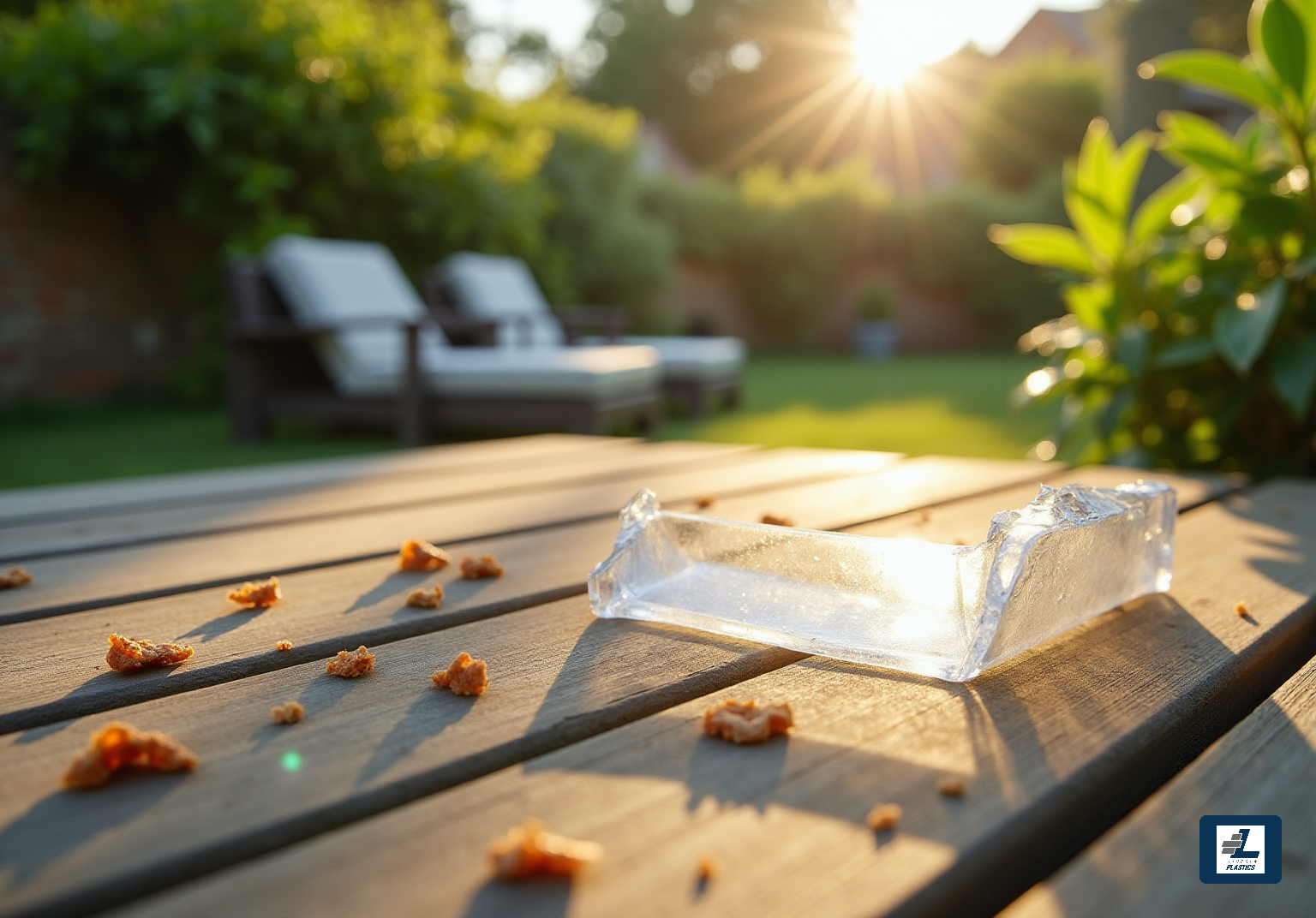
Ultraviolet (UV) light plastic is a type of electromagnetic radiation that can cause significant damage to synthetic materials. Over time, UV light plastic leads to significant deterioration, especially in plastics. When these materials are exposed to UV light plastic, the energy disrupts the chemical bonds in the polymer chains. This leads to some pretty nasty effects like yellowing, brittleness, and a drop in tensile strength. And let me tell you, these changes can seriously compromise the structural integrity of products.
Think about it: outdoor items like garden furniture and car parts are particularly at risk of UV damage. This highlights just how important it is to choose the right materials, including UV light plastic, and protective measures. Recent studies have shown that prolonged UV exposure can lead to brittleness and cracking. For example, encapsulants in photovoltaic modules can discolor, contributing to about 10% of module failures.
Now, here’s something to consider: the market is shifting towards materials like UV light plastic that are UV-resistant. Polyolefin is expected to grab a 20% market share, while extruded EVA with polyolefin is projected to be around 10% in the next decade. Understanding these degradation mechanisms and the benefits of materials like polycarbonate (PC), acrylic (PMMA), and fluoroplastics is crucial for OEMs. It helps ensure that the choices made will keep their performance and reliability intact in tough environments.
And let’s not forget about the environmental impact of UV degradation. There’s the potential release of microplastics to think about, too. So, when you’re choosing materials, it’s important to weigh those initial costs against long-term savings. What do you think? Are you ready to make informed choices for better durability?

Identify UV-Resistant Plastics for Optimal Performance
When you're picking materials for products that will be out in the sun, it’s super important to choose UV light plastic that can withstand UV exposure. High-Density Polyethylene (HDPE), Polycarbonate (PC), and Acrylic (PMMA) are some of the best options out there, each with its own perks. For instance, HDPE is tough and durable, making it a great choice for outdoor applications. Polycarbonate shines with its clarity and strength, perfect for protective covers and glazing. And let’s not forget Acrylic, which is loved for its optical clarity and weather resistance - ideal for signage and decorative pieces.
By opting for these materials, OEMs can really cut down on the risk of wear and tear, helping to extend the life of their products. But it’s also key to think about the specific environmental conditions your product will face. Factors like temperature and humidity can really impact how well these materials perform. Plus, with recent advancements in formulations for UV light plastic, these materials are more durable than ever, ready to meet the tough demands of outdoor use.
Now, if we take a closer look at how these materials stack up, we see that while HDPE holds its shape well under UV exposure, Polycarbonate offers top-notch impact protection, and Acrylic gives you that crystal-clear look. Each one has its sweet spot, making them suitable for different applications. And don’t forget to check material standards against ASTM D4329, ASTM G154, UL 746C, and ISO 4892 to ensure compliance and performance in outdoor settings. By understanding these properties, OEMs can make smart choices that fit their project needs.

Utilize UV Stabilizers and Absorbers for Enhanced Protection
When it comes to making UV light plastic polymers last longer, integrating UV stabilizers and absorbers is key. These handy additives either soak up harmful UV light plastic rays or bounce them away from the polymer, which significantly boosts product durability. You might have heard of some common types, like Hindered Amine Light Stabilizers (HALS) and UV absorbers such as benzophenones, benzotriazole, and triazine. For instance, just adding 2% carbon black can work wonders for UV resistance by blocking a good chunk of those pesky UV rays, helping to keep the material intact.
Now, here’s something interesting: the plastics segment is expected to snag a whopping 44.1% share of the UV light plastic absorbers market by 2025. That really highlights how important these additives are! If you’re an OEM, it’s a smart move to think about integrating these additives during the extrusion process. Why? Because it ensures they’re evenly distributed, maximizing their effectiveness.
This approach not only boosts the durability of your products but also helps maintain their look and mechanical properties over time. Plus, it can save you money on replacements and maintenance in the long run. And get this - the UV absorbers market is projected to grow at a compound annual growth rate (CAGR) of 4.1% from 2025 to 2035. That’s a clear sign that the demand for UV light plastic protection is on the rise across various applications.
So, if you’re looking to improve UV durability in your polymers, why not consult with specialists in the field? They can offer valuable insights and best practices to help you out!

Implement Testing Methods to Verify UV Resistance
Have you ever wondered how synthetic products hold up against the sun's harsh rays? Well, it turns out that rigorous testing methods are key to ensuring they effectively endure UV light plastic exposure. Standards like ASTM D4329 and ISO 4892-2 lay out comprehensive guidelines for assessing the durability of UV light plastic. These protocols expose samples to accelerated UV light plastic conditions using fluorescent lamps or xenon arc sources, mimicking years of outdoor exposure in just a few weeks.
Now, why is UV exposure testing so crucial? It’s all about assessing the durability of coatings and paints used outdoors, especially those made with UV light plastic. By looking at changes in physical properties, like color, tensile strength, and flexibility, manufacturers can really gauge how effective their UV light plastic protection strategies are. For instance, after just 300 hours of exposure to UV light plastic, a plastic component can show a 30% drop in impact resistance. That really highlights why rigorous testing is a must!
Regular testing of UV light plastic doesn’t just keep quality in check; it also generates vital data that helps guide future product development and resource selection. This ultimately boosts the durability and performance of UV light plastic products. As one ATA Editor pointed out, "Any polymer left exposed outside will slowly degrade and start losing its chemical and mechanical properties."
So, what’s the takeaway? Proper sample placement and exposure techniques are essential for accurate assessments of the durability of UV light plastic. This way, manufacturers can confidently meet the demands of their applications. Let’s make sure we’re all on the same page about the importance of UV testing!

Conclusion
When it comes to sourcing UV light plastics, OEMs really need to get it right if they want to boost product durability and performance. Think about it: UV exposure can wreak havoc on synthetic materials. By understanding this, manufacturers can make smart choices that not only protect their products but also ensure they stand the test of time in tough environments.
So, what are some key practices? Well, selecting UV-resistant plastics like Polycarbonate, Acrylic, and High-Density Polyethylene is a great start. Plus, integrating UV stabilizers and absorbers, along with rigorous testing methods, is crucial. These strategies help reduce the risks of degradation and also contribute to sustainability by cutting down on waste and microplastics. And let’s not forget - keeping up with market trends and new material formulations can really empower OEMs to pick the best options for their specific needs.
Ultimately, committing to sourcing UV light plastics with a solid understanding of their properties is a proactive move towards creating resilient products. By focusing on these best practices, manufacturers can not only enhance the durability of their offerings but also lead the charge in responsible production. Embracing these strategies isn’t just a good idea; it’s essential for thriving in a competitive market that values sustainability and quality.
Frequently Asked Questions
What is UV light and how does it affect plastics?
UV light is a type of electromagnetic radiation that can cause significant damage to synthetic materials, particularly plastics. It disrupts the chemical bonds in polymer chains, leading to deterioration such as yellowing, brittleness, and a decrease in tensile strength.
What are the consequences of UV exposure on outdoor items?
Outdoor items like garden furniture and car parts are particularly at risk of UV damage, which can compromise their structural integrity and lead to issues like brittleness and cracking.
What recent studies indicate about UV exposure and its effects?
Recent studies have shown that prolonged UV exposure can lead to brittleness and cracking in materials. For instance, encapsulants in photovoltaic modules can discolor, contributing to approximately 10% of module failures.
What market trends are emerging regarding UV-resistant materials?
The market is shifting towards UV-resistant materials, with polyolefin expected to capture a 20% market share, and extruded EVA with polyolefin projected to be around 10% in the next decade.
Why is it important for OEMs to understand degradation mechanisms?
Understanding degradation mechanisms and the benefits of materials like polycarbonate (PC), acrylic (PMMA), and fluoroplastics is crucial for OEMs to ensure the performance and reliability of their products in tough environments.
What is the environmental impact of UV degradation?
UV degradation can lead to the potential release of microplastics, which poses environmental concerns. It’s important to consider these impacts when choosing materials.
How should one approach the choice of materials in relation to costs?
When choosing materials, it is important to weigh initial costs against long-term savings, considering the durability and performance of the materials in the face of UV exposure.
List of Sources
- Understand UV Light and Its Effects on Plastics
- Effects of UV radiation on natural and synthetic materials - PMC (https://pmc.ncbi.nlm.nih.gov/articles/PMC10088630)
- UV Resistant Plastics: Boosting Outdoor Durability (https://dallasplastics.com/blog/uv-resistant-plastics-boost-durability)
- Effects of UV radiation on plastic (https://uv-l.com/articles/the-impact-of-ultraviolet-radiation-on-plastic-components-a-reliable-alternative)
- How UV Affects Engineering Plastics (https://directplastics.co.uk/news/post/how-uv-affects-engineering-plastics)
- Identify UV-Resistant Plastics for Optimal Performance
- Master Plastic UV Resistance: Key Insights for OEMs' Material Choices (https://lincoln-plastics.com/news-post/master-plastic-uv-resistance-key-insights-for-oe-ms-material-choices?dcc2137a_page=2)
- Weather Resistant Plastics: Which Plastics Are Best for Outdoor Use? (https://farcoplastics.com/resource-center/weather-resistant-plastics-which-plastics-are-best-for-outdoor-use)
- Acrylic vs Polycarbonate Sheets: A Comprehensive Comparison – Excelite (https://exceliteplas.com/acrylic-vs-polycarbonate-a-comprehensive-comparison)
- How to Choose the Best Plastic for Outdoor Use (https://advancedplastiform.com/how-to-choose-the-best-plastic-for-outdoor-use)
- Utilize UV Stabilizers and Absorbers for Enhanced Protection
- BASF Highlights Advanced Light Stabilizer Solutions for Durable Plastics at Plastindia 2026 | Machine Maker - Latest Manufacturing News | Indian Manufacturing News - Latest Manufacturing News | Indian Manufacturing News - Machine Maker (https://themachinemaker.com/news/basf-highlights-advanced-light-stabilizer-solutions-for-durable-plastics-at-plastindia-2026)
- Advancements in UV Stabilization: Protecting Plastics for Longer Performance - 3V Sigma USA (https://3vsigmausa.com/advancements-in-uv-stabilization-longer-performance)
- UV Absorbers Market | Global Market Analysis Report - 2035 (https://futuremarketinsights.com/reports/uv-absorbers-market)
- BASF Highlights Light Stabilizers for Plastic Durability at Plastindia 2026 (https://chemxplore.com/news/basf-light-stabilizers-plastindia)
- Ampacet Introduces UVProtect™, a New Generation of UV Stabilizers for Outdoor Plastics | AMPACET CORPORATION (https://ampacet.com/ampacet-introduces-uvprotect-a-new-generation-of-uv-stabilizers-for-outdoor-plastics)
- Implement Testing Methods to Verify UV Resistance
- Comprehensive Guide to UV Exposure Testing: Standards, Methods, and Importance in Material Durability - Riukai Machinery (https://riukai.net/comprehensive-guide-to-uv-exposure-testing-standards-methods-and-importance-in-material-durability)
- Complete Guide to ISO and ASTM Standards for UV Weathering Testing (https://pacorr.com/blog/complete-guide-to-iso-and-astm-standards-for-uv-weathering-testing)
- 5-Part Series (Part 2): Performance Tests to Ensure Suitability for UV Resistance (https://geosyntheticsmagazine.com/2022/07/08/performance-tests-to-ensure-suitability-for-uv-resistance)
- ISO 4892-2 Xenon-Arc UV Weathering Test for Plastics | Micom (https://micomlab.com/micom-testing/iso-4892-2)
- UV Stability Testing (https://atslab.com/testing-and-analysis/environmental/uv-stability-testing)
Related posts

Designing Custom Extrusions: How We Work with OEM Engineers
Lincoln Plastics partners with OEM engineers to design custom extrusion profiles — reducing modifications, improving performance, and lowering costs


Precision Matters: Tolerances and Quality Control in Extrusion
Lincoln Plastics ensures precision in every extrusion with tight tolerances, in-line checks, and strict quality control for OEM applications
Plastic Extrusion for Agricultural Equipment: Beyond Irrigation
Lincoln Plastics supports agriculture with custom plastic extrusions that go beyond irrigation, delivering durability and reliability in the field
