

Master the Strongest Clear Plastic for OEM Success
Introduction
In the competitive landscape of original equipment manufacturing (OEM), the right choice of materials is crucial for ensuring product quality and safety. Among the myriad options available, selecting the strongest clear plastic is paramount for ensuring durability and performance.
Let’s explore the different types of clear plastics and how to choose the right one for your needs. Navigating the vast array of materials can be overwhelming for OEMs, leading to potential missteps in product quality.
How can they ensure they meet industry standards while enhancing their competitive edge? Choosing the wrong material can result in compromised product integrity and safety, ultimately affecting customer trust.
Understand Different Types of Clear Plastics
In the competitive landscape of transparent plastics, selecting the strongest clear plastic can significantly impact performance and safety. Several substances stand out due to their unique characteristics and applications. Here are the most common types:
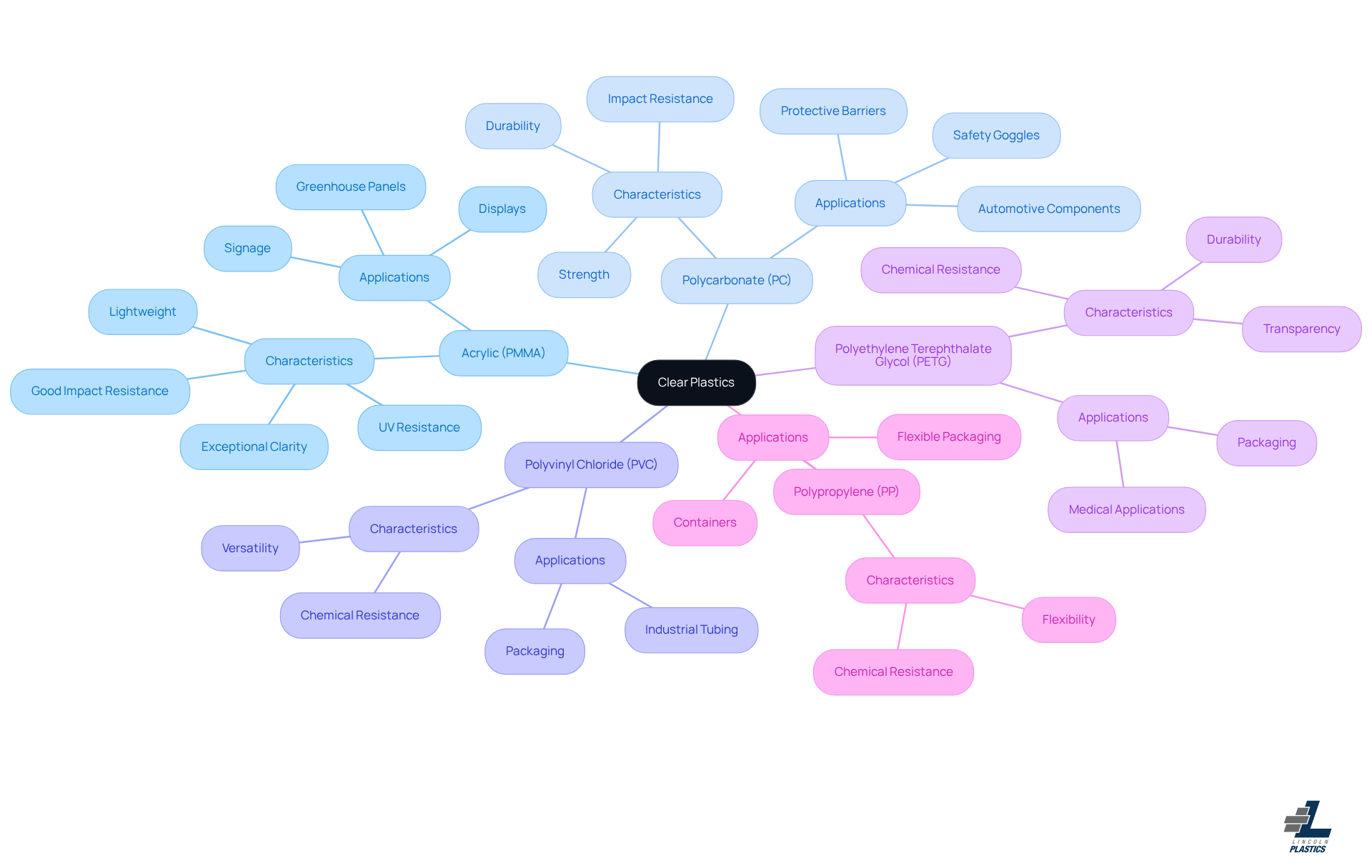
- Acrylic (PMMA): Known for its exceptional clarity and UV resistance, acrylic is often used in applications that require transparency and visual appeal. It’s lighter than glass and offers good impact resistance, making it ideal for displays and signage.
- Polycarbonate (PC): This material is celebrated for its remarkable strength and impact resistance, being up to 250 times stronger than glass. Polycarbonate, known as the strongest clear plastic, is perfect for applications where durability is crucial, such as safety goggles and protective barriers. Its ability to withstand extreme conditions makes it a preferred choice in safety applications, ensuring reliable protection across various environments. Industry reports indicate that the demand for polycarbonate is set to surge by 2026, driven by its critical role in safety applications.
- Polyvinyl Chloride (PVC): Clear PVC is prized for its chemical resistance and versatility. It’s frequently used in industrial applications, including tubing and packaging, where clarity and strength are essential.
- Polyethylene Terephthalate Glycol (PETG): PETG combines the transparency of acrylic with the durability of polycarbonate, making it a favored choice for packaging and medical applications. It’s easy to thermoform and offers good chemical resistance, catering to diverse industry needs.
- Polypropylene (PP): While not as transparent as other options, some grades of polypropylene can be see-through and are used in situations requiring flexibility and chemical resistance.
Understanding these materials helps OEMs select the strongest clear plastic for their specific needs while balancing factors such as strength, clarity, and cost. The growing trend of using polycarbonate in original equipment manufacturing highlights its unmatched durability and safety features, establishing it as a vital material in the transparent plastics sector. As industry leaders emphasize, "Polycarbonate's strength and versatility make it a vital option for safety uses, ensuring both performance and reliability." Furthermore, case studies have demonstrated successful applications of polycarbonate in various safety contexts, underscoring its effectiveness in real-world situations. OEMs should also be aware of common pitfalls when selecting transparent materials, such as misapplications that could compromise safety or performance. Ultimately, the right choice in transparent plastics not only enhances product reliability but also safeguards your reputation in the industry.
Evaluate Key Properties of Clear Plastics
Selecting the right strongest clear plastic for OEM applications can be a daunting task, but understanding key properties can simplify the decision-making process. When evaluating materials, consider these essential characteristics:
- Impact Resistance: How well can a material handle physical stress without breaking? That's what impact resistance tells us. Polycarbonate excels in this area, boasting an impact strength of 60-80 kJ/m², making it ideal for safety applications where durability is crucial. In contrast, impact-resistant acrylic offers an impact strength of 15-25 kJ/m², serving as a viable alternative for less critical uses.
- UV Resistance: Prolonged exposure to UV light can degrade many plastics, leading to yellowing and brittleness. Acrylic and UV-stabilized plastic are excellent options for outdoor applications. For instance, impact-resistant acrylic maintains its transparency outdoors for up to five years, with minimal yellowing (Δ E < 3) and light transmission loss of less than 2% during this period. Polycarbonate, however, tends to yellow more quickly under UV exposure. As industry specialist Yogesh Kulkarni emphasizes, 'Selecting the appropriate UV-resistant substance is crucial for outdoor uses.'
- Clarity and Light Transmission: The ability of a plastic to convey light without distortion is essential for applications such as displays and lenses. Acrylic typically delivers high clarity with 92% light transmission, while polycarbonate offers outstanding light transmission (85-88%) along with enhanced strength, making both options suitable for diverse applications.
- Chemical Resistance: Depending on the application, the material may need to resist various chemicals. PVC and PETG are known for their chemical resistance, making them suitable for industrial environments where exposure to harsh substances is common.
- Thermal Stability: Understanding the temperature range a polymer can tolerate is essential for applications subjected to heat. Polycarbonate can handle higher temperatures compared to acrylic, which may deform under heat, ensuring reliability in demanding conditions.
- Cost-Effectiveness: Impact-resistant acrylic is usually 30-40% less expensive than polycarbonate, making it a more budget-friendly option for many OEM applications.
Ultimately, making an informed choice in the strongest clear plastic materials can significantly impact the success and longevity of your project in the field.

Implement Best Practices for Selection in OEM Applications
Selecting the right strongest clear plastic for OEM applications is crucial for ensuring performance and reliability. To effectively choose the best materials, consider these best practices:
- Define Application Requirements: Clearly outline the specific needs of your application, including environmental conditions, mechanical stresses, and aesthetic requirements. This foundational step will guide your material selection process.
- Conduct Material Comparisons: Utilize comparative analysis tools to evaluate different plastics based on their properties. For example, polycarbonate is recognized as 30 times stronger than acrylic at the same thickness, making it a better option for uses demanding high impact resistance. Understanding these differences is crucial for determining the best fit for your application.
- Engage with Suppliers: Work with suppliers like Lincoln Plastics to learn about the latest advancements in synthetic technology. Lincoln Plastics collaborates closely with OEMs to ensure their products meet all quality requirements, including special checks for ‘fit and function’. Suppliers can offer valuable information on substance performance, including the advantages of coatings that improve flame resistance in polycarbonate, assisting you in identifying the best options for your needs.
- Prototype and Test: Before concluding your substance selection, create prototypes using the chosen plastics. Conduct thorough testing to evaluate performance under real-world conditions. How can you be sure your chosen material will perform as expected in real-world conditions? By rigorously testing your prototypes, you can confidently select materials that will perform reliably in your application. Lincoln Plastics uses various check gauges to ensure a proper fit for end-use, making this step vital for successful selection.
- Review Cost Implications: Analyze the cost-effectiveness of your material choices. While high-performance materials may have a higher initial expense, their durability and longevity can result in reduced overall costs over time. For example, while polycarbonate may be more expensive than acrylic, its superior strength and resistance to impact can justify the investment.
Ultimately, a thoughtful selection process can lead to significant long-term savings and enhanced product performance. By adhering to these best practices, OEMs can improve their selection process for components, ensuring that they choose the strongest clear plastic for their applications.

Manage Supplier Relationships and Material Costs
Effective management of supplier relationships is not just beneficial; it's essential for OEMs striving for operational excellence. Consider these proven strategies to elevate your supplier management practices:
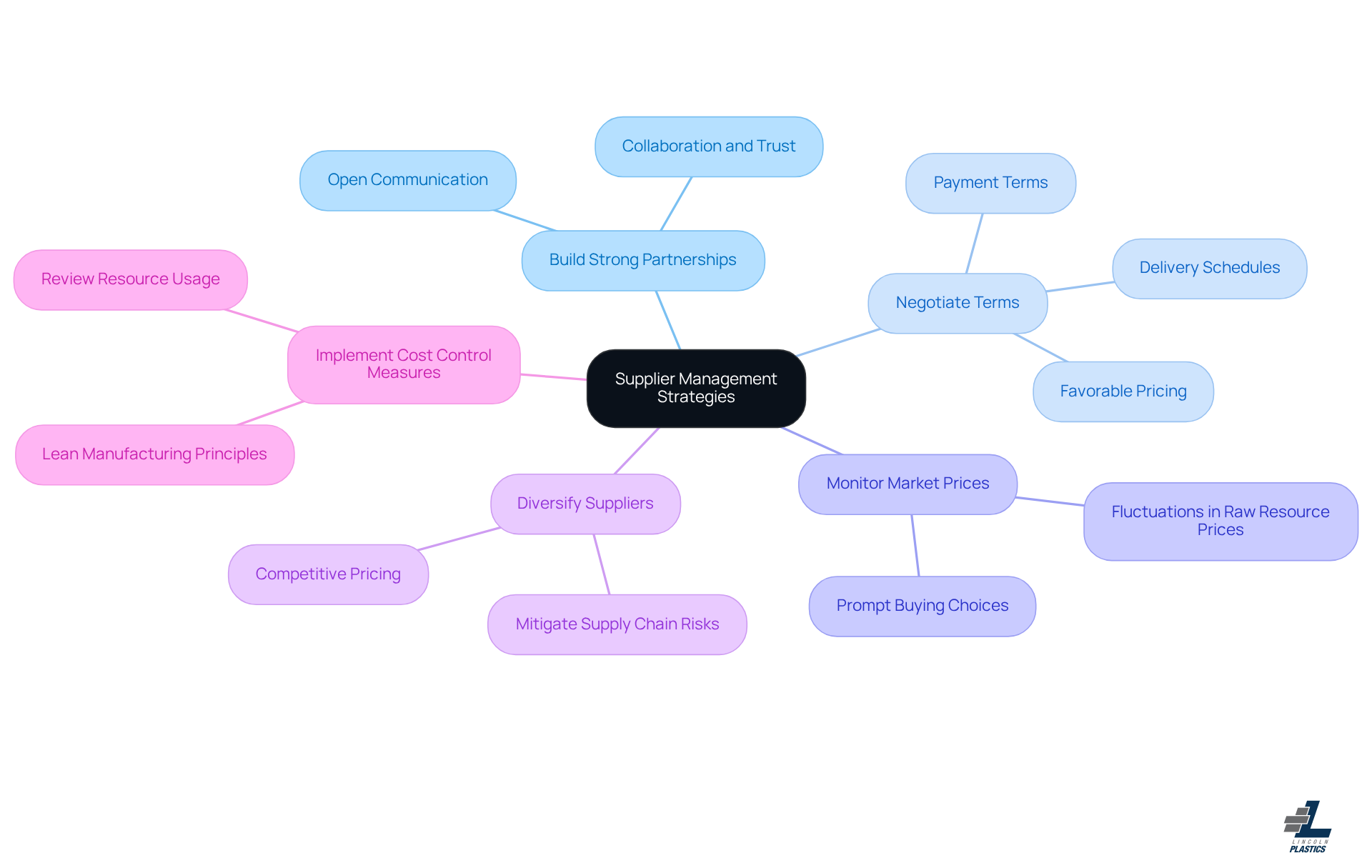
- Build Strong Partnerships: Treat suppliers as partners rather than just vendors. Establish open lines of communication to foster collaboration and trust, which can lead to better pricing and service.
- Negotiate Terms: Engage in negotiations to secure favorable terms, including pricing, delivery schedules, and payment terms. Understanding market trends can provide leverage during negotiations.
- Monitor Market Prices: Stay informed about fluctuations in raw resource prices. This knowledge enables you to make prompt buying choices and avoid overexpenditure for supplies.
- Diversify Suppliers: Avoid reliance on a single supplier by diversifying your supplier base. This strategy mitigates risks associated with supply chain disruptions and can lead to more competitive pricing.
- Implement Cost Control Measures: Regularly review your resource usage and waste management practices. Applying lean manufacturing principles can assist in lowering resource costs and enhancing overall efficiency.
Navigating supplier relationships can be complex and fraught with challenges. By mastering these strategies, OEMs can significantly reduce costs and improve their market position. Mastering these strategies not only enhances efficiency but also positions OEMs for sustained success in a competitive landscape.
Conclusion
Selecting the right clear plastic is critical for OEM success, where performance and reliability are essential. The strongest clear plastics, such as polycarbonate, acrylic, PVC, PETG, and polypropylene, each offer unique properties that cater to various needs. By understanding the strengths and weaknesses of these materials, OEMs can make informed decisions that enhance product quality and safety.
This article emphasizes the need to evaluate key factors like impact resistance, UV stability, clarity, chemical resistance, and thermal stability when selecting clear plastics. Best practices, such as defining application requirements, conducting thorough material comparisons, and engaging with suppliers, can streamline the selection process. Additionally, effective supplier management strategies are essential for maintaining cost efficiency and securing favorable terms.
Ultimately, the choice of clear plastic materials can significantly influence both the functionality of products and the reputation of OEMs in their respective industries. This informed approach not only improves product quality but also strengthens the OEM's market position. By making informed choices and building strong relationships with suppliers, businesses can boost their efficiency and secure a competitive edge. By embracing these best practices, OEMs can ensure their products not only meet industry standards but also exceed customer expectations, setting the stage for future growth.
Frequently Asked Questions
What are the main types of clear plastics discussed in the article?
The main types of clear plastics discussed are Acrylic (PMMA), Polycarbonate (PC), Polyvinyl Chloride (PVC), Polyethylene Terephthalate Glycol (PETG), and Polypropylene (PP).
What are the characteristics of Acrylic (PMMA)?
Acrylic is known for its exceptional clarity and UV resistance, is lighter than glass, offers good impact resistance, and is often used in displays and signage.
Why is Polycarbonate (PC) considered the strongest clear plastic?
Polycarbonate is celebrated for its remarkable strength and impact resistance, being up to 250 times stronger than glass, making it ideal for applications requiring high durability, such as safety goggles and protective barriers.
What applications benefit from the use of Polyvinyl Chloride (PVC)?
Clear PVC is prized for its chemical resistance and versatility, frequently used in industrial applications like tubing and packaging where clarity and strength are essential.
What advantages does Polyethylene Terephthalate Glycol (PETG) offer?
PETG combines the transparency of acrylic with the durability of polycarbonate, is easy to thermoform, and offers good chemical resistance, making it suitable for packaging and medical applications.
How does Polypropylene (PP) compare to other clear plastics?
While not as transparent as other options, some grades of polypropylene can be see-through and are used in applications requiring flexibility and chemical resistance.
What factors should OEMs consider when selecting clear plastics?
OEMs should balance factors such as strength, clarity, and cost while being aware of common pitfalls like misapplications that could compromise safety or performance.
What is the trend regarding the use of Polycarbonate in manufacturing?
The demand for polycarbonate is expected to surge by 2026, driven by its critical role in safety applications, highlighting its unmatched durability and safety features.
List of Sources
- Understand Different Types of Clear Plastics
- openpr.com (https://openpr.com/news/4483278/acrylic-polymers-market-2026-2033-acrylic-emulsion-liquid)
- openpr.com (https://openpr.com/news/4481209/polycarbonate-market-expanding-industrial-applications)
- jinbaoplastic.com (https://jinbaoplastic.com/global-perspectives-cast-acrylic-sheet-market-analysis-future-trends-2025.html)
- futuremarketinsights.com (https://futuremarketinsights.com/reports/acrylic-polymer-market)
- Acrylic Usage Trends 2026: New Applications in Design and Industry (https://margacipta.com/User/News/detail/Acrylic-Usage-Trends-2026-New-Applications-in-Design-and-Industry)
- Evaluate Key Properties of Clear Plastics
- Outdoor UV-Resistant Plastics | Fading & Cracking Solutions (https://yoochenplastic.com/knowledge-news/outdoor-uv-resistant-plastics)
- openpr.com (https://openpr.com/news/4406811/acrylic-and-polycarbonate-sheets-market-outlook-2026-2029)
- jrtacrylic.com (https://jrtacrylic.com/blogs/impact-resistant-acrylic-vs-polycarbonate-making-the-best-choice-for-your-high-safety-project.html)
- openpr.com (https://openpr.com/news/4481209/polycarbonate-market-expanding-industrial-applications)
- towardspackaging.com (https://towardspackaging.com/insights/polycarbonate-sheet-market-sizing)
- Implement Best Practices for Selection in OEM Applications
- plasticreimagined.org (https://plasticreimagined.org/articles/top-5-material-science-and-recycling-trends-to-watch-in-2026)
- ptonline.com (https://ptonline.com/articles/2026-outlook-for-advanced-manufacturing)
- linkedin.com (https://linkedin.com/pulse/transparent-plastic-market-insights-2026-key-trends-nq1uf)
- towardspackaging.com (https://towardspackaging.com/insights/clear-plastic-sheets-market-sizing)
- Comparison of See-Through Plastics | Cope Plastics, Inc. (https://copeplastics.com/knowledge-base/blog/comparison-of-see-through-plastic-sheets)
- Manage Supplier Relationships and Material Costs
- dynamicsourcemfg.com (https://dynamicsourcemfg.com/supply-chain-management-in-2026-what-oems-need-to-know)
- linkedin.com (https://linkedin.com/pulse/manufacturing-2026-strategic-shift-from-suppliers-partners-1d9ac)
- 5 supply chain management trends to watch in 2026 (https://supplychaindive.com/news/supply-chain-trends-risks-2026-retail-manufacturing/808797)
- accuris.com (https://accuris.com/post/price-negotiations-in-2026-best-practices)
- z2data.com (https://z2data.com/insights/5-global-supply-chain-trends-executives-need-to-watch-for-2026)


