
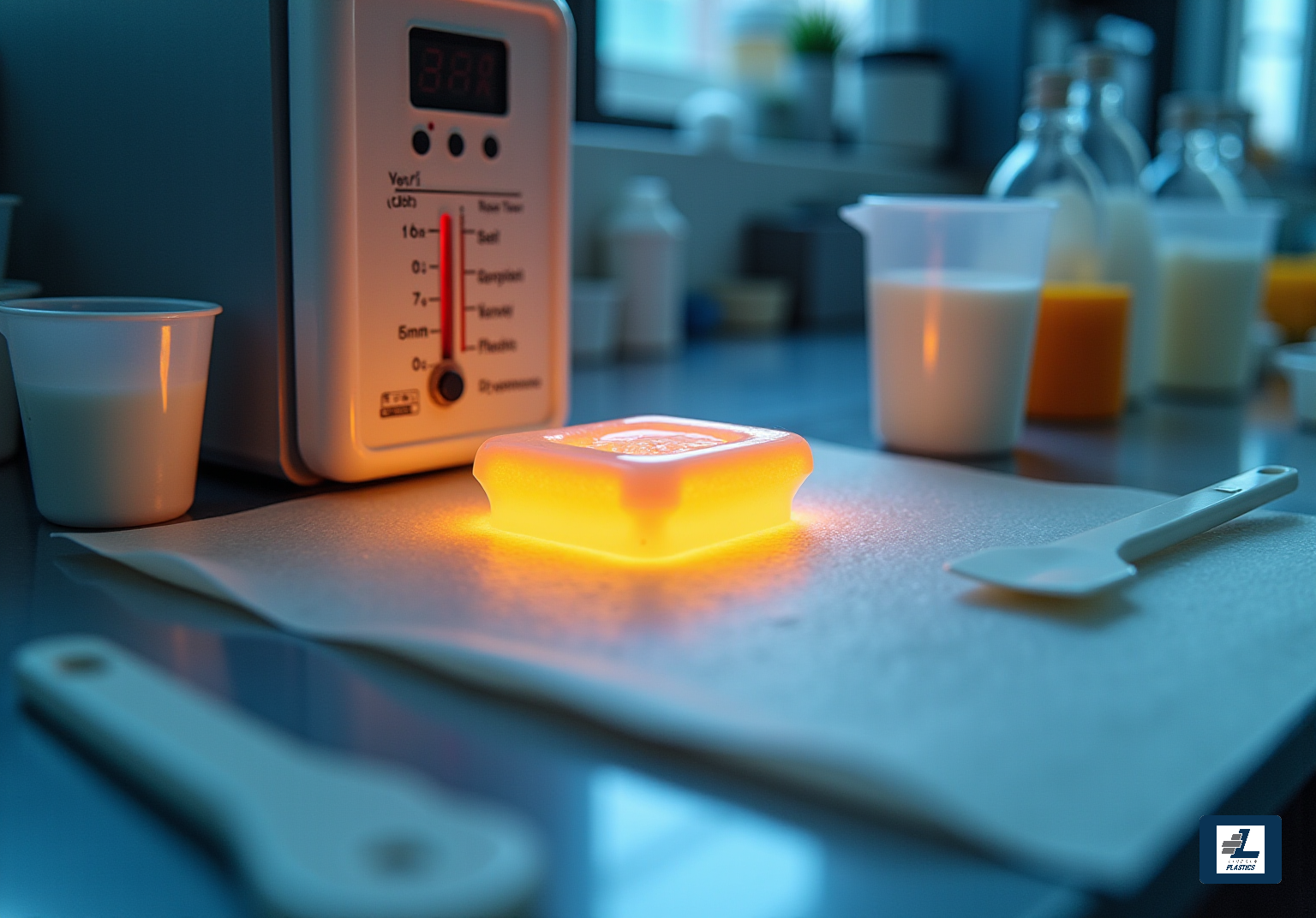
Master Plastic Melting Temperature for Efficient Procurement and Production
Introduction
You know, understanding the melting temperature of plastics is super important for manufacturers who want to boost production efficiency and product quality. This temperature is where plastic shifts from solid to a molten state, and it affects everything - from how the material flows during processing to the integrity of the final product.
But here’s the kicker: various factors like molecular structure, additives, and processing conditions can really complicate things. So, how do manufacturers tackle these challenges to ensure they maintain consistent quality and efficiency in their production processes?
Let’s dive into this together!
Define Plastic Melting Temperature and Its Importance
Have you ever wondered what happens to plastic when it gets hot? Well, that’s where the plastic melting temperature comes in! The specific temperature at which a plastic material transitions from being solid to a gooey, molten state is known as the plastic melting temperature. This temperature is super important because it affects how we efficiently manufacture products.
Different types of plastics have varying melting temperatures. For example, the melting temperature of polypropylene typically falls between 160°C and 170°C (320°F to 338°F). Knowing this is crucial for manufacturers, especially those working with Lincoln Plastics. Why? Because it directly impacts how the material flows during processing and, ultimately, the quality of the final product.
Managing the plastic melting temperature effectively can lead to better production efficiency, less waste, and more consistent products. Plus, Lincoln Plastics is all about innovation and customization. Their processes and products are designed with safety and efficiency in mind, making the whole production process smoother and more reliable.
So, next time you think about plastic, remember how important the melting temperature is! It’s not just a number; it’s a key player in creating high-quality products.

Explore Factors Affecting Melting Temperature in Plastics
When it comes to plastics, have you ever wondered what really affects their melting temperature? Let’s break it down into a few key factors that play a big role.
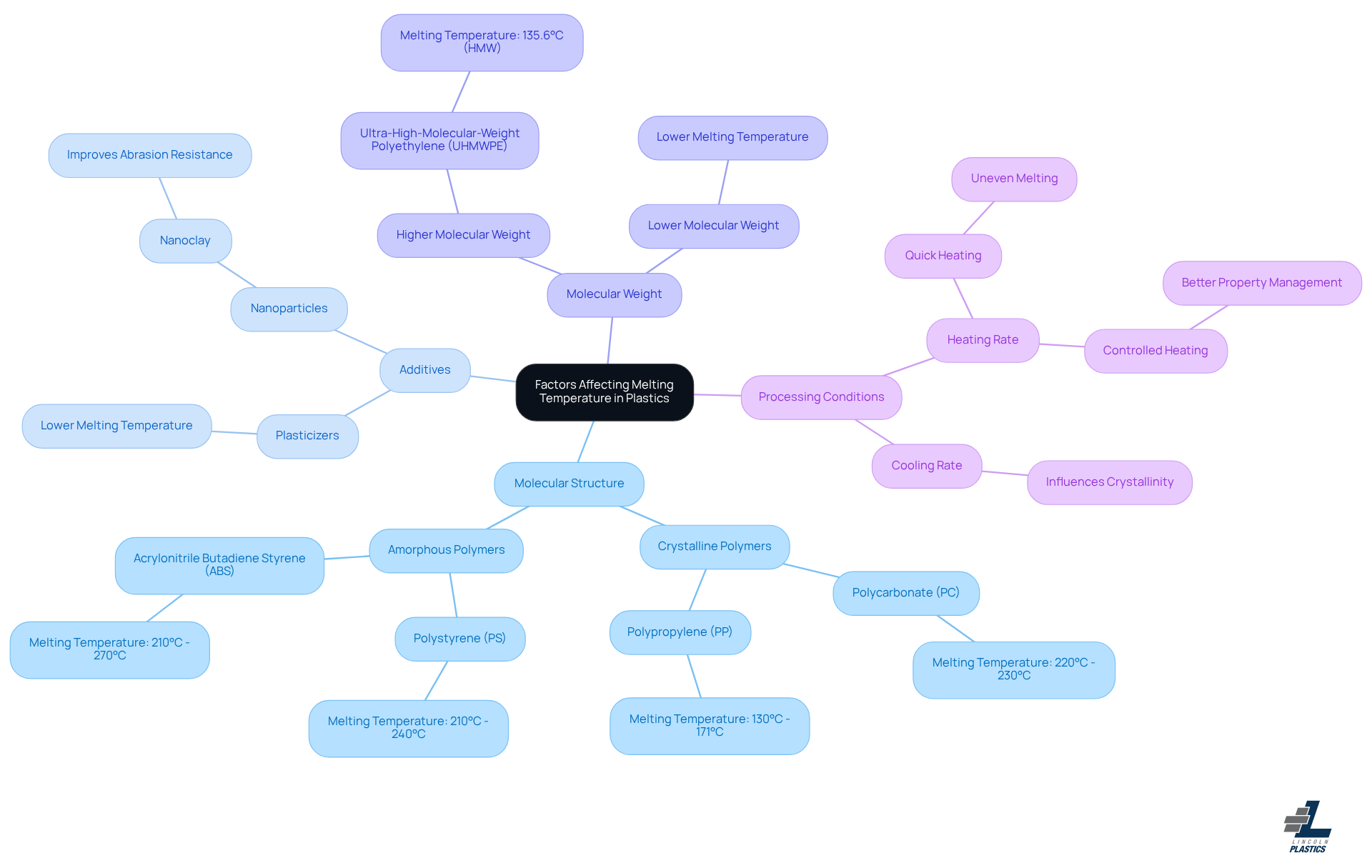
- Molecular structure is a major player here. The arrangement of polymer chains can greatly affect the melting temperature. For example, crystalline polymers, which have tightly packed chains, typically exhibit a higher melting temperature than their amorphous counterparts, which soften over a range. Take polycarbonate, for instance; its melting temperature is between 220°C and 230°C, making it a go-to for applications that need both impact strength and thermal endurance. And don’t forget about common thermoplastics like polyethylene (105°C to 115°C) and polypropylene (130°C to 171°C) - their melting temperatures vary and are crucial for manufacturing.
- Now, let’s talk about Additives. These little extras can really change the melting temperature. For example, plasticizers can lower the melting temperature, which makes processing a breeze. Plus, research shows that adding nanoparticles like nanoclay can boost the abrasion resistance of membranes while also affecting how they melt. It’s fascinating how additives can alter thermal characteristics, right?
- Next up is molecular weight. Generally, higher molecular weight polymers have a higher melting temperature due to their more entangled chains, which means they need more energy to break apart. For instance, ultra-high-molecular-weight polyethylene (UHMWPE) membranes show different melting points based on their molecular weight, which can impact their efficiency in filtration applications. And let’s not forget the challenges of recycling these high-performance materials - they can complicate things for manufacturers.
- Then we have processing conditions. The way plastics are processed - like how quickly they’re heated or cooled - can also affect their melting point. Quick heating might lead to uneven melting, while a slower, controlled approach allows for better management of the material’s properties. This is super important in processes like injection molding, where achieving the melting temperature just right is key for ensuring accuracy and strength. Plus, the melting temperature is vital for applications that need to hold their shape under heat and stress, which further influences material selection.
By understanding these factors, manufacturers can really fine-tune their processes and pick the best materials for their needs. This not only boosts product quality but also enhances operational efficiency. As HLC Metal Parts puts it, "Understanding a material's melting point helps manufacturers avoid overheating, ensure proper flow, and maintain dimensional accuracy in the final product." So, what do you think? Ready to dive deeper into the world of plastics?
Apply Melting Temperature Knowledge to Manufacturing Processes
When it comes to using plastics in manufacturing, there are a few steps you might want to keep in mind:
- Material Choice: Think about the melting temperature. You want to pick substances that match your equipment’s capabilities. For instance, if your gear can only handle up to 200°C, you’ll need to choose a plastic with a melting temperature below that temperature. It’s all about making sure your materials play nice with your tools!
- Processing Parameters: Now, let’s talk about tweaking your processing parameters. Adjust things like barrel heat, mold heat, and cooling rates based on the plastic melting temperature of the material you have chosen. Keeping a steady melt heat can really help with uniform flow and cut down on defects. Who doesn’t want smoother production?
- Melt Levels: Regularly checking melt levels during production is key. You want to ensure they stay within the right ranges to avoid problems like incomplete filling or warping in the final product. It’s all about keeping an eye on things to maintain quality.
- Team Training: Don’t forget to share this knowledge with your team! Make sure they understand the importance of fusion points and how they impact production. When your team is informed, they can make better decisions on the floor.
By weaving these practices into your routine, you can boost both efficiency and product quality. So, why not give it a shot?

Address Challenges Related to Melting Temperature in Procurement
When it comes to procuring materials, you might run into a few challenges related to melting temperature. Let’s break it down:
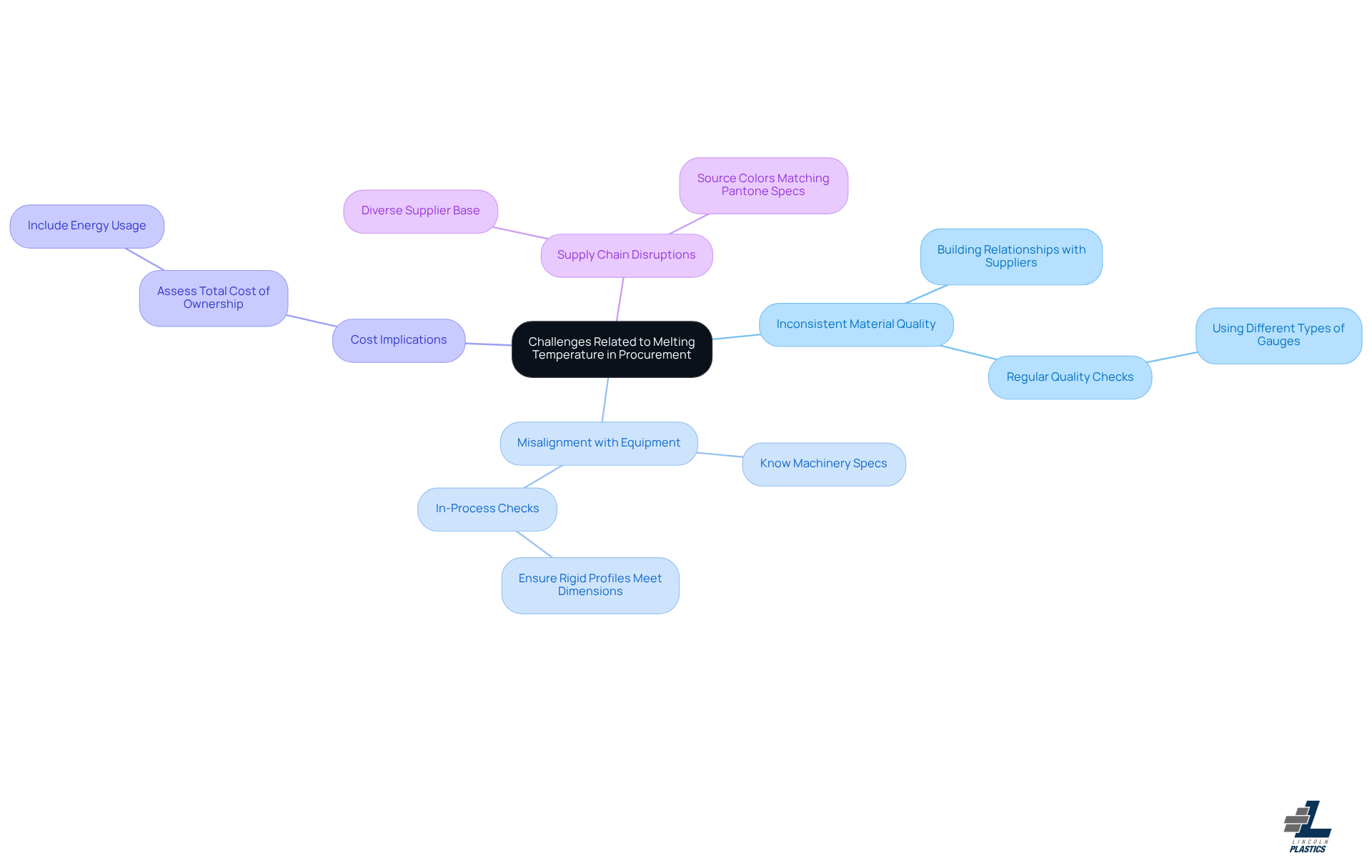
- Inconsistency: Ever noticed how melting temperatures can vary? This inconsistency can throw a wrench in your production process. That’s why building solid relationships with reliable suppliers is key. Regular quality checks, like using different types of gauges, can help you tackle those pesky variations.
- Misalignment with Equipment: Now, if the fusion heat of the materials you get doesn’t match up with what your machinery can handle, you could face delays or even flaws in production. It’s super important for your procurement team to know the specs of your machinery to ensure everything works smoothly. Our quality system includes crucial in-process checks to make sure your materials hit the right dimensions.
- Cost implications arise because higher temperatures often mean more energy is needed for processing, which can significantly increase production costs. So, when you’re choosing materials, don’t forget to assess the total cost, including energy consumption. It’s all about being cost-effective!
- Resource Availability: Variability in resource availability can mess with your production schedules. That’s why having a diverse supplier base is so important. It helps reduce reliance on a single source, ensuring you keep things running smoothly. Plus, we can easily source colors that match your Pantone specs for consistency across manufacturers, which helps mitigate those supply chain risks.
By tackling these challenges head-on, manufacturers can streamline their procurement processes and boost overall production efficiency. For example, companies like Lincoln Plastics have successfully navigated these hurdles by implementing strict quality controls, ensuring their materials meet precise specifications. This approach not only improves product quality but also enhances consistency. So, why not consider how you can address these challenges in your own operations?
Conclusion
Understanding plastic melting temperature is super important for making the most of procurement and production in the manufacturing world. This key property not only affects how plastics are molded and extruded but also plays a big role in the quality and efficiency of the final products. When manufacturers get a handle on melting temperatures, they can make smarter choices that boost product performance and operational success.
Now, let’s talk about some key factors that influence melting temperature. We explored things like:
- Molecular structure
- Additives
- Molecular weight
- Processing conditions
Each of these elements is crucial in determining how plastics react to heat, affecting everything from production efficiency to material selection. Plus, we touched on challenges like inconsistent material quality, equipment misalignment, and supply chain hiccups. These issues highlight why strategic procurement and quality control practices are so vital.
Ultimately, recognizing and managing plastic melting temperatures isn’t just a technical must; it’s a strategic edge that can lead to big improvements in production quality and efficiency. Manufacturers should think about investing in training, optimizing their processes, and building strong relationships with suppliers. By doing this, they can navigate the complexities of melting temperatures with ease. This way, their operations can stay competitive and responsive to market demands, paving the way for innovation and growth in the plastics industry.
Frequently Asked Questions
What is plastic melting temperature?
Plastic melting temperature is the specific temperature at which a plastic material transitions from being solid to a gooey, molten state.
Why is plastic melting temperature important?
It is important because it affects how plastics are molded and extruded efficiently, impacting the flow of material during processing and the quality of the final product.
What is the plastic melting temperature range for polypropylene?
The plastic melting temperature of polypropylene typically falls between 160°C and 170°C (320°F to 338°F).
How does managing the softening point affect production?
Managing the softening point effectively can lead to better production efficiency, less waste, and more consistent products.
What role does Lincoln Plastics play in relation to plastic melting temperature?
Lincoln Plastics focuses on quality assurance and customization, offering tailored extrusion profiles and custom cord management solutions designed for safety and efficiency in the production process.
List of Sources
- Define Plastic Melting Temperature and Its Importance
- rydtooling.com (https://rydtooling.com/plastic-melting-temperature-chart)
- Plastic Material Melt & Mould Temperature Chart | PlastikCity (https://plastikcity.co.uk/useful-stuff/material-melt-mould-temperatures)
- moldingdynamics.net (https://moldingdynamics.net/blog/plastic-melting-point-chart)
- Plastic Melting Point Guide: Understanding Temperature Ranges (https://acomold.com/melting-point-of-plastic.html)
- northpennnow.com (https://northpennnow.com/news/2025/oct/27/why-melt-consistency-matters-for-product-quality)
- Explore Factors Affecting Melting Temperature in Plastics
- lincoln-plastics.com (https://lincoln-plastics.com/news-post/what-temperature-does-plastic-melt-key-factors-and-applications)
- pmc.ncbi.nlm.nih.gov (https://pmc.ncbi.nlm.nih.gov/articles/PMC12349210)
- hlc-metalparts.com (https://hlc-metalparts.com/news/plastic-melting-points-85139049.html)
- Address Challenges Related to Melting Temperature in Procurement
- 4 Best Practices for Supplier Reliability in Plastic Manufacturing (https://lincoln-plastics.com/news-post/4-best-practices-for-supplier-reliability-in-plastic-manufacturing)
- Plastic Melting Point Guide: Understanding Temperature Ranges (https://acomold.com/melting-point-of-plastic.html)
Related posts

Designing Custom Extrusions: How We Work with OEM Engineers
Lincoln Plastics partners with OEM engineers to design custom extrusion profiles — reducing modifications, improving performance, and lowering costs


Precision Matters: Tolerances and Quality Control in Extrusion
Lincoln Plastics ensures precision in every extrusion with tight tolerances, in-line checks, and strict quality control for OEM applications
Plastic Extrusion for Agricultural Equipment: Beyond Irrigation
Lincoln Plastics supports agriculture with custom plastic extrusions that go beyond irrigation, delivering durability and reliability in the field
