
Master Plastic Extrusion Die Design: Best Practices for OEMs
Introduction
Mastering the art of plastic extrusion die design is crucial for manufacturers who want to produce high-quality products efficiently. Think about it: the die design is the backbone of shaping molten plastic. It not only affects how well the final product performs but also plays a big role in production costs and waste management.
But here’s the catch - navigating the complexities of die geometry, material selection, and flow dynamics can be quite a challenge. You might be wondering, how can OEMs make sure they’re following best practices that boost both efficiency and product integrity in their die designs? Let’s dive into that!
Understand the Fundamentals of Die Design in Plastic Extrusion
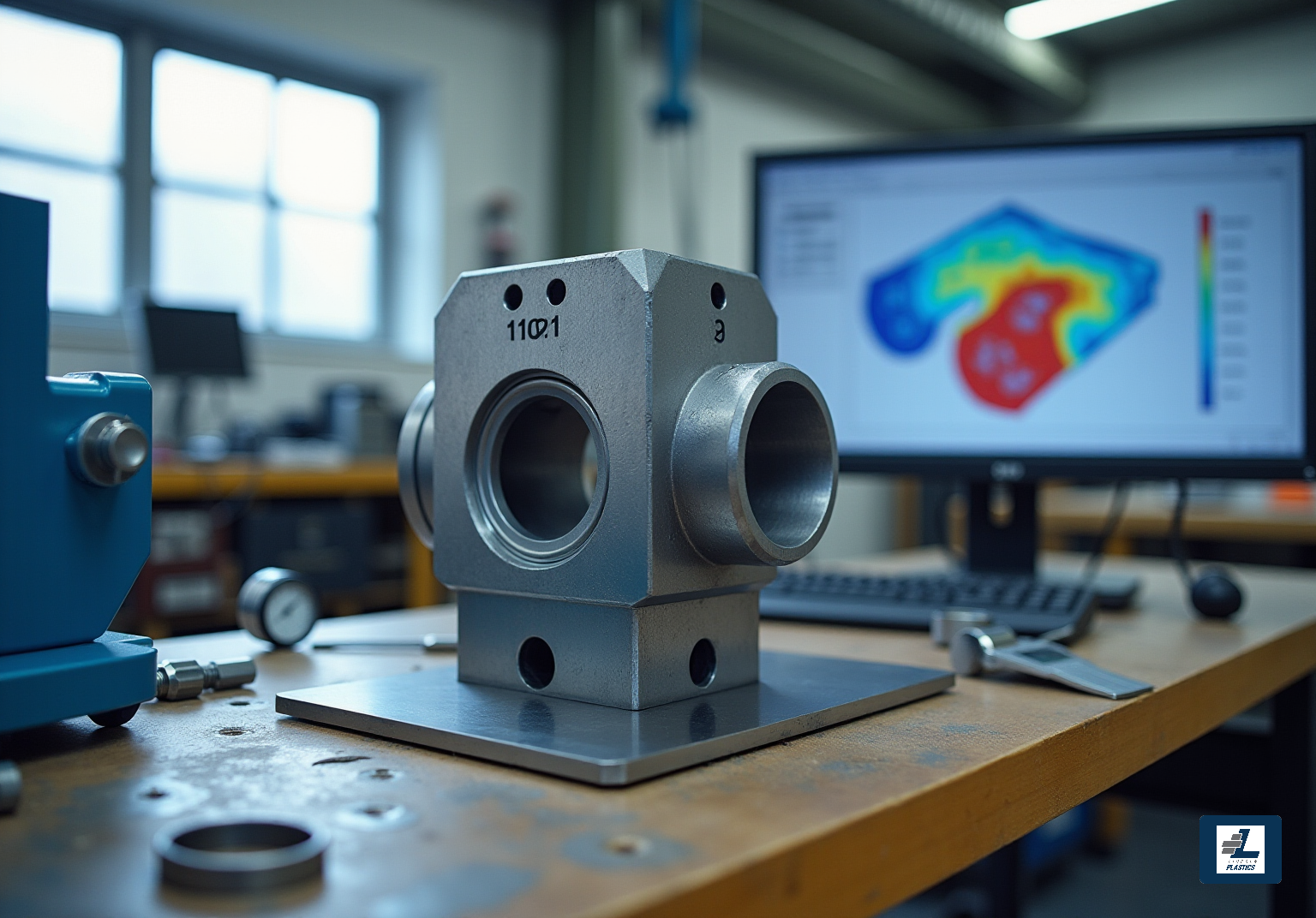
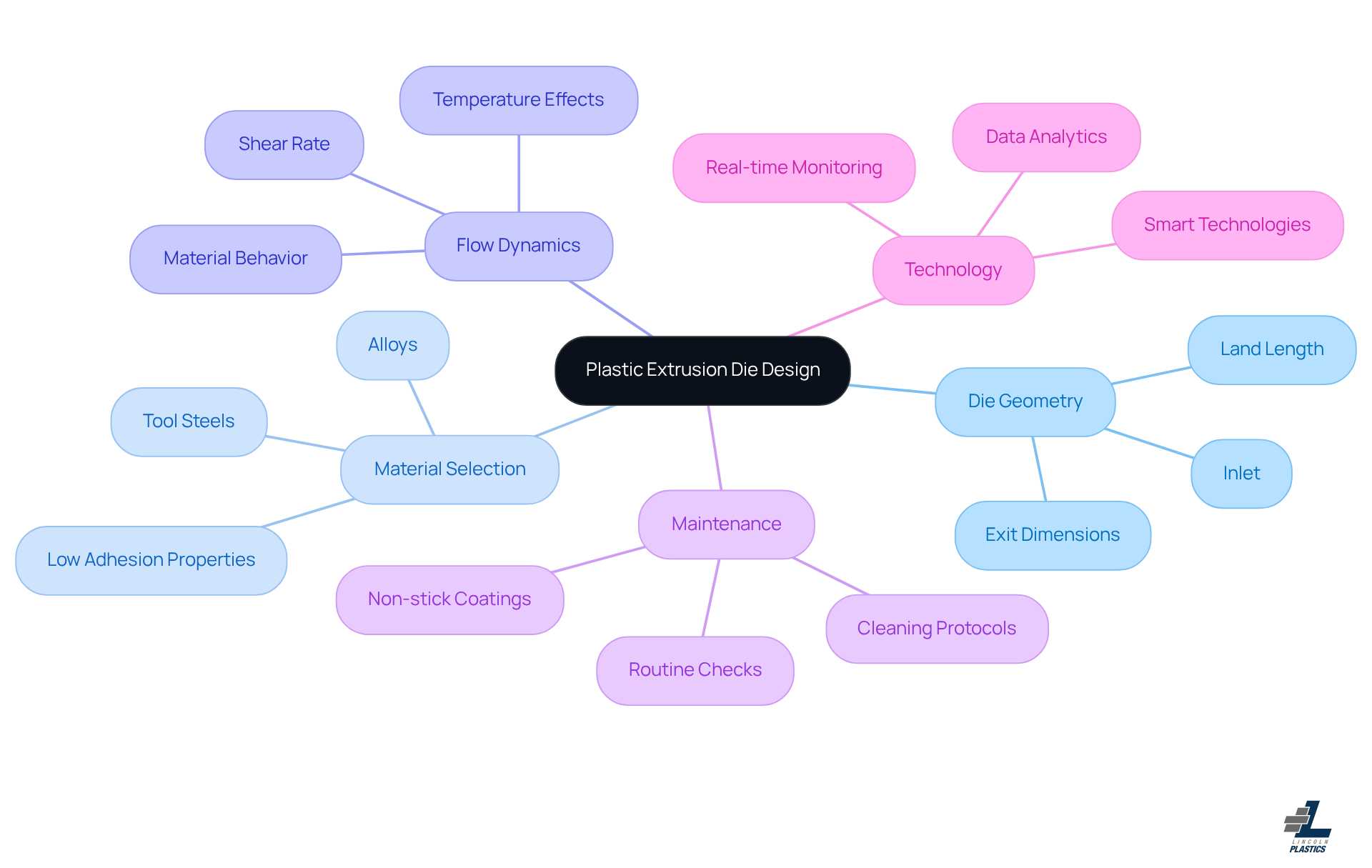
The plastic extrusion die design is a crucial part of shaping plastic, and it significantly impacts the quality and performance of the final product. At its heart, a plastic extrusion die design molds molten plastic into the shape we want. So, what should we keep in mind when it comes to plastic extrusion die design? Here are some key components:
- Die Geometry: The shape and size of the die need to be just right to ensure the plastic flows evenly and to cut down on defects. Consider the plastic extrusion die design, focusing on the die's inlet, land length, and exit dimensions.
- Material Selection: The material for the plastic extrusion die design must handle high temperatures and pressures while remaining stable. Tool steels and certain alloys are popular choices for plastic extrusion die design due to their durability and wear resistance.
- Flow Dynamics: It’s super important to understand how molten plastic moves through the plastic extrusion die design. Factors like shear rate and temperature can greatly affect how the material behaves, which subsequently impacts the consistency and quality of the final product in plastic extrusion die design.
At Lincoln Plastics, we work hand-in-hand with OEMs to make sure their products meet all the necessary standards. We even have special checks for fit and function. Our variety of check gauges ensures that everything fits just right, which is key to keeping product integrity intact. Plus, we have a robust assurance system that includes a dedicated reference book for each plastic profile, complete with drawings and essential in-process checks.
Now, here’s something interesting: companies that stick to strict cleaning protocols can reduce die buildup by nearly 40%! This really shows how important regular die cleaning is for maintaining product quality. And let’s not forget about the smart technologies we can use for real-time monitoring and management of shaping parameters. This not only boosts product quality but also cuts down on waste. Did you know that exceeding the material's degradation point by just 10 degrees Celsius can significantly increase the risk of sticking? OEMs definitely want to steer clear of that to keep die performance at its best.
By mastering these basics and tapping into our expertise at Lincoln Plastics, OEMs can create plastic extrusion die designs that not only enhance production efficiency but also improve product quality. So, are you ready to take your die design to the next level?
Consider Key Factors in Die Design: Material Selection and Flow Dynamics
When it comes to plastic extrusion die design, two big players come into play: material selection and flow dynamics.
-
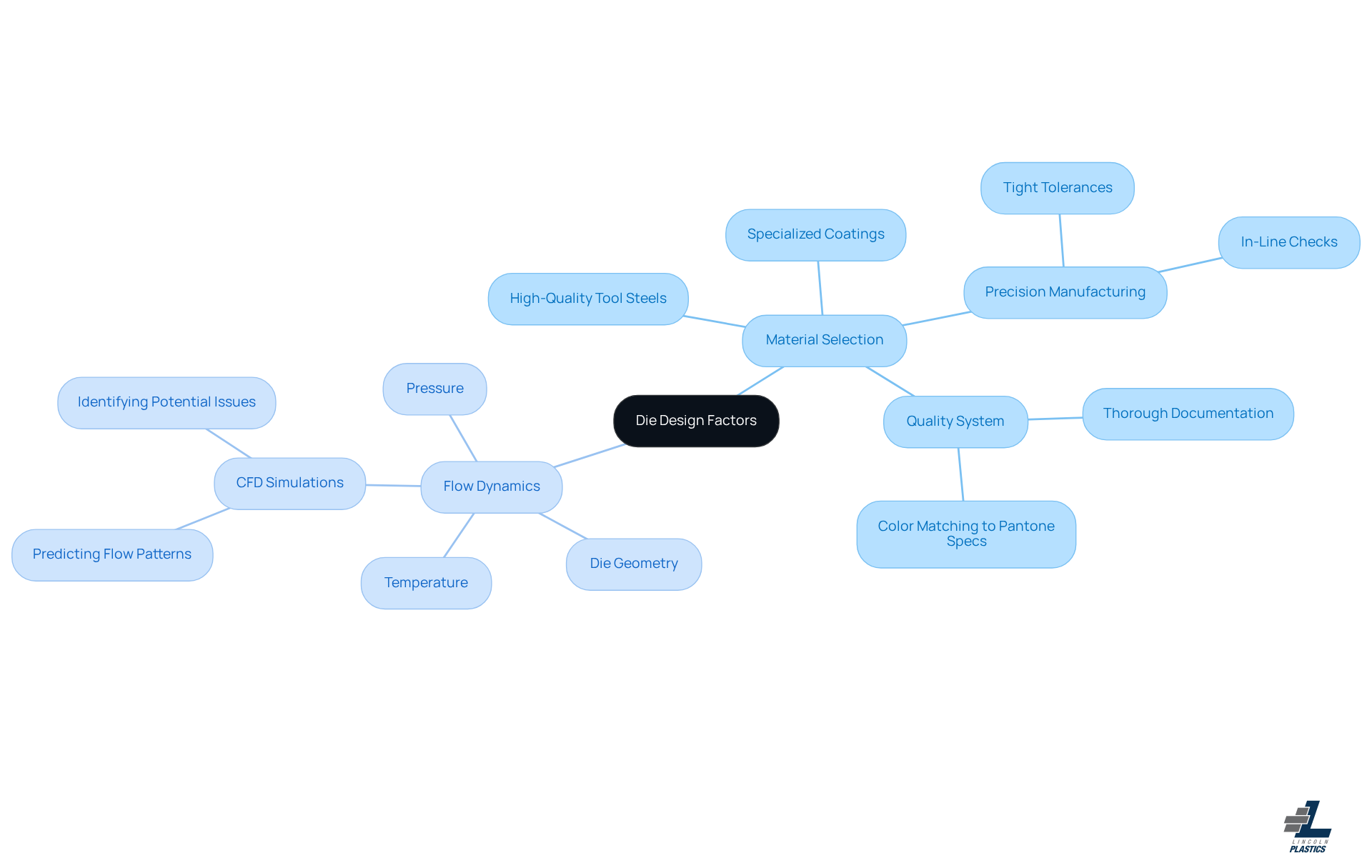
Material Selection: Choosing the right material is key to how durable and effective a die will be. High-quality tool steels are often the go-to because they’re super hard and resist thermal deformation. Plus, adding specialized coatings can really boost durability by cutting down on friction and wear, which means your die lasts longer. At Lincoln Plastics, they’re all about precision in manufacturing. They keep tight tolerances and do in-line checks to ensure everything meets the mark for OEM applications. Their solid quality system includes thorough documentation, critical in-process checks, and the ability to match colors to Pantone specs, so you get consistency across the board.
-
Flow Dynamics: Now, let’s talk about how molten plastic flows through the die. Understanding this behavior is crucial. You’ve got to optimize die geometry, temperature, and pressure to keep things moving smoothly. That’s where computational fluid dynamics (CFD) simulations come in handy. They help predict flow patterns and spot potential hiccups before you even start production. This proactive approach not only streamlines the design process but also cuts down on waste and downtime.
By focusing on these factors, OEMs can develop plastic extrusion die designs that churn out high-quality products while keeping efficiency high and costs low. Take Lincoln Plastics, for example. Their collaboration with OEM engineers shows how custom profile designs can boost performance and trim expenses. It’s a great reminder of the benefits of weaving flow dynamics into plastic extrusion die design.
Implement Best Practices for Optimizing Die Design in Plastic Extrusion
When it comes to optimizing die design for plastic extrusion, there are some best practices you really should keep in mind:
-
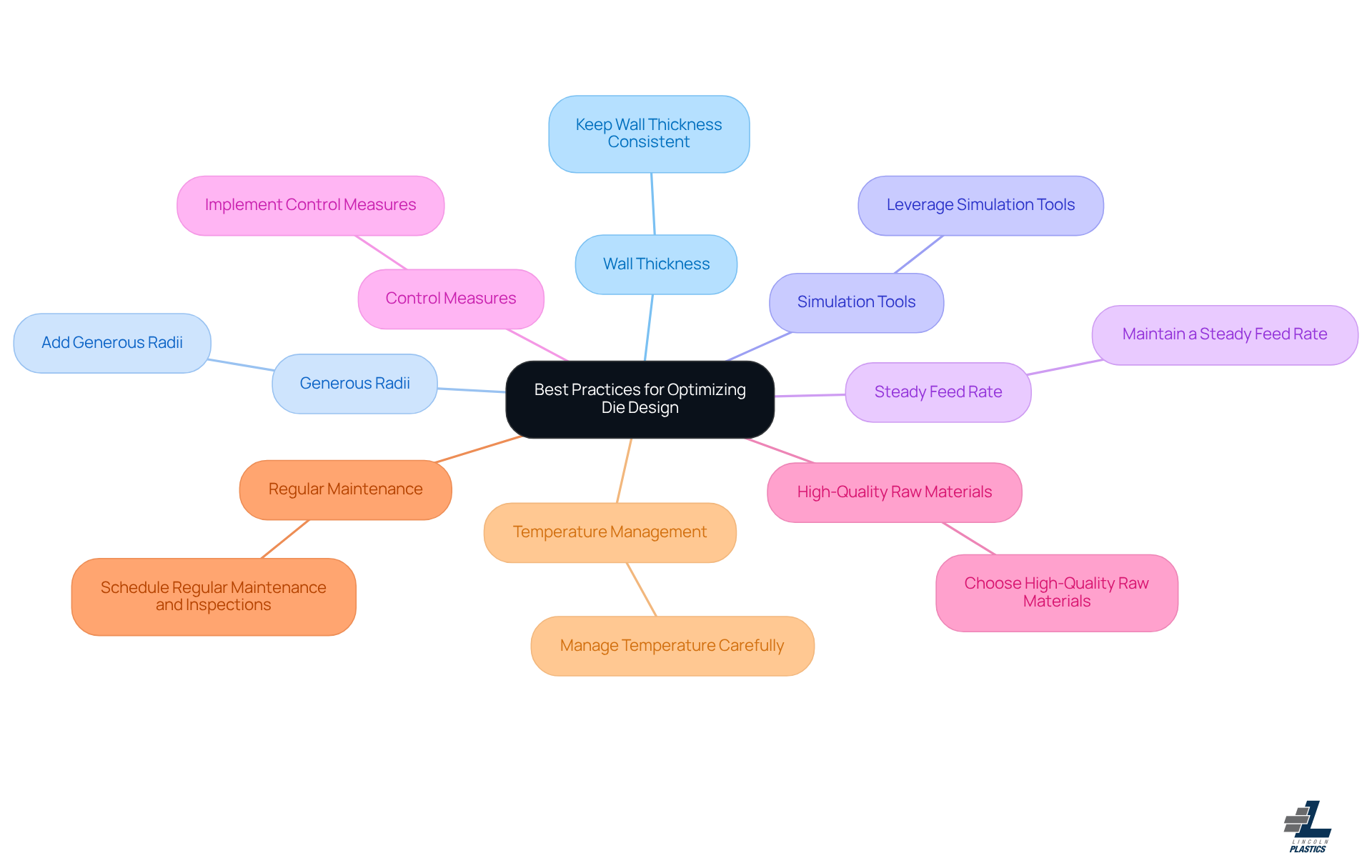
Keep Wall Thickness Consistent: You know how important it is to have uniform wall thickness in your extruded products. It helps prevent defects and keeps everything structurally sound. So, make sure your die design has the right land lengths and geometries to achieve this.
-
Add Generous Radii: Sharp corners? Not a good idea! They can disrupt flow and wear down your die faster. In the plastic extrusion die design, incorporating generous internal and external radii can promote smoother material flow and reduce stress concentrations.
-
Leverage Simulation Tools: Ever thought about using simulation software? It’s a game changer! It helps you visualize flow dynamics and spot potential issues in your plastic extrusion die design before you even start production. This proactive approach can save you time and resources by cutting down on trial-and-error.
-
Maintain a Steady Feed Rate: Keeping a consistent feed rate is key to achieving uniform item standards during shaping. If your feed rate varies, you might end up with inconsistencies in the final product.
-
Implement Control Measures: Establishing control measures throughout the plastic extrusion die design process is essential for ensuring consistency. At Lincoln Plastics, we work closely with OEMs to ensure their products meet all standards, including specific evaluations for 'fit and function' using various check gauges. Our robust assurance system includes a dedicated manual for your plastic profile, complete with drawings, critical in-process checks, and run documentation.
-
Choose High-Quality Raw Materials: Using top-notch raw materials can really boost the properties of your extruded polymers, leading to better efficiency and performance.
-
Schedule Regular Maintenance and Inspections: Setting up a routine maintenance schedule for your dies can help prevent buildup and wear, ensuring they perform consistently over time. Regular inspections can also catch issues early, reducing downtime and production hiccups.
-
Manage Temperature Carefully: Temperature regulation during shaping is crucial. You want to avoid material deterioration, which can affect the quality of your final product.
By following these best practices, OEMs can really enhance the efficiency and quality of their shaping processes. So, why not give them a try?
Ensure Quality Control and Testing in Die Design Processes
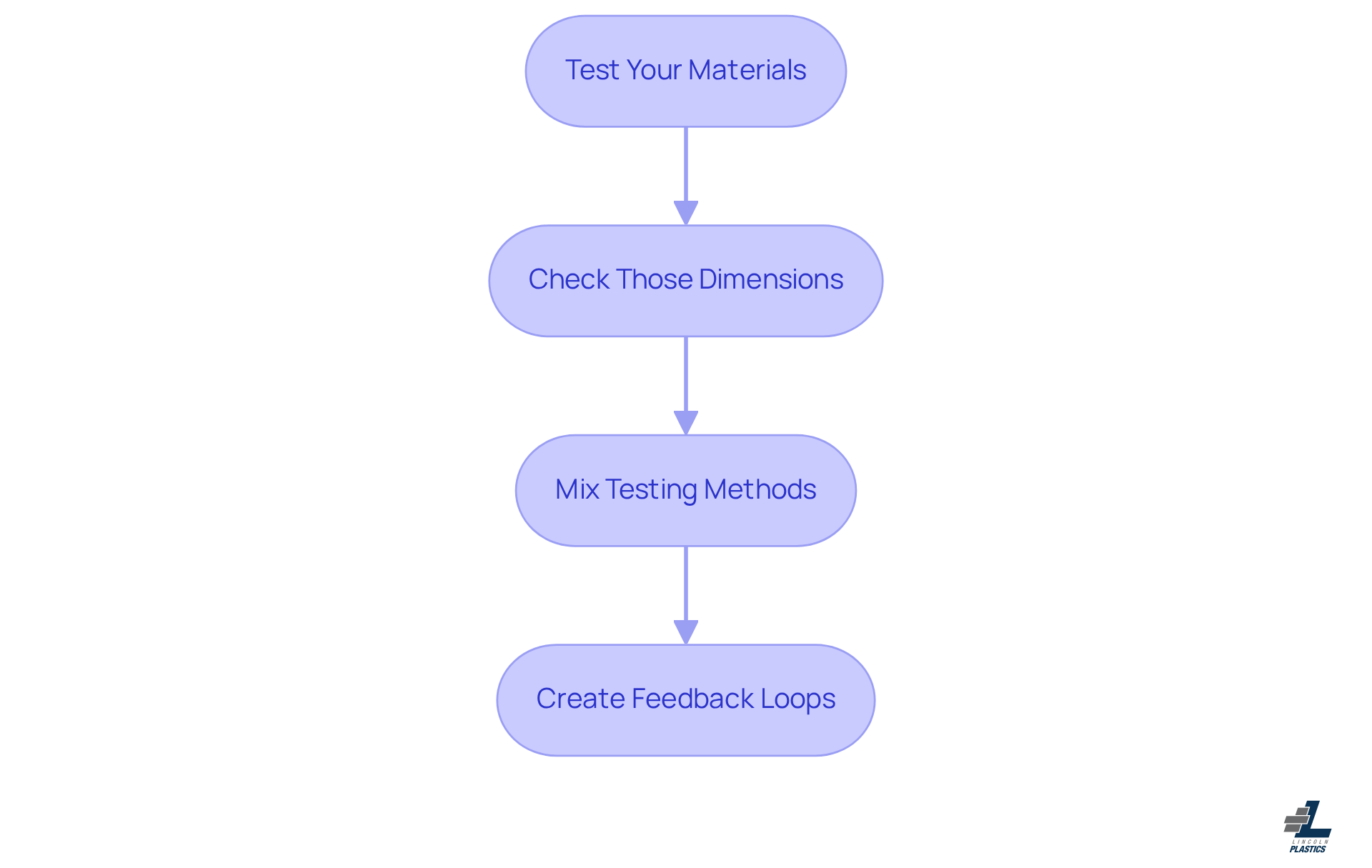
Quality control and testing are super important in the die design process. They help make sure that what comes out meets the highest standards. So, how can manufacturers nail this? Here are some friendly tips:
-
Test Your Materials: Before you even start production, it’s a good idea to check your raw materials for purity and how well they work with the extrusion process. This first step is key to avoiding defects that could mess with the quality of the final product. Did you know that thorough material testing can really cut down on defects? It can boost your overall production efficiency, too!
-
Check Those Dimensions: Regularly measuring the dimensions of your extruded items is crucial. It ensures they stick to the specified tolerances. Catching any deviations early means you can make quick adjustments, which helps reduce waste and keeps your items in line with what customers expect.
-
Mix Testing Methods: Using both destructive and non-destructive testing methods is a smart move for checking the integrity of dies and extruded items. For instance, ultrasonic testing can reveal internal defects without damaging the product. This way, you can keep those high standards throughout the manufacturing process.
-
Create Feedback Loops: Setting up a system to gather feedback from production runs can really help improve your die design and manufacturing processes. By analyzing production data, you can spot trends and areas that need a little love, leading to more reliable and efficient operations.
By focusing on these quality control measures and testing protocols, OEMs can make sure their die designs consistently produce high-quality extrusions that meet customer expectations. This not only helps in delivering great products but also strengthens their reputation in the market. So, let’s get started on making those improvements!
Conclusion
Mastering the art of plastic extrusion die design is crucial for OEMs looking to boost production quality and efficiency. Think about it: when you understand how die geometry, material selection, and flow dynamics work together, you can create dies that shape plastic effectively, reduce defects, and optimize performance. This article shares insights on how smart design choices can lead to better outcomes in the extrusion process.
Let’s dive into some key points! First off, maintaining consistent wall thickness is a game changer. Plus, using simulation tools and implementing strict quality control measures can really make a difference. These practices not only help ensure the integrity of your final products but also promote a culture of continuous improvement in your manufacturing operations. And don’t forget about regular maintenance and thorough testing protocols - they’re essential for keeping die performance and product quality up to par over time.
Incorporating these best practices into your die design process isn’t just a good idea; it’s a must if you want to stay competitive in the fast-paced world of plastic extrusion. So, why not embrace these principles? Invest in high-quality materials and leverage advanced technologies to refine your processes. By doing this, you’ll not only improve the quality of your products but also strengthen your reputation as a leader in innovation and reliability.
Frequently Asked Questions
What is the purpose of plastic extrusion die design?
The purpose of plastic extrusion die design is to mold molten plastic into the desired shape, significantly impacting the quality and performance of the final product.
What are the key components to consider in plastic extrusion die design?
Key components include die geometry, material selection, and flow dynamics. Die geometry involves the shape and size of the die; material selection focuses on choosing materials that can withstand high temperatures and pressures; and flow dynamics examines how molten plastic moves through the die.
Why is die geometry important in plastic extrusion die design?
Die geometry is important because the shape and size of the die need to be precise to ensure even plastic flow and to minimize defects in the final product.
What materials are commonly used for plastic extrusion die design?
Tool steels and certain alloys are commonly used for plastic extrusion die design due to their durability and wear resistance, which allow them to handle high temperatures and pressures.
How do flow dynamics affect plastic extrusion die design?
Flow dynamics affect how molten plastic behaves as it moves through the die, with factors like shear rate and temperature influencing the consistency and quality of the final product.
What role does Lincoln Plastics play in plastic extrusion die design?
Lincoln Plastics collaborates with OEMs to ensure their products meet necessary standards, providing special checks for fit and function, and maintaining product integrity through various check gauges and a robust assurance system.
How can cleaning protocols impact die performance?
Strict cleaning protocols can reduce die buildup by nearly 40%, which is essential for maintaining product quality.
What technologies can enhance plastic extrusion die design?
Smart technologies for real-time monitoring and management of shaping parameters can improve product quality and reduce waste.
What risks are associated with exceeding the material's degradation point?
Exceeding the material's degradation point by just 10 degrees Celsius can significantly increase the risk of sticking, which can negatively affect die performance.
How can mastering the basics of die design improve production efficiency?
By mastering the fundamentals of die design and leveraging expertise, OEMs can enhance production efficiency and improve the quality of their products.
List of Sources
- Understand the Fundamentals of Die Design in Plastic Extrusion
- 10 Key Insights on Profile Extrusion Plastic for OEM Managers (https://lincoln-plastics.com/news-post/10-key-insights-on-profile-extrusion-plastic-for-oem-managers?dcc2137a_page=3)
- 3ERP Case Studies | Prototyping and Precision Parts for Various Industries (https://3erp.com/case-study)
- Understanding and Addressing Die Buildup in Plastic Extrusion: Effective Strategies for Industry Professionals (https://precisiondiesystems.com/post/understanding-and-addressing-die-buildup-in-plastic-extrusion-effective-strategies-for-industry-pro)
- Top Trends in Extrusion Die Head Technology for 2025 (https://jurryextrusion.com/blog/extrusion-die-head-technology-trends-2025)
- Consider Key Factors in Die Design: Material Selection and Flow Dynamics
- 10 Key Insights on Profile Extrusion Plastic for OEM Managers (https://lincoln-plastics.com/news-post/10-key-insights-on-profile-extrusion-plastic-for-oem-managers?dcc2137a_page=3)
- Speed the Design and Production of Extrusion Dies - Digital Engineering 24/7 (https://digitalengineering247.com/article/speed-the-design-and-production-of-extrusion-dies)
- Implement Best Practices for Optimizing Die Design in Plastic Extrusion
- 10 Innovative Extrusion Plastic Products for OEM Needs (https://lincoln-plastics.com/news-post/10-innovative-extrusion-plastic-products-for-oem-needs?dcc2137a_page=17)
- Ensure Quality Control and Testing in Die Design Processes
- Quality Control in Plastic Extrusion for Consistent Results | Rocal (https://rocalextrusions.co.uk/news/quality-control-in-plastic-extrusion-to-ensure-consistent-results)
- 25 Quotes to Inspire Quality And Success - Pro QC Blog (https://proqc.com/blog/25-quotes-to-inspire-quality-success)
- The Importance of Quality Control in Plastic Extrusion Manufacturing - Craftedplastics (https://craftedplastics.com/blog/the-importance-of-quality-control-in-plastic-extrusion-manufacturing)
- Top 50 QA and testing quotes (https://redsauce.net/en/article?post=testing-quotes)
- 5 Important Things for Life Sciences Companies to Consider | MasterControl (https://mastercontrol.com/gxp-lifeline/quality-inspiration)


