
Master Color Concentrates for Plastics: Key Best Practices for OEMs
Introduction
In the colorful world of plastics, it’s the vibrant hues that truly bring products to life. But have you ever thought about how we get from that dull resin to those eye-catching finished goods? It all comes down to mastering color concentrates. These powerful pigment blends do more than just look good; they also boost the performance of plastic materials. For Original Equipment Manufacturers (OEMs) aiming for excellence, they’re absolutely essential.
Now, with so many options out there and market demands constantly changing, you might be wondering: how can OEMs navigate the tricky waters of choosing and using the right color concentrates? It’s a challenge, but don’t worry! This article dives into some best practices that can help OEMs tap into the full potential of color concentrates. By doing so, they can ensure their products not only meet but actually exceed industry standards.
Understand Color Concentrates: Definition and Importance in Plastics
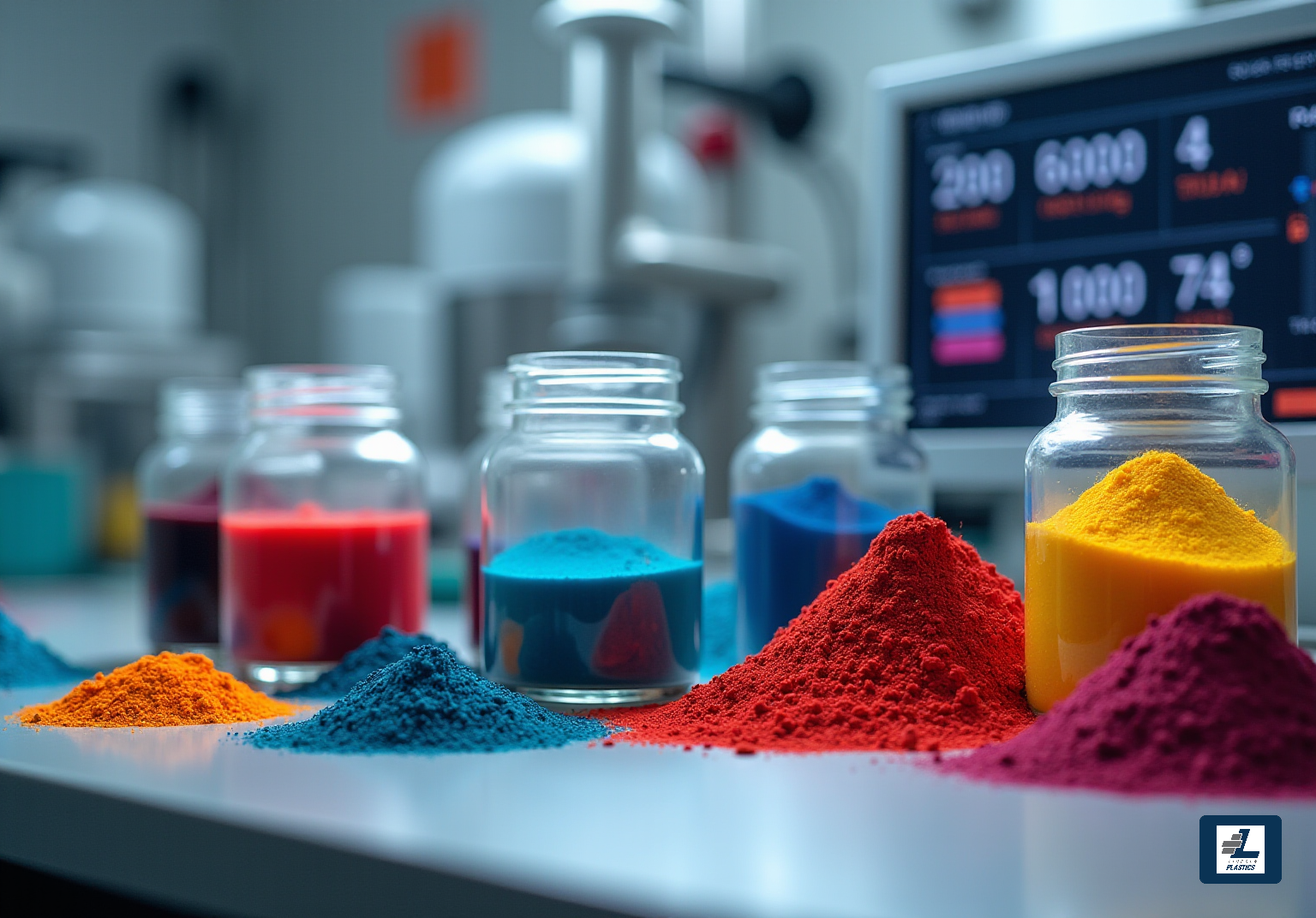
Pigment blends, or as some folks call them, masterbatches, are these dense mixes of pigments or dyes that get mixed into plastic resins to give them color. They’re super important in the plastics world, not just for making things look good but also for boosting their functionality. For example, using color concentrates can really amp up UV resistance, impact strength, and thermal stability, which means the final products are tougher and perform better.
Now, understanding the different types of pigment concentrates - like liquid, pelletized, and powder forms - helps OEMs make smart choices that fit their specific needs. Picking the right masterbatch can lead to bright, consistent colors that not only meet customer expectations but also stick to regulatory standards. This, in turn, can really boost a product's market appeal.
You might have noticed that there’s a growing focus on sustainability in the masterbatch market. It’s projected to hit USD 12.55 billion by 2029, with a compound annual growth rate (CAGR) of 6%. This shift is largely thanks to tech advancements, like AI systems that automate real-time color correction during extrusion, making color consistency better and cutting down on waste. Plus, companies like Teknor Color are stepping up by developing colorant concentrates that work with bioplastics, helping the industry move toward more sustainable materials.
Let’s look at some real-world examples. Take Amcor, for instance. They’ve used recycled plastic for Decathlon's skincare stick applicators, showing how masterbatches can help with environmental responsibility while still delivering high performance. By embracing these innovations, OEMs can not only meet market demands but also align with sustainability goals, keeping their products competitive in a changing landscape.

Select the Right Color Concentrates: Key Criteria and Considerations
When it comes to choosing hue formulations, OEMs face a few key challenges that can really make or break their products. Let’s dive into some essential factors to keep in mind for optimal performance and compatibility.
-
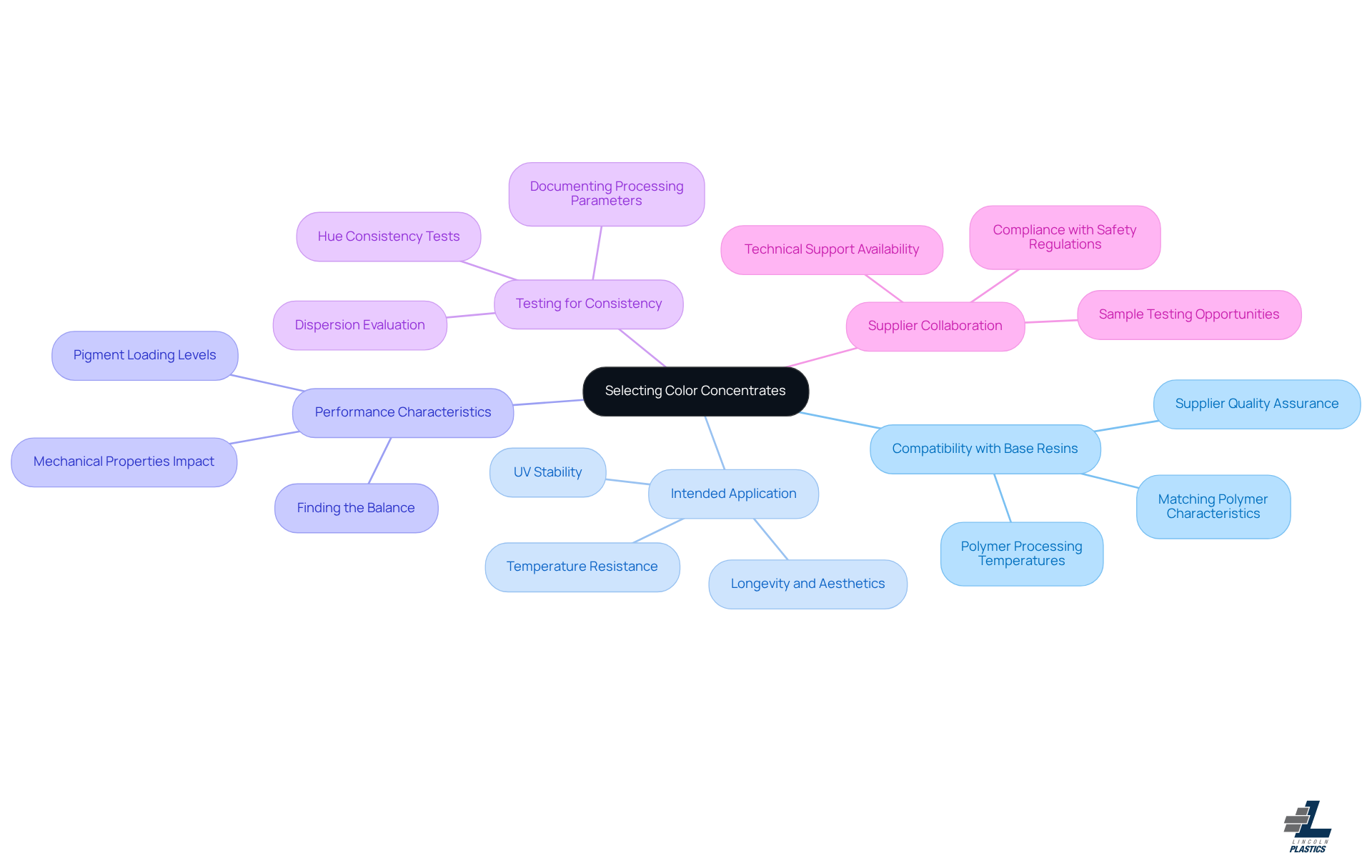
Compatibility with Base Resins: Different polymers like polypropylene, polyethylene, and ABS each have their own quirks when it comes to processing temperatures and compatibility. If the hue mixtures don’t match up, you might run into processing headaches or flaws in the final product. That’s why it’s super important to partner with a reliable supplier like Lincoln Plastics, known for their high-quality offerings and strict quality assurance.
-
Intended Application: Think about how the final item will be used. This can really influence your choice of hue concentrate. For example, some pigments just can’t handle high temperatures, while others might fade under UV light. This can affect both the longevity and the look of your product. Industry experts often point out that keeping hue accuracy across millions of parts is no small feat, but Lincoln Plastics shines in sourcing shades that meet Pantone specs for consistency across manufacturers.
-
Performance Characteristics: Now, let’s talk about the pigment loading level. Higher pigment loads can give you those vibrant hues, but they might also impact the mechanical properties of the plastic, like flexibility and tensile strength. It’s all about finding that sweet spot between looks and functionality to avoid any potential downsides. Lincoln Plastics has got your back with their solid assurance system, which includes specific methods for evaluating performance characteristics.
-
Testing for Consistency: Consistency is key! Conducting tests for hue consistency and dispersion during the extrusion process is crucial. This ensures that the final product meets quality standards and stays uniform across production runs. Lincoln Plastics keeps track of processing parameters like injection temperature and cooling time, which can really influence the final appearance and performance.
-
Supplier Collaboration: Working with suppliers who provide samples and technical support can make your selection process a breeze. This collaboration lets OEMs test color concentrates in their specific applications before making a final call. Plus, it’s essential to stick to global safety regulations like RoHS and REACH to ensure that products are safe for consumers, especially those that might come into contact with food or skin.
By keeping these factors in mind and tapping into the expertise of Lincoln Plastics, OEMs can really boost the aesthetic and functional qualities of their plastic products. This way, they’ll meet market demands and stay compliant with regulatory standards.
Implement Color Concentrates Effectively: Best Practices for Extrusion
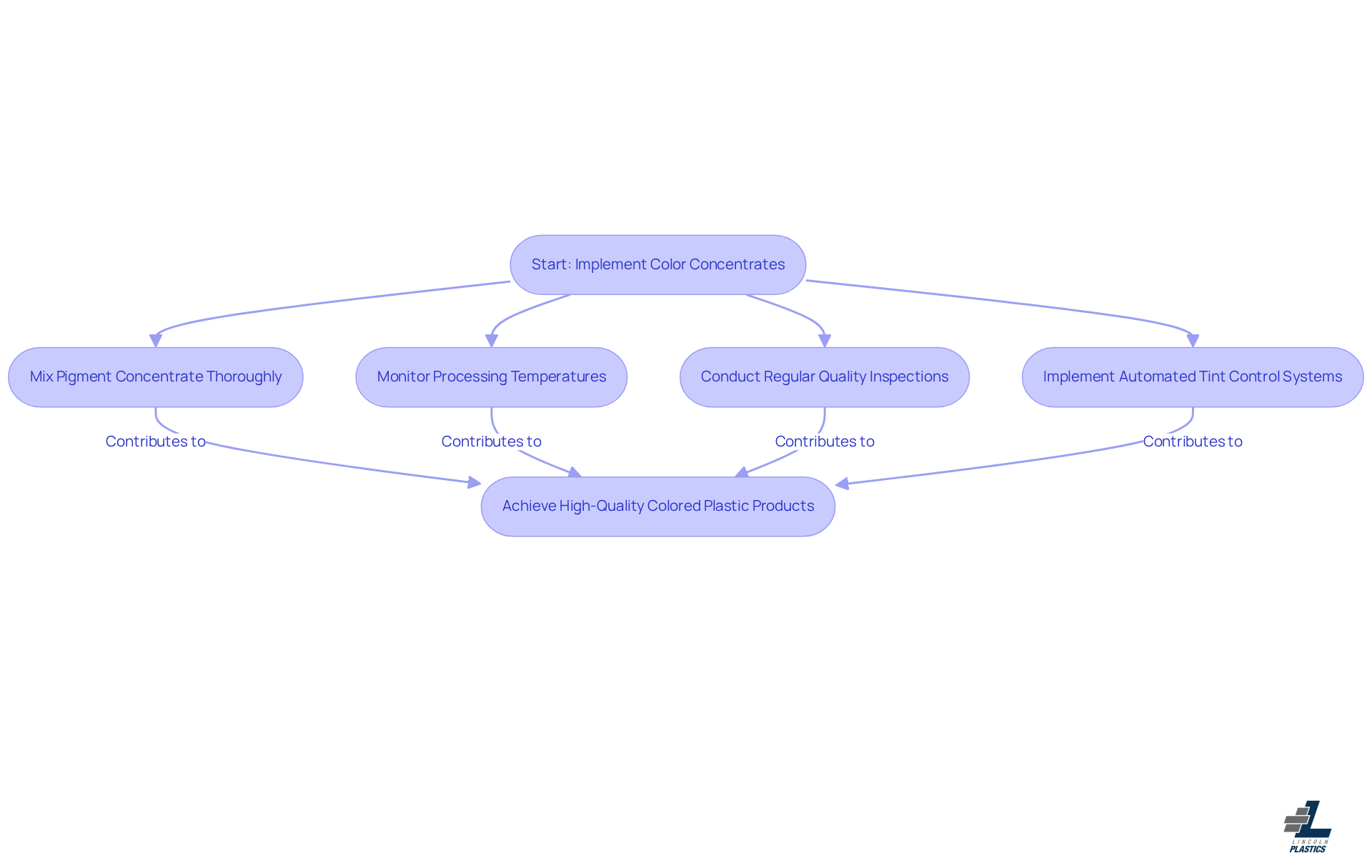
When it comes to applying pigment mixtures in the extrusion process, OEMs often face a few challenges. You might be wondering how to achieve that perfect hue distribution, right? Well, it all starts with mixing the pigment concentrate thoroughly with the base resin. High-shear mixers or specialized feeding systems can really help with this, making sure everything blends nicely. For instance, twin-screw extruders are a great choice because they mix so effectively, which is key for getting those uniform color results.
Now, let’s talk about temperature. Keeping a close eye on processing temperatures is crucial. Too much heat can degrade colorants, which isn’t good for their performance or stability. Research shows that sticking to ideal temperature profiles is essential for preserving pigment integrity and preventing any hue loss.
Another tip? Regular quality inspections during production can help catch any hue inconsistencies early on. This way, you can make adjustments right away. And here’s a game-changer: implementing automated tint control systems can really boost your production efficiency. These systems adjust dye feed rates in real-time, ensuring consistent results and cutting down on downtime.
By following these practices, OEMs can really optimize their extrusion processes when working with color concentrates for plastics. This means producing high-quality colored plastic products that utilize color concentrates for plastics to not only meet market demands but also stand out. So, why not give these tips a try?
Ensure Quality Control: Testing and Standards for Color Concentrates
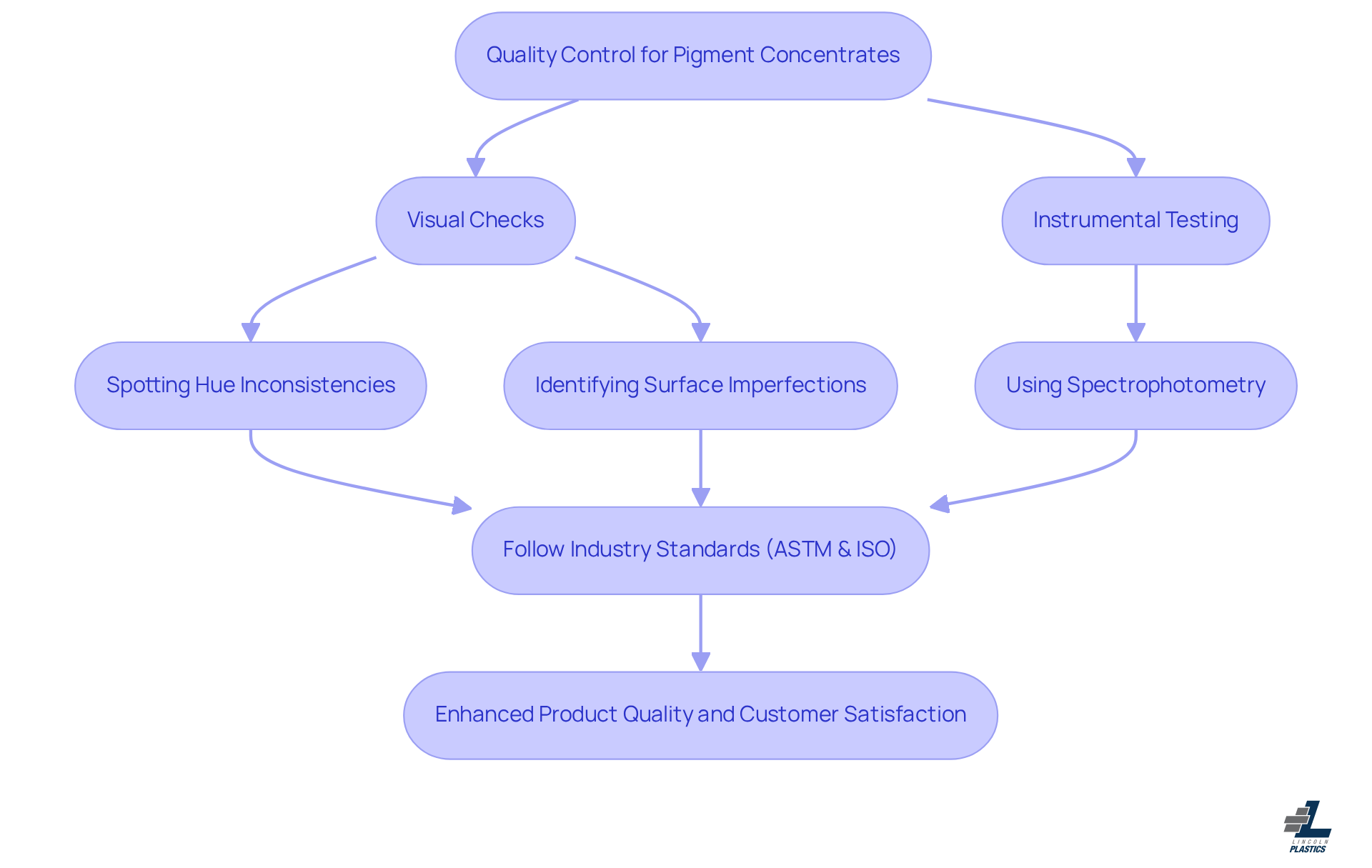
When it comes to ensuring the quality of pigment concentrates, OEMs face a real challenge. They need a solid quality control framework that combines both visual checks and instrumental testing methods. Visual assessments are super important for spotting visible flaws, like hue inconsistencies and surface imperfections. But let’s not forget about the instrumental techniques! Tools like spectrophotometry give us precise assessments of hue characteristics, making sure we stick to the standards we’ve set.
Now, you might be wondering why following industry standards, like ASTM and ISO guidelines, is so crucial. Well, it’s all about consistency and reliability in our pigment mixtures. Plus, regularly checking in on suppliers and their manufacturing methods is key to ensuring that the color concentrates we use are top-notch. This attention to detail leads to exceptional final products.
Implementing these practices doesn’t just boost product quality; it also enhances customer satisfaction and strengthens brand integrity. So, let’s make sure we’re doing everything we can to keep our products shining bright!
Conclusion
Mastering color concentrates in plastics is key for OEMs looking to boost both the look and performance of their products. When you get the hang of pigment blends, you can make smart choices that not only enhance your offerings but also align with sustainability goals and what the market is asking for. Choosing the right color concentrates can lead to vibrant, consistent colors that meet regulations and really connect with consumers.
In this article, we’ve explored the ins and outs of color concentrates - from what they are and why they matter to how to choose the right ones and implement them effectively. Some important things to keep in mind include:
- Making sure they work well with base resins
- Understanding their performance traits
- Sticking to strict quality control during production
The insights shared here emphasize the importance of teaming up with reliable suppliers and embracing advanced technologies to get the best results.
So, why is all this important? Well, using best practices with color concentrates isn’t just about keeping up with today’s market demands; it’s about setting your products up for success in a fast-changing world. By focusing on quality and innovation, OEMs can make sure their products stand out while also contributing to a more sustainable industry. Taking steps today will lead to a brighter and more competitive future in plastics manufacturing.
Frequently Asked Questions
What are color concentrates in plastics?
Color concentrates, also known as pigment blends or masterbatches, are dense mixes of pigments or dyes that are combined with plastic resins to give them color.
Why are color concentrates important in the plastics industry?
They are important not only for aesthetic purposes but also for enhancing functionality, such as improving UV resistance, impact strength, and thermal stability of the final products.
What types of pigment concentrates exist?
The different types of pigment concentrates include liquid, pelletized, and powder forms, which help OEMs make informed choices based on their specific needs.
How do color concentrates affect product appeal?
Choosing the right masterbatch can result in bright, consistent colors that meet customer expectations and regulatory standards, ultimately boosting a product's market appeal.
What is the projected market growth for color concentrates?
The masterbatch market is projected to reach USD 12.55 billion by 2029, with a compound annual growth rate (CAGR) of 6%.
What factors are driving the growth of the masterbatch market?
The growth is driven by advancements in technology, such as AI systems that automate real-time color correction during extrusion, improving color consistency and reducing waste.
How are companies addressing sustainability in color concentrates?
Companies like Teknor Color are developing colorant concentrates compatible with bioplastics, aiding the industry in transitioning towards more sustainable materials.
Can you provide an example of sustainable practices in the use of masterbatches?
Amcor has utilized recycled plastic for Decathlon's skincare stick applicators, demonstrating how masterbatches can contribute to environmental responsibility while maintaining high performance.
List of Sources
- Understand Color Concentrates: Definition and Importance in Plastics
- China, India to be prime areas of growth for concentrates (https://plasticsnews.com/news/china-india-be-prime-areas-growth-concentrates)
- The Masterbatch Market is Projected to Grow to USD 12.55 Billion by 2029 with a 6% CAGR (https://einpresswire.com/article/876891137/the-masterbatch-market-is-projected-to-grow-to-usd-12-55-billion-by-2029-with-a-6-cagr)
- Plastics additives: Color concentrates available for widely used biopl (https://plasticstoday.com/materials/plastics-additives-color-concentrates-available-for-widely-used-bioplastics)
- Interplas | Latest Plastics Masterbatch and Additives News (https://interplasinsights.com/plastics-materials/plastics-masterbatch-and-additives-news)
- Strategies for Preserving Color Integrity in Plastic Concentrates (https://themanufacturingoutlook.com/news/strategies-for-preserving-color-integrity-in-plastic-concentrates-nwid-1805.html)
- Select the Right Color Concentrates: Key Criteria and Considerations
- Injection Color Masterbatch: Tips For Selecting The Right Type For Your Application- Taizhou City Chuanghui Master Batch Co., Ltd. (https://chpigment.net/news/industry-news/injection-color-masterbatch-tips-for-selecting-the-right-type-for.html)
- New to Using Color Concentrates? Follow These Tips to Improve Results (https://ptonline.com/blog/post/new-to-using-color-concentrates-follow-these-tips-to-improve-results)
- How to Choose the Right Color Masterbatch for Your Plastic Applications-Belief New Material (https://beliefnm.com/news_detail/1999718504066293760.html)
- Industry-Specific Color Masterbatch Requirements: Medical, Automotive, and Consumer Electronics? - Precision Injection Molding and CNC Machining Solutions (https://ckmold.com/industry-specific-color-masterbatch-requirements)
- 7 Important Criteria For Choosing The Best Color Masterbatch (https://europlas.com.vn/en-US/blog-1/7-important-criteria-for-choosing-the-best-color-masterbatch)
- Implement Color Concentrates Effectively: Best Practices for Extrusion
- 4 Best Practices to Optimize Extruder Manufacturing Efficiency (https://lincoln-plastics.com/news-post/4-best-practices-to-optimize-extruder-manufacturing-efficiency?dcc2137a_page=5)
- Chroma Color Expands Footprint With Acquisition of Spectra Color (https://ptonline.com/news/chroma-color-expands-footprint-with-acquisition-of-spectra-color)
- Study of Material Color Influences on Mechanical Characteristics of Fused Deposition Modeling Parts (https://mdpi.com/1996-1944/15/19/7039)
- Uniform Color in Plastic Extrusion: Key Mixing Techniques (https://uplastech.com/ensure-proper-mixing-colorants-extruder)
- pH vs. Temperature in Colorant Stability - Allan Chemical Corporation | allanchem.com (https://allanchem.com/ph-temperature-colorant-stability)
- Ensure Quality Control: Testing and Standards for Color Concentrates
- Ampacet highlights real-time color monitoring, PCR efficiency (https://plasticsnews.com/news/ampacet-liad-launches-colorsave-1000x-spectrometric-6-enhance-pcr-and-color-control-k-2025)
- The Science of Color Matching - Flexible Plastic Compounding - OTECH Compounds (https://otechcompounds.com/the-science-of-color-matching-flexible-plastic-compounding)
- Overcoming Color Challenges in Plastics Manufacturing (https://qualitymag.com/articles/98640-overcoming-color-challenges-in-plastics-manufacturing)
- GB/T 46442-2025 “Plastics—Determination of Color Difference of Recycled Plastics” Officially Released CHNSpec Empowers the Standardization of Color Control in the Recycled Plastics Industry - chnspec.net (https://chnspec.net/CHNSpec-Leads-the-Standardization-of-Color-Control.html)
Related posts

Designing Custom Extrusions: How We Work with OEM Engineers
Lincoln Plastics partners with OEM engineers to design custom extrusion profiles — reducing modifications, improving performance, and lowering costs


Precision Matters: Tolerances and Quality Control in Extrusion
Lincoln Plastics ensures precision in every extrusion with tight tolerances, in-line checks, and strict quality control for OEM applications
Plastic Extrusion for Agricultural Equipment: Beyond Irrigation
Lincoln Plastics supports agriculture with custom plastic extrusions that go beyond irrigation, delivering durability and reliability in the field
