
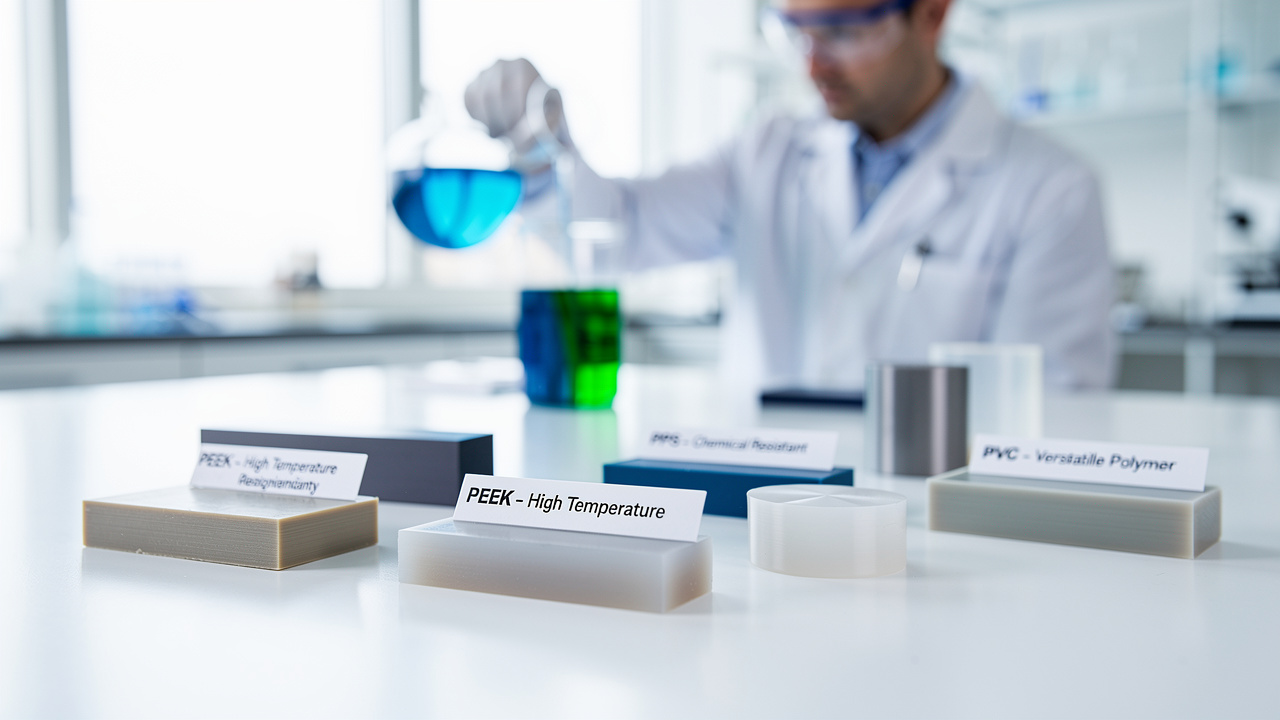
Compare Plastics for OEMs: Key Insights on Chemical Resistance
Introduction
Selecting the right plastics for OEM applications is not just important; it’s crucial for ensuring product performance and longevity. With the increasing complexity of industrial environments, OEMs often struggle to find materials that balance durability with performance in demanding environments. Understanding the chemical resistance of various plastic materials has never been more essential.
Let’s explore the key insights on chemical resistance, comparing popular options like:
- PVC
- Polypropylene
- High-density polyethylene
We will highlight their strengths and weaknesses. As OEMs navigate the challenges of material selection, they must ask themselves: how can they ensure their chosen plastics withstand harsh conditions while enhancing reliability and efficiency? Ultimately, the right choice in plastics can mean the difference between success and costly setbacks in production.
Understand Chemical Resistance in Plastics
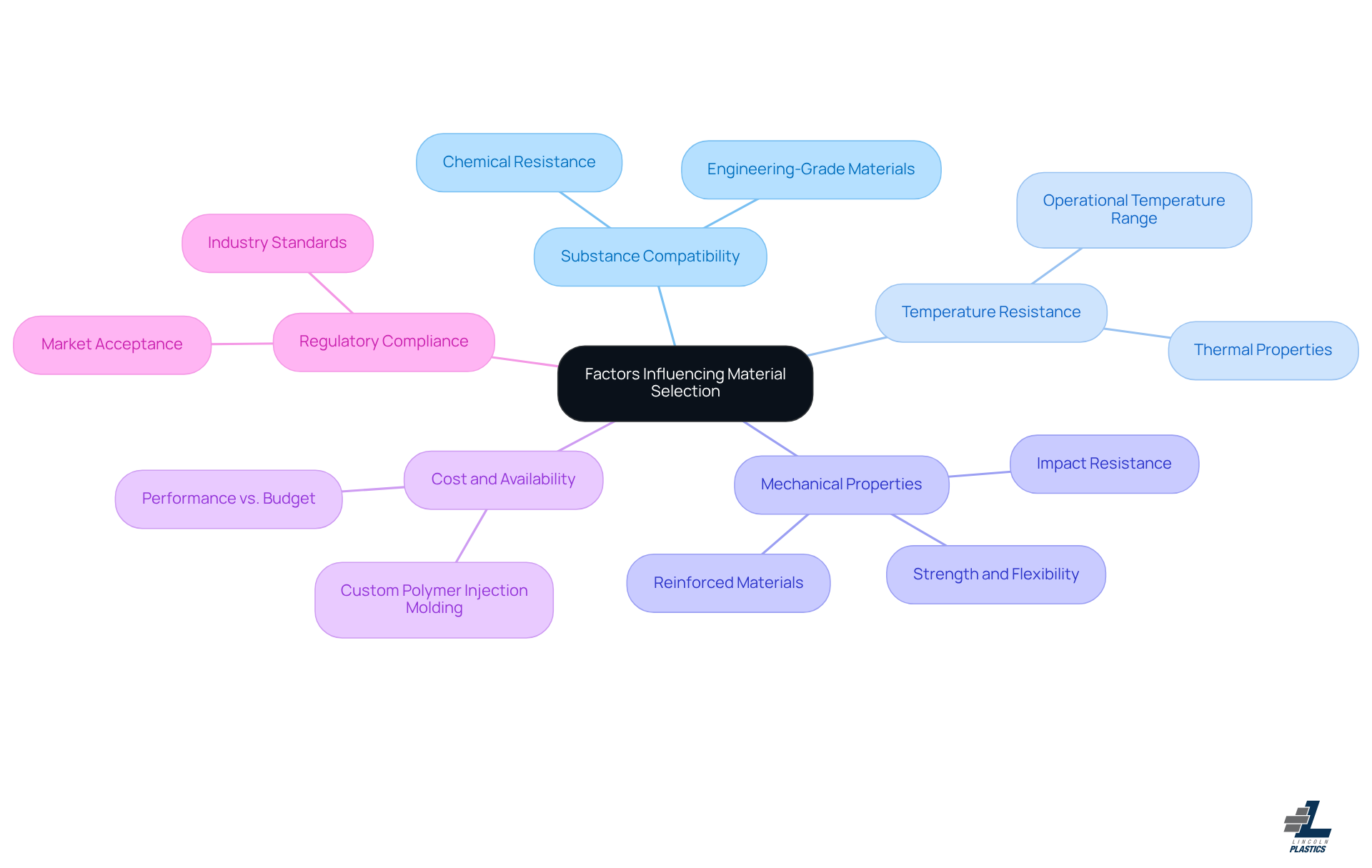
The durability of materials in harsh environments is not just a preference; it's a necessity for OEMs striving for reliability and performance. For OEMs, selecting the right synthetic materials that offer plastic chemical resistance is critical, as components often encounter severe substances in their operational settings. Material durability hinges on several key factors:
- Polymer composition
- Operating temperature
- Substance concentration
- Exposure duration
For instance, high-performance plastics like PEEK and PPS exhibit exceptional resistance to aggressive substances. PEEK maintains its properties at temperatures up to 260°C (500°F) and is suitable for continuous use at 170°C (338°F). Meanwhile, PPS outperforms PTFE and PVDF in extreme acidic conditions, as demonstrated by tests in 85% sulfuric acid at 120°C for up to 5000 hours.
It's crucial for manufacturers to grasp these factors when selecting materials that maintain integrity and performance, ensuring reliability in applications such as agricultural irrigation systems and cable management solutions. Case studies reveal that semi-crystalline polymers typically outperform their amorphous counterparts due to their structured molecular arrangements, which create effective barriers against substance penetration. This distinction is vital for OEMs aiming to enhance product longevity and performance in demanding environments.
Looking ahead to 2026, prioritizing plastic chemical resistance in plastics is more important than ever, especially as industries face increasing challenges related to chemical exposure. Effective material selection not only prevents costly failures but also reduces maintenance needs, ultimately extending the service life of components. By leveraging insights from recent studies and expert opinions, OEMs can make informed decisions that align with their operational needs and enhance overall product reliability.
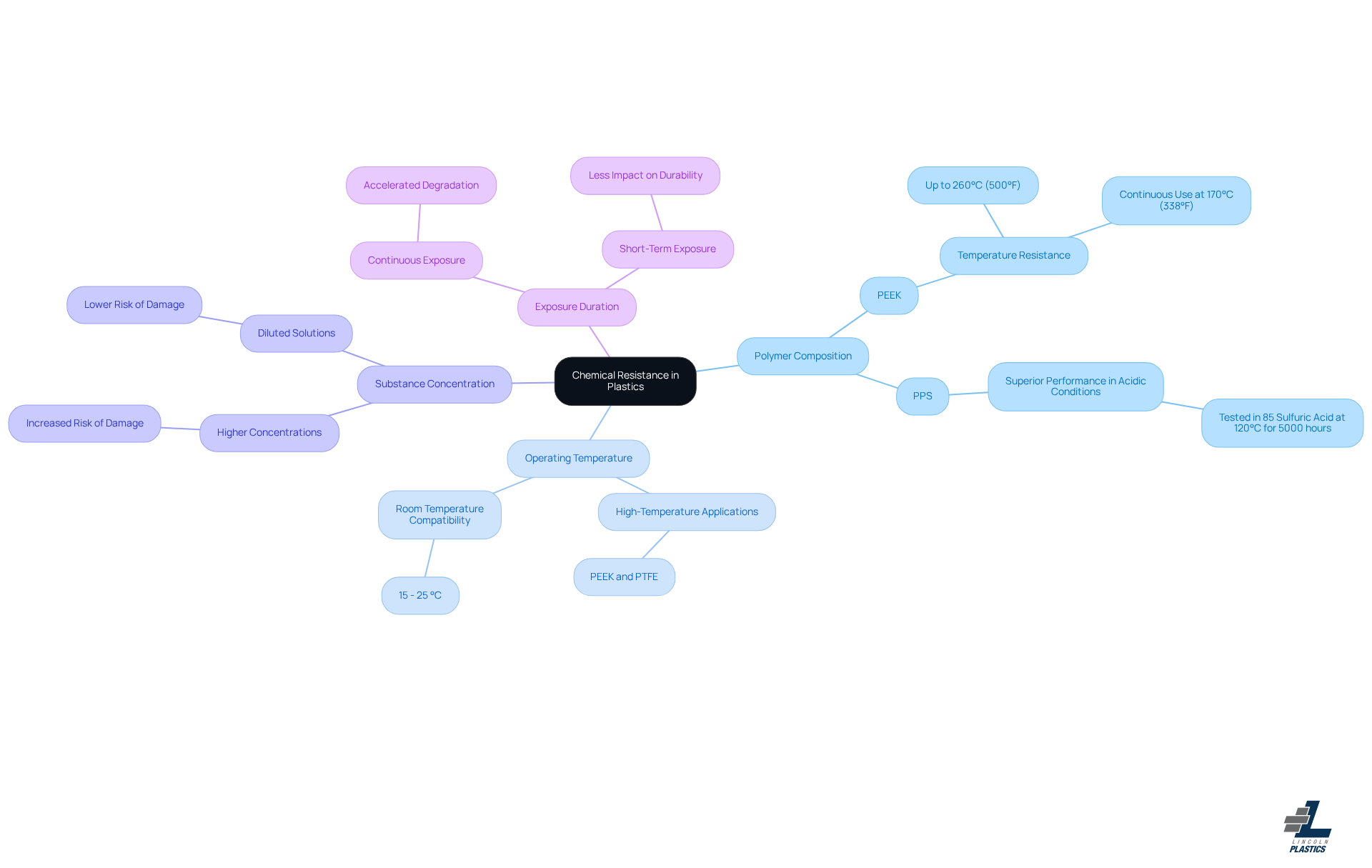
Compare Key Plastics for OEM Applications
- Polyvinyl Chloride (PVC) is recognized for its durability and plastic chemical resistance, making it a top choice for irrigation pipes and cable conduits. It effectively withstands acids and bases, proving to be a reliable option for agricultural applications. However, prolonged exposure to certain solvents can lead to degradation. This challenge necessitates careful consideration in specific environments. Recent advancements in PVC technology, especially in irrigation pipes, have led to innovations that enhance performance and sustainability. The PVC pipes market is set for significant growth, particularly in irrigation and cable conduits. This expansion is driven by the increasing need for reliable water management solutions. The U.S. Environmental Protection Agency reports that over 70% of new water transmission lines in federally funded projects now use PVC, emphasizing its reliability and growing adoption in infrastructure projects. Moreover, the unplasticized segment is anticipated to represent 36% of the PVC pipes market share in 2026, indicating its appropriateness for various construction uses. At Lincoln Plastics, we partner with OEMs to ensure our PVC products meet stringent quality standards. We use various check gauges to ensure a perfect fit for your needs. Additionally, Lincoln Plastics is ISO 9001:2015 certified, underscoring our commitment to rigorous quality management practices and ensuring that all products are manufactured to the highest standards. What specific challenges are you facing? Reach out to Lincoln Plastics, and let’s explore tailored solutions together.
- Polypropylene (PP): This material is renowned for its outstanding ability to withstand various substances, especially acids and bases. Its lightweight and flexible characteristics, combined with plastic chemical resistance, make it perfect for a range of OEM uses, including packaging and automotive components. The growing demand for PP in irrigation systems highlights its versatility and effectiveness in managing water distribution efficiently. Lincoln Plastics can customize PP solutions to meet specific OEM needs, ensuring quality and performance.
- High-Density Polyethylene (HDPE): Recognized for its durability and ability to withstand substances, HDPE is often utilized in industrial applications. It demonstrates plastic chemical resistance against corrosive substances, making it suitable for outdoor components that require durability and reliability in harsh conditions. Lincoln Plastics' robust quality management system includes dedicated quality books for HDPE profiles, ensuring that critical dimensions are met and documented throughout the production process.
- Polyetheretherketone (PEEK): As a high-performance plastic, PEEK exhibits remarkable plastic chemical resistance and exceptional durability against substances, allowing it to withstand elevated temperatures. It is frequently employed in challenging fields such as aerospace and medical devices, where reliability and performance are crucial. Lincoln Plastics' engineering expertise ensures that PEEK products are manufactured to the highest standards, meeting the rigorous demands of OEMs.
- Polytetrafluoroethylene (PTFE) is acknowledged for its outstanding plastic chemical resistance, making it perfect for applications involving harsh compounds. Its non-stick properties render it suitable for various industrial uses, including gaskets and seals, ensuring longevity and effectiveness in challenging environments. Lincoln Plastics can provide tailored PTFE solutions, ensuring compliance with specific industry standards and customer requirements.
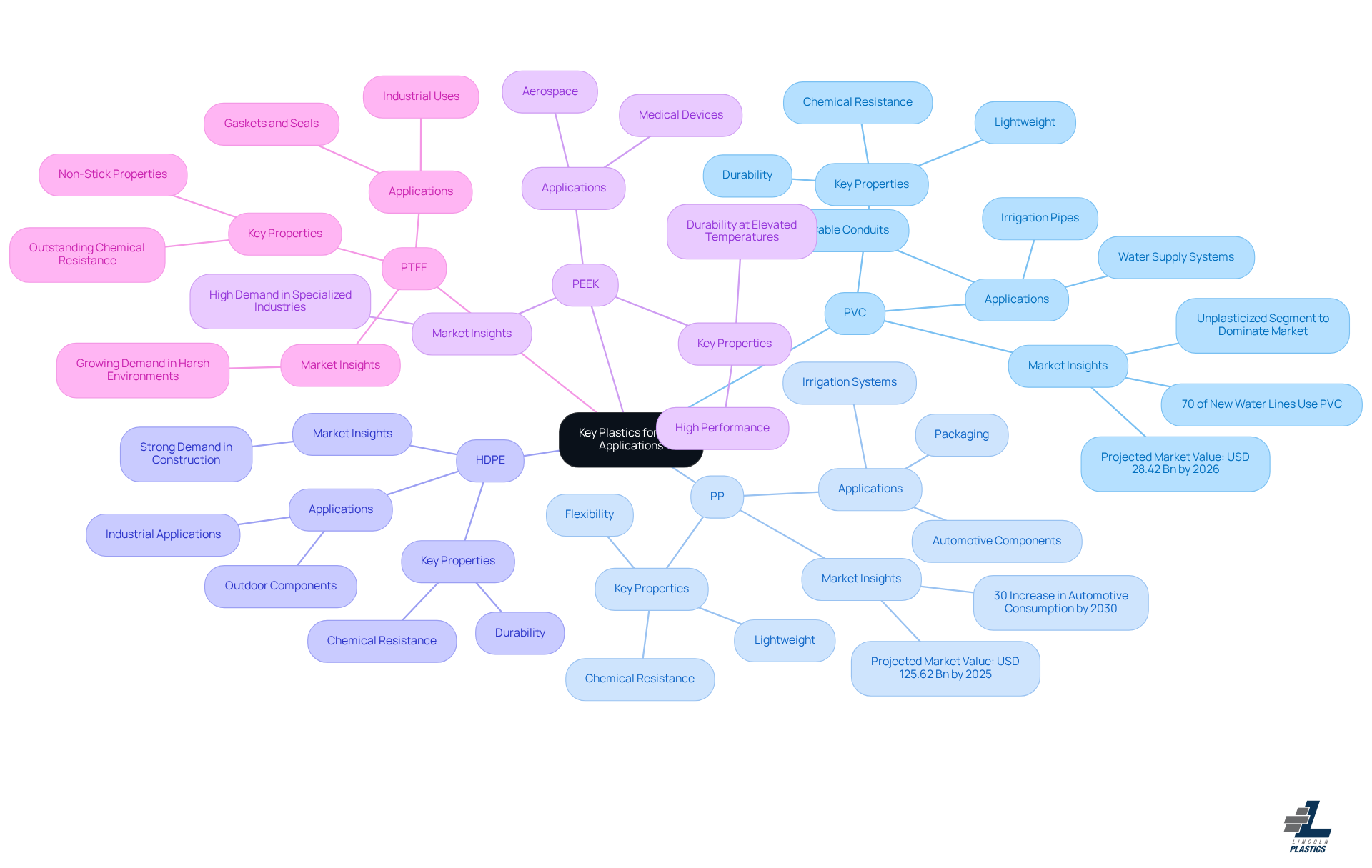
Evaluate Factors Influencing Material Selection
Selecting the right plastic materials for OEM applications is a complex challenge that demands careful consideration of several critical factors:
- Substance Compatibility: It's crucial to know what substances your material will face. Each polymer displays varying levels of plastic chemical resistance against different substances, which can greatly influence its lifespan and functionality. For example, engineering-grade materials are frequently selected for their exceptional plastic chemical resistance in challenging environments.
- Temperature Resistance: The operational temperature range is a crucial consideration. Some plastics may lose their mechanical properties at elevated temperatures, while others maintain their integrity under extreme conditions. Selecting materials based on their thermal properties ensures reliability in different applications.
- Mechanical Properties: Strength, flexibility, and impact resistance are vital attributes. The chosen material must withstand the physical demands of its application without failure. For instance, reinforced materials can improve strength but may also present difficulties in processing and mold wear, requiring thorough assessment.
- Cost and Availability: How do you balance performance with budget constraints? Manufacturers must consider both performance requirements and cost-effectiveness, ensuring that the chosen material meets quality and financial criteria. Custom polymer injection molding can significantly lower per-unit expenses while preserving high precision and quality, making it an appealing choice for OEMs.
- Regulatory Compliance: Many industries have specific regulations regarding material use. Ensuring that the chosen material complies with relevant standards is crucial for market acceptance and safety. What if compliance could also boost your product's market reputation? This compliance not only facilitates smoother market entry but also enhances product reliability.
By addressing these factors, you not only enhance product performance but also position your brand for greater success in the market.
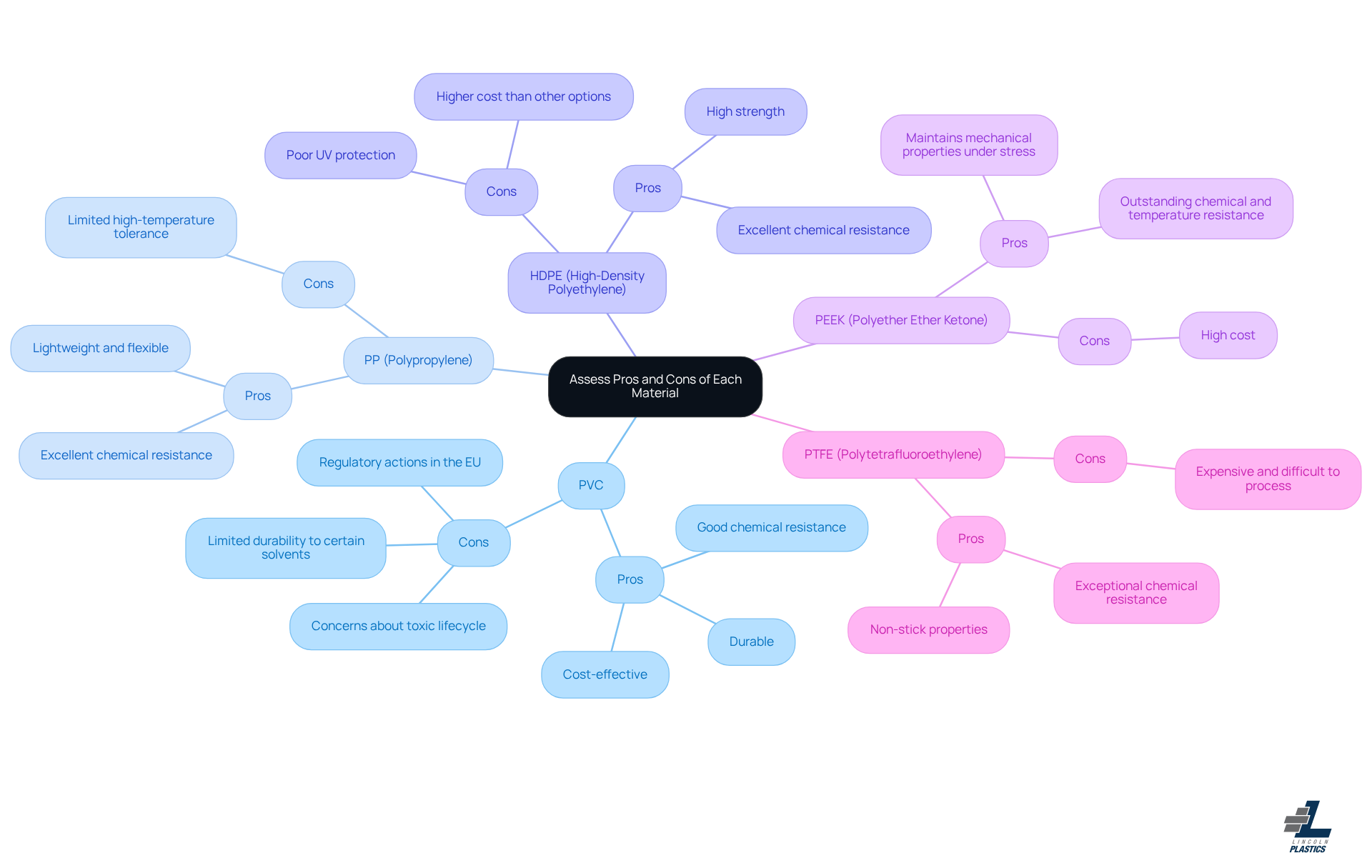
Assess Pros and Cons of Each Material
When it comes to selecting the right plastic for your application, understanding the strengths and weaknesses of each material is crucial for ensuring reliability and performance.
-
PVC:
- Pros: Durable, cost-effective, and offers good chemical resistance, making it a popular choice in various applications.
- Cons: Limited durability to certain solvents can lead to brittleness over time, especially under stress. This may compromise its integrity in demanding environments. Many professionals are raising concerns about PVC's toxic lifecycle, especially in healthcare settings, where its use has raised alarms among those advocating for safer alternatives. Recent regulatory actions in the EU have added PVC and its additives to the Restrictions Roadmap, highlighting the growing push for a PVC-free healthcare sector.
-
PP (Polypropylene):
- Pros: Known for excellent chemical resistance, lightweight, and flexible, making it suitable for a wide range of applications, including packaging and automotive parts.
- Cons: It might not tolerate high temperatures as well as other plastics, which could limit its use in high-stress scenarios where durability is essential. Isn't it interesting how its versatility and safety have made it a go-to choice in sectors like healthcare?
-
HDPE (High-Density Polyethylene):
- Pros: Offers high strength and excellent chemical resistance, making it suitable for outdoor use and various industrial applications.
- Cons: It might cost a bit more than other options, and its UV protection isn't the best, which may impact its durability in direct sunlight.
-
PEEK (Polyether Ether Ketone):
- Pros: Outstanding chemical and temperature resistance, maintaining mechanical properties under stress, making it ideal for high-performance applications.
- Cons: Its high cost may not be justified for less demanding uses, limiting its use to specialized sectors.
-
PTFE (Polytetrafluoroethylene):
- Pros: Exceptional chemical resistance and non-stick properties, making it ideal for applications requiring minimal friction and high durability.
- Cons: It can be expensive and may be difficult to process and fabricate, which could deter its use in standard manufacturing processes.
As the industry evolves, making informed choices about materials like PVC, PP, and others will be essential for meeting both performance and safety standards.
Conclusion
Selecting the right plastic materials for OEM applications is not just a choice; it's a pivotal decision that can dictate your product's success. It's crucial for OEMs in demanding environments to understand the chemical resistance of plastics like PVC, polypropylene, and PEEK. The insights provided in this article highlight the importance of considering factors like polymer composition, temperature resistance, and substance compatibility when making material choices.
Key arguments emphasize that each plastic has its unique advantages and disadvantages. For instance, while PVC is durable and cost-effective, it may degrade under certain solvents. Polypropylene offers excellent chemical resistance but may not withstand high temperatures as effectively as other materials. High-density polyethylene and PEEK present their own sets of benefits and limitations, making it crucial for OEMs to evaluate their specific needs and operational conditions.
In the end, choosing plastics with strong chemical resistance isn't just about immediate needs; it's about securing long-term reliability and performance. Are you facing challenges with chemical exposure? Leverage the insights shared here to make informed decisions. For tailored solutions that align with specific operational needs, reaching out to Lincoln Plastics experts can provide valuable guidance and support in navigating the complexities of material selection.
Frequently Asked Questions
Why is chemical resistance important for OEMs?
Chemical resistance is crucial for OEMs because components often encounter harsh substances in their operational environments. Selecting the right synthetic materials ensures reliability and performance, preventing costly failures and reducing maintenance needs.
What factors influence the durability of plastics in harsh environments?
The durability of plastics is influenced by several key factors, including polymer composition, operating temperature, substance concentration, and exposure duration.
Which high-performance plastics are known for their chemical resistance?
High-performance plastics such as PEEK and PPS are known for their exceptional resistance to aggressive substances. PEEK can maintain its properties at temperatures up to 260°C (500°F) and is suitable for continuous use at 170°C (338°F), while PPS outperforms PTFE and PVDF in extreme acidic conditions.
How do semi-crystalline polymers compare to amorphous polymers in terms of chemical resistance?
Semi-crystalline polymers typically outperform amorphous polymers due to their structured molecular arrangements, which create effective barriers against substance penetration. This distinction is vital for enhancing product longevity and performance in demanding environments.
What are the implications of prioritizing plastic chemical resistance for the future?
Prioritizing plastic chemical resistance is increasingly important as industries face growing challenges related to chemical exposure. Effective material selection can prevent costly failures and extend the service life of components, aligning with operational needs and enhancing overall product reliability.
How can OEMs make informed decisions about material selection?
OEMs can make informed decisions by leveraging insights from recent studies and expert opinions regarding plastic chemical resistance, ensuring that their material choices enhance reliability and performance in their applications.
List of Sources
- Understand Chemical Resistance in Plastics
- Chemical Resistance Database (https://mcam.com/en/support/chemical-resistance-information)
- CHEMICAL RESISTANT PLASTICS: AN EXPERT GUIDE TO MATERIAL SELECTION FOR PRECISION PARTS – AIP Precision Machining (https://aipprecision.com/chemical-resistant-plastics-an-expert-guide-to-material-selection-for-precision-parts)
- NSRI, NU address national security implications of agricultural chemicals and pollutants (https://nsri.nebraska.edu/news/news-releases/2026/06/nsri-nu-address-national-security-implications-of-agricultural-chemicals-and-pollutants)
- Master PVC Chemical Compatibility: Key Insights for OEM Managers (https://lincoln-plastics.com/news-post/master-pvc-chemical-compatibility-key-insights-for-oem-managers?dcc2137a_page=5)
- Global Plastic Additives Market (2021 to 2026) - Cost-effectiveness and Commercialization of Plastics Presents Opportunities (https://prnewswire.com/news-releases/global-plastic-additives-market-2021-to-2026---cost-effectiveness-and-commercialization-of-plastics-presents-opportunities-301423117.html)
- Compare Key Plastics for OEM Applications
- 10 Essential PP Plastic Uses for OEM Purchasing Managers (https://lincoln-plastics.com/news-post/10-essential-pp-plastic-uses-for-oem-purchasing-managers)
- Pvc Pipes Market Size, Opportunities & YoY Growth Rate, 2033 (https://coherentmarketinsights.com/market-insight/pvc-pipes-market-5109)
- Subsurface Drip Irrigation Pipe Market 2026 to 2034 (https://intelmarketresearch.com/subsurface-drip-irrigation-pipe-market-market-27971)
- Polypropylene Market Trends, Share and Forecast, 2026-2033 (https://coherentmarketinsights.com/industry-reports/polypropylene-market)
- Top Polypropylene Sheet Manufacturers: Market Leaders and Industry Trends in 2026 (https://democratandchronicle.com/press-release/story/151456/top-polypropylene-sheet-manufacturers-market-leaders-and-industry-trends-in-2026)
- Evaluate Factors Influencing Material Selection
- The Ultimate Guide to Plastic Injection Molding for Industrial OEMs (https://worldclassplastics.com/ultimate-guide-to-plastic-injection-molding-for-industrial-oems)
- Molding Trends Heading Into Summer 2026 | Sterling Heights, MI (https://plasticmoldingdevelopment.com/plastic-injection-molding-trends-summer-2026)
- Injection Molding Plastic Materials: Types, Properties, and Applications - Technology Org (https://technology.org/2026/04/07/injection-molding-plastic-materials-types-properties-and-applications)
- Plastics Material Selection: Key Factors for Manufacturers (https://amfasinternational.com/newsroom/plastics-material-selection)
- Master the Plastic Selection Guide: Best Practices for OEM Managers (https://lincoln-plastics.com/news-post/master-the-plastic-selection-guide-best-practices-for-oem-managers)
- Assess Pros and Cons of Each Material
- Master PP Plastic Products: Best Practices for OEM Purchasing Managers (https://lincoln-plastics.com/news-post/master-pp-plastic-products-best-practices-for-oem-purchasing-managers?dcc2137a_page=2)
- PVC’s time is up – also in the medical sector | Health Care Without Harm - Europe (https://europe.noharm.org/news/pvcs-time-also-medical-sector)
- What are the advantages and disadvantages of PP?|News|POLYPVC (https://polypvc.com/news/What-are-the-advantages-and-disadvantages-of-PP.html)
- Polypropylene (PP): Understand the Key Benefits and Applications (https://protolabs.com/materials/polypropylene)
- Polyvinyl Chloride (PVC) Plastic: Uses, Properties, Benefits & Toxicity (https://specialchem.com/plastics/guide/polyvinyl-chloride-pvc-plastic)
Related posts

Designing Custom Extrusions: How We Work with OEM Engineers
Lincoln Plastics partners with OEM engineers to design custom extrusion profiles — reducing modifications, improving performance, and lowering costs


Precision Matters: Tolerances and Quality Control in Extrusion
Lincoln Plastics ensures precision in every extrusion with tight tolerances, in-line checks, and strict quality control for OEM applications
Plastic Extrusion for Agricultural Equipment: Beyond Irrigation
Lincoln Plastics supports agriculture with custom plastic extrusions that go beyond irrigation, delivering durability and reliability in the field
