
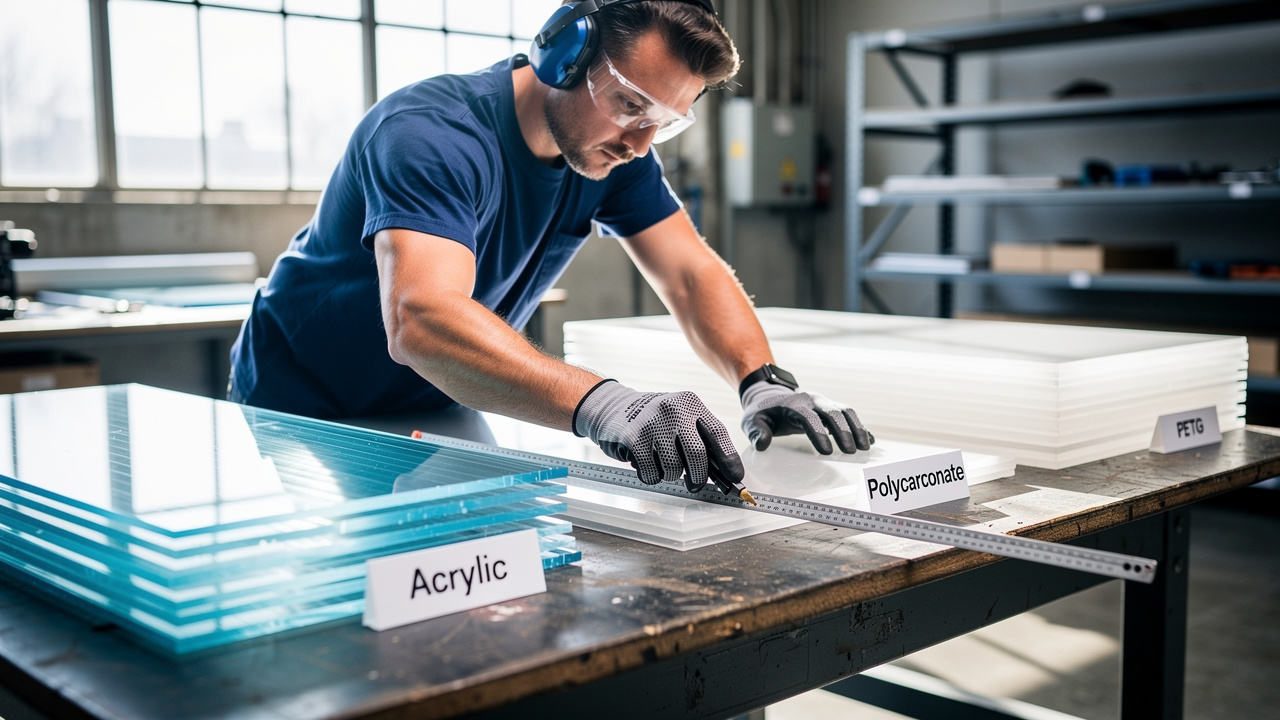
Clear Hard Plastic: Key Comparisons for OEM Material Selection
Introduction
Clear hard plastics are revolutionizing manufacturing, offering unmatched clarity and durability for OEM applications. With materials like acrylic, polycarbonate, and PETG leading the charge, understanding their unique properties can empower manufacturers to make informed choices that enhance product performance. Navigating these choices can be daunting, especially when balancing cost against performance. This article will explore the key comparisons and factors that will guide your material selection, ensuring that the right clear hard plastic is chosen for every project.
Explore the Properties of Clear Hard Plastic
Lincoln Plastics sets the standard for quality assurance and customization in extrusion processes, delivering high-performance products that meet the exacting demands of OEMs. Clear hard plastic materials, including acrylic, polycarbonate, and PETG, are recognized for their exceptional optical clarity, impact durability, and versatility across various applications.
Acrylic (PMMA): This material is celebrated for its excellent clarity and lightweight nature, making it perfect for signage and display applications. While it offers good weather resistance, it is more susceptible to scratching compared to other options. Recent advancements in acrylic formulations have significantly boosted scratch resistance, making it an ideal choice for outdoor applications.
Polycarbonate (PC): Known for its outstanding strength and impact resistance, polycarbonate is often used in safety contexts such as eyewear and protective barriers. It can endure higher temperatures than acrylic and is less prone to shattering, making it a preferred choice for demanding environments. According to materials experts, polycarbonate's impact resistance is roughly 30 times superior to that of acrylic, which is essential for applications requiring durability. Lincoln Plastics' expertise in custom extrusion molding ensures that our polycarbonate products meet rigorous quality standards for safety and performance.
PETG: Merging the clarity of acrylic with the strength of polycarbonate, PETG is ideal for applications that demand both transparency and durability. Its ease of thermoforming further enhances its appeal for various manufacturing processes. Recent studies suggest that PETG preserves its clarity and strength even in challenging conditions, making it a reliable option for OEM applications.
Transparent rigid materials are the top choice across sectors, particularly in OEM machinery, where durability and clarity drive operational success. Case studies have demonstrated that utilizing polycarbonate in safety barriers has significantly lowered injury rates in industrial environments, emphasizing the material's practical advantages in real-world scenarios. Choosing Lincoln Plastics means investing in innovative solutions like our Flexiduct, which enhances workplace safety and productivity while maximizing the benefits of clear hard plastic materials.

Evaluate Pros and Cons of Clear Hard Plastic vs. Alternatives
When it comes to selecting materials for demanding applications, clear hard plastic stands out as a superior choice over glass, metal, and other polymers.
Advantages of Clear Hard Plastics:
- Lightweight: Clear hard plastics are significantly lighter than glass, making handling and installation a breeze.
- Impact Resistance: Materials like polycarbonate boast superior impact resistance compared to glass, reducing the risk of breakage in tough environments.
- Design Flexibility: These transparent rigid materials can be shaped into intricate forms, allowing for creative designs that meet various OEM specifications.
- Cost-Effectiveness: Typically, clear hard plastic materials are more economical than glass, especially when purchased in bulk. For instance, the cost dynamics of recycled PET material are becoming more favorable compared to virgin material, enhancing the cost-effectiveness of clear hard plastic.
Disadvantages of Clear Hard Plastics:
- Scratch Resistance: While durable, some clear hard plastics may be more susceptible to scratching than glass, which can affect aesthetic quality over time.
- Chemical Sensitivity: Certain transparent polymers may not withstand harsh chemicals as effectively as glass or metals, potentially limiting their application in specific environments.
- Thermal Stability: Some clear hard plastics may exhibit lower thermal resistance compared to glass, raising concerns in high-temperature scenarios.
In contrast, glass provides superior scratch resistance and thermal stability but is heavier and more fragile, while metals offer strength but lack transparency. As industry professionals note, "Glass is environmentally friendly when produced since it utilizes everyday components and is 100% recyclable without losing quality." Understanding these trade-offs empowers OEMs to make informed decisions that align with their specific needs and sustainability goals.

Assess Applications and Suitability for OEM Needs
In the demanding world of OEM environments, the choice of materials can make or break a project’s success. Clear hard plastics serve a multitude of purposes, showcasing their adaptability and effectiveness across various applications:
- Safety Shields and Barriers: Polycarbonate is a preferred material for safety shields due to its exceptional impact resistance, making it suitable for high-risk environments where breakage could lead to serious safety concerns. These shields provide a transparent barrier that effectively prevents the spread of droplets, enhancing safety in close-contact settings.
- Display Cases: Acrylic is widely utilized in retail display cases, offering a combination of clarity and aesthetic appeal. Its lightweight nature and ease of fabrication make it an ideal choice for showcasing products while ensuring durability and visual impact.
- Protective Equipment: In the medical sector, transparent rigid materials are essential for protective equipment, where visibility and durability are paramount. Polycarbonate face shields, for instance, provide full facial coverage and are effective in blocking germs, serving as an additional layer of protection when used alongside fabric masks.
- Agricultural Applications: Transparent rigid materials are also essential to farming practices, especially in greenhouse panels and irrigation systems. They offer UV protection and withstand environmental stressors, ensuring longevity and reliability in agricultural settings. Lincoln Plastics creates custom extruded profiles tailored to OEM specifications, boosting the efficiency of these uses.
At Lincoln Plastics, we focus on implementing best practices in tube extrusion to ensure top-notch production efficiency and quality. Our user manuals provide detailed insights into our rigorous quality assurance system, which includes checks to ensure that all products meet the critical dimensions specified by our OEM partners. This commitment to precision and customization underscores our dedication to supporting OEM needs across various industries.
These programs emphasize the adaptability of clear hard plastic in meeting the varied needs of OEMs, especially in sectors focusing on safety, visibility, and durability. Choosing the right materials isn’t just about functionality; it’s about ensuring safety and reliability in every application.

Determine Key Factors for Material Selection
When it comes to OEM applications, the right material selection can make or break your product's success. Several critical factors must be evaluated:
- Mechanical Properties: Assessing strength, flexibility, and impact resistance is essential. For instance, polycarbonate is often favored in high-impact environments due to its superior toughness. Knowing the key properties of materials helps you tackle engineering challenges head-on.
- Thermal Stability: Understanding the operating temperature range is crucial. Materials must withstand the conditions they will encounter, especially in high-temperature environments where thermal stability is paramount. Recent insights emphasize that assessing thermal stability is vital for enhancing material selection.
- Chemical Resistance: Evaluate potential exposure to chemicals. Are you confident your materials will hold up under pressure? Choosing substances that resist deterioration in specific settings is essential for preserving product integrity over time.
- Cost and Availability: Budget constraints play a significant role in resource selection. Some clear hard plastic materials may provide a more cost-effective solution without compromising quality, making them attractive options for OEMs. Furthermore, opting for standard resources that are readily obtainable from various suppliers can reduce risks linked to vendor dependability.
- Fabrication and Processing: Consider how materials will be processed. Some plastics are easier to mold and shape, streamlining production and reducing costs.
By thoroughly evaluating these factors, OEMs can make informed decisions that meet their operational needs and ensure product longevity. Neglecting these factors could lead to costly production delays and compromised product quality. Ignoring these critical factors could jeopardize your entire production process and product reliability.

Conclusion
In the competitive landscape of OEM applications, the choice of materials can be the defining factor for success. Clear hard plastics, including acrylic, polycarbonate, and PETG, stand out due to their unique properties and versatility. Have you considered how your material choices could impact your project's success? By leveraging the advantages of these materials, manufacturers can enhance safety, durability, and aesthetic appeal in their products.
Key comparisons throughout this article highlight the strengths and weaknesses of clear hard plastics versus alternatives like glass and metal.
- Acrylic is favored for its clarity and lightweight nature.
- Polycarbonate excels in impact resistance and thermal stability.
- PETG combines the best of both worlds, offering clarity and strength for demanding applications.
These materials are not only cost-effective but also adaptable to a wide range of uses, from safety shields to agricultural equipment, showcasing their practicality in real-world scenarios.
To ensure your projects thrive, evaluate the following factors when selecting clear hard plastics:
- Mechanical properties
- Thermal stability
- Chemical resistance
- Fabrication ease
By prioritizing these factors, OEMs can align their material selections with operational needs and sustainability goals. By embracing clear hard plastics, you position your products for success in an ever-evolving market, ensuring they meet both performance and safety standards.
Frequently Asked Questions
What types of clear hard plastic materials are discussed in the article?
The article discusses three types of clear hard plastic materials: acrylic (PMMA), polycarbonate (PC), and PETG.
What are the key properties of acrylic plastic?
Acrylic is known for its excellent clarity, lightweight nature, and good weather resistance. However, it is more susceptible to scratching compared to other materials, although recent advancements have improved its scratch resistance.
What advantages does polycarbonate offer?
Polycarbonate is recognized for its outstanding strength and impact resistance, making it suitable for safety applications such as eyewear and protective barriers. It can withstand higher temperatures than acrylic and is less prone to shattering, with impact resistance approximately 30 times superior to that of acrylic.
How does PETG compare to acrylic and polycarbonate?
PETG combines the clarity of acrylic with the strength of polycarbonate, making it ideal for applications that require both transparency and durability. It is also easy to thermoform and maintains its clarity and strength in challenging conditions.
In what applications are transparent rigid materials commonly used?
Transparent rigid materials are commonly used in OEM machinery and various sectors where durability and clarity are essential for operational success.
What practical benefits of polycarbonate are highlighted in the article?
The article highlights that using polycarbonate in safety barriers has significantly reduced injury rates in industrial environments, showcasing its practical advantages in real-world scenarios.
What does Lincoln Plastics offer in relation to clear hard plastic materials?
Lincoln Plastics offers high-performance products with a focus on quality assurance and customization in extrusion processes, including innovative solutions like their Flexiduct, which enhances workplace safety and productivity.
List of Sources
- Explore the Properties of Clear Hard Plastic
- Molding Trends Heading Into Summer 2026 | Sterling Heights, MI (https://plasticmoldingdevelopment.com/plastic-injection-molding-trends-summer-2026)
- lincoln-plastics.com (https://lincoln-plastics.com/news-post/10-toughest-plastics-for-heavy-duty-applications-you-need)
- Comparison of See-Through Plastics | Cope Plastics, Inc. (https://copeplastics.com/knowledge-base/blog/comparison-of-see-through-plastic-sheets)
- towardspackaging.com (https://towardspackaging.com/insights/clear-plastic-sheets-market-sizing)
- designnews.com (https://designnews.com/materials/plastics)
- Evaluate Pros and Cons of Clear Hard Plastic vs. Alternatives
- latimes.com (https://latimes.com/b2b/consumer-goods-retail/story/2026-05-17/switching-to-glass-packaging-roi)
- placon.com (https://placon.com/resources/news/plastic-aluminum-glass-and-paper)
- oceanblueproject.org (https://oceanblueproject.org/glass-vs-plastic-bottles-from-waste-to-worth)
- bbc.com (https://bbc.com/future/article/20230427-glass-or-plastic-which-is-better-for-the-environment)
- glass-ts.com (https://glass-ts.com/news/glass-vs-plastic-packaging)
- Assess Applications and Suitability for OEM Needs
- lincoln-plastics.com (https://lincoln-plastics.com/news-post/10-toughest-plastics-for-heavy-duty-applications-you-need)
- highmarktech.com (https://highmarktech.com/news/highmark-making-shields-to-help-schools-reopen-safely)
- acplasticsinc.com (https://acplasticsinc.com/informationcenter/r/the-importance-of-polycarbonate-face-shields)
- designnews.com (https://designnews.com/plastics/plastics-infiltrate-medical-device-redesigns)
- Determine Key Factors for Material Selection
- control.com (https://control.com/technical-articles/the-importance-of-manufacturing-material-selection)
- tytekindustries.com (https://tytekindustries.com/what-is-the-materials-selection-process-in-product-design)
- wileymetal.com (https://wileymetal.com/why-material-selection-is-crucial-in-metal-fabrication)
- designnews.com (https://designnews.com/materials/mechanical-engineering-perspectives-part-1-material-costs-function-durability)
- community.pdma.org (https://community.pdma.org/knowledgehub/bok/product-design-and-development-tools/material-selection-and-requirements-in-product-design)


