
Best Practices for Sourcing Thermoplastic Products Effectively
Introduction
Manufacturers face a daunting task when sourcing thermoplastic products, as the stakes are high for operational efficiency and product quality. With a diverse range of materials like PVC, polyethylene, and polypropylene, understanding their unique properties is essential for making informed decisions. However, manufacturers often struggle with unreliable suppliers and fluctuating costs, which can jeopardize their production timelines.
What strategies can manufacturers employ to choose the right suppliers and materials, ensuring maximum value and minimal risk? This article explores the best practices for sourcing thermoplastic products, offering insights that can lead to successful partnerships and superior outcomes in manufacturing.
Understand Thermoplastic Properties and Types
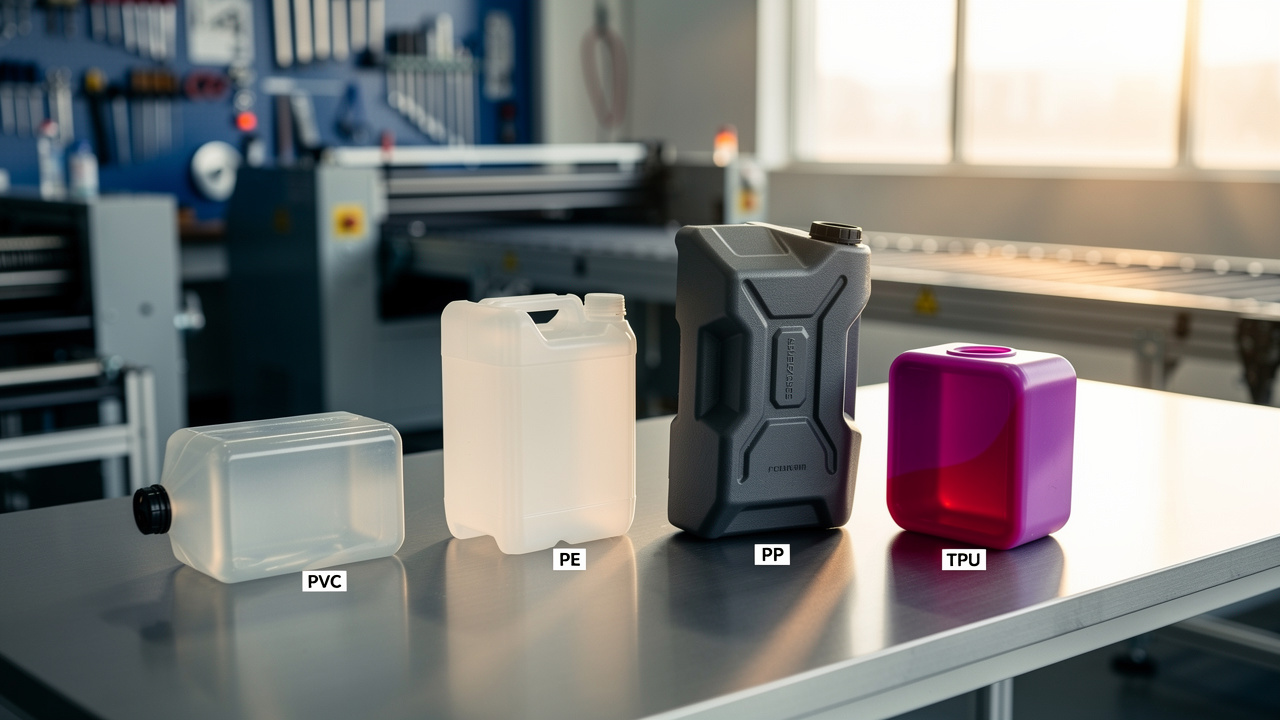
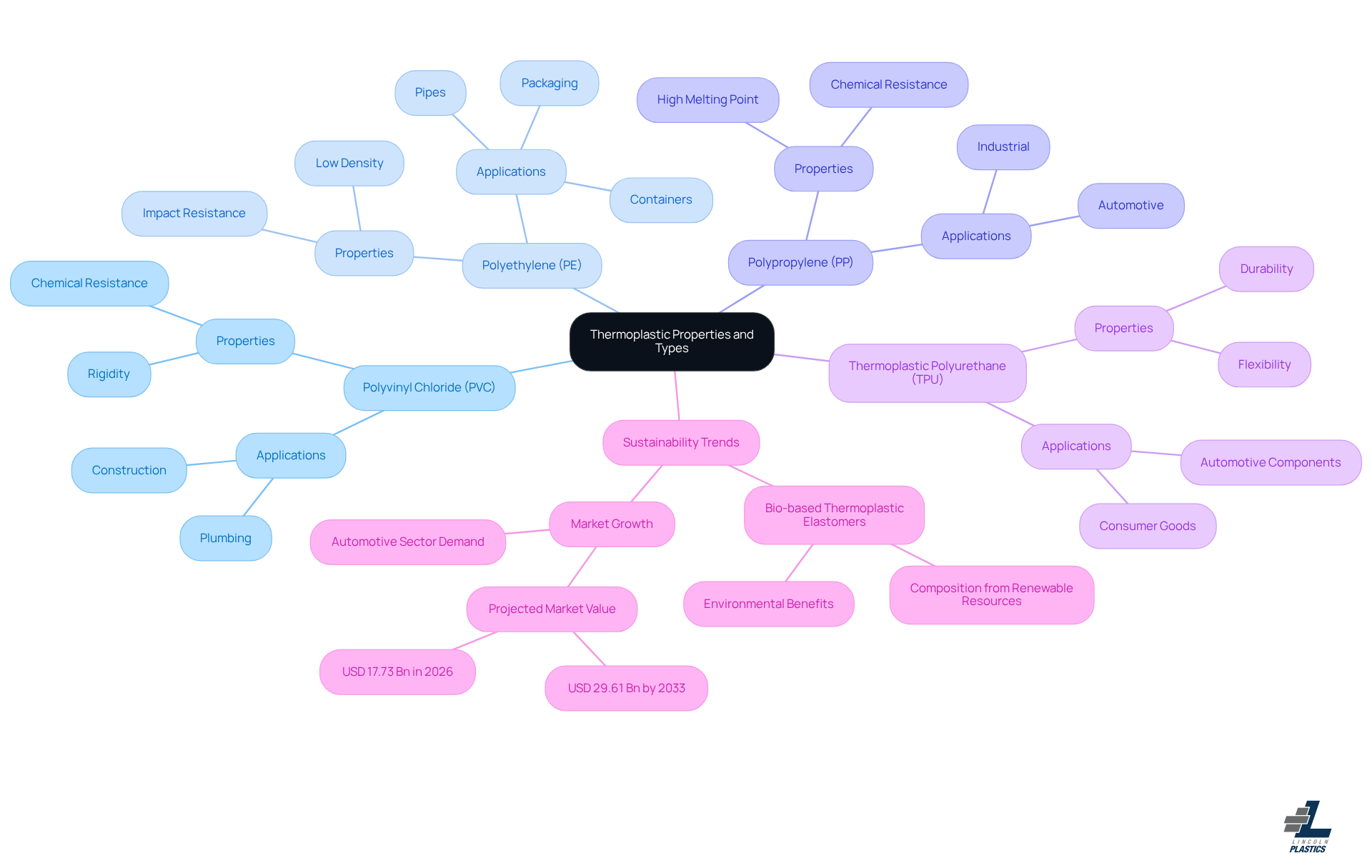
Thermoplastic products are not just versatile; they are essential for modern manufacturing, offering unique properties that cater to diverse applications. Key types include:
- Polyvinyl Chloride (PVC): Renowned for its rigidity and chemical resistance, PVC is extensively utilized in construction and plumbing, providing durability in demanding environments.
- Polyethylene (PE): This adaptable plastic is favored for packaging, containers, and pipes due to its excellent impact resistance and low density, ensuring lightweight yet robust solutions.
- Polypropylene (PP): Known for its high melting point and chemical resistance, PP is particularly suited for automotive and industrial applications, where performance under stress is critical.
- Thermoplastic Polyurethane (TPU): Offering exceptional flexibility and durability, TPU is ideal for applications requiring high elasticity, such as in consumer goods and automotive components.
Recent advancements in thermoplastic products reveal a growing demand for materials that meet performance standards while embracing sustainability goals. For instance, bio-based thermoplastic elastomers are gaining traction, made from renewable resources like starch, which can constitute 30%-50% of their composition. This shift is driven by regulatory pressures and consumer preferences for environmentally friendly items.
Case studies illustrate the practical applications of these materials. In agriculture, thermoplastic products are used for irrigation systems, where their durability and resistance to environmental factors enhance operational efficiency. Additionally, the automotive sector is increasingly adopting lightweight thermoplastic products to improve fuel efficiency and reduce emissions, reflecting a broader trend towards sustainability in manufacturing. The automotive industry is projected to acquire a prominent market share of 33.7% in 2026, underscoring the significance of thermoplastic products in this sector.
Understanding these characteristics is crucial for manufacturers aiming to select the right thermoplastic products, ensuring they achieve optimal performance and durability.
Evaluate Supplier Reliability and Material Costs
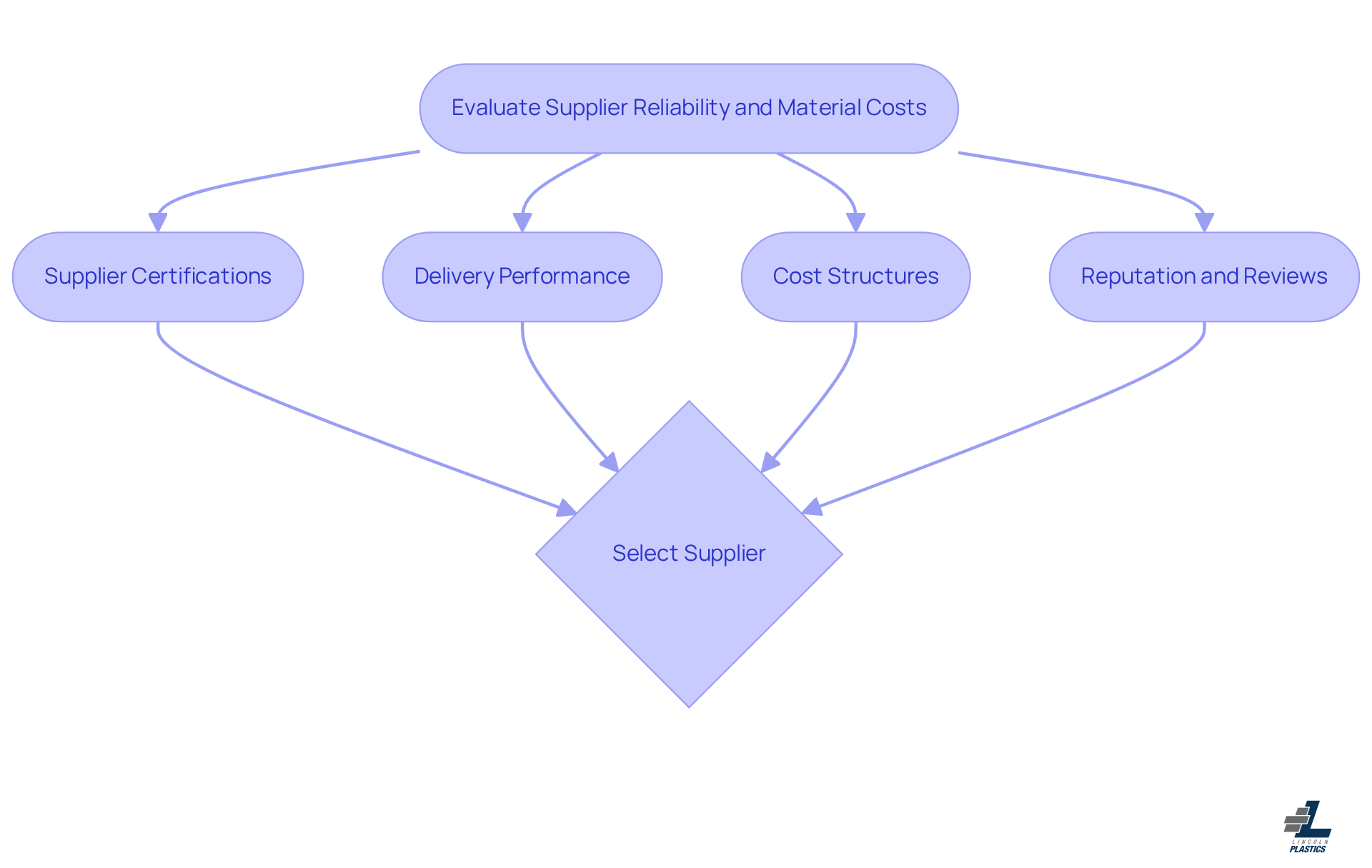
When sourcing thermoplastic products, it is crucial to choose the right supplier, as the stakes are high for success. It's vital to evaluate potential suppliers based on several criteria:
- Supplier Certifications: Ensure that suppliers hold relevant certifications, such as ISO 9001:2015, which indicates adherence to rigorous quality management standards. Our company is certified to this standard, demonstrating our commitment to quality assurance through dedicated quality plans, in-process checks, and comprehensive quality management documentation.
- Delivery Performance: Evaluate on-time delivery rates and responsiveness to ensure that providers can meet production schedules. Our strategic location in Nebraska allows for quick order turnaround and efficient logistics, including international shipping solutions.
- Cost Structures: Analyze material costs, including bulk pricing options and potential discounts for long-term contracts. This helps in budgeting and cost management.
- Reputation and Reviews: Investigate vendor evaluations and endorsements to assess dependability and item excellence. At our company, we collaborate closely with OEMs to ensure that our offerings meet all quality standards, including specific checks for fit and function, and we are prepared to fulfill additional regulatory requirements as necessary.
Finding reliable suppliers can be challenging, especially when quality is paramount. By making informed choices, manufacturers can secure a steady supply of top-notch materials tailored to their needs. This diligence not only mitigates risks but also ensures that your production line operates smoothly and efficiently.
Implement Effective Negotiation and Contract Management Strategies
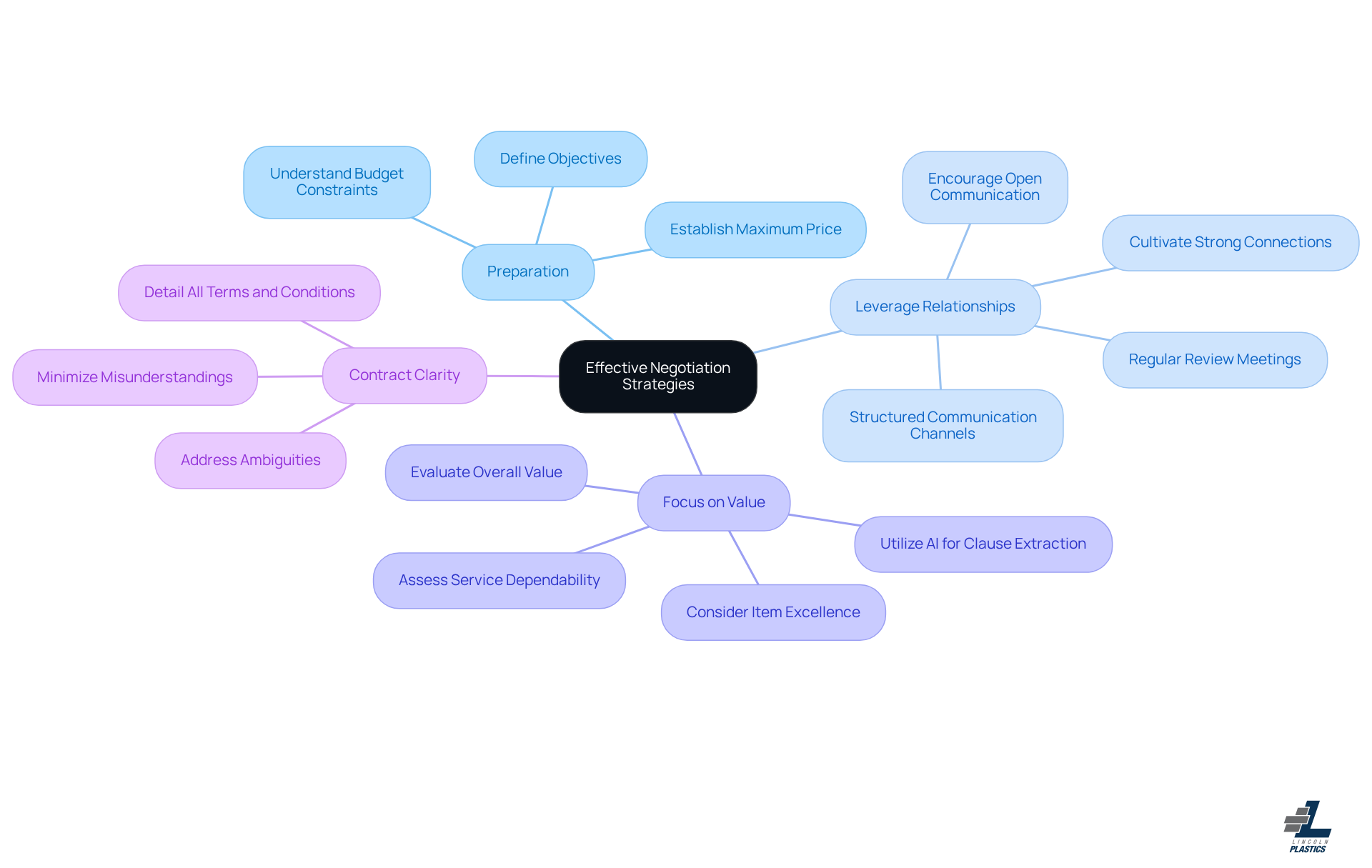
Negotiation is not just a skill; it's a critical factor that can significantly impact your sourcing of thermoplastic products. Here are key strategies to enhance your negotiation outcomes:
- Preparation: Clearly define your objectives and requirements prior to negotiations. Understand your budget constraints and establish the maximum price you are willing to accept. This groundwork will empower you during discussions.
- Leverage Relationships: Cultivating strong connections with vendors fosters trust and encourages open communication. Such rapport can lead to more favorable terms and collaborative opportunities, enhancing the overall procurement process. Establishing structured communication channels and regular review meetings can further strengthen these relationships, as highlighted by industry best practices.
- Focus on Value: Shift the focus from merely negotiating price to evaluating the overall value provided by the vendor. Take into account elements like item excellence, service dependability, and the provider's capacity to fulfill your particular requirements, which can greatly influence long-term contentment and effectiveness. Interestingly, 39% of procurement teams are now using AI-powered clause extraction. This tool enhances contract clarity and boosts negotiation efficiency.
- Contract Clarity: Ensure that contracts are meticulously detailed, outlining all terms, conditions, and expectations. Clear contracts minimize the risk of misunderstandings and disputes, paving the way for smoother transactions. Ambiguities in contract language can lead to conflicts, so it is crucial to address these potential pitfalls during negotiations.
When manufacturers put these strategies into action, they don't just improve their negotiation outcomes; they also build strong partnerships with vendors, ultimately leading to enhanced operational efficiency and product quality.
Case Studies: For instance, a leading confectionery brand successfully reduced logistics costs by 11% after co-designing packaging with a partner, demonstrating the value of collaborative negotiation. This case shows that without effective negotiation strategies, companies could miss out on tangible benefits. Additionally, effective vendor relationship management practices have demonstrated the ability to unlock innovation and efficiency gains, further emphasizing the significance of strategic engagement in negotiations.
Leverage Customization for Enhanced Product Performance
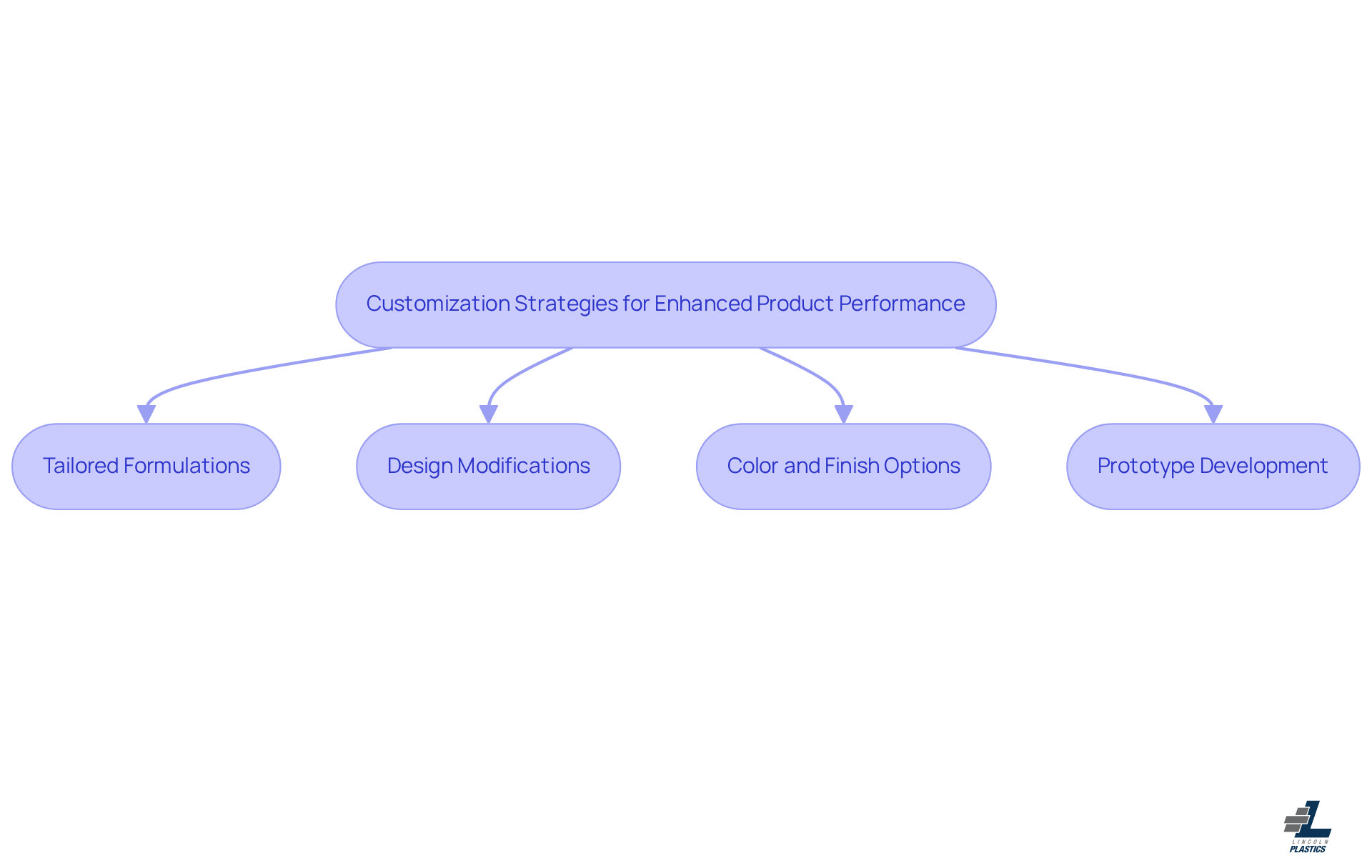
Customization is not just an option; it's a necessity for OEM Purchasing Managers seeking to enhance performance and market appeal. Here are key strategies to leverage customization effectively:
- Tailored Formulations: Collaborate with suppliers like Lincoln Plastics to create custom formulations that meet specific performance criteria, such as improved durability or flexibility. This approach enables the creation of items that are better suited to unique operational demands. It can also decrease supplier reliability issues by ensuring that the materials meet precise specifications.
- Design Modifications: Implement design changes that enhance functionality. For example, integrating features that improve usability or reduce weight can lead to more efficient and user-friendly items. This can help alleviate fluctuating material expenses by optimizing resource utilization.
- Color and Finish Options: Utilize Lincoln Plastics' co-extrusion capabilities to provide multiple colors or finishes. This not only enhances the aesthetic appeal of items but also maintains their functionality, allowing for greater customization in appearance without compromising performance.
- Prototype Development: Engage in prototype development to test and refine custom designs before full-scale production. This step ensures the final outcome meets all specifications and performance standards. It also reduces the risk of costly revisions later in the process.
By focusing on these customization strategies, manufacturers can create unique items that stand out in the market. This approach better meets the evolving needs of customers. Did you know that over 50% of consumers expressed interest in personalized or custom items, according to a 2019 report? This highlights the growing demand for tailored solutions across industries. Businesses that invest in customization, like Plastics Inc., not only enhance their product offerings but also build customer loyalty and competitive advantage. Furthermore, the company is committed to quality, as evidenced by their ISO 9001:2015 certification and rigorous quality management practices, including dedicated quality plans and process check sheets. However, be aware of potential pitfalls in the customization process. Increased lead times and the need for specialized tooling can complicate implementation. Additionally, being located in Lincoln, Nebraska, allows Lincoln Plastics to provide efficient logistics and service delivery advantages.
Conclusion
Navigating the complexities of sourcing thermoplastic products can be daunting for manufacturers. It requires a deep understanding of material properties, supplier reliability, and strategic negotiation. By focusing on these elements, manufacturers can ensure they select the right materials that not only meet performance standards but also align with sustainability goals. Customization plays a crucial role in enhancing product performance, as it allows for tailored solutions that cater to specific operational needs.
Key insights from this article highlight the significance of evaluating suppliers based on certifications, delivery performance, and cost structures. Utilizing Lincoln Plastics' ISO 9001:2015 certification as a benchmark for quality management, manufacturers can mitigate risks and secure a steady supply of high-quality thermoplastic materials. Furthermore, effective negotiation strategies and clear contract management practices are essential for fostering strong vendor relationships, ultimately leading to improved operational efficiency.
In a competitive landscape, the ability to customize thermoplastic products is a game-changer. By leveraging Lincoln Plastics' co-extrusion capabilities and commitment to quality, manufacturers can create unique offerings that stand out in the market. Embracing these best practices not only enhances product appeal but also builds lasting partnerships with suppliers. Taking the first step towards excellence in thermoplastic manufacturing starts with a conversation with Lincoln Plastics experts.
Frequently Asked Questions
What are thermoplastics and why are they important in manufacturing?
Thermoplastics are versatile materials essential for modern manufacturing, offering unique properties that cater to diverse applications across various industries.
What are the key types of thermoplastics?
The key types of thermoplastics include:
- Polyvinyl Chloride (PVC): Known for its rigidity and chemical resistance, commonly used in construction and plumbing.
- Polyethylene (PE): Valued for its impact resistance and low density, ideal for packaging and containers.
- Polypropylene (PP): Recognized for its high melting point and chemical resistance, suitable for automotive and industrial applications.
- Thermoplastic Polyurethane (TPU): Offers exceptional flexibility and durability, perfect for applications requiring high elasticity.
What recent trends are influencing the use of thermoplastics?
There is a growing demand for thermoplastic materials that meet performance standards while embracing sustainability goals. Bio-based thermoplastic elastomers, made from renewable resources like starch, are gaining popularity due to regulatory pressures and consumer preferences for environmentally friendly products.
How are thermoplastics applied in agriculture?
In agriculture, thermoplastic products are utilized for irrigation systems, where their durability and resistance to environmental factors enhance operational efficiency.
What role do thermoplastics play in the automotive industry?
The automotive sector is increasingly adopting lightweight thermoplastic products to improve fuel efficiency and reduce emissions. This trend is significant, with the automotive industry projected to hold a market share of 33.7% in 2026.
Why is it important for manufacturers to understand thermoplastic properties?
Understanding the characteristics of thermoplastics is crucial for manufacturers to select the right materials, ensuring optimal performance and durability in their applications.
List of Sources
- Understand Thermoplastic Properties and Types
- Thermoplastic Elastomers Market Size and Forecast] 2026-2033 (https://coherentmarketinsights.com/market-insight/thermoplastic-elastomer-market-847)
- smithers.com (https://smithers.com/services/market-reports/materials/the-future-of-thermoplastic-elastomers-to-2026)
- Thermoplastics Market Expects Healthy 6% Growth This Decade (https://plasticstoday.com/business/thermoplastics-market-expects-healthy-6-growth-this-decade)
- Emerging Trends and Developments in Thermoplastic Elastomers (https://specialchem.com/plastics/guide/emerging-trends-and-developments-in-thermoplastic-elastomers)
- Thermoplastics Market Report: Trends, Forecast and Competitive Analysis to 2030 (https://researchandmarkets.com/reports/6031133/thermoplastics-market-report-trends-forecast?srsltid=AfmBOoqcvb74z7oTVGruc-UXdfDTbjtxilMLWaXVoVj4ls_VGpw9QnH9)
- Evaluate Supplier Reliability and Material Costs
- Revitalizing Supply Chain Management with ISO 9001 (https://americanglobal.org/news/revitalizing-supply-chain-management-with-iso-9001)
- Supply Chain Management | Market Trends | Material Matters Q3 2026 (https://taylor.com/research/material-matters-q3-26)
- How to Evaluate a PE Supplier in 2026: The Reliability Scorecard | Syntex America (https://syntexamerica.com/blog/pe-supplier-reliability-scorecard-2026)
- ISO 9001 supplier management (https://ideagen.com/thought-leadership/blog/iso-9001-supplier-management-your-step-by-step-guide)
- 5 Best Practices for Sourcing Thermoplastic Plastics Effectively (https://lincoln-plastics.com/news-post/5-best-practices-for-sourcing-thermoplastic-plastics-effectively?dcc2137a_page=5)
- Implement Effective Negotiation and Contract Management Strategies
- Contract Management in Procurement | Ivalua (https://ivalua.com/blog/contract-management-in-procurement)
- Supplier Relationship Management: Strategies & Best Practices (https://jpmorgan.com/insights/business-planning/supplier-relationship-management-strategies-and-best-practices)
- 5 negotiation tactics manufacturers need to win in 2026 (https://fastmarkets.com/insights/5-negotiation-tactics-manufacturers-need-to-win-in-2026)
- Master High Strength Plastic Sourcing: Key Strategies for OEMs (https://lincoln-plastics.com/news-post/master-high-strength-plastic-sourcing-key-strategies-for-oems)
- Contract Negotiation and Supplier Relationships: How SRM Systems Can Streamline the Process? (https://gainfront.com/blog/contract-negotiation-and-supplier-relationships)
- Leverage Customization for Enhanced Product Performance
- The Benefits of Custom Molded Products - World Class Plastics Inc. (https://worldclassplastics.com/latest-news/the-benefits-of-custom-molded-products)
- Customization Is One of the Hottest Trends in Manufacturing | News & Insights | Gray (https://gray.com/insights/customization-is-one-of-the-hottest-trends-in-manufacturing)
- 97+ NEW Customization Statistics (2026) (https://customcy.com/blog/customization-stats)
- The Future of Thermoforming: Trends and Innovations to Watch | Ray Products (https://rayplastics.com/the-future-of-thermoforming-trends-and-innovations-to-watch)
- Customization: The New Trend in Manufacturing Technology (https://spectrum.ieee.org/customization-the-new-trend-in-manufacturing-technology)


