
Best Practices for Sourcing Reliable Extrusion Products
Introduction
In the competitive landscape of manufacturing, sourcing reliable extrusion products is not just important; it's essential for project success. Purchasers equipped with the right knowledge and strategies can navigate the complexities of extrusion technology. This ensures they select suppliers who meet quality standards and align with their specific needs.
Evaluating potential vendors can feel overwhelming with so many choices available. So, what best practices can you employ to secure favorable terms? Let’s explore some essential guidelines for sourcing extrusion materials, highlighting the importance of:
- Quality control
- Supplier evaluation
- Effective negotiation tactics
By following these guidelines, you can streamline your sourcing process and enhance project success, all while showcasing the expertise of Lincoln Plastics in delivering exceptional solutions.
Understand Extrusion Technology and Its Importance
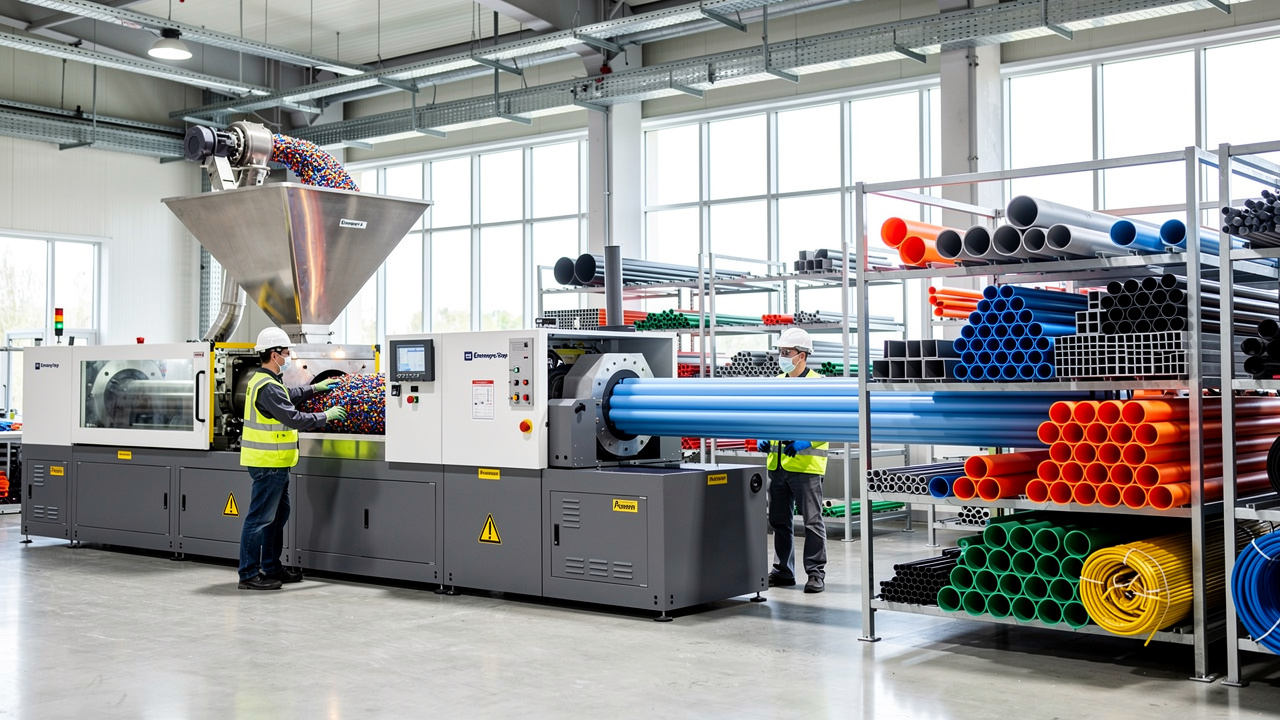
In the competitive landscape of manufacturing, understanding extrusion technology is not just beneficial; it's essential for success. Extrusion products are formed through a pivotal manufacturing process that shapes raw materials, primarily plastics, into continuous profiles by forcing them through a die. This method is widely used to produce various extrusion products, such as pipes, tubes, and custom profiles. A thorough grasp of shaping technology is crucial for sourcing dependable products, as it assists in assessing potential vendors' capabilities. Key aspects to consider include:
- Material Compatibility: The behavior of different materials during the extrusion process varies significantly. Are you aware of how material compatibility affects your production? Knowledge of substances like PVC, polyethylene, and polypropylene is essential for choosing the right supplier. In fact, plastic extrusion products represent 55% of the global extrusion market share, highlighting the significance of selection in this sector. Lincoln Plastics offers expert guidance on material selection, ensuring that the chosen materials meet the specific requirements of your application.
- Process Variability: Factors like temperature, pressure, and screw design can greatly influence the quality of the extruded item. Knowing these variables helps you communicate more effectively with your suppliers. For example, the average energy usage per ton of plastic production is 320 kWh, emphasizing the efficiency factors that must be considered in sourcing choices. Lincoln Plastics utilizes advanced methods, including co-extrusion, to create multi-color or multi-material profiles that satisfy various customer requirements, enhancing the versatility of their offerings.
- Quality Control: Comprehending the quality control methods used in shaping is essential for evaluating vendor reliability. Are you looking for vendors who apply rigorous testing procedures to ensure consistency and performance? Lincoln Plastics adheres to rigorous quality management plans, including ISO 9001:2015 certification, dedicated quality books, and in-process checks. With 68% of manufacturing facilities utilizing automated quality control systems, purchasers can prioritize vendors like Lincoln Plastics who leverage technology to enhance reliability while ensuring that their rigid conduit offerings meet critical specifications.
By understanding these essential concepts, purchasers can make more informed choices when sourcing manufacturing items, ultimately resulting in better outcomes in their projects. By partnering with experts like Lincoln Plastics, you can ensure your projects not only meet but exceed expectations.

Evaluate Suppliers Based on Quality and Reliability
Choosing the right extrusion partner is crucial for your project's success. When sourcing extrusion products, it is essential to assess vendors based on their quality and reliability. Here are key steps to ensure you choose the right partner:
- Check Certifications: Prioritize suppliers with relevant certifications, particularly ISO 9001:2015. Lincoln Plastics proudly holds this certification, signifying adherence to quality management standards and ensuring consistent quality in production processes.
- Evaluate Experience and Reputation: Examine the provider's history in the industry. A provider with a proven track record of delivering high-quality products is more likely to meet your expectations. Seek testimonials or case studies from previous clients to gauge their reliability.
- Evaluate Production Capabilities: Understand the supplier's production capacity and technology. Lincoln Plastics is equipped with advanced machinery and processes, enabling us to manage intricate shaping requirements and ensure timely delivery. Working closely with tooling experts and production operators is key to achieving better manufacturing results.
- Conduct Site Visits: If possible, take the time to visit the supplier's facility to observe their operations firsthand. This allows you to assess their quality control measures, production environment, and overall professionalism. At Lincoln Plastics, we maintain a robust quality system that includes dedicated quality books, critical in-process checks, and run documentation to ensure your rigid profiles meet specified critical dimensions.
Choosing the wrong vendor can result in significant delays and quality issues. Applying these assessment techniques can greatly minimize the chance of obtaining inferior items, ensuring that your projects proceed seamlessly. Consistency in production is a key indicator of a dependable manufacturing partner, as minor variations can disrupt assembly schedules and impact product performance. Focusing on vendors with organized production schedules and clear communication can enhance your supply chain's reliability. Moreover, it is crucial to consider factors beyond cost or location when assessing manufacturers, as effective communication between engineers and providers is key for successful production collaborations. Addressing challenges such as counterfeit polymers and contamination is also important in the current landscape of vendor evaluation. In a competitive market, the right vendor can be the difference between success and failure.

Implement Effective Contract Negotiation Strategies
Negotiating contracts with vendors of extrusion products can be a daunting task, but with the right strategies, you can turn challenges into opportunities. Here are essential best practices to enhance negotiation outcomes:
- Prepare Thoroughly: Gather comprehensive information about the supplier, including their market position, pricing structures, and historical contract performance. This knowledge equips you to engage effectively during discussions and is essential for informed decision-making and negotiating from a position of strength.
- Define Clear Objectives: Establish your essential requirements and desired outcomes prior to negotiations. Clarity in objectives helps maintain focus and minimizes unnecessary concessions. As procurement specialists emphasize, defining objectives is crucial for successful negotiations.
- Build Rapport: Building a good rapport with your vendor can really make negotiations go more smoothly. Approach discussions with respect and openness to foster a collaborative environment.
- Be Flexible: While having clear objectives is crucial, remain open to alternative solutions that may emerge during negotiations. Flexibility can lead to mutually beneficial agreements that satisfy both parties.
- Document Everything: Ensure that all negotiated terms are meticulously documented in the contract, including pricing, delivery schedules, and quality expectations. Clear documentation is vital to prevent misunderstandings in the future, as it helps solidify agreements and expectations.
By mastering these negotiation strategies, buyers can secure favorable terms that enhance their sourcing efforts and cultivate strong, lasting relationships with suppliers. Implementing these strategies not only secures better terms but also lays the groundwork for a successful partnership with your suppliers.

Analyze Material Costs and Market Trends for Informed Sourcing
Navigating the complexities of resource expenses and market trends is essential for effective procurement in manufacturing. Here are key considerations:
- To effectively manage your budget, it's crucial to monitor raw material prices closely: Keep an eye on the prices of commonly used materials in extrusion, such as PVC, polyethylene, and polypropylene. Variations in raw resource costs can significantly affect your overall budget, so being informed enables improved financial planning. As of early 2026, construction supplies costs have increased over 3.5% year-over-year, reflecting ongoing price pressures that can influence sourcing strategies.
- Are you aware of the latest market trends that could impact your procurement strategies? Regularly review industry reports and market analyses to understand trends affecting extrusion products. The Producer Price Index for construction supplies reached an all-time high of 354.9 in March 2026, with a year-over-year increase of 6.0%. This emphasizes the significance of grasping shifts in demand, emerging technologies, and alterations in provider dynamics.
- Building strong supplier relationships can provide you with critical insights into market dynamics: Establish connections with suppliers to gain insights into upcoming price changes or resource availability. Suppliers frequently possess important insights regarding market conditions that can guide your sourcing choices, particularly in an unstable market where prices are unlikely to decrease substantially due to persistent global demand and limited capacity.
- Have you considered how bulk purchasing could help you lock in prices and save costs? If feasible, consider bulk purchasing agreements to lock in prices and reduce costs. This strategy can be especially effective when resource prices are anticipated to increase, as shown by the significant surge in Tungsten prices, which jumped over 450% between January 2025 and March 2026 due to restricted mining quotas and heightened demand from the photovoltaic manufacturing sector.
By analyzing material costs and market trends, buyers can make informed sourcing decisions that align with their project goals and budgetary constraints, ultimately leading to more successful outcomes. By staying informed and proactive, you can ensure your sourcing decisions not only meet your budget but also enhance your project's success.

Conclusion
In the competitive world of manufacturing, sourcing reliable extrusion products is not just important; it's essential for success. Grasping extrusion technology and evaluating suppliers based on quality and reliability are crucial. Effective contract negotiation strategies and a keen analysis of material costs and market trends further enhance sourcing decisions. Focusing on these best practices not only helps businesses select the right partners and materials but also sets the stage for improved project outcomes.
Key insights discussed include:
- The significance of material compatibility and process variability in extrusion
- The necessity of rigorous quality control measures
- The value of building strong relationships with suppliers
- Effective negotiation strategies
- A keen awareness of market trends
These factors can empower buyers to secure favorable terms and make informed sourcing decisions. Lincoln Plastics exemplifies these principles through its commitment to quality, advanced capabilities, and customer partnership.
In a landscape where the right vendor can make all the difference, it is crucial to prioritize quality and reliability in sourcing extrusion products. Choosing the right partner can transform your manufacturing outcomes, making it imperative to engage with experts like Lincoln Plastics for tailored solutions that drive excellence.
Frequently Asked Questions
What is extrusion technology and why is it important in manufacturing?
Extrusion technology is a manufacturing process that shapes raw materials, primarily plastics, into continuous profiles by forcing them through a die. It is essential for producing various products such as pipes, tubes, and custom profiles, making it crucial for sourcing dependable products and assessing vendor capabilities.
How does material compatibility affect the extrusion process?
Different materials behave differently during the extrusion process. Understanding material compatibility, such as the properties of PVC, polyethylene, and polypropylene, is essential for selecting the right supplier and ensuring that the materials meet the specific requirements of your application.
What factors influence the quality of extruded items?
Factors such as temperature, pressure, and screw design significantly influence the quality of extruded items. Knowledge of these variables helps in effective communication with suppliers and in making informed sourcing decisions.
What role does quality control play in the extrusion process?
Quality control is crucial for evaluating vendor reliability. It involves rigorous testing procedures to ensure consistency and performance in the products. Vendors like Lincoln Plastics implement comprehensive quality management plans, including ISO 9001:2015 certification and in-process checks, to maintain high standards.
What is Lincoln Plastics' approach to quality management?
Lincoln Plastics adheres to rigorous quality management plans, including ISO 9001:2015 certification, dedicated quality books, and in-process checks. This commitment to quality ensures that their products meet critical specifications and enhances reliability.
How does Lincoln Plastics utilize co-extrusion technology?
Lincoln Plastics employs advanced co-extrusion methods to create multi-color or multi-material profiles, enhancing the versatility of their offerings and meeting various customer requirements.
What advantages does Lincoln Plastics' location provide?
Located in Lincoln, Nebraska, Lincoln Plastics benefits from strategic logistics advantages, enabling quick order turnaround and efficient shipping options, including less-than-truckload shipping and international delivery.
How can purchasers benefit from partnering with Lincoln Plastics?
By partnering with Lincoln Plastics, purchasers can ensure that their projects not only meet but exceed expectations, thanks to expert guidance on material selection, advanced manufacturing processes, and a strong commitment to quality.
List of Sources
- Understand Extrusion Technology and Its Importance
- Revolutionising Plastic Extrusion: The Role of Chemical Recycling - Condale Plastics (https://condaleplastics.com/company-news/revolutionising-plastic-extrusion-the-role-of-chemical-recycling)
- Bühler advances extrusion technology with new Nutrex 7 Series (https://magazinebbm.com/blog/buhler-advances-extrusion-technology-with-new-nutrex-7-series-4435)
- Extrusion Industry Statistics 2026 (https://worldmetrics.org/extrusion-industry-statistics)
- How Extrusion Shapes Food Processing (https://ift.org/food-technology-magazine/how-extrusion-shapes-food-processing)
- Food Extrusion Market Size, Trends & Forecast, 2026-2033 (https://coherentmarketinsights.com/industry-reports/food-extrusion-market)
- Evaluate Suppliers Based on Quality and Reliability
- ISO Survey 2022 - ISO 9001 and ISO 14001 Certifications Around the World - simpleQuE (https://simpleque.com/iso-survey-2022-iso-9001-and-iso-14001-certifications-around-the-world)
- Challenges in Finding Plastic Extrusion Suppliers - OD Metals (https://odmetals.com/blog/challenges-in-finding-plastic-extrusion-suppliers)
- How to Choose the Right Extruded Plastic Manufacturer (https://lakelandplastics.com/how-to-choose-the-right-extruded-plastic-manufacturer)
- ISO 9001 for Manufacturing & The Importance - Citation ISO Certification (https://qmsuk.com/news/iso-9001-for-manufacturing)
- Implement Effective Contract Negotiation Strategies
- Driving Value Through Supplier Negotiations: Key Principles for Success | WG Consulting (https://wgconsulting.com/driving-value-through-supplier-negotiations-key-principles-for-success)
- Negotiations in the News, Week of March 9, 2026 (https://watershedassociates.com/negotiations-in-the-news-week-of-march-9-2026)
- The Key Procurement Negotiation Strategies for 2026 | GEP Blog (https://gep.com/blog/strategy/key-procurement-negotiation-strategies)
- 5 steps to successful supplier negotiations (https://supplychaindive.com/news/negotiation-tactics-suppliers-buyers-procurement/558492)
- Analyze Material Costs and Market Trends for Informed Sourcing
- 2025-2026 Raw Material Supply Chain Issues Push Motor Prices Higher - Vybronics (https://vybronics.com/blog-post/2025-2026-raw-material-supply-chain-issues-push-motor-prices-higher)
- North American Extruders Remain Resilient Amid Challenging Market - Light Metal Age Magazine (https://lightmetalage.com/news/industry-news/extrusion/north-american-extruders-remain-resilient-amid-challenging-market)
- Navigating Construction Material Costs: Trends and Insights for 2026 (https://abccarolinas.org/construction-material-costs-2026-2027-tariff-transition-risks-and-actions-for-carolinas-contractors)
- US ALUMINUM: Extruders remain cautious for 2026 after an up-and-down 2025 (https://spglobal.com/energy/en/news-research/latest-news/metals/013026-us-aluminum-extruders-remain-cautious-for-2026-after-an-up-and-down-2025)
Related posts

Designing Custom Extrusions: How We Work with OEM Engineers
Lincoln Plastics partners with OEM engineers to design custom extrusion profiles — reducing modifications, improving performance, and lowering costs


Precision Matters: Tolerances and Quality Control in Extrusion
Lincoln Plastics ensures precision in every extrusion with tight tolerances, in-line checks, and strict quality control for OEM applications
Plastic Extrusion for Agricultural Equipment: Beyond Irrigation
Lincoln Plastics supports agriculture with custom plastic extrusions that go beyond irrigation, delivering durability and reliability in the field
