
Best Practices for Sourcing Quality Extrusion Components
Introduction
Navigating the complexities of sourcing quality extrusion components is essential for manufacturers seeking to boost production efficiency and ensure product reliability. Let’s explore some best practices that can streamline your sourcing process, focusing on:
- Material specifications
- Supplier evaluations
- The integration of technology
Manufacturers often struggle to navigate the complexities of sourcing quality extrusion components, leading to inefficiencies and compromised product reliability. By implementing best practices in sourcing, manufacturers can significantly enhance their production efficiency and ensure product reliability. The right sourcing strategies can empower manufacturers to meet operational demands while upholding the highest standards of quality.
Understand Material Properties and Specifications
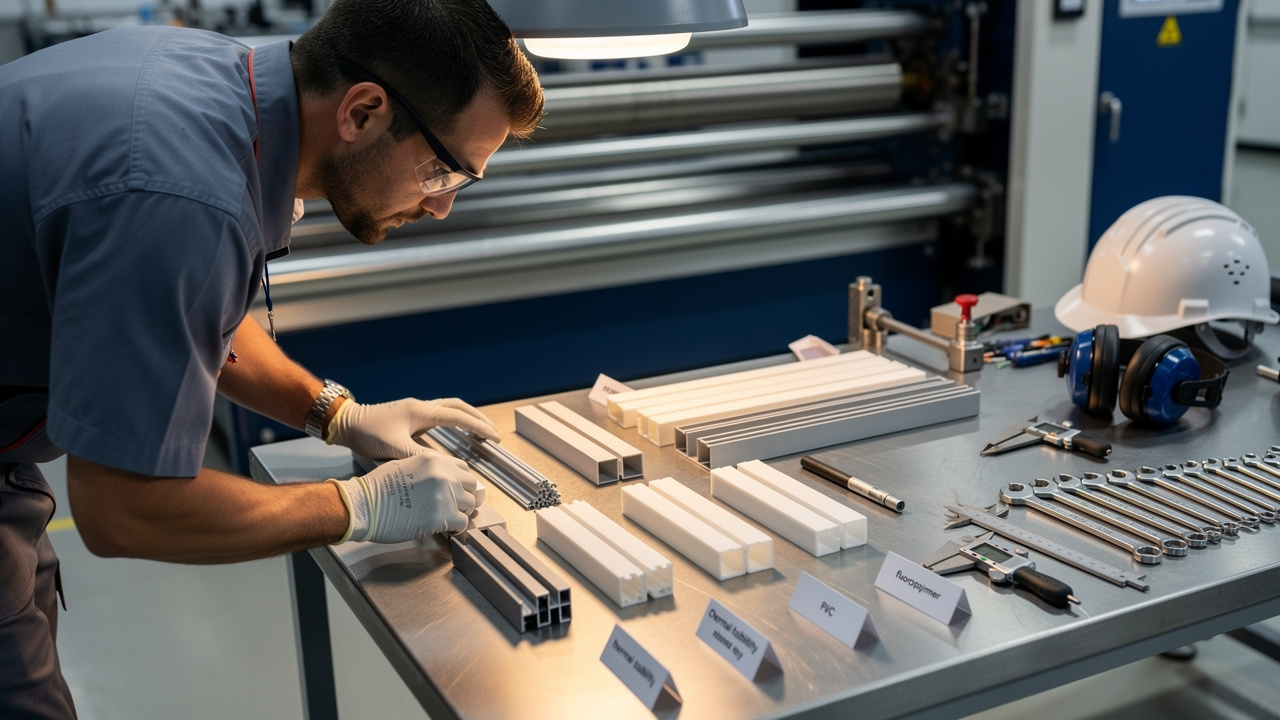
Understanding the properties of extrusion materials is not just beneficial; it's essential for achieving optimal performance in manufacturing. A comprehensive understanding of substance properties and specifications is crucial when sourcing extrusion components. Key factors to consider include:
- Thermal Stability: Can your material withstand the temperatures involved in the extrusion process without degrading? Recent advancements in thermal stability substances have shown significant enhancements, enabling improved performance under high-temperature conditions, which is essential for preserving product integrity.
- Chemical Resistance: Have you considered how chemical resistance impacts your product's longevity? Choosing substances that can withstand the chemicals encountered in their intended applications is vital. Common substances such as PVC, polyethylene, and polypropylene are recognized for their chemical resistance, making them suitable for diverse environments, including those subjected to lubricants and cleaning solutions.
- Mechanical Properties: Evaluating the strength, flexibility, and durability of substances is essential to meet the performance criteria of the final product. For instance, fluoropolymers are known for their exceptional durability and chemical resistance, making them ideal for demanding applications, such as those in semiconductor manufacturing.
- Tolerances and Dimensions: Clearly defining required tolerances and dimensions helps avoid issues during the manufacturing process. Understanding how substances react under stress and temperature variations is essential for maintaining quality and accuracy.
At Lincoln Plastics, we focus on producing custom flexible profiles. This capability enhances product appeal and optimizes functionality, making it a game-changer in various applications. By thoroughly assessing these properties, are you choosing the right substances for your extrusion components needs? The correlation between proper material selection and enhanced performance is well-documented in various applications, underscoring the importance of these considerations. Choosing the right materials can mean the difference between success and failure in your production line.

Evaluate Supplier Reliability and Quality Assurance
To ensure the highest quality in extrusion components, evaluating supplier reliability is non-negotiable. Consider the following steps:
- Supplier Certifications: Look for suppliers with industry certifications such as ISO 9001:2015, which indicate adherence to quality management standards. Our company proudly holds this certification, reflecting our commitment to excellence in manufacturing.
- Track Record: Investigate the provider's history concerning punctual delivery and product excellence. Request references or case studies from previous clients to gauge their reliability. The company Plastics has a proven track record of serving OEMs across various industries, ensuring timely and high-quality deliveries.
- Control Processes: Inquire about the provider's control measures, including raw material inspections, in-process checks, and final product testing. The company Plastics employs a robust quality management program, including dedicated quality books and critical in-process checks, to minimize defects and ensure compliance with specifications.
- Communication and Responsiveness: Assess how well the supplier communicates and responds to inquiries. Effective communication can prevent misunderstandings and ensure that specifications are met. We focus on clear communication and teamwork to meet your specific needs.
Additionally, the company provides extrusion components with co-extrusion capabilities for multi-color or multi-material profiles, enhancing customization options for OEMs. Situated in Nebraska, we offer logistical benefits that enable rapid order processing and effective shipping solutions.
Finding a dependable supplier can be a daunting task for manufacturers. By thoroughly assessing these factors, manufacturers can build strong partnerships with reliable providers like Lincoln Plastics. Don't leave your product quality to chance; partner with experts who prioritize excellence.

Leverage Technology and Innovation in Sourcing
In today's fast-paced manufacturing landscape, integrating technology into your sourcing process is not just beneficial - it's essential for maintaining competitive advantage. Here are some strategies to consider:
- Digital Tools: Leverage digital platforms for supplier management, enabling real-time tracking of orders, inventory levels, and quality metrics. This method allows producers to maintain oversight and authority over their supply chain, ensuring prompt deliveries and compliance with standards.
- Automation: Implement automated systems for standards control and resource handling. Automation minimizes human errors and enhances throughput, allowing manufacturers to focus on strategic tasks while ensuring consistent product quality.
- Data Analytics: Utilize data analytics to assess vendor performance and material quality. By analyzing historical data and trends, manufacturers can make informed decisions that enhance sourcing strategies and improve overall operational efficiency.
- Collaboration Tools: Employ collaborative software that facilitates seamless communication between suppliers and manufacturers. This ensures alignment on specifications and expectations, fostering stronger partnerships and reducing the risk of misunderstandings.
We get it - timely order fulfillment is crucial for your operations at Lincoln Plastics. Our established customers can typically expect their parts within 2 to 10 days, depending on order size. By working closely with our clients, we maximize machine run times per setup, ensuring that we meet their needs efficiently. Moreover, our ISO 9001:2015 certification highlights our dedication to management excellence, backed by committed plans and process check sheets.
By integrating these technologies, you can transform your sourcing process into a streamlined operation that meets your standards. Our strategic location in Lincoln, Nebraska, enhances our logistical capabilities, enabling efficient shipping options and timely deliveries. Embracing these innovations not only elevates your sourcing efficiency but also positions your business for sustained success in a demanding market.

Foster Communication and Collaboration with Suppliers
Effective communication and collaboration with vendors are not just beneficial; they are critical for the successful sourcing of extrusion components. Here are some best practices:
- Establish Clear Expectations: Clearly outline project requirements, timelines, and quality standards to prevent misunderstandings. Without clear expectations, misunderstandings can derail projects and lead to costly errors. This clarity helps both parties align their goals and reduces the risk of errors.
- Regular Check-Ins: Schedule consistent meetings or updates with vendors to discuss progress, address concerns, and make necessary adjustments. Regular touchpoints can enhance transparency and foster a proactive approach to problem-solving.
- Feedback Mechanisms: Create feedback loops where both sides can share insights and suggestions for improvement. This practice encourages a culture of continuous enhancement and responsiveness to changing needs.
- Build Trust: Develop strong relationships with vendors by being transparent and reliable. Trust can lead to better cooperation and more favorable terms, ultimately benefiting both parties.
- Utilize Technology: Leverage Supplier Relationship Management (SRM) software to streamline communication and enhance supplier relationships. These tools can provide real-time visibility into performance metrics, such as On-Time Delivery Performance and Quality Performance, which are crucial for maintaining high standards.
- Performance Dashboards: Incorporate performance dashboards to track key metrics like on-time delivery and defect rates. These dashboards enhance accountability and foster collaboration by providing both parties with clear insights into performance against agreed standards.
By prioritizing effective communication, manufacturers can significantly enhance their sourcing success and project outcomes. Ultimately, prioritizing these practices can transform your sourcing process, ensuring you meet and exceed operational demands.

Conclusion
Manufacturers often grapple with sourcing quality extrusion components, but understanding best practices can turn challenges into opportunities. By focusing on material properties and evaluating supplier reliability, businesses can significantly enhance their sourcing strategies. Leveraging technology and fostering effective communication are also crucial in this process.
Key insights emphasize the importance of selecting the right materials based on their properties, such as:
- Thermal stability
- Chemical resistance
- Mechanical strength
Evaluating suppliers through certifications like ISO 9001:2015 and robust quality management practices ensures that manufacturers receive reliable, high-quality components. Furthermore, integrating technology and innovation streamlines sourcing processes, allowing for better tracking and communication, essential for meeting operational demands.
This proactive approach not only enhances product quality but also strengthens supplier relationships. Manufacturers are encouraged to assess their sourcing strategies critically and consider partnering with experts like Lincoln Plastics, who are committed to excellence and customer satisfaction. By embracing these strategies, manufacturers can secure a competitive edge that ensures their long-term success.
Frequently Asked Questions
Why is understanding material properties important in manufacturing?
Understanding material properties is essential for achieving optimal performance in manufacturing, particularly when sourcing extrusion components. It ensures that the materials can withstand the conditions they will encounter during production and in their intended applications.
What key factors should be considered when evaluating extrusion materials?
Key factors include thermal stability, chemical resistance, mechanical properties, and tolerances and dimensions. Each of these factors plays a crucial role in ensuring the materials perform well under various conditions.
What is thermal stability, and why is it important?
Thermal stability refers to a material's ability to withstand the temperatures involved in the extrusion process without degrading. It is important because recent advancements have improved the performance of materials under high-temperature conditions, which is essential for preserving product integrity.
How does chemical resistance affect the longevity of a product?
Chemical resistance impacts a product's longevity by determining how well the material can withstand exposure to chemicals encountered in its intended applications. Materials like PVC, polyethylene, and polypropylene are known for their chemical resistance, making them suitable for diverse environments.
What are mechanical properties, and why are they significant?
Mechanical properties include the strength, flexibility, and durability of materials. They are significant because they help meet the performance criteria of the final product, ensuring it can withstand the demands of its application.
Why are tolerances and dimensions important in the manufacturing process?
Clearly defining required tolerances and dimensions helps avoid issues during manufacturing. Understanding how materials react under stress and temperature variations is essential for maintaining quality and accuracy in the final product.
How does Lincoln Plastics enhance product appeal and functionality?
Lincoln Plastics focuses on producing custom flexible profiles, which enhances product appeal and optimizes functionality across various applications. This capability allows for tailored solutions that meet specific customer needs.
What is the correlation between material selection and performance?
The correlation between proper material selection and enhanced performance is well-documented. Choosing the right materials can significantly impact the success or failure of a production line, making it crucial to assess material properties thoroughly.
List of Sources
- Understand Material Properties and Specifications
- What Materials Are Used In Extrusions: The Ultimate Comparison Guide For Your Business (https://transamshop.co.uk/blogs/news/extrusions-materials-comparison-guide)
- New 3D printing extrusion system redefines limits | ORNL (https://ornl.gov/news/new-3d-printing-extrusion-system-redefines-limits)
- Chemical Resistance in Plastic Extrusions: What to Know (https://inplexllc.com/blog/chemical-resistance-in-plastic-extrusions-what-you-need-to-know)
- Fluoropolymer Extrusion and Molding in Semiconductor Manufacturing (https://pexco.com/news-and-events/fluoropolymer-extrusion-and-molding-in-semiconductor-manufacturing)
- Evaluate Supplier Reliability and Quality Assurance
- 10 Benefits of ISO Certified Plastic Extrusion Services (https://lincoln-plastics.com/news-post/10-benefits-of-iso-certified-plastic-extrusion-services?dcc2137a_page=30)
- North American Extruders Remain Resilient Amid Challenging Market - Light Metal Age Magazine (https://lightmetalage.com/news/industry-news/extrusion/north-american-extruders-remain-resilient-amid-challenging-market)
- Aluminum Extrusion Market Set to Hit USD 202.23 Billion by 2035, Driven by Rising Demand for Lightweight and Sustainable Materials | Report by SNS Insider (https://globenewswire.com/news-release/2026/03/16/3256280/0/en/aluminum-extrusion-market-set-to-hit-usd-202-23-billion-by-2035-driven-by-rising-demand-for-lightweight-and-sustainable-materials-report-by-sns-insider.html)
- Extrusions Manufacturers and Companies in the USA – A Thomas Industry Overview (https://thomasnet.com/articles/top-suppliers/extrusions-manufacturers-companies)
- Leverage Technology and Innovation in Sourcing
- Manufacturing AI Outlook 2026: Readiness and Trends (https://redwood.com/press-releases/manufacturing-ai-and-automation-outlook-2026-98-of-manufacturers-exploring-ai-but-only-20-fully-prepared)
- 2026 Top Extrusion Machine Trends Every Manufacturer Should Know? (https://jurryextrusion.com/blog/2026-extrusion-machine-trends-manufacturers-should-know)
- 5 manufacturing trends to watch in 2026 (https://manufacturingdive.com/news/5-trends-watch-2026-tariffs-uncertainty-ai-workforce-chemical-investments/809109)
- Supply Chain Technology News | Supply Chain Dive (https://supplychaindive.com/topic/technology)
- Top Industrial Automation Trends in 2026 (https://linkedin.com/pulse/top-industrial-automation-trends-2026-sav1c)
- Foster Communication and Collaboration with Suppliers
- Master the Art of Supplier Communication (https://toolsgroup.com/blog/master-the-art-of-supplier-communication)
- How to Communicate with Suppliers: 5 Proven Strategies (https://leandna.com/resource/how-to-communicate-with-suppliers)
- Best Practices for Improving Supplier Quality and Performance - DMSCA (https://dmsca.us/news/best-practices-for-improving-supplier-quality-and-performance)
- Supplier Relationships: Tips for Success in Manufacturing (https://sustainment.com/post/strengthening-supplier-relationships-tips-and-tools-for-manufacturers)


