
Best Practices for Selecting the Right Plastic Material Name
Introduction
Choosing the right material in plastic extrusion is crucial; it can make or break a project. With a myriad of options available, including PVC, polyethylene, and polypropylene, understanding the unique properties and applications of each material is essential for manufacturers aiming to optimize performance and durability.
Manufacturers often struggle to balance material selection with compliance and performance needs. How can they navigate these complexities? This article delves into best practices for selecting plastic materials, highlighting the importance of quality assurance and strategic sourcing in achieving successful extrusion outcomes.
By mastering material selection, manufacturers can not only meet project demands but also enhance their competitive edge.
Understand Different Types of Plastics and Their Applications
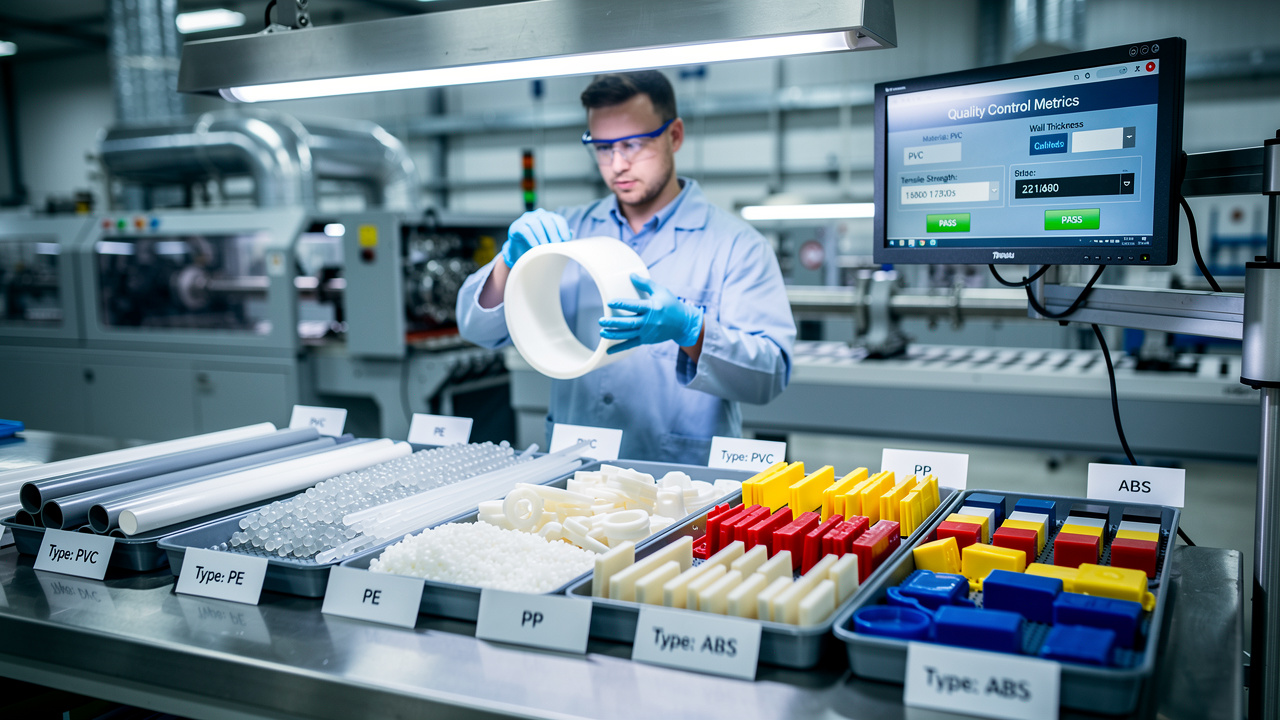
In the competitive landscape of plastic extrusion, the choice of material can make or break a project’s success. Selecting the appropriate type of plastic is paramount. Common materials include:
- Polyvinyl Chloride (PVC): Renowned for its durability and chemical resistance, PVC is extensively utilized in construction and agriculture. It accounts for nearly 22% of PVC pipe demand in agriculture, supporting irrigation systems that enhance water-use efficiency by 26%. Furthermore, PVC pressure pipes are specified in over 72% of new water supply projects due to their corrosion resistance and longevity, with a service life exceeding 50 years.
- Polyethylene (PE): Recognized for its flexibility and moisture resistance, PE is frequently utilized in packaging and irrigation systems, making it appropriate for various agricultural uses.
- Polypropylene (PP): This substance offers excellent strength and is commonly used in automotive components and industrial applications, providing reliable performance in demanding environments.
- Acrylonitrile Butadiene Styrene (ABS): Valued for its impact resistance, ABS is frequently used in consumer goods and electronic housings, ensuring durability in everyday products.
At Lincoln Plastics, we specialize in both standard and custom round plastic profiles, offering flexible manufacturing solutions tailored to meet specific project requirements. Our co-extrusion capabilities enable the integration of multiple colors or substances into a single profile, enhancing design versatility and addressing diverse customer needs.
Understanding these materials, particularly the plastic material name and their specific applications, helps producers make informed choices that align with their project goals and performance expectations. Our commitment to quality is reflected in our ISO 9001:2015 certified quality management program, where we implement tailored quality plans and in-process checks, working closely with OEMs to guarantee that every product not only meets but exceeds precision and quality standards. This dedication to excellence positions us as a trusted partner in your manufacturing journey.

Evaluate Material Properties for Optimal Selection
Selecting the right plastic material name for extrusion is not just important; it’s critical for ensuring product reliability and performance. When choosing a plastic material name for extrusion, assessing its characteristics is crucial to satisfy the particular requirements of the use. Key properties to consider include:
- Tensile Strength: This property indicates a material's ability to withstand pulling forces without breaking. Greater tensile strength is essential for uses that demand durability, especially in high-performance settings. In 2026, the demand for substances with superior tensile strength is anticipated to increase, particularly in industries such as automotive and aerospace, where performance is crucial.
- Flexibility: Flexibility is essential for uses that require bending or shaping without breaking. Materials that exhibit good flexibility, including the plastic material name, are often utilized in cable management and protective coverings, such as Lincoln Plastics' innovative Flexiduct solution, ensuring they can adapt to various configurations without compromising integrity.
- Chemical Resistance: This characteristic is essential for substances exposed to harsh chemicals or environmental conditions. For instance, the plastic material name PVC is often selected for its strong resistance to a wide variety of chemicals, making it suitable for industrial uses where exposure to corrosive materials is a concern.
- Thermal Stability: The capability of a substance to retain its properties at high temperatures is especially crucial in applications involving heat exposure. Materials with high thermal stability ensure that performance is not compromised under extreme conditions, which is increasingly relevant as industries push for higher efficiency and performance.
Manufacturers often struggle to find materials that meet both performance and durability standards. By carefully evaluating these properties, they can select materials that meet performance needs while enhancing the durability of their extruded products. We understand that expert guidance is crucial when selecting materials, ensuring that clients obtain customized solutions that match their specific requirements. Our ISO 9001:2015 certification and stringent management program, including dedicated plans and process check sheets, strengthen our commitment to providing high-standard products. Case studies have demonstrated that investing in resources with optimal tensile strength can result in substantial long-term savings and enhanced product performance. Ultimately, choosing the right plastic material name can mean the difference between success and costly setbacks in your production process.

Implement Effective Sourcing Strategies for Plastic Materials
To secure a reliable supply of high-grade resources for extrusion, manufacturers must implement strategic sourcing methods. Key strategies include:
- Supplier Evaluation: Evaluate potential suppliers based on their quality certifications and production capabilities. This evaluation is crucial for selecting partners. They must consistently meet product specifications to minimize supply chain disruptions. Effective supplier relationships can enhance traceability of resources and compliance, which are vital for maintaining quality standards.
- Building Relationships: Nurturing robust connections with suppliers can provide advantages such as improved pricing and priority service. A collaborative approach fosters trust and transparency, essential for navigating the complexities of the supply chain. How can engaging in open dialogue with suppliers enhance operational resilience and support proactive problem-solving?
- Diversification: What happens when a single supplier fails to deliver? Avoid dependence on a single supplier by diversifying sources. This strategy mitigates risks associated with supply chain disruptions and ensures competitive pricing. Engaging multiple suppliers can also enhance resilience against market fluctuations and geopolitical uncertainties, which have become increasingly relevant in today's procurement landscape.
- Regular Communication: Maintain open lines of communication with suppliers to stay informed about resource availability and pricing changes. How can effective communication help you solve problems and align your procurement strategies with market conditions? Clear forecasting and regular updates can help suppliers manage inventory effectively, reducing the risk of stockouts.
- Technical Support and Total Cost of Ownership: Consider the importance of technical support and subject matter expertise in optimizing applications. Understanding the total cost of ownership (TCO) approach, which includes lifecycle costs and sustainability value, is crucial for making informed procurement decisions. This perspective helps manufacturers evaluate the long-term implications of their sourcing choices.
By adopting these strategies, manufacturers not only safeguard their supply chains but also position themselves for future growth and innovation.

Ensure Quality Control and Compliance in Material Selection
In an industry where precision and compliance are paramount, Lincoln Plastics stands at the forefront of quality assurance in plastic material name extrusion. Quality control and compliance are critical in the plastic material name selection process. To uphold high standards, manufacturers should take the following steps:
- Establish Clear Specifications: Clearly define material specifications that align with product requirements, focusing on mechanical properties, chemical resistance, and adherence to regulatory standards.
- Conduct Regular Testing: Implement a rigorous testing regime for incoming supplies to ensure they meet established specifications. This should include evaluations of tensile strength, chemical resistance, and thermal stability.
- Document Compliance: Maintain comprehensive documentation of plastic material name certifications and test results to demonstrate compliance with industry standards and regulations. This transparency builds trust with clients and stakeholders.
- Continuous Improvement: Regularly review and update control processes to integrate new technologies and methodologies, ensuring ongoing compliance and excellence. Incorporating practices such as Failure Mode and Effects Analysis (FMEA) and Statistical Process Control (SPC) can further enhance the integrity of the item.
Our management program at Lincoln Plastics, certified to ISO 9001:2015, features dedicated manuals for each plastic material name. These include detailed drawings and essential in-process checks, ensuring thorough documentation throughout production. We collaborate closely with OEMs to ensure their items meet all standards, including special assessments for ‘fit and function’ using various types of check gauges made from plastic material name. By prioritizing quality, we not only ensure the reliability of our extruded products but also build trust with our customers, showing them we care about their needs. As regulations tighten, particularly regarding recycled materials, such as California's SB 54 which mandates that by 2032, all covered materials must be recyclable or compostable and achieve a 65% recycling rate for single-use plastic packaging, these practices will be crucial for maintaining competitive advantage and meeting market demands.

Conclusion
Choosing the right plastic material is not just a decision; it's a pivotal factor that can make or break your manufacturing success. The right material affects both the performance and durability of your final product. It also plays a crucial role in production efficiency and cost-effectiveness. Do you know how different types of plastics and their properties can impact your project goals? Understanding this is key to making informed decisions.
Throughout this article, we've shared key insights regarding the evaluation of material properties such as:
- Tensile strength
- Flexibility
- Chemical resistance
- Thermal stability
Additionally, effective sourcing strategies were highlighted, emphasizing the importance of:
- Supplier evaluation
- Relationship building
- Maintaining open communication
Quality control and compliance are vital components of the material selection process. Without expert guidance, manufacturers risk costly mistakes that could jeopardize their projects. But with the right support, you can enhance your operational resilience and ensure product reliability.
In conclusion, the significance of selecting the appropriate plastic material cannot be overstated. By collaborating with Lincoln Plastics, you position your projects for success, ensuring that every material choice propels you ahead of the competition. Are you ready to engage with Lincoln Plastics for tailored solutions that meet your specific project needs? This could be the key to driving your success in the competitive world of plastic extrusion.
Frequently Asked Questions
What are the common types of plastics used in extrusion?
The common types of plastics used in extrusion include Polyvinyl Chloride (PVC), Polyethylene (PE), Polypropylene (PP), and Acrylonitrile Butadiene Styrene (ABS.)
What are the applications of Polyvinyl Chloride (PVC)?
PVC is known for its durability and chemical resistance, making it widely used in construction and agriculture. It accounts for nearly 22% of PVC pipe demand in agriculture and is specified in over 72% of new water supply projects due to its corrosion resistance and longevity.
How is Polyethylene (PE) utilized?
Polyethylene (PE) is recognized for its flexibility and moisture resistance, making it suitable for packaging and irrigation systems, particularly in agricultural applications.
What are the characteristics of Polypropylene (PP)?
Polypropylene (PP) offers excellent strength and is commonly used in automotive components and industrial applications, providing reliable performance in demanding environments.
In what products is Acrylonitrile Butadiene Styrene (ABS) commonly found?
ABS is valued for its impact resistance and is frequently used in consumer goods and electronic housings, ensuring durability in everyday products.
What manufacturing capabilities does Lincoln Plastics offer?
Lincoln Plastics specializes in both standard and custom round plastic profiles, with co-extrusion capabilities that allow for the integration of multiple colors or substances into a single profile.
How does Lincoln Plastics ensure quality in its products?
Lincoln Plastics is committed to quality, reflected in its ISO 9001:2015 certified quality management program, which includes tailored quality plans and in-process checks to ensure products meet and exceed precision and quality standards.
Why is it important to understand different types of plastics and their applications?
Understanding different types of plastics and their specific applications helps producers make informed choices that align with their project goals and performance expectations.
List of Sources
- Understand Different Types of Plastics and Their Applications
- Polyvinyl Chloride Market Size, Share & Forecast 2026-2033 (https://datamintelligence.com/research-report/polyvinyl-chloride-pvc-market)
- Construction demand helps push PVC prices higher for May (https://plasticsnews.com/video-livestreams/material-insights/pn-construction-demand-pvc-prices-0601)
- PVC (https://spglobal.com/energy/en/news-research/special-reports/chemicals/chemical-trends-h1-2026/macroeconomic-woes/pvc)
- PVC Pipes Market Size, Share & Growth Report 2035 | MRFR (https://marketresearchfuture.com/reports/pvc-pipes-market-2618)
- PVC Pipes market Size, Share | Industry Statistics, 2034 (https://marketreportsworld.com/market-reports/pvc-pipes-market-14723003)
- Evaluate Material Properties for Optimal Selection
- United States Flexible Plastic Cable Protection Conduits Market Forecast 2026 - 2033: Components, Applications, and Regional Analysis with a CAGR of 1 (https://linkedin.com/pulse/united-states-flexible-plastic-cable-protection-conduits-jznbe)
- 6 Trends in plastics technology for 2026 and beyond | PEZY (https://pezy.com/en/6-trends-in-plastic-technology-for-2026-and-beyond)
- Carbon Fiber vs Forged Plastic Which Material Leads in 2026 - DASEN (https://thermalgraphite.com/carbon-fiber-vs-forged-plastic-which-material-leads-in-2026.html)
- Top 5 High Tensile Strength Plastics Explained (https://samaterials.com/blog/top-5-high-tensile-strength-plastics-explained.html)
- Plastic Manufacturing Outlook 2026: Growth, Risks, Talent (https://cornerstone-ms.com/outlook-for-plastic-manufacturing)
- Implement Effective Sourcing Strategies for Plastic Materials
- Why supply chain relationships matter more than ever in 2026 (https://immago.com/why-supply-chain-relationships-matter)
- How to Evaluate Engineering Plastic Raw Materials Distributors - Mitsui Plastics, Inc. (https://mitsuiplastics.com/industry-news/how-to-evaluate-engineering-plastic-raw-materials-distributors)
- 2026 Forecast for U.S. Plastics Procurement - Sterling Plastics (https://sterlingplasticsinc.com/insights/2026-forecast-for-plastics-procurement)
- Tips for Building a Smarter Resin Purchasing Strategy in 2026 (https://mholland.com/market-insights/tips-for-building-a-smarter-resin-purchasing-strategy-in-2026)
- 2026 Plastics Market in Crisis: Finding Stable Suppliers | PRM-TAIWAN posted on the topic | LinkedIn (https://linkedin.com/posts/prm-taiwan_supplychaincrisis-plasticindustry-b2bmarketing-activity-7445034452927528960-a6Sh)
- Ensure Quality Control and Compliance in Material Selection
- Navigating Recycled Plastics Regulations in 2026 (https://sustainabilityservices.eurofins.com/news/recycled-regulations-overview-2026-for-consumer-products)
- The Importance of Quality Control in Plastic Extrusion Manufacturing - Craftedplastics (https://craftedplastics.com/blog/the-importance-of-quality-control-in-plastic-extrusion-manufacturing)
- PPWR gains technical framework through new EN 18120 standards (https://pulpapernews.com/20260525/17836/ppwr-gains-technical-framework-through-new-en-18120-standards)
- Quality Control and Testing Procedures - Plastic Extrusion Technologies (https://plasticextrusiontech.net/quality-control-and-testing-procedures-in-plastic-extrusions)
- 4 Best Practices for Effective Process Control Quality in Extrusion (https://lincoln-plastics.com/news-post/4-best-practices-for-effective-process-control-quality-in-extrusion?dcc2137a_page=2)
Related posts

Discover key insights on profile extrusion plastic for OEM managers to enhance production efficiency.


Explore best practices for the extrusion of polymers to enhance quality and efficiency in manufacturing.
Discover the significance and applications of extruded polymers in modern manufacturing.
