
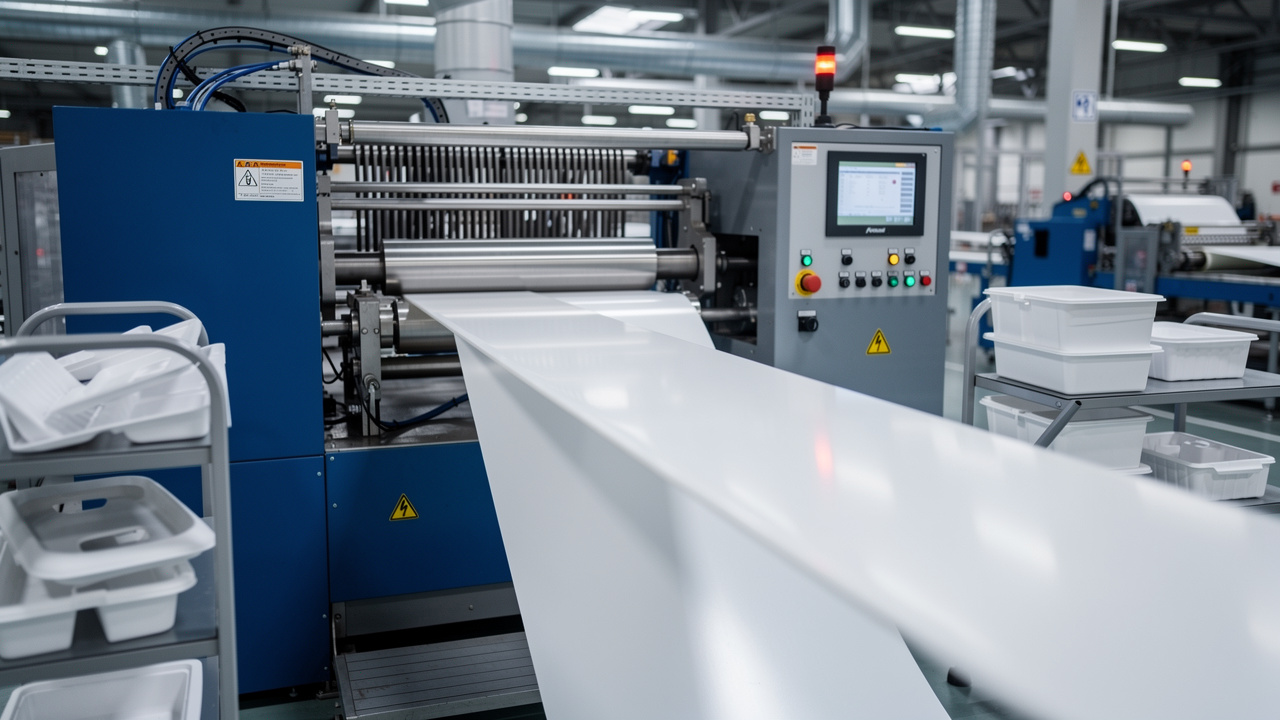
Best Practices for Selecting and Using Polypropylene Profiles
Introduction
In manufacturing, the right material choice can make or break product performance and market success. Polypropylene profiles are a standout option, offering a unique blend of lightweight durability, chemical resistance, and thermal stability that suits a wide range of industrial applications.
With so many choices, how can manufacturers be sure they’re picking the right one for their needs? Manufacturers often struggle to identify the best material for their applications. This article will explore how to effectively select and use polypropylene profiles, equipping you with the insights necessary to navigate this critical decision-making process.
Choosing the wrong material can lead to product failures and increased costs.
Understand Polypropylene Properties and Advantages
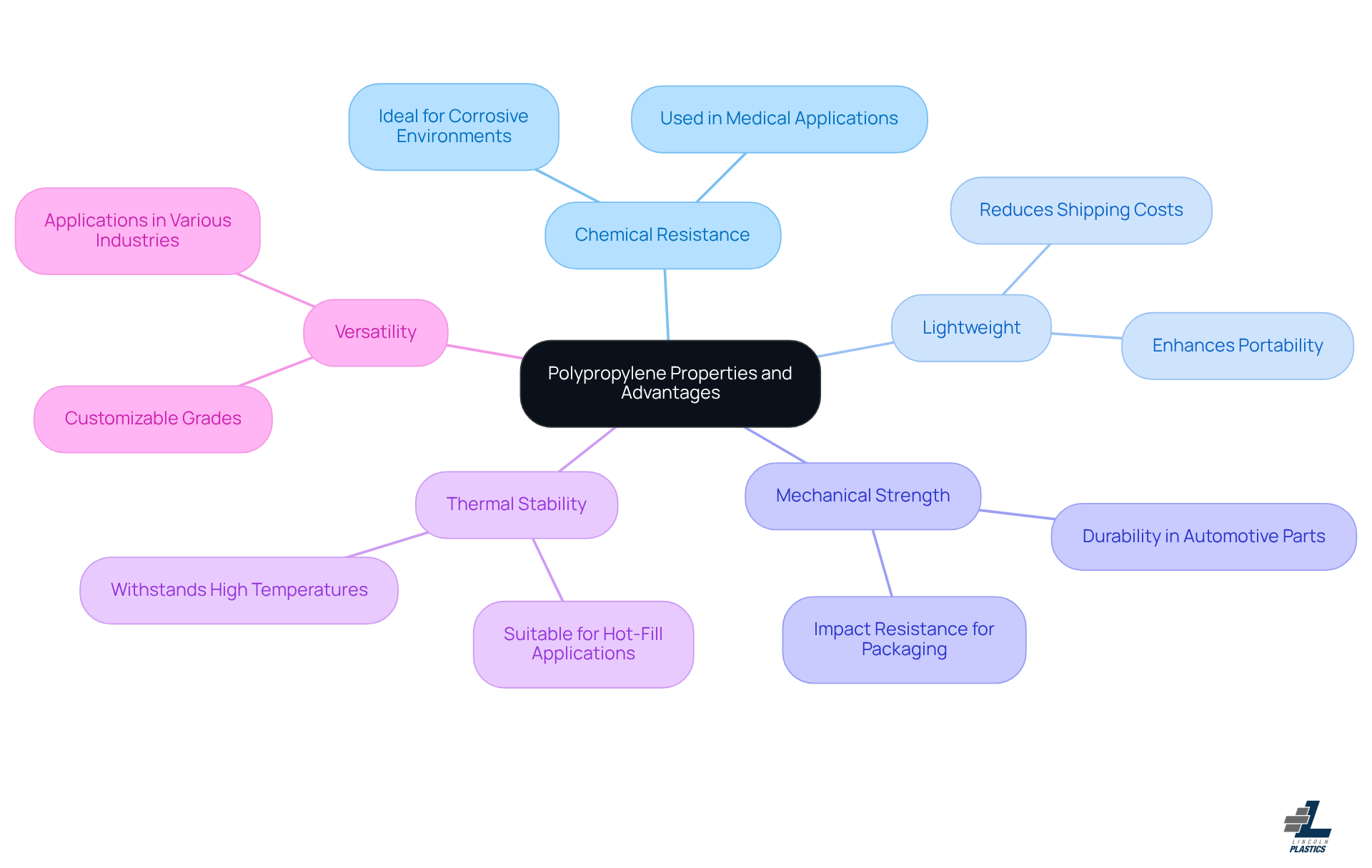
In a competitive landscape, choosing the right material can make or break your product's success. Polypropylene profiles are recognized as a thermoplastic polymer, celebrated for their exceptional balance of characteristics that cater to various industrial applications. Key characteristics include:
- Chemical Resistance: Polypropylene exhibits high resistance to a wide array of chemicals, making it ideal for applications involving corrosive substances, particularly in medical and industrial settings.
- Lightweight: Its low density significantly reduces shipping costs and facilitates ease of handling during manufacturing processes, contributing to overall operational efficiency.
- Mechanical Strength: PP offers commendable tensile strength and impact resistance, essential for durability in demanding environments, such as automotive components and packaging solutions.
- Thermal Stability: With a melting point around 160°C, this material can endure higher temperatures than many other plastics, making it perfect for hot-fill applications and environments where thermal stability is crucial.
- Versatility: Available in various grades, including homopolymers and copolymers, this material can be customized to meet specific performance requirements, such as flexibility or rigidity, catering to the unique needs of different industries.
We at Lincoln Plastics are committed to ensuring your plastic profiles meet the highest quality standards through our rigorous quality management program. This includes dedicated quality plans, critical in-process checks, and comprehensive documentation in our quality books, which detail specifications and ensure compliance with your requirements. We also utilize multiple types of check gauges to guarantee a proper end-use fit.
These properties position polypropylene profiles as an excellent choice for applications that range from packaging to automotive components, ensuring that manufacturers can effectively meet diverse operational needs. The plastic market is anticipated to expand considerably, with a compound annual growth rate (CAGR) of 5.57% from 2026 to 2035, and the market size is predicted to rise from USD 97.83 billion in 2026 to USD 149.07 billion in 2034. This reflects its increasing relevance in sectors such as automotive and packaging, where lightweight and durable materials are in high demand.
Recent advancements in production technologies for this plastic, such as the Spheripol process, further enhance its properties, ensuring manufacturers can achieve high-quality outputs tailored to specific applications. Furthermore, comprehending the manufacturing methods for this plastic, including injection molding, extrusion, and thermoforming, is essential for OEMs to guarantee compatibility with their specific requirements. Suppliers should also provide clear answers on grade specifications to address concerns regarding material reliability. Without the right material, your products may fall short of market expectations, impacting your bottom line.
Select the Right Polypropylene Profiles for Your Needs
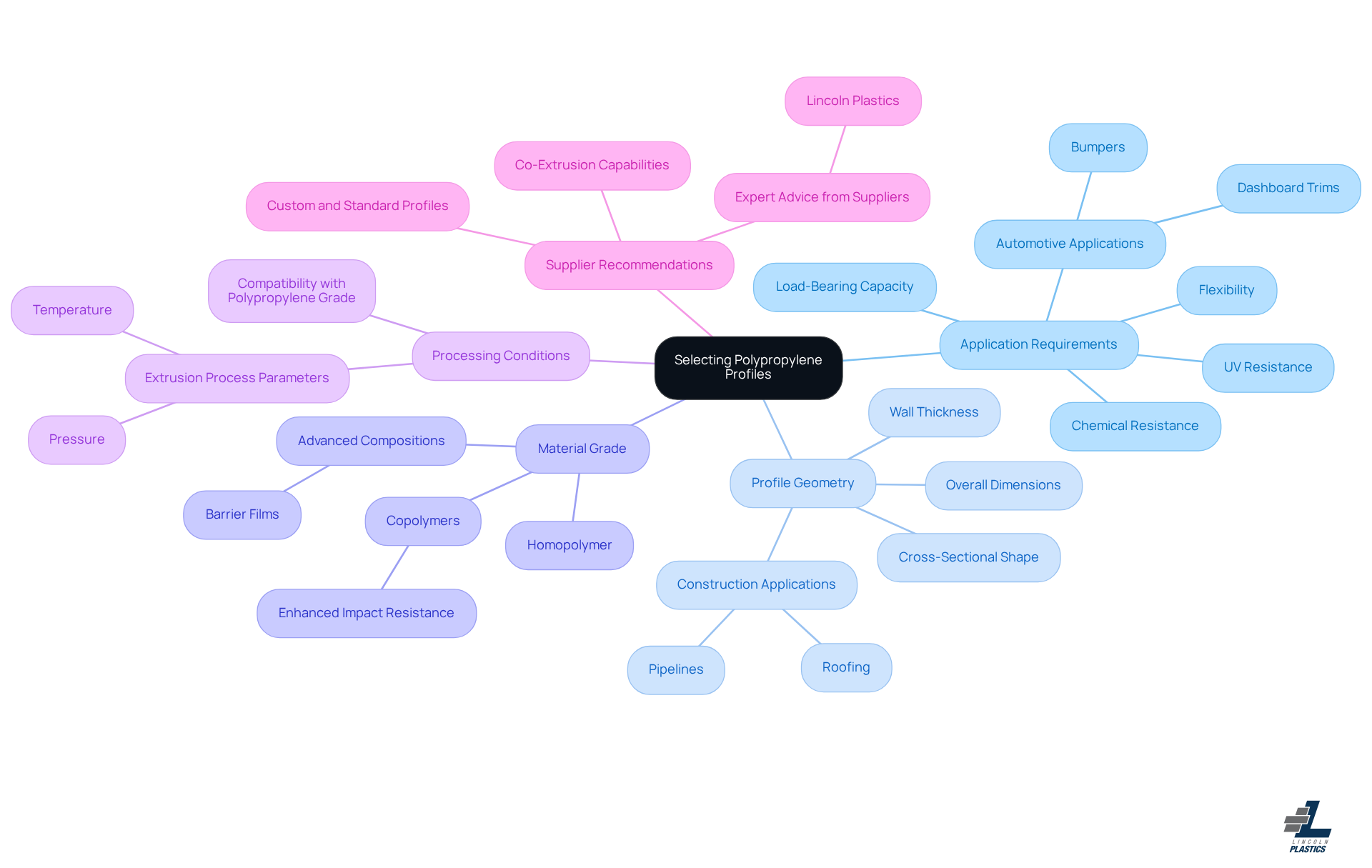
Choosing the right polypropylene profile can be daunting with so many factors to consider:
- Application Requirements: Identify the specific needs of your application, such as load-bearing capacity, flexibility, and resistance to chemicals or UV exposure. For instance, the automotive sector increasingly employs a type of plastic for components like bumpers and dashboard trims due to its lightweight and impact-resistant characteristics.
- Profile Geometry: The design of the profile significantly impacts its performance. Key considerations include wall thickness, cross-sectional shape, and overall dimensions to ensure structural integrity. In construction, for instance, the durability and chemical resistance of this material make it a favored option for pipelines and roofing uses.
- Material Grade: Different grades of this plastic, such as homopolymer and copolymer, exhibit varying properties. Copolymers often provide enhanced impact resistance, making them ideal for demanding applications. The increasing demand for advanced plastic compositions, such as those utilized in barrier films, emphasizes the significance of choosing the appropriate grade.
- Processing Conditions: Assess the extrusion process parameters, including temperature and pressure, to ensure compatibility with the chosen polypropylene grade. Proper processing can significantly affect the final product's performance and longevity.
- Supplier Recommendations: Talk to suppliers like Lincoln Plastics to get their expert advice on the best material choices based on similar applications. Lincoln Plastics provides custom and standard round plastic shapes, including co-extrusion capabilities for multi-color or multi-material designs, enhancing both functionality and aesthetics.
By carefully evaluating these factors and incorporating insights from Lincoln Plastics' quality management program, which includes dedicated quality plans and process check sheets, manufacturers can effectively choose polypropylene profiles that enhance performance and align with operational objectives. Make the right choice today to ensure your project’s success and longevity.
Explore Applications of Polypropylene Profiles in Manufacturing
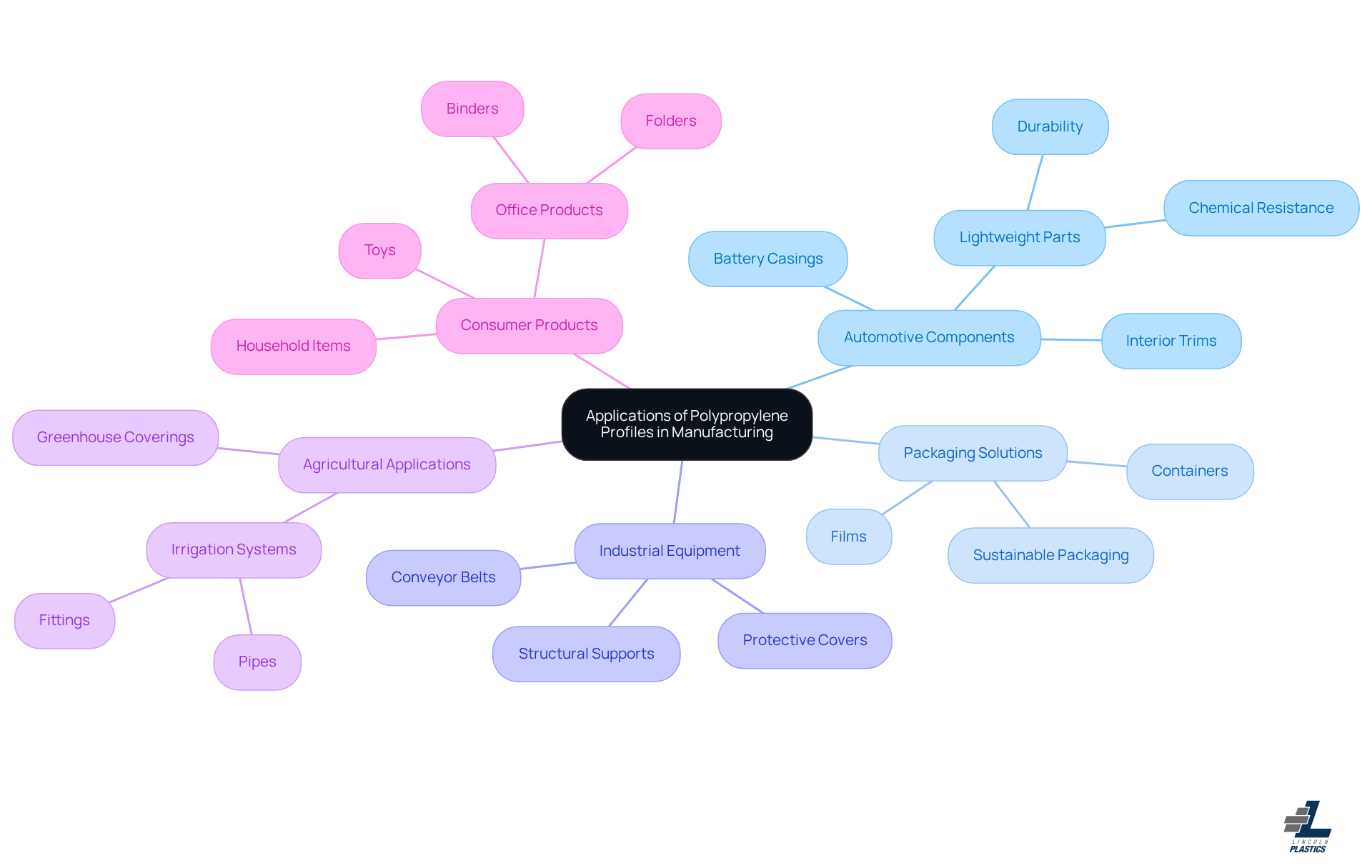
In the competitive landscape of manufacturing, the choice of materials can make or break a product's success, with polypropylene profiles emerging as a top contender. These polypropylene profiles are essential to various manufacturing sectors, recognized for their beneficial properties. Key applications include:
- Automotive Components: Polypropylene (PP) is extensively utilized for interior trims, battery casings, and lightweight parts that demand durability and chemical resistance. The automotive industry increasingly favors PP for its ability to reduce vehicle weight, enhancing efficiency and safety while maintaining performance standards.
- Packaging Solutions: The lightweight and moisture-resistant properties of this material make it ideal for packaging items, including containers and films. This sector represents a substantial share of plastic consumption, driven by the demand for sustainable and efficient packaging solutions.
- Industrial Equipment: In manufacturing environments, polypropylene profiles play essential roles in components like conveyor belts, protective covers, and structural supports. Their chemical resistance and durability enhance the longevity and reliability of industrial uses.
- Agricultural Applications: Polypropylene is widely used in irrigation systems, including pipes and fittings, due to its resistance to environmental stressors and chemicals. This program is vital for ensuring efficient water management in agricultural practices.
- Consumer Products: From household items to toys, plastic materials are preferred for their safety, versatility, and cost-effectiveness. Their adaptability allows manufacturers to meet diverse consumer needs while maintaining high production standards.
These applications highlight the adaptability of plastic shapes, making them a favored option for producers looking for dependable and effective solutions across multiple sectors. As the market evolves, advancements in plastic technology continue to enhance its applications, particularly in automotive design and sustainability initiatives. As industries strive for innovation and sustainability, embracing the versatility of polypropylene is not just an option; it's a necessity for future success.
Implement Best Practices for Using Polypropylene Profiles
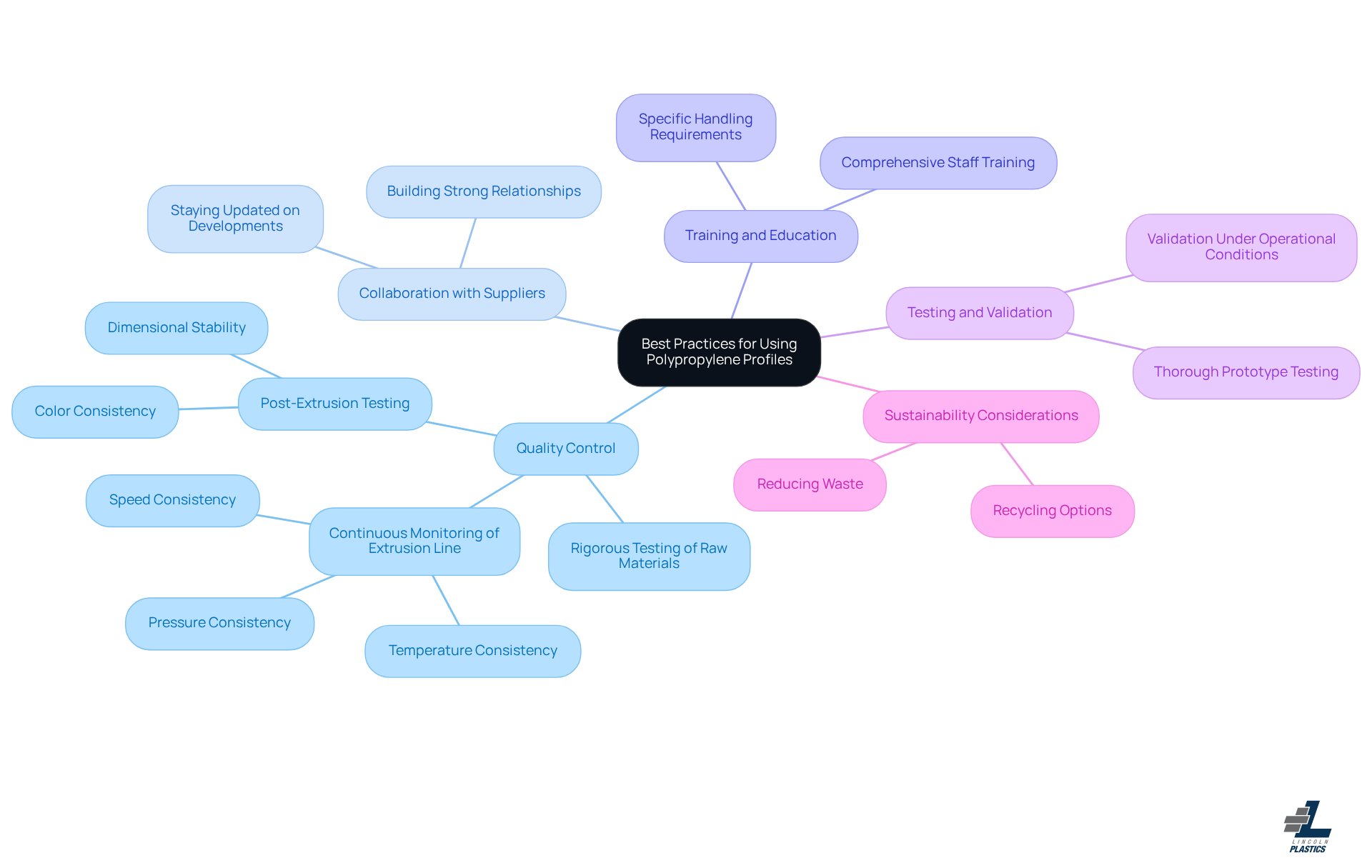
To excel in manufacturing, implementing best practices with polypropylene profiles is non-negotiable. Here are some essential strategies:
- Quality Control: It's essential to implement rigorous quality control measures throughout the extrusion process. This includes systematic testing of raw materials for purity and integrity, along with continuous monitoring of the extrusion line for temperature, pressure, and speed consistency. Such practices ensure that material properties and dimensions remain consistent, which is crucial for high-quality outputs.
- Collaboration with Suppliers: Building strong relationships with your suppliers is key to staying updated on the latest developments in plastic grades and processing methods. This proactive approach not only enhances product quality but also fosters innovation in manufacturing processes.
- Training and Education: Providing comprehensive training for staff on the specific handling and processing requirements of polypropylene reduces mistakes and boosts productivity. Ensuring that team members are well-prepared to handle the intricacies of plastic extrusion is vital.
- Testing and Validation: Conducting thorough testing of prototypes to validate performance under expected operational conditions before full-scale production is essential. This step helps identify potential issues early and ensures that the final products meet the required specifications.
- Sustainability Considerations: Exploring options for recycling and reusing plastic materials can significantly reduce waste and enhance sustainability in manufacturing practices. Implementing sustainable practices not only benefits the environment but can also improve operational efficiency and reduce costs.
By adhering to these best practices, manufacturers can optimize their production processes, ensuring high-quality outputs with polypropylene profiles. Embracing these practices can transform your production capabilities and set your products apart in a competitive market.
Conclusion
Maximizing the potential of polypropylene profiles is essential for success in manufacturing. The insights shared throughout this article highlight the unique properties of polypropylene, including its chemical resistance, lightweight nature, and mechanical strength. These characteristics not only enhance product performance but also contribute to operational efficiency, making polypropylene a preferred choice across multiple industries.
When selecting the right polypropylene profiles, consider these key factors:
- Application requirements
- Profile geometry
- Material grade
- Processing conditions
- Supplier recommendations
When you tap into the expertise of suppliers like Lincoln Plastics, you can choose the most suitable profiles tailored to your specific needs. Additionally, implementing best practices in quality control, collaboration, training, testing, and sustainability can significantly enhance production outcomes and product reliability.
As industries evolve, the versatility and adaptability of polypropylene profiles will drive innovation and sustainability. Embracing these best practices and partnering with experts at Lincoln Plastics can empower manufacturers to optimize their processes and deliver high-quality products that meet market demands. Taking action now can set your manufacturing processes apart in a competitive landscape.
Frequently Asked Questions
What is polypropylene and what are its key properties?
Polypropylene is a thermoplastic polymer known for its exceptional balance of characteristics, including high chemical resistance, lightweight nature, commendable mechanical strength, thermal stability, and versatility. These properties make it suitable for various industrial applications.
Why is chemical resistance important for polypropylene?
Chemical resistance is crucial because polypropylene can withstand exposure to a wide array of chemicals, making it ideal for applications involving corrosive substances, particularly in medical and industrial settings.
How does the lightweight nature of polypropylene benefit manufacturers?
The low density of polypropylene significantly reduces shipping costs and facilitates ease of handling during manufacturing processes, contributing to overall operational efficiency.
What applications benefit from the mechanical strength of polypropylene?
The commendable tensile strength and impact resistance of polypropylene make it essential for durability in demanding environments, such as automotive components and packaging solutions.
What is the thermal stability of polypropylene?
Polypropylene has a melting point around 160°C, allowing it to endure higher temperatures than many other plastics, making it suitable for hot-fill applications and environments where thermal stability is crucial.
How versatile is polypropylene in terms of customization?
Polypropylene is available in various grades, including homopolymers and copolymers, which can be customized to meet specific performance requirements, such as flexibility or rigidity, catering to the unique needs of different industries.
What quality management practices does Lincoln Plastics implement for polypropylene profiles?
Lincoln Plastics ensures high-quality standards through a rigorous quality management program that includes dedicated quality plans, critical in-process checks, and comprehensive documentation in quality books to ensure compliance with specifications.
What advancements in production technologies enhance polypropylene properties?
Recent advancements, such as the Spheripol process, enhance the properties of polypropylene, allowing manufacturers to achieve high-quality outputs tailored to specific applications.
Why is understanding manufacturing methods important for OEMs?
Comprehending manufacturing methods like injection molding, extrusion, and thermoforming is essential for OEMs to guarantee compatibility with their specific requirements and ensure material reliability.
What is the projected growth of the plastic market related to polypropylene?
The plastic market is anticipated to expand with a compound annual growth rate (CAGR) of 5.57% from 2026 to 2035, with the market size predicted to rise from USD 97.83 billion in 2026 to USD 149.07 billion in 2034, reflecting the increasing demand for lightweight and durable materials in sectors like automotive and packaging.
List of Sources
- Understand Polypropylene Properties and Advantages
- Polypropylene Market Size, Share & Industry Growth 2035 (https://snsinsider.com/reports/polypropylene-market-5646)
- What Are The Latest Innovations In Polypropylene Manufacturing Technology? | CNC Precision Machining Service (https://worthyhardware.com/news/polypropylene-manufacturing-technology)
- Top 5 Premium Polypropylene (PP) Suppliers in 2026 (https://cbrhkglobal.com/top-5-premium-polypropylene-pp-suppliers-in-2026)
- 5 Best Practices for Using Polypropylene (PP) Plastic in Manufacturing (https://lincoln-plastics.com/news-post/5-best-practices-for-using-polypropylene-pp-plastic-in-manufacturing)
- Select the Right Polypropylene Profiles for Your Needs
- 5 Best Practices for Using Polypropylene (PP) Plastic in Manufacturing (https://lincoln-plastics.com/news-post/5-best-practices-for-using-polypropylene-pp-plastic-in-manufacturing)
- Polypropylene Industry Trends and Competition Analysis, 2025-2033 - Rising Demand in Construction Sector Strengthens Polypropylene Usage (https://globenewswire.com/news-release/2026/01/05/3212973/28124/en/polypropylene-industry-trends-and-competition-analysis-2025-2033-rising-demand-in-construction-sector-strengthens-polypropylene-usage.html)
- Polypropylene Profiles Extrusion for Industrial Applications (https://spiratex.com/products_category/polypropylene)
- Explore Applications of Polypropylene Profiles in Manufacturing
- Exploring the Benefits of Polypropylene Plastics in the Auto Industry (https://maycointernational.com/exploring-the-benefits-of-polypropylene-plastics-in-the-auto-industry)
- Trends & Strategies Shaping the $219 Billion Polypropylene Industry, 2025-2035 - Packaging End-Use Leads; Automotive Gains Momentum in Polypropylene Use (https://globenewswire.com/news-release/2025/12/08/3201326/28124/en/trends-strategies-shaping-the-219-billion-polypropylene-industry-2025-2035-packaging-end-use-leads-automotive-gains-momentum-in-polypropylene-use.html)
- Top 5 Premium Polypropylene (PP) Suppliers in 2026 (https://cbrhkglobal.com/top-5-premium-polypropylene-pp-suppliers-in-2026)
- Polypropylene Market Set for Steady Expansion as Circular Economy Initiatives and Packaging Demand Reshape Global Resin Industry | FMI (https://finance.yahoo.com/markets/commodities/articles/polypropylene-market-set-steady-expansion-083600221.html)
- Top Polypropylene Sheet Manufacturers: Market Leaders and Industry Trends in 2026 (https://democratandchronicle.com/press-release/story/151456/top-polypropylene-sheet-manufacturers-market-leaders-and-industry-trends-in-2026)
- Implement Best Practices for Using Polypropylene Profiles
- 5 Best Practices for Using Polypropylene (PP) Plastic in Manufacturing (https://lincoln-plastics.com/news-post/5-best-practices-for-using-polypropylene-pp-plastic-in-manufacturing)
- Quality Control in Plastic Extrusion for Consistent Results | Rocal (https://rocalextrusions.co.uk/news/quality-control-in-plastic-extrusion-to-ensure-consistent-results)
- The Importance of Quality Control in Plastic Extrusion Manufacturing - Craftedplastics (https://craftedplastics.com/blog/the-importance-of-quality-control-in-plastic-extrusion-manufacturing)
- Quality Control and Testing Procedures - Plastic Extrusion Technologies (https://plasticextrusiontech.net/quality-control-and-testing-procedures-in-plastic-extrusions)
Related posts

Designing Custom Extrusions: How We Work with OEM Engineers
Lincoln Plastics partners with OEM engineers to design custom extrusion profiles — reducing modifications, improving performance, and lowering costs


Precision Matters: Tolerances and Quality Control in Extrusion
Lincoln Plastics ensures precision in every extrusion with tight tolerances, in-line checks, and strict quality control for OEM applications
Plastic Extrusion for Agricultural Equipment: Beyond Irrigation
Lincoln Plastics supports agriculture with custom plastic extrusions that go beyond irrigation, delivering durability and reliability in the field
