
Best Practices for Plastic Tubing Extrusion: Insights for OEM Managers
Introduction
Navigating the complexities of plastic tubing extrusion is essential for OEM managers aiming to boost production efficiency and product quality. We’ll explore best practices that streamline the extrusion process, highlight critical material selection, and enforce rigorous quality control measures.
With numerous variables influencing production, how can OEM managers confidently navigate these complexities? By mastering these strategies, OEM leaders can confidently tackle the challenges of plastic tubing extrusion and elevate their operations to new heights.
Understand the Plastic Tubing Extrusion Process
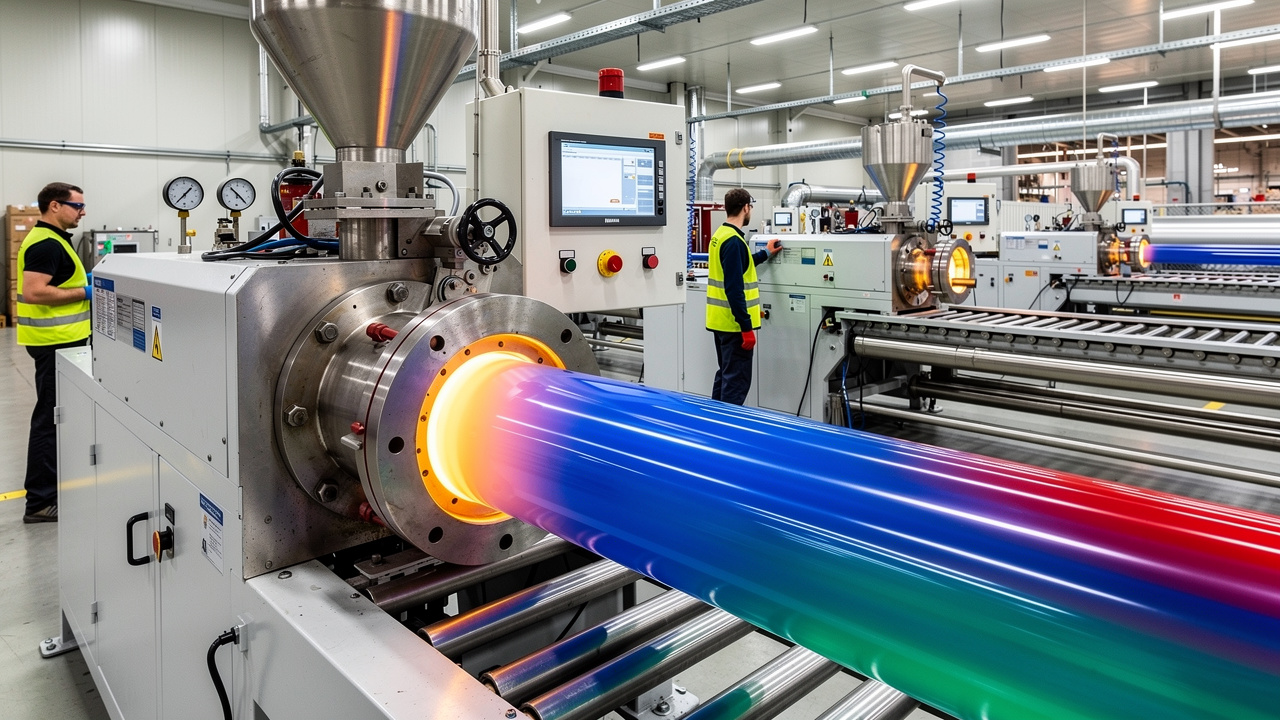
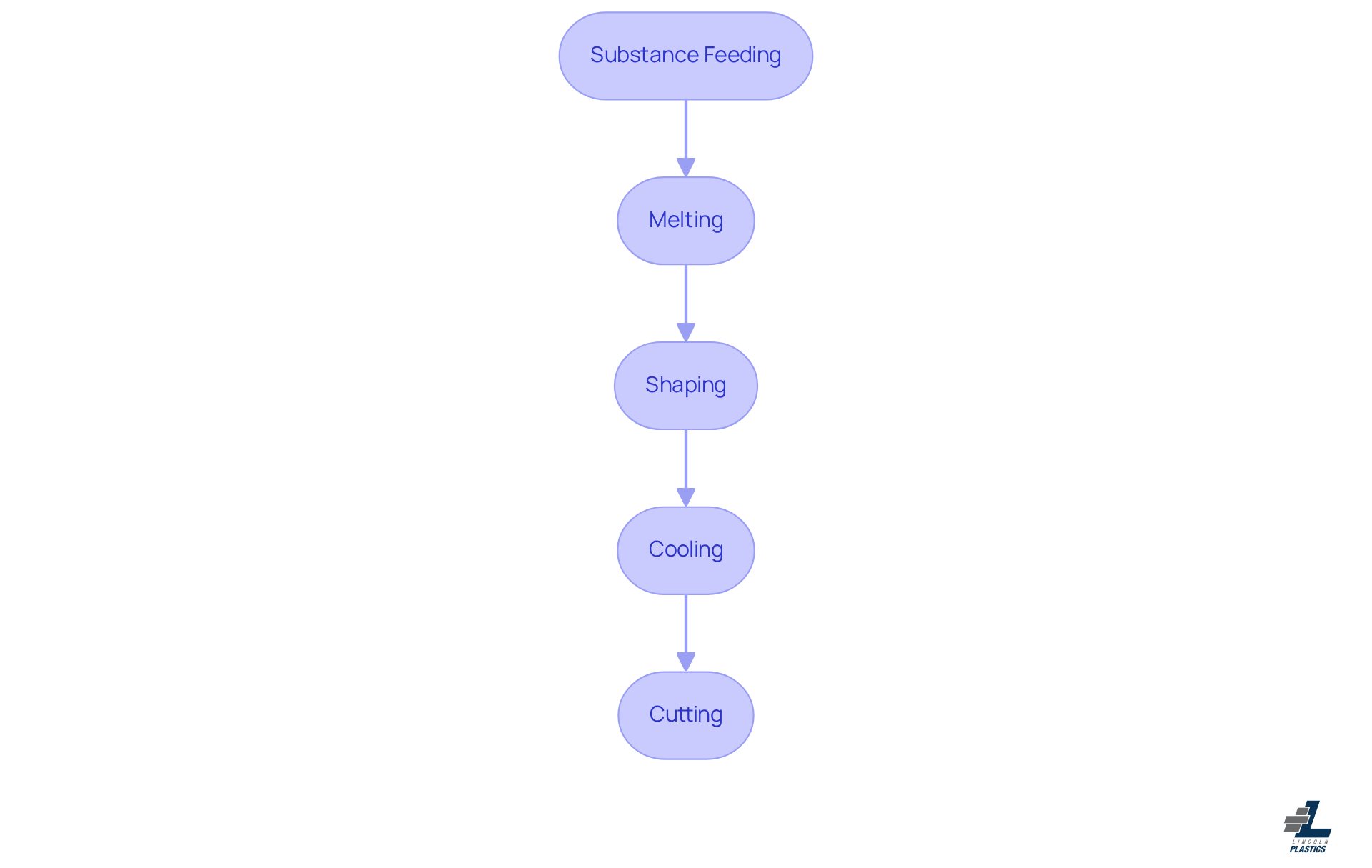
Understanding the intricacies of plastic tubing extrusion is vital for OEM managers aiming to optimize production efficiency and product quality. The procedure involves several essential stages:
- Substance feeding
- Melting
- Shaping
- Cooling
- Cutting
Initially, raw plastic substances, usually in pellet form, are introduced into an extruder. The extruder heats the substance until it becomes molten, enabling it to be forced through a die that shapes it into the desired profile. Cooling systems are then employed to solidify the extruded material, followed by cutting the tubing to specified lengths.
How can OEM managers enhance production efficiency and ensure high standards? By mastering the stages involved in the plastic tubing extrusion process. For instance, maintaining consistent temperature and pressure during the melting phase is essential to prevent flaws in the final item. Recent advancements in shaping technology, such as energy-efficient machines and innovative screw designs, further enhance process efficiency and product quality. Staying updated on technological advancements is not just beneficial; it’s essential for maintaining a competitive edge in the industry.
Select Appropriate Materials for Optimal Performance
Selecting the right materials for plastic tubing extrusion is critical for ensuring optimal performance in your applications. When it comes to substances, consider:
- PVC for its rigidity and cost-effectiveness
- Polyethylene for its flexibility and chemical resistance
- Polypropylene for its strength and lightweight characteristics
OEM managers must evaluate factors such as:
- Temperature tolerance
- UV resistance
- Compliance with industry standards
Choosing the right material can be daunting, especially with so many options available. For instance, in agricultural uses, UV-resistant substances are essential to endure outdoor conditions. Failing to consider these elements can lead to subpar performance and increased costs.
Collaborating with resin suppliers provides essential insights to help you choose the best options for your specific applications, ensuring top-notch performance. At Lincoln Plastics, we manufacture a variety of sizes and colors for custom flexible profiles and offer co-extrusion solutions, allowing for multi-color or multi-material profiles tailored to your needs. Our team is committed to assisting you in enhancing your design and choosing the appropriate components. By partnering with Lincoln Plastics, you’re not just choosing a supplier; you’re choosing a partner committed to your success.

Incorporate Advanced Auxiliary Equipment for Efficiency
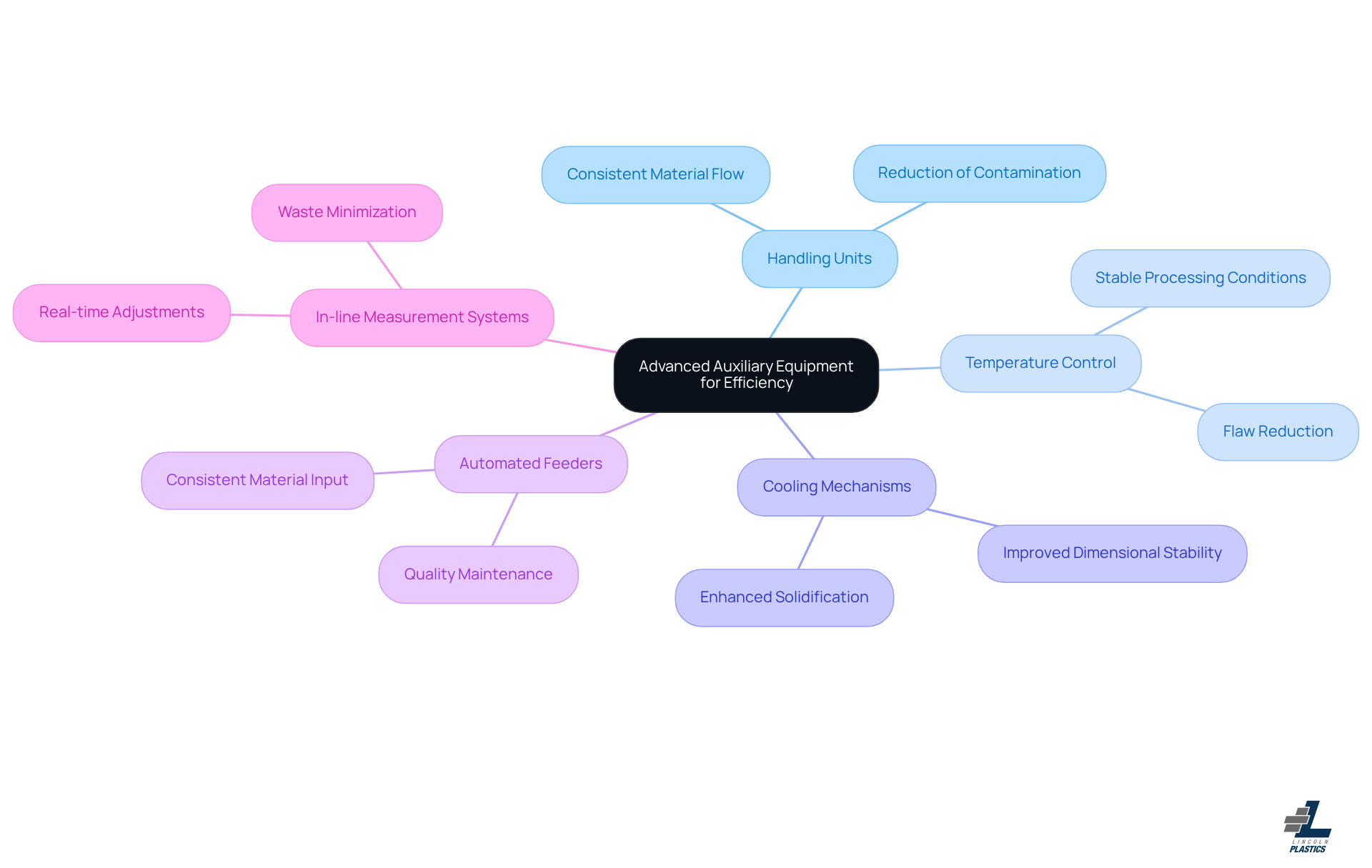
To excel in the field of plastic tubing extrusion, OEM managers must embrace advanced auxiliary equipment. Prioritizing systems like handling units, temperature control, and cooling mechanisms is essential. Automated feeders ensure a consistent flow of materials. This consistency is crucial for maintaining production quality. Temperature control units effectively manage processing conditions, significantly reducing the chances of flaws in the final product. Additionally, cooling systems that utilize water or air enhance the solidification process, leading to improved dimensional stability of the extruded items.
The integration of in-line measurement systems allows for real-time adjustments to extruder output, minimizing waste. Did you know that six pounds of damaged material per day translates to one ton of wasted material per year? This waste can erode profitability and diminish your competitive edge. Lincoln Plastics also highlights its custom cord management solutions, which not only reduce trip hazards but also enhance workplace safety.
As the market evolves, utilizing such supplementary equipment, along with customized profiles designed to meet specific OEM needs, will be essential for manufacturers striving to remain competitive and satisfy the increasing demand for high-quality plastic tubing extrusion products. Lincoln Plastics' stringent assurance measures, including dedicated plans and in-process checks, guarantee that all items meet the highest standards of precision and compliance. In a landscape where quality is paramount, investing in these solutions is not just beneficial; it's essential for survival.
Implement Rigorous Quality Control Measures
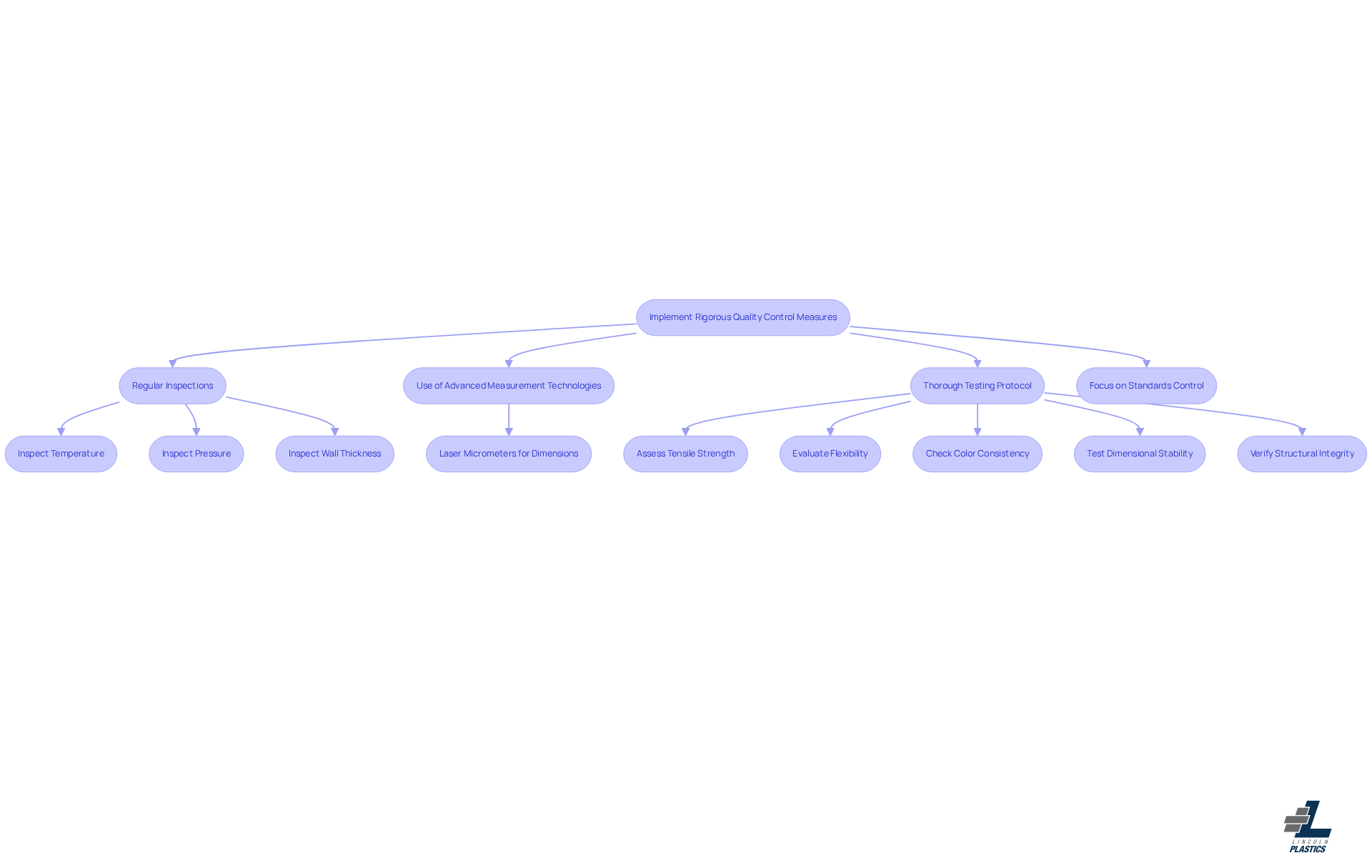
To achieve unparalleled excellence in plastic tubing extrusion, OEM managers must enforce rigorous control measures throughout the manufacturing process. This means regularly inspecting key parameters like temperature, pressure, and wall thickness. Advanced measurement technologies, such as laser micrometers, provide real-time feedback on product dimensions, allowing for immediate adjustments to the extrusion process. Furthermore, a thorough testing protocol for finished products - assessing tensile strength, flexibility, color consistency, dimensional stability, and structural integrity - ensures that the tubing meets specified performance standards. Focusing on standards control helps manufacturers cut waste, reduce rework, and boost customer satisfaction.
Lincoln Plastics exemplifies these best practices through its robust management program, which includes dedicated plans and process check sheets. The company’s ISO 9001:2015 certification underscores its commitment to maintaining high standards in plastic tubing extrusion. Case studies illustrate the effectiveness of these practices. For instance, one study highlighted how strict quality assurance in PVC pipe production led to consistent standards and improved customer satisfaction, ultimately fostering lasting relationships. Another case emphasized the importance of ongoing enhancement in quality control procedures, showing how regular audits and employee input can elevate quality.
Implementing these best practices not only streamlines operations but also ensures manufacturers can adapt to market demands, keeping their products competitive and reliable. For tailored solutions and expert guidance, OEM managers are encouraged to contact Lincoln Plastics to explore how the company can support their specific needs.
Conclusion
In the fast-paced world of manufacturing, mastering plastic tubing extrusion is not just beneficial - it's essential for OEM managers aiming to elevate their production capabilities. Understanding the extrusion process is crucial. By selecting the right materials, using advanced auxiliary equipment, and enforcing strict quality control, manufacturers can enhance their operations and better meet customer demands.
Each step in the extrusion process is vital. From choosing materials like PVC, polyethylene, and polypropylene to integrating advanced technologies, every decision impacts production efficiency. The emphasis on quality control, supported by Lincoln Plastics' ISO 9001:2015 certification and dedicated management programs, ensures that products not only meet but exceed industry standards. By adopting these best practices, OEM managers can foster a culture of excellence that drives customer satisfaction and loyalty.
In today's competitive market, prioritizing quality and efficiency is not just smart - it's essential for survival. OEM managers are encouraged to leverage the expertise of Lincoln Plastics, a partner dedicated to providing tailored solutions that enhance product performance and operational success. By reaching out to Lincoln Plastics, businesses can explore innovative strategies and gain insights that will propel their plastic tubing extrusion processes to new heights.
Frequently Asked Questions
What is the plastic tubing extrusion process?
The plastic tubing extrusion process involves several essential stages: substance feeding, melting, shaping, cooling, and cutting. Raw plastic substances in pellet form are fed into an extruder, where they are heated until molten, shaped through a die, cooled to solidify, and then cut to specified lengths.
Why is understanding the plastic tubing extrusion process important for OEM managers?
Understanding the plastic tubing extrusion process is vital for OEM managers as it helps optimize production efficiency and product quality. Mastery of the stages involved allows for better control over the manufacturing process.
What are the key stages in the plastic tubing extrusion process?
The key stages in the plastic tubing extrusion process are: 1. Substance feeding 2. Melting 3. Shaping 4. Cooling 5. Cutting
How can OEM managers enhance production efficiency in the extrusion process?
OEM managers can enhance production efficiency by maintaining consistent temperature and pressure during the melting phase to prevent flaws in the final product. Additionally, staying updated on technological advancements, such as energy-efficient machines and innovative screw designs, can further improve efficiency and product quality.
What recent advancements can improve the plastic tubing extrusion process?
Recent advancements that can improve the plastic tubing extrusion process include energy-efficient machines and innovative screw designs, which enhance process efficiency and product quality.
Why is it essential for OEM managers to stay updated on technological advancements in extrusion?
Staying updated on technological advancements is essential for OEM managers to maintain a competitive edge in the industry, ensuring that they can optimize production processes and uphold high standards of product quality.
List of Sources
- Understand the Plastic Tubing Extrusion Process
- 5 Best Practices for Optimizing Your Plastic Extrusion Profile (https://lincoln-plastics.com/news-post/5-best-practices-for-optimizing-your-plastic-extrusion-profile)
- Plastics Extrusion | Plastics Technology (https://ptonline.com/topics/extrusion)
- Shaping the Future: Innovations in Plastic Extrusion Techniques - SeaGate Plastics Company (https://seagateplastics.com/shaping-the-future-innovations-in-plastic-extrusion-techniques)
- Select Appropriate Materials for Optimal Performance
- Why Plastic Tubing Industries Are Essential for Modern Manufacturing (https://lincoln-plastics.com/news-post/why-plastic-tubing-industries-are-essential-for-modern-manufacturing)
- Key Factors in Plastic Tubing Design and Selection (https://paulmurphyplastics.com/industry-news-blog/key-factors-in-plastic-tubing-design-and-selection)
- 2023 Custom Plastic Extrusion Industry Trends (https://inplexllc.com/blog/2023-plastic-extrusion-trends)
- Plastic Tubing, Extrusions, and Profiles for Agriculture- Inline Plastics, Inc. (https://inlineplasticsinc.com/industries/agriculture)
- Incorporate Advanced Auxiliary Equipment for Efficiency
- Plastic Processing Auxiliary Equipment Market Report, 2030 (https://grandviewresearch.com/industry-analysis/plastic-processing-auxiliary-equipment-market-report)
- Extrusion Processing: The Basic Guide to Using Auxiliary Equipment - Conair (https://conairgroup.com/resources/resource/extrusion-processing-basic-guide-to-auxiliary-equipment)
- Machinery, auxiliary equipment firms to show their latest breakthroughs at K (https://plasticsnews.com/news/machinery-auxiliary-equipment-firms-show-their-latest-breakthroughs-k)
- Interplas Insights | Latest Plastics Extrusion Machinery News (https://interplasinsights.com/plastics-machinery/plastics-extrusion-machinery-news)
- Implement Rigorous Quality Control Measures
- Quality Control in Plastic Manufacturing: How to Improve Your QC Process for Optimum Results (https://pti.tech/2024/01/18/quality-control-in-plastic-manufacturing-how-to-improve-your-qc-process-for-optimum-results)
- The Importance of Quality Control in Plastic Production - Miller Plastic Products (https://millerplastics.com/the-importance-of-quality-control-in-plastic-production)
- Shaping the Future: Innovations in Plastic Extrusion Techniques - SeaGate Plastics Company (https://seagateplastics.com/shaping-the-future-innovations-in-plastic-extrusion-techniques)
- News - Ensuring Quality Control in PVC Pipe Manufacturing (https://faygounion.com/news/ensuring-quality-control-in-pvc-pipe-manufacturing)
- Quality Control and Testing Procedures - Plastic Extrusion Technologies (https://plasticextrusiontech.net/quality-control-and-testing-procedures-in-plastic-extrusions)
Related posts

Discover key insights on profile extrusion plastic for OEM managers to enhance production efficiency.


Explore best practices for the extrusion of polymers to enhance quality and efficiency in manufacturing.
Discover the significance and applications of extruded polymers in modern manufacturing.
