
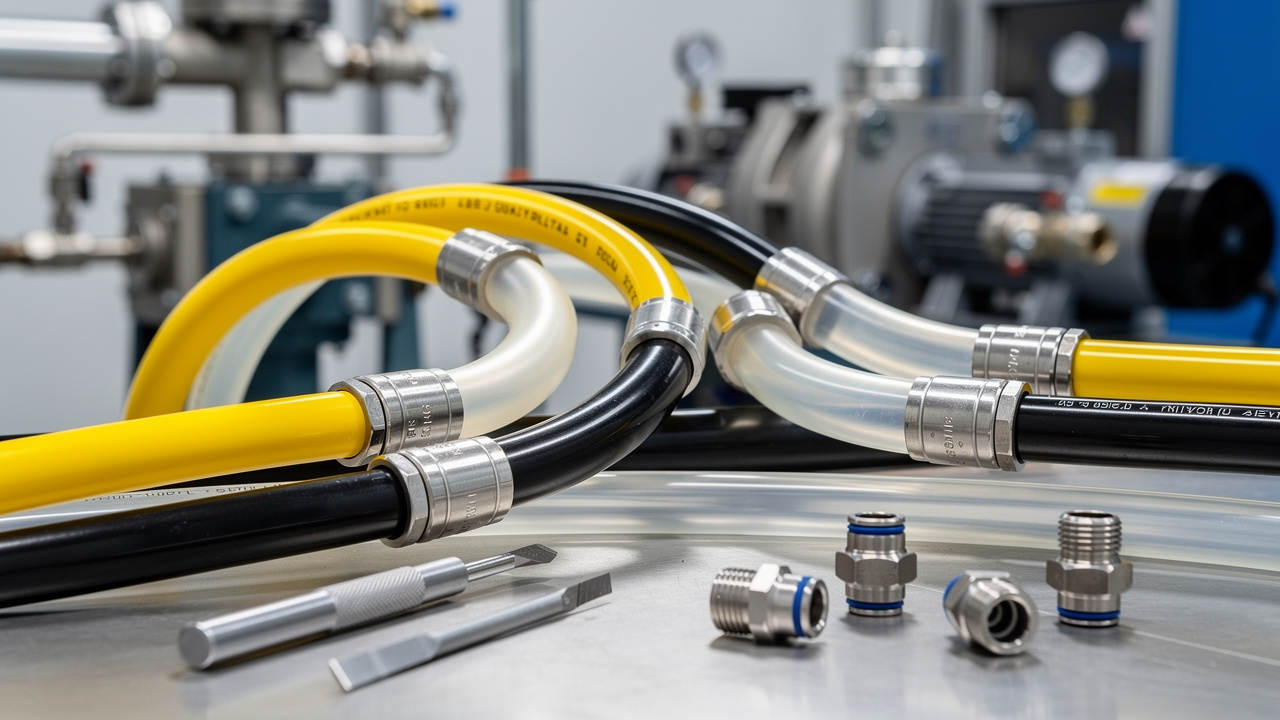
Best Practices for High Pressure Plastic Tubing in Manufacturing
Introduction
High-pressure plastic tubing is not just a component; it’s a critical element that ensures the reliability of hydraulic and pneumatic systems in demanding environments. Manufacturers need to grasp the properties and best practices of these tubes to boost safety and efficiency. Navigating the myriad of materials and installation techniques can be daunting, but making the right choices is crucial to preventing costly failures and ensuring compliance. This article delves into the best practices for high-pressure plastic tubing manufacturing, offering insights that can significantly impact performance and longevity.
Understand High-Pressure Plastic Tubing Properties and Applications
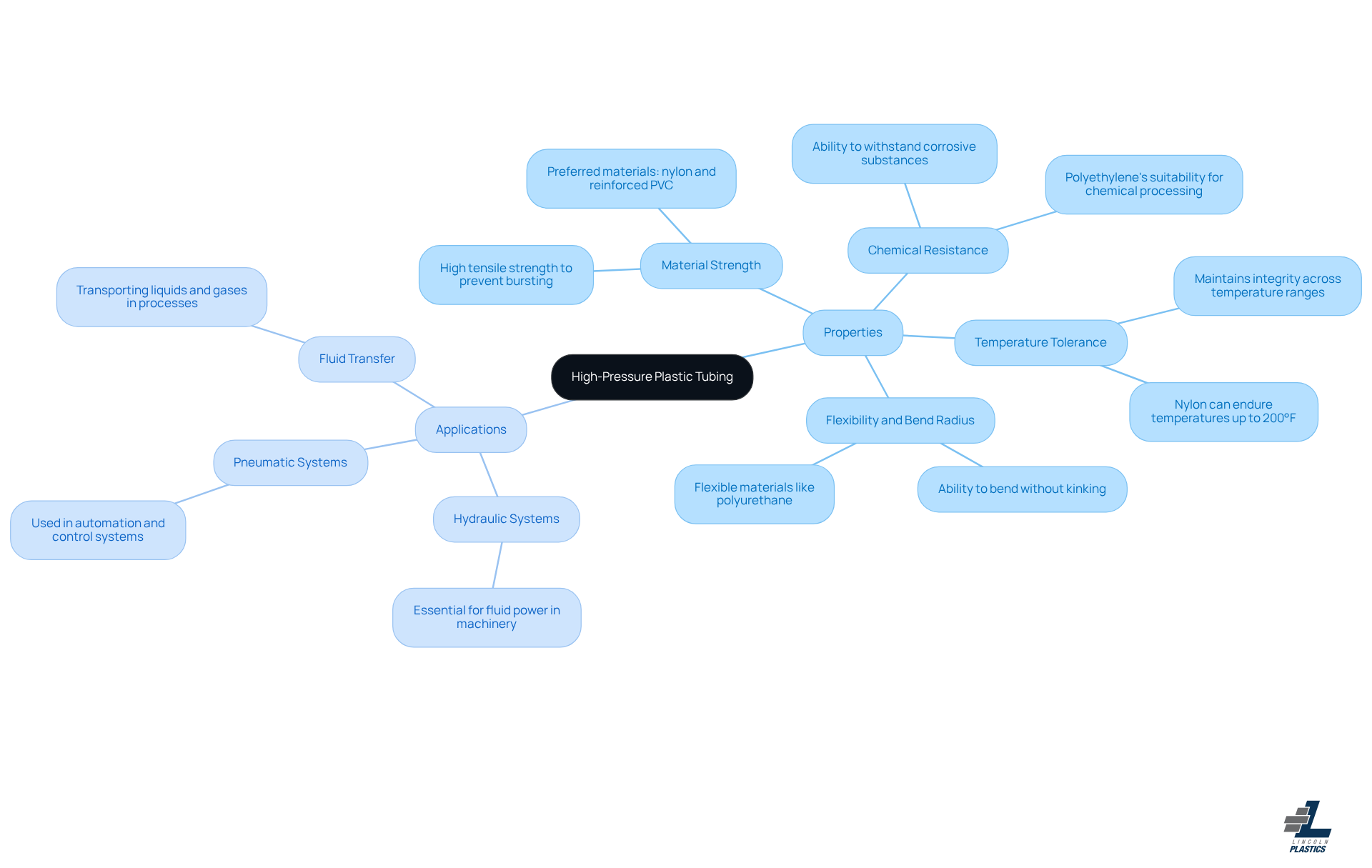
High-stress plastic pipes, also known as high pressure plastic tubing, are not just components; they are critical lifelines in industrial applications, designed to endure extreme conditions. These pipes are essential in various sectors, including hydraulic systems, pneumatic systems, and fluid transfer. Key properties to consider include:
- Material Strength: Tubing must exhibit high tensile strength to prevent bursting under pressure. Materials like nylon and reinforced PVC are favored for their durability and reliability.
- Chemical Resistance: Depending on the application, the pipe may need to withstand various chemicals. Polyethylene, for example, is recognized for its resistance to corrosive substances, making it ideal for chemical processing environments.
- Temperature Tolerance: High-pressure pipes must maintain structural integrity across a range of temperatures. Nylon can endure temperatures up to 200°F, making it suitable for demanding industrial conditions.
- Flexibility and Bend Radius: The ability to bend without kinking is crucial for installation in confined spaces. Flexible materials such as polyurethane provide excellent bendability while retaining pressure ratings.
Applications of high-pressure tubing include:
- Hydraulic Systems: Essential in machinery where fluid power is critical.
- Pneumatic Systems: Commonly used in automation and control systems.
- Fluid Transfer: Ideal for transporting liquids and gases across various industrial processes.
By grasping these properties, manufacturers can choose the right tubing for their needs. This choice ensures safety and boosts operational efficiency. For instance, a mining operation in Alberta reported a 300% increase in service life of slurry transport hoses after implementing Lincoln Plastics' custom-engineered solutions, resulting in significant cost savings. Additionally, production downtime due to hose failure can average $15,000 per hour, underscoring the importance of selecting high-quality materials like high pressure plastic tubing that meet rigorous performance standards. Many manufacturers struggle with hose failures due to cumulative stress over time, often caused by prolonged exposure to pressure rather than single overload events. Furthermore, Lincoln Plastics offers custom diameters, wall thicknesses, and finishes for pipe sizes that don't fit standard options, enhancing the suitability of their products for specific applications. Their ability to co-extrude colors into profiles allows for innovative designs, such as a 'yellow stripe' on a standard profile, catering to diverse customer needs. Their commitment to quality is supported by ISO 9001:2015 certification, ensuring rigorous quality management plans and dedicated quality checks throughout the manufacturing process. This dedication to excellence and customer partnership reflects Lincoln Plastics' team-driven philosophy, making them a reliable choice for OEMs seeking tailored solutions. Failing to choose the right materials can lead to costly operational disruptions, making Lincoln Plastics a wise investment for your business.
Choose the Right Material for Your High-Pressure Tubing Needs
Choosing the right material for high pressure plastic tubing is not just important; it’s essential for ensuring safety and optimal performance. Let’s explore some commonly used materials and their characteristics:
- Nylon: Known for its high tensile strength and flexibility, nylon tubing can withstand pressures up to 800 PSI and is resistant to abrasion and chemicals. It’s perfect for applications requiring durability and flexibility.
- Polyethylene (PE): This lightweight material offers good chemical resistance. While it’s suitable for lower pressure applications, it can be reinforced to create high pressure plastic tubing for higher pressure needs. PE is often used in agricultural and irrigation systems.
- Polyvinyl Chloride (PVC): PVC tubing is economical and widely utilized across various applications. It resists corrosion and can handle moderate pressures, but it may not be suitable for high-temperature environments.
- High pressure plastic tubing: This variant features additional layers for enhanced durability, making it ideal for applications requiring higher pressure. It’s commonly found in industrial settings where durability is paramount.
- Polyurethane: Renowned for its exceptional flexibility and resistance to kinking, polyurethane hoses are perfect for dynamic applications involving movement. They can manage pressures up to 150 PSI.
When you're selecting components, consider pressure ratings, temperature ranges, and chemical compatibility to make sure your pipes meet your specific needs. Failure to select the appropriate material can lead to catastrophic failures, compromising safety and performance.

Implement Best Practices for Installation and Maintenance
Ensuring the reliability and longevity of high pressure plastic tubing is crucial for maintaining system integrity and performance. To achieve this, adhere to the following best practices during installation and maintenance:
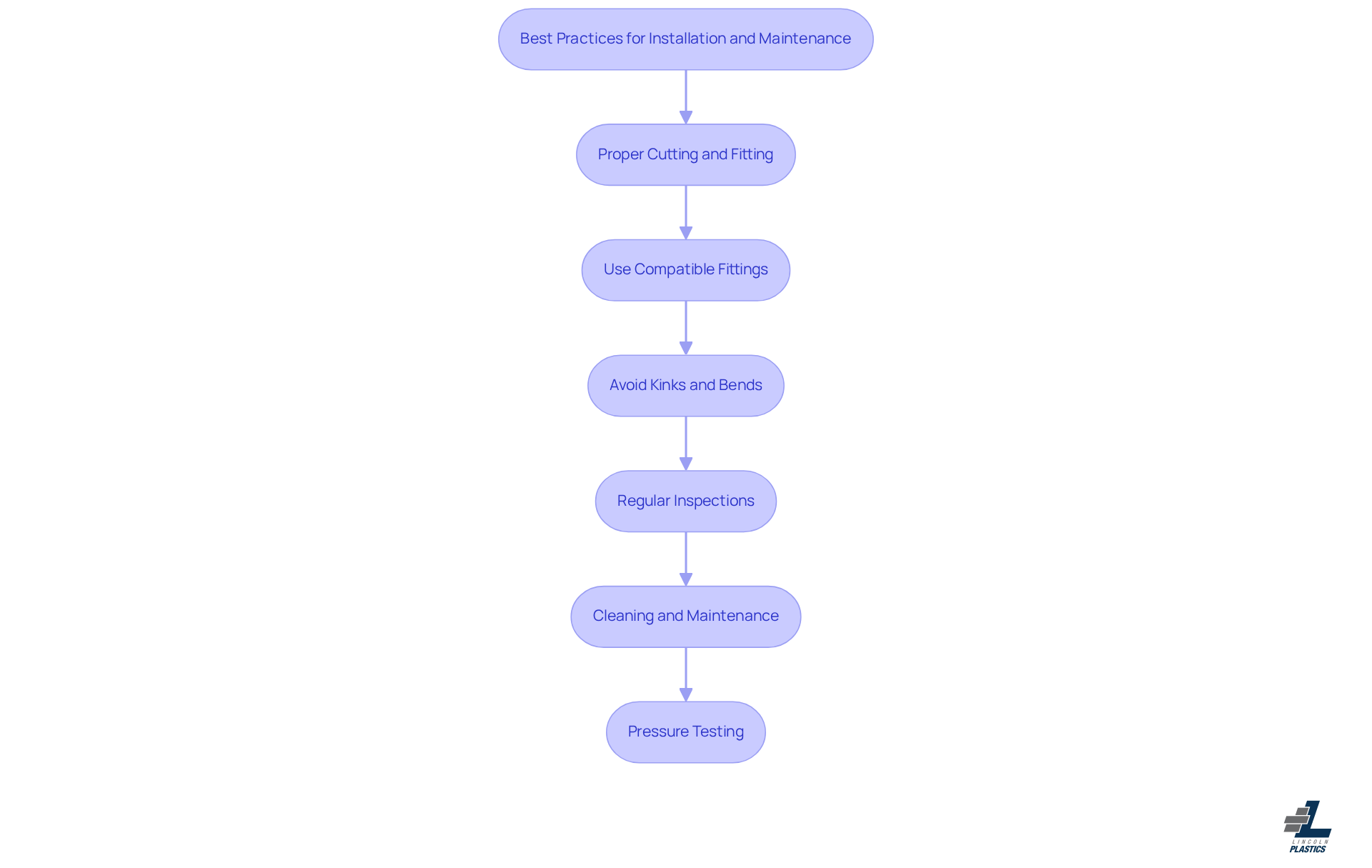
- Proper Cutting and Fitting: Always cut tubing squarely to guarantee a proper fit with fittings. Employ a deburring tool to eliminate sharp edges that could lead to leaks.
- Use Compatible Fittings: Confirm that the fittings are suitable for the tubing substance. Incompatible materials can lead to failures under stress, compromising system integrity. High-pressure fittings, including high pressure plastic tubing, are specifically designed to handle pressures between 20,000 to 150,000 PSI, making them essential for high-pressure applications.
- Avoid Kinks and Bends: During installation, steer clear of sharp bends and kinks in the pipes, as these can weaken the structure and precipitate failure. Follow suitable bend radius guidelines specific to the pipe type, ensuring a minimum bend radius of at least three times the inside diameter.
- Regular Inspections: Have you conducted routine inspections to catch signs of wear, leaks, or damage? Early detection of issues can avert catastrophic failures, as most hose failures stem from abrasion or improper handling, with statistics indicating that most cases of hydraulic hose failure are due to abrasion.
- Cleaning and Maintenance: Maintain cleanliness of the pipes, ensuring they are free from debris. Utilize cleaning agents that are compatible with the pipe material. Regular maintenance significantly extends the tubing's lifespan and operational reliability.
- Pressure Testing: After installation, perform pressure tests to verify that the system can withstand the required pressures without leaks. This step is essential for ensuring safety and reliability, particularly in applications involving high pressure plastic tubing.
By prioritizing these best practices, you not only safeguard your systems but also enhance operational efficiency and reduce long-term costs.
Ensure Compliance with Industry Standards and Regulations
Adhering to industry standards is not just a requirement; it's a commitment to safety and quality in high pressure plastic tubing applications. Key considerations include:
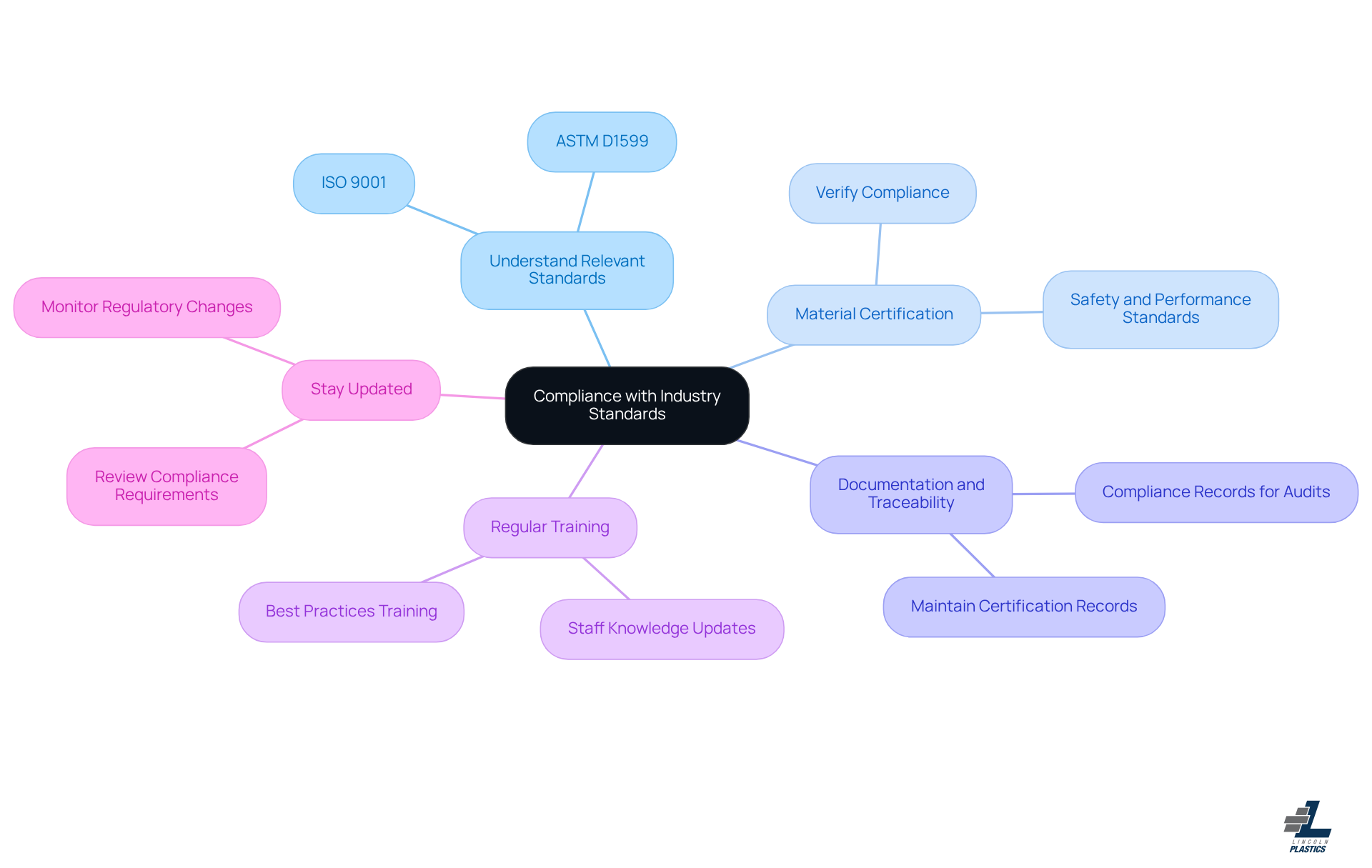
- Understand Relevant Standards: Familiarize yourself with standards such as ASTM D1599, which outlines pressure testing protocols for plastic pipes and tubing, and ISO 9001, which governs quality management systems. These standards offer essential guidelines for substance properties, testing methods, and quality assurance processes.
- Material Certification: Ensure that the substances used for high-pressure pipes are certified and meet necessary specifications. This includes verifying compliance with relevant safety and performance standards, which is crucial for maintaining product integrity.
- Documentation and Traceability: Maintain comprehensive documentation of material certifications, testing results, and compliance records. This documentation is vital for audits and can demonstrate compliance to regulatory bodies, thereby enhancing credibility.
- Regular Training: Are your staff equipped with the latest knowledge on high-pressure tubing systems? Regular training is essential for compliance and operational efficiency. Keeping personnel informed about the latest regulations and best practices is crucial.
- Stay Updated: Regulations can evolve, making it important to stay informed about updates to industry standards that may impact operations. Regularly reviewing compliance requirements ensures ongoing adherence and mitigates risks associated with non-compliance.
Neglecting compliance can lead to costly failures and jeopardize your reputation in the industry. For instance, adherence to ASTM standards has been shown to significantly reduce the risk of product failures and legal liabilities, reinforcing the importance of compliance in applications involving high pressure plastic tubing.
Conclusion
High-pressure plastic tubing is not just a component; it’s the lifeline of your hydraulic and pneumatic systems. Understanding the properties and selecting the right materials are essential steps in ensuring safety and performance. Focusing on material strength, chemical resistance, and temperature tolerance helps manufacturers make informed decisions. This enhances operational efficiency and reduces the risk of costly failures.
Throughout the article, key best practices for installation and maintenance have been highlighted. Proper cutting, fitting, and regular inspections are crucial. Compliance with industry standards and regulations not only ensures safety but also reinforces product integrity. Lincoln Plastics' commitment to quality, backed by ISO 9001:2015 certification and rigorous quality management plans, positions them as a reliable partner for OEMs seeking tailored solutions in high-pressure tubing applications.
In conclusion, are you prioritizing quality materials and best practices? Doing so can greatly enhance the longevity and reliability of your high-pressure plastic tubing. Talking to the experts at Lincoln Plastics can give you insights and tailored solutions that fit your specific needs, ensuring that operations run smoothly and efficiently. The right materials and practices can mean the difference between seamless operations and costly disruptions.
Frequently Asked Questions
What are high-pressure plastic tubing properties?
High-pressure plastic tubing properties include material strength, chemical resistance, temperature tolerance, and flexibility. Tubing must exhibit high tensile strength to prevent bursting, resist various chemicals, maintain structural integrity across temperature ranges, and bend without kinking for installation in confined spaces.
What materials are commonly used for high-pressure plastic tubing?
Common materials for high-pressure plastic tubing include nylon and reinforced PVC for their durability, as well as polyethylene for its chemical resistance, making it suitable for chemical processing environments.
In what applications is high-pressure plastic tubing used?
High-pressure plastic tubing is used in hydraulic systems, pneumatic systems, and for fluid transfer in various industrial processes.
How does high-pressure tubing contribute to operational efficiency?
By selecting the right high-pressure tubing, manufacturers can ensure safety and boost operational efficiency. For example, a mining operation reported a 300% increase in service life of slurry transport hoses after using custom-engineered solutions from Lincoln Plastics.
What are the consequences of using inadequate high-pressure tubing?
Using inadequate high-pressure tubing can lead to costly operational disruptions, including production downtime due to hose failures, which can average $15,000 per hour.
How does Lincoln Plastics enhance the suitability of their tubing products?
Lincoln Plastics enhances the suitability of their tubing products by offering custom diameters, wall thicknesses, and finishes, as well as the ability to co-extrude colors into profiles for innovative designs.
What quality management practices does Lincoln Plastics follow?
Lincoln Plastics follows rigorous quality management practices supported by ISO 9001:2015 certification, which includes dedicated quality plans and in-process checks throughout the manufacturing process.
Why is it important to choose high-quality materials for high-pressure tubing?
Choosing high-quality materials for high-pressure tubing is crucial to prevent hose failures due to cumulative stress over time, ensuring reliability and reducing operational costs.
How can I get tailored solutions from Lincoln Plastics?
For tailored solutions, you can contact Lincoln Plastics experts for quotes and to discuss specific requirements for your high-pressure tubing needs.
List of Sources
- Understand High-Pressure Plastic Tubing Properties and Applications
- Plastic pipe demand growing due to its ‘critical roles' (https://plasticsnews.com/news/us-plastic-pipe-market-hit-268b-2028-amid-infrastructure-surge)
- Best Practices for Sourcing Solid Plastic Tubing Effectively (https://lincoln-plastics.com/news-post/best-practices-for-sourcing-solid-plastic-tubing-effectively)
- Is Your Plastic Hose Really Engineered for Extreme Pressure? - ZYfire Hose Corporation (https://zyfire.com/news/is-your-plastic-hose-really-engineered-for-extreme-pressure)
- Medical Plastics Tubing Market worth $6.81 billion by 2031 - Exclusive Report by MarketsandMarkets™ (https://prnewswire.com/news-releases/medical-plastics-tubing-market-worth-6-81-billion-by-2031---exclusive-report-by-marketsandmarkets-302828352.html)
- Choose the Right Material for Your High-Pressure Tubing Needs
- The Best Materials for Hydraulic Tube in High-pressure Applications (https://eastern-steels.com/newsdetail/the-best-materials-for-hydraulic-tube-in-high-pressure-applications.html)
- The Best Pipe Materials for High-Pressure Water Transfer in 2026: Why PCCP Leads the List (https://hedelongfrp.com/news/the-best-pipe-materials-for-high-pressure-water-transfer-in-2026-why-pccp-leads-the-list)
- High-Pressure Plastic Tubing | Nylon 11 High-Pressure Tubing | Page 2 (https://freelin-wade.com/high-pressure-nylon-tubing.html?page=2)
- » Designing for Extremes: High-Pressure Tube Specifications & Standards (https://centravis.com/en/news/designing-for-extremes-high-pressure-tube-specifications-standards)
- Implement Best Practices for Installation and Maintenance
- Hydraulic Tubing - Do’s and Dont’s (https://hydraulicsonline.com/technical-knowledge-hub-news/hydraulic-tubing-dos-and-donts)
- Exploring the Durability of High-Pressure Hoses in Industrial Cleaning-Qingdao David Technology Co., Ltd. (https://uhpflexhose.com/news/exploring-the-durability-of-high-pressure-hoses-in-industrial-cleaning_1473)
- Guidelines in High Pressure Fitting and Tubing Installations - Viking Instrument (https://vikinginstrument.com/guidelines-in-high-pressure-fitting-and-tubing-installations)
- Hydraulic Hose Maintenance Tips (https://construction.altg.com/news/hydraulic-hose-tips)
- Preventive Maintenance: How to Spot a Hose Failure | Midwest Hose and Specialty (https://midwesthose.com/news-insights/preventive-hose-maintenance)
- Ensure Compliance with Industry Standards and Regulations
- 7 ASTM Plastic Pipe Standards Every Engineer Should Know (https://tdrpipe.com/astm-plastic-pipe-standards)
- ASTM D1599 Pressure Test Results | MaxDR™ Exceeds Goals (https://compositepiping.com/maxdr-350-achieves-41-design-saffety-factor-astm-d1599-quick-burst-test-results)
- PPI Issues PEX Tubing Standards Advisory (https://supplyht.com/articles/107321-ppi-issues-pex-tubing-standards-advisory)
Related posts

Discover key insights on profile extrusion plastic for OEM managers to enhance production efficiency.


Explore best practices for the extrusion of polymers to enhance quality and efficiency in manufacturing.
Discover the significance and applications of extruded polymers in modern manufacturing.
