
7 Types of Hard Clear Plastic for Your OEM Needs
Introduction
In manufacturing, selecting the right materials is not just important; it can make or break product performance and sustainability. For OEMs, understanding the various types of hard clear plastics available is crucial for making informed decisions that align with both functional and aesthetic requirements.
Let’s explore seven distinct hard clear plastics that could transform your production process, focusing on their unique properties and applications in agriculture, office management, and tradeshows.
As manufacturers strive for excellence, however, with so many options available, how can OEMs ensure they select the right material to meet modern production demands while maintaining quality and efficiency?
Lincoln Plastics: Acrylic (PMMA) for Custom Extrusion Solutions
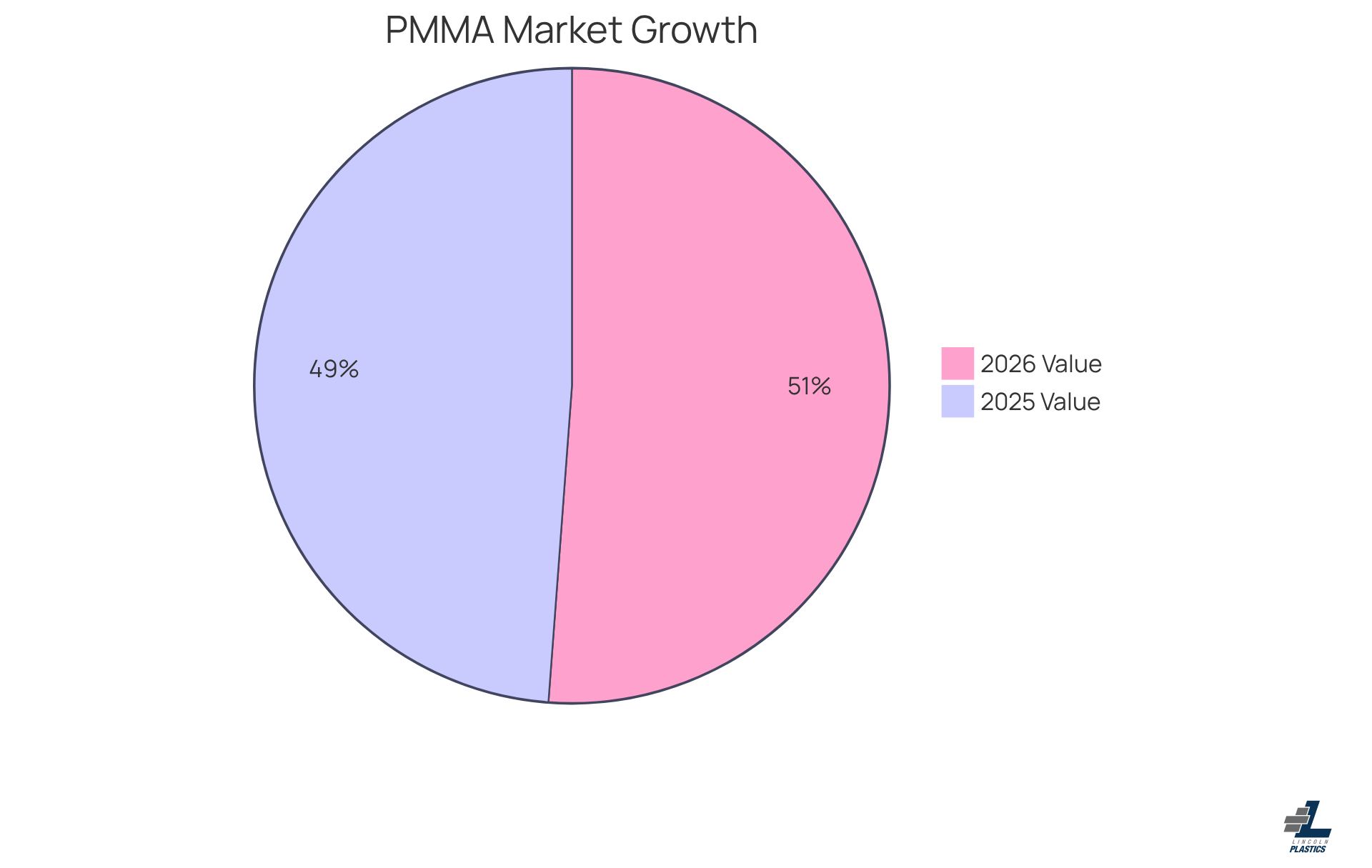
When it comes to custom extrusion, few materials rival the capabilities of Acrylic, or Polymethyl Methacrylate (PMMA). This lightweight, shatter-resistant polymer is easily fabricated into various shapes. It's perfect for applications like signage, displays, and protective barriers. In 2025, the PMMA market was valued at approximately USD 6.2 billion, with projections indicating growth to around USD 6.5 billion by 2026. This reflects its increasing adoption across various sectors, with an expected compound annual growth rate (CAGR) of 6.4% from 2026 to 2033, driven by rising demand for lightweight, transparent, and durable materials.
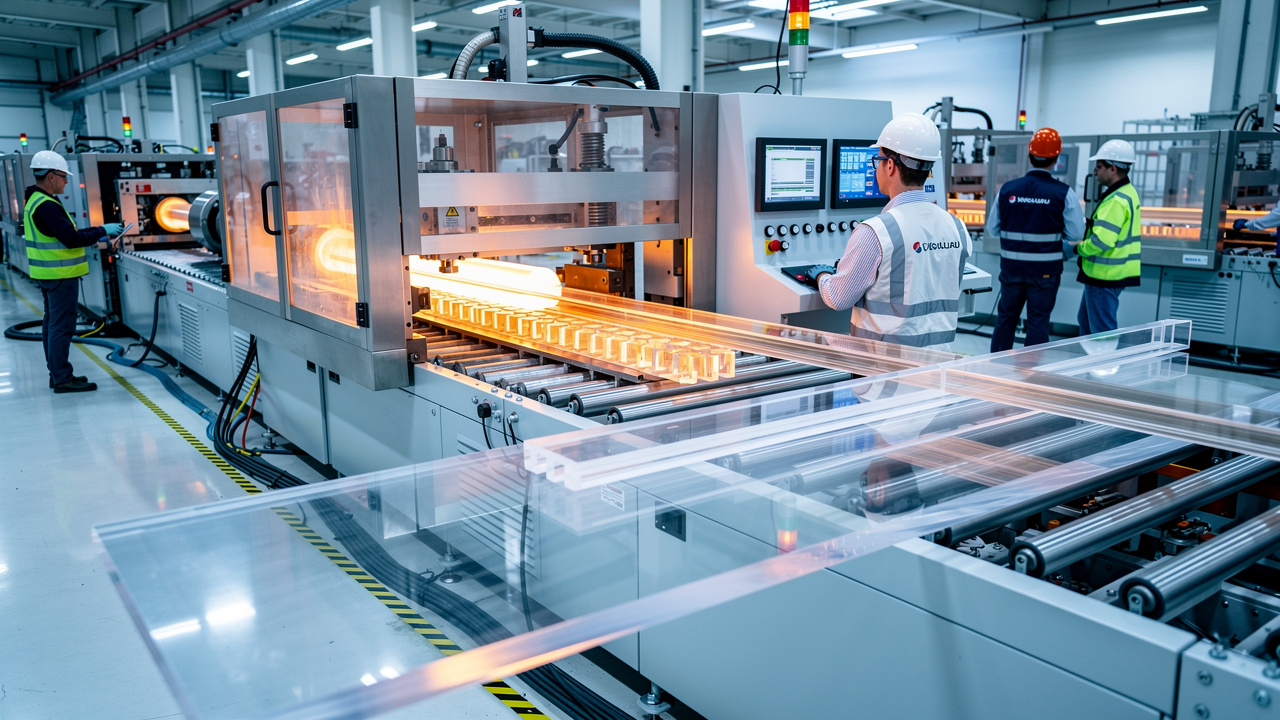
Lincoln's company utilizes advanced extrusion methods to create high-quality acrylic profiles customized to fulfill specific OEM needs. We offer a range of sizes and materials for adaptable profiles. This commitment to customization ensures that our products not only fulfill functional needs but also enhance aesthetic appeal. Notably, extruded PMMA sheets dominate the market, capturing a significant revenue share due to their cost-effectiveness and versatility in applications.
Additionally, Lincoln's company provides co-extrusion capabilities, enabling the creation of multi-color or multi-material profiles. This can further enhance the visual appeal and functionality of PMMA items. Case studies highlight the successful use of acrylic PMMA in custom extrusion applications, particularly in the construction and signage sectors, where durability and visual appeal are paramount. The lightweight property of PMMA, combined with its UV resistance, makes it a preferred choice for automotive components and electronic displays, further driving demand in these industries.
As of 2026, the Midwest region continues to see advancements in PMMA applications, with local manufacturers focusing on sustainable practices and innovative solutions. Expert opinions emphasize the importance of PMMA's lightweight and durable characteristics, which are increasingly sought after in modern manufacturing processes. This trend aligns with the growing emphasis on energy-efficient designs and improved natural lighting in buildings, showcasing PMMA's versatility and relevance in today's market. Choosing PMMA could be the difference between a project that merely meets standards and one that excels in performance and design. At Lincoln, we implement a rigorous management program with assurance plans and process checks to guarantee that every item meets the highest precision and reliability standards.
Polycarbonate (PC): The Impact-Resistant Clear Plastic
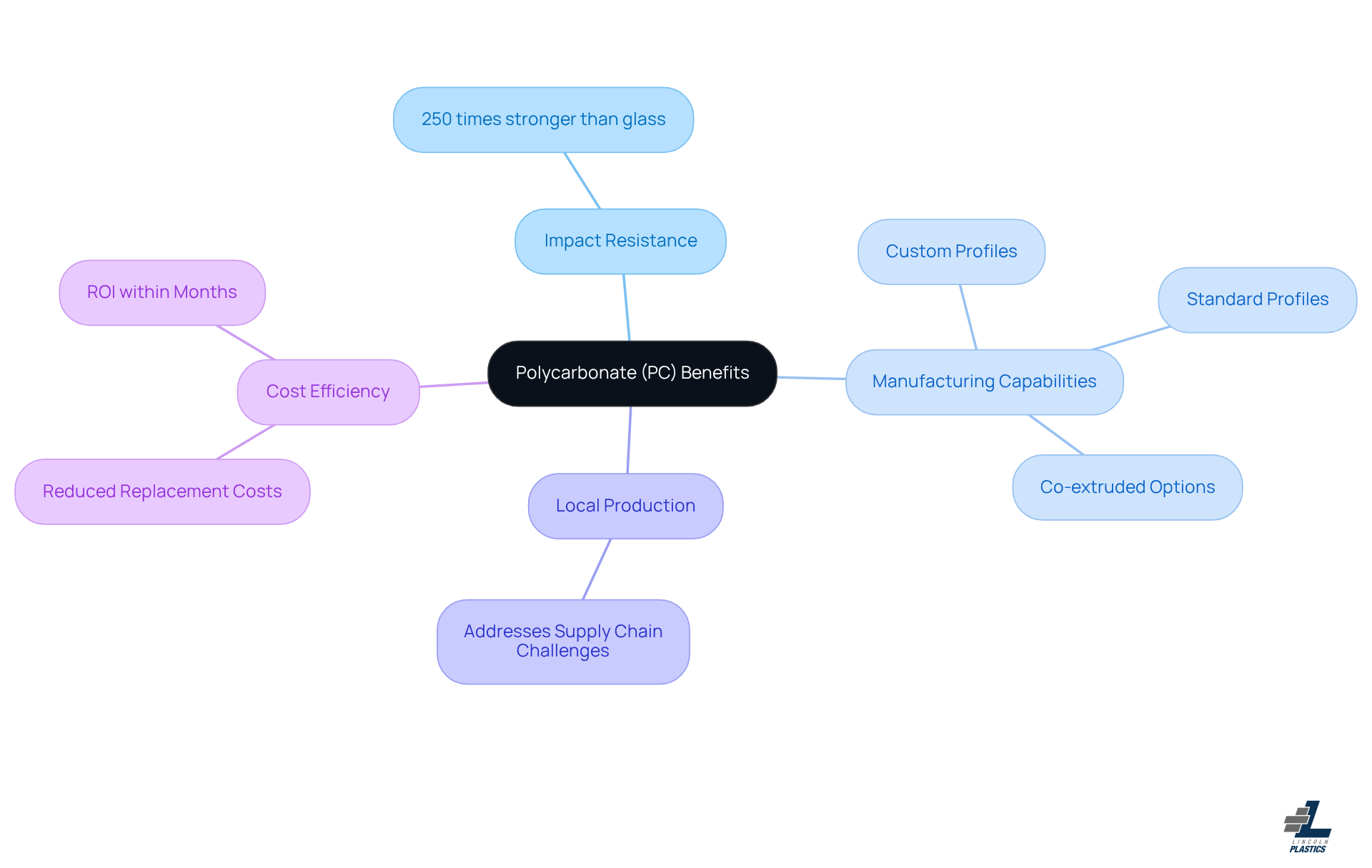
In an era where safety is paramount, polycarbonate stands out as the material of choice for protective applications. This lightweight material offers impact resistance up to 250 times greater than glass. This ensures enhanced safety in high-risk environments. Lincoln's company excels in the extrusion of polycarbonate profiles, delivering durable and reliable components that adhere to stringent safety standards. Our capabilities include manufacturing standard and custom round plastic profiles in various colors, diameters, and lengths, including co-extruded options for multi-color profiles.
Furthermore, recent investments in domestic polycarbonate manufacturing capacity in North America highlight the growing importance of local production. This addresses supply chain challenges and enhances responsiveness to market demands. Many businesses struggle with unreliable supply chains, leading to delays and increased costs. Facilities that switch to polycarbonate often experience a return on investment within months, thanks to reduced replacement costs and improved safety measures. By choosing polycarbonate, companies can not only enhance safety but also see significant cost savings in the long run.
At our company, we ensure our products meet all standards through rigorous management plans and thorough inspections, so you can trust in their quality. Choosing polycarbonate isn't just a decision for safety; it's a strategic move towards operational excellence and cost efficiency.
Polyethylene Terephthalate (PET): The Recyclable Clear Plastic
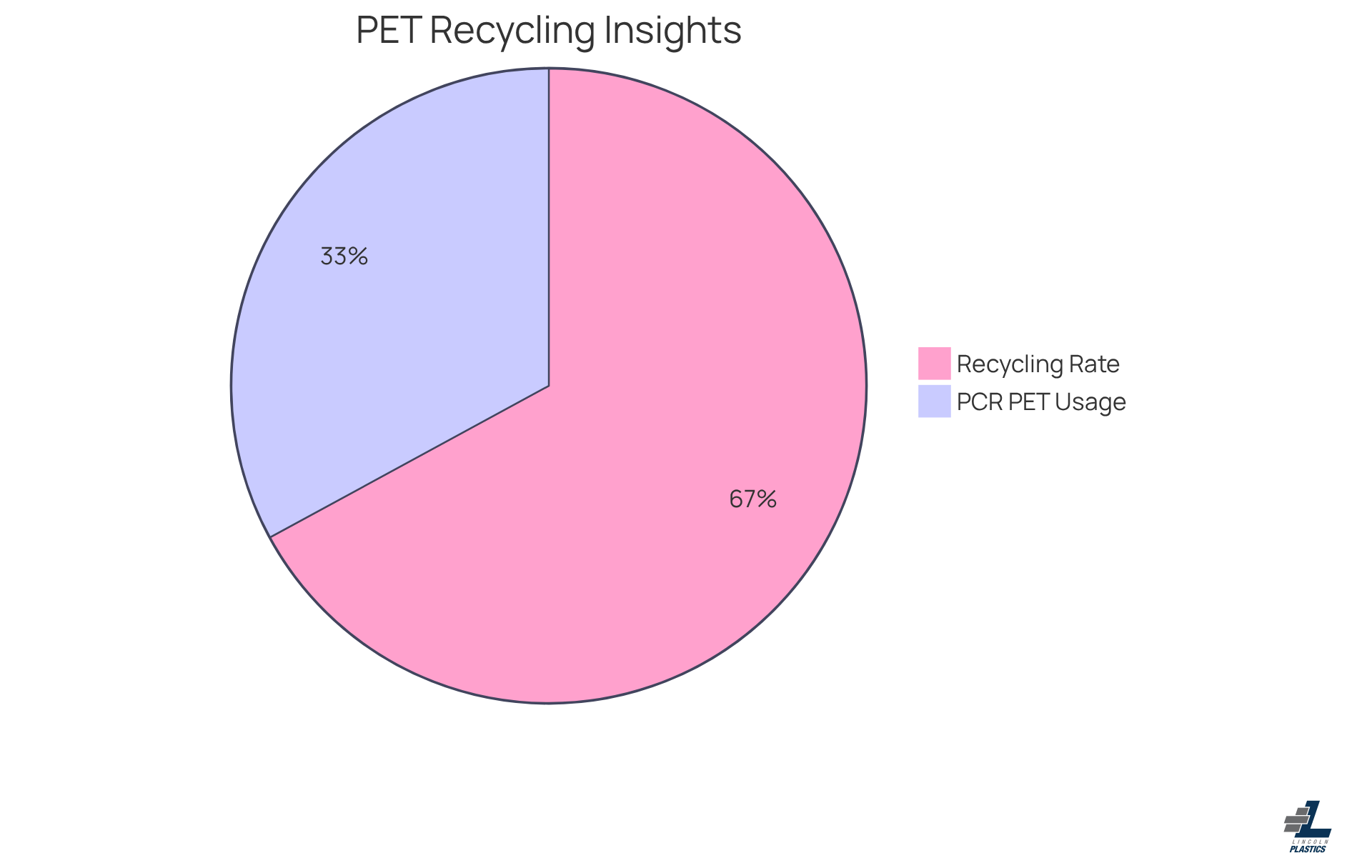
In an era where sustainability is paramount, Polyethylene Terephthalate (PET) stands out as a leading choice for eco-conscious manufacturers. This highly recyclable thermoplastic is recognized for its strength, lightweight properties, and exceptional clarity. Widely utilized in packaging, textiles, and engineering components, PET proves to be a versatile option for various applications. In 2023, the PET bottle recycling rate in the United States reached an impressive 33%, marking a significant increase from previous years and reflecting a growing commitment to sustainability in the industry.
Lincoln's company specializes in custom PET extrusion solutions that cater to the increasing demand for sustainable materials. The company uses advanced recycling methods to help OEMs reduce their environmental impact while maintaining high standards. The average amount of post-consumer recycled (PCR) PET used in US bottles rose to 16.2% in 2023, up from 13.2% in 2022, indicating a successful shift towards more sustainable packaging solutions.
At Lincoln Plastics, we work hand-in-hand with OEMs to ensure our PET products meet all necessary standards, including specific assessments for ‘fit and function’. Our robust quality management program includes dedicated quality books for each plastic profile, featuring critical in-process checks, run documentation, and the use of multiple types of check gauges. This meticulous approach guarantees that the rigid profiles we produce adhere to the specified critical dimensions, ensuring optimal performance in their intended applications.
Case studies highlight the effectiveness of PET in custom extrusion applications. For instance, North America recorded PET prices around USD 1.49/Kg in April 2026, supported by robust demand from food packaging and consumer goods industries. This demand is further driven by advancements in recycling technologies and a focus on circular economy practices, which enhance the recyclability of PET items.
As manufacturers increasingly invest in sustainable PET production and recycling technologies, the benefits of using PET in manufacturing become more pronounced. Its recyclability not only satisfies regulatory demands but also aligns with consumer preferences for eco-friendly items. By selecting PET, OEMs can aid in a more sustainable future while ensuring the durability and performance of their offerings. Choosing PET not only fulfills regulatory requirements but also positions your brand as a leader in sustainability, paving the way for future innovations.
Polystyrene (PS): The Versatile Clear Plastic for Various Applications
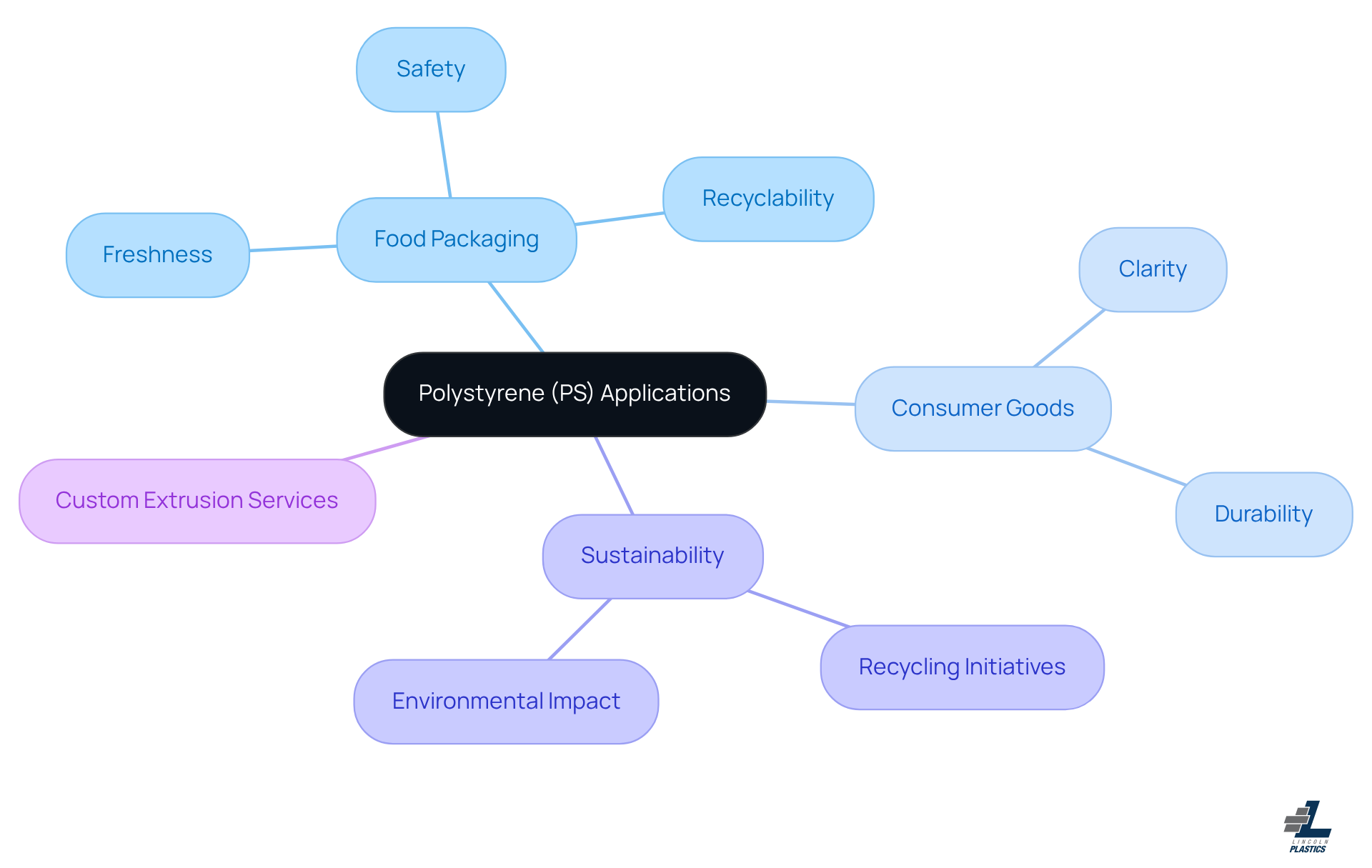
In a competitive landscape, the choice of materials can make or break an OEM's success, and polystyrene (PS) stands out as a top contender. This lightweight, rigid hard clear plastic is renowned for its clarity and ease of processing, making it ideal for applications like food packaging, consumer goods, and construction materials. Imagine the possibilities: with its versatility, polystyrene allows OEMs to innovate and enhance their product designs, driving performance to new heights. Lincoln Plastics specializes in custom PS extrusion services, enabling manufacturers to create tailored solutions that meet specific design and functional requirements. We can also co-extrude colors into profiles, providing unique solutions that stand out in the market.
In the food packaging industry, polystyrene plays a crucial role in maintaining freshness and safety, with items such as meat trays and takeout containers being widely used. The material's insulating properties are essential for shipping perishables, ensuring that food remains uncontaminated during transit. And let's not forget about sustainability - polystyrene's lightweight nature helps reduce lifecycle greenhouse gas emissions, making it a responsible choice for environmentally conscious manufacturers. Notably, polystyrene has been approved for food-contact use by the FDA, reassuring OEMs about its safety in food packaging applications.
Recent developments in the industry highlight the growing recognition of polystyrene's recyclability. The Polystyrene Recycling Alliance (PSRA) is actively working to improve public perception and increase recycling rates, with approximately 31% of expanded polystyrene (EPS) transport packaging being recycled in North America. As Justin Riney, Chairman of the PSRA, stated, "Polystyrene is a valuable, recyclable resource with a clear pathway to circularity." This initiative aligns with the industry's commitment to sustainability and innovation, addressing the challenges of plastic waste while promoting a circular economy.
Moreover, the versatility of polystyrene extends beyond food packaging. It is also employed in consumer goods, where hard clear plastic enhances product appeal through its clarity and durability. As manufacturers strive to enhance their operations, the expertise in custom extrusion at Plastics allows for the creation of unique polystyrene applications designed for specific market demands, ensuring that OEMs can achieve their operational objectives efficiently. Our robust quality management program includes dedicated quality plans, in-process checks, and sourcing colors that meet your Pantone specifications for consistency across manufacturers. With our strategic location in Nebraska, we ensure quick order turnaround and efficient logistics. By choosing Lincoln Plastics, you're not just selecting a supplier; you're partnering with a leader committed to your success in a rapidly evolving market.
Polyvinyl Chloride (PVC): The Durable Clear Plastic for Construction
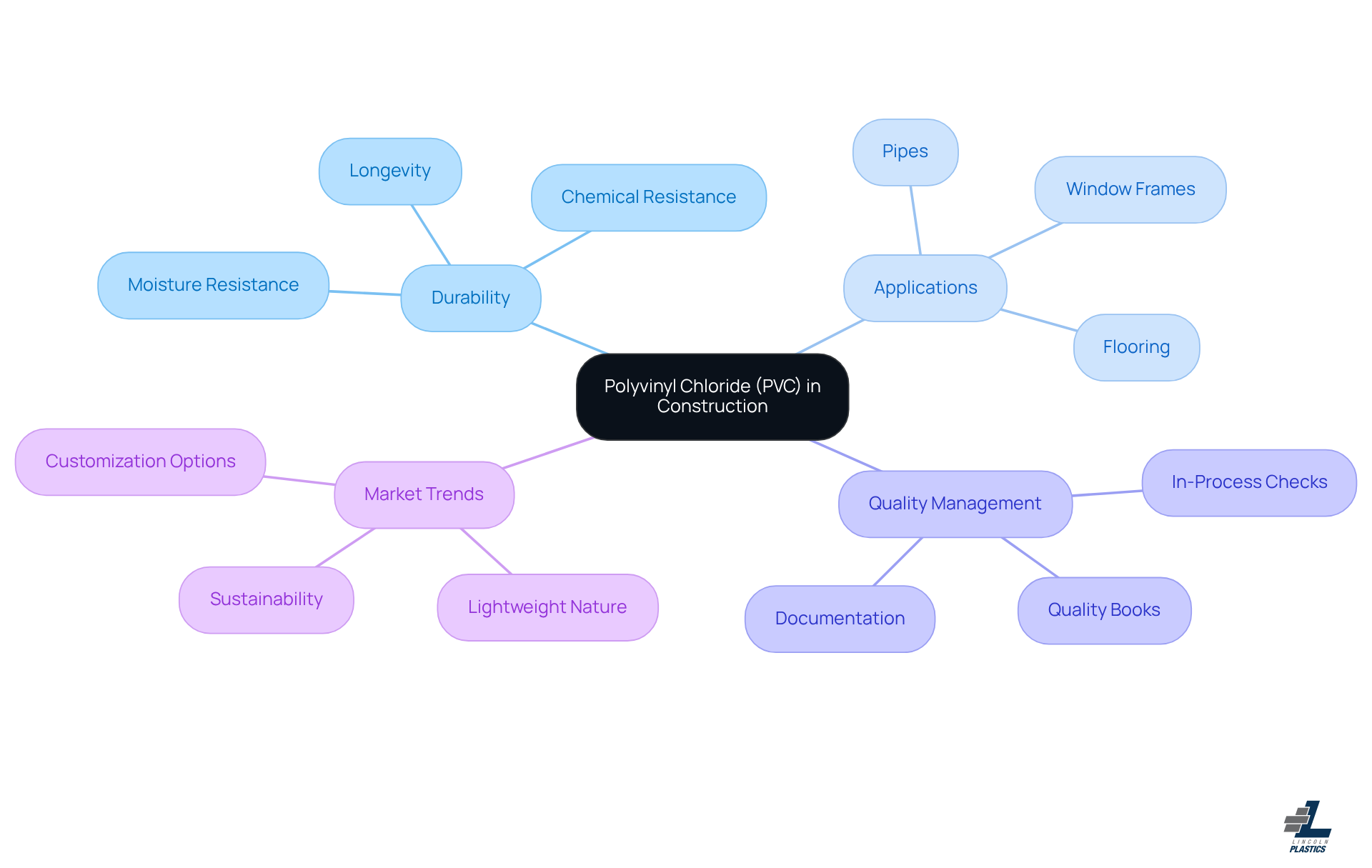
Are you seeking a construction material that combines durability with versatility? Polyvinyl Chloride (PVC) stands out for its exceptional resilience, making it a top choice in the construction industry for applications like pipes, window frames, and flooring. Its resistance to moisture, chemicals, and abrasion means it lasts longer. This durability significantly cuts down on maintenance costs, with PVC products boasting useful lives exceeding 100 years. This longevity minimizes the need for repairs and replacements, enhancing overall project sustainability.
Lincoln's company excels in the extrusion of PVC profiles, providing customized solutions that comply with strict industry standards. We take pride in our ISO 9001:2015 certification, which reflects our dedication to quality. Our robust quality management program includes:
- Dedicated quality books
- Critical in-process checks
- Comprehensive documentation
This approach not only meets the operational needs of OEMs but also ensures cost-effectiveness in production. As the demand for durable construction materials continues to rise, driven by urbanization and infrastructure development, we remain at the forefront, offering innovative PVC extrusion solutions that cater to the evolving market requirements.
Recent trends indicate a growing preference for PVC in construction due to its lightweight nature, which facilitates easier transportation and installation. This ultimately reduces project expenses. Furthermore, the lightweight characteristics of PVC contribute to lower emissions compared to heavier materials like concrete, iron, or steel. The integration of sustainable practices in PVC production is becoming increasingly important, aligning with regulatory demands and consumer preferences for environmentally friendly materials. Are you looking for materials that last? Lincoln's company is well-positioned to assist OEMs in navigating these trends while delivering high-quality, reliable products. Our co-extrusion capabilities allow for the creation of multi-color or multi-material profiles, further enhancing customization options for our clients. By choosing Lincoln's PVC solutions, you're not just investing in quality; you're ensuring the longevity and sustainability of your projects.
Acrylonitrile-Butadiene-Styrene (ABS): The Tough Clear Plastic
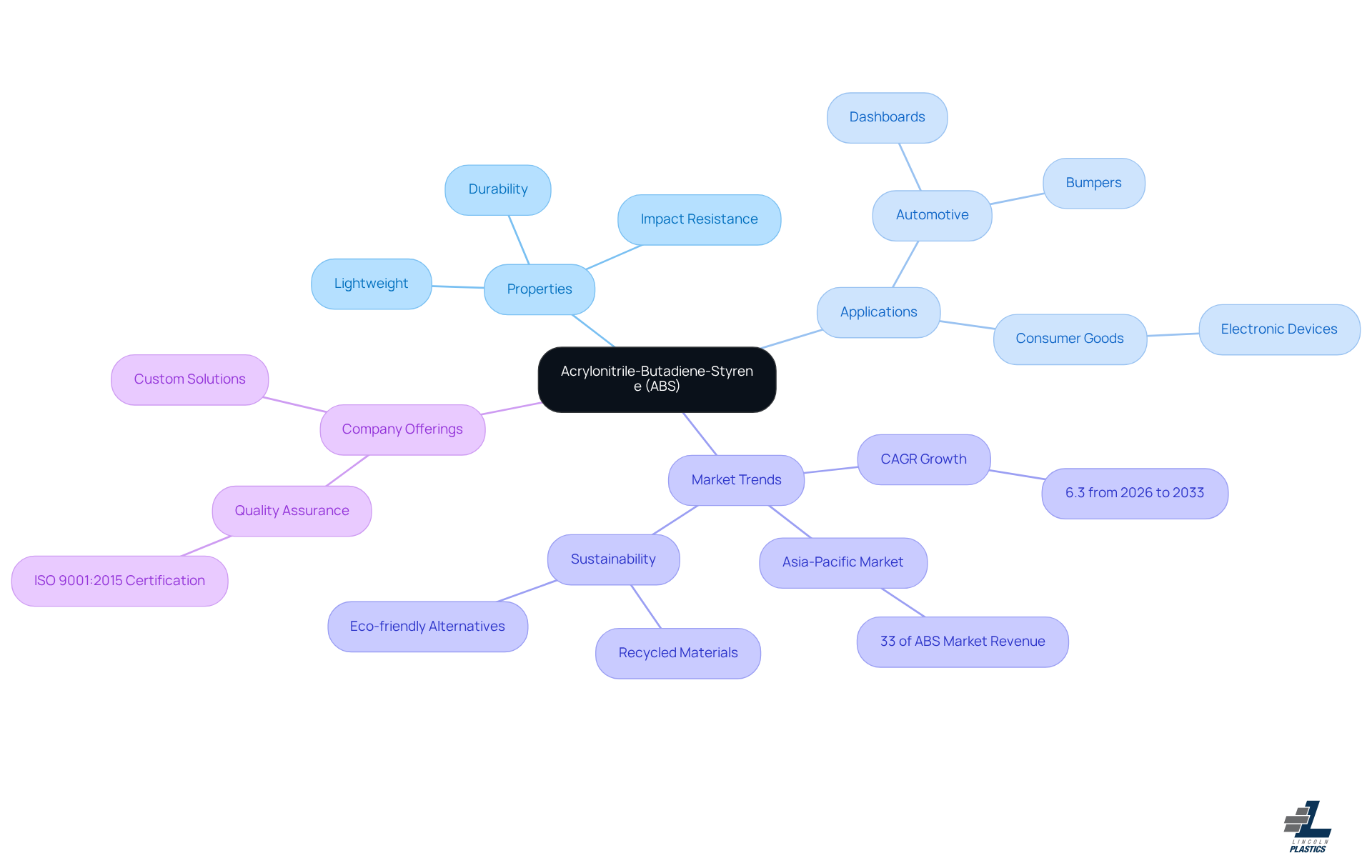
Acrylonitrile-Butadiene-Styrene (ABS) stands out as a game-changer in industries demanding durability and impact resistance. Its toughness and impact resistance make it a preferred choice across multiple sectors, particularly automotive and consumer goods. With mechanical strength and ease of processing, ABS is ideal for custom extrusion applications, enabling manufacturers to create components that endure rigorous conditions while maintaining aesthetic appeal. At Lincoln Plastics, we provide a range of flexible profiles and co-extrusion capabilities, allowing for the development of multi-color or multi-material profiles tailored to specific requirements.
The automotive sector relies heavily on ABS for components like dashboards and bumpers. Lightweight materials are crucial for improving fuel efficiency and lowering emissions. As the industry shifts towards electric vehicles, the demand for ABS is expected to grow, driven by its lightweight properties that enhance energy efficiency. In fact, the global ABS market is projected to expand significantly, with a compound annual growth rate (CAGR) of 6.3% from 2026 to 2033, reflecting its critical role in modern manufacturing.
In consumer goods, ABS is favored for its excellent insulation properties and durability, making it suitable for a variety of electronic devices. With the rising consumer demand for smart electronics, how can manufacturers leverage ABS to boost production capacities? The Asia-Pacific region, accounting for over 33% of the ABS market revenue, is leading this charge.
Lincoln Plastics specializes in delivering top-notch ABS extrusion solutions, providing OEMs with components that not only meet rigorous performance standards but also align with aesthetic requirements. Our commitment to quality is underscored by our ISO 9001:2015 certification and rigorous quality management plans, including dedicated quality books and in-process checks. This ensures that clients receive products that enhance their operational efficiency and product performance. Furthermore, with a focus on sustainability, the ABS market is witnessing a shift towards recycled materials and eco-friendly alternatives, solidifying its importance in the manufacturing landscape.
With a strategic location in Nebraska, we enable quick order turnaround and efficient logistics, ensuring on-time delivery for all clients. For customized solutions or estimates, OEMs are encouraged to reach out to our specialists.
Poly(methyl Methacrylate) (PMMA): The Clear Plastic with Optical Clarity
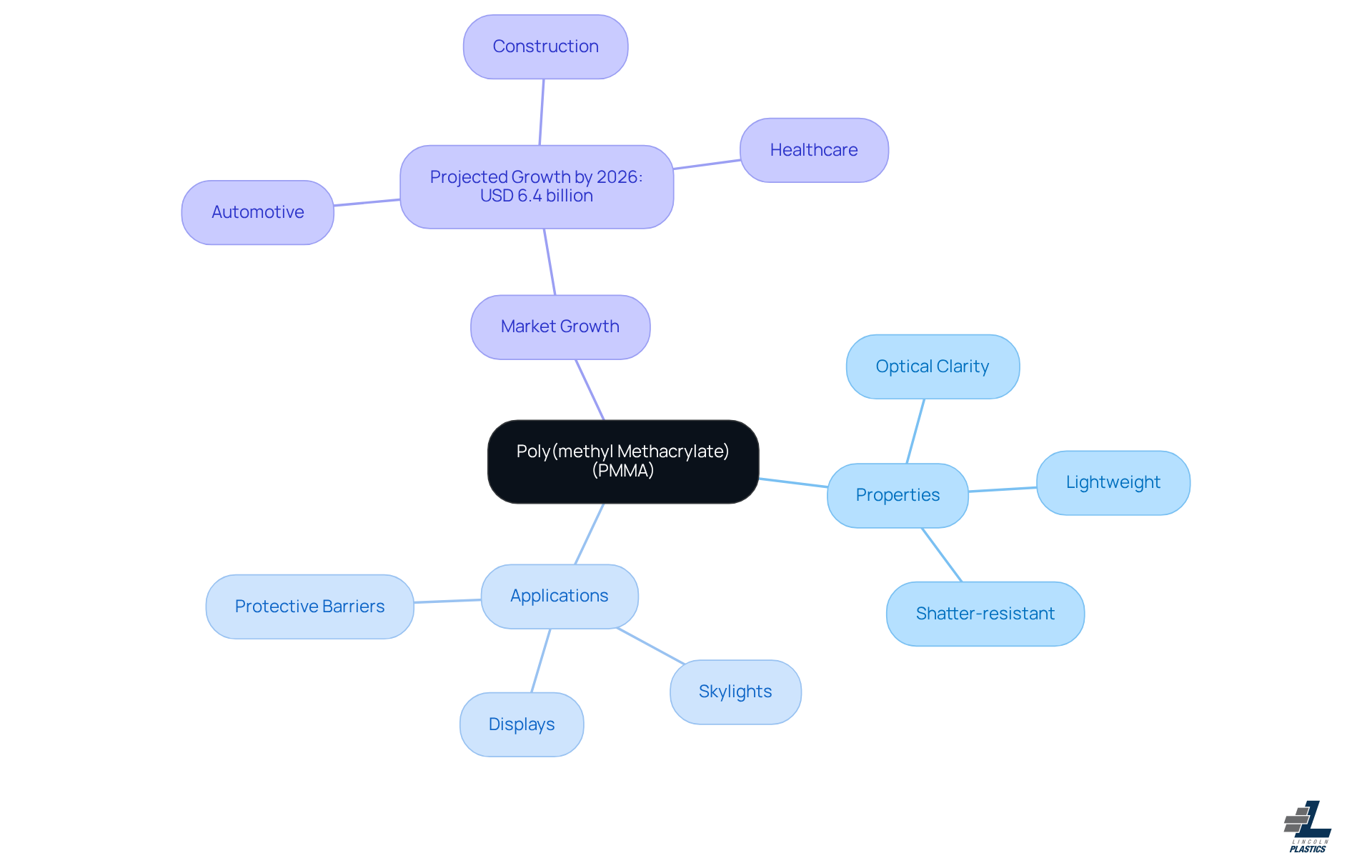
Are you aware that Poly(methyl Methacrylate) (PMMA) outperforms traditional glass in optical clarity, allowing up to 92% of visible light to pass through? This lightweight and shatter-resistant material, which is a type of hard clear plastic, is perfect for a variety of applications, including:
- Skylights
- Displays
- Protective barriers
The PMMA market is set to grow significantly. By 2026, it is projected to reach USD 6.4 billion, fueled by rising demand in:
- Automotive
- Construction
- Healthcare sectors
Lincoln's company specializes in the custom extrusion of PMMA profiles, including flexible options tailored to meet specific design and functional requirements. With the ability to co-extrude various colors into profiles, we provide innovative solutions that enhance product visibility and branding. PMMA's versatility, combined with our commitment to quality, stringent management strategies, and prompt delivery, establishes us as a dependable partner for manufacturers pursuing precision and customization in their projects. Without a dependable partner, manufacturers risk delays and compromised quality in their projects. Reach out to Lincoln Plastics today for tailored solutions and personalized quotes that meet your specific needs.
Conclusion
Selecting the ideal hard clear plastic for OEM applications is not just important; it’s essential for ensuring both functionality and visual appeal. This article has explored seven types of hard clear plastics, including:
- Acrylic (PMMA)
- Polycarbonate (PC)
- Polyethylene Terephthalate (PET)
- Polystyrene (PS)
- Polyvinyl Chloride (PVC)
- Acrylonitrile-Butadiene-Styrene (ABS)
- Poly(methyl Methacrylate) (PMMA)
Each material presents unique properties tailored to various industrial needs, underscoring the importance of making the right choice based on specific application requirements.
Key insights from our discussion reveal that materials like PMMA and PC are favored for their optical clarity and impact resistance, respectively. Meanwhile, PET stands out for its recyclability and sustainability. Polystyrene's versatility and PVC's durability make them essential choices in food packaging and construction, respectively. Lincoln Plastics' unwavering commitment to quality, backed by ISO 9001:2015 certification and rigorous quality management plans, ensures that OEMs receive reliable, high-performance products tailored to their needs.
In today’s fast-paced market, choosing the right hard clear plastic is more important than ever. By partnering with Lincoln Plastics, manufacturers can leverage the strategic advantages of our Midwest location for efficient logistics and quick order turnaround. Embracing these materials not only enhances product performance but also aligns with sustainability goals. Why settle for less? Reach out to Lincoln Plastics for tailored solutions and expert guidance that can elevate your manufacturing process.
Frequently Asked Questions
What is Acrylic (PMMA) and what are its key benefits?
Acrylic, or Polymethyl Methacrylate (PMMA), is a lightweight, shatter-resistant polymer that can be easily fabricated into various shapes. Its key benefits include versatility for applications like signage, displays, and protective barriers, as well as being cost-effective and durable.
How is Lincoln Plastics involved in the PMMA market?
Lincoln Plastics utilizes advanced extrusion methods to create high-quality acrylic profiles tailored to specific OEM needs. The company offers a range of sizes and materials for adaptable profiles, ensuring both functional and aesthetic appeal.
What are the market trends for PMMA?
The PMMA market was valued at approximately USD 6.2 billion in 2025, with projections indicating growth to around USD 6.5 billion by 2026. The expected compound annual growth rate (CAGR) is 6.4% from 2026 to 2033, driven by rising demand for lightweight, transparent, and durable materials.
What applications benefit from PMMA's properties?
PMMA is particularly beneficial in the construction and signage sectors due to its durability and visual appeal. It is also preferred for automotive components and electronic displays because of its lightweight nature and UV resistance.
What co-extrusion capabilities does Lincoln Plastics offer?
Lincoln Plastics provides co-extrusion capabilities, allowing for the creation of multi-color or multi-material profiles, which enhances both the visual appeal and functionality of PMMA products.
How does polycarbonate compare to other materials?
Polycarbonate is a lightweight material that offers impact resistance up to 250 times greater than glass, making it ideal for protective applications in high-risk environments.
What is Lincoln Plastics' role in polycarbonate manufacturing?
Lincoln Plastics excels in the extrusion of polycarbonate profiles, producing durable components that meet stringent safety standards. The company offers both standard and custom round plastic profiles in various colors, diameters, and lengths.
What are the advantages of using polycarbonate?
Choosing polycarbonate enhances safety and can lead to significant cost savings due to reduced replacement costs and improved safety measures. Facilities that switch to polycarbonate often see a return on investment within months.
How does Lincoln Plastics ensure product quality?
Lincoln Plastics implements rigorous management plans and thorough inspections to ensure that all products meet high-quality standards, including adherence to safety regulations.
How can I get in touch with Lincoln Plastics for custom solutions?
Interested parties can contact Lincoln Plastics experts for quotes or tailor-made solutions to meet their specific needs in custom extrusion manufacturing.
List of Sources
- Lincoln Plastics: Acrylic (PMMA) for Custom Extrusion Solutions
- Plastic Molding Manufacturing in the News (https://plasticmoldingmfg.com/news)
- Manufacturers showcase latest in plastic engineering at annual conference (https://yourerie.com/video/manufacturers-showcase-latest-in-plastic-engineering-at-annual-conference/11895561)
- Polymethyl Methacrylate Market Size & Share Report, 2033 (https://grandviewresearch.com/industry-analysis/polymethyl-methacrylate-pmma-industry)
- Extruded Acrylic Tube Market – Industry Trends and Forecast for period from 2026 to 2033 (https://linkedin.com/pulse/extruded-acrylic-tube-market-industry-trends-forecast-cuutf)
- Polymethyl Methacrylate (PMMA) Market Report 2026-2031 [350 Pages & 450 Tables] (https://marketsandmarkets.com/Market-Reports/polymethyl-methacrylate-pmma-market-715.html)
- Polycarbonate (PC): The Impact-Resistant Clear Plastic
- US Polycarbonate Manufacturing Gets Major Boost (https://plasticstoday.com/extrusion-film-sheet/us-polycarbonate-manufacturing-gets-major-boost)
- Polycarbonate Market Faces a New BPA Reality, but Demand Remains Resilient | Merchant Research & Consulting, Ltd. (https://mcgroup.co.uk/news/20260616/polycarbonate-market-faces-a-new-bpa-reality-but-demand-remains-resilient.html)
- Impact Resistance: Polycarbonate vs Glass & Acrylic - GOODLIFE (https://polycarbonate-panels.com/en/impact-resistance-polycarbonate-vs-glass-acrylic)
- Polycarbonate Delivers Transparency for Mobility of Tomorrow (https://plasticstoday.com/automotive-mobility/polycarbonate-delivers-transparency-for-mobility-of-tomorrow)
- Polyethylene Terephthalate (PET): The Recyclable Clear Plastic
- Legislative changes for plastic recyclers: 2026 outlook | Latest Market News (https://argusmedia.com/en/news-and-insights/latest-market-news/2774286-legislative-changes-for-plastic-recyclers-2026-outlook)
- Polyethylene Terephthalate Market Is Going to Boom by Sustainable Packaging, Beverage Industry Expansion and Recycling Innovations (https://openpr.com/news/4579168/polyethylene-terephthalate-market-is-going-to-boom)
- Polyethylene Terephthalate (PET) Prices Surge in 2026 Amid Strong Packaging Demand & Supply Shifts (https://natlawreview.com/press-releases/polyethylene-terephthalate-pet-prices-surge-2026-amid-strong-packaging)
- Plastics Recycling Global Markets Report 2026: Delamination Technology for Multi-Layer Plastics, Food-Grade Recycling, Advanced PET Recycling Process, Closed-Recycling Loop for Multi-Layer Packaging (https://uk.finance.yahoo.com/news/plastics-recycling-global-markets-report-093400663.html)
- 2023 US PET Bottle Recycling Rate Reaches Highest Level in Decades; Recycled PET Content in US Bottles Reaches Highest Level Ever - NAPCOR (https://napcor.com/news/2023-pet-bottle-recycling-reach-new-heights)
- Polystyrene (PS): The Versatile Clear Plastic for Various Applications
- Polystyrene Recycling Gains Momentum in North America (https://plasticstoday.com/packaging/polystyrene-recycling-alliance-releases-business-cases-supporting-material-circularity)
- Trinseo Announces Price Increase for Polystyrene in Europe | News | Thu, 01/08/2026 - 12:00 | Trinseo (https://trinseo.com/news-and-events/pricing-announcements/2026/january/trinseo-announces-price-increase-for-polystyrene-in-europe)
- Styrofoam fights for its life as plastic industry mounts recycling push (https://latimes.com/business/story/2026-07-15/styrofoam-fights-for-its-life-as-plastic-industry-mounts-recycling-push)
- Polystyrene Plastic: Making Life Better (https://amsty.com/news/polystyrene-plastic-making-life-better)
- Polystyrene Recycling Alliance Launches to Expand Recycling Access and Drive Higher Recycling Rates (https://plasticsindustry.org/newsroom/polystyrene-recycling-alliance-launches-to-expand-recycling-access-and-drive-higher-recycling-rates)
- Polyvinyl Chloride (PVC): The Durable Clear Plastic for Construction
- Highlighting the Advantages of PVC Products in Building and Construction - Vinyl (https://vinylinfo.org/news/highlighting-the-advantages-of-pvc-products-in-building-and-construction)
- Westlake to start up new specialty PVC plant in 2026 | Latest Market News (https://argusmedia.com/en/news-and-insights/latest-market-news/2661647-westlake-to-start-up-new-specialty-pvc-plant-in-2026)
- Polyvinyl Chloride Market Size, Share & Forecast 2026-2033 (https://datamintelligence.com/research-report/polyvinyl-chloride-pvc-market)
- Construction Plastics Market 2025-2030 [266 Pages & 247 Tables] (https://marketsandmarkets.com/Market-Reports/construction-plastics-market-233437057.html)
- PVC demand strengthens in North America | Plastics News posted on the topic | LinkedIn (https://linkedin.com/posts/plastics-news_material-insights-june-1-2026-activity-7467223423698493440-BcAT)
- Acrylonitrile-Butadiene-Styrene (ABS): The Tough Clear Plastic
- 2026 Acrylonitrile Butadiene Styrene (ABS) Prices, News and Analysis | ChemOrbis (https://chemorbis.com/en/abs/acrylonitrile-butadiene-styrene-abs-plastics-news-prices-analysis)
- Acrylonitrile Butadiene Styrene Market to Witness Remarkable Growth, Projected to Reach US$ 53.0 Bn by 2033 (https://einnews.com/pr_news/924931267/acrylonitrile-butadiene-styrene-market-to-witness-remarkable-growth-projected-to-reach-us-53-0-bn-by-2033)
- China's Acrylonitrile Butadiene Styrene Market Shows Steady Growt... (https://industrialinfo.com/iirenergy/industry-news/article/chinas-acrylonitrile-butadiene-styrene-market-shows-steady-growth--334894)
- Acrylonitrile Butadiene Styrene (ABS) Market to grow by USD 5.49 Billion (2025-2029), new manufacturing plant launches driving growth, Report with AI insights - Technavio (https://finance.yahoo.com/news/acrylonitrile-butadiene-styrene-abs-market-224000025.html)
- Global Acrylonitrile-Butadiene-Styrene (ABS) Resin Market to Reach $38 Billion by 2026 (https://prnewswire.com/news-releases/global-acrylonitrile-butadiene-styrene-abs-resin-market-to-reach-38-billion-by-2026-301355740.html)
- Poly(methyl Methacrylate) (PMMA): The Clear Plastic with Optical Clarity
- Polymethyl Methacrylate (PMMA) Market worth $6.48 billion by 2031 - Exclusive Report by MarketsandMarkets™ (https://finance.yahoo.com/markets/commodities/articles/polymethyl-methacrylate-pmma-market-worth-104000892.html)
- Polymethyl Methacrylate (PMMA) Market, Global Market Analysis Report - 2036 (https://factmr.com/report/polymethyl-methacrylate-pmma-market)
- Poly Methyl Methacrylate (PMMA) Production Plant: DPR 2026, Cost Structure, Process Flow & ROI Analysis (https://openpr.com/news/4481452/poly-methyl-methacrylate-pmma-production-plant-dpr-2026)
- Polymethyl Methacrylate (PMMA) Market worth $6.48 billion by 2031 - Exclusive Report by MarketsandMarkets™ (https://prnewswire.com/news-releases/polymethyl-methacrylate-pmma-market-worth-6-48-billion-by-2031---exclusive-report-by-marketsandmarkets-302810414.html)
- Polymethyl Methacrylate (PMMA) Market worth $6.48 billion by 2031 (https://marketsandmarkets.com/PressReleases/polymethyl-methacrylate.asp)
Related posts

Designing Custom Extrusions: How We Work with OEM Engineers
Lincoln Plastics partners with OEM engineers to design custom extrusion profiles — reducing modifications, improving performance, and lowering costs


Precision Matters: Tolerances and Quality Control in Extrusion
Lincoln Plastics ensures precision in every extrusion with tight tolerances, in-line checks, and strict quality control for OEM applications
Plastic Extrusion for Agricultural Equipment: Beyond Irrigation
Lincoln Plastics supports agriculture with custom plastic extrusions that go beyond irrigation, delivering durability and reliability in the field
