

5 Proven Practices to Increase Product Quality in Extrusion
Introduction
In the world of manufacturing, keeping product quality high during extrusion processes is super important. You know, when manufacturers use tried-and-true practices, they can really boost their offerings, which leads to happier customers and more loyalty. But here’s the kicker: figuring out the best strategies to implement can be tricky.
So, what are the key practices that can really elevate product quality and make operations smoother in extrusion? This article dives into five essential methods that can transform your production outcomes and help create a culture of continuous improvement. Let’s explore these together!
Implement Rigorous Quality Control Protocols
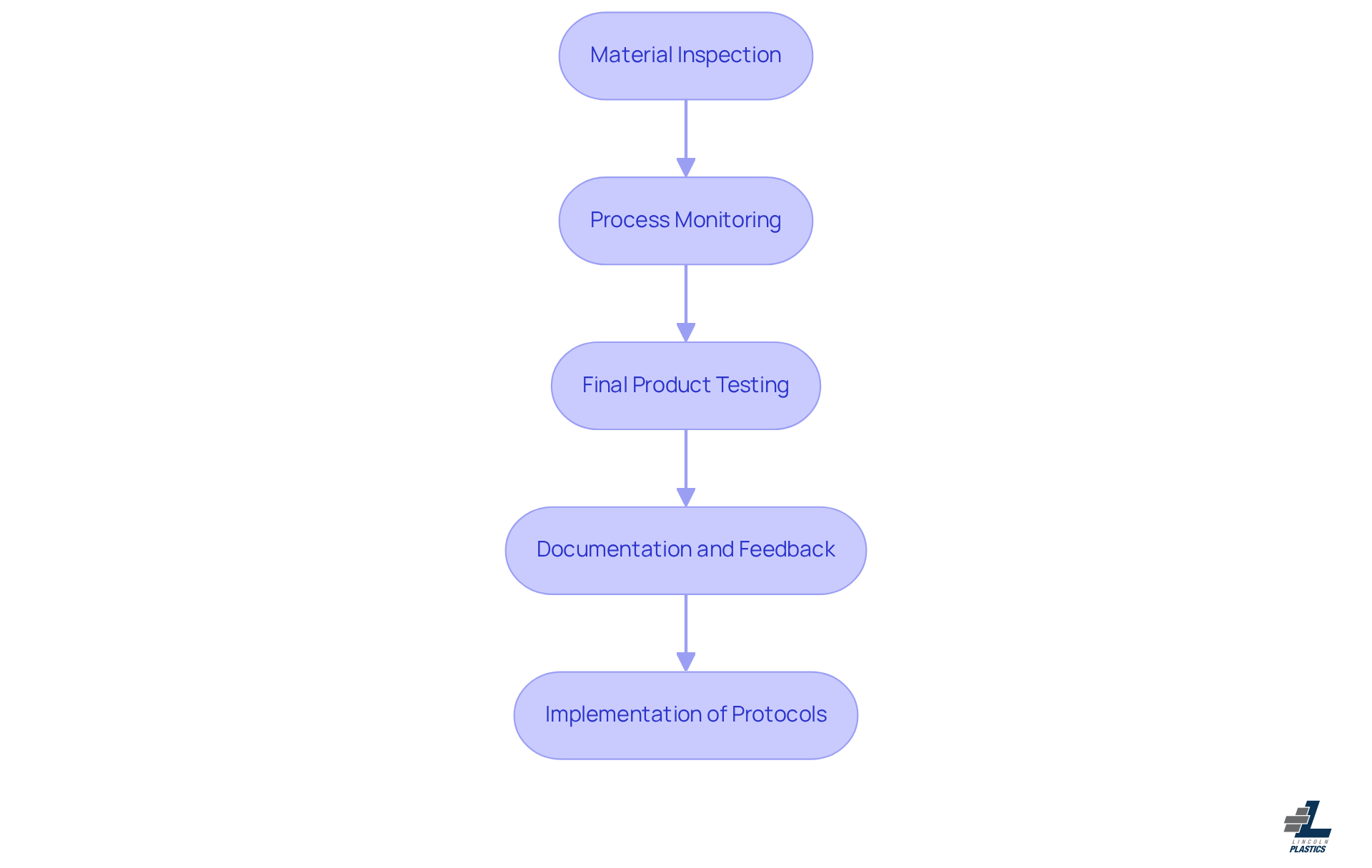
Improving the quality of goods during shaping is essential to increase product quality by applying strict quality control measures throughout the production process. Let’s dive into some key practices that can make a real difference:
- Quality Assessment: Before production kicks off, it’s crucial to conduct quality assessments. You want to make sure they meet the specified standards for purity and compatibility. This step is essential because raw materials are key to achieving the strength, durability, and flexibility you need in extruded items.
- Process Monitoring: Now, let’s talk about monitoring. Keeping an eye on critical parameters like temperature, pressure, and speed during extrusion is vital. By using advanced monitoring tools, including real-time systems, you can catch any deviations right away. This can really help reduce scrap and rejection rates.
- Final Product Testing: Once the products are finished, it’s time for some final product testing. This includes checking dimensions, evaluating mechanical properties, and doing visual assessments to ensure everything meets the standards. Lincoln Plastics emphasizes the importance of making sure that products meet defined critical dimensions, supported by a solid assurance system that includes a robust quality plan and essential in-process checks.
- Documentation and Feedback: Keeping thorough records of control checks and results is a must. This data becomes a valuable resource for giving feedback to production teams, helping them continuously improve and refine processes. Regular performance meetings can help spot common defects and patterns, preventing small errors from turning into bigger issues. Plus, Lincoln Plastics conducts regular audits to ensure their offerings meet all standards, including specific checks for 'fit and function'.
By implementing these protocols, manufacturers can significantly increase product quality and reduce defects. This not only enhances product quality but also fosters customer satisfaction. So, why not start implementing these practices today?
Select High-Quality Raw Materials
Choosing raw materials is super important for making top-notch extruded items. Let’s dive into some key things to think about:
- Material Properties: First off, you’ll want to check out the materials that fit your specific needs. For instance, Polyvinyl Chloride (PVC) is great for rigid applications because of its strength, while Thermoplastic Elastomers (TPE) bring flexibility to the table, making them perfect for dynamic profiles. Did you know that the quality of raw materials can really impact mechanical characteristics like tensile strength and ductility? These factors are crucial for performance!
- Suppliers: Now, let’s talk about suppliers. It’s a good idea to team up with reputable suppliers known for their reliability and consistent performance. Don’t hesitate to ask for certifications and test results to make sure the materials meet industry standards. Working with trusted suppliers can really increase quality and cut down on defects. At Lincoln Plastics, we work closely with OEMs to ensure that the materials we use in our shaping processes meet all quality standards, including specific evaluations for fit and function.
- Compatibility: Next up, check that your chosen materials are compatible with the machinery and any other components they might interact with, like adhesives or coatings. This compatibility is key to keeping the integrity and performance of your item intact. A common mistake? Picking materials that don’t bond well with adhesives, which can lead to failures in the final product.
- Sustainability: Lastly, consider going for materials that are sustainable. This not only boosts your brand’s reputation but also aligns with the growing consumer demand for eco-friendly products. The trend towards bio-based plastics is on the rise, and incorporating these materials can really give your offerings a competitive edge in the market.
By focusing on quality and leveraging our robust assurance system-complete with specific inspections and documentation-manufacturers can significantly increase product quality, as well as enhance the performance and durability of their extruded items. Plus, at Lincoln Plastics, we offer a range of materials and solutions, allowing for customization that meets your specific application needs. So, what are you waiting for? Let’s get started on creating something amazing!
Utilize Advanced Extrusion Technology
Integrating technology can really enhance product quality and operational efficiency at Lincoln Plastics. Let’s dive into some key practices that make a difference:
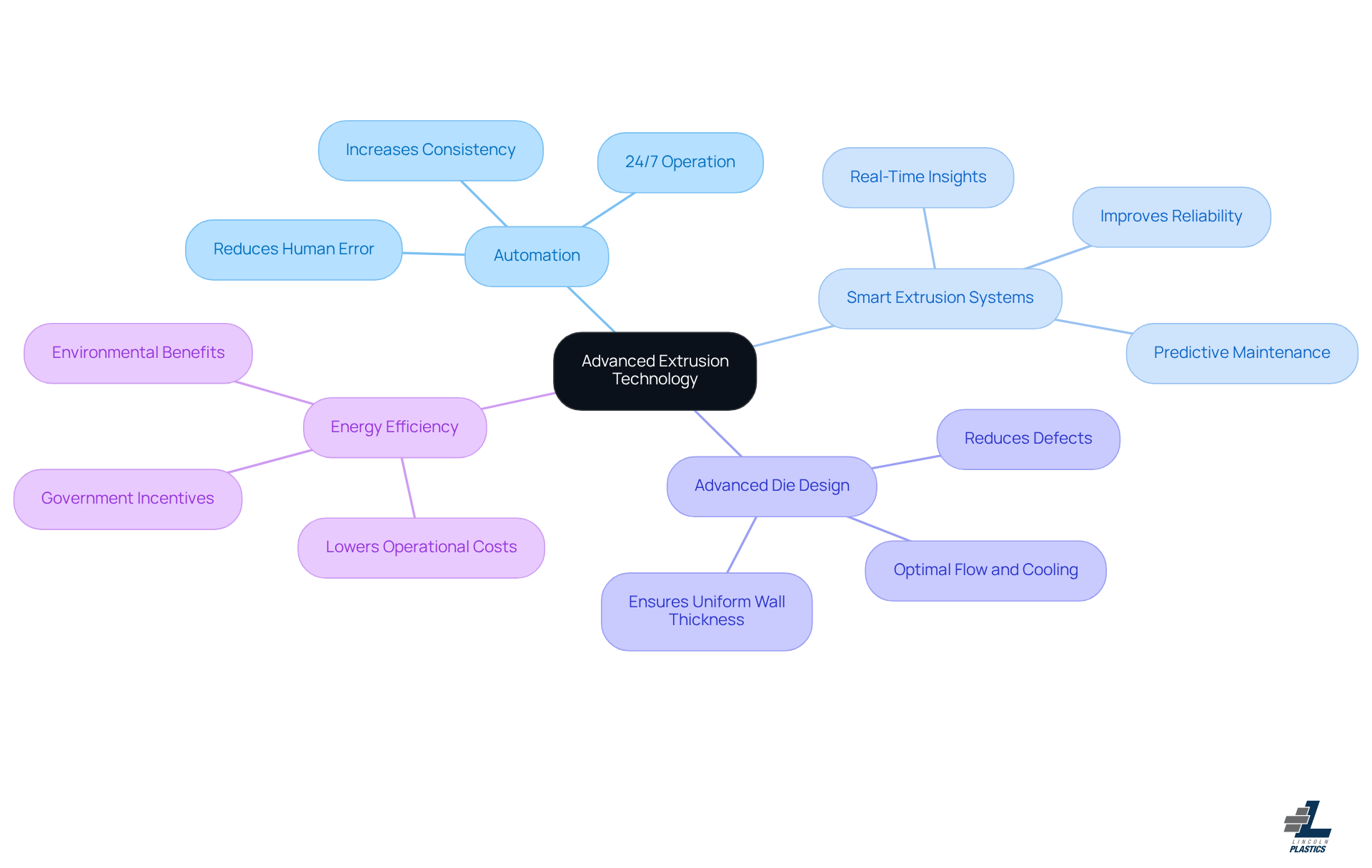
- Automation: Setting up automated systems to monitor and control production parameters helps cut down on human error. This means more consistency across manufacturing runs. In fact, 66% of employees pointed out that automation is a big win for automation, showing just how important it is for maintaining control standards.
- Smart Extrusion Systems: With Industry 4.0 technologies like IoT sensors and data analytics, we can optimize the extrusion process. These smart systems provide us with real-time data, which not only improve reliability but also help to maintain quality in line with Lincoln Plastics' commitment.
- Advanced Die Design: Investing in dies that are designed for optimal flow and cooling is key. Good die design cuts down on defects and ensures uniform wall thickness, which is crucial to product performance, especially in Lincoln Plastics' applications.
- Energy Efficiency: Using energy-efficient technologies doesn’t just lower operational costs; it also helps the environment. Plus, with government incentives for energy efficiency, these technologies become a smart investment. The modern extruders at Lincoln Plastics come packed with features that boost energy savings without sacrificing performance.
By embracing these technologies, Lincoln Plastics can not only achieve top-notch outputs but also improve their financial performance. As Bill Gates wisely said, "Technology will magnify the efficiency." This really highlights the importance of these advancements.
Invest in Employee Training and Development
Investing in staff training and development? It’s absolutely crucial to increase product quality in manufacturing to keep production quality high. Let’s dive into some strategies to boost your training programs:
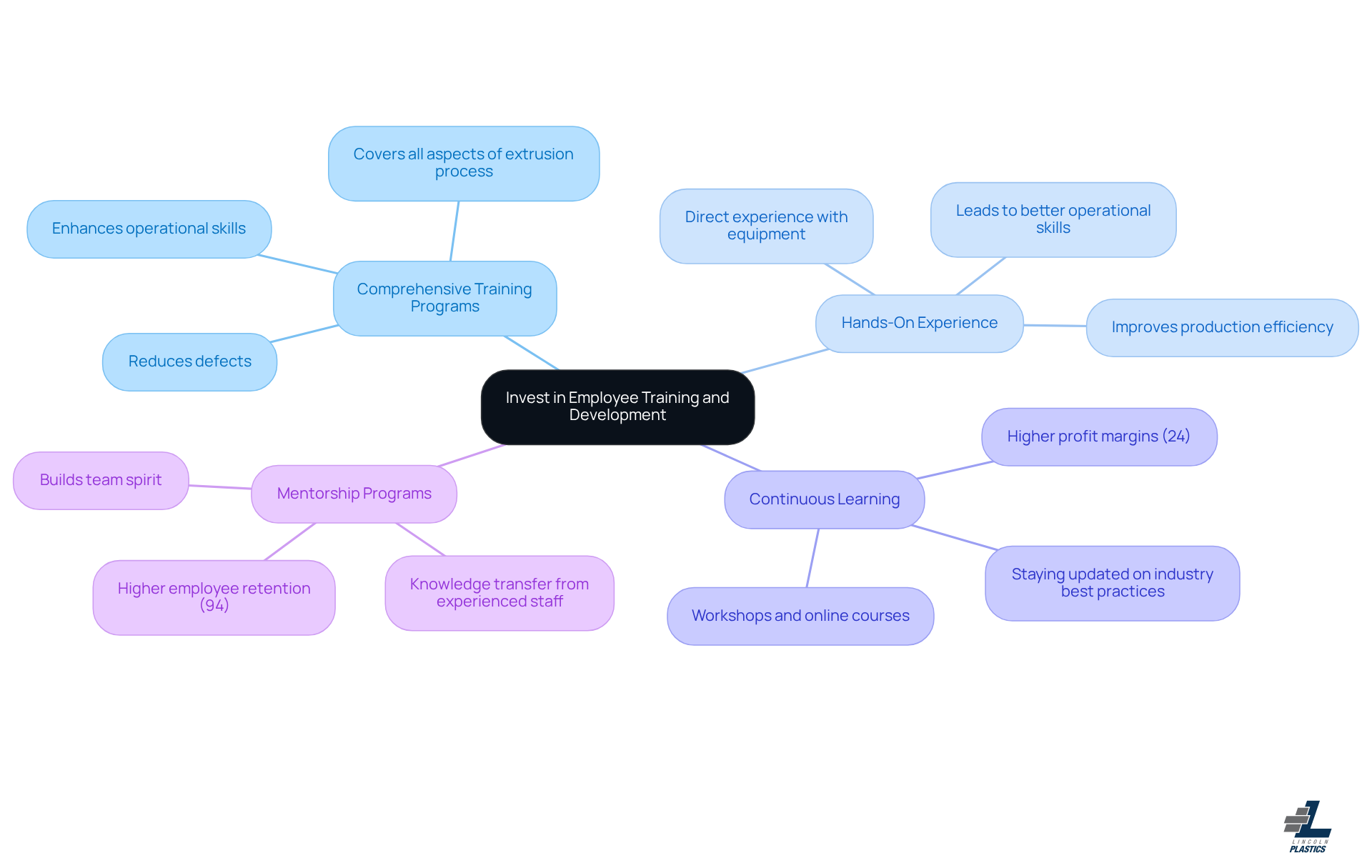
- Training Initiatives: Start by setting up training initiatives that cover every aspect of the extrusion process. Think machinery operation, maintenance, and safety protocols. This all-in approach makes sure your team knows the ins and outs of their roles.
- Hands-On Experience: How about giving your employees a chance to get hands-on with the equipment? Direct experience is key to grasping the complexities of the machinery. It leads to better operational skills that help to increase product quality. In fact, companies that prioritize training often see fewer defects and a nice bump in efficiency.
- Continuous Learning: Keep the learning going with workshops, seminars, and online courses. Staying updated on the latest tech and industry best practices is essential for maintaining quality. Organizations that focus on employee development often report a 24% higher profit margin. That’s a solid reason to invest in your workforce!
- Mentorship Programs: Ever thought about pairing experienced staff with newcomers? Mentorship not only helps with knowledge transfer but also builds team spirit and boosts performance. Companies that embrace mentorship see better retention rates and happier employees. In fact, 94% of employees are more likely to stick around when their organizations invest in their career growth.
By focusing on these training strategies, manufacturers can increase product quality by building a skilled workforce that’s ready to produce top-notch extrusions. This not only enhances production efficiency but also keeps customers smiling!
Adopt Continuous Improvement Practices
practices are a game changer when it comes to increasing product quality in extrusion. So, let’s dive into some key steps you might want to consider:
- Establish a CI Framework: First off, it’s all about having a solid framework for continuous improvement. Think of it as your roadmap! Regularly assess your processes, products, and outcomes. And remember, this framework should be flexible, allowing for those small tweaks that can lead to big changes over time.
- Encourage Staff Feedback: Next, let’s talk about feedback. Create a space where your team feels comfortable sharing their thoughts on processes and suggesting improvements. When you involve frontline employees, you tap into some valuable insights that can really drive progress. Plus, studies show that meaningful feedback boosts morale. Who wouldn’t want that?
- Utilize Lean Methodologies: Now, you might be wondering how to streamline things. Enter lean methodologies! These help you spot and eliminate waste in the production process. Techniques like Kaizen promote ongoing, small improvements that optimize operations and increase efficiency. Lean thinking encourages you to challenge the status quo and seek out innovative solutions to those pesky challenges.
- Set Specific Goals: Finally, let’s get specific with your goals. Define clear, measurable objectives for your improvement initiatives. Regularly check in on your progress and adjust your strategies as needed. This data-driven approach is key to spotting inefficiencies and building a culture of accountability.
By embracing a culture of continuous improvement, manufacturers can consistently increase product quality and operational efficiency. In the end, this means delivering even more value to your customers. So, why not start today?

Conclusion
When it comes to boosting product quality in extrusion, it’s not just a goal - it’s a must for manufacturers who want to stand out. Think about it: by honing in on solid quality control practices, picking top-notch raw materials, leveraging cutting-edge technology, investing in employee training, and embracing a mindset of continuous improvement, companies can really up their game. Each of these strategies is key to making sure products not only meet but exceed industry standards, which leads to happier customers and stronger loyalty.
So, what are some of these essential practices? Well, rigorous quality control protocols, like checking materials and testing the final products, make sure every step of the production process is closely watched. Plus, choosing high-quality raw materials is crucial since it directly affects the mechanical properties and overall performance of the extruded items. And let’s not forget about advanced extrusion technology - automation and smart systems can really boost efficiency. On top of that, comprehensive employee training helps create a skilled workforce that can maintain those high standards. Finally, by adopting continuous improvement practices, companies can keep assessing and refining their processes, ensuring that quality stays front and center.
In wrapping up, the journey to better product quality in extrusion is an ongoing commitment. It’s all about integrating various best practices. Manufacturers should definitely take proactive steps to implement these strategies. Not only does this enhance product quality, but it also strengthens their position in the market. By putting quality first, businesses can forge lasting relationships with customers and drive sustainable growth in a competitive landscape. So, what are you waiting for? Let’s make quality a priority!
Frequently Asked Questions
Why is rigorous quality control important in production?
Rigorous quality control is essential to improve product quality by applying strict quality assurance procedures throughout the production process, which helps reduce defects and enhance the overall reliability of the products.
What is involved in material inspection before production?
Material inspection involves conducting thorough checks of raw materials to ensure they meet specified standards for purity and compatibility, which is crucial for achieving the desired strength, durability, and flexibility in extruded items.
How is process monitoring conducted during extrusion?
Process monitoring involves keeping an eye on critical parameters such as temperature, pressure, and speed during the extrusion process. Advanced monitoring tools, including real-time systems, can help catch deviations early, reducing scrap and rejection rates.
What does final product testing entail?
Final product testing includes systematic evaluations against established performance benchmarks, checking dimensions, mechanical properties, and conducting visual assessments to ensure products meet quality standards.
Why is documentation and feedback important in the production process?
Keeping thorough records of control checks and results is crucial for providing feedback to production teams, enabling continuous improvement, and helping to identify common defects and patterns to prevent larger issues.
What should be considered when selecting raw materials for extruded items?
Key considerations include checking the mechanical and thermal properties of materials, ensuring supplier reliability, verifying compatibility with the extrusion process and other components, and considering sustainability by opting for eco-friendly materials.
How does supplier reliability affect product quality?
Partnering with reputable suppliers known for reliability and consistent performance can significantly increase product quality and reduce defects, as they provide materials that meet industry standards.
What role does material compatibility play in the extrusion process?
Material compatibility is crucial for maintaining the integrity and performance of the final product. Incompatible materials can lead to bonding failures with adhesives or coatings, resulting in product issues.
How can sustainability influence material selection?
Choosing eco-friendly or recycled materials can enhance a brand's reputation and align with consumer demand for sustainable manufacturing practices, giving products a competitive edge in the market.
What benefits can manufacturers expect from implementing rigorous quality control and using high-quality raw materials?
By implementing rigorous quality control protocols and selecting high-quality raw materials, manufacturers can significantly improve product quality, enhance performance and durability, and foster long-term relationships built on trust and reliability.
List of Sources
- Implement Rigorous Quality Control Protocols
- sinoextrud.com (https://sinoextrud.com/aluminum-extrusion-typical-defect-rate)
- Statistical Quality Control in Manufacturing | Business and Management | Research Starters | EBSCOhost (https://ebsco.com/research-starters/business-and-management/statistical-quality-control-manufacturing)
- The Importance of Quality Control in Plastic Extrusion Manufacturing - Craftedplastics (https://craftedplastics.com/blog/the-importance-of-quality-control-in-plastic-extrusion-manufacturing)
- US manufacturers are turning to quality assurance to overcome 2025 industry challenges (https://todaysmedicaldevelopments.com/news/us-manufacturers-are-turning-to-quality-assurance-to-overcome-2025-industry-challenges)
- Select High-Quality Raw Materials
- chemdo.com (https://chemdo.com/news/the-future-of-plastic-raw-material-exports-trends-to-watch-in-2025)
- imarcgroup.com (https://imarcgroup.com/aluminium-extrusion-market-statistics)
- The Extrusion Industry in 2025: Innovations, Trends, and Opportunities (https://plextrusions.com/extrusion-blog/the-extrusion-industry-in-2025-innovations-trends-and-opportunities)
- winrichmachine.com (https://winrichmachine.com/news/raw-materials-for-extrusion-process-in-coating-and-lamination-machines)
- sinoextrud.com (https://sinoextrud.com/impact-of-raw-material-quality)
- Utilize Advanced Extrusion Technology
- trdsf.com (https://trdsf.com/blogs/news/how-automation-helps-reduce-human-error-and-improves-data-quality?srsltid=AfmBOopM_lSyTaUaJJzhjeNPA2G3E0kVyciLoYbC4lkbB96dSC9-wWdL)
- The Extrusion Industry in 2025: Innovations, Trends, and Opportunities (https://plextrusions.com/extrusion-blog/the-extrusion-industry-in-2025-innovations-trends-and-opportunities)
- 32 of the Best AI and Automation Quotes To Inspire Healthcare Leaders - Blog - Akasa (https://akasa.com/blog/automation-quotes)
- Quotes That Make You Rethink Intelligent Automation | UiPath (https://uipath.com/blog/automation/rethink-intelligent-automation-quotes)
- Invest in Employee Training and Development
- poka.io (https://poka.io/en/blog/the-state-of-training-in-manufacturing)
- whatfix.com (https://whatfix.com/blog/employee-training-statistics)
- training.safetyculture.com (https://training.safetyculture.com/blog/employee-training-statistics)
- Employee Training Statistics, Trends, And Data In 2025 (https://elearningindustry.com/employee-training-statistics-trends-and-data)
- onrec.com (https://onrec.com/news/news-archive/what-are-the-key-drivers-of-quality-control-in-modern-manufacturing)
- Adopt Continuous Improvement Practices
- truenorthlean.org (https://truenorthlean.org/20-quotes-to-inspire-lean-thinking-and-manufacturing-excellence)
- manufacturingdive.com (https://manufacturingdive.com/spons/95-of-us-manufacturing-executives-agree-quality-is-mission-critical-to-s/760706)
- Inspiring Quotes for Continuous Improvement (https://kpifire.com/blog/quotes-about-continuous-improvement)
- augmentir.com (https://augmentir.com/blog/continuous-improvement)
- peacefulleadersacademy.com (https://peacefulleadersacademy.com/blog/employee-feedback-statistics)


