
5 Best Practices for the Manufacturing Process of Extrusion
Introduction
Extrusion is a big deal in manufacturing, shaping everything from the stuff we use every day to specialized components. When manufacturers get the hang of best practices in this area, they can really boost production efficiency and product quality. But here’s the kicker: navigating the complexities of material selection, optimizing parameters, and keeping up with quality control can be quite the challenge.
So, what can we do to make sure every step of the extrusion process not only meets but exceeds industry standards? Let’s dive into some strategies that can help! You might be surprised at how simple adjustments can lead to big improvements.
Understand the Basics of the Extrusion Process
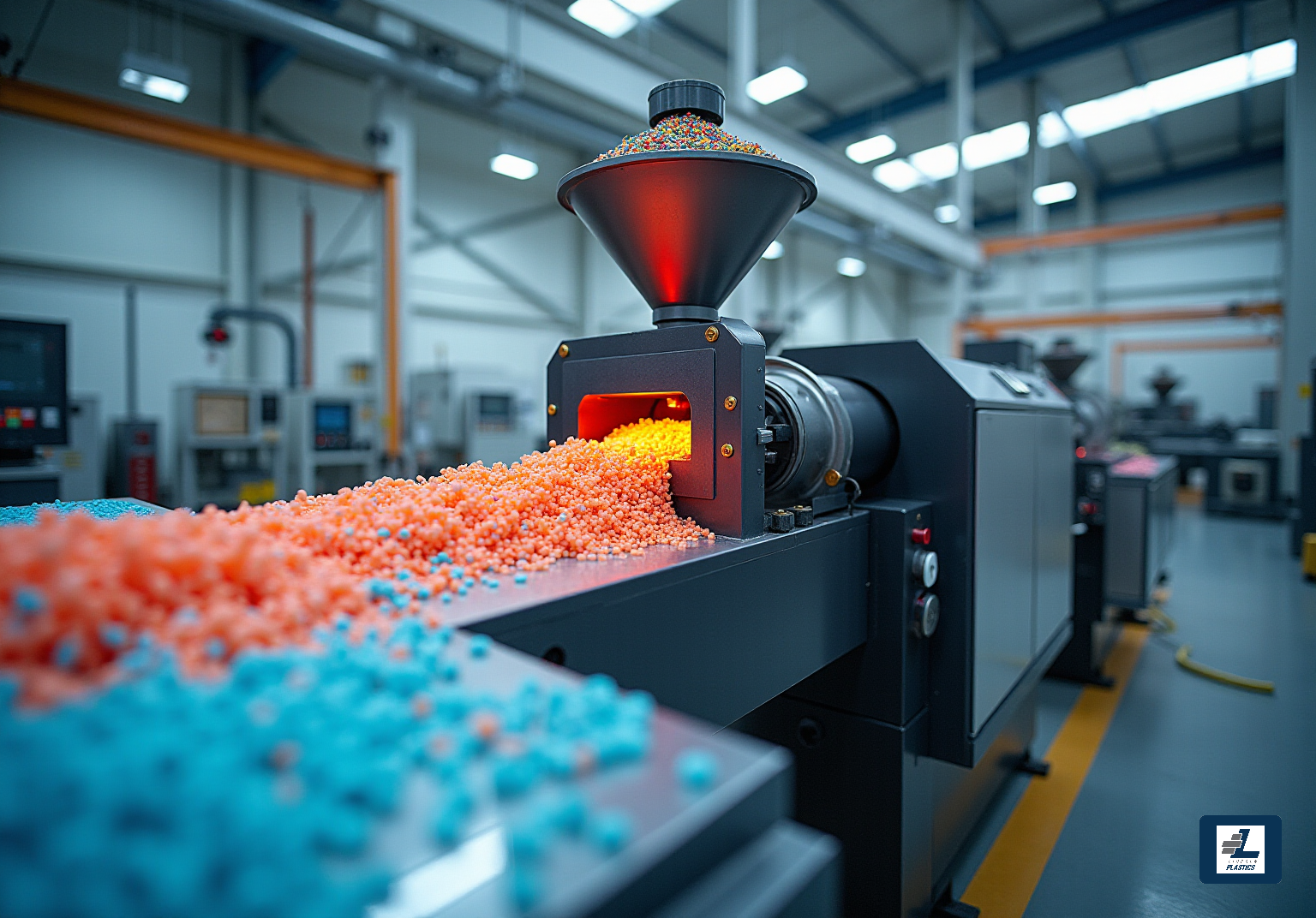
Let’s dive into the shaping process! The extrusion process is a key method where raw plastic gets pushed through a die, creating those continuous forms with a uniform cross-section we often see. At the heart of the extrusion process are some important players: the extruder, the material, and the die, which shapes the material as it exits.
Now, mastering the mechanics of shaping is crucial. Think about it - temperature control, pressure management, and viscosity all play a big role in optimizing and ensuring the quality of the items produced. For instance, keeping a close eye on temperature is vital; it helps prevent resin degradation and guarantees that the final product is consistent.
You might be wondering about the different methods out there. Understanding the ins and outs of the extrusion process, including single-screw and twin-screw processing, can really help manufacturers pick the best method for their specific needs. As industry experts often say, having a solid grasp of the extrusion process is key to achieving efficiency and keeping up with the ever-changing market demands. So, what do you think? Ready to explore more about shaping and its impact on manufacturing?

Select Appropriate Materials for Extrusion
is essential if you want your final product to shine. Think about it: materials are all key factors. You’ve probably heard of polyethylene (PE), polypropylene (PP), and polyvinyl chloride (PVC) - each of these has its own unique traits tailored for specific uses. For example, PE is known for its flexibility, making it a go-to for applications that need durability. On the flip side, PVC is perfect for structural components.
At Lincoln Plastics, we work hand-in-hand with OEMs to make sure their products meet all the necessary standards, including those special checks for ‘fit and function.’ Here’s a real-world example: one of our clients faced issues with Delrin components that were submerged underwater, and they were degrading because of the material's porosity. By switching to polypropylene, a material that’s resistant to chemicals and water, they solved their problem and got the performance they were after.
We’ve got a solid assurance system in place, complete with a dedicated manual for your plastic profile that includes drawings, essential in-process checks, and run documentation. This way, you can be confident that your products hit all the critical dimensions. Recent research shows that selecting the right materials and a good understanding of how they work with the shaping process can really boost quality while cutting down on waste.
As Brenda Wood puts it, "Selecting the right plastic for your project can significantly impact its performance, durability, and overall success." And you know what? Successful case studies back this up, demonstrating how material selection impacts the manufacturing process of extrusion. It really highlights the importance of making informed decisions when it comes to selecting materials.

Optimize Extrusion Parameters for Quality and Efficiency
When it comes to extrusion, manufacturers really need to pay attention to a few key parameters: temperature, pressure, and screw speed. For example, keeping the temperature just right is super important for making sure the material melts evenly. And let’s not forget about pressure! Tweaking the screw speed can help control the flow rate and pressure in the extruder, which directly influences the final product.
At Lincoln Plastics, we love working closely with OEMs to make sure their products meet all the necessary standards, including those special assessments for 'fit and function.' We’ve got a variety of check gauges to ensure everything fits just right for end use, and sourcing colors that match your Pantone specs? No problem at all!
Now, let’s talk about data collection. These can provide some pretty valuable data, helping operators make smart adjustments during the extrusion process. Plus, our solid assurance system keeps a dedicated record for each plastic profile, ensuring that all critical dimensions are met and documented.
And here’s a tip: regularly reviewing and analyzing production metrics can help spot trends and areas for improvement. This leads to better efficiency and less downtime. So, why not take a closer look at your processes? You might just find some opportunities for enhancement!

Implement Quality Control Measures in Extrusion
When it comes to extrusion shaping, we really need to think about both quality control and keeping an eye on things as they happen. It’s all about making sure everything stays in tip-top shape. At Lincoln Plastics, we know how crucial it is to have a solid management system in place. This helps us verify that all materials meet those tough standards before they even hit the production floor.
Now, let’s talk about our collaboration with suppliers. We work closely with them to ensure their products meet all the necessary standards, including those special checks for ‘fit and function’. It’s not just about getting it right once; monitoring parameters like melt temperature, pressure, and item dimensions is vital for maintaining those standards throughout the extrusion process.
You might be wondering how we catch issues early on. Well, techniques like inspection and sampling are super effective for spotting defects before they become a bigger problem. This way, we can make timely corrections that cut down on waste and boost product reliability. Plus, we use various types of check gauges to ensure everything fits just right for its intended use.
But we don’t stop there! Tools such as statistical process control and Failure Mode and Effects Analysis (FMEA) help us proactively identify potential defects. Establishing clear procedures and conducting regular audits not only keeps our quality high but also fosters a culture of quality within our production team.
By putting these practices into action, Lincoln Plastics is able to significantly reduce defect rates and improve overall operational efficiency. So, let’s keep the conversation going about how we can continue to enhance our efforts!

Maintain Equipment for Consistent Production
Maintaining processing equipment can feel like a daunting task, right? But it doesn’t have to be! One of the best ways to keep everything running smoothly is by setting up a maintenance schedule. This should include regular inspections, cleaning, and part replacements.
Now, let’s talk about the key areas you should focus on. The extruder barrel, screw, and die are critical components in the extrusion process. Keeping an eye on these components can save you from costly downtime down the line. Don’t forget to lubricate and check for wear and tear - these little steps can make a big difference!
Have you thought about training staff on proper equipment handling and maintenance procedures? It’s a game changer for operational efficiency. Plus, utilizing technologies like vibration analysis and thermal imaging can help you spot potential issues before they escalate into major problems.
So, why not take a proactive approach? Your equipment - and your production output - will thank you!

Conclusion
Mastering the manufacturing process of extrusion is key to producing high-quality products efficiently. You know, when you really get the ins and outs of the extrusion process - like picking the right materials, optimizing parameters, and keeping your equipment in top shape - you can seriously boost your production capabilities. Each of these practices not only helps with the final product's quality but also makes operations smoother, ensuring consistency and reliability in manufacturing.
Now, let’s talk about some key insights from this article. Temperature control, material selection, and regular equipment maintenance are super important. For example, choosing materials based on their mechanical properties can really impact the durability and performance of your final product. Plus, optimizing extrusion parameters, like pressure and screw speed, is crucial for hitting those desired flow rates and product quality. And don’t forget about quality control measures! They help catch potential defects early, which means less waste and better operational efficiency.
So, what’s the takeaway? Successfully implementing these best practices in extrusion manufacturing is vital for meeting market demands and staying competitive. Manufacturers should really consider taking a proactive approach - constantly evaluating and refining their processes. By focusing on these strategies, organizations can not only ramp up their manufacturing efficiency but also ensure they deliver products that meet or even exceed industry standards. Embracing these practices will set the stage for future advancements in the extrusion process, leading to greater success in the manufacturing world.
Frequently Asked Questions
What is the extrusion process in manufacturing?
The extrusion process is a manufacturing method where raw plastic is pushed through a die to create continuous forms with a uniform cross-section. It involves key components like the extruder, which melts and mixes the plastic, and the die, which shapes the material as it exits.
Why is temperature control important in the extrusion process?
Temperature control is vital in the extrusion process as it helps prevent resin degradation and ensures that the final product is consistent, thereby optimizing production efficiency and maintaining quality.
What are the different forming techniques used in extrusion?
The main forming techniques in extrusion include single-screw and twin-screw processing, which manufacturers can choose from based on their specific needs.
What factors should be considered when selecting materials for extrusion?
Key factors to consider when selecting materials for extrusion include mechanical properties, thermal stability, and chemical resistance.
What are some common materials used in the extrusion process?
Common materials used in the extrusion process include polyethylene (PE), polypropylene (PP), and polyvinyl chloride (PVC), each with unique traits suited for specific applications.
Can you provide an example of a material change that improved product performance?
One example is a client who faced issues with Delrin components degrading underwater due to porosity. By switching to polypropylene, which is resistant to chemicals and water, they resolved the issue and improved product performance.
How does Lincoln Plastics ensure quality in their extrusion process?
Lincoln Plastics has a solid assurance system that includes a dedicated manual for plastic profiles, which contains drawings, essential in-process checks, and run documentation to ensure that rigid profiles meet critical dimensions.
What impact does selecting the right plastic have on a project?
Selecting the right plastic can significantly impact a project's performance, durability, and overall success, as demonstrated by successful case studies in the manufacturing process extrusion.
List of Sources
- Understand the Basics of the Extrusion Process
- atieuno.com (https://atieuno.com/aluminium-extrusion-case-studies)
- paulmurphyplastics.com (https://paulmurphyplastics.com/industry-news-blog/the-importance-of-cooling-in-plastic-extrusion)
- 2026 Aluminum Extrusion Trends & Outlook | Profile Precision Extrusions (https://profileprecisionextrusions.com/2026-outlook-innovations-and-trends-shaping-the-future-of-aluminum-extrusions)
- mdpi.com (https://mdpi.com/2504-4494/8/6/265)
- Select Appropriate Materials for Extrusion
- plasticsnews.com (https://plasticsnews.com/suppliers/materials/pn-materials-outlook-2026)
- cowinextrusion.com (https://cowinextrusion.com/key-points-to-pay-attention-to-when-selecting-plastic-extruder)
- auburnplastics.com (https://auburnplastics.com/insights/case-study-the-importance-of-material-selection)
- todayinsci.com (https://todayinsci.com/QuotationsCategories/M_Cat/Material-Quotations.htm)
- Choosing Materials for Plastic Extrusion - PET (https://plasticextrusiontech.net/choosing-the-right-materials-for-plastic-extrusion)
- Implement Quality Control Measures in Extrusion
- onesilq.com (https://onesilq.com/blog/during-production-inspections)
- How to Collect & Interpret Process Data in Extrusion (https://ptonline.com/articles/how-to-collect-interpret-process-data-in-extrusion-part-1(2))
- Quality Control in Plastic Extrusion for Consistent Results | Rocal (https://rocalextrusions.co.uk/news/quality-control-in-plastic-extrusion-to-ensure-consistent-results)
- The Importance of Quality Control in Plastic Extrusion Manufacturing - Craftedplastics (https://craftedplastics.com/blog/the-importance-of-quality-control-in-plastic-extrusion-manufacturing)
- Maintain Equipment for Consistent Production
- 10 Compelling Statistics About Manufacturing Maintenance (https://worktrek.com/blog/manufacturing-maintenance-statistics)
- accendoreliability.com (https://accendoreliability.com/impact-of-maintenance-strategy-on-production-efficiency-and-quality)
- The Latest Statistics from the Maintenance Industry [2025] (https://getsockeye.com/blog/maintenance-statistics)
- Manufacturing Maintenance Statistics & Data You Need to Know (https://caisoft.com/resources/manufacturing-maintenance-statistics)
- 25 Maintenance Stats, Trends, And Insights For 2026 (https://getmaintainx.com/blog/maintenance-stats-trends-and-insights)
Related posts

Designing Custom Extrusions: How We Work with OEM Engineers
Lincoln Plastics partners with OEM engineers to design custom extrusion profiles — reducing modifications, improving performance, and lowering costs


Precision Matters: Tolerances and Quality Control in Extrusion
Lincoln Plastics ensures precision in every extrusion with tight tolerances, in-line checks, and strict quality control for OEM applications
Plastic Extrusion for Agricultural Equipment: Beyond Irrigation
Lincoln Plastics supports agriculture with custom plastic extrusions that go beyond irrigation, delivering durability and reliability in the field
