

4 Best Practices for Supplier Reliability in Plastic Manufacturing
Introduction
When it comes to plastic manufacturing, reliability really hinges on how strong your supplier relationships are. Think about it: if you can evaluate your suppliers effectively, keep communication clear, enforce quality control, and build long-term partnerships, you’re likely to see a boost in both efficiency and product quality. But with today’s supply chain complexities, you might be wondering, how can businesses tackle the challenges of supplier reliability?
Let’s explore some strategies together. By diving into these insights, you might just find the keys to a more dependable manufacturing process.
Evaluate Supplier Capabilities and Track Record
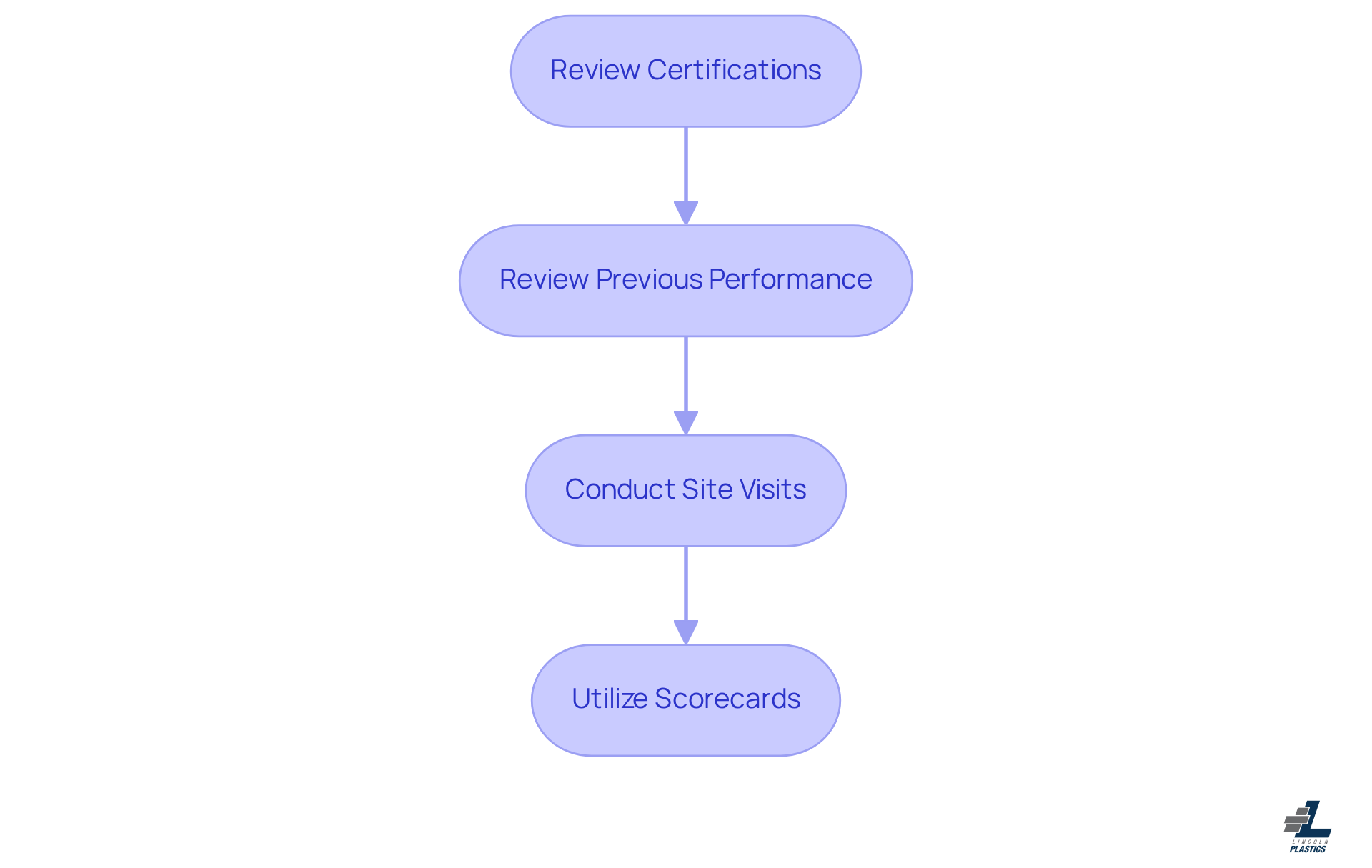
When it comes to ensuring supplier reliability, manufacturers really need to take a good look at potential suppliers' capabilities and track records. Think about it: assessing their processes, technology, and industry experience is crucial. Here are some key steps to consider:
- Reviewing Certifications: Have you checked for relevant certifications like ISO 9001? This one shows that a supplier sticks to quality management standards. For instance, Lincoln Plastics is certified to the ISO standard, which means they meet high standards for their products.
- Reviewing History: It’s smart to examine a vendor's history regarding performance, product quality, and how they handle issues. Lincoln Plastics, for example, works closely with clients and uses various check gauges to ensure a proper end-use fit. This can give you some great insights into their reliability.
- Facility Visits: If you can, visiting the provider's facility is a fantastic way to see their operations, equipment, and quality control processes up close. Lincoln Plastics has a solid assurance system, including a dedicated record for each plastic profile. This documentation covers critical in-process checks and run documentation, including specific checks for 'fit and function'.
- Utilizing Scorecards: Ever thought about implementing a scorecard system? It’s a great way to quantitatively evaluate providers based on criteria like excellence, delivery, and service. This structured approach makes it easier to compare and decide, ensuring you partner with a manufacturer like Lincoln Plastics that values precision and compliance.
By focusing on these best practices, manufacturers can really boost their vendor selection process. This ultimately leads to better operational efficiency and product quality in plastic manufacturing. So, what do you think? Ready to enhance your supplier evaluation process?
Establish Clear Communication Channels
Building a solid vendor relationship starts with communication. So, how can you connect with your suppliers? Here are some friendly tips:
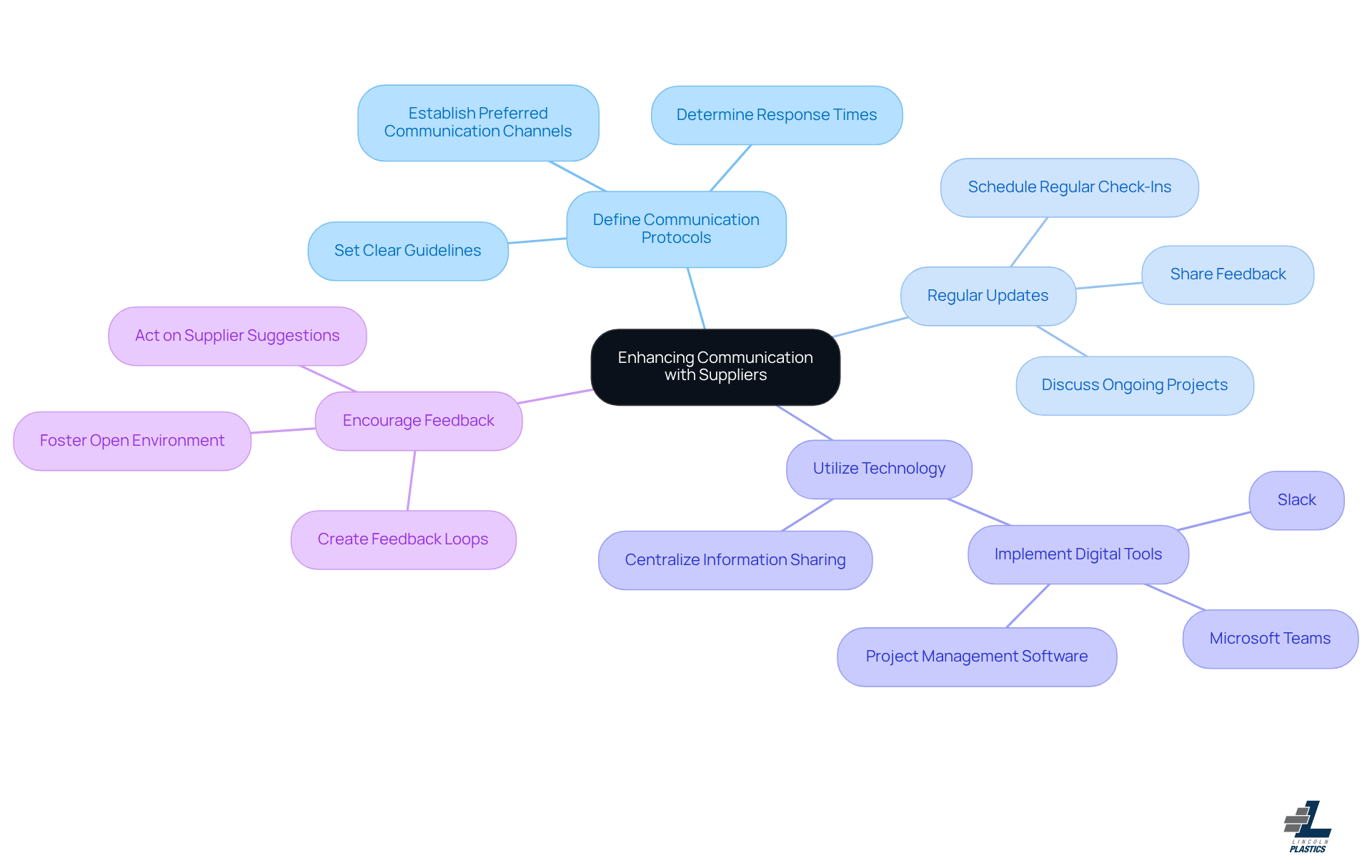
- Set guidelines: It’s super helpful to set clear guidelines on how and when to chat. Think about what response times work best and how you prefer to connect - whether it’s via email, phone, or project management tools.
- Use meetings: How about regular meetings? These can be great for discussing ongoing projects, spotting potential issues, and sharing feedback. This proactive approach not only helps catch problems early but also creates a collaborative vibe.
- Leverage technology: Let’s not forget about the power of tech! Using digital tools like Slack, Microsoft Teams, or specialized management software can really enhance communication and keep everyone in the loop.
- Foster openness: It’s important to create an environment where suppliers feel comfortable sharing their thoughts on processes and expectations. This two-way street of communication can lead to improvements for both sides.
So, what do you think? Ready to enhance your communication?
Implement Quality Control Measures
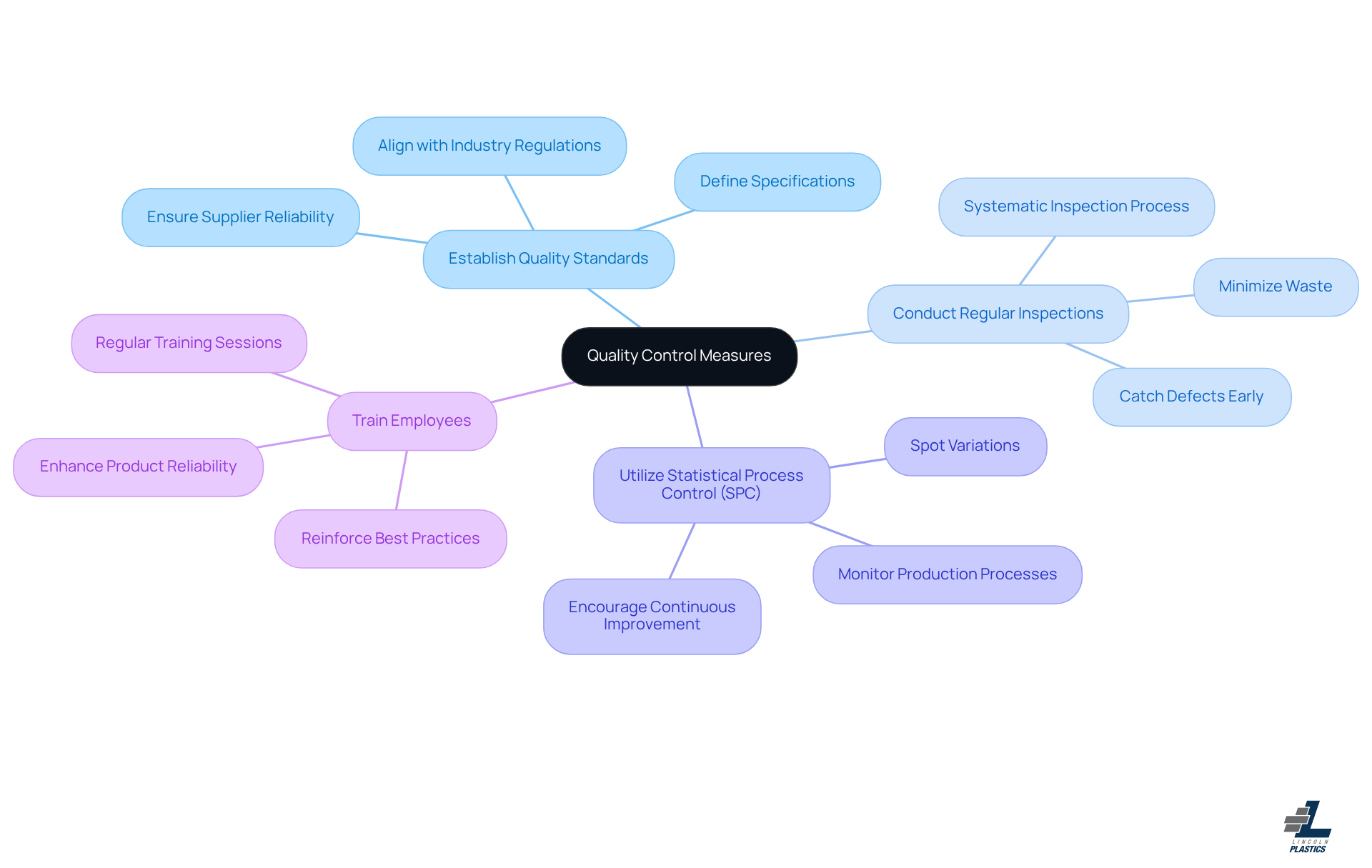
is super important for making sure that plastic items not only meet industry standards but also keep customers happy. So, let’s dive into some key practices you can implement:
- Quality Standards: First off, it’s essential to clearly define quality standards that match up with industry regulations and what your customers expect. Think about specifications for materials, dimensions, and performance metrics. This way, you’ll ensure and maintain consistency in production.
- Inspection Process: Now, let’s talk about inspections. Setting up a systematic inspection process at different stages of production-from picking raw materials to final testing-can really make a difference. Catching defects early helps minimize waste and boosts the overall integrity of your products.
- Utilize SPC: Have you heard of SPC techniques? They’re great for keeping an eye on production processes and spotting any variations that might lead to defects. This data-driven approach allows for timely adjustments and encourages a culture of quality, which is key for maintaining standards.
- Train Employees: Lastly, don’t forget about training! Make sure everyone involved in production is well-trained in quality control procedures and understands why maintaining high standards is crucial. Regular training sessions can reinforce practices and keep quality at the forefront of operations, ultimately enhancing product reliability and ensuring customer satisfaction.
Build Long-Term Supplier Relationships
Building strong, lasting connections with vendors is super important for enhancing supplier performance. So, let’s dive into some key strategies you might want to consider:
- Invest in relationships: Think of your suppliers as partners, not just vendors. When you understand their capabilities, it opens the door for collaboration. This teamwork can lead to innovative solutions that benefit everyone involved. Did you know that 66% of procurement pros believe that increasing regulatory and ESG demands will significantly impact strategic sourcing in the next 3-5 years? That makes strong relationships even more essential!
- Interact Consistently: Keep those communication lines open! Regular chats about goals, expectations, and any changes in requirements can really help. This kind of dialogue builds trust and transparency, which are key for effective partnerships. In fact, 54% of business leaders say transparency is the most crucial aspect of quality from vendors. So, communication is a must!
- Provide Feedback and Recognition: Don’t forget to acknowledge your vendors for their hard work! Offering feedback and recognizing their contributions can motivate them to maintain high standards. As David Joseph Schwartz pointed out, improving performance and increasing what you do is a smart strategy for success.
- Explore Joint Ventures: Keep an eye out for opportunities to engage in partnerships. These initiatives can enhance your product offerings and drive innovation, strengthening the bond between your company and its partners.
Recent examples from the plastic industry show just how effective these strategies can be. Companies that focus on collaboration often experience improvements in plastic manufacturing. A good number of procurement experts believe that strong relationships lead to better outcomes. Plus, acknowledging the challenges of complex sourcing processes—something that hinders 17% of procurement departments—can give you valuable insights for navigating these issues. By treating suppliers as integral partners, businesses can tackle challenges more effectively and achieve greater operational efficiency.

Conclusion
When it comes to plastic manufacturing, ensuring supplier reliability is key to keeping quality high and operations running smoothly. Think about it: by putting some best practices into play - like checking out supplier capabilities, keeping communication open, enforcing solid quality control, and building long-term relationships - manufacturers can really step up their vendor selection game and boost production outcomes.
So, what’s the takeaway here? The article highlights how important it is to look at a supplier's track record, maintain those open lines of communication, and stick to systematic quality control practices. These strategies not only help you find reliable partners but also create a collaborative vibe that sparks innovation and efficiency. Plus, focusing on relationship management shows just how valuable it is to treat suppliers as integral partners. This approach can lead to mutual success and better performance all around.
In a nutshell, the journey to supplier reliability isn’t just about picking the right vendors; it’s about forging partnerships built on trust, communication, and shared goals. Manufacturers should really consider adopting these best practices to make sure their supply chains are resilient and ready to meet market demands. By prioritizing supplier reliability, businesses can sharpen their competitive edge and deliver top-notch products to their customers.
Frequently Asked Questions
Why is it important to evaluate supplier capabilities and track records?
Evaluating supplier capabilities and track records is crucial for ensuring supplier reliability, as it helps manufacturers assess production capacity, technology, and industry experience.
What certifications should manufacturers look for in suppliers?
Manufacturers should check for relevant certifications like ISO 9001, which indicates that a supplier adheres to quality management standards.
How can reviewing previous performance help in supplier evaluation?
Examining a vendor's history regarding on-time delivery, product quality, and issue resolution provides insights into their reliability and overall performance.
What benefits come from conducting site visits to potential suppliers?
Visiting a supplier's facility allows manufacturers to observe operations, equipment, and quality control processes, providing a clearer understanding of the supplier's capabilities.
What is a vendor scorecard system and how does it help in supplier evaluation?
A vendor scorecard system quantitatively evaluates providers based on criteria like excellence, delivery, and service, making it easier to compare suppliers and make informed decisions.
How does implementing best practices in supplier evaluation benefit manufacturers?
By focusing on best practices, manufacturers can enhance their vendor selection process, leading to improved operational efficiency and product quality in plastic manufacturing.
List of Sources
- Evaluate Supplier Capabilities and Track Record
- 18 Lean Manufacturing Quotes (#5 is Amazing) (https://newcastlesys.com/blog/bid/337009/lean-manufacturing-quotes-for-education-and-inspiration)
- Plastics News - Plastic Industry News, Resin Pricing & Analysis (https://plasticsnews.com)
- veridion.com (https://veridion.com/blog-posts/supplier-sourcing-statistics)
- digitaldefynd.com (https://digitaldefynd.com/IQ/motivational-supply-chain-management-quotes)
- navigatecontent.com (https://navigatecontent.com/blog/inspirational-manufacturing-business-industry-quotes)
- Establish Clear Communication Channels
- veridion.com (https://veridion.com/blog-posts/supplier-sourcing-statistics)
- corethos.com (https://corethos.com/10-of-the-best-business-communication-quotes)
- 80 Effective Workplace Communication Quotes for Trainers (https://symondsresearch.com/workplace-communication-quotes)
- vouchfor.com (https://vouchfor.com/blog/workplace-communication-quotes)
- eoxs.com (https://eoxs.com/new_blog/the-impact-of-effective-communication-on-supplier-performance)
- Implement Quality Control Measures
- The Importance of Quality Control in Plastic Extrusion Manufacturing - Craftedplastics (https://craftedplastics.com/blog/the-importance-of-quality-control-in-plastic-extrusion-manufacturing)
- Quality Control in Plastic Manufacturing: How to Improve Your QC Process for Optimum Results (https://pti.tech/2024/01/18/quality-control-in-plastic-manufacturing-how-to-improve-your-qc-process-for-optimum-results)
- Accelerating Quality Control in Plastics Manufacturing (https://sensxpert.com/blog/accelerating-quality-control-manufacturing)
- brightpathassociates.com (https://brightpathassociates.com/excellence-in-production-best-practices-for-plastics-quality-control)
- Build Long-Term Supplier Relationships
- veridion.com (https://veridion.com/blog-posts/supplier-sourcing-statistics)
- enterpriseleague.com (https://enterpriseleague.com/blog/business-partnership-quotes)
- 50 Quotes To Inspire Business Partnerships and Collaboration (https://indeed.com/career-advice/career-development/business-partnership-quotes)
- scmtalent.com (https://scmtalent.com/supplier-relationship-management)


