
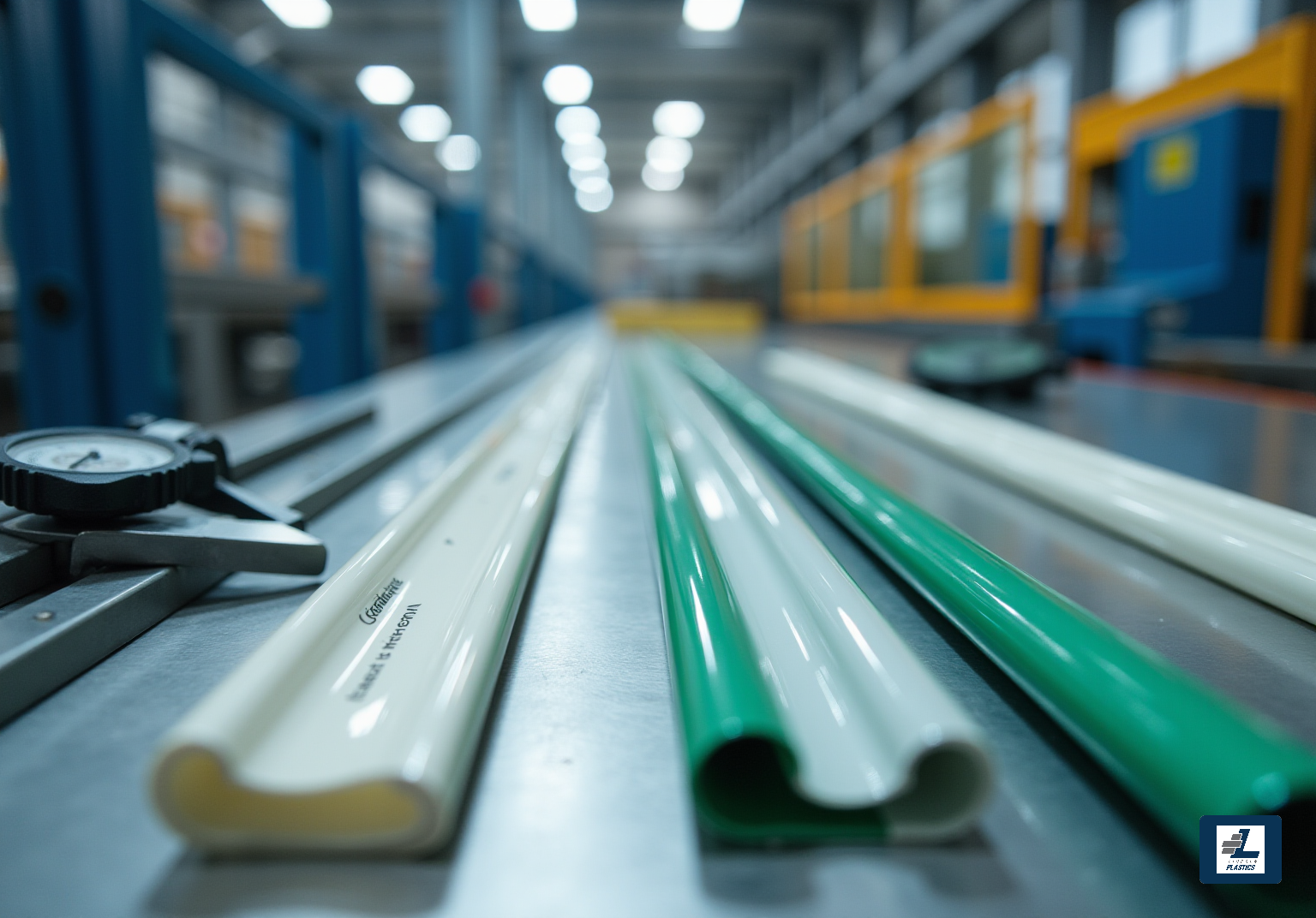
4 Best Practices for Sourcing Vinyl Extrusions Effectively
Introduction
Sourcing vinyl extrusions can feel pretty complex, right? It takes a good grasp of material specs, supplier capabilities, and some savvy negotiation skills. As more industries lean on high-quality vinyl products, effective sourcing strategies are more important than ever. So, what are the best practices to ensure manufacturers not only meet their operational needs but also build long-term partnerships with dependable suppliers?
Let’s dive into the essential steps for successfully sourcing vinyl extrusions. We’ll cover everything from defining quality standards to managing supplier relationships. By doing this, we’re paving the way for better product quality and operational efficiency. Ready to explore? Let’s get started!
Define Material Specifications and Quality Standards
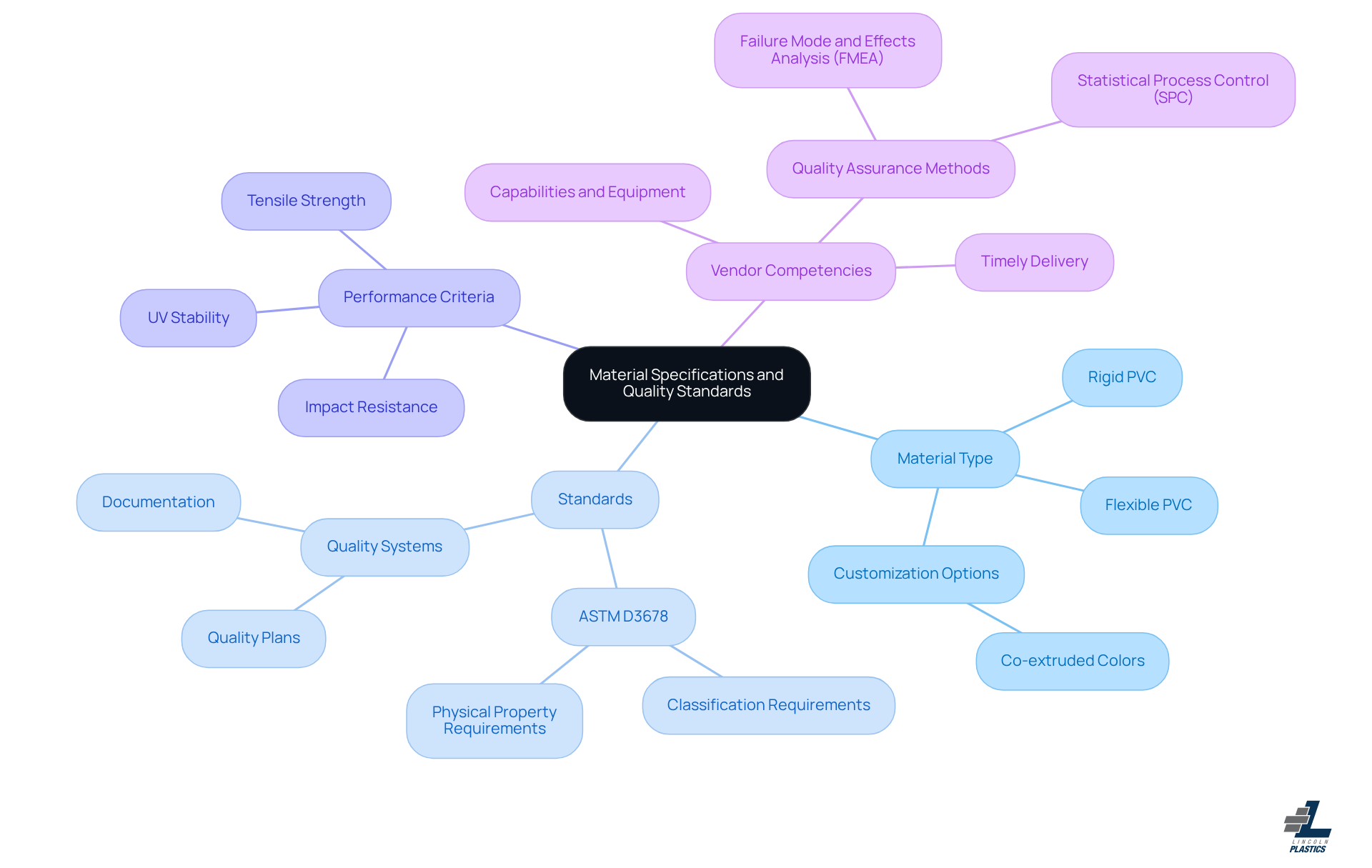
When it comes to sourcing vinyl extrusions, the first step is to clearly define your material specifications. This is key to making sure everything aligns with your product needs. So, what should you consider?
- Material Type: Think about the type of vinyl that fits your application best. Are you looking for rigid or flexible PVC? Consider its mechanical properties and how it stands up to environmental factors. Lincoln Plastics has a range of options and can even co-extrude colors into your vinyl extrusions, giving you the customization you need.
- Standards: It’s helpful to have benchmarks in mind. Reference industry norms like ASTM D1784, which lays out the classification and physical property requirements for rigid PVC. Lincoln Plastics sticks to solid standards, complete with testing and documentation for each plastic profile, ensuring that everything is compliant and reliable.
- Performance Criteria: What do you need? Think about things like tensile strength, impact resistance, and UV stability. These will guide your vendor selection and material testing. Lincoln Plastics guarantees that their vinyl extrusions, specifically the rigid PVC profiles, meet crucial dimensions and performance specs, giving OEMs peace of mind.
- Vendor Competencies: Take a look at what your provider can offer. Do they have the right capabilities and equipment to meet your specifications? Check if they comply with advanced assurance methods like Statistical Process Control (SPC) and Failure Mode and Effects Analysis (FMEA). Lincoln Plastics is trusted by both large and small clients for timely delivery of mission-critical components, proving their reliability.
By clearly outlining these specifications, you can simplify the sourcing process. This way, vendors will know exactly what you expect from the start, which ultimately improves product quality and operational efficiency. So, are you ready to streamline your sourcing process?
Evaluate and Select Reliable Suppliers
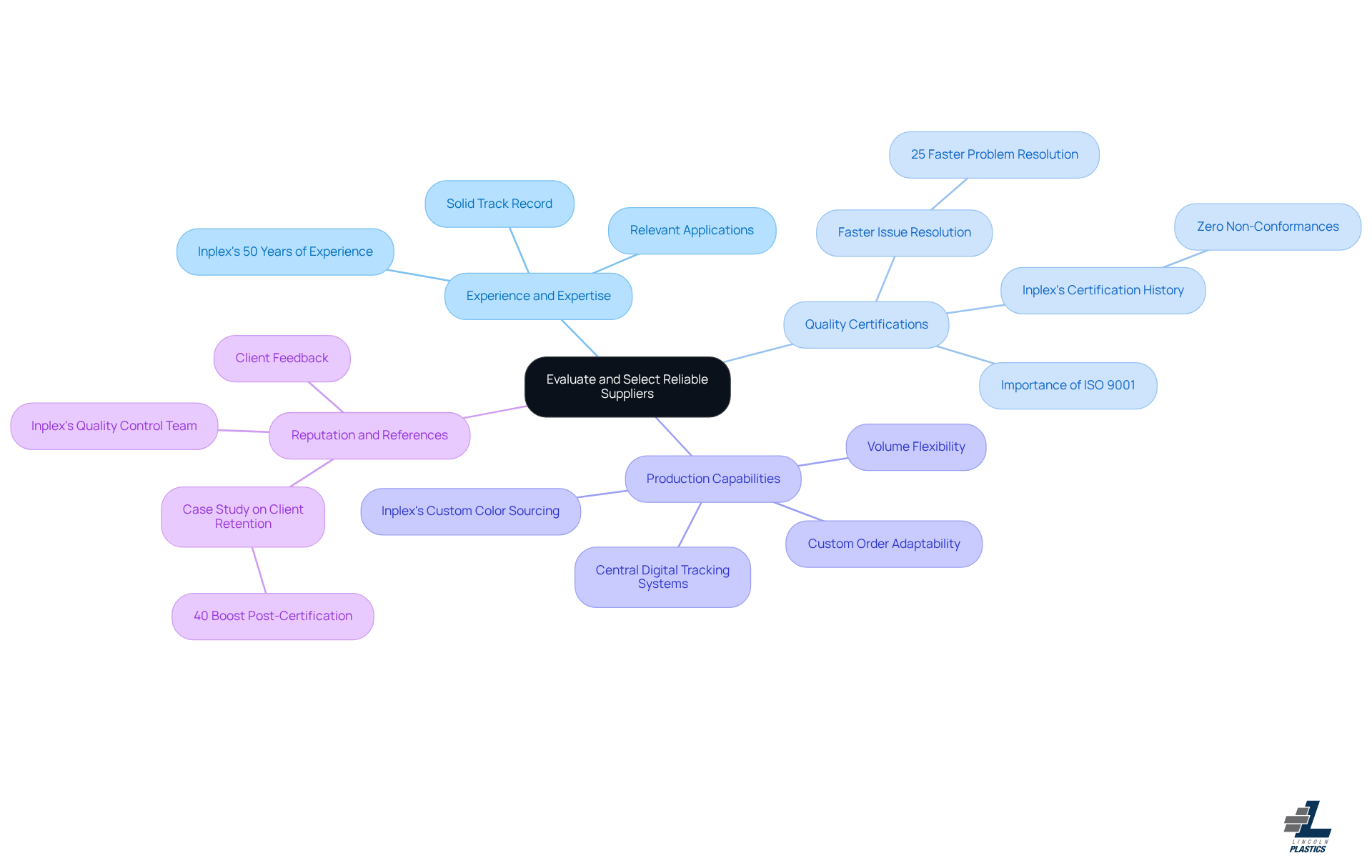
When you're on the hunt for potential suppliers for vinyl extrusions, there are a few key things to keep in mind:
- Experience and Expertise: It’s a good idea to prioritize suppliers who have a solid track record in vinyl extrusions, particularly those who have experience similar to what you need. A vendor’s history can really give you insight into their ability to meet your specific requirements.
- Certifications: Make sure to check that suppliers have the right certifications, especially ISO certifications. This certification shows their commitment to quality assurance, which can really boost product reliability. Did you know that certified facilities tackle issues related to quality standards about 25% faster than those without? That’s why it’s so important! For instance, to ensure their products meet all quality standards, including special checks for 'fit and function' and various types of check gauges.
- Capacity: Take a look at the provider’s ability to meet your volume needs and how flexible they are with production schedules. Certified plants often use central digital tracking systems, which help improve efficiency and cut down on redundant work. A vendor’s ability to adapt to changing demands is crucial for keeping your operations running smoothly. For example, Lincoln Plastics can easily source colors that match your Pantone specifications, ensuring that your products are spot on.
- Feedback: Don’t forget to gather feedback from current clients to gauge the provider’s reliability and customer service. There’s a case study that showed a custom plastic extrusion firm boosted client retention by 40% after getting certification—talk about a win! A provider’s reputation can really shed light on their performance and commitment to excellence. Lincoln Plastics makes sure that your extrusions meet critical dimensions, backed by a solid quality system that includes a dedicated quality book with drawings, in-process checks, and run documentation.
By taking a comprehensive approach and following these guidelines, you’ll be well on your way to finding suppliers who can consistently deliver high-quality vinyl extrusions. This will ultimately enhance your operational success!
Negotiate Contracts for Optimal Terms
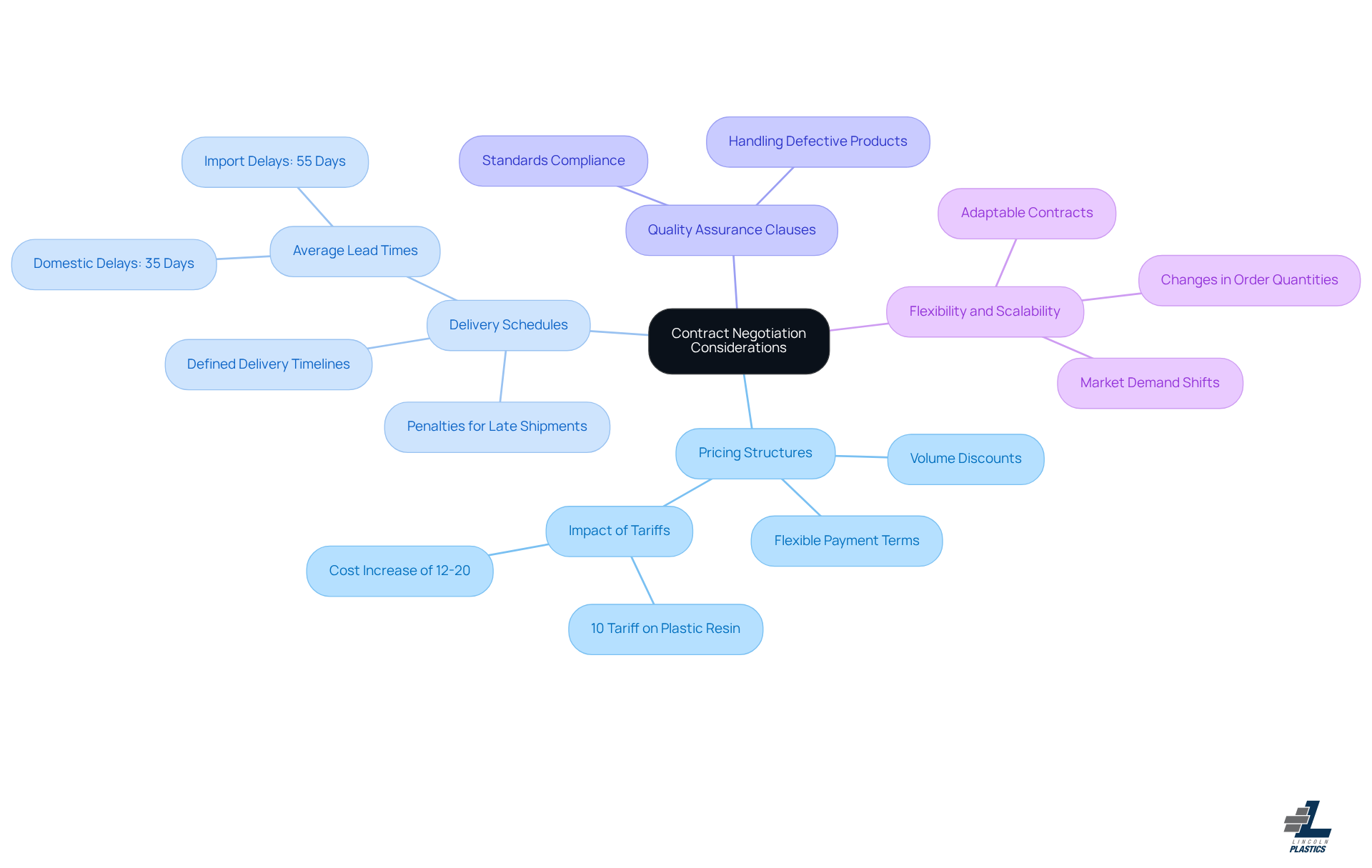
Negotiating contracts with providers of vinyl extrusions can be a bit of a challenge, right? It really calls for some careful prep and strategic thinking. Here are a few key things to keep in mind:
- Consider using different pricing models—like volume discounts and flexible payment terms. This can really help with cost-effectiveness. For example, have you considered how tariffs impact pricing? A 10% tariff on plastic resin imports from China could push costs up by 12-20% for U.S. manufacturers.
- It’s super important to clearly define delivery timelines. This helps avoid those frustrating delays. You might want to set penalties for late shipments to encourage sticking to the schedule. Did you know that shipping times have really shot up? Domestic delays are averaging around 35 days, while imports are hitting 55 days. That just shows how crucial solid delivery agreements are.
- Make sure to include quality assurance measures in your contracts. This way, you can ensure that products meet the standards you need. It’s also essential to outline how you’ll handle defective products—this is key for keeping your operations running smoothly and your customers happy.
- Contracts should be adaptable, allowing for changes in order quantities and specifications as your business needs change. This flexibility is super important in today’s fast-paced market where demand can shift unexpectedly.
By focusing on these factors during your negotiations, you can create agreements that not only strengthen your vendor relationships but also improve your overall supply chain efficiency. So, what are you waiting for? Let’s get those contracts in shape!
Manage Supplier Relationships for Long-Term Success
When it comes to sourcing in the industry, there are some best practices you might want to consider.
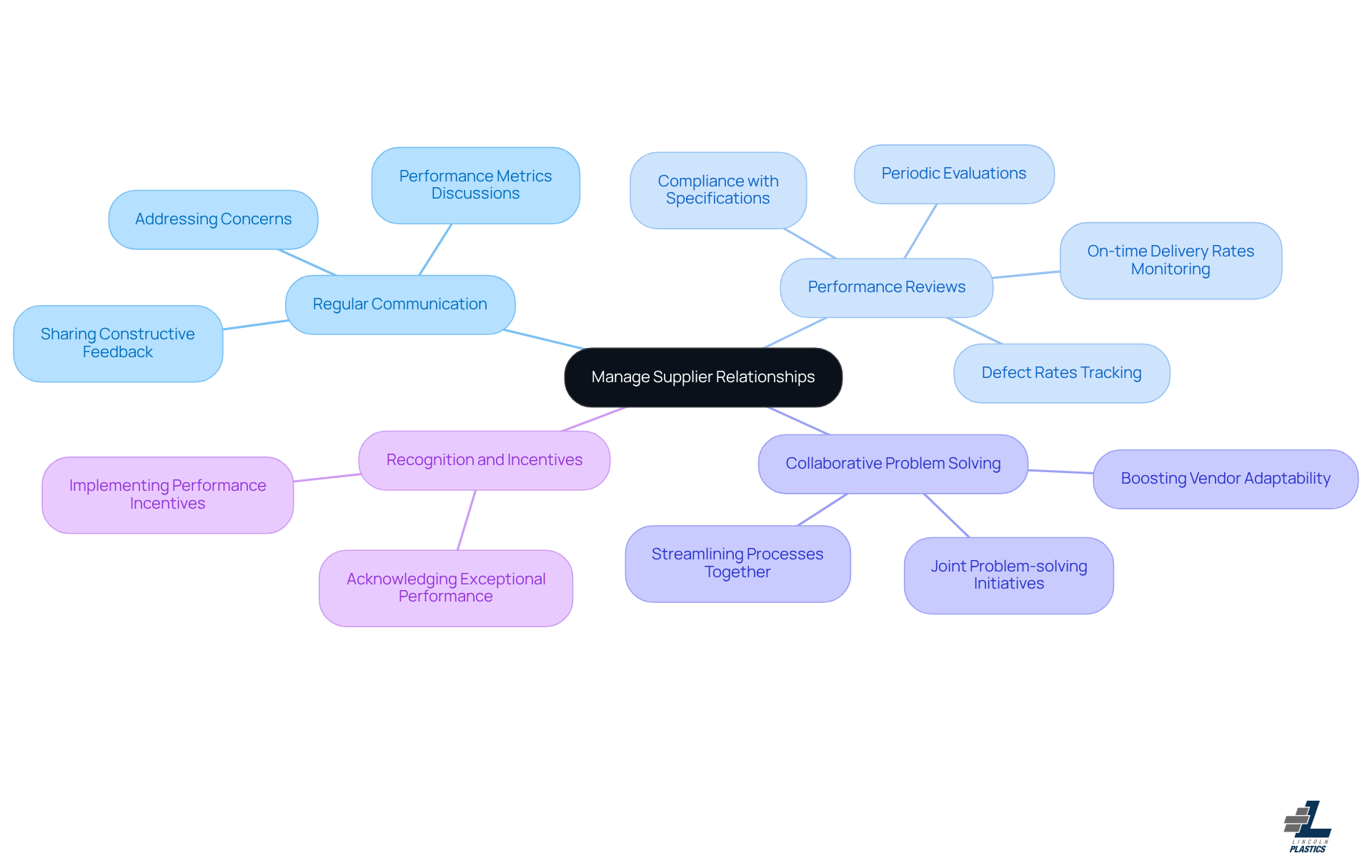
- Regular Communication: It’s super important to keep those lines of communication open. Regular chats about project updates, addressing any concerns, and sharing constructive feedback can really make a difference. This ongoing dialogue not only fosters transparency but also builds trust—key ingredients for a successful partnership.
- Performance Reviews: Have you thought about the performance of your suppliers? Checking in on key metrics like on-time delivery rates, defect rates, and compliance with specifications can be really insightful. For example, by tracking on-time delivery rates, you can see how well your vendors stick to deadlines. Monitoring defect rates helps you spot any issues. These reviews are great for pinpointing areas that need improvement and ensuring everyone is on the same page with your operational goals.
- Collaborative Problem Solving: Now, let’s talk about involving your providers in decision-making. Tackling challenges together can lead to solutions that benefit both of you. This collaborative approach not only addresses issues but also boosts vendor adaptability and responsiveness. For instance, working hand-in-hand to streamline processes can lead to shorter lead times and better service levels.
- Recognition and Incentives: Don’t forget to recognize suppliers for their exceptional performance! Whether they consistently meet delivery schedules or keep defect rates low, recognizing their contributions can strengthen your partnership and encourage ongoing excellence. You might even consider implementing performance incentives to motivate suppliers toward improvement.
By putting these strategies into action, you can cultivate relationships that enhance the reliability and quality of your sourcing efforts. Ultimately, this contributes to your success!
Conclusion
Sourcing vinyl extrusions effectively can feel like a daunting task, right? It’s all about having a smart strategy in place. Start by clearly defining your material specifications, then move on to evaluating suppliers, negotiating contracts, and managing those relationships. When you set clear expectations from the get-go, you can make the sourcing process smoother and boost the quality of your products. This, in turn, leads to better operational efficiency.
Now, let’s talk about some best practices. It’s crucial to:
- Pick reliable suppliers who have a track record of experience and hold quality certifications.
- Negotiate contract terms that focus on pricing, delivery, and quality assurance.
- Nurture strong relationships with your suppliers through regular chats and performance reviews.
These elements come together to form a solid framework for sourcing that not only addresses your immediate needs but also sets you up for long-term success.
So, what’s the takeaway? Embracing these best practices can really enhance your sourcing process for vinyl extrusions. I encourage you to take a proactive approach in defining your requirements, engaging with suppliers, and building partnerships that encourage mutual growth. By doing this, you’ll secure a steady supply of high-quality materials that can adapt to your evolving demands in today’s competitive market.
Frequently Asked Questions
What are the first steps in sourcing vinyl extrusions?
The first step is to clearly define your material specifications, which ensures alignment with your product needs.
What factors should be considered when defining material specifications for vinyl?
Consider the material type (rigid or flexible PVC), industry standards (like ASTM D3678), performance criteria (tensile strength, impact resistance, UV stability), and vendor competencies.
How does the type of vinyl affect my application?
The type of vinyl, whether rigid or flexible, will influence its mechanical properties and how it withstands environmental factors, making it crucial to choose the right type for your needs.
What industry standards should I reference for rigid PVC?
ASTM D3678 outlines the classification and physical property requirements for rigid PVC.
How does Lincoln Plastics ensure quality in their vinyl extrusions?
Lincoln Plastics adheres to solid quality systems with dedicated quality plans and documentation for each plastic profile, ensuring compliance and reliability.
What performance metrics should I consider when sourcing vinyl extrusions?
Essential performance metrics include tensile strength, impact resistance, and UV stability, which are important for guiding vendor selection and material testing.
What should I look for in a vendor when sourcing vinyl extrusions?
Check if the vendor has the right capabilities and equipment to meet your specifications, and whether they use advanced assurance methods like Statistical Process Control (SPC) and Failure Mode and Effects Analysis (FMEA).
How can clearly outlining specifications simplify the sourcing process?
By providing clear specifications, vendors will understand your expectations from the beginning, which boosts product quality and operational efficiency.
List of Sources
- Define Material Specifications and Quality Standards
- The Importance of Quality Control in Plastic Extrusion Manufacturing - Craftedplastics (https://craftedplastics.com/blog/the-importance-of-quality-control-in-plastic-extrusion-manufacturing)
- webstore.ansi.org (https://webstore.ansi.org/standards/astm/astmd367819?srsltid=AfmBOopTmZStnudiUt8vhjqLrjIG68xS1KRFibnbKS8DUIQZMTUcUJre)
- seagateplastics.com (https://seagateplastics.com/plastic-extrusions-product)
- plextrusions.com (https://plextrusions.com/extrusion-blog/how-to-select-a-plastic-extrusion-supplier)
- ledestube.com (https://ledestube.com/astm-standards-for-pvc-cpvc-pipes-a-comprehensive-guide)
- Evaluate and Select Reliable Suppliers
- iso.org (https://iso.org/the-iso-survey.html)
- inplexllc.com (https://inplexllc.com/blog/quality-assurance-for-extrusion-products)
- plasticsindustry.org (https://plasticsindustry.org/blog/the-u-s-plastics-industry-in-2024-seven-key-charts)
- statista.com (https://statista.com/statistics/1266494/iso-9001-certs-globally-by-country?srsltid=AfmBOoorkAOfRPKbE4_L1X8sixyjoN1yMRMdZa0heBykbOXp4ozMMcYo)
- jinenplastic.com (https://jinenplastic.com/blog/the-importance-of-iso9001-certification-in-plastic-manufacturing)
- Negotiate Contracts for Optimal Terms
- sterlingplasticsinc.com (https://sterlingplasticsinc.com/insights/how-the-2025-tariffs-will-impact-plastic-prices)
- sciencedirect.com (https://sciencedirect.com/science/article/pii/S0022199623000740)
- spglobal.com (https://spglobal.com/market-intelligence/en/news-insights/research/shipping-delays-impact-global-supply-chains-and-exports-jul24)
- Supply Chain Statistics — 70 Key Figures of 2026 (https://procurementtactics.com/supply-chain-statistics)
- Company News | Window + Door (https://windowanddoor.com/news/companies)
- Manage Supplier Relationships for Long-Term Success
- veridion.com (https://veridion.com/blog-posts/supplier-sourcing-statistics)
- artofprocurement.com (https://artofprocurement.com/blog/learn-supplier-performance-management-metrics)
- scmtalent.com (https://scmtalent.com/supplier-relationship-management)
- veridion.com (https://veridion.com/blog-posts/supplier-performance-metrics)
- Summer Reading: Eleven Critical Stats on Procurement and Sourcing in 2024 (https://corexcorp.com/insights/11-critical-stats-on-procurement-2024)
Related posts

Discover innovative examples of extrusion revolutionizing industries and enhancing operational efficiency.


Explore the versatile applications of plastic z channels in manufacturing and construction.
Enhance your production by learning how to improve quality control in production with four essential steps.
