
4 Best Practices for Sourcing Rigid Plastic Tubes Effectively
Introduction
Sourcing rigid plastic tubes can be a daunting task, but it doesn't have to be. Understanding material specifications and supplier performance is crucial for informed decisions. With so many materials and vendors out there, how can companies choose options that meet industry standards and build reliable partnerships? This article explores best practices to simplify sourcing, providing insights on:
- Material selection
- Vendor evaluation
- Negotiation strategies
- Compliance
to empower your procurement efforts.
Identify Key Material Specifications for Rigid Plastic Tubes
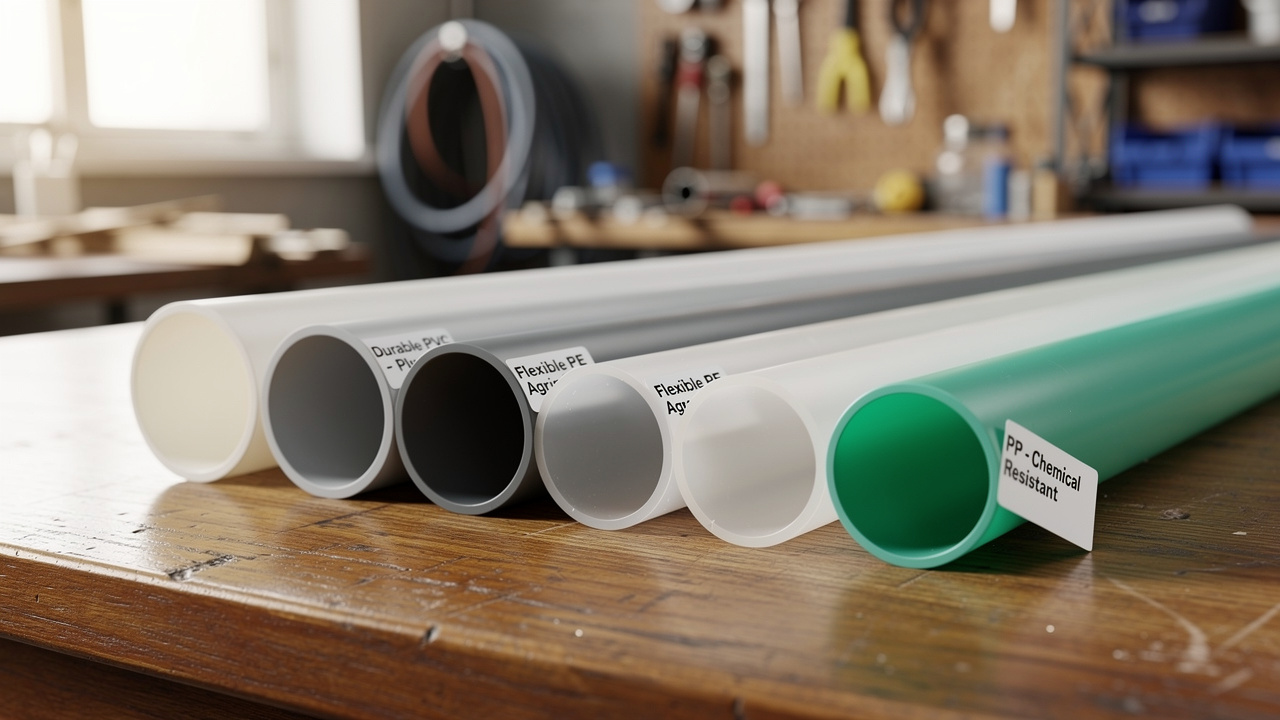
Selecting the appropriate rigid plastic tubes is essential for the success of your application, but many tend to overlook the critical specifications that can determine the outcome of their projects. Common substances used for producing rigid plastic tubes include PVC, polyethylene (PE), and polypropylene (PP). Each material has unique properties that make it suitable for different applications:
- PVC: Known for its durability and chemical resistance, PVC is often used in plumbing and irrigation systems. It is also cost-effective, making it a popular choice for various industrial applications.
- Polyethylene (PE): This substance is lightweight and flexible, offering excellent impact resistance. It is commonly used in agricultural applications, such as irrigation tubing, due to its ability to withstand environmental stressors.
- Polypropylene (PP): With high chemical resistance and a higher melting point, PP is ideal for applications requiring sterilization, such as in medical devices.
Grasping these specifications is key to picking the right material that meets regulations and boosts your product's performance. For instance, if you are sourcing tubes for agricultural irrigation, opting for UV-stabilized PE can significantly extend the lifespan of the tubing in outdoor conditions. Selecting the appropriate material not only meets regulatory standards but also ensures the longevity and effectiveness of your application, ultimately saving you time and resources.

Evaluate Supplier Reliability and Performance Metrics
In the quest for high-quality rigid plastic tubes, it is non-negotiable to ensure vendor reliability. To ensure a dependable source, assessing vendor reliability and performance metrics is crucial. Key performance indicators (KPIs) to consider include:
- On-Time Delivery Rate: This metric measures how often suppliers stick to agreed-upon delivery schedules. A high on-time delivery rate is essential for maintaining uninterrupted production flow. Delays in delivery can disrupt production schedules, leading to significant financial losses.
- Assurance Practices: Evaluating a supplier's control processes is essential. Certifications like ISO 9001 showcase a dedication to management standards, ensuring that the products meet industry expectations.
- Defect Rate: Monitoring the defect rate offers insight into the quality of materials supplied. A lower defect rate indicates a more reliable provider, which is essential for preserving product integrity.
By implementing a structured vendor evaluation process, companies can pinpoint reliable partners who consistently deliver quality and meet deadlines. For instance, a manufacturer of agricultural equipment may prioritize providers with a proven history of delivering rigid plastic tubes that are UV-stabilized on schedule, ensuring optimal performance in outdoor applications. This emphasis on performance metrics not only improves operational efficiency but also cultivates stronger vendor relationships. By prioritizing performance metrics, companies can secure partnerships that drive success and innovation.

Implement Effective Negotiation Strategies for Contracts
Negotiating agreements with vendors can make or break your sourcing success. Here are effective strategies to enhance your negotiation outcomes:
- Prepare Thoroughly: Conduct comprehensive research on market prices, competitor offerings, and your specific requirements. Without thorough preparation, you risk entering negotiations at a disadvantage. Research shows that the initial offer can influence up to 50% of negotiation outcomes. This highlights the need for a strong starting position.
- Establish Clear Objectives: Clearly define your goals for the negotiation, including desired pricing, delivery schedules, and quality benchmarks. Having well-defined objectives streamlines the negotiation process and keeps discussions focused.
- Build Relationships: Building a good relationship with your vendors can really change the game in negotiations. Suppliers are more inclined to offer favorable terms when they feel appreciated and respected, fostering a collaborative atmosphere.
- Be Open to Compromise: While advocating for your needs is essential, flexibility can lead to mutually advantageous agreements. For instance, if a vendor is unable to meet your price point, consider negotiating for improved payment terms or additional services that enhance value. This approach is supported by the fact that 66% of US job candidates who negotiated their starting salary secured a higher offer, illustrating the potential benefits of being open to compromise.
By implementing these strategies, you not only secure favorable contracts but also lay the groundwork for enduring supplier relationships. Ultimately, the right negotiation strategies can transform your supplier relationships and enhance your operational efficiency.

Understand Industry Standards and Compliance Requirements
Understanding the critical industry standards for ensuring the safety and reliability of rigid plastic tubes is vital. When procuring these tubes, it's essential to comprehend the norms and compliance requirements that regulate their use. Key standards to consider include:
- ASTM Standards: The American Society for Testing and Materials (ASTM) provides specifications for various plastic materials, including those used in tubing. Familiarity with these standards guarantees that the resources meet performance and safety criteria.
- FDA Compliance: For applications involving food or medical products, it's crucial to ensure that the materials used comply with FDA regulations. This compliance is key to maintaining safety and standards in products that come into contact with consumables.
- ISO Certifications: Suppliers with ISO certifications demonstrate a commitment to excellence in management practices. This can be a significant factor in choosing suppliers, as it indicates compliance with international standards.
At Lincoln Plastics, we collaborate with OEMs to ensure that our products, specifically rigid plastic tubes, not only meet but exceed industry standards, including customized assessments for fit and function. Our robust assurance system encompasses a dedicated manual for each plastic profile, complete with drawings, essential in-process checks, and run documentation. By prioritizing compliance and quality assurance, businesses can not only protect themselves but also build lasting trust with their customers.

Conclusion
Sourcing rigid plastic tubes is not just a task; it's a strategic endeavor that can define your project's success. Understanding key material specifications and evaluating supplier reliability are essential steps. Effective negotiation strategies and adherence to industry standards further enhance sourcing practices. These elements work together to ensure the right materials are chosen, reliable partnerships are formed, and compliance is maintained, leading to successful project outcomes.
The importance of selecting appropriate materials based on their unique properties - like durability, flexibility, and chemical resistance - cannot be overstated. Thorough vendor evaluations using performance metrics such as on-time delivery and defect rates are crucial for securing dependable suppliers. Furthermore, effective negotiation strategies and a solid understanding of industry standards are vital for navigating the complexities of sourcing and ensuring that products meet regulatory requirements.
In conclusion, embracing these best practices streamlines the sourcing process and fosters long-term supplier relationships. This ensures businesses stay competitive and compliant. By prioritizing material selection, supplier reliability, negotiation tactics, and adherence to standards, organizations can optimize their operations and drive innovation in their applications. Without these best practices, your sourcing efforts may fall short, jeopardizing your competitive edge and operational success.
Frequently Asked Questions
Why is it important to select the appropriate rigid plastic tubes?
Selecting the appropriate rigid plastic tubes is essential for the success of your application, as the right specifications can determine the outcome of your projects.
What are the common materials used for producing rigid plastic tubes?
The common materials used for producing rigid plastic tubes include PVC (polyvinyl chloride), polyethylene (PE), and polypropylene (PP).
What are the properties of PVC and its common applications?
PVC is known for its durability and chemical resistance, making it suitable for plumbing and irrigation systems. It is also cost-effective, which contributes to its popularity in various industrial applications.
What advantages does polyethylene (PE) offer?
Polyethylene (PE) is lightweight and flexible, providing excellent impact resistance. It is commonly used in agricultural applications, such as irrigation tubing, due to its ability to withstand environmental stressors.
In what situations is polypropylene (PP) the preferred material?
Polypropylene (PP) is ideal for applications requiring high chemical resistance and a higher melting point, such as in medical devices that need to be sterilized.
How can selecting the right material impact the longevity of a product?
Choosing the right material that meets regulations can ensure the longevity and effectiveness of your application, ultimately saving time and resources. For example, using UV-stabilized PE for agricultural irrigation can significantly extend the lifespan of the tubing in outdoor conditions.
List of Sources
- Evaluate Supplier Reliability and Performance Metrics
- tradogram.com (https://tradogram.com/blog/8-key-supplier-performance-metrics-to-track)
- openbom.com (https://openbom.com/blog/supplier-performance-metrics-how-to-measure-and-improve-supplier-effectiveness)
- apqc.org (https://apqc.org/what-we-do/benchmarking/open-standards-benchmarking/measures/percentage-supplier-time-delivery)
- Implement Effective Negotiation Strategies for Contracts
- procurementtactics.com (https://procurementtactics.com/negotiation-quotes)
- Negotiation Statistics 2026 — 60 Key Figures (https://procurementtactics.com/negotiation-statistics)
- brex.com (https://brex.com/spend-trends/vendor-management/strategies-for-negotiating-contracts-with-vendors)
Related posts

Discover key insights on profile extrusion plastic for OEM managers to enhance production efficiency.


Explore best practices for the extrusion of polymers to enhance quality and efficiency in manufacturing.
Discover the significance and applications of extruded polymers in modern manufacturing.
