
4 Best Practices for Effective Plastic Angle Extrusion Integration
Introduction
In the fast-paced realms of construction and manufacturing, plastic angle extrusions are revolutionizing the way we approach structural integrity and efficiency. These L-shaped profiles, crafted from various thermoplastics, play a crucial role in enhancing durability across a multitude of applications. Yet, many manufacturers struggle to effectively integrate these extrusions into their processes, highlighting the need for best practices.
What strategies can manufacturers adopt to harness the full potential of plastic angle extrusions, and how can they overcome the common hurdles in production processes?
Understand Plastic Angle Extrusions: Definition and Importance
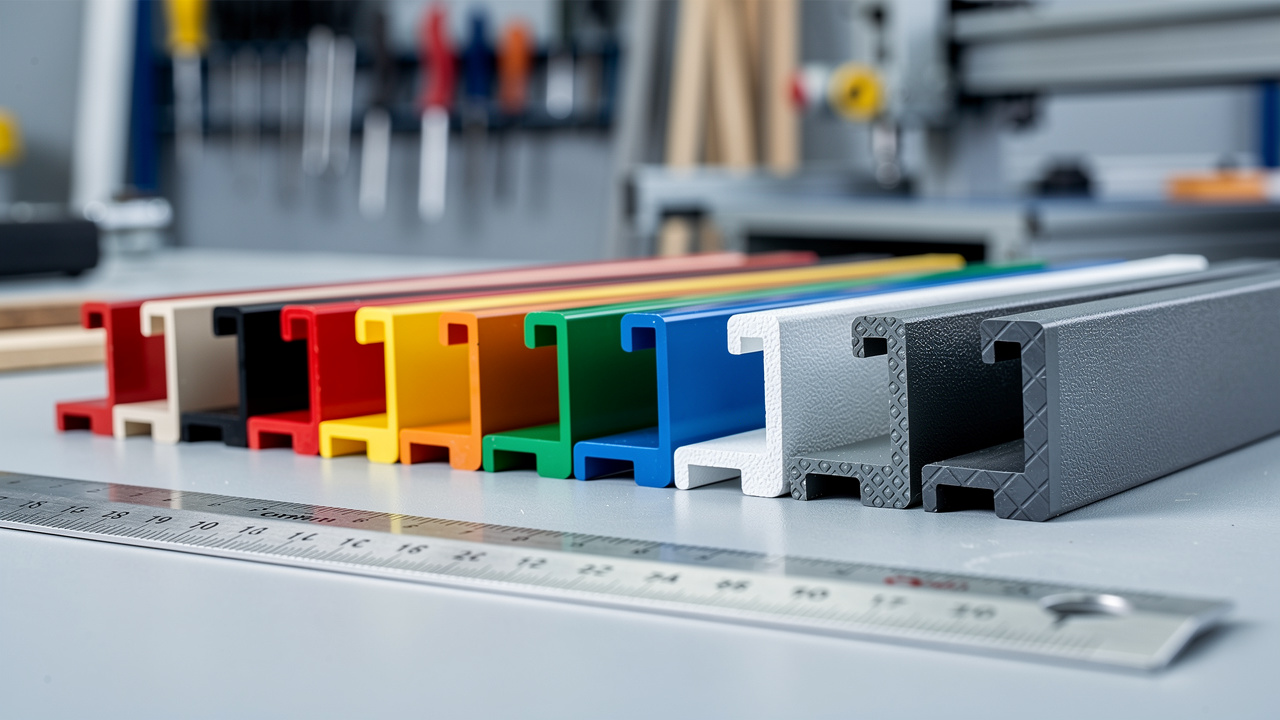
In the competitive landscape of construction and manufacturing, the right materials can make all the difference in project success. Plastic corner profiles, with their distinctive L-shaped designs, are crafted from various thermoplastic materials, including PVC, polyethylene, and polypropylene. These profiles are integral to construction, manufacturing, and OEM applications, providing essential structural support and enhancing product durability. Their versatility allows for customization to meet specific design requirements, making them vital components across numerous industrial sectors.
Synthetic profiles play a crucial role in enabling effective assembly across diverse projects. For instance, PVC angle profiles offer excellent resistance to moisture and chemicals, making them suitable for both indoor and outdoor applications. Polypropylene, known for its lightweight and impact-resistant properties, is often utilized in environments where durability is paramount.
Lincoln Plastics distinguishes itself in the market with its dependable rigid material forming solutions, guaranteeing timely delivery and strong quality assurance. The company offers flexible profiles that can be customized, including the ability to co-extrude colors, such as a 'yellow stripe,' and meet Pantone specifications for consistency across manufacturers. Recent advancements in polymer shaping technology have further enhanced the performance of these materials. Innovations in processing techniques and the development of high-performance polymers have enabled manufacturers to produce complex profiles with enhanced structural integrity. Consequently, the market for synthetic corner profiles is expected to expand considerably, fueled by rising demand in the construction and manufacturing industries.
Comprehending the characteristics of these thermoplastic materials is essential for enhancing the performance of plastic angle extrusion made from polymers. For example, the flexibility of polyethylene allows for easy manipulation during installation, while the rigidity of polypropylene ensures stability in structural applications. By utilizing these physical characteristics, Lincoln Plastics can develop customized solutions that address the specific requirements of their clients, ultimately improving the efficiency and effectiveness of their projects. Additionally, Lincoln Plastics employs a robust quality system, including a dedicated quality book for plastic profiles with drawings, critical in-process checks, and run documentation, ensuring that all specifications are met. As highlighted by industry experts, "The adaptability of thermoplastic substances in construction is unparalleled, enabling creative designs and uses that were previously unreachable." By mastering these materials, OEM Purchasing Managers can drive innovation and efficiency in their projects.

Explore Applications of Plastic Angle Extrusions in Diverse Industries
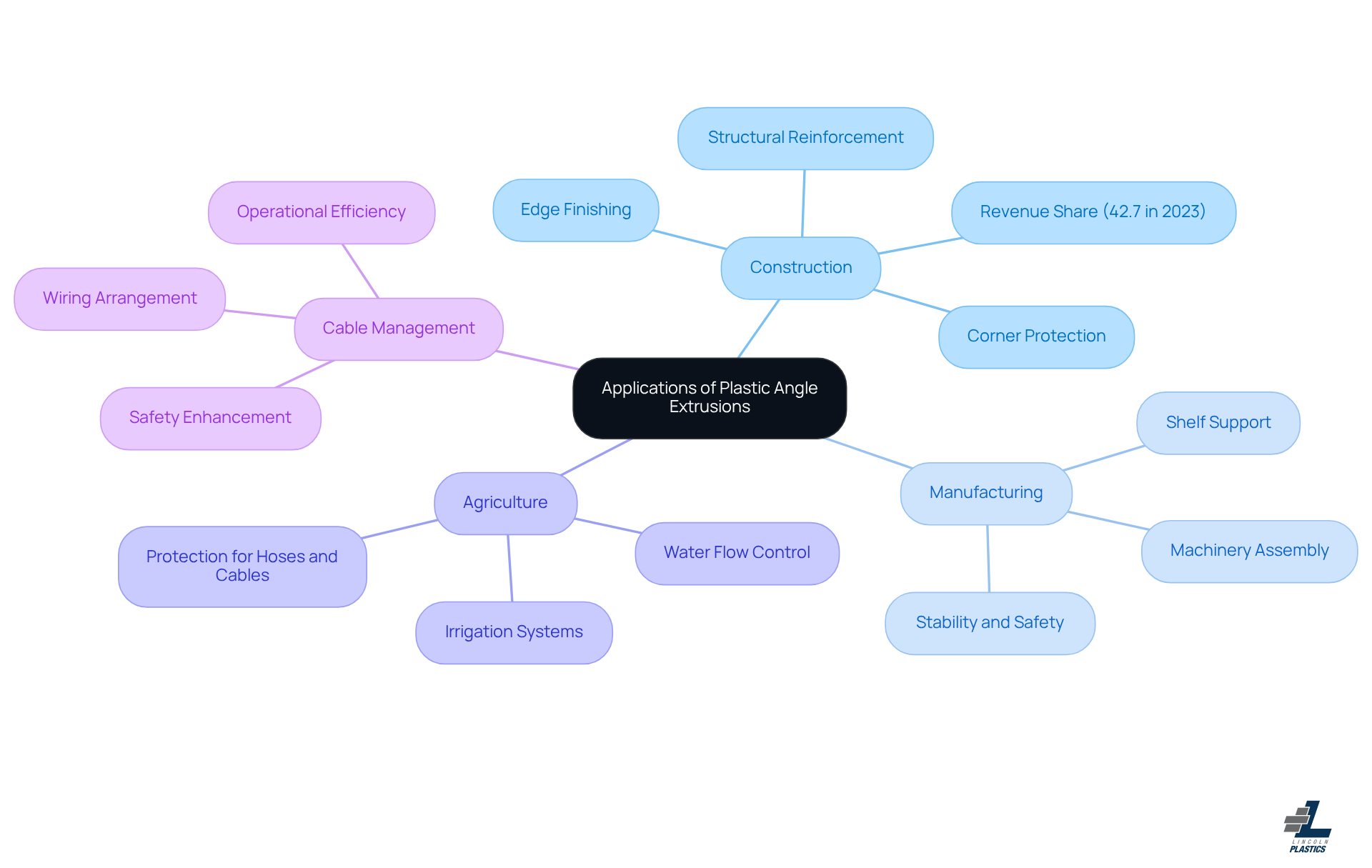
In an ever-evolving industrial landscape, the adaptability and reliability of plastic corner profiles stand out as essential components across multiple sectors. Key applications include:
- Construction: Used for corner protection, edge finishing, and structural reinforcement in buildings and infrastructure, plastic angle extrusions enhance durability. In 2023, the profiles application segment accounted for over 42.7% of revenue, indicating their significant role in construction projects.
- Manufacturing: Essential in the assembly of machinery and equipment, these profiles provide stability and support for various components, ensuring efficient operation. How can you ensure that your machinery operates safely? Case studies highlight their use in shelf support applications, where they enhance stability and prevent items from falling, ensuring safety and reliability.
- Agriculture: Used in irrigation systems, synthetic corner shapes effectively control water flow while safeguarding hoses and cables from harm. 'Lincoln Plastics' custom solutions in this area utilize their expertise in molding processes, contributing to efficient irrigation practices with a strong strength-to-weight ratio.
- Cable Management: Used in electrical setups to arrange and safeguard wiring, synthetic corner profiles enhance safety and operational efficiency. Angled and L-shaped profiles provide dependable and tailored end results that meet your needs, emphasizing their significance in cable management solutions. Lincoln Plastics ensures quality assurance and compliance in their products, making them a trusted choice for OEMs.
While engineers and manufacturers seek dependable solutions, they also face challenges in ensuring safety and efficiency in their applications, making the versatility of molded sections even more critical. With the extruded polymer market anticipated to expand at a CAGR of 3.9% from 2024 to 2030, the demand for these products is expected to rise, further reinforcing their role in various sectors. As industries continue to evolve, the demand for reliable and efficient solutions like plastic corner profiles will only grow, shaping the future of engineering and manufacturing.
Implement Best Practices for Integrating Plastic Angle Extrusions
To seamlessly integrate plastic angle extrusions into your production processes, it's crucial to adopt best practices that enhance efficiency and performance:
- Material Selection: Choose the appropriate thermoplastic based on application requirements, such as strength, flexibility, and environmental resistance. Common substances include PVC for rigidity and polyethylene for flexibility. Opting for recyclable materials can significantly reduce your carbon footprint. Lincoln Plastics is here to provide you with material specification sheets and expert guidance to ensure optimal material choices for your specific applications.
- Design Considerations: Ensure that the design of the angle projections accommodates the intended load and environmental conditions. This includes maintaining uniform wall thickness and avoiding sharp corners that could lead to stress concentrations. According to industry standards, achieving a Cpk of ≥ 1.33 is essential for capable lines, ensuring consistent performance and minimizing waste. Collaborating with Lincoln Plastics will optimize your design for maximum manufacturing efficiency.
- Quality Control: Implement rigorous quality control measures throughout the shaping process to ensure consistency and reliability. This includes regular inspections of the extruded profiles for dimensional accuracy and surface finish. A Ppk below 1.33 often indicates inefficiencies, highlighting the need for process improvements. Lincoln Plastics emphasizes the importance of quality assurance in maintaining high standards in production.
- Collaboration with Suppliers: Work closely with resin suppliers to understand the properties of the resins being used and how they can affect the extrusion process. This partnership can result in superior resource selections and enhanced product efficiency, ultimately lowering expenses related to resource waste. Lincoln Plastics is committed to supporting clients in optimizing their designs and material selections.
- Testing and Prototyping: Prior to large-scale manufacturing, carry out testing and prototyping to confirm the design and functionality of the components. This step can help identify potential issues early in the process. Expert insights emphasize that thorough testing is crucial for ensuring that the final product meets all performance requirements. Lincoln Plastics encourages thorough prototyping to ensure successful outcomes.
By following these best practices, manufacturers can enhance the incorporation of plastic angle extrusion, resulting in better product performance and operational efficiency. Embracing these best practices not only elevates product performance but also positions your operations for long-term success.

Identify Benefits of Using Plastic Angle Extrusions in Production
In the competitive landscape of manufacturing, the choice of materials can make or break a project, with plastic angle extrusion standing out as a superior option. Utilizing plastic angle extrusions in production offers several key benefits:
- Cost-Effectiveness: Plastic extrusions are generally more affordable than metal alternatives, significantly reducing material costs and overall project expenses. This cost advantage is especially significant considering that raw polymer materials are generally cheaper than metals.
- Lightweight: The low weight of synthetic corner profiles simplifies handling and installation, leading to reduced labor costs and faster assembly times. This efficiency is crucial in manufacturing environments where time and resource management are paramount.
- Corrosion Resistance: Unlike metal, this material does not corrode, making it ideal for applications in harsh environments, such as agricultural or outdoor settings. This durability ensures longevity and reliability in various conditions.
- Design Flexibility: Plastic corner profiles can be easily modified to meet specific design needs, allowing for innovative solutions tailored to unique applications. Lincoln Plastics works closely with OEMs to ensure that their products meet all quality requirements, including special checks for fit and function. This flexibility enables manufacturers to create complex shapes and profiles without the limitations often associated with metal.
- Enhanced Aesthetics: Offered in numerous colors and finishes, polymer corner profiles can boost the visual attractiveness of items, rendering them appropriate for consumer-oriented uses. Lincoln Plastics can easily source colors that meet Pantone specifications for consistency across manufacturers, providing aesthetic versatility that can be a significant advantage in competitive markets.
As Lincoln Plastics aptly puts it, 'Standard pipe sizes don’t always work,' emphasizing the critical need for tailored solutions in today's manufacturing landscape. These advantages highlight the importance of incorporating plastic angle extrusion into manufacturing methods. However, manufacturers often face challenges in maintaining the quality of raw materials used in plastic extrusion. This ultimately enhances product performance and boosts customer satisfaction. For instance, in consumer products, synthetic profiles are extensively utilized for purposes like edge trims and decorative covers, showcasing their efficiency in practical situations.

Conclusion
Integrating plastic angle extrusions into manufacturing processes is a game-changer for efficiency and durability. By understanding the unique properties of thermoplastic materials and their applications, manufacturers can unlock the full potential of these versatile components. This strategic adoption not only enhances efficiency but also positions manufacturers for future growth, leading to better performance outcomes and innovative design possibilities.
Key insights emphasize the importance of:
- Material selection
- Design considerations
- Rigorous quality control
in successfully implementing plastic angle extrusions. The adaptability of these profiles across construction, manufacturing, agriculture, and cable management highlights their essential role in optimizing operations. How well do you know the unique properties of thermoplastic materials and their applications? Understanding these can help manufacturers unlock the full potential of plastic angle extrusions. By following best practices and collaborating with experienced suppliers like Lincoln Plastics, manufacturers can overcome challenges and drive efficiency in their projects.
By embracing these advancements, manufacturers can redefine their operational capabilities and secure a competitive edge in the market. As the demand for reliable, cost-effective, and customizable solutions continues to rise, manufacturers are encouraged to explore innovative applications and leverage the benefits that these materials offer. Taking proactive steps in integrating plastic angle extrusions can lead to significant improvements in productivity and product quality, paving the way for long-term success in the manufacturing sector.
Frequently Asked Questions
What are plastic angle extrusions and why are they important?
Plastic angle extrusions are L-shaped profiles made from thermoplastic materials such as PVC, polyethylene, and polypropylene. They are crucial in construction and manufacturing as they provide structural support and enhance product durability.
What materials are commonly used to make plastic corner profiles?
Common materials for plastic corner profiles include PVC, polyethylene, and polypropylene.
What are the benefits of using PVC angle profiles?
PVC angle profiles offer excellent resistance to moisture and chemicals, making them suitable for both indoor and outdoor applications.
How does polypropylene differ from other thermoplastics in terms of properties?
Polypropylene is lightweight and impact-resistant, making it ideal for environments where durability is crucial.
What customization options does Lincoln Plastics offer for plastic profiles?
Lincoln Plastics provides flexible profiles that can be customized, including co-extruding colors and meeting Pantone specifications for consistency.
How has technology impacted the production of plastic angle extrusions?
Recent advancements in polymer shaping technology have improved the performance of these materials, allowing for the production of complex profiles with enhanced structural integrity.
What role do the characteristics of thermoplastic materials play in plastic angle extrusion?
The characteristics, such as the flexibility of polyethylene for easy installation and the rigidity of polypropylene for stability, are essential for developing customized solutions that meet specific project requirements.
What quality assurance measures does Lincoln Plastics implement?
Lincoln Plastics employs a robust quality system that includes a dedicated quality book for plastic profiles, critical in-process checks, and run documentation to ensure all specifications are met.
How does the adaptability of thermoplastic materials benefit construction projects?
The adaptability of thermoplastic materials enables innovative designs and applications in construction, allowing for greater creativity and efficiency in project execution.
List of Sources
- Understand Plastic Angle Extrusions: Definition and Importance
- Unlocking the Versatility of Plastic Profile Extrusion (https://lakelandplastics.com/understanding-the-versatility-of-plastic-profile-extrusion)
- What Are High-Performance Polymers? (https://pexco.com/news-and-events/custom-plastic-extrusion-basics-benefits-and-future-explained)
- Extruded Plastics Market Size, Share & Growth Report, 2030 (https://grandviewresearch.com/industry-analysis/extruded-plastics-market-report)
- Custom Plastic Extrusion Case Studies | SFR Industries (https://sfrindustries.com/case_studies)
- The Role of Plastic Extrusion in Modern Manufacturing | Rocal (https://rocalextrusions.co.uk/news/the-role-of-plastic-extrusion-in-modern-manufacturing)
- Explore Applications of Plastic Angle Extrusions in Diverse Industries
- odmetals.com (https://odmetals.com/blog/how-plastic-angle-extrusions-are-used)
- Extruded Plastics Market Size, Share & Growth Report, 2030 (https://grandviewresearch.com/industry-analysis/extruded-plastics-market-report)
- Custom Plastic Extrusion Case Studies | SFR Industries (https://sfrindustries.com/case_studies)
- Implement Best Practices for Integrating Plastic Angle Extrusions
- Choosing Materials for Plastic Extrusion - PET (https://plasticextrusiontech.net/choosing-the-right-materials-for-plastic-extrusion)
- Choosing the Right Materials for Plastic Extrusion - Rocal Extrusions (https://rocalextrusions.co.uk/news/choosing-the-right-materials-for-plastic-extrusion)
- odmetals.com (https://odmetals.com/blog/how-plastic-angle-extrusions-are-used)
- Plastics Extrusion: 4 Critical Statistics to Track for Increased Quality & Plant Profit (https://gaugeadvisor.com/2025/05/26/plastics-extrusion-4-critical-statistics-to-track-for-increased-quality-plant-profit)
- Custom Plastic Extrusion Case Studies | SFR Industries (https://sfrindustries.com/case_studies)
- Identify Benefits of Using Plastic Angle Extrusions in Production
- What Are High-Performance Polymers? (https://pexco.com/news-and-events/custom-plastic-extrusion-basics-benefits-and-future-explained)
- plasticextrusiontech.net (https://plasticextrusiontech.net/cost-comparison-plastic-extrusions-versus-other-materials)
- Plastic vs Metal Extrusions for OEMs by Amfas International (https://amfasinternational.com/newsroom/plastic-vs-metal-extrusions-key-differences-strategic-trade-offs-use-cases)
- Why Extrusion Plastic Manufacturing is Essential for OEM Success (https://lincoln-plastics.com/news-post/why-extrusion-plastic-manufacturing-is-essential-for-oem-success)


