
4 Best Practices for Better Quality Extrusion in Manufacturing
Introduction
The extrusion process is not just a manufacturing method; it's a pivotal element that defines product quality and performance in today's competitive landscape. Manufacturers often struggle to grasp the complexities of the extrusion process, which can hinder their output quality.
Let’s explore four best practices that can elevate your extrusion quality and meet the rigorous standards upheld by Lincoln Plastics, including their ISO 9001:2015 certification and commitment to excellence:
- Understand the material properties.
- Optimize the extrusion parameters.
- Implement quality control measures.
- Invest in employee training.
Understanding these key factors can be the difference between mediocre and exceptional extruded products, setting your business apart in the industry.
Understand the Extrusion Process Fundamentals
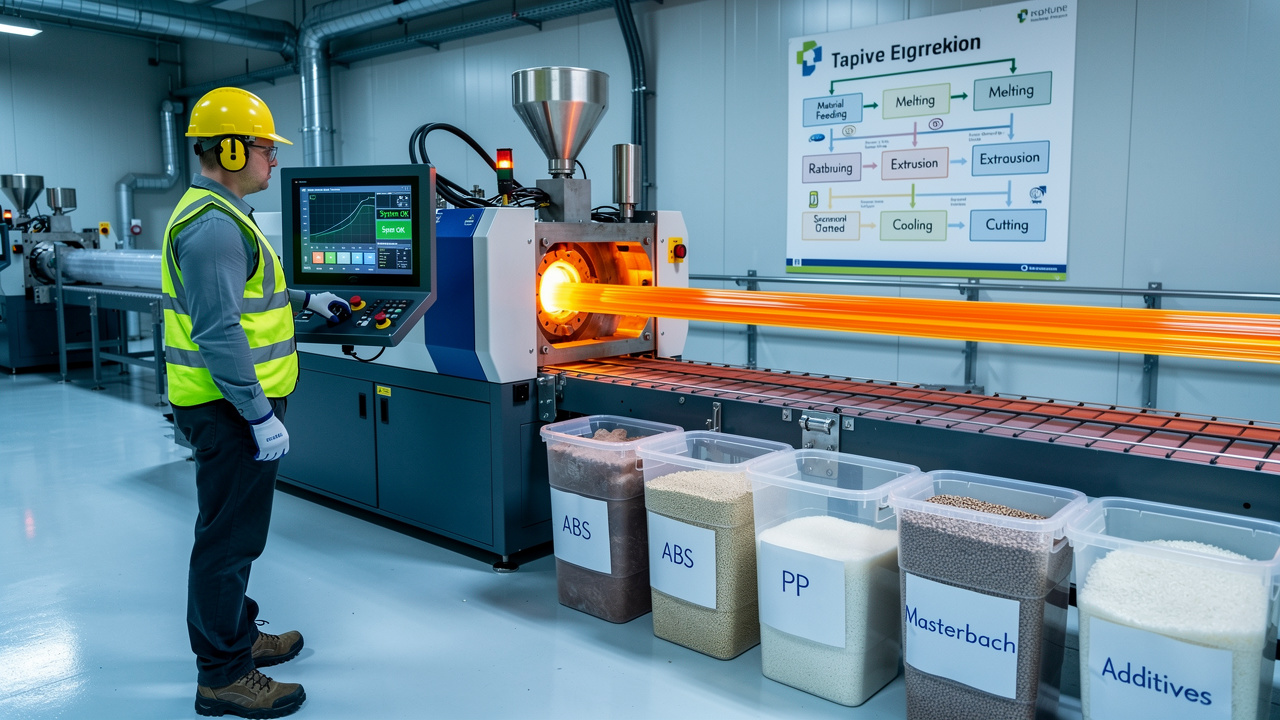
The extrusion process is not just a method; it's the backbone of high-quality manufacturing that shapes your products' future. Mastering the key stages - material feeding, melting, shaping, and cooling - is essential for achieving high-quality outputs. At Lincoln Plastics, we’re all about assurance and customization, tailored to meet your unique OEM needs. Key factors to consider include:
- Material Feeding: Consistent feeding of raw materials is crucial to prevent fluctuations in output quality. Variability in feed can lead to defects and inconsistencies in the final product. Our collaboration with OEMs ensures that we meet all quality requirements, including special checks for ‘fit and function.’
- Temperature Control: Maintaining optimal temperatures throughout the extrusion process is vital. Are you aware of how temperature fluctuations can compromise your product quality? Insufficient temperature control can lead to flaws such as warping or incomplete melting, which undermine the integrity of the item. As Chris Rauwendaal, President of Rauwendaal Extrusion Engineering, notes, "One of the most important process measurements is the specific energy consumption (SEC)." High SEC values can indicate poor energy efficiency, leading to increased melt temperatures and potential defects.
- Cooling Techniques: Effective cooling methods are necessary to solidify the extruded item uniformly. Proper cooling is vital for ensuring dimensional accuracy and preventing warping or distortion. Recent advancements in near-net-shape forming techniques have shown promise in reducing scrap rates and enhancing resource utilization, further emphasizing the importance of mastering these foundational elements in the forming process.
Focusing on these basics is crucial. Recognizing common pitfalls, like temperature regulation issues, can significantly enhance your operations. Mastering these elements not only enhances product quality but also boosts operational efficiency. At Lincoln Plastics, our strong assurance system includes a dedicated manual for your plastic profile with drawings, critical in-process checks, and run documentation, ensuring that your rigid profiles meet the specified critical dimensions. When you prioritize these foundational elements, you’re not just improving quality; you’re setting a new standard in your industry.

Select and Prepare Materials Effectively
Selecting the right components is crucial for achieving better quality extrusion in custom plastic manufacturing. Common substances like PVC, polyethylene, and polypropylene each have unique characteristics that significantly affect the final item's quality. To optimize material selection and preparation, consider the following best practices:
- Material Compatibility: Ensure that the chosen materials align with both the extrusion process and the intended application. Compatibility can greatly impact performance and durability. Impurities can lead to costly defects and operational delays, causing wear on the screw, barrel, and mold.
- Moisture Control: It's vital to dry materials thoroughly before processing to avoid moisture-related defects, which can compromise the integrity of the extruded item. The ideal moisture level for high-moisture processing is 64%, and maintaining this level is essential for achieving the desired characteristics of the item.
- Additives and Modifiers: Incorporate additives to enhance specific properties such as flexibility, strength, and UV resistance, tailoring these enhancements to meet the unique requirements of each application. For instance, the addition of 0.18% transglutaminase (TGase) has been shown to significantly improve texturization and water holding capacity.
By prioritizing effective material selection and preparation, manufacturers can markedly enhance the better quality extrusion and overall performance of their extruded items. Embracing these best practices not only enhances product quality but also positions manufacturers for success in a rapidly growing market.

Implement Rigorous Quality Control Procedures
At Lincoln Plastics, we understand that quality control is essential for achieving better quality extrusion in successful processes. Implementing rigorous procedures can significantly enhance quality outcomes:
- In-Process Monitoring: Continuously tracking critical parameters such as temperature, pressure, and speed during production is essential. This proactive approach helps us ensure better quality extrusion by catching deviations early, preventing potential defects. Companies that prioritize monitoring can achieve better quality extrusion, thereby reducing production discrepancies by up to 30%. At Lincoln Plastics, we utilize multiple types of check gauges to ensure a proper end-use fit, working closely with OEMs to meet all quality requirements.
- Substance Inspection: Conducting comprehensive inspections of raw substances before they enter the production line is crucial. This step prevents defects from the outset, ensuring that only materials for better quality extrusion are utilized in the manufacturing process. Our strong assurance system includes a dedicated manual for your plastic profile, complete with drawings, critical in-process checks, and run documentation. We take pride in our ISO 9001:2015 certification, a testament to our commitment to quality management.
- Final Item Testing: Comprehensive tests on completed items ensure adherence to specifications. This includes dimensional checks and assessments of mechanical properties, which are essential for meeting customer requirements. Applying comprehensive assurance methods has been demonstrated to enhance reliability and boost consumer confidence, resulting in better quality extrusion.
Creating a strong control framework is vital for achieving better quality extrusion; without it, defects can slip through the cracks, jeopardizing consumer trust and satisfaction. Firms that emphasize these control measures can anticipate enhanced operational efficiency and better quality extrusion, leading to a stronger reputation in the industry. High-density polyethylene (HDPE) pipe manufacturing, for instance, is widely acknowledged for creating lightweight and durable items, underscoring the significance of control in attaining desired results. Reach out to Lincoln Plastics today to discover how our expertise can elevate your production standards.

Leverage Advanced Technologies for Quality Improvement
Are you ready to elevate your production standards with cutting-edge technology? Integrating advanced technologies can result in better quality extrusion and significant enhancements in production quality. Consider the following approaches:
- Automation: Implementing automated systems for monitoring and controlling extrusion parameters significantly reduces human error and enhances consistency. Lincoln Plastics employs cutting-edge automation methods to guarantee that each output meets the highest standards of excellence and safety, backed by our ISO 9001:2015 certification.
- Data Analytics: Data analytics empowers manufacturers to track production metrics. This helps identify trends that inform necessary process adjustments. This data-driven approach enables Lincoln Plastics to refine its custom cord management solutions, ensuring they effectively reduce trip hazards and enhance workplace safety through actionable insights.
- Real-Time Monitoring: Utilizing real-time monitoring systems provides instant feedback on production standards, enabling swift corrective measures. Lincoln Plastics' dedication to excellence assurance includes rigorous in-process checks and dedicated assurance plans, ensuring that all items, including custom extruded profiles, meet exact specifications.
By embracing these technologies, manufacturers can enhance their extrusion processes, which leads to better quality extrusion and improved operational efficiency. We’re eager to partner with OEMs, providing tailored solutions that focus on safety, efficiency, and precision. Don't let outdated processes hold you back; reach out to us today to discover how we can help you achieve excellence in your production line.

Conclusion
In an industry where quality defines success, achieving superior extrusion manufacturing is essential. This commitment to excellence shapes industry standards. By focusing on key aspects of the extrusion process - like material selection, temperature control, and rigorous quality management - manufacturers can significantly enhance their output quality. Lincoln Plastics exemplifies this dedication through its comprehensive quality management program, which includes ISO 9001:2015 certification and a robust framework of in-process checks and dedicated quality plans.
The article highlights essential best practices such as:
- Effective material preparation
- Stringent quality control procedures
- Integration of advanced technologies
Each of these elements plays a crucial role in minimizing defects and ensuring that the final products meet the highest standards of performance and durability. How can manufacturers ensure their products meet these standards? By using automation, real-time monitoring, and data analytics, manufacturers can improve their extrusion processes and create a culture of continuous improvement.
In conclusion, the pursuit of better quality extrusion is a journey that requires a strategic approach and a commitment to excellence. Manufacturers are encouraged to adopt these best practices and consider partnering with experts like Lincoln Plastics to elevate their production standards. Without these practices, manufacturers risk falling behind competitors and failing to meet customer expectations. By embracing these practices, manufacturers can not only enhance their quality but also secure their position in a competitive landscape.
Frequently Asked Questions
What is the extrusion process?
The extrusion process is a manufacturing method that shapes products by feeding raw materials through stages of melting, shaping, and cooling. It is essential for achieving high-quality outputs.
Why is material feeding important in the extrusion process?
Consistent feeding of raw materials is crucial to prevent fluctuations in output quality. Variability in feed can lead to defects and inconsistencies in the final product.
How does temperature control affect the extrusion process?
Maintaining optimal temperatures is vital; fluctuations can compromise product quality, leading to flaws such as warping or incomplete melting. High specific energy consumption (SEC) values can indicate poor energy efficiency and potential defects.
What role do cooling techniques play in the extrusion process?
Effective cooling methods are necessary to solidify the extruded item uniformly, ensuring dimensional accuracy and preventing warping or distortion.
What are some common pitfalls in the extrusion process?
Common pitfalls include issues with temperature regulation, which can significantly affect product quality and operational efficiency.
How does Lincoln Plastics ensure quality in the extrusion process?
Lincoln Plastics employs a strong assurance system that includes a dedicated manual for plastic profiles, critical in-process checks, and run documentation to ensure that rigid profiles meet specified critical dimensions.
What is the significance of mastering the extrusion process fundamentals?
Mastering the key stages of the extrusion process enhances product quality and boosts operational efficiency, setting a new standard in the industry.
List of Sources
- Understand the Extrusion Process Fundamentals
- How to Collect & Interpret Process Data in Extrusion (https://ptonline.com/articles/how-to-collect-interpret-process-data-in-extrusion-part-1(2))
- Food Extrusion Market worth $99.7 billion by 2026 - Exclusive Report by MarketsandMarkets™ (https://prnewswire.com/news-releases/food-extrusion-market-worth-99-7-billion-by-2026--exclusive-report-by-marketsandmarkets-301391584.html)
- 2026 Aluminum Extrusion Trends & Outlook | Profile Precision Extrusions (https://profileprecisionextrusions.com/2026-outlook-innovations-and-trends-shaping-the-future-of-aluminum-extrusions)
- Plastics Extrusion: 4 Critical Statistics to Track for Increased Quality & Plant Profit (https://gaugeadvisor.com/plastics-extrusion-4-critical-statistics-to-track-for-increased-quality-plant-profit)
- 10 new extrusion technologies reshaping plastics processing in 2026 (https://plasticsmachinerymanufacturing.com/extrusion/article/55395844/10-new-extrusion-technologies-reshaping-plastics-processing-in-2026)
- Select and Prepare Materials Effectively
- Plastics Extrusion: 4 Critical Statistics to Track for Increased Quality & Plant Profit (https://gaugeadvisor.com/plastics-extrusion-4-critical-statistics-to-track-for-increased-quality-plant-profit)
- Problems that may be encountered during plastic extrusion processing - SHARC (https://sharcpm.com/news/plastic-extrusion-processing-problems)
- Extruded Plastics Market Size, Share & Growth Report, 2030 (https://grandviewresearch.com/industry-analysis/extruded-plastics-market-report)
- Effect of high-moisture extrusion process on quality attribute and fibrous formation mechanism of pea protein: Insight into dynamic changes of textural protein (https://sciencedirect.com/science/article/abs/pii/S1466856423002205)
- Plastics Extrusion Market Research Report 2034 (https://dataintelo.com/report/plastics-extrusion-market)
- Implement Rigorous Quality Control Procedures
- Plastic Extrusion News and Press Releases | Bausano (https://bausano.com/en/press-and-news?q=NEWS)
- The Importance of Quality Control in Plastic Extrusion Manufacturing - Craftedplastics (https://craftedplastics.com/blog/the-importance-of-quality-control-in-plastic-extrusion-manufacturing)
- Quality Control and Testing Procedures - Plastic Extrusion Technologies (https://plasticextrusiontech.net/quality-control-and-testing-procedures-in-plastic-extrusions)
- Quality Control in Plastic Extrusion for Consistent Results | Rocal (https://rocalextrusions.co.uk/news/quality-control-in-plastic-extrusion-to-ensure-consistent-results)
- Leverage Advanced Technologies for Quality Improvement
- 10 new extrusion technologies reshaping plastics processing in 2026 (https://plasticsmachinerymanufacturing.com/extrusion/article/55395844/10-new-extrusion-technologies-reshaping-plastics-processing-in-2026)
- Revolutionizing Polymer Processing: How AI & Automation Are Transforming Extrusion & Injection Molding (https://linkedin.com/pulse/revolutionizing-polymer-processing-how-ai-automation-extrusion-kk-xfgde)
- 2026 Aluminum Extrusion Trends & Outlook | Profile Precision Extrusions (https://profileprecisionextrusions.com/2026-outlook-innovations-and-trends-shaping-the-future-of-aluminum-extrusions)
- The Impact of Automation & Industry 4.0 on Plastic Extrusion (https://omegaplastics.com/the-impact-of-automation-and-industry-4-0-on-custom-plastic-extrusion)
Related posts

Discover key insights on profile extrusion plastic for OEM managers to enhance production efficiency.


Explore best practices for the extrusion of polymers to enhance quality and efficiency in manufacturing.
Discover the significance and applications of extruded polymers in modern manufacturing.
