
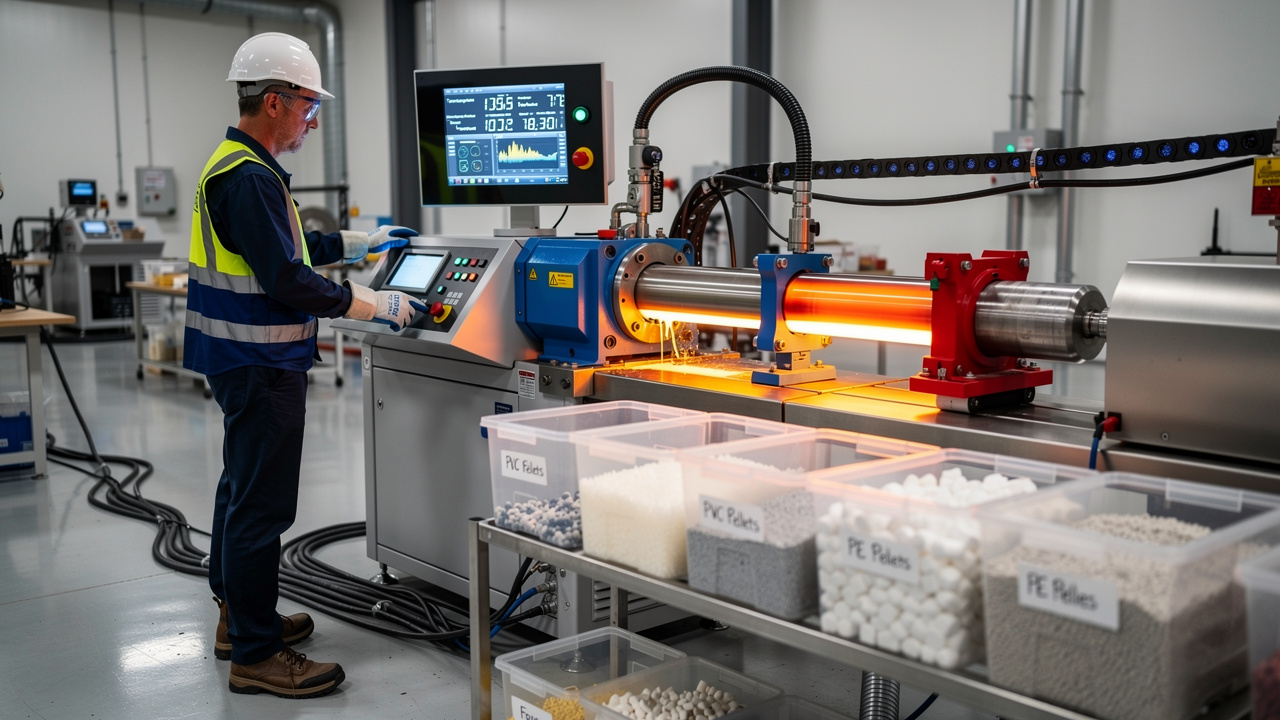
4 Best Practices Every Extrusion Engineer Should Implement
Introduction
Mastering extrusion engineering is essential for engineers who want to boost production efficiency and enhance product quality. Implementing best practices allows professionals to make significant improvements in their processes. This ranges from material selection to quality control. Yet, with so many challenges in this field, how can engineers not just meet but surpass industry standards? This article explores four essential practices that every extrusion engineer should adopt. These practices will help navigate complexities and achieve operational excellence.
Understand Core Principles of Extrusion Engineering
Understanding the fundamental principles of extrusion engineering is essential for optimizing production efficiency and product quality. Extrusion engineering is based on several key concepts that dictate how materials behave during the extrusion process.
- Material Flow: Mastering material flow through the extruder is vital for success. Factors such as temperature, pressure, and viscosity significantly affect the quality of the extruded product. Inconsistent thickness can lead to significant waste, driving up production costs. Understanding standard deviation is vital for assessing operational variation and ensuring production stability, which is key to maintaining control standards. At Lincoln Plastics, our stringent management program, certified to ISO 9001:2015, ensures that these factors are meticulously monitored to meet OEM specifications. We employ various kinds of check gauges to guarantee an appropriate end-use fit, further improving our assurance processes.
- Die Design: The die's design is pivotal in determining the final shape and dimensions of the extruded product. Engineers must carefully consider die temperature and geometry to minimize defects and ensure optimal product quality. Effective die design can also enhance material flow, reducing issues like surging that can lead to lower production rates and increased scrap. Lincoln Plastics works closely with OEMs to ensure that die designs fulfill their specific requirements, further enhancing the accuracy of the extrusion method.
- Cooling and Solidification: Effective cooling techniques are critical for preserving the shape and dimensions of extruded products. Engineers should be knowledgeable about different cooling methods, such as air cooling or water baths, to enhance the solidification process and avoid defects. Our team at Lincoln Plastics employs advanced cooling techniques to ensure that products maintain their integrity throughout the process.
- Substance Characteristics: Various substances display unique behaviors under heat and pressure. Understanding the thermal stability, tensile strength, and flexibility of materials is essential for selecting the right option for each application. This knowledge helps engineers tailor their processes to achieve the desired product characteristics. Lincoln Plastics' expertise in material properties allows us to customize solutions that meet the unique requirements of our OEM partners.
- Forming Simulations: Utilizing forming simulations can be advantageous for predicting problems and conducting 'what-if' scenarios. This proactive approach allows engineers to size extruders and design dies effectively, minimizing trial and error and enhancing production efficiency. At Lincoln Plastics, we utilize simulation technology to enhance our manufacturing methods, ensuring that we provide high-quality products efficiently.
By mastering these principles, extrusion engineers can significantly improve their design and production processes, resulting in superior products and enhanced operational efficiency. At Lincoln Plastics, we prioritize excellence and collaboration, guaranteeing our OEM clients receive tailored solutions that meet their specific needs. Additionally, we are equipped to meet various regulatory requirements beyond ISO 9001, further solidifying our commitment to quality assurance.

Select Appropriate Materials for Optimal Performance
Selecting the right components for shaping is not just important; it's essential for achieving peak performance in your projects. Key considerations include:
- Substance Categories: Typical substances in shaping processes consist of PVC, polyethylene, and polypropylene, each possessing distinct characteristics appropriate for particular uses. PVC is typically used for rigid profiles, while polyethylene is preferred for flexible applications due to its superior flexibility and strength. Polypropylene, recognized for its outstanding chemical resistance, is also a strong competitor for various uses. It's crucial to compare these substances based on their performance metrics. At Lincoln Plastics, we provide a range of flexible profiles and can even co-extrude another color into your profile, enhancing customization options for clients.
- Compatibility: Ensuring that the selected substance is compatible with both the extrusion process and the intended application is vital. Evaluating factors such as thermal stability and chemical resistance can prevent degradation during processing, ensuring the integrity of the final product. Industry experts agree: ensuring substance compatibility is key to maintaining product quality and performance.
- Supplier Recommendations: Working with resin providers can offer valuable insights into substance performance. Providers can assist in recognizing the most appropriate choices for particular manufacturing projects, increasing the chances of success. Engaging with suppliers knowledgeable about sustainability trends can also help in choosing eco-friendly options, as the sustainable extrusion products market is anticipated to expand at an 8.5% CAGR by 2026.
- Testing and Validation: Thoroughly examining substances is crucial. It validates their performance under expected conditions. This encompasses evaluating mechanical properties, thermal behavior, and long-term durability, ensuring that the substance meets the demands of its application. Common pitfalls in resource selection, such as overlooking specific performance requirements or failing to conduct adequate testing, can lead to significant production delays and increased costs.
By carefully selecting materials based on these considerations, engineers can significantly enhance the performance and reliability of extruded products. This ultimately leads to greater customer satisfaction and operational efficiency. Lincoln Plastics is dedicated to excellence, ensuring that all products meet stringent standards supported by ISO 9001:2015 certification and devoted management plans, including in-process checks and assurance documents. Our strategic location in Lincoln, Nebraska, enables quick order turnaround and efficient logistics, further supporting our commitment to on-time delivery. With the right materials and a commitment to quality, your projects can achieve unparalleled success in the competitive market.

Implement Rigorous Quality Control Procedures
Quality control is not just a step in the process; it's the backbone of reliable plastic extrusion, according to extrusion engineers. To implement effective quality control, consider these best practices:
- Standard Operating Procedures (SOPs): Create detailed SOPs for each stage of the extrusion operation, from material selection to final inspection. These procedures create a solid framework that extrusion engineers can implement to keep your production consistent and high-quality, fostering a culture of continuous improvement. Involving frontline workers in the SOP development ensures that procedures are practical and relevant, helping to identify potential bottlenecks and safety hazards.
- In-Process Monitoring: Utilize real-time observation systems to monitor essential parameters such as temperature, pressure, and substance flow during shaping. This means you can quickly adjust if something goes off track, ensuring that production remains within specified limits. According to industry insights, the global SOP software market is projected to grow significantly, indicating a rising demand for compliance solutions that extrusion engineers can utilize to enhance monitoring capabilities.
- Final Inspection: Conduct thorough inspections of finished products to verify compliance with dimensional and performance specifications. This procedure may involve visual inspections, dimensional checks, and mechanical testing, all aimed at maintaining strict standards. Lincoln Plastics highlights that one of the initial steps in assurance is testing the raw plastic materials for purity and compatibility with the shaping variables, a process overseen by extrusion engineers as part of their strong management program, which includes dedicated assurance manuals and in-process evaluations. Additionally, Lincoln Plastics utilizes various check gauges to ensure a proper end-use fit, further enhancing product reliability.
- Feedback Loops: Establish mechanisms for ongoing enhancement in control processes. Analyzing data from inspections and customer feedback helps identify areas for enhancement, enabling the implementation of corrective actions as necessary. Regular feedback from operators during SOP testing is crucial for refining procedures and ensuring their practicality.
How can you improve product dependability and keep your customers happy? By following these control practices. Lincoln Plastics' commitment to excellence and customer partnership is reflected in their rigorous quality management plans, ensuring that every product meets the highest standards. For tailored solutions that meet your specific needs, contact Lincoln Plastics today.

Optimize Production Processes for Efficiency
In a competitive landscape, maximizing efficiency in extrusion production is not just beneficial; it's essential for survival. To achieve this, engineers should implement the following strategies:
- Process Mapping: Create detailed flowcharts to illustrate each stage of the shaping procedure. This approach aids in identifying bottlenecks and areas for improvement, facilitating streamlined operations. Engaging in workshops like the Process Optimization Workshop can provide valuable insights into effective process mapping techniques.
- Lean Manufacturing Principles: Adopt lean manufacturing techniques to minimize waste and enhance efficiency. Key practices include reducing excess inventory, optimizing workflow, and providing thorough employee training to align all team members with efficiency objectives. The adoption of aluminum shaping is increasingly acknowledged as a strategy for optimizing design and reducing manufacturing costs, making it relevant for OEMs.
- Equipment Maintenance: Conduct regular maintenance and calibration of extrusion equipment to ensure peak performance. Preventative maintenance not only reduces downtime but also extends the lifespan of machinery, contributing to overall operational efficiency. Understanding chemical finishing techniques for extruded aluminum parts can really boost production standards and aesthetics.
- Data Analysis: Leverage data analytics to monitor production metrics and discern trends. Analyzing production data allows engineers to make informed decisions about process adjustments and resource allocation. This ultimately enhances efficiency. Additionally, incorporating solutions like Lincoln Plastics' custom cord covers and Flexiduct can significantly reduce trip hazards in the workplace, further improving safety and productivity. Lincoln Plastics' commitment to quality is underscored by its ISO 9001:2015 certification, ensuring rigorous quality management practices that enhance operational excellence. Case studies illustrate how these optimization strategies can lead to substantial improvements in operational efficiency.
By focusing on these optimization strategies, extrusion engineers can significantly improve production efficiency, resulting in higher output and lower operational costs. Without these optimization strategies, engineers risk stagnation in a rapidly evolving industry, potentially compromising their competitive edge.

Conclusion
Mastering extrusion engineering is not just beneficial; it's essential for achieving peak production efficiency and product quality. Focusing on core principles like material flow, die design, cooling techniques, and substance characteristics can significantly enhance engineering processes. Integrating strict quality control and choosing the right materials are key to successful extrusion operations.
Key insights from this article emphasize the importance of understanding the intricacies of extrusion engineering. Are you ready to elevate your extrusion processes? From implementing standard operating procedures to utilizing forming simulations, each practice contributes to minimizing waste and maximizing output. Additionally, the strategic selection of materials based on compatibility and performance metrics ensures that the final products meet the highest standards of quality and reliability.
In a fast-changing industry, committing to excellence and continuous improvement is crucial. By adopting these best practices, extrusion engineers not only enhance their operational efficiency but also position themselves for long-term success. Embrace these best practices to not only enhance your operations but also secure your place as a leader in the extrusion industry. For tailored solutions and expert guidance, reaching out to Lincoln Plastics can provide the necessary support to navigate the complexities of extrusion engineering and achieve unparalleled results in your projects.
Frequently Asked Questions
What is extrusion engineering?
Extrusion engineering is a manufacturing process that involves shaping materials by forcing them through a die. Understanding its core principles is essential for optimizing production efficiency and product quality.
Why is material flow important in extrusion engineering?
Mastering material flow is vital as factors like temperature, pressure, and viscosity significantly affect the quality of the extruded product. Inconsistent thickness can lead to waste and increased production costs.
How does Lincoln Plastics ensure quality in material flow?
Lincoln Plastics employs a stringent management program certified to ISO 9001:2015, which meticulously monitors factors affecting material flow. They use various check gauges to ensure appropriate end-use fit and improve assurance processes.
What role does die design play in extrusion engineering?
The die's design is crucial for determining the final shape and dimensions of the extruded product. Effective die design minimizes defects and enhances material flow, which can reduce production issues and scrap rates.
How does Lincoln Plastics approach die design?
Lincoln Plastics collaborates closely with OEMs to ensure that die designs meet specific requirements, enhancing the accuracy of the extrusion method.
What are the cooling and solidification techniques used in extrusion?
Effective cooling techniques, such as air cooling or water baths, are critical for preserving the shape and dimensions of extruded products. These methods enhance the solidification process and help avoid defects.
How does Lincoln Plastics implement cooling techniques?
Lincoln Plastics employs advanced cooling techniques to ensure that products maintain their integrity throughout the extrusion process.
Why is understanding substance characteristics important in extrusion?
Different substances behave uniquely under heat and pressure. Knowledge of thermal stability, tensile strength, and flexibility helps engineers select the right materials for each application, tailoring processes to achieve desired product characteristics.
How does Lincoln Plastics utilize forming simulations?
Lincoln Plastics uses forming simulations to predict problems and conduct 'what-if' scenarios, allowing engineers to size extruders and design dies effectively, which minimizes trial and error and enhances production efficiency.
What commitment does Lincoln Plastics have towards quality assurance?
Lincoln Plastics prioritizes excellence and collaboration, ensuring that their OEM clients receive tailored solutions that meet specific needs. They are equipped to meet various regulatory requirements beyond ISO 9001, reinforcing their commitment to quality assurance.
List of Sources
- Understand Core Principles of Extrusion Engineering
- Extrusion 2026 Registration Opens (https://ptonline.com/news/extrusion-2026-registration-opens)
- 10 Ways Extrusion Technology Transforms Manufacturing Efficiency (https://lincoln-plastics.com/news-post/10-ways-extrusion-technology-transforms-manufacturing-efficiency)
- Plastics Extrusion: 4 Critical Statistics to Track for Increased Quality & Plant Profit (https://gaugeadvisor.com/2025/05/26/plastics-extrusion-4-critical-statistics-to-track-for-increased-quality-plant-profit)
- Extrusion training boosts industry knowledge, skills (https://pct.edu/news/articles/2024/06/19/extrusion-training-boosts-industry-knowledge-skills)
- Select Appropriate Materials for Optimal Performance
- Industry News (https://paulmurphyplastics.com/industry-news-blog)
- 6 Types of Plastic Extrusion Materials Explained (https://jairajgroup.com/blog/types-plastic-extrusion-materials-explained)
- Extrusion Industry Statistics 2026 (https://worldmetrics.org/extrusion-industry-statistics)
- Master Extrusion Material Selection: A Step-by-Step Guide (https://lincoln-plastics.com/news-post/master-extrusion-material-selection-a-step-by-step-guide)
- Material Selection for Extrusion Tooling - Light Metal Age Magazine (https://lightmetalage.com/news/industry-news/extrusion/material-selection-for-extrusion-tooling)
- Implement Rigorous Quality Control Procedures
- One moment, please... (https://condaleplastics.com/extrusion-advice/plastic-extrusion-a-guide-to-quality-control)
- Quality Control in Plastic Extrusion for Consistent Results | Rocal (https://rocalextrusions.co.uk/news/quality-control-in-plastic-extrusion-to-ensure-consistent-results)
- The Importance of Quality Control in Plastic Extrusion Manufacturing - Craftedplastics (https://craftedplastics.com/blog/the-importance-of-quality-control-in-plastic-extrusion-manufacturing)
- Standard Operating Procedures for Manufacturing: Your Path to Success - Whale (https://usewhale.io/blog/standard-operating-procedures-for-manufacturing)
- 4 Best Practices for Effective Process Control Quality in Extrusion (https://lincoln-plastics.com/news-post/4-best-practices-for-effective-process-control-quality-in-extrusion?dcc2137a_page=7)
- Optimize Production Processes for Efficiency
- Aluminum Extrusion Increases Options to Optimize the Supply Chain, Par (https://designnews.com/industry/aluminum-extrusion-increases-options-to-optimize-the-supply-chain-part-2)
- Aluminum Extruders Council (https://members.aec.org/events/EventDetails.aspx?id=1968616)
- 5 Best Practices for the Manufacturing Process of Extrusion (https://lincoln-plastics.com/news-post/5-best-practices-for-the-manufacturing-process-of-extrusion)
- John Christiano to Present at SPE Extrusion Operations TopCon 2026 | Davis-Standard posted on the topic | LinkedIn (https://linkedin.com/posts/davis-standard_extrusion-manufacturing-spe-activity-7460306385809997824-YUZ_)
- Extrusion Conference 2026 (https://ptonline.com/events/details/33558208-27bd-4064-98b9-f4f3f04b137a)


