
Why Tolerances Matter in Extrusion Design
In plastic extrusion, precision is more than a specification — it’s the difference between a part that fits perfectly and one that doesn’t. For OEMs, understanding tolerances is key to designing parts that perform reliably and assemble seamlessly.
At Lincoln Plastics, we know that even small deviations can have a big impact on downstream processes. Here’s why extrusion tolerances matter — and how the right partner helps you get them right.
What Are Tolerances?
A tolerance defines the acceptable variation in a part’s dimensions. In extrusion, it’s the range of measurements a finished profile can vary from the nominal dimension.
For example, if a wall thickness is designed at 0.100 inches with a ±0.005 tolerance, the finished part can measure between 0.095 and 0.105 inches and still meet spec.
Even though plastic extrusion is a continuous process, maintaining tight tolerances requires experience, precision tooling, and consistent line control.
Why Tolerances Matter
1️⃣ Assembly Fit – Parts that don’t fit properly can cause headaches on the production floor. Whether sliding into an aluminum channel or nesting with another plastic profile, small variances can lead to big issues.
2️⃣ Functional Performance – Wall thickness affects flexibility, strength, and weight. Tight tolerances help ensure consistent performance in the field.
3️⃣ Appearance and Aesthetics – Variations in profile size or shape can affect the way components align or look once assembled — especially when visible to end users.
4️⃣ Cost Efficiency – Overly tight tolerances can increase tooling costs and production time. The right balance between precision and practicality ensures consistent quality without unnecessary expense.
How Lincoln Plastics Controls Tolerances
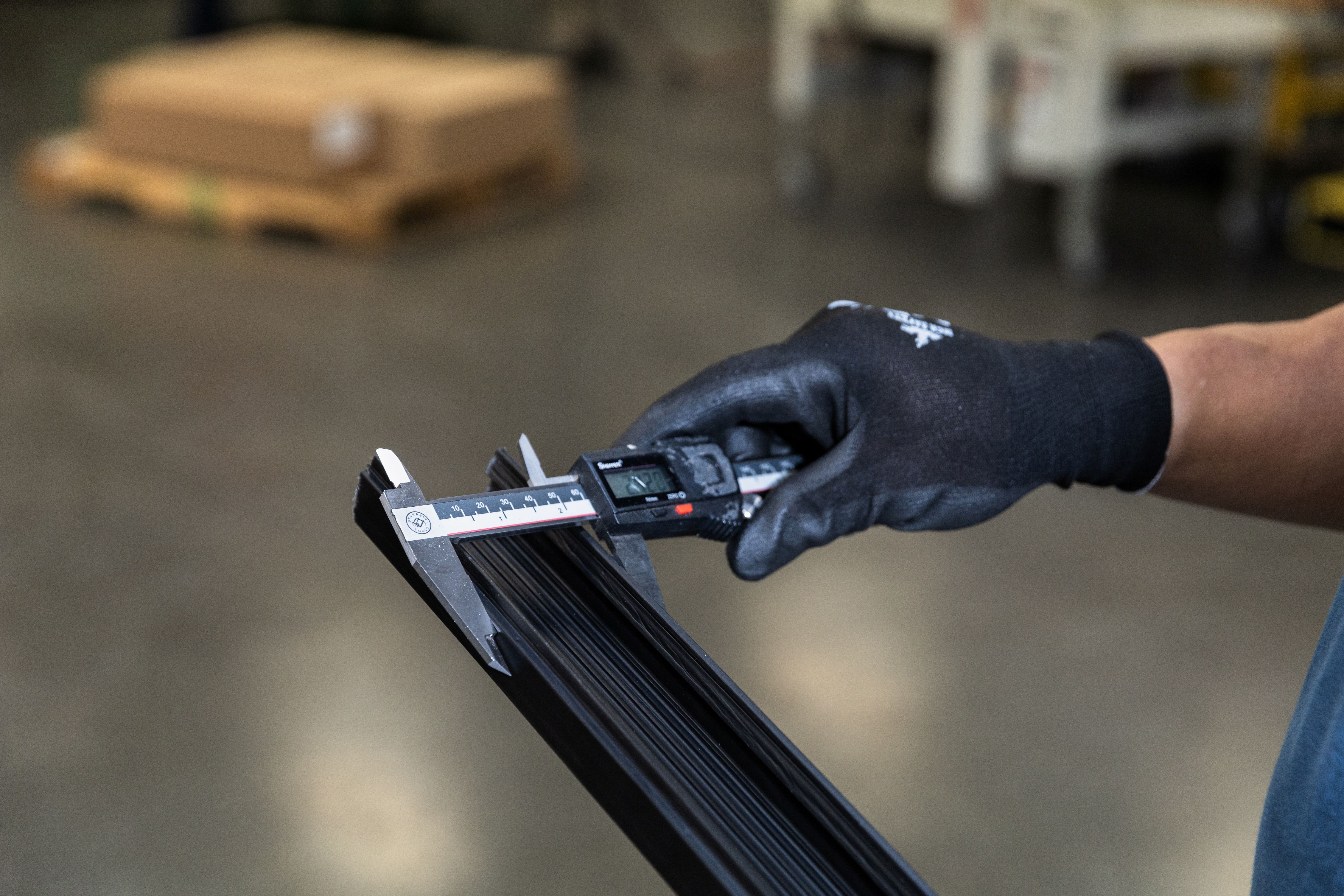
Our process begins with precision tooling, engineered to hold the exact dimensions your application demands. Throughout every run, we perform in-line inspections using calibrated measurement tools and documented quality checks to ensure consistent results.
Because we focus on custom production runs, we can fine-tune each setup to your project’s specific needs — maintaining repeatability from the first part to the last.
Partnering for Precision
The best way to design for success is through collaboration. When you involve your extrusion partner early in the design process, you can optimize tolerances, materials, and profiles for performance and cost.
At Lincoln Plastics, we help customers find that balance — creating extrusions that meet functional requirements without over-engineering or inflating cost.
Contact us today to discuss your design tolerances and see how our precision-driven process can help.
Related posts

Why Custom Pipe Extrusion Matters More Than Ever
Standard pipe sizes don’t always work. Learn how Lincoln Plastics delivers custom diameters, wall thicknesses, and finishes in right-sized runs.


Reducing Trip Hazards with Custom Cord Management
Loose cords are more than messy — they’re a safety hazard. Lincoln Plastics’ custom cord covers and Flexiduct solutions improve safety and efficiency.
The Power of Custom Plastic Profiles for OEMs
Off-the-shelf profiles force compromises. Learn how Lincoln Plastics designs custom extruded profiles for OEMs with exact specs and right-sized runs.
