
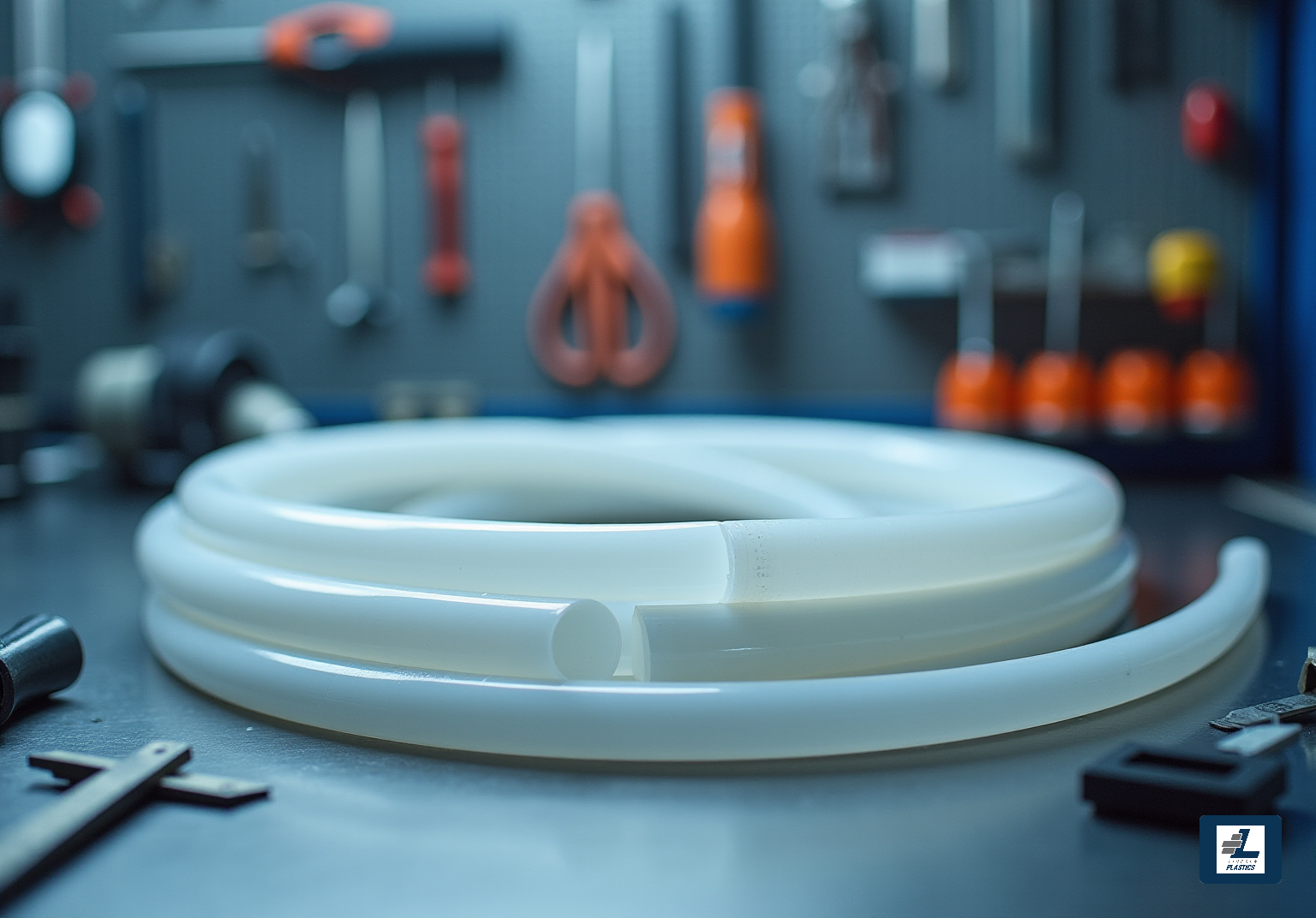
Why Rigid Polypropylene Tubing is Essential for Manufacturing Success
Introduction
You might not think of rigid polypropylene tubing as the backbone of modern manufacturing, but this lightweight, chemically resistant material is truly an unsung hero across various industries. It boosts product reliability and is especially crucial in sectors like automotive and healthcare, where performance really matters. But here’s the thing: as manufacturers sift through the complexities of material selection, a big question pops up. How do they balance the perks of rigid polypropylene tubing with the challenges of cost and sustainability?
Now, let’s talk about why this material deserves a closer look. Its exceptional properties make it a go-to choice for many applications, yet the conversation often shifts to the hurdles of implementing it. So, what’s the best way to navigate these waters? Let’s dive into the details together!
Explore the Unique Properties of Rigid Polypropylene Tubing
Have you ever thought about the materials that make our everyday products so reliable? One of those unsung heroes is rigid polypropylene tubing. It’s known for its impressive strength, lightweight nature, and durability. With a melting point between 160°C and 170°C, it holds up well even when things heat up, making it perfect for applications that deal with hot liquids or gases. Plus, its low moisture absorption and great fatigue resistance mean it can take a beating without losing shape. This toughness, along with its ability to resist harsh chemicals - think acids and bases - makes it a go-to choice in manufacturing where performance really matters.
Now, let’s talk about the automotive industry. Here, components made from rigid polypropylene tubing shine by boosting efficiency and overall vehicle performance. Its ability to withstand extreme conditions while keeping its integrity is crucial for things like fuel lines and coolant systems. And it doesn’t stop there! In the medical field, rigid polypropylene tubing plays a key role in devices that require sterility and biocompatibility, such as syringes and IV lines, ensuring safety and reliability in critical healthcare applications.
You might be wondering about the future of rigid polypropylene tubing in the plastics industry. Well, recent advancements have led to modified types that incorporate recycled materials, which is a big win for sustainability without sacrificing performance. These innovations not only meet the growing demand for eco-friendly materials but also position rigid polypropylene tubing as a versatile solution across various industries. So, next time you encounter this material, you’ll know just how much it contributes to our daily lives!

Examine Applications of Rigid Polypropylene in Manufacturing
is prevalent in manufacturing, and it’s easy to see why. Take the automotive industry, for example. It’s often used for fuel lines, coolant hoses, and even structural components. The lightweight nature of polypropylene really helps boost efficiency, which is a big deal these days.
Now, let’s shift gears to the medical field. Here, polypropylene plays a crucial role in medical tubing and medical device housings. Why? In healthcare settings, the use of polypropylene is absolutely critical for ensuring chemical resistance and cleanliness.
Speaking of healthcare, did you know the global market for rigid polypropylene is set to grow from USD 5.3 billion in 2025 to USD 10.6 billion by 2035? That’s a CAGR of 7.3%! This growth is driven by demand for materials in the industry. Plus, with cutting-edge sterilization methods coming into play, the medical sector is getting a serious boost, ensuring safety and effectiveness in production processes.
And let’s not forget about Lincoln Plastics. They work closely with OEMs to make sure their rigid products meet all specifications. They even have special checks for fit and function! Their robust quality system includes dedicated documentation for each plastic profile, ensuring that all dimensions are spot on. They use various types of check gauges to guarantee a proper fit for end use.
But wait, there’s more about polypropylene! This is also a standout material in packaging, especially for food and beverage containers. Its versatility shines here, as it can be molded into all sorts of shapes while still meeting safety standards. All these points really showcase the substance's reliability and versatility, making it a fundamental component in modern manufacturing.

Analyze Advantages of Rigid Polypropylene Over Other Materials
Have you ever thought about the materials we use in demanding applications? Rigid polypropylene really shines when compared to alternatives like PVC and polyethylene. The amazing strength means it holds up well in tough environments, making it a go-to choice for many industries.
Plus, it’s lightweight! This not only reduces transportation costs but also makes it easier to handle during manufacturing. Unlike PVC, which can be quite stiff and less adaptable, rigid polypropylene can be bent without losing its strength.
Now, you might be wondering about durability. While rigid polypropylene is durable thanks to its weather and UV resistance, it is also a cost-effective option. This is a big deal as we tackle environmental challenges, making it a smart choice for manufacturers looking to be more sustainable.
And let’s talk about cost. Rigid plastic comes in at around $0.27 per kilogram, just a smidge cheaper than PVC at about $0.28 per kilogram. When you consider the durability and long lifespan of rigid polypropylene, it becomes a preferred material for various applications.
So, when you consider its advantages, it’s clear why rigid plastic is becoming a favorite choice!

Address Challenges in Material Selection for Manufacturing
Choosing the right material for manufacturing can be a bit of a juggling act, right? You’ve got to think about cost, availability, and how well it performs. One big hurdle is the gap between what you want and what you can afford. Sure, polypropylene has its perks, but it might hit your wallet harder than some less durable options.
And let’s not forget about the environment! These days, sustainability is a hot topic in the industry, so it’s crucial to consider the impact of your material choices. Now, you might be wondering about compatibility with your current processes. For example, if you’re working with high temperatures, you need to ensure your equipment can handle its processing temperatures.
At Lincoln Plastics, we’re all about collaboration. We team up with OEMs to ensure their products tick all the quality boxes, including those special checks for ‘fit and function.’ Our quality assurance process is pretty robust, featuring a dedicated quality book for your plastic profile. This includes everything from drawings to critical in-process checks and run documentation.
Understanding these challenges is key for manufacturers looking to make informed decisions that align with their goals and market demands. And guess what? We’re here to help you navigate this process with our expertise in material selection and customization. So, let’s tackle these challenges together!

Conclusion
Rigid polypropylene tubing is a game changer in manufacturing, and it’s easy to see why! With its impressive strength, lightweight design, and fantastic chemical resistance, it’s become a go-to material across various industries - from automotive to medical. These qualities not only boost product performance but also help streamline manufacturing processes, making everything run a bit smoother.
Now, let’s talk about how rigid polypropylene tubing is driving innovation in the manufacturing world. Think about fuel efficiency in vehicles or the need for sterility in medical devices. This material is stepping up to the plate, even adapting to eco-friendly practices by using recycled materials. Plus, when you compare it to alternatives like PVC and polyethylene, it really shines in terms of durability and cost-effectiveness. It’s no wonder manufacturers are leaning towards it!
But the importance of rigid polypropylene tubing goes beyond just its immediate uses. It’s a symbol of the shift towards sustainable manufacturing practices and innovative material solutions. As industries evolve, finding materials that balance performance with environmental responsibility is key. So, why not consider rigid polypropylene tubing not just for its benefits today, but as a strategic asset that could help you thrive in a competitive market? Let’s embrace this change together!
Frequently Asked Questions
What are the key properties of rigid polypropylene tubing?
Rigid polypropylene tubing is known for its impressive strength, lightweight nature, fantastic chemical resistance, low moisture absorption, and great fatigue resistance.
What is the melting point of rigid polypropylene tubing?
The melting point of rigid polypropylene tubing is between 160°C and 170°C.
In what applications is rigid polypropylene tubing commonly used?
Rigid polypropylene tubing is commonly used in applications that deal with hot liquids or gases, automotive components, and medical devices.
How does rigid polypropylene tubing benefit the automotive industry?
In the automotive industry, rigid polypropylene tubing contributes to fuel efficiency and overall vehicle performance by providing lightweight components that can withstand extreme conditions.
What role does rigid polypropylene tubing play in the medical field?
Rigid polypropylene tubing is important in the medical field for devices that require sterility and biocompatibility, such as syringes and IV lines, ensuring safety and reliability in critical healthcare applications.
Are there any recent advancements in rigid polypropylene tubing?
Yes, recent advancements include modified types of rigid polypropylene tubing that incorporate recycled materials, promoting sustainability while maintaining performance.
Why is the use of rigid polypropylene tubing considered a win for sustainability?
The incorporation of recycled materials into rigid polypropylene tubing meets the growing demand for eco-friendly materials without sacrificing performance, making it a versatile solution across various industries.
List of Sources
- Explore the Unique Properties of Rigid Polypropylene Tubing
- gonplastics.com (https://gonplastics.com/a-revolutionizing-material-science-the-benefits-and-applications-of-modified-polypropylene.html)
- plasticstoday.com (https://plasticstoday.com/packaging/lyondellbasell-unveils-new-polypropylene-grade)
- globenewswire.com (https://globenewswire.com/news-release/2026/01/26/3225696/0/en/Polypropylene-Containers-Market-Trends-Size-2026-35.html)
- Examine Applications of Rigid Polypropylene in Manufacturing
- plasticstoday.com (https://plasticstoday.com/packaging/lyondellbasell-unveils-new-polypropylene-grade)
- finance.yahoo.com (https://finance.yahoo.com/news/trends-strategies-shaping-219-billion-102500927.html)
- factmr.com (https://factmr.com/report/medical-grade-polypropylene-market)
- Medical Grade Polypropylene Market Size Report, 2025-2033 (https://grandviewresearch.com/industry-analysis/medical-grade-polypropylene-market-report)
- News in Medical Tubing & Materials (https://ptonline.com/articles/news-in-medical-tubing-materials)
- Analyze Advantages of Rigid Polypropylene Over Other Materials
- xometry.com (https://xometry.com/resources/materials/polypropylene-vs-pvc)
- hlc-metalparts.com (https://hlc-metalparts.com/news/polypropylene-vs-pvc-85186702.html)
- finance.yahoo.com (https://finance.yahoo.com/news/rigid-packaging-market-size-trends-150000057.html)
- iplbrightgreen.co.uk (https://iplbrightgreen.co.uk/rigid-plastic-isnt-the-bad-guy-why-material-matters-and-how-ipl-brightgreen-keeps-it-in-the-circular-loop)
- Polypropylene (PP) And Its Advantages (https://recyclingtoday.org/blogs/news/polypropylene-pp-and-its-advantages)
- Address Challenges in Material Selection for Manufacturing
- processequipmentandcontrols.com (https://processequipmentandcontrols.com/material-selection-and-management-in-manufacturing-processes)
- packagingnews.com.au (https://packagingnews.com.au/news/research-and-analysis/smithers-rigid-plastic-packaging-defends-market-share)
Related posts

Discover essential strategies on how to improve quality in manufacturing effectively.


Discover the top 10 benefits of plastic angles for enhancing manufacturing efficiency and safety.
Optimize your manufacturing process with coextrusion for efficiency, quality, and design flexibility.
