
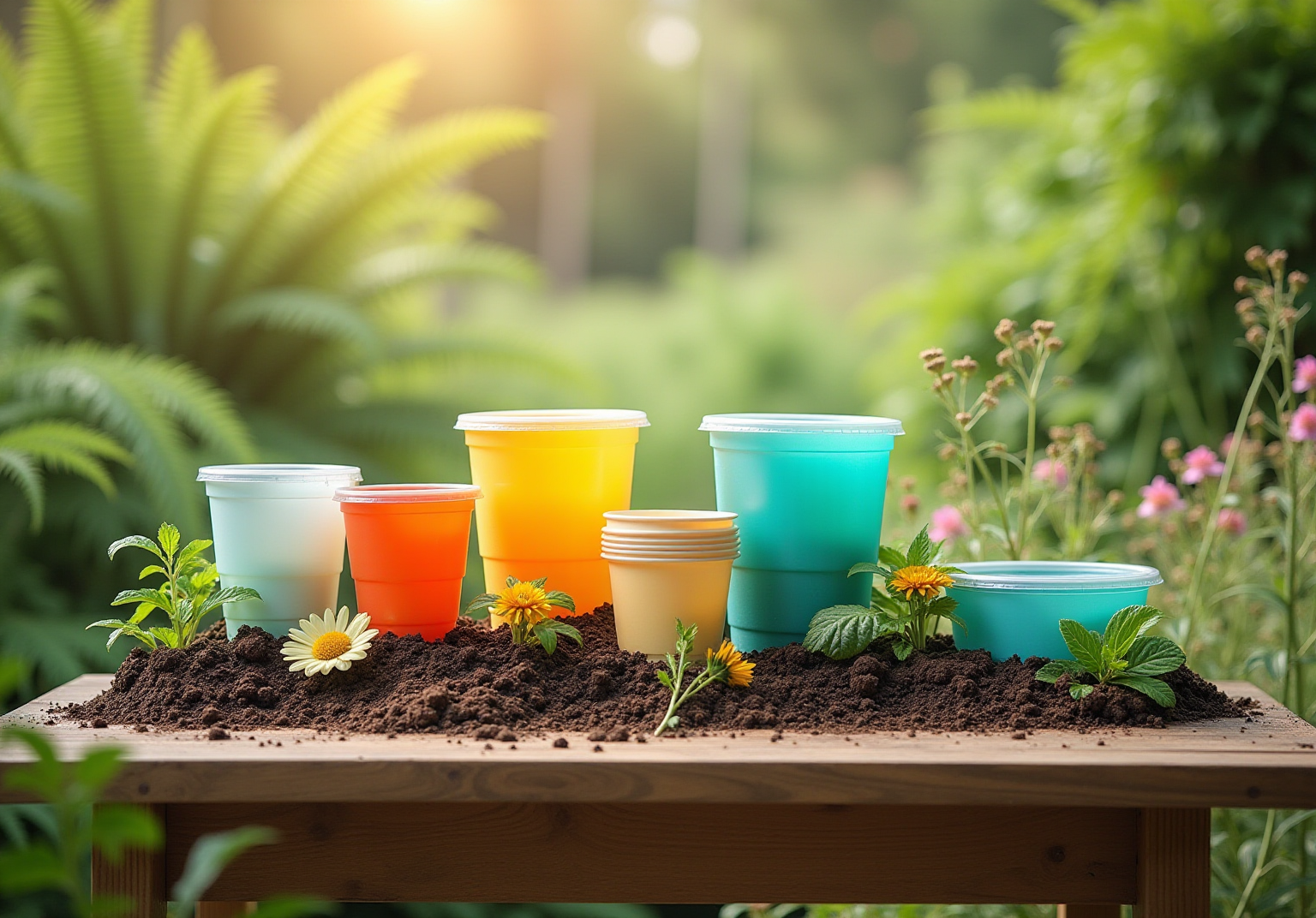
What Plastics Are Biodegradable? Key Types and Standards Explained
Introduction
Let’s face it: plastic waste is a huge problem, and it’s something we all deal with. As we look for ways to tackle this issue, biodegradable plastics are stepping into the spotlight. These materials are designed to break down naturally, which sounds like a win for the environment, right? But here’s the catch: getting everyone on board with these alternatives isn’t as simple as it seems. There are different conditions for decomposition and a real need for folks to understand how to dispose of them properly.
So, what types of biodegradable plastics are out there? And how do they stack up against the traditional stuff we’re used to? Let’s dive in and find out!
Define Biodegradable Plastics
Biodegradable materials are pretty cool! They’re designed to break down thanks to microorganisms, turning into natural stuff like water, carbon dioxide, and biomass when the conditions are just right. Unlike traditional materials that can hang around for centuries, biodegradable plastics are all about quick breakdown, which really helps reduce waste. But what affects how fast they decompose? Well, it depends on the type of material, temperature, humidity, and even the microbes present. This makes them a solid choice in tackling pollution from synthetic materials.
Let’s look at some practical examples. Eco-friendly materials really shine when it comes to sustainability. For instance, items made from organic materials can break down in just a few months in composting environments, enriching the soil and supporting a healthy ecosystem. Plus, recent advancements in this field have led to materials that not only meet durability standards but also align with sustainability goals. This can really boost a brand’s image among consumers who care about the planet.
Organizations are all about the benefits of biodegradable plastics. They point out how these options can help reduce waste and encourage eco-friendly practices. Unlike traditional materials that contribute to environmental issues, compostable choices fit right into natural cycles. As the industry grows, more companies are seeing the value in adopting these materials, especially to meet regulations like the EN 13432 certification for compostability and to satisfy the increasing demand for sustainable products.
But it’s not all smooth sailing. There are still challenges, like the varying conditions for decomposition and the need to educate the public on how to dispose of these materials properly. Plus, let’s not forget that biodegradable options can cost about 20-30% more than conventional options, which is something businesses need to consider when looking at market trends and procurement strategies. And here’s a fun fact: the journey of eco-friendly polymers started back in 1926 with French microbiologist Maurice Lemoigne. His work marked a significant step in the development of sustainable materials. So, as we hear more from experts about the perks of biodegradable materials, it’s clear they play a vital role in reducing waste and paving the way for a more sustainable future.

Explore Types of Biodegradable Plastics
When considering what plastics are biodegradable, there’s a whole range of options out there, each with its own unique traits and uses. Let’s dive into some of the most common types you might encounter:
- Polylactic Acid (PLA): This one’s made from renewable resources like corn starch. You’ll find PLA popping up in packaging, disposable tableware, and even 3D printing. It’s compostable in industrial settings, but if you’re trying to compost it at home, it may not break down effectively. Typically, PLA takes about 6 to 12 months to decompose. And guess what? Its use in packaging is expected to really take off by 2026, showing just how much people are starting to embrace it.
- Polyhydroxyalkanoates (PHA): These are created through the fermentation of sugars or lipids by microbes. PHAs are super versatile and can be used for everything from packaging to agricultural films. The best part? They can degrade in soil, water, or even the ocean. Talk about eco-friendly!
- Starch-based Plastics: Made from blends of starch, these plastics are often used in food packaging and disposable items. They can break down naturally, but they usually need specific conditions to do so effectively, which can limit where they can be used.
- Polycaprolactone (PCL): This polyester is a favorite for applications that need flexibility and durability, like medical devices and coatings. PCL can degrade in both aerobic and anaerobic conditions, making it pretty handy in different environments.
- Cellulose-based Plastics: These are derived from plant cellulose and are often found in films and coatings. They can biodegrade, helping to reduce waste.
It is important to understand what plastics are biodegradable, as each type of plastic has its own set of pros and cons. So, it’s important for both producers and buyers to pick materials that align with their specific needs and environmental goals. What do you think? Are you ready to make more sustainable choices?

Understand Standards for Biodegradable Plastics
Standards for biodegradable plastics are super important to make sure these substances break down safely and effectively in our environment. Let’s dive into some key standards:
- ASTM D6400: This guideline lays out what’s needed for plastics meant to be composted in municipal and industrial composting facilities. It guarantees that the material will decompose into carbon dioxide, water, and biomass within a set time, leaving no harmful residues behind.
- EN 13432: This is a European guideline that details the criteria for compostable packaging. It ensures products meet specific biodegradation and disintegration requirements in composting environments. Following this guideline is crucial for accessing the European market, helping avoid customs issues and promoting environmental responsibility. Did you know that the current capture of food waste in the EU27+ is only 16% of its theoretical potential? That really highlights how important it is to comply with EN 13432 for compostable products.
- ASTM D6868: This guideline provides specifications for identifying and labeling compostable materials, ensuring they can be effectively composted in industrial settings. Proper labeling is key for consumer awareness and sticking to regulations.
- ISO 17088: This standard focuses on compostable materials used in coatings and packaging, ensuring they meet similar compostability standards as those in ASTM D6400.
Now, let’s talk about the Federal Trade Commission, which prohibits using the term 'biodegradable' without third-party certification. This really emphasizes the legal framework around environmental claims. Plus, the EU Directive (2019/904) shapes the regulatory landscape for compostable plastics, especially for producers aiming to enter European markets.
These guidelines are essential for manufacturers to comply with and for consumers to make informed choices about biodegradable products. Following these standards helps reduce the risk of misleading claims and promotes environmental sustainability, which is what we all want, right? Non-compliance can lead to customs holds, fines, or even market bans, so it’s crucial for manufacturers to navigate these regulations carefully.

Differentiate Between Biodegradable and Compostable Plastics
When discussing what plastics are biodegradable, it’s easy to think they’re the same, but they’re actually quite different. Let’s break it down:
- Biodegradable plastics: These materials break down thanks to microorganisms, but here’s the catch - the time it takes can really vary. Depending on the environment, some of these materials might take years to fully decompose. Research shows that biodegradable plastics can take anywhere from a few months to several years to break down. That’s a big range! Plus, if compostable packaging ends up in a landfill, it can release methane, a greenhouse gas that’s about 30 times more potent than carbon dioxide. That’s a pretty big deal when we think about how we dispose of things.
- Compostable plastics: Now, this is a specific type of biodegradable material that meets certain composting standards. Compostable plastics are designed to break down into non-toxic elements in a set timeframe - usually between 90 and 180 days - when placed in a composting environment. This quick decomposition is super important for reducing waste. And guess what? Starting in September 2025, there’s going to be a certification that’ll make it even clearer what qualifies as compostable.
Understanding these differences is crucial for all of us - consumers and businesses alike. It helps us make smarter, more sustainable choices and reduces our environmental impact. As the industry gears up for stricter standards, having clear definitions will be more important than ever. Environmental advocates stress that understanding biodegradable plastics, along with the difference between biodegradable and compostable plastics, is key for making informed decisions. As Eve Fox points out, "Some 'biodegradable plastic' is also made from fossil fuels," which really makes us think about where our materials come from and their environmental effects.

Conclusion
Biodegradable plastics are a cool answer to our growing waste problem. They break down faster than the usual stuff we use. By getting to know the different types of biodegradable plastics, like PLA, PHA, and starch-based options, along with the standards that help them decompose effectively, both consumers and manufacturers can make choices that lead us toward a greener future.
In this article, we’ve looked at what biodegradable plastics are all about. We’ve highlighted types such as PLA, PHA, and starch-based plastics, and discussed standards like ASTM D6400 and EN 13432 that ensure they break down properly. We also touched on the differences between biodegradable and compostable materials, stressing how important it is to dispose of them correctly and the environmental impacts of each. Sure, there are challenges, like costs and public awareness, but the push for biodegradable options is definitely gaining steam.
As more people want sustainable products, embracing biodegradable plastics is key to cutting down our environmental footprint. This shift not only helps our planet but also fits with changing regulations and what consumers are looking for. By opting for biodegradable materials and pushing for clearer standards, we can all play a part in building a circular economy that benefits everyone.
Frequently Asked Questions
What are biodegradable plastics?
Biodegradable plastics are materials designed to break down through the action of microorganisms, turning into natural substances like water, carbon dioxide, and biomass under suitable conditions.
How do biodegradable plastics differ from traditional plastics?
Unlike traditional plastics, which can last for centuries in the environment, biodegradable plastics are intended for quick breakdown, significantly reducing their environmental impact.
What factors influence the decomposition rate of biodegradable plastics?
The decomposition rate depends on several factors, including the type of material, temperature, humidity, and the presence of specific microorganisms.
What are some examples of biodegradable materials?
Items made from organic materials can decompose in just a few months in composting environments, enriching the soil and supporting a circular economy.
What are the benefits of using compostable materials?
Compostable materials can help reduce pollution, encourage eco-friendly practices, and align with sustainability goals, which can enhance a brand's image among environmentally conscious consumers.
What certifications are relevant for compostable packaging?
The EN 13432 certification is important for compostable packaging, ensuring that materials meet specific standards for compostability.
What challenges do biodegradable plastics face?
Challenges include varying decomposition conditions, the need for public education on proper disposal, and higher costs-about 20-30% more than conventional options.
Who was a pioneer in the development of biodegradable materials?
French microbiologist Maurice Lemoigne was a pioneer in the field, marking a significant step in the development of sustainable materials back in 1926.
List of Sources
- Define Biodegradable Plastics
- biofutureadditives.com (https://biofutureadditives.com/blog/biodegradable-vs-traditional-plastics-key-differences)
- specialchem.com (https://specialchem.com/plastics/guide/biodegradability)
- Explore Types of Biodegradable Plastics
- ieiplastics.com (https://ieiplastics.com/blogs/types-of-biodegradable-plastics-and-their-applications)
- earth.org (https://earth.org/plastic-pollution-quotes)
- europlas.com.vn (https://europlas.com.vn/en-US/blog-1/different-types-of-biodegradable-plastics)
- bgreentoday.com (https://bgreentoday.com/blogs/blogs/types-of-biodegradable-plastics?srsltid=AfmBOooxJUK6hcvB5RftuJDmLzw2L3a_WN-JibF6eQ4-LBeeeaPNgrDF)
- Understand Standards for Biodegradable Plastics
- goecopure.com (https://goecopure.com/key-trends-shaping-the-biodegradable-plastics-industry-in-2026)
- bioleaderpack.com (https://bioleaderpack.com/biodegradable-vs-compostable-plastics-the-ultimate-compliance-and-export-guide-for-global-b2b-buyers-in-2025)
- totalenergies-corbion.com (https://totalenergies-corbion.com/resource/case-study-a-comprehensive-look-at-compostable-plastics)
- aropha.com (https://aropha.com/biodegradable-testing-labs/astm-d6400)
- eco-mdsassociates.com (https://eco-mdsassociates.com/blogs/news/understanding-astm-d6400-compostable-standard?srsltid=AfmBOoqRFwCaj5Z4I_OyBpehAAa3SONX8OSMhDfFIPyDyBz8piW6bAMS)
- Differentiate Between Biodegradable and Compostable Plastics
- goecopure.com (https://goecopure.com/key-trends-shaping-the-biodegradable-plastics-industry-in-2026)
- Bad News - Bioplastics Are NOT A Solution To Plastic Pollution — Beyond Plastics - Working To End Single-Use Plastic Pollution (https://beyondplastics.org/fact-sheets/bad-news-about-bioplastics)
- lifemadeproducts.com (https://lifemadeproducts.com/press-media/compostable-biodegradable-standards)
- totalenergies-corbion.com (https://totalenergies-corbion.com/resource/case-study-a-comprehensive-look-at-compostable-plastics)
Related posts

Discover essential steps for selecting reliable custom plastic tubing solutions for various industries.


Discover best practices for procuring clear plastic flexible tubing to enhance performance and reliability.
Discover key insights and features of top flexible PVC manufacturers for your business needs.
