

What is UV Stabilized Plastic and Why It Matters for OEMs
Introduction
When it comes to using plastics outdoors, have you ever thought about how long they really last? Well, that’s where UV stabilization comes into play. UV stabilized plastic is specially made with additives that boost its ability to resist the harmful effects of ultraviolet radiation. This means it can stand up to tough conditions and keep performing well over time.
For original equipment manufacturers (OEMs), choosing these materials isn’t just about making a quality product; it’s a smart move that can really set them apart in the market. But with all the fast-paced advancements in UV stabilization technologies, you might be wondering: how can manufacturers keep up with these innovations while also hitting their performance targets and sustainability goals? Let’s dive into that!
Defining UV Stabilized Plastic: Importance for OEMs
Have you ever wondered why some plastics seem to hold up better in the sun than others? That’s where UV stabilized plastic comes into play. These materials are treated with special additives that boost their resistance to ultraviolet (UV) radiation. This means they won’t degrade as quickly when exposed to sunlight, which can cause issues like discoloration, brittleness, and a loss of mechanical properties. For OEMs, understanding UV stabilized plastic is key, as it directly impacts the durability and performance of products used outdoors or in high UV environments. By including UV protectants, manufacturers can ensure their products stay strong and visually appealing over time, making them a reliable choice for end-users.
Now, let’s talk numbers. The market for UV additives in polymer products was estimated at around USD 3.2 billion in 2023, and it’s expected to grow at a CAGR of about 7.2% from 2024 to 2033. This growth reflects the increasing demand for high-performance materials across various sectors, especially in the automotive industry. You see, the automotive sector relies heavily on UV stabilized plastic to shield components from UV damage, helping maintain their appearance and extend the lifespan of critical parts.
Case studies really highlight how effective UV stabilization can be. Take the packaging industry, for example. UV protectants are crucial for keeping food and beverages safe from nutrient loss and discoloration due to UV exposure. In construction, UV stabilized plastic materials are essential for window profiles and roofing, ensuring they perform well in outdoor conditions.
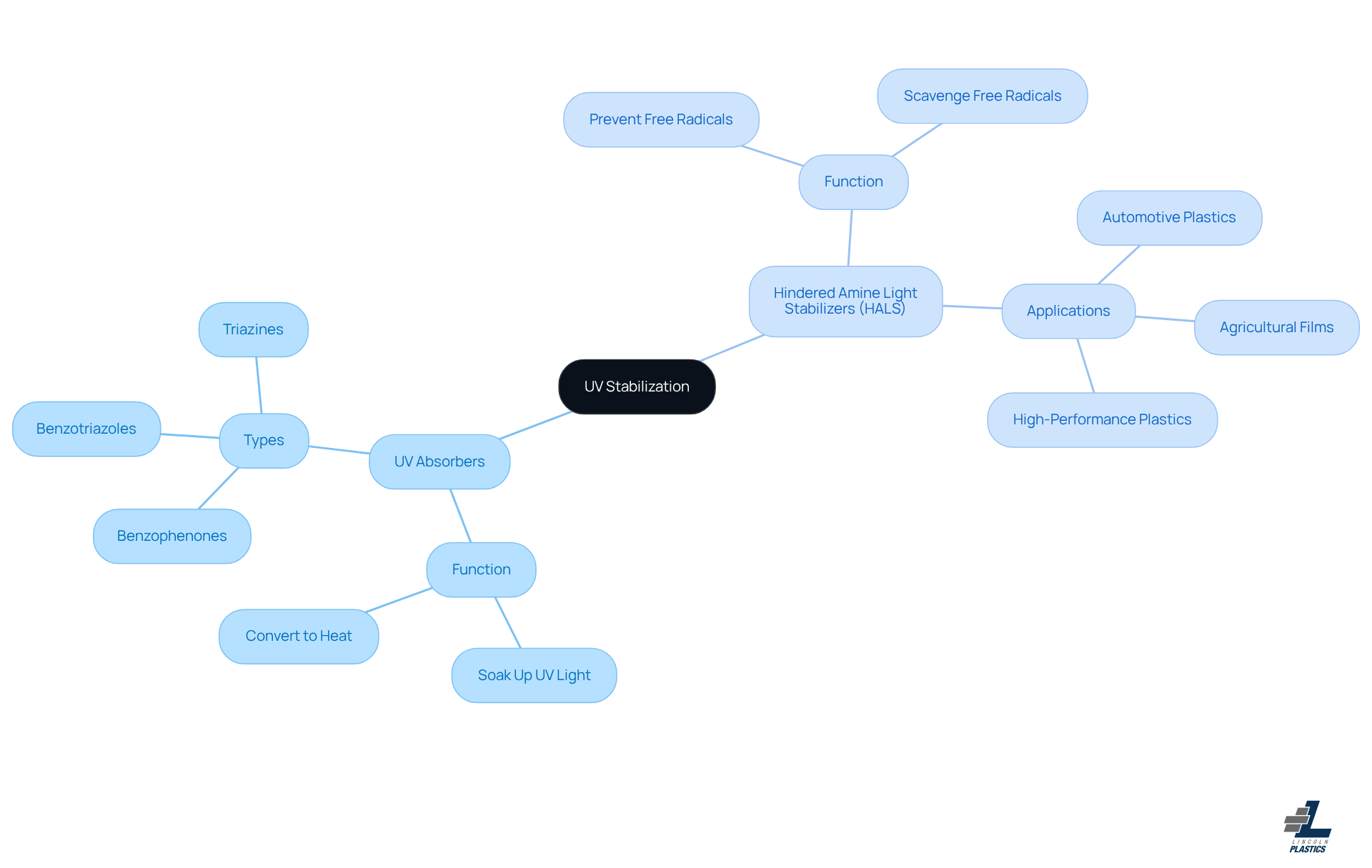
You might be curious about the types of UV protectants out there. Hindered Amine Light Protectants (HALS) are among the most popular, known for their long-lasting effectiveness in preventing photo-oxidation. As manufacturers look to reduce their environmental footprint, there’s been a push for eco-friendly UV additives. These sustainable solutions don’t compromise on performance, meeting regulatory standards while catering to consumer preferences for durable products.
In summary, incorporating UV additives into plastic production is a smart move for OEMs. It boosts durability and performance while tackling the challenges posed by UV exposure. As the market for UV enhancements continues to grow, understanding the benefits of UV stabilization is essential for manufacturers aiming to deliver high-quality, long-lasting products.

Mechanisms of UV Stabilization: Enhancing Material Longevity
Have you ever wondered how some products manage to withstand the harsh rays of the sun without fading or degrading? Well, that’s where UV stabilization comes into play! It’s all about using special additives that either absorb or dissipate UV radiation.
Let’s break it down a bit. You’ve got UV absorbers, which do a fantastic job of soaking up harmful UV light and turning it into harmless heat. Then there are hindered amine light protectants, or HALS for short. These little heroes prevent free radicals from forming, which can cause polymers to break down.
By incorporating UV stabilized plastic into the composite structure, manufacturers can really boost the durability of their products. This means that items constructed from UV stabilized plastic can handle extended sun exposure without falling victim to photodegradation. So, next time you’re shopping, keep an eye out for products that use these UV protectants - they’re worth it!
Applications of UV Stabilized Plastics in OEM Industries
You know, in various industries, especially in automotive, construction, and consumer goods, UV stabilized plastic is quite important. Take the automotive sector, for instance. These materials are crucial for things like bumpers and dashboards. They need to handle a lot of sunlight without losing their looks or functionality. That’s why car manufacturers are increasingly adding UV additives to keep things from fading or becoming brittle. It’s all about making sure that the interiors of vehicles stay top-notch over time. As BASF SE puts it, "UV stabilizers are essential in automotive applications to prevent fading, cracking, and brittleness in vehicle components."
Now, let’s talk about construction using UV stabilized plastic. UV stabilized plastic is found everywhere in roofing membranes, siding, and PVC pipes. They’re designed to stand up to harsh weather, which is super important. By using UV stabilized plastic, these materials resist UV radiation, which helps extend the life of construction projects and cut down on maintenance costs. Imagine using UV protectants in your building materials-your structures can take on the sun without falling apart! A recent report even shows that the global UV stabilizers market was valued at USD 1.4 billion in 2023 and is expected to reach USD 2.4 billion by 2033, growing at a CAGR of 5.6%. Pretty impressive, right?
And let’s not forget about consumer goods! Outdoor furniture and garden equipment benefit from UV stabilization too. This means they last longer and don’t need to be replaced as often, which is a win for your wallet. Did you know that packaging alone makes up 48.5% of the UV additives market? That just shows how much people are looking for durable solutions.
Overall, using UV stabilized plastic is key to boosting product performance and keeping customers happy across these industries. It really highlights how important these materials are in today’s manufacturing world.

Advancements in UV Stabilization Technologies: Implications for OEMs
Have you ever thought about how important UV stabilized plastic is for the durability of plastic products? Well, recent advancements in UV stabilized plastic technologies are changing the game, providing us with effective and eco-friendly solutions. Bio-based UV stabilizers and nanotechnology-enhanced additives are stepping into the spotlight, known for their impressive performance and lower environmental impact. These innovations not only make plastic items more durable but also incorporate UV stabilized plastic to cater to the rising demand for sustainable manufacturing practices.
Now, let’s talk about why this matters for OEMs. Embracing UV stabilized plastic and other advanced UV stabilization technologies is key to enhancing product offerings and staying competitive in the market. Did you know that the market for bio-based UV protectants is expected to grow at a compound annual growth rate (CAGR) of 6.4%? This growth is driven by the increasing need for safer materials that leave a smaller environmental footprint.
Companies are really stepping up, developing sustainable formulations that align with eco-friendly initiatives. They’re ensuring compliance with strict regulations while also meeting what consumers expect. For instance, case studies show how bio-based UV stabilized plastic, such as Hindered Amine Light Stabilizers (HALS) and benzotriazole UV absorbers, has been successfully integrated into various OEM applications. These stabilizers are proving effective in extending product lifespan and maintaining performance under UV stabilized plastic conditions.
As the industry evolves, staying informed about these advancements is crucial. It empowers OEMs to make strategic decisions that boost operational efficiency and improve market positioning. So, what do you think? Are you ready to explore these exciting developments in UV stabilization?

Conclusion
Understanding UV stabilized plastic is super important for manufacturers who want to boost the durability and performance of their products, especially in outdoor or high UV environments. By using special additives that shield against ultraviolet radiation, OEMs can really cut down on the degradation of plastic materials. This means their products can stay looking good and working well over time.
Now, let’s talk about some key points.
- The market for UV additives was valued at around USD 3.2 billion in 2023, and it’s expected to keep growing.
- Industries like automotive, construction, and consumer goods are jumping on the UV stabilized plastics bandwagon to tackle issues like fading and brittleness.
- Advancements in UV stabilization technologies, including eco-friendly options, highlight how crucial it is to stay updated on new developments that can enhance product offerings while also being kind to the planet.
So, what’s the takeaway? Embracing UV stabilization isn’t just a passing trend; it’s a smart strategy for OEMs looking to boost product longevity and keep customers happy. As the demand for high-performance materials rises, manufacturers really need to focus on integrating UV protectants. This way, their products can stand up to the test of time and environmental challenges. Exploring these advancements in UV stabilization technologies can give OEMs a competitive edge in the market, making it essential for them to adapt and innovate in this ever-changing landscape.
Frequently Asked Questions
What is UV stabilized plastic?
UV stabilized plastic is treated with special additives that enhance its resistance to ultraviolet (UV) radiation, preventing degradation such as discoloration, brittleness, and loss of mechanical properties when exposed to sunlight.
Why is UV stabilization important for OEMs?
Understanding UV stabilized plastic is crucial for OEMs as it directly affects the durability and performance of products used outdoors or in high UV environments, ensuring they remain strong and visually appealing over time.
What is the market outlook for UV additives in polymer products?
The market for UV additives in polymer products was estimated at around USD 3.2 billion in 2023 and is expected to grow at a CAGR of about 7.2% from 2024 to 2033, reflecting increasing demand for high-performance materials.
Which industries rely heavily on UV stabilized plastic?
The automotive industry is a significant user of UV stabilized plastic to protect components from UV damage, while other sectors like packaging and construction also benefit from these materials to maintain product integrity and performance.
What role do UV protectants play in the packaging industry?
In the packaging industry, UV protectants are essential for preserving food and beverages by preventing nutrient loss and discoloration caused by UV exposure.
What are Hindered Amine Light Protectants (HALS)?
Hindered Amine Light Protectants (HALS) are a popular type of UV protectant known for their long-lasting effectiveness in preventing photo-oxidation in plastics.
Are there eco-friendly options for UV additives?
Yes, there is a growing trend towards eco-friendly UV additives that meet regulatory standards and consumer preferences for sustainable and durable products without compromising performance.
What are the benefits of incorporating UV additives into plastic production?
Incorporating UV additives boosts the durability and performance of plastic products while addressing challenges posed by UV exposure, making it a smart choice for manufacturers aiming to produce high-quality, long-lasting items.
List of Sources
- Defining UV Stabilized Plastic: Importance for OEMs
- What Is UV Stabilized Plastic and Why Is It Useful? (https://phoenixplastics.com/what-is-uv-stabilized-plastic-why-is-it-useful)
- UV Stabilizers in Plastics Market Size, Growth and Analysis Report - 2033 (https://datahorizzonresearch.com/uv-stabilizers-in-plastics-market-11172)
- UV Stabilizer for Plastics Strategic Insights: Analysis 2025 and Forecasts 2033 (https://archivemarketresearch.com/reports/uv-stabilizer-for-plastics-662024)
- UV Stabilizers Market, Industry Size Growth Forecast Report, [Latest] (https://marketsandmarkets.com/Market-Reports/uv-stabilizer-market-122183376.html)
- Mechanisms of UV Stabilization: Enhancing Material Longevity
- Advancements in UV Stabilization: Protecting Plastics for Longer Performance - 3V Sigma USA (https://3vsigmausa.com/advancements-in-uv-stabilization-longer-performance)
- Understanding UV Stabilizers: The Power of UV Absorber UV-531 (https://nbinno.com/article/flame-retardants/understanding-uv-stabilizers-uv-absorber-uv-531-qr)
- Comparing UV Resistance of Plastics: Key Insights for OEMs (https://lincoln-plastics.com/news-post/comparing-uv-resistance-of-plastics-key-insights-for-oe-ms)
- Clariant advances plastics stabilizer technology with expanded production and new applications (https://clariant.com/en/Corporate/News/2025/08/Clariant-advances-plastics-stabilizer-technology-with-expanded-production-and-new-applications)
- Applications of UV Stabilized Plastics in OEM Industries
- UV Stabilizers Market Expands With R&D Investments (https://news.market.us/uv-stabilizers-market-news)
- Global UV Stabilizer for Plastics Market Revenue Forecasts 2025-2032 (https://statsndata.org/report/uv-stabilizer-for-plastics-market-355021)
- Comparing UV Resistance of Plastics: Key Insights for OEMs (https://lincoln-plastics.com/news-post/comparing-uv-resistance-of-plastics-key-insights-for-oe-ms)
- Why U.S. Manufactured UV Stabilizers Are Crucial for Performance Plastics - 3V Sigma USA (https://3vsigmausa.com/uv-stabilizers-are-crucial-for-performance-plastics)
- Automotive UV stabilizers - All you should know (https://europlas.com.vn/en-US/blog-1/automotive-uv-stabilizers-all-you-should-know)
- Advancements in UV Stabilization Technologies: Implications for OEMs
- Advancements in UV Stabilization: Protecting Plastics for Longer Performance - 3V Sigma USA (https://3vsigmausa.com/advancements-in-uv-stabilization-longer-performance)
- UV Stabilizers Market Expands With R&D Investments (https://news.market.us/uv-stabilizers-market-news)
- Green Aerospace Coatings Market Size, Growth and Forecast 2032 (https://credenceresearch.com/report/green-aerospace-coatings-market)
- North America High-end Ultraviolet Absorbers Market Size 2026 | Smart Solutions, AI & Scope Forecasts 2033 (https://linkedin.com/pulse/north-america-high-end-ultraviolet-absorbers-market-1okue)
- Comparing UV Resistance of Plastics: Key Insights for OEMs (https://lincoln-plastics.com/news-post/comparing-uv-resistance-of-plastics-key-insights-for-oe-ms)
Related posts

Why Custom Pipe Extrusion Matters More Than Ever
Standard pipe sizes don’t always work. Learn how Lincoln Plastics delivers custom diameters, wall thicknesses, and finishes in right-sized runs.


Reducing Trip Hazards with Custom Cord Management
Loose cords are more than messy — they’re a safety hazard. Lincoln Plastics’ custom cord covers and Flexiduct solutions improve safety and efficiency.
The Power of Custom Plastic Profiles for OEMs
Off-the-shelf profiles force compromises. Learn how Lincoln Plastics designs custom extruded profiles for OEMs with exact specs and right-sized runs.
