

What is PVC Clear? Key Properties and Applications Explained
Introduction
PVC clear is quite the star in the world of thermoplastic polymers! Its transparency and versatility make it a go-to choice for many industries. Picture this: you’re in a lab or a food processing facility, and you need to keep an eye on things visually. That’s where PVC clear shines, allowing for easy monitoring. Plus, it adds a nice touch of style in retail and construction settings, don’t you think?
But, like anything great, it comes with its challenges. You might be wondering about issues like UV degradation and sourcing difficulties. So, how can industries make the most of PVC clear while sidestepping these potential pitfalls? Let’s dive in together and explore!
Define PVC Clear: Composition and Characteristics
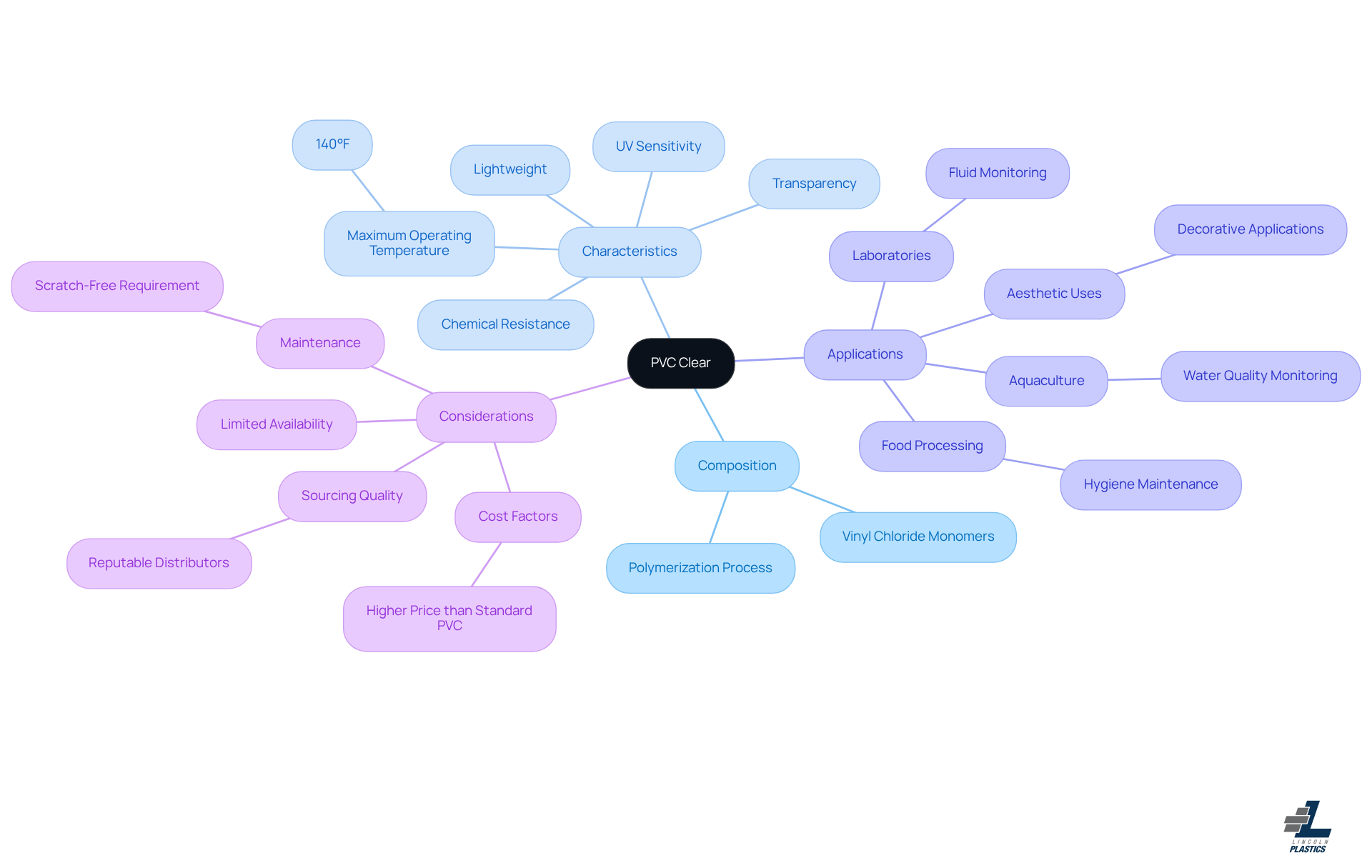
The fascinating thermoplastic polymer known as PVC Clear, or clear PVC, is a unique material. Made mainly from vinyl chloride monomers, it goes through polymerization to form a solid that boasts exceptional clarity. It’s lightweight, chemically resistant, and easy to process, making it a go-to choice in various industries.
Now, unlike opaque PVC, which is often used for structural components, clear PVC is all about visibility. This makes it perfect for applications where aesthetics and light transmission are key. For example, in laboratories, clear surfaces allow for easy observation. This ensures cleanliness and safety, especially when dealing with hazardous materials. Plus, in food processing, using clear PVC helps maintain a high level of hygiene, which is crucial for hygiene and preventing contamination.
You might be curious about recent developments in clear PVC technology. Experts have been focusing on improving its flexibility. This means it can navigate tight corners and irregular spaces without needing complex fittings. However, it’s worth noting that clear PVC can be more expensive than standard PVC of the same size and schedule. It’s also more prone to UV degradation, which can lead to discoloration and brittleness over time. So, it’s essential to think about where you’ll be using it, especially since clear PVC products have a maximum operating temperature of 140 degrees Fahrenheit.
Experts really stress the importance of sourcing clear PVC from reputable industrial supply distributors to ensure it performs well. As Mark Ligon puts it, "The clear pipe allows users in laboratories, food processing plants, and other processing applications to closely monitor what is happening inside the pipeline." This transparency not only boosts operational efficiency but also enhances safety, making a versatile choice for both industrial and consumer projects.
Oh, and here’s something interesting: clear PVC products are more difficult to find than the standard white or gray ones. This could affect your sourcing decisions. The production process for clear PVC involves extra steps to ensure clarity and maintain those optical properties, which really highlights its specialized nature.
Trace the Origins and Development of PVC Clear
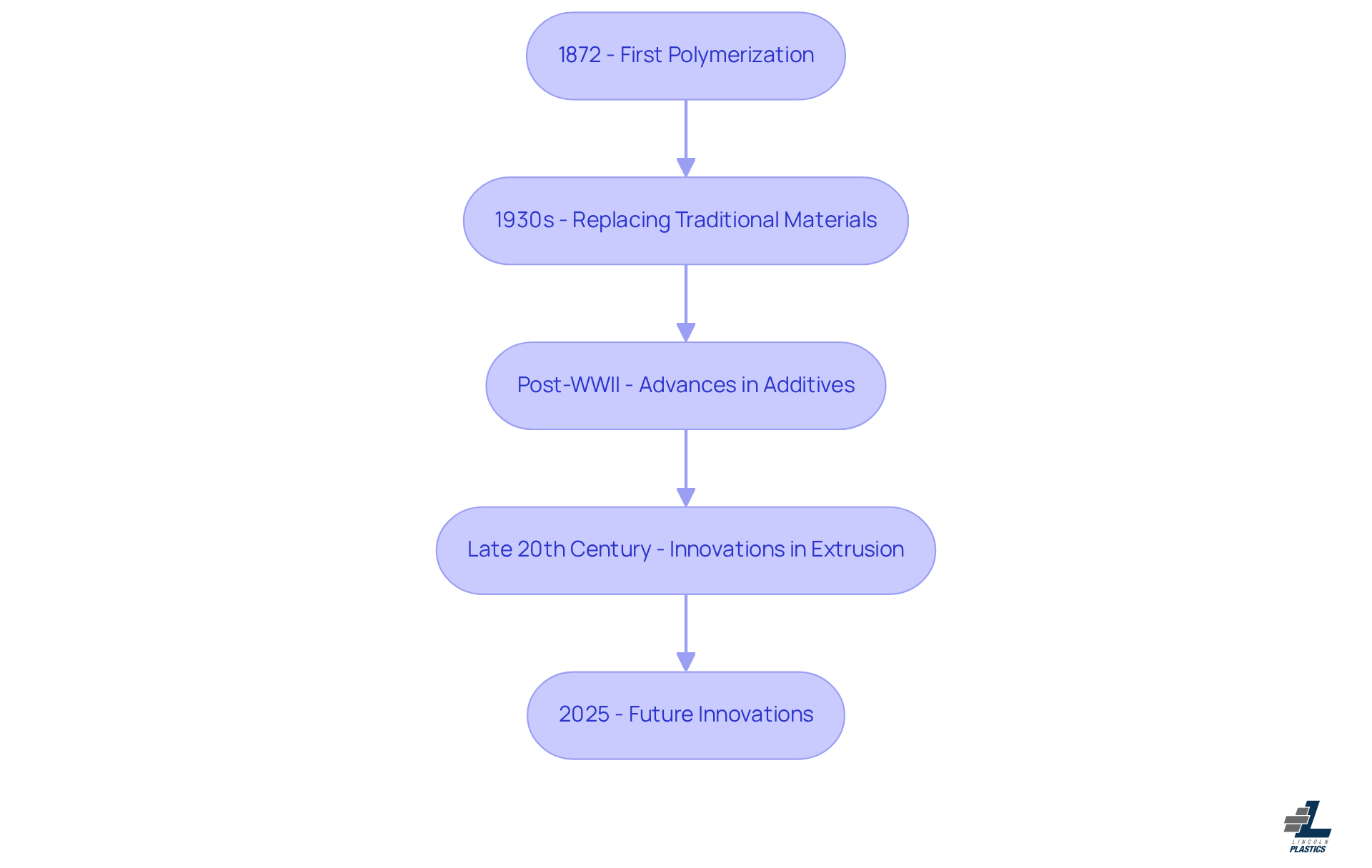
Did you know that PVC has its roots in the 19th century? The first polymerization happened in a lab back in 1872! But it really started to take off after World War II. Thanks to some cool advancements in additives and processing techniques, PVC became a hit, demonstrating its clarity and performance for a variety of applications. By the 1930s, it was already stepping in to replace materials like metal and wood, especially in plumbing pipes.
Fast forward a bit, and you’ll see that innovations in extrusion technology have been game-changers for the production of PVC. The late 20th century brought some serious upgrades in processing techniques, leading to the creation of new products. For example, rigid PVC became the go-to for pipes, while flexible PVC found its way into upholstery, medical tubing, and even toys.
At Lincoln Plastics, we work hand-in-hand with OEMs to ensure our PVC Transparent products meet all specifications. We carry out inspections using various check gauges to guarantee a proper end-use fit. Plus, sourcing colors that match your Pantone specs is a breeze, ensuring consistency across manufacturers. Our robust quality system includes a dedicated quality book for each plastic profile, packed with drawings, critical in-process checks, and run documentation. This commitment to accuracy means that the products we create align perfectly with the outlined critical dimensions, boosting their functionality for different uses.
Looking ahead to 2025, the PVC industry is still going strong, enhancing its applications. Its resilience and low maintenance needs have made it a favorite for projects that require transparency and durability. And guess what? It’s even expanding into fashion and consumer goods! This growth really highlights how significant PVC is in today’s manufacturing world and how it adapts to meet the changing needs of various sectors.
Explore Applications of PVC Clear in Various Industries
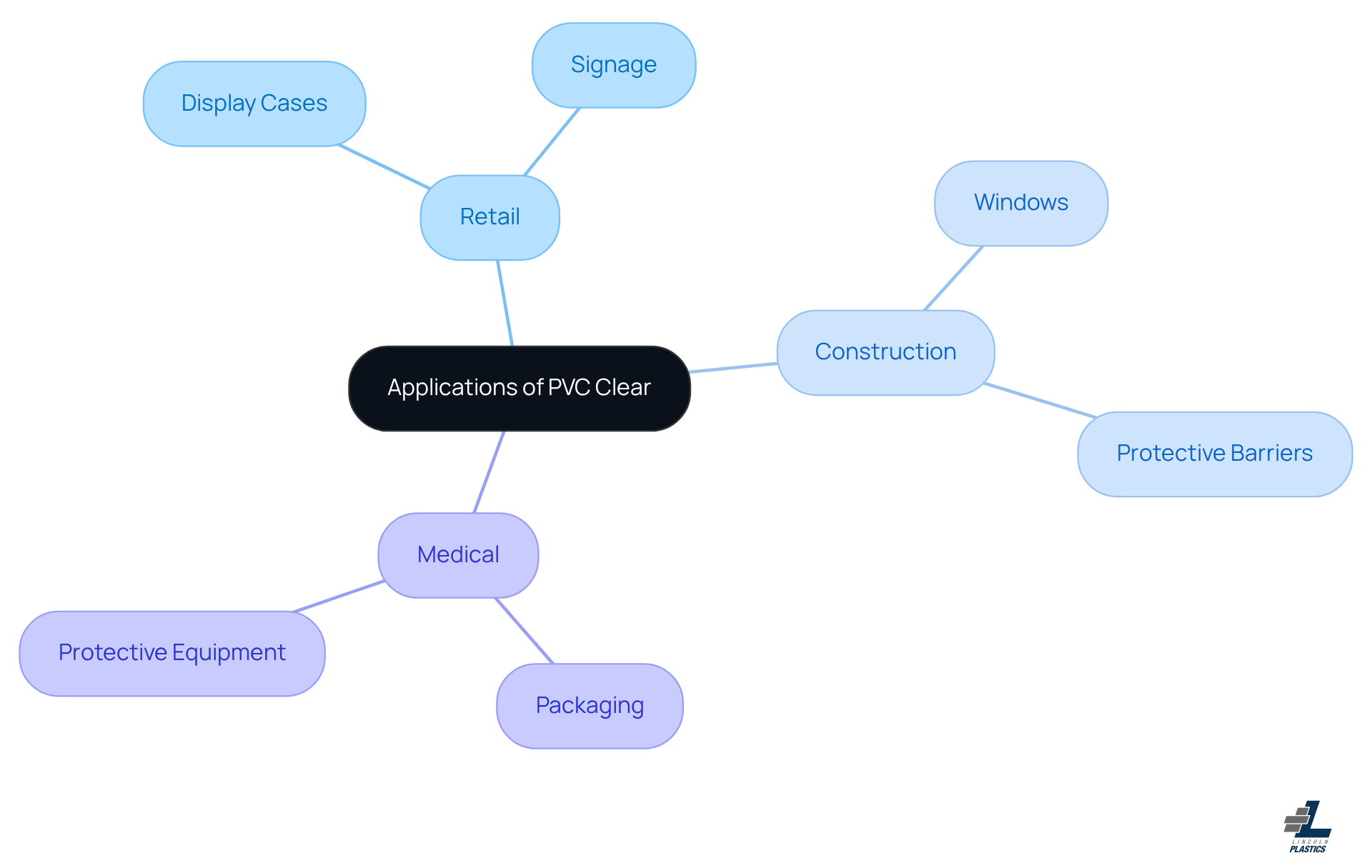
Have you ever noticed how PVC Clear pops up everywhere? It's pretty amazing how this material fits into so many industries! In retail, for example, PVC Clear is often used for product displays. It not only showcases products beautifully but also keeps them safe from dust and damage.
Now, let’s talk about construction. Here, PVC Clear shines in windows, doors, and partitions. It offers a clear view while ensuring everything stays structurally sound. And don’t forget the medical field! Clarity and sterility are crucial there, and PVC Clear is often utilized for medical packaging.
Isn't it fascinating how something so simple can have so many applications? From packaging to construction, PVC Clear truly is a versatile material. So, next time you see it, you’ll know just how important it really is!
Examine Key Properties of PVC Clear: Durability, Clarity, and UV Resistance
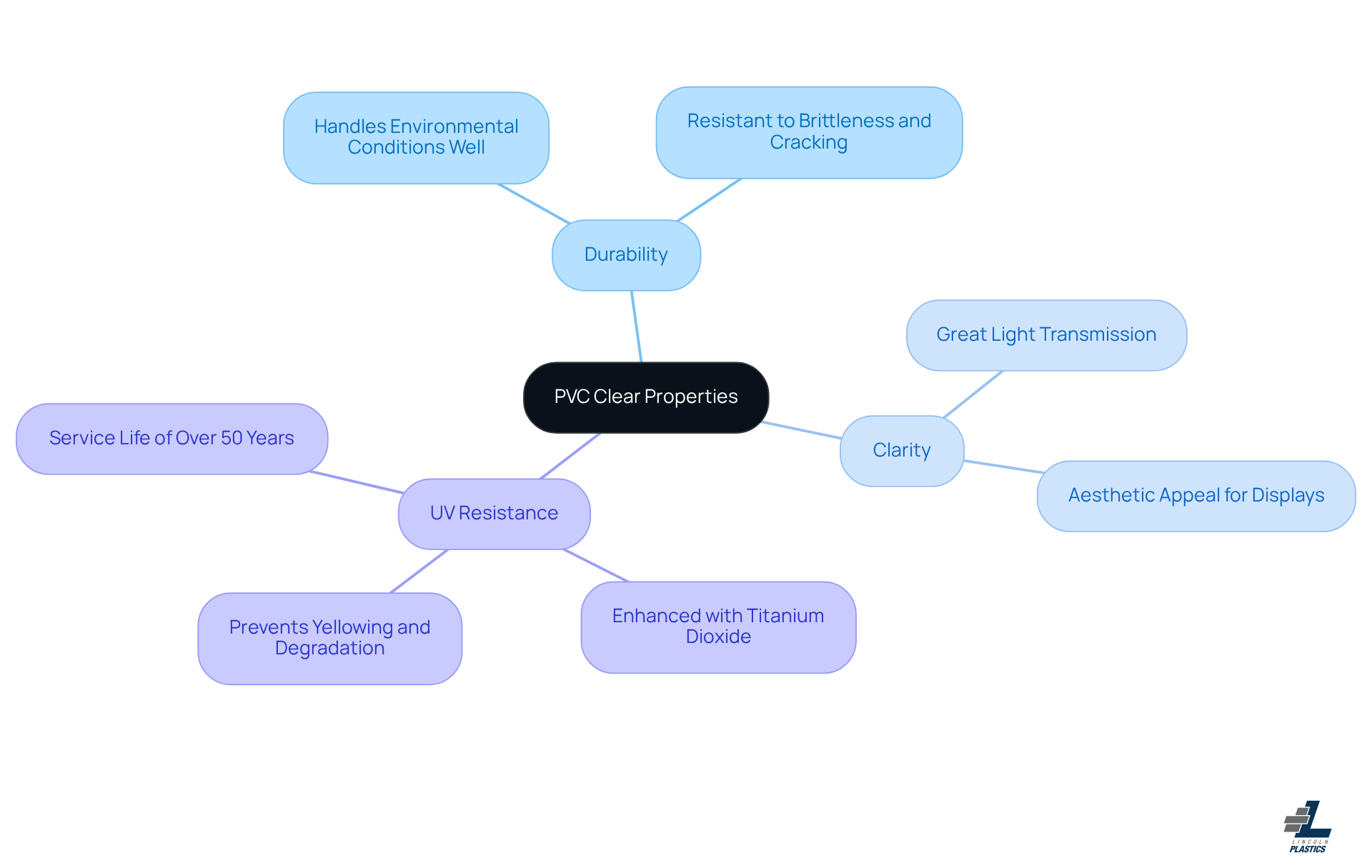
PVC Transparent is pretty well-known for its durability, clarity, and UV resistance, making it a go-to choice for various applications. Its tough nature means it can handle different environmental conditions without breaking down too much, so you can count on it both indoors and outdoors. Plus, the transparency of PVC Clear allows for great light transmission, which is crucial for display cases and architectural features that need to look their best.
Now, let’s talk about the recent advancements in PVC technology, like the addition of UV stabilizers. These improvements have really boosted the material's ability to resist ultraviolet light, keeping it from yellowing and degrading over time. Research shows that UV-resistant PVC can last over 50 years, which is impressive for outdoor use. However, without proper UV protection, PVC Clear can end up with discoloration and less-than-great looks, especially in visible places like outdoor furniture.
You might be wondering why it’s so important to keep that clarity and durability intact. Well, maintaining clarity not only helps maintain the material's appearance but also keeps it structurally sound, preventing brittleness and cracking from long-term UV exposure. So, it’s no surprise that PVC Clear is a reliable option for both manufacturers and consumers who are looking for durable and visually appealing solutions for all sorts of applications.
Conclusion
PVC clear, or polyvinyl chloride clear, is quite the versatile thermoplastic polymer! It's known for its exceptional clarity and lightweight properties, making it a favorite not just for its looks but also for its practical uses across different industries—think laboratories, food processing, retail, and construction. The cool thing about PVC clear is that it allows you to visually monitor contents, which is super important in places where cleanliness and safety really matter.
Throughout this article, we've explored some key insights into the composition, historical development, and applications of PVC clear. From its roots in the 19th century to the advancements in extrusion technology that boost its performance, PVC clear has proven to be a reliable choice for both manufacturers and consumers. We also touched on its durability, UV resistance, and why it's crucial to source high-quality products to ensure optimal performance in various applications.
As we look ahead, embracing PVC clear for future projects isn't just a choice—it's a smart move! With industries constantly evolving, the demand for materials that blend functionality with aesthetic appeal is only set to grow. By understanding the properties and applications of PVC clear, you can make informed decisions that enhance operational efficiency and meet the changing needs of your field. So, why not consider PVC clear for your next project?
Frequently Asked Questions
What is PVC clear and what are its main characteristics?
PVC clear, or polyvinyl chloride clear, is a thermoplastic polymer known for its transparency and versatility. It is composed mainly of vinyl chloride monomers and is lightweight, chemically resistant, and easy to process.
How does PVC clear differ from opaque PVC?
Unlike opaque PVC, which is used for structural components, PVC clear is designed for applications where visibility and light transmission are important, such as in laboratories and food processing.
What are some common applications of PVC clear?
Common applications of PVC clear include laboratory pipes for visual monitoring of fluid flow and pipes in food processing to maintain hygiene and prevent contamination.
What recent developments have been made in PVC clear?
Recent developments focus on enhancing the durability and flexibility of PVC clear, allowing it to navigate tight corners and irregular spaces without needing complex fittings.
What are the limitations of PVC clear?
PVC clear can be more expensive than standard PVC and is more susceptible to UV degradation, which can cause discoloration and brittleness. It also has a maximum operating temperature of 140 degrees Fahrenheit.
Why is it important to source high-quality PVC clear?
Sourcing high-quality PVC clear from reputable industrial supply distributors is crucial to ensure optimal performance, as it enhances operational efficiency and maintains the aesthetic appeal of installations.
Are PVC clear pipes easy to find?
PVC clear pipes are generally more difficult to find compared to standard white or gray PVC pipes due to the specialized production process required to maintain clarity and optical properties.
List of Sources
- Define PVC Clear: Composition and Characteristics
- commercial-industrial-supply.com (https://commercial-industrial-supply.com/blogs/resource-center/whats-the-deal-with-clear-pvc?srsltid=AfmBOor8HykWqeDdHgsyFuMmccul6daLpDFK4CBK4vopJDts3sZt9T1I)
- ctube-gr.com (https://ctube-gr.com/news/what-is-clear-pvc-pipe.html)
- The Diverse Applications and Significance of Transparent PVC Tubing (https://kebinghose.com/news/the-diverse-applications-and-significance-of-transparent-pvc.html)
- plasticmouldingsnorthern.co.uk (https://plasticmouldingsnorthern.co.uk/case_studies/best-plastics-for-vacuum-forming)
- Trace the Origins and Development of PVC Clear
- The Evolution of PVC: From Discovery to Modern Applications - Vinyl (https://vinylinfo.org/news/the-evolution-of-pvc-from-discovery-to-modern-applications)
- Explore Applications of PVC Clear in Various Industries
- circulaya.com (https://circulaya.com/phasing-out-pvc-in-over-the-counter-medicine-packaging)
- fortunebusinessinsights.com (https://fortunebusinessinsights.com/polyvinyl-chloride-pvc-market-109398)
- plasticstoday.com (https://plasticstoday.com/medical/medical-plastics-101-pvc-remains-material-of-choice-for-life-saving-devices)
- advancedplastiform.com (https://advancedplastiform.com/using-pvc-in-medical-supplies-and-applications)
- Examine Key Properties of PVC Clear: Durability, Clarity, and UV Resistance
- lessoamerica.com (https://lessoamerica.com/news/industry-news/600.html)
- formufit.com (https://formufit.com/pages/the-importance-of-uv-resistance-in-pvc?srsltid=AfmBOopTQvSLVSD6AqAGGGCJo3m2OiTWCDqNucGRtxqfrDCBkXVEGE83)


