
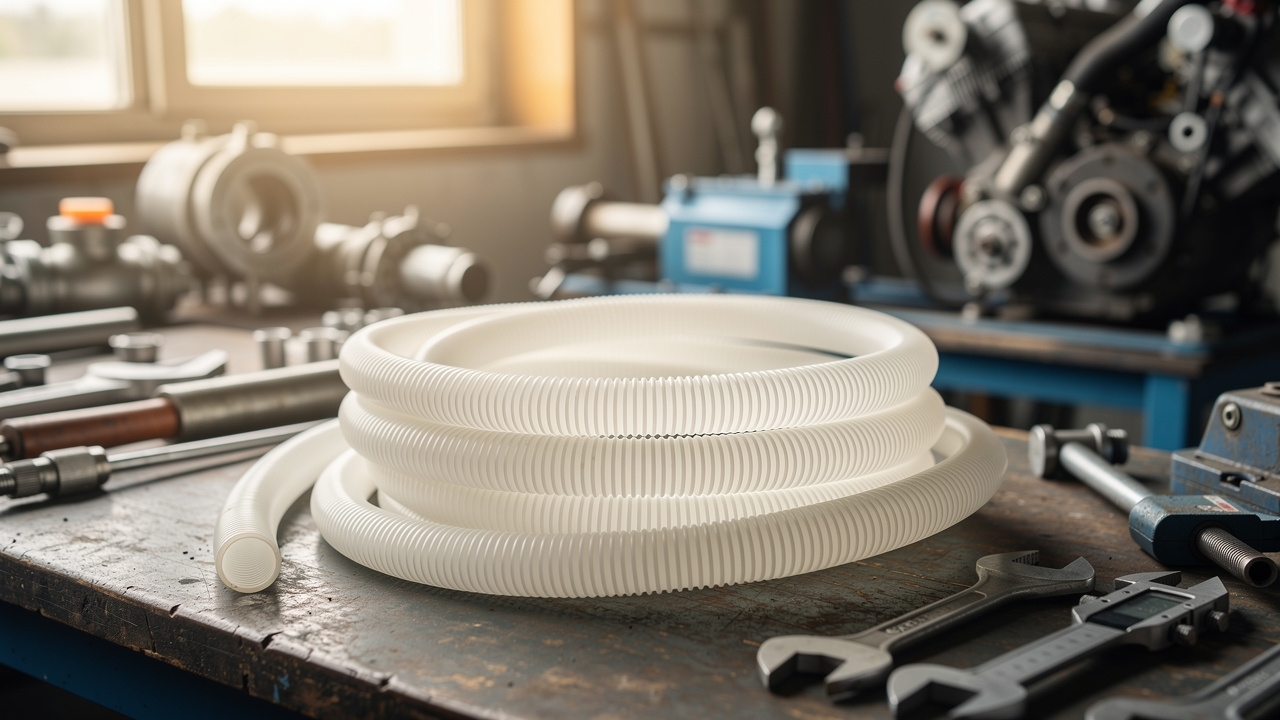
What Is Polypropylene Flexible? Key Features and Applications Explained
Introduction
Polypropylene flexible stands at the forefront of modern manufacturing, recognized for its exceptional adaptability and durability. This versatile thermoplastic polymer, synthesized from propylene monomers, offers a unique blend of properties that cater to a wide array of industrial needs - from agricultural irrigation systems to automotive components.
While polypropylene offers numerous advantages, its environmental implications pose significant challenges that must be addressed.
How can we harness its benefits while ensuring ecological responsibility? Addressing these questions is crucial for ensuring that polypropylene remains a viable option in sustainable manufacturing.
Define Polypropylene Flexible: Key Characteristics and Composition
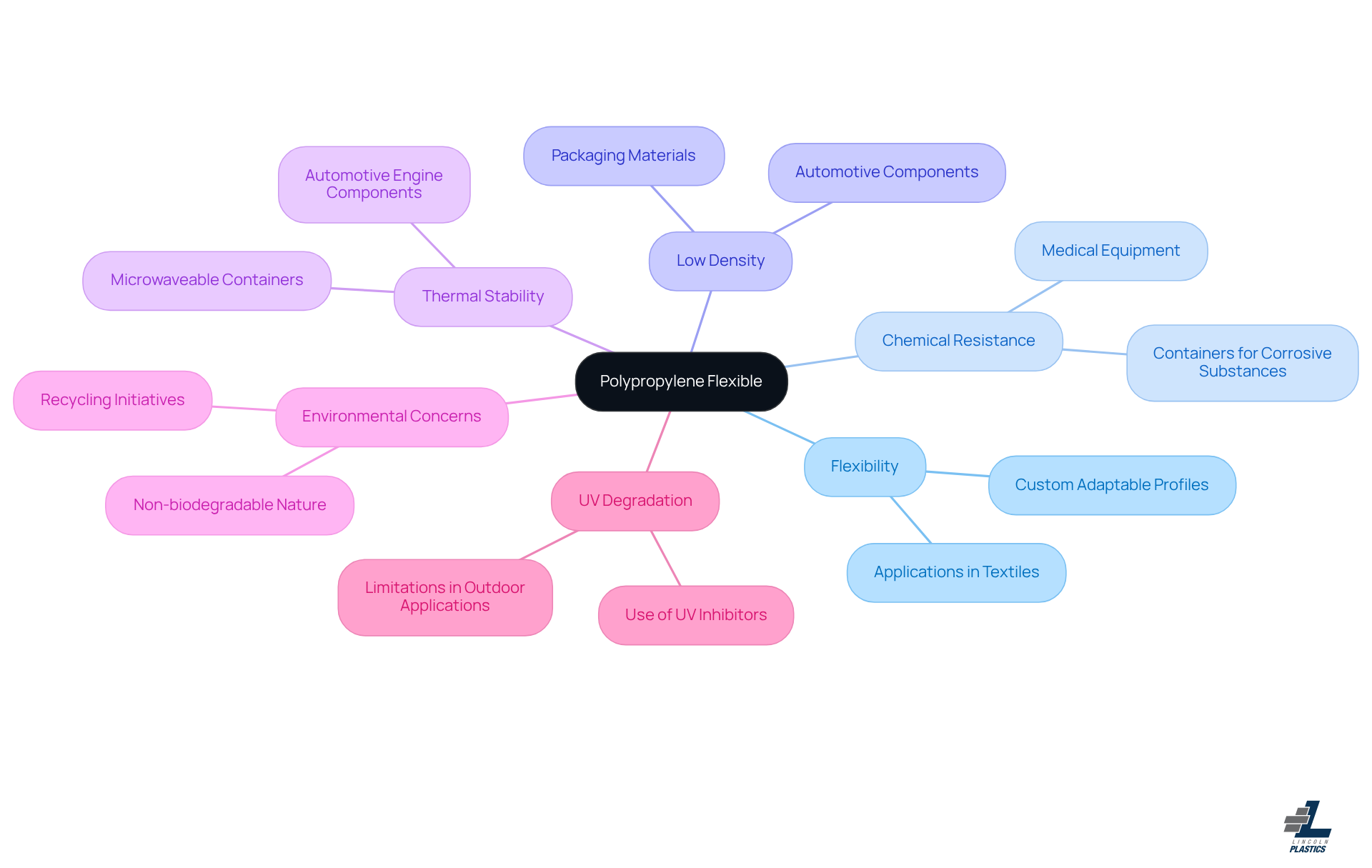
Polypropylene (PP) stands out as a leading thermoplastic polymer, renowned for its lightweight, adaptable, and durable characteristics that meet diverse industrial needs. Synthesized through the polymerization of propylene monomers, this material boasts several advantageous properties:
- Flexibility: Polypropylene can bend and stretch without breaking, making it ideal for applications that demand durability and resilience. This property is especially advantageous for custom adaptable profiles produced by Lincoln Plastics, which can be tailored to specific requirements, including a variety of colors, diameters, and lengths.
- Chemical Resistance: This polymer withstands exposure to a wide range of chemicals, including acids and bases, essential for various industrial applications.
- Low Density: Its lightweight nature facilitates easier handling and transportation, contributing to its popularity in packaging and automotive sectors.
- Thermal Stability: Polypropylene maintains its integrity under varying temperature conditions, making it suitable for both hot and cold environments.
- Environmental Concerns: It's crucial to recognize that polypropylene comes from non-renewable fossil fuels and isn't biodegradable, raising important sustainability questions. This aspect is increasingly critical in market discussions, as sustainability becomes a priority for many industries.
- UV Degradation: Polypropylene can deteriorate when subjected to UV radiation for prolonged periods, which restricts its use in outdoor scenarios unless treated with UV inhibitors.
These traits position the material as a preferred option across various sectors, such as agriculture for irrigation systems and manufacturing for custom profiles and components. Furthermore, Lincoln Plastics offers a variety of custom and standard round plastic profiles, including options for co-extrusion, allowing for innovative designs such as profiles with a contrasting color stripe. Additionally, the Flexiduct cord management solution from Lincoln Plastics showcases how polypropylene is flexible in its design, improving workplace safety and productivity by effectively organizing cords and cables. Its adaptability and strength make it a crucial component in the production of reliable and efficient products. Furthermore, the worldwide market for this plastic was valued at approximately $126.03 billion in 2019, with a demand of around 62 million tons annually, highlighting its importance in various consumer products and uses. As industries prioritize sustainable practices, the challenge will be to innovate within the constraints of polypropylene's environmental impact. Industry leaders have noted that polypropylene's unique properties contribute to its widespread use, making it a vital material in modern manufacturing.
Explore Applications of Polypropylene Flexible in Industry
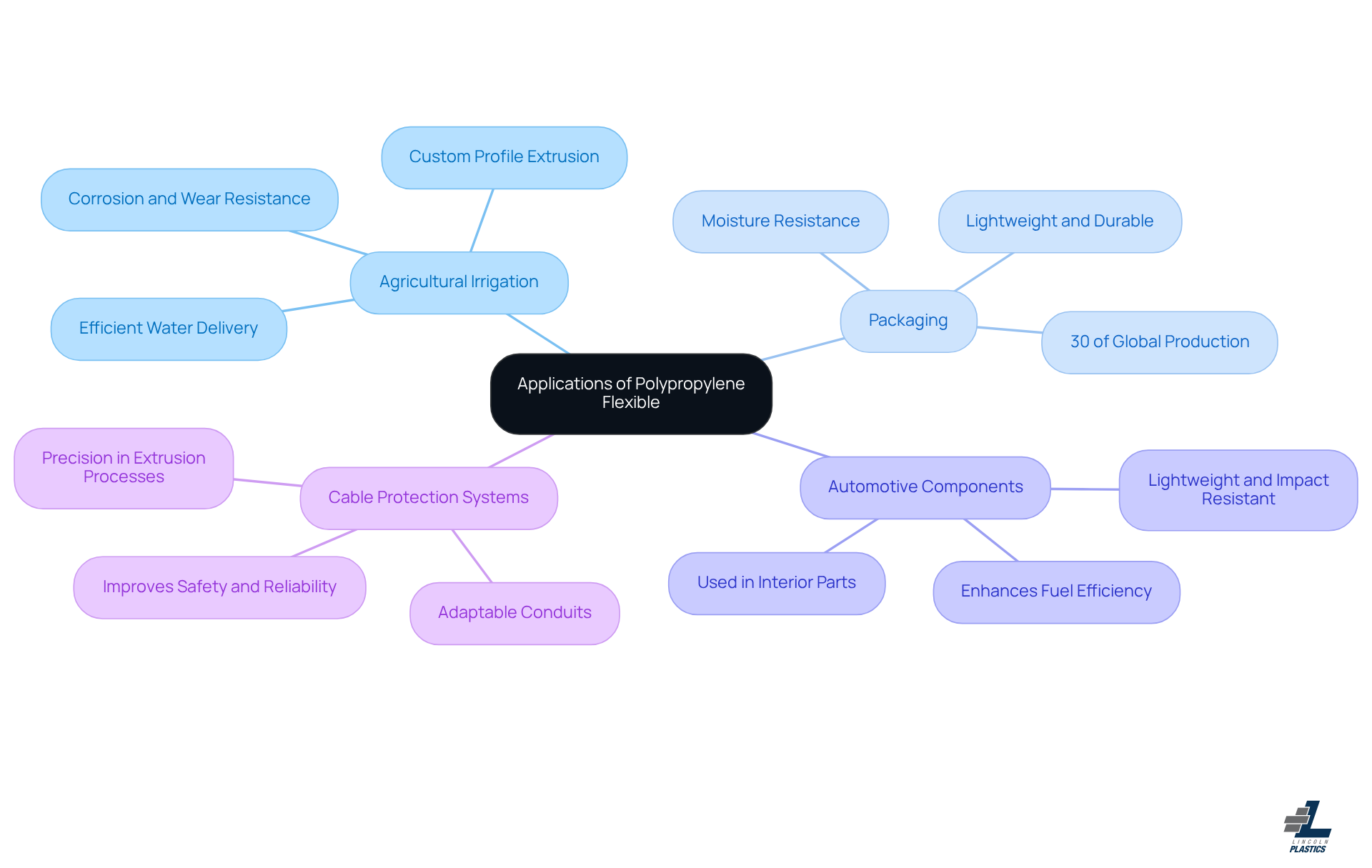
Polypropylene stands out as a versatile material, revolutionizing industries with its unmatched properties and applications. Its advantageous characteristics make it a preferred choice for numerous uses, including:
- Agricultural Irrigation: Polypropylene flexible is essential in manufacturing irrigation pipes through the extrusion molding process, ensuring efficient water delivery systems that resist corrosion and wear. This enhances agricultural productivity significantly. Lincoln Plastics, a leader in OEM irrigation products since 1948, specializes in custom profile extrusion that meets the specific needs of this sector.
- Packaging: Its lightweight and moisture-resistant characteristics make it ideal for packaging materials, including bags and containers that require both durability and flexibility. The packaging sector alone represents over 30% of global production of this material, reflecting its critical role in this industry.
- Automotive Components: In the automotive sector, polypropylene adaptable is utilized for interior parts, bumpers, and battery cases, where lightweight and impact resistance are essential for enhancing fuel efficiency and lowering emissions. Major automakers increasingly adopt this substance to meet the demands of modern vehicle design.
- Cable Protection Systems: The substance used in cable protection systems is polypropylene flexible, offering adaptable conduits that shield electrical wiring from harm, thus improving safety and reliability in diverse uses. Are you struggling with material durability in your applications? Lincoln Plastics offers tailored solutions in cable management, ensuring precision and quality in their extrusion processes.
These applications emphasize the adaptability of this material and its considerable impact on operational efficiency across industries, including those catered to by Lincoln Plastics. By choosing Lincoln Plastics, you ensure reliable solutions tailored to your specific needs. With ongoing innovations in polymer processing, the future of polypropylene is bright, promising even greater efficiency and sustainability for your operations.
Trace the History and Development of Polypropylene Flexible
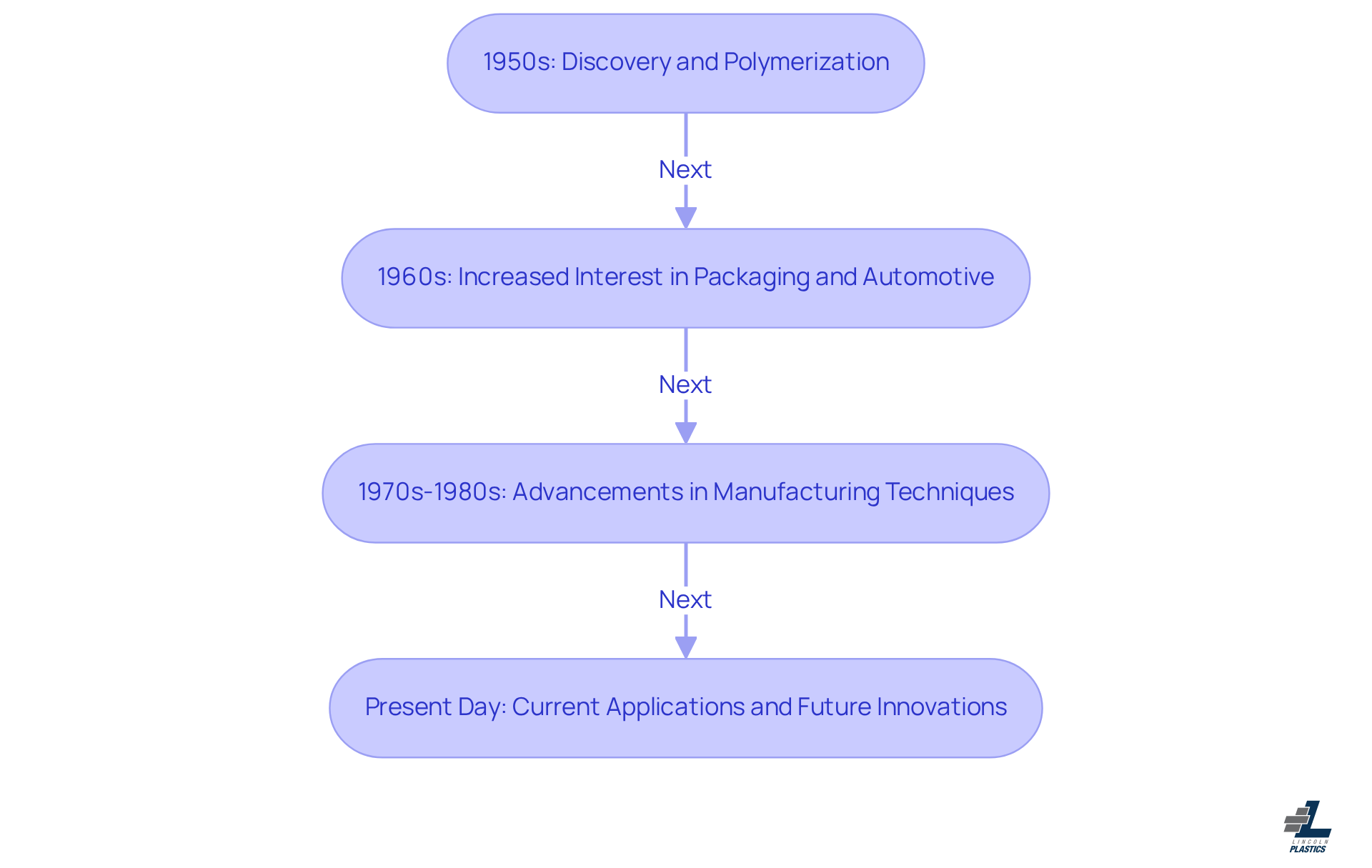
The evolution of adaptable synthetic fibers has revolutionized industries since its inception in the early 1950s. Chemists J. Paul Hogan and Robert Banks at Phillips Petroleum first polymerized the substance and patented their invention in 1951. This groundbreaking discovery paved the way for commercial production, which began in 1957, leading to its swift adoption across multiple industries. Key milestones in the development of polypropylene flexible include:
- 1950s: The initial discovery and polymerization of polypropylene established it as a novel thermoplastic material, setting the stage for future innovations.
- 1960s: The material's mechanical and chemical characteristics attracted interest, leading to greater uses in packaging and automotive industries, where its lightweight and durable nature proved beneficial.
- 1970s-1980s: Significant advancements in manufacturing techniques, particularly extrusion and injection molding, expanded the versatility of adaptable plastic, enabling the production of more complex shapes and uses.
- Present Day: Today, adaptable plastic is acknowledged as one of the most commonly utilized materials worldwide, especially in packaging and automotive sectors. Continuous advancements in its formulation and processing methods, including the investigation of new methods to create synthetic fibers, persist in improving its appropriateness for a wider variety of uses, reinforcing its position as a fundamental component in manufacturing and industrial sectors. As we look ahead, the extrusion sector is poised for innovations that will redefine the applications of adaptable plastic. This historical overview underscores the transformative journey of adaptable synthetic fibers, showcasing their critical role in modern applications.
Identify Variations of Polypropylene Flexible: Types and Forms
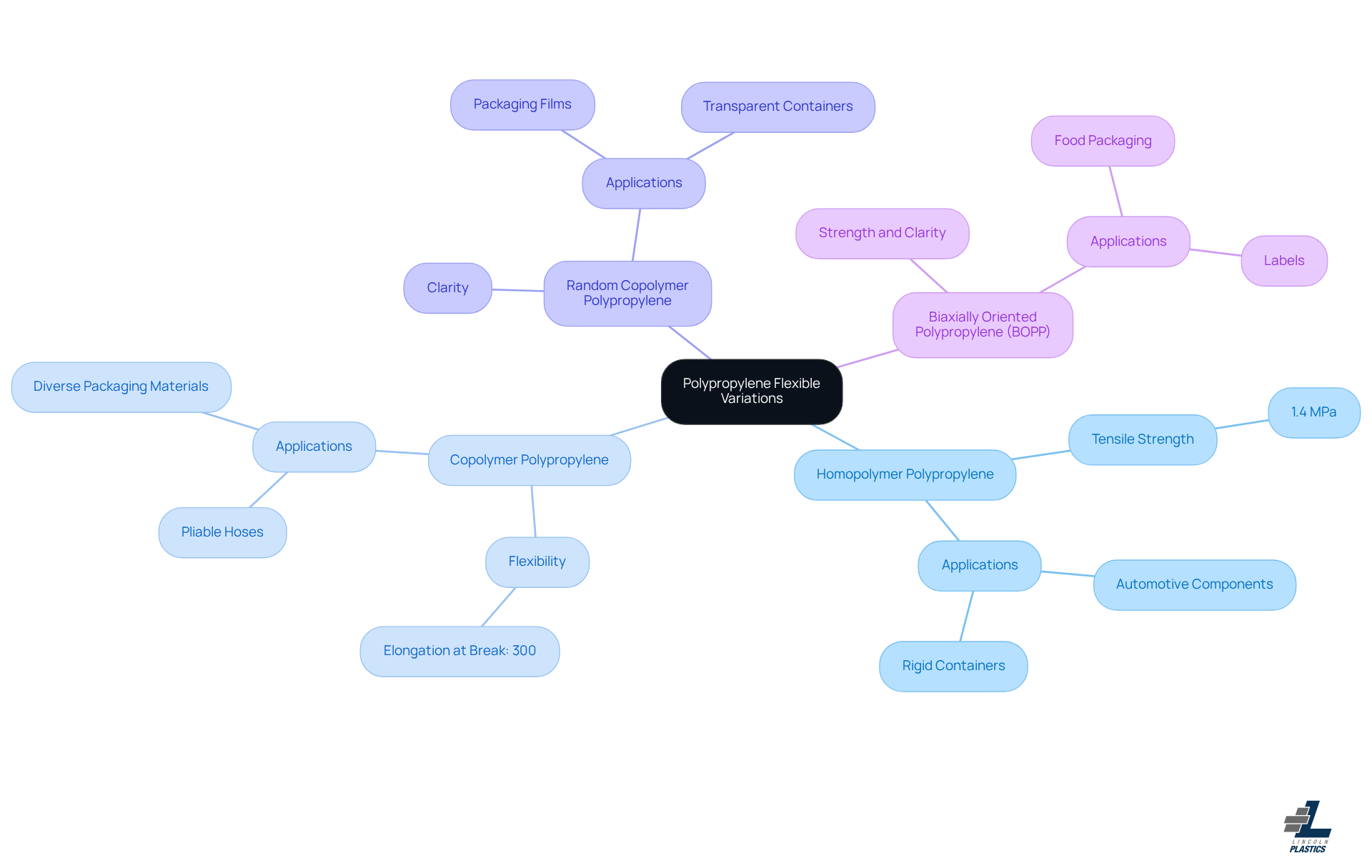
When it comes to custom plastic extrusion, understanding the nuances of how polypropylene flexible is utilized in variations is crucial for achieving optimal performance in your applications. Polypropylene flexible encompasses several variations, each designed for specific applications, including:
- Homopolymer Polypropylene: Renowned for its rigidity and strength, homopolymer polypropylene is frequently utilized in high-durability applications such as automotive components and rigid containers. It exhibits a tensile strength of 1.4 MPa, making it ideal for demanding environments.
- Copolymer Polypropylene: This variant incorporates ethylene, which significantly enhances flexibility and impact resistance. It is especially well-suited for uses demanding durability and adaptability, such as pliable hoses and diverse packaging materials, as is polypropylene flexible. The elongation at break for copolymer material can reach up to 300%, showcasing its superior flexibility compared to homopolymer.
- Random Copolymer Polypropylene: Known for its improved clarity, this type is often employed in packaging films and containers where transparency is essential. Its properties make it a preferred choice for consumer products that require both aesthetic appeal and functionality.
- Biaxially Oriented Polypropylene (BOPP): This variant is stretched in both directions, resulting in enhanced strength and clarity. BOPP is commonly used in food packaging and labels, where its puncture resistance and clarity are critical for product presentation and preservation.
Understanding these variations helps manufacturers and designers select the right type of polypropylene for their specific needs, ensuring optimal performance and fulfilling diverse operational requirements. In addition, Lincoln Plastics offers a range of flexible profile extrusions, using various durometers of flexible PVC and other materials, capable of producing profiles from 6” to 7” in width. They also provide design assistance to optimize production and shipping options, including Less-than-Truckload (LTL) quantities, ensuring that OEMs receive the materials they need when they need them. By partnering with Lincoln Plastics, you ensure that your projects are equipped with the right materials, delivered precisely when you need them, enhancing your operational efficiency.
Conclusion
Polypropylene flexible stands as a pivotal thermoplastic polymer, revolutionizing industries with its unmatched versatility and unique characteristics. Its lightweight nature, combined with exceptional flexibility and chemical resistance, makes it an ideal choice for applications ranging from agricultural irrigation to automotive components. Polypropylene flexible is significant not just for its physical properties; it also adapts to meet the diverse needs of various sectors.
This article delves into the key attributes of polypropylene flexible, highlighting its flexibility, low density, thermal stability, and chemical resistance. These features enable its widespread use in manufacturing custom profiles, packaging solutions, and cable management systems. Furthermore, the historical evolution of polypropylene showcases its journey from a groundbreaking discovery to a staple material in modern manufacturing, underscoring its enduring relevance and the continuous innovations that enhance its applications.
How can industries prioritize sustainability while leveraging the benefits of polypropylene? This challenge is crucial to address. Embracing innovative solutions and exploring alternative materials can pave the way for a more sustainable future. By understanding the versatility of polypropylene flexible and its various types, manufacturers can make informed decisions that enhance operational efficiency while being environmentally conscious. As we look to the future, the ongoing evolution of polypropylene flexible will undoubtedly redefine industrial standards and practices.
Frequently Asked Questions
What is polypropylene flexible?
Polypropylene flexible refers to a leading thermoplastic polymer known for its lightweight, adaptable, and durable characteristics, synthesized through the polymerization of propylene monomers.
What are the key characteristics of polypropylene?
Key characteristics of polypropylene include flexibility, chemical resistance, low density, thermal stability, and susceptibility to UV degradation.
How does flexibility benefit polypropylene?
Flexibility allows polypropylene to bend and stretch without breaking, making it ideal for applications that require durability and resilience, such as custom adaptable profiles.
What is the chemical resistance of polypropylene?
Polypropylene can withstand exposure to a wide range of chemicals, including acids and bases, which is essential for various industrial applications.
Why is the low density of polypropylene advantageous?
Its lightweight nature facilitates easier handling and transportation, contributing to its popularity in sectors like packaging and automotive.
How does polypropylene perform under varying temperatures?
Polypropylene maintains its integrity under varying temperature conditions, making it suitable for both hot and cold environments.
What are the environmental concerns associated with polypropylene?
Polypropylene is derived from non-renewable fossil fuels and is not biodegradable, raising sustainability questions increasingly critical in market discussions.
Can polypropylene be used outdoors?
Polypropylene can deteriorate when exposed to UV radiation for prolonged periods, which limits its outdoor use unless treated with UV inhibitors.
What applications utilize polypropylene?
Polypropylene is used across various sectors, including agriculture for irrigation systems and manufacturing for custom profiles and components.
What products does Lincoln Plastics offer that utilize polypropylene?
Lincoln Plastics offers a variety of custom and standard round plastic profiles, including options for co-extrusion, and the Flexiduct cord management solution, which organizes cords and cables.
What was the market value of polypropylene in 2019?
The worldwide market for polypropylene was valued at approximately $126.03 billion in 2019, with a demand of around 62 million tons annually.
What challenges does the polypropylene industry face regarding sustainability?
As industries prioritize sustainable practices, the challenge will be to innovate within the constraints of polypropylene's environmental impact.
List of Sources
- Define Polypropylene Flexible: Key Characteristics and Composition
- lonestarchemical.com (https://lonestarchemical.com/11-commonly-asked-questions-about-polypropylene)
- What are the advantages and disadvantages of PP?|News|POLYPVC (https://polypvc.com/news/What-are-the-advantages-and-disadvantages-of-PP.html)
- sybridge.com (https://sybridge.com/know-your-materials-polypropylene)
- bpf.co.uk (https://bpf.co.uk/plastipedia/polymers/PP.aspx)
- Explore Applications of Polypropylene Flexible in Industry
- Polypropylene Market Size, Share, Growth, Analysis, Report, 2034 (https://straitsresearch.com/report/polypropylene-market)
- Polypropylene in flexible packaging (https://cadprod.com/news/polypropylene-as-a-leading-material-in-the-flexible-packaging-industry)
- Polypropylene Market Size And Share Report, 2026-2033 (https://grandviewresearch.com/industry-analysis/polypropylene-market)
- Polypropylene (PP): Understand the Key Benefits and Applications (https://protolabs.com/materials/polypropylene)
- Trace the History and Development of Polypropylene Flexible
- plextrusions.com (https://plextrusions.com/materials/polypropylene/what-is-the-history-of-polypropylene)
- gonplastics.com (https://gonplastics.com/a-who-invented-polypropylene.html)
- Identify Variations of Polypropylene Flexible: Types and Forms
- Polypropylene in flexible packaging (https://cadprod.com/news/polypropylene-as-a-leading-material-in-the-flexible-packaging-industry)
- fortunebusinessinsights.com (https://fortunebusinessinsights.com/industry-reports/polypropylene-pp-market-101583)
- bpf.co.uk (https://bpf.co.uk/plastipedia/polymers/PP.aspx)
Related posts

Plastic Extrusion for Energy & Infrastructure Projects
Lincoln Plastics provides durable, custom extrusion solutions for energy and infrastructure projects, from conduit to tubing to protective profiles.


Made in the Midwest: Why Location Matters
Lincoln Plastics’ Midwest location provides faster shipping, lower freight costs, and the reliability OEMs need in a manufacturing partner.
How Extrusion Supports OEM Supply Chains
Lincoln Plastics helps OEMs strengthen supply chains with flexible production runs, reliable delivery, and custom extrusion solutions.
