
What is Plastic C Channel Extrusion? Key Uses and Benefits Explained
Introduction
In construction and manufacturing, the right materials are crucial for project success, and plastic C channel extrusion stands out as a game-changing solution. This process shapes thermoplastic materials into versatile C-shaped profiles, providing a vital resource for various industrial applications. This article explores the key uses and benefits of plastic C channels, highlighting how their structural integrity and adaptability enhance operational efficiency across sectors.
With so many options available, manufacturers often struggle to identify the most suitable materials for their projects. Choosing the right materials is not just a decision; it's a strategic move that can define the success of your projects.
Define Plastic C Channel Extrusion
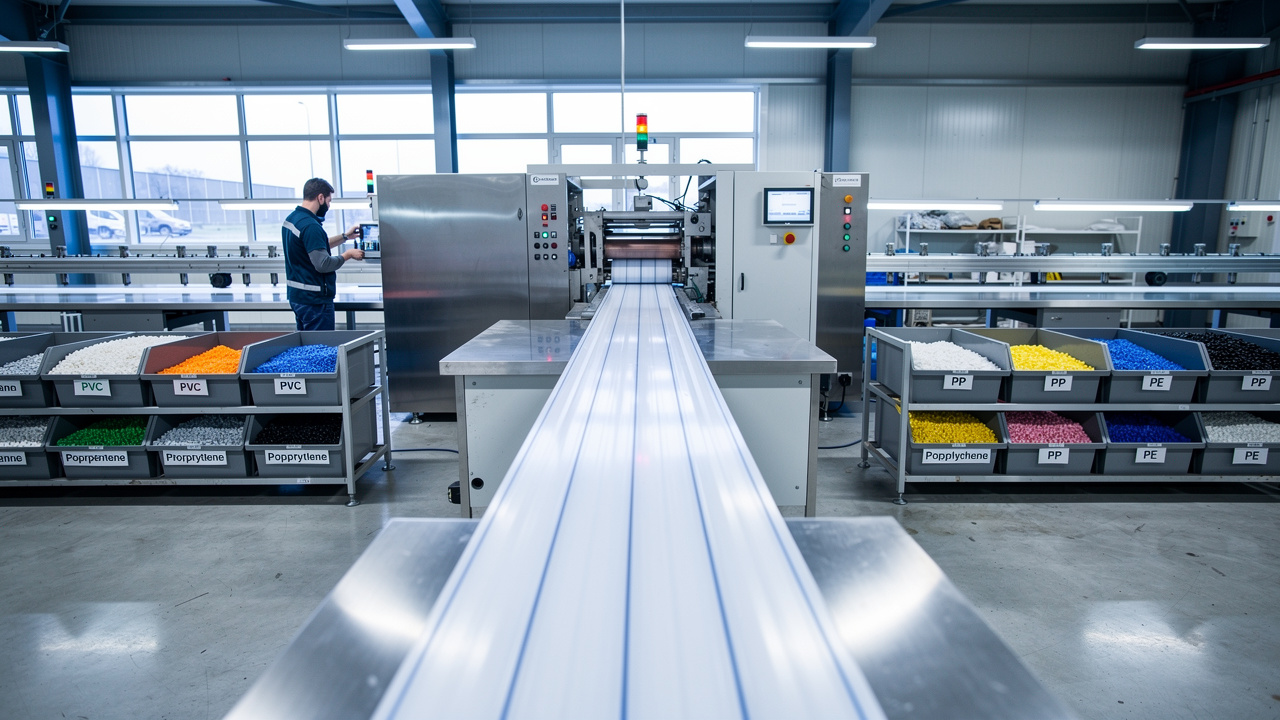
In the world of construction and manufacturing, the reliability of your materials can make or break your project. The manufacturing process known as plastic c channel extrusion involves creating C-shaped plastic profiles using the extrusion method. We melt thermoplastic materials and force them through a die. This process shapes the molten plastic into a continuous plastic c channel extrusion. The resulting item is defined by its consistent cross-section, which is crucial for numerous uses in construction, manufacturing, and cable management. C channels are particularly valued for their structural integrity and versatility, making them suitable for both rigid and flexible applications. Common materials used in this process include PVC, polypropylene, and polyethylene, each offering unique properties that enhance the functionality of the final product.
We understand the importance of reliable rigid plastic extrusion, and we’re here to deliver just that. Our expertise extends to custom flexible profiles, where we can even co-extrude another color into your profile, allowing for tailored solutions that meet specific client needs. This capability not only enhances the aesthetic appeal of our products but also provides functional benefits in various applications. Our commitment to quality is underscored by our ISO 9001:2015 certification, which reflects our rigorous quality management plans, including dedicated quality books and in-process checks. Additionally, our strategic location in Lincoln, Nebraska, enables quick order turnaround and efficient logistics, ensuring that we meet the demands of our clients effectively.
Are you struggling to find a supplier that consistently delivers high-quality products? By choosing Lincoln Plastics, you are partnering with a team dedicated to excellence and customer satisfaction. With our proven track record, you can trust us to streamline your supply chain. Don’t settle for less; elevate your projects with our custom solutions that guarantee quality and performance. Reach out to us today for estimates or customized options that suit your specific requirements.
Explore Applications of Plastic C Channels
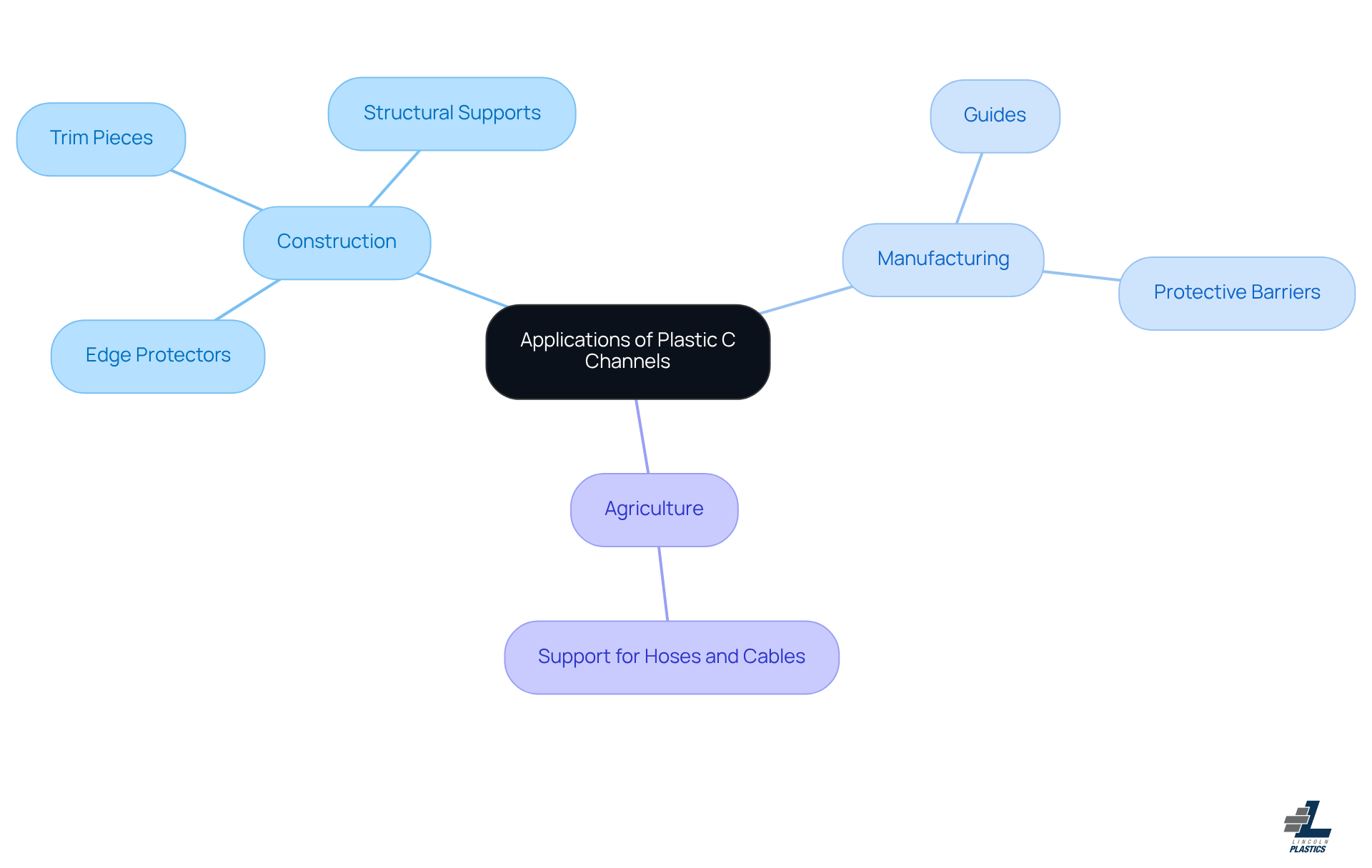
In an era where reliability is paramount, plastic c channel extrusion stands out as an indispensable component across various industries, valued for its adaptability and strength. In construction, they function as edge protectors, trim pieces, and structural supports. These roles enhance the integrity of various installations. The manufacturing sector frequently employs C Channels as guides or protective barriers in machinery, contributing to operational safety and efficiency. Notably, in agricultural applications, C Channels play a crucial role in center pivot irrigation systems, where they support and protect hoses and cables. This functionality streamlines operations and ensures the longevity of equipment. It underscores the importance of C Channels in enhancing productivity and safety in both construction and agricultural settings. As the demand for efficient and reliable solutions grows, the use of plastic c channel extrusion continues to expand, reflecting their integral role in modern infrastructure.
At Lincoln Plastics, we collaborate closely with OEMs to ensure that our plastic c channel extrusion satisfies all standards, including special checks for ‘fit and function’. Our robust quality management program, certified to ISO 9001:2015, includes dedicated quality books with drawings and critical in-process checks. We utilize multiple types of check gauges to guarantee that our products adhere to the specified critical dimensions. As the demand for efficient and reliable solutions grows, the use of plastic c channel extrusion continues to expand, reflecting their integral role in modern infrastructure. We encourage OEM Purchasing Managers to reach out to our Lincoln Plastics experts for quotes or tailor-made solutions that meet their specific needs.
Highlight Benefits of Plastic C Channel Extrusion
Are you seeking a solution that combines lightweight design with unmatched durability? Look no further than the plastic c channel extrusion. This feature helps OEMs streamline logistics and boost operational efficiency.
In addition to being lightweight, plastic c channel extrusion exhibits exceptional resistance to corrosion and chemicals, making it ideal for use in harsh environments. This durability ensures longevity and reliability, reducing the need for frequent replacements and maintenance. The extrusion process itself allows for high-volume production while maintaining consistent quality, ensuring that each channel adheres to precise specifications.
The versatility of materials such as PVC and polypropylene further enhances the applicability of plastic C channels across various sectors, including agriculture and office management. Moreover, the ability to customize dimensions and colors through co-extrusion processes enables manufacturers to meet specific client needs effectively. This customization ability not only enhances functionality but also boosts the visual attractiveness of items, offering clean lines and personalized approaches.
Have you considered how your operations can be transformed by plastic C channel extrusion? For instance, custom extruded profiles have been shown to improve safety by covering sharp edges and organizing cables, thereby reducing hazards in work environments. Furthermore, the lightweight quality of these channels leads to reduced transportation expenses, rendering them a cost-efficient option for numerous OEM uses. By choosing plastic C channels, manufacturers not only enhance their operational efficiency but also ensure a safer work environment for their teams.
Identify Materials Used in Plastic C Channel Production
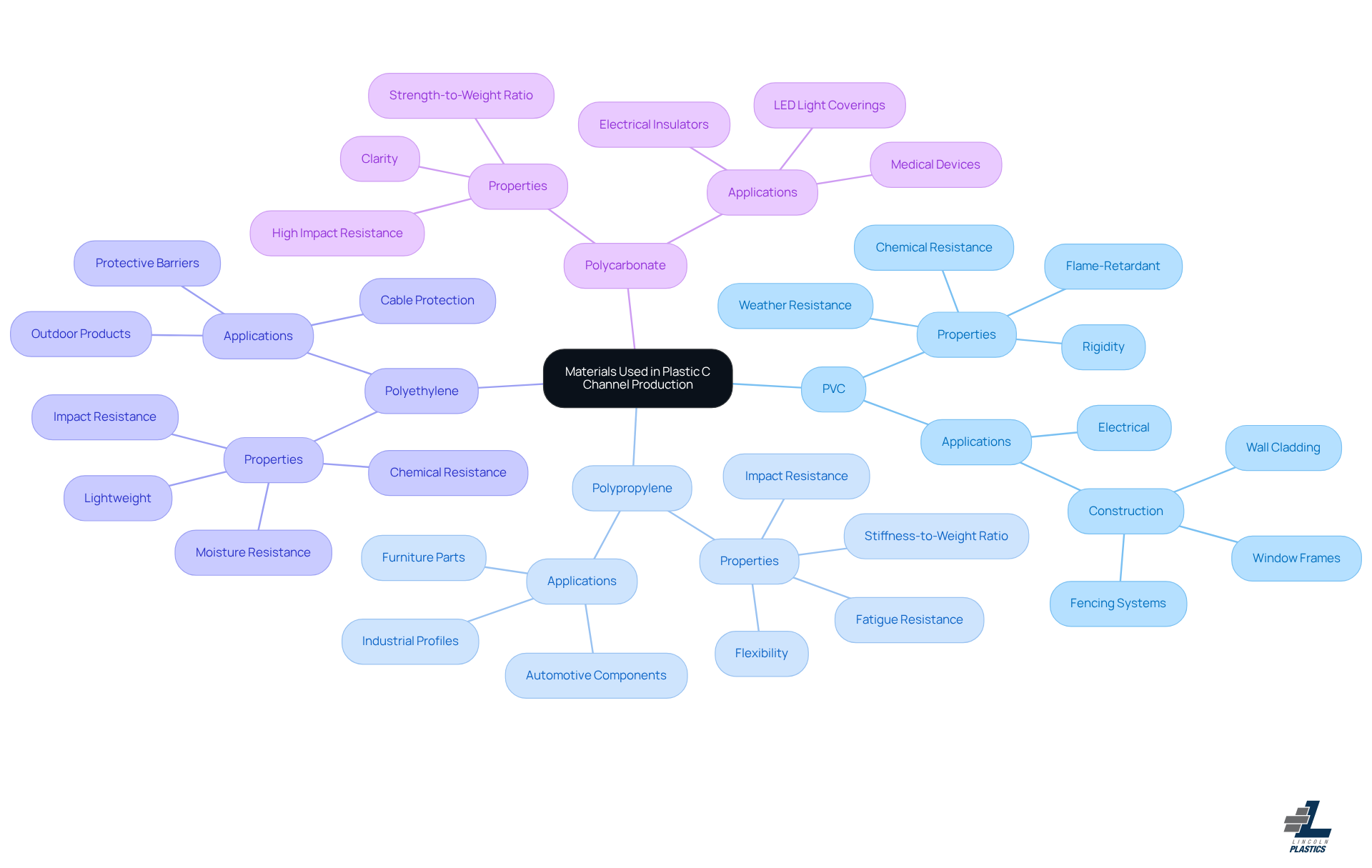
Choosing the right thermoplastic material for C Channels can be a daunting task, but understanding their unique properties simplifies the decision-making process. The process of plastic C channel extrusion generally includes various thermoplastic materials, each chosen for its distinct characteristics and appropriateness for particular uses. The most common materials include:
- PVC (Polyvinyl Chloride): Renowned for its rigidity and chemical resistance, PVC is extensively utilized in construction and electrical applications. Its excellent weather resistance and natural flame-retardant properties make it a preferred choice for structural components.
- Polypropylene (PP): This material is celebrated for its flexibility and impact resistance, making it ideal for applications that demand durability. PP's fatigue resistance enables it to withstand repeated bending and flexing, advantageous for items subjected to continuous movement.
- Polyethylene (PE): Available in both low-density (LDPE) and high-density (HDPE) forms, polyethylene is valued for its lightweight nature and moisture resistance. PE profiles excel in humid environments, providing excellent impact resistance even at low temperatures, making them suitable for outdoor products and protective barriers.
- Polycarbonate: Recognized for its high impact resistance and clarity, polycarbonate is frequently utilized in scenarios where visibility is essential. Its strength-to-weight ratio makes it a versatile choice for various sectors, including medical and electrical uses.
At Lincoln Plastics, we carefully select materials based on your specific needs-strength, flexibility, and environmental resistance-ensuring the final product meets your performance standards. Our rigorous quality management program, which includes ISO 9001:2015 certification, dedicated quality plans, and in-process checks, supports our commitment to precision and excellence. Currently, PVC, polypropylene, and polyethylene dominate the landscape of plastic C channel extrusion, each contributing distinct advantages to C channel production. For instance, PVC holds a significant market share due to its versatility and performance, while polypropylene's use is growing, particularly in applications requiring lightweight and durable solutions. By grasping these material characteristics and market trends, OEM Purchasing Managers can make informed decisions that enhance their project outcomes.
Conclusion
Plastic C channel extrusion stands as a cornerstone in manufacturing, delivering unmatched reliability and versatility across industries. By transforming thermoplastic materials into C-shaped profiles, this method ensures that products meet the rigorous demands of construction, manufacturing, and agricultural applications. Customizing dimensions and colors through co-extrusion not only boosts functionality but also elevates the aesthetic appeal of these channels, making them an essential choice for OEMs seeking tailored solutions.
Throughout this article, we've highlighted key insights into the applications and benefits of plastic C channels. From their role as structural supports in construction to their use in cable management systems, these channels provide significant advantages such as:
- Lightweight design
- Corrosion resistance
- Cost efficiency
The selection of materials like PVC, polypropylene, and polyethylene ensures that each application is met with the appropriate properties, enhancing performance and longevity. Furthermore, Lincoln Plastics' commitment to quality, underscored by ISO 9001:2015 certification and rigorous quality management plans, guarantees that every product adheres to the highest standards.
Are you struggling to find components that meet your industry's rigorous demands? The future of your projects hinges on the reliability of plastic C channel extrusion. By choosing Lincoln Plastics, you tap into a wealth of expertise that can transform your projects, ensuring that they are supported by high-quality, customized components. For those looking to enhance their operations, reaching out to Lincoln Plastics for quotes or tailored solutions is a proactive step toward achieving superior results in manufacturing and beyond.
Frequently Asked Questions
What is plastic C channel extrusion?
Plastic C channel extrusion is a manufacturing process that creates C-shaped plastic profiles by melting thermoplastic materials and forcing them through a die. This results in a continuous extrusion with a consistent cross-section, suitable for various applications in construction, manufacturing, and cable management.
What materials are commonly used in plastic C channel extrusion?
Common materials used in plastic C channel extrusion include PVC, polypropylene, and polyethylene. Each material offers unique properties that enhance the functionality of the final product.
What are the advantages of using C channels in construction and manufacturing?
C channels are valued for their structural integrity and versatility, making them suitable for both rigid and flexible applications. They provide reliable support and can be used in various settings, including cable management.
Does Lincoln Plastics offer custom solutions for plastic C channel extrusion?
Yes, Lincoln Plastics specializes in custom flexible profiles and can co-extrude another color into your profile, allowing for tailored solutions that meet specific client needs.
How does Lincoln Plastics ensure product quality?
Lincoln Plastics is ISO 9001:2015 certified, which reflects their rigorous quality management plans, including dedicated quality books and in-process checks to ensure high-quality products.
Where is Lincoln Plastics located, and how does this benefit customers?
Lincoln Plastics is located in Lincoln, Nebraska. This strategic location enables quick order turnaround and efficient logistics, ensuring that they can effectively meet client demands.
How can I get in touch with Lincoln Plastics for estimates or customized options?
Interested customers can reach out to Lincoln Plastics directly for estimates or to discuss customized options that suit their specific requirements.
List of Sources
- Define Plastic C Channel Extrusion
- The Extrusion Industry in 2025: Innovations, Trends, and Opportunities (https://plextrusions.com/extrusion-blog/the-extrusion-industry-in-2025-innovations-trends-and-opportunities)
- Plastic Extrusion News and Press Releases | Bausano (https://bausano.com/en/press-and-news?q=NEWS)
- Custom Plastic Extrusion for the Construction Industry: Applications & Benefits | Accord Plastics Corp (https://accordplastics.com/custom-plastic-extrusion-for-the-construction-industry-applications-benefits)
- Plastics Extrusion: 4 Critical Statistics to Track for Increased Quality & Plant Profit (https://gaugeadvisor.com/plastics-extrusion-4-critical-statistics-to-track-for-increased-quality-plant-profit)
- Explore Applications of Plastic C Channels
- 10 Benefits of Plastic Channelling for OEM Purchasing Managers (https://lincoln-plastics.com/news-post/10-benefits-of-plastic-channelling-for-oem-purchasing-managers)
- How Emerging Trends & Innovations Are Shaping The Cable Management Industry - Netceed US (https://netceed.com/us/news/how-emerging-trends-innovations-are-shaping-the-cable-management-industry)
- Plastic Channels: Process & Applications | IQS Directory (https://iqsdirectory.com/articles/plastic-extrusion/plastic-channels.html)
- Wire Cable Plastic Market Size, Share & Growth Report 2035 | MRFR (https://marketresearchfuture.com/reports/wire-cable-plastic-market-24918)
- Plastic Cable Cleat Market Research Report 2034 (https://dataintelo.com/report/plastic-cable-cleat-market)
- Highlight Benefits of Plastic C Channel Extrusion
- Plastic C Channels vs. Metal: Key Differences for OEMs (https://lincoln-plastics.com/news-post/plastic-c-channels-vs-metal-key-differences-for-oems)
- Products that Benefit from Metal to Plastic Conversions (https://pexco.com/news-and-events/products-that-benefit-from-metal-to-plastic-conversions)
- Plastic vs. Metal: When to Choose Extrusion Over Fabrication (https://lincoln-plastics.com/news-post/plastic-vs-metal-when-to-choose-extrusion-over-fabrication?dcc2137a_page=9)
- Identify Materials Used in Plastic C Channel Production
- Plastics News - Plastic Industry News, Resin Pricing & Analysis (https://plasticsnews.com)
- From Polyethylene to PVC: Exploring Common Plastic Extrusion Materials | High-Volume Plastic Profile Extrusion with In-House Tooling|Custom Profile (https://custom-profile.com/blog/from-polyethylene-to-pvc-exploring-common-plastic-extrusion-materials)
- PVC vs PE vs PP in Plastic Profile Extrusion - SHARC (https://sharcpm.com/news/pvc-vs-pe-vs-pp-in-plastic-profile-extrusion)
- Sabic (https://sabic.com/en/news/12025-sabic-showcases-disruptive-innovation-in-thermoplastic-composite-materials-and-manufacturing-at-jec-world-2018)
Related posts

Why Custom Pipe Extrusion Matters More Than Ever
Standard pipe sizes don’t always work. Learn how Lincoln Plastics delivers custom diameters, wall thicknesses, and finishes in right-sized runs.


Reducing Trip Hazards with Custom Cord Management
Loose cords are more than messy — they’re a safety hazard. Lincoln Plastics’ custom cord covers and Flexiduct solutions improve safety and efficiency.
The Power of Custom Plastic Profiles for OEMs
Off-the-shelf profiles force compromises. Learn how Lincoln Plastics designs custom extruded profiles for OEMs with exact specs and right-sized runs.
