
What is Chemical Resistant Plastic and Why It Matters in Manufacturing
Introduction
In the complex landscape of manufacturing, the right choice of chemical resistant plastic can mean the difference between success and failure. These specialized materials are engineered to withstand harsh chemicals, ensuring safety and reliability in environments where failure is not an option.
Manufacturers often struggle to choose the right chemical resistant plastic due to the overwhelming options available. What if the wrong choice could lead to costly setbacks? It's crucial to grasp the characteristics and benefits of these materials to make the best choices that boost efficiency and ensure safety compliance.
Choosing the wrong material could jeopardize safety and efficiency, making informed selection crucial for every manufacturer.
Define Chemical Resistant Plastic
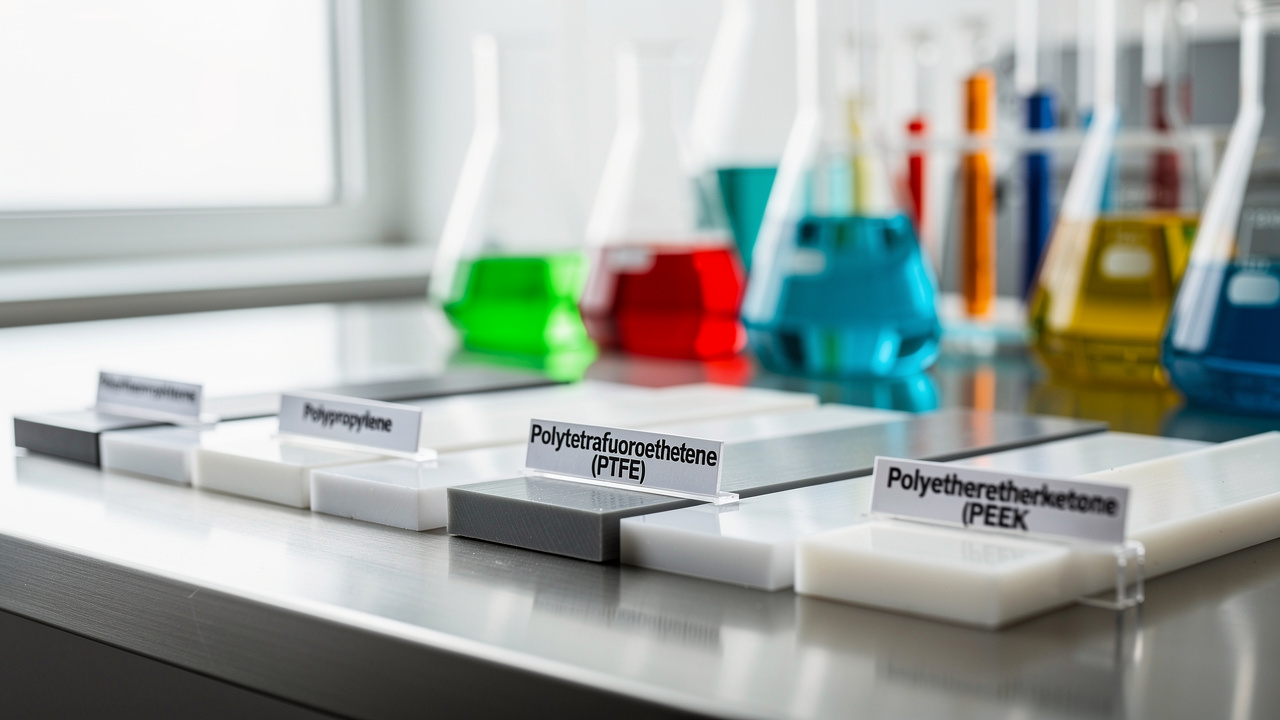
Chemical resistant plastic is not just a material; it serves as the backbone of safety and reliability in harsh industrial environments. These materials, such as chemical resistant plastic, maintain their structural integrity and performance even in harsh environments. This makes them vital for various industrial applications. Frequently utilized in industries like processing, pharmaceuticals, and manufacturing, chemical resistant plastic is specifically designed to withstand acids, bases, solvents, and other corrosive agents, ensuring safety and dependability in operations. Examples include:
- Polypropylene (PP)
- Polytetrafluoroethylene (PTFE)
- Polyetheretherketone (PEEK)
Each offering unique resistance properties tailored to specific applications.
Recent advancements in the production of chemical resistant plastic have concentrated on improving their performance characteristics. Innovations encompass the creation of nanocomposite materials and bio-based alternatives that not only enhance resistance to substances but also incorporate chemical resistant plastic to lessen environmental impact. For instance, filled grades of PTFE have been shown to possess good wear properties, further extending their application range.
Statistics show an increasing trend in the use of resistant materials across various industries. The incorporation of chemical resistant plastic in manufacturing processes has risen considerably, motivated by the demand for dependable components that can endure severe conditions. For example, the pharmaceutical industry has seen a notable rise in the use of PTFE and PEEK in tanks and piping systems to minimize contamination risks, demonstrating their critical role in maintaining product integrity.
However, selecting the right material can be daunting given the numerous factors to consider. Experts agree that choosing materials such as chemical resistant plastic involves considering factors like:
The durability and effectiveness of these substances rely on a comprehensive assessment of the particular compounds involved, their concentrations, and the length of exposure.
Choosing the right resistant material could mean the difference between operational success and costly failures. Their distinctive characteristics and continuous improvements render chemical resistant plastic essential in sectors that require high-performance substances capable of enduring harsh conditions.

Context and Importance in Manufacturing
Manufacturers today face unprecedented challenges from harsh substances, making the choice of resistant materials more critical than ever. Sectors like pharmaceuticals, food processing, and manufacturing depend on these materials to minimize equipment failure and prevent product contamination. Consider valves and seals made from chemical resistant plastic; they must withstand aggressive cleaning agents and rigorous sterilization processes. This durability not only protects your equipment but also keeps you in line with strict safety regulations, safeguarding both workers and consumers.
As industries continue to evolve, the demand for reliable, chemical resistant plastic is on the rise, solidifying its role as a cornerstone of modern manufacturing practices. Case studies from leading pharmaceutical manufacturers reveal significant reductions in waste through the adoption of these materials, underscoring their importance in maintaining operational efficiency and safety. Furthermore, expert insights suggest that integrating resistant materials can lead to improved safety outcomes in manufacturing environments. Embracing resistant materials isn't just a choice; it's a strategic move that can redefine safety and innovation in your manufacturing processes.

Historical Development of Chemical Resistant Plastics
The evolution of resistant plastics has been a game-changer in material science, beginning with Bakelite's groundbreaking introduction. Bakelite, the first synthetic plastic, demonstrated remarkable resistance to various substances, marking a turning point in material science. Its durability and versatility paved the way for future innovations. However, it wasn't until the mid-20th century that the landscape of resistant materials transformed significantly with the introduction of advanced polymers like polytetrafluoroethylene (PTFE) and polyether ether ketone (PEEK). These substances offered outstanding resistance to reactions and thermal stability, making them ideal for challenging applications.
In the latter half of the century, the materials sector surged, driving research into specialized polymers that could endure harsh environments. This era emphasized creating substances capable of withstanding extreme conditions, elevated temperatures, and mechanical strain. As a result, a diverse range of resistant polymers emerged, tailored for specific industrial needs.
Historical case studies demonstrate this advancement. For instance, how did the use of nylon during World War II showcase the versatility of synthetic substances in military applications? Similarly, the development of PET (polyethylene terephthalate) for beverage containers highlighted the growing demand for materials that could resist degradation. Today, advancements in polymer chemistry are enhancing the performance of chemical resistant plastic materials, solidifying their role in sectors like industrial machinery and medical devices. As we look to the future, the continuous evolution of polymer chemistry will redefine what is possible in manufacturing.

Key Characteristics and Properties
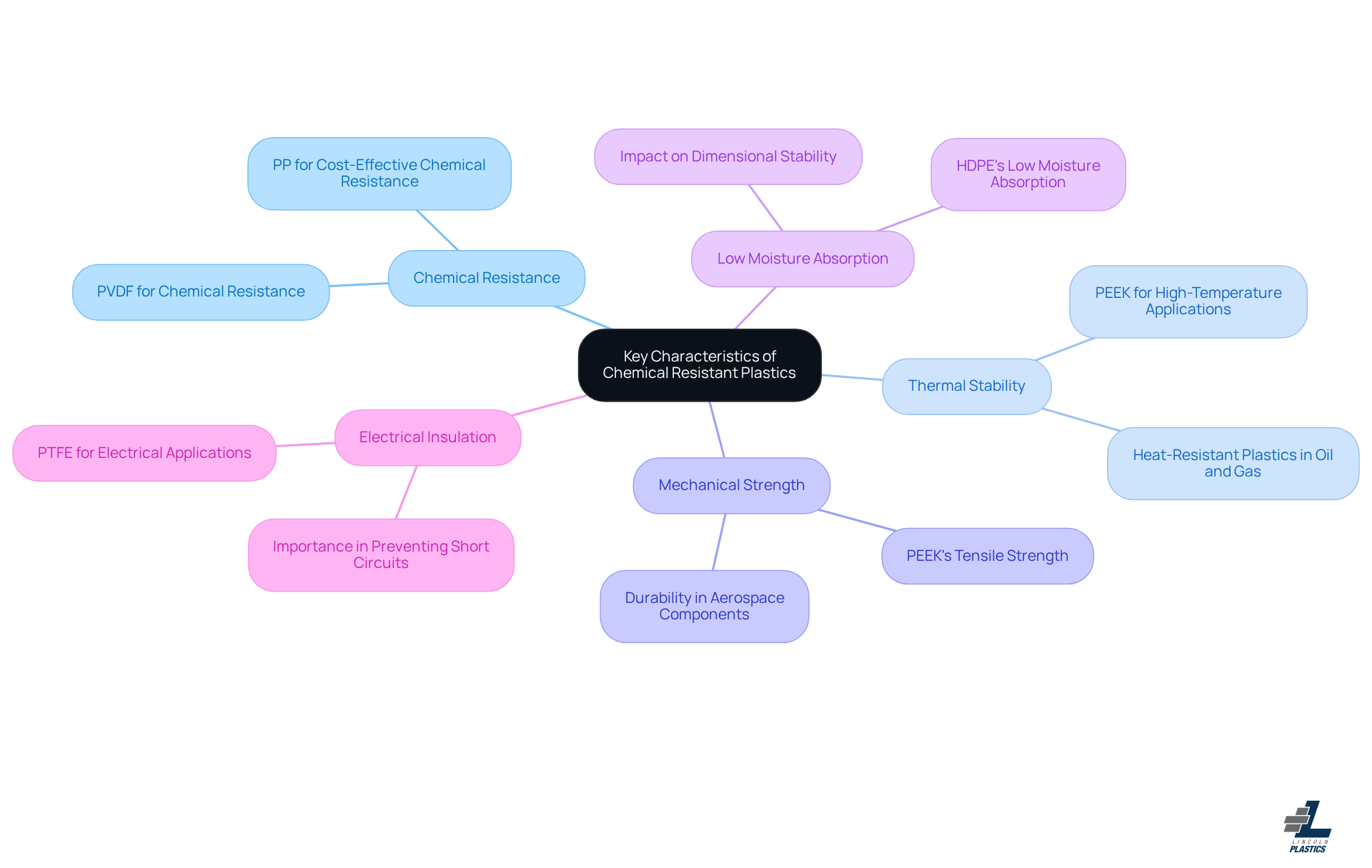
In industries where safety and reliability are paramount, the choice of materials can make all the difference. Chemical resistant plastic is engineered with several critical characteristics that enhance its performance in demanding environments, making it essential in various industries. Key attributes include:
- Chemical Resistance: This is the foremost characteristic, enabling these materials to endure exposure to acids, bases, and solvents without degradation. For example, Polyvinylidene Fluoride (PVDF) demonstrates remarkable resistance to organic acids and halogenated solvents, rendering it appropriate for processing in the industry.
- Thermal Stability: Many heat-resistant plastics maintain their properties at elevated temperatures, which is crucial for applications involving heat. Polyetheretherketone (PEEK), for example, can be used continuously at temperatures up to 170°C (338°F) while retaining its mechanical strength and is made from chemical resistant plastic.
- Mechanical Strength: These materials often possess high tensile strength, ensuring they can withstand physical stress without failure. PEEK is recognized for its tensile strength of up to 100 MPa (14,500 psi), rendering it perfect for high-performance uses in aerospace and medical devices.
- Low Moisture Absorption: This property prevents swelling and dimensional changes when exposed to humid conditions, maintaining the integrity of components. High-Density Polyethylene (HDPE) is especially recognized for its low moisture absorption, improving its durability in numerous uses.
- Electrical Insulation: Numerous resistant materials also offer outstanding electrical insulation, rendering them appropriate for electrical applications. PTFE (Polytetrafluoroethylene) is renowned for its electrical insulation properties, which are critical in preventing short circuits in electronic devices.
These traits make chemical resistant plastic indispensable in industries where safety and performance are non-negotiable. Failing to choose the right materials can lead to costly downtime and safety risks, making the decision all the more critical. Choosing the right materials isn't just a decision; it's a commitment to excellence that can define your operational success.
Examples of Common Chemical Resistant Plastics
Chemical-resistant plastics are indispensable across various industries, each type tailored to meet specific application needs:
- Polypropylene (PP): Valued for its excellent chemical resistance and cost-effectiveness, PP is widely utilized in containers, piping, and automotive components. Its lightweight quality and high tensile strength render it a favored option in processing industries. The demand for polypropylene in industrial processing is expected to increase considerably, fueled by its versatility and performance. For example, in farming uses, polypropylene is increasingly utilized for irrigation systems and storage solutions, demonstrating its versatility and dependability in practical situations. While polypropylene excels in many areas, its limitations in UV resistance and durability can pose challenges in specific applications.
- Polytetrafluoroethylene (PTFE): Commonly referred to as Teflon, PTFE is renowned for its non-stick properties and resistance to extreme temperatures and harsh substances. This makes it ideal for gaskets, seals, and coatings in demanding environments.
- Polyetheretherketone (PEEK): A high-performance material, PEEK provides outstanding resistance to substances and mechanical strength, making it suitable for aerospace, automotive, and medical uses where reliability is crucial.
- Polyvinyl Chloride (PVC): While mainly acknowledged for construction applications, PVC also shows good resistance to substances, making it suitable for pipes and fittings in processing environments.
- Fluoropolymers: This category includes various specialized materials that offer exceptional chemical resistance, used in applications ranging from electrical insulation to chemical storage.
By selecting the appropriate chemical resistant plastic, manufacturers can significantly enhance safety and efficiency in their processes. At Lincoln Plastics, we work closely with OEMs to ensure that these materials meet all quality requirements, including special checks for fit and function. Our robust quality management program, certified to ISO 9001:2015, includes dedicated quality plans, critical in-process checks, and comprehensive documentation to guarantee that your rigid profiles are manufactured to your exact specifications.

Conclusion
In an era where safety and reliability are paramount, chemical resistant plastics emerge as essential components in modern manufacturing. They withstand harsh chemicals and extreme conditions, making them indispensable for sectors like pharmaceuticals, food processing, and manufacturing. When manufacturers choose the right chemical resistant materials, they boost operational efficiency and safeguard product integrity, ultimately leading to greater success in their processes.
Throughout this article, we've highlighted key insights regarding the importance of chemical resistant plastics. From their historical development, showcasing milestones in material science, to the specific characteristics that make them suitable for demanding applications, the discussion underscores the necessity of these materials in maintaining safety and performance. Common types, such as Polypropylene, PTFE, and PEEK, illustrate their diverse applications and the benefits they bring to various industries.
As industries grapple with increasing regulatory demands and safety concerns, the significance of chemical resistant plastics becomes even clearer. Embracing these materials is not merely a choice but a strategic imperative that can redefine safety and innovation in manufacturing processes. How can your industry benefit from tailored solutions? Reach out to Lincoln Plastics for expert guidance and support to ensure that the right materials are selected, meeting all quality standards and enhancing operational success.
Frequently Asked Questions
What is chemical resistant plastic?
Chemical resistant plastic is a material designed to maintain its structural integrity and performance in harsh industrial environments. It is essential for various applications, particularly in industries like processing, pharmaceuticals, and manufacturing, as it can withstand acids, bases, solvents, and other corrosive agents.
What are some examples of chemical resistant plastics?
Examples of chemical resistant plastics include Polypropylene (PP), Polytetrafluoroethylene (PTFE), and Polyetheretherketone (PEEK). Each of these materials offers unique resistance properties tailored to specific applications.
How has the production of chemical resistant plastic advanced recently?
Recent advancements in the production of chemical resistant plastic have focused on improving performance characteristics, including the development of nanocomposite materials and bio-based alternatives. These innovations enhance resistance to substances and reduce environmental impact.
Why is the use of chemical resistant plastic increasing in industries?
The use of chemical resistant plastic is increasing due to the growing demand for reliable components that can endure severe conditions. For instance, the pharmaceutical industry has seen a rise in the use of PTFE and PEEK in tanks and piping systems to minimize contamination risks.
What factors should be considered when selecting chemical resistant plastic?
When selecting chemical resistant plastic, it is important to consider factors such as substance compatibility, temperature needs, and mechanical pressures. A comprehensive assessment of the specific compounds involved, their concentrations, and the length of exposure is crucial for ensuring durability and effectiveness.
What role does chemical resistant plastic play in manufacturing?
Chemical resistant plastic plays a critical role in manufacturing by minimizing equipment failure and preventing product contamination. It is particularly important for components like valves and seals, which must withstand aggressive cleaning agents and rigorous sterilization processes.
How can the integration of chemical resistant plastic improve safety in manufacturing?
Integrating chemical resistant plastic can lead to improved safety outcomes in manufacturing environments by reducing waste and maintaining operational efficiency. This strategic move helps manufacturers comply with strict safety regulations, protecting both workers and consumers.
Why is it important to choose the right resistant material?
Choosing the right resistant material is crucial as it can significantly impact operational success and prevent costly failures. The distinctive characteristics and continuous improvements of chemical resistant plastic make it essential for sectors that require high-performance substances capable of enduring harsh conditions.
List of Sources
- Define Chemical Resistant Plastic
- Top 5 Chemical-Resistant Plastics - SyBridge Technologies (https://sybridge.com/top-five-chemical-resistant-plastics)
- Plastics Suitable for Chemical Environments (https://curbellplastics.com/materials/operating-environments/plastics-suitable-for-chemical-environments?srsltid=AfmBOoqFj0wUhDZ_NQKfjA1-RqlNnzv23rqWtDhcl3HzTmLknB2CWnIv)
- The Chemical Resistance of Plastics - LATI (https://lati.com/en/the-chemical-resistance-of-plastics)
- Chemical Resistant Plastics Guide (https://totalplastics.com/blog/chemical-resistant-plastics-guide)
- Context and Importance in Manufacturing
- Chemical Resistant Plastics Guide (https://totalplastics.com/blog/chemical-resistant-plastics-guide)
- Ensure Safety: Master Plastic Chemical Compatibility in Manufacturing (https://lincoln-plastics.com/news-post/ensure-safety-master-plastic-chemical-compatibility-in-manufacturing)
- How the Pharmaceutical Industry is Reducing Plastic Waste: Sustainable Solutions (https://4ocean.com/blogs/pharmaceuticals/prescribing-sustainability-how-the-pharmaceutical-industry-is-cutting-down-on-plastic?srsltid=AfmBOoqVv7c0Wpq2U8V_xcQqdgIMDyMjJ9x-Yxtme-0y0ReYFHTLsiH4)
- Understanding the Chemical Resistance of Plastics (https://axiomproductsusa.com/understanding-chemical-resistance-plastics)
- Tackling Plastic Waste: The Elephant in the Room of Pharma’s Sustainability Drive (https://pharmasalmanac.com/articles/tackling-plastic-waste-the-elephant-in-the-room-of-pharmas-sustainability-drive)
- Historical Development of Chemical Resistant Plastics
- Polymers gain fire resistance and sustainability with light-powered chemical upgrade (https://phys.org/news/2025-06-polymers-gain-resistance-sustainability-powered.html)
- The Story of Plastics (and ACC) - American Chemistry Council (https://americanchemistry.com/chemistry-in-america-industry-innovation-impact/news-trends/blog-post/2022/the-story-of-plastics-and-acc)
- In major materials breakthrough, team solves a nearly 200-year-old challenge in polymers (https://sciencedaily.com/releases/2024/11/241127165734.htm)
- Chemical Recycling of Plastics Market Size Report 2026-2033 (https://grandviewresearch.com/industry-analysis/chemical-recycling-plastics-market-report)
- History and Future of Plastics (https://sciencehistory.org/education/classroom-activities/role-playing-games/case-of-plastics/history-and-future-of-plastics)
- Key Characteristics and Properties
- The Best Chemical Resistant Plastics (https://uplandfab.com/blog/the-best-chemically-resistant-plastics)
- Top 5 Chemical-Resistant Plastics - SyBridge Technologies (https://sybridge.com/top-five-chemical-resistant-plastics)
- The Importance of Heat-Resistant Plastics in the Oil and Gas Industry | High Performance Injection Molding & Plastic Manufacturing | Ensinger Precision Components (https://ensinger-pc.com/resources/blog/the-importance-of-heat-resistant-plastics-in-the-oil-and-gas-industry)
- Chemical Resistant Plastics Guide (https://totalplastics.com/blog/chemical-resistant-plastics-guide)
- Examples of Common Chemical Resistant Plastics
- PTFE or Teflon uses, properties & limitations. (https://fluorocarbon.co.uk/resources/blog/ptfe-uses-advantages-and-limitations)
- PTFE vs Teflon: Differences, Uses, Properties & Limitations (https://fluorotec.com/news/blog/ptfe-vs-teflon)
- PTFE: Properties, benefits & uses - Adtech (https://adtech.co.uk/about/news/ptfe-properties-benefits-uses)
- Polypropylene (PP) - Structure, types, and key applications (https://specialchem.com/plastics/guide/polypropylene-pp-plastic)
- Polypropylene Market Size to Hit USD 293.54 Billion By 2035 (https://precedenceresearch.com/polypropylene-market)
Related posts

Custom Colors & Branding in Extrusion
Lincoln Plastics delivers Pantone-matched colors, striping, and finishes in extrusion for OEMs — combining performance with branding.


How We Solve Problems When Standard Parts Don’t Work
Lincoln Plastics solves challenges OEMs face when standard parts don’t work — delivering custom extrusions that improve fit, cost, and reliability.
Cable & Cord Protection in High-Traffic Environments
Lincoln Plastics manufactures durable cord covers and management solutions to keep high-traffic environments safe, organized, and compliant.
