
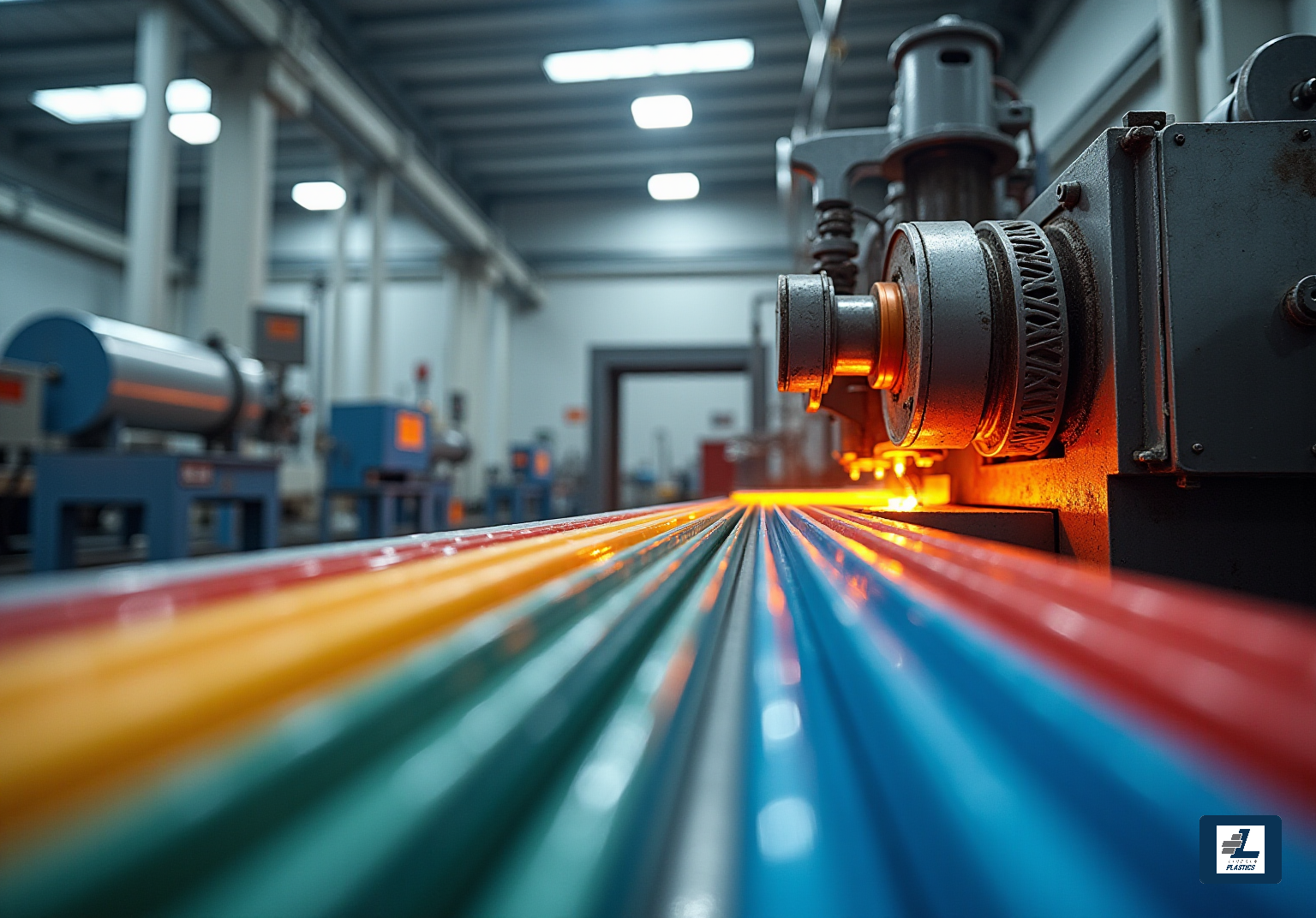
What Is an Extrusion? Understanding Its Process and Applications
Introduction
Have you ever thought about how raw materials are turned into precise shapes in manufacturing? It’s all thanks to the extrusion process! This method plays a crucial role in modern manufacturing, transforming basic materials into exactly what industries need.
In this article, we’ll explore what extrusion is all about, the steps involved, and the different types of extrusion. You’ll see how this technique not only boosts production efficiency but also meets various industrial demands.
Now, with sustainability and innovation becoming top priorities for many industries, it’s worth asking: how will the evolution of extrusion continue to shape the future of manufacturing? Let’s dive in!
Define Extrusion: Meaning and Importance in Manufacturing
It is a key manufacturing process that shapes raw materials - mostly plastics and metals - into specific profiles by pushing them through a die. You might be wondering why this matters. Well, it’s crucial across various industries because it allows for the production tailored to different needs. Plus, it’s super efficient! This method can churn out large quantities of consistent products while minimizing waste.
Take the plastics industry, for example. Extrusion is used to create pipes, sheets, and profiles. A fundamental technique in modern manufacturing is extrusion. Speaking of which, Lincoln Plastics really stands out in providing reliable solutions. They ensure on-time delivery and quality assurance, which is a big deal in this business.
Now, let’s talk about their products. They come in various sizes and materials, and they even offer co-extrusion options that let you mix different colors. How cool is that? Recent advancements, like better automation and improved extruder designs, have made production at Lincoln Plastics even more efficient, illustrating their commitment to innovation. This means greater precision and lower energy consumption.
And if you’re looking for tailored diameters, wall thicknesses, and finishes in pipe production, Lincoln Plastics has got you covered. These details are essential for meeting specific project requirements. Also, let’s not forget about effective solutions, like custom cord covers and Flexiduct. They play a huge role in improving safety and efficiency in various applications.
As industries focus more on sustainability and cost-effectiveness, the extrusion technique keeps evolving. It’s solidifying its place as a cornerstone of modern manufacturing practices. So, if you’re in the market for reliable solutions, Lincoln Plastics is definitely worth checking out!

Explain the Extrusion Process: Steps and Machinery Involved
Let’s explore what is an extrusion! The process involves a few key steps, including feeding the material, melting it down, shaping it, and then cooling it off, which exemplifies what is an extrusion. First up, we take raw materials - usually in the form of pellets or granules - and feed them into an extruder. This machine, equipped with a screw mechanism, heats everything up until it’s nice and molten.
Once it’s melted, we push that gooey substance through a die, which shapes it into whatever profile we need, demonstrating what is an extrusion. After it comes out of the die, we cool it down - typically with air or water - so it solidifies into the right shape. The heart of this operation is the extruder itself, which is essential for understanding what is an extrusion, along with some handy auxiliary equipment like cooling systems and cutting devices to help out.
At Lincoln Plastics, we take pride in our manufacturing process. We stick to strict quality standards, using various check gauges like calipers and micrometers to ensure everything fits perfectly for OEM products. Need a specific color? No problem! We can easily source colors that match your specifications, keeping things consistent across manufacturers.
Our engineering team is here to customize products to meet your exact dimensions and compliance needs. We’re all about making sure every product not only meets but exceeds your quality expectations. This systematic approach helps us efficiently produce items, demonstrating what is an extrusion tailored just for you!

Identify Types of Extrusion: Variations and Applications
When exploring extrusion, there’s a whole range of methods to choose from, each suited for different materials and applications. Let’s break down the main types:
- Direct Extrusion: This is the go-to method where we push material through a die in the direction of the feed. At Lincoln Plastics, we make sure this process ticks all the boxes with thorough checks for ‘fit and function.’
- Indirect Extrusion: Here, the die moves toward the material, which opens up possibilities for more complex shapes. Thanks to our engineering know-how, we ensure that the specifications set by OEMs are spot on.
- Hot Extrusion: This method heats the material to a high temperature before forming, making it easier to mold. We use various check gauges to guarantee a proper fit for the end use of our products.
- Cold Extrusion: Done at room temperature, this method is often the choice for metals and results in stronger products. At Lincoln Plastics, we can easily source colors that match your Pantone specifications, ensuring consistency across manufacturers.
- Micro-extrusion: This specialized technique is perfect for creating tiny profiles, often used in the medical field. Our solid quality system includes a dedicated quality book for your plastic profile, complete with drawings, critical in-process checks, and run documentation.
Each shaping process has its unique advantages, and by evaluating options, we choose the right one based on the specific needs of the product you’re looking to manufacture. So, what’s your next project? Let’s chat about how we can help!

Discuss Common Materials Used in Extrusion: Properties and Applications
When it comes to the extrusion process, you’ll find a few common materials that really stand out:
- Polyethylene (PE): This one’s a favorite! Known for its flexibility and resistance to chemicals, PE is everywhere—from grocery bags to irrigation systems. It’s super versatile, making it a go-to in all sorts of industries.
- Polyvinyl Chloride (PVC): If you’re looking for durability and strength, PVC is your material. It’s often used in construction and plumbing, but did you know it’s also making waves in medical tubing? With its versatility, it’s a popular choice. Plus, recent advancements in manufacturing technology are helping manufacturers meet those tight tolerances of +/- 0.03mm.
- Polypropylene (PP): Lightweight yet tough, PP is commonly found in packaging. Its resistance to fatigue and chemicals makes it perfect for applications where durability is key.
- Aluminum: In the world of metal shaping, aluminum shines for its lightweight and corrosion-resistant traits. It’s a top choice for aerospace and automotive applications, and its ability to be extruded into complex shapes opens up a world of innovative designs.
Each of these materials contributes uniquely to what is an extrusion process, shaping the design and functionality of the final products. This knowledge helps them pick the right material for their specific needs, ensuring everything runs smoothly and efficiently in production. So, next time you think about extrusion, consider how these materials can make a difference!

Conclusion
Understanding extrusion is key to grasping its essential role in today’s manufacturing world. This process shapes raw materials like plastics and metals into specific profiles, boosting efficiency and cutting down waste across various industries. What makes extrusion so significant? It can produce complex shapes continuously, making it a must-have technique for manufacturers aiming to meet diverse project needs.
Now, let’s dive into what extrusion is all about. The article covered the basics, including its:
- Definition
- Step-by-step process
- Different types of extrusion methods
We highlighted key materials like:
- Polyethylene
- PVC
- Polypropylene
- Aluminum
showcasing their unique properties and applications. These materials really show how they enhance the overall effectiveness of the extrusion process. Plus, with advancements in technology and machinery, production capabilities have been optimized, ensuring high-quality outcomes tailored to specific needs.
As industries keep focusing on sustainability and efficiency, extrusion’s relevance is only set to grow. Embracing this manufacturing technique not only leads to better product designs but also sparks innovation across various sectors. So, if you’re involved in product development or manufacturing, understanding and leveraging the benefits of extrusion can truly be a game-changer. It’s all about achieving operational excellence and meeting market demands!
Frequently Asked Questions
What is extrusion in manufacturing?
Extrusion is a key manufacturing process that shapes raw materials, primarily plastics and metals, into specific profiles by pushing them through a die.
Why is extrusion important in various industries?
Extrusion is crucial because it allows for the continuous production of complex shapes tailored to different needs, enabling efficient production of large quantities of consistent products while reducing waste.
What are some common products created through extrusion in the plastics industry?
Common products include pipes, sheets, and custom profiles.
What role does Lincoln Plastics play in the extrusion process?
Lincoln Plastics provides reliable rigid plastic molding solutions, ensuring on-time delivery and quality assurance.
What options does Lincoln Plastics offer for custom profiles?
They offer custom flexible profiles in various sizes and materials, including co-extrusion options that allow for mixing different colors.
How have recent advancements in technology impacted extrusion at Lincoln Plastics?
Advancements like better automation and improved extruder designs have made production more efficient, resulting in greater precision and lower energy consumption.
What customization options are available for pipe production at Lincoln Plastics?
They provide tailored diameters, wall thicknesses, and finishes to meet specific project requirements.
What are effective cord management solutions mentioned in the article?
Effective cord management solutions include custom cord covers and Flexiduct, which enhance safety and efficiency in various applications.
How is extrusion evolving in response to industry trends?
As industries focus more on sustainability and cost-effectiveness, the extrusion technique continues to evolve, solidifying its place as a cornerstone of modern manufacturing practices.
List of Sources
- Define Extrusion: Meaning and Importance in Manufacturing
- Understanding Extrusion: A Fundamental Manufacturing Process (https://tfgusa.com/understanding-extrusion-a-fundamental-manufacturing-process)
- openpr.com (https://openpr.com/news/4363375/industry-4-0-elevates-precision-in-automotive-extrusion)
- custom-profile.com (https://custom-profile.com/blog/how-changes-in-extrusion-technology-enhance-the-manufacturing-process)
- ptonline.com (https://ptonline.com/articles/2026-outlook-for-advanced-manufacturing)
- 2026 Aluminum Extrusion Trends & Outlook | Profile Precision Extrusions (https://profileprecisionextrusions.com/2026-outlook-innovations-and-trends-shaping-the-future-of-aluminum-extrusions)
- Discuss Common Materials Used in Extrusion: Properties and Applications
- prm-taiwan.com (https://prm-taiwan.com/blog/case-studies-in-pvc-medical-tube-production-realworld-examples-success_518)
- paulmurphyplastics.com (https://paulmurphyplastics.com/extruded-plastic-case-studies)
Related posts

Discover the essential uses for PVC across various industries, highlighting its versatility and benefits.


Discover the significance of FDA approved plastic for safety and compliance in manufacturing.
Discover effective strategies to improve manufacturing quality in OEMs with these 7 essential steps.
