
What is an Example of Thermoplastic? Key Types and Uses Explained
Introduction
Thermoplastics are pretty cool materials that have changed the game in many industries. Why? Well, they can be reshaped over and over again without any major chemical changes. In this article, we’ll explore the different types of thermoplastics and how they’re used, focusing on their recyclability, versatility, and durability. But here’s something to think about: as more industries turn to these materials, how do the various processing techniques affect their performance and sustainability in real-world applications?
Now, let’s dive into this fascinating world of thermoplastics together!
Define Thermoplastic: Key Characteristics and Properties
Have you ever thought about how some plastics can be reshaped over and over again? That’s the magic of thermoplastics! These types of plastic polymers become pliable when heated and solidify as they cool down. This unique property means they can be remolded multiple times without any major chemical changes. Let’s dive into some of their key characteristics:
- Recyclability: One of the coolest things about thermoplastics is that they can be melted down and remolded. This makes them super recyclable and a friend to the environment! With recent advancements, like chemical recycling and pyrolysis, we’re seeing a boost in how efficiently we can recycle plastic, which is great for our planet.
- Versatility: You might be surprised to learn that thermoplastics are used in everything, from everyday consumer goods to heavy-duty industrial components. By 2026, these materials are expected to make up a significant portion of the market, including automotive, medical, and consumer products. Talk about versatility!
- Durability: Many thermoplastics are tough cookies! They resist impacts, chemicals, and UV light, which means they last longer in different environments. Polycarbonate is an example of thermoplastic that is known for its strength and durability, making it a go-to choice for many applications.
- Ease of processing: Thermoplastics are a breeze to work with. They can be processed in various ways, like injection molding, extrusion, and thermoforming. This flexibility allows manufacturers to create intricate designs and components that meet specific needs.
Some common thermoplastics, for example, include polyethylene (PE), polypropylene (PP), polyvinyl chloride (PVC), and polystyrene (PS). These materials are essential in many industries because of their adaptability and performance. Plus, they are ideal for their use in innovative applications. Isn’t that exciting?

Explore Types of Thermoplastics: Variations and Classifications
When it comes to thermoplastics, there’s a lot to unpack! They can be grouped into a few categories based on their molecular structure and properties, and understanding these can really help you pick the right one for your needs.
- Amorphous Thermoplastics are pretty cool. They have a random molecular structure, which gives them that nice transparency and flexibility. Think of polycarbonate and polystyrene (PS) - they’re great examples of thermoplastic.
- Now, let’s talk about semi-crystalline thermoplastics. These guys have a mix of crystalline and amorphous regions, which means they’re strong and resistant to chemicals. Polyethylene (PE) and polypropylene (PP) fall into this category, making up about 53% of global sales volume. That’s a big deal!
- Then we have high-performance thermoplastics. These are designed for high-performance applications, offering fantastic mechanical properties and thermal stability. Nylon (PA) and polyether ether ketone (PEEK) are often used in demanding fields like aerospace and automotive. In fact, this market is projected to grow at a significant rate. Exciting, right?
- Don’t forget about commodity thermoplastics! These are super popular because they’re affordable and versatile. You’ll find them in everyday products like pipes and containers. Polyethylene and acrylonitrile butadiene styrene (ABS) are both examples of thermoplastic low-cost bulk polymers that fit this bill.
Understanding these classifications can really help producers and engineers choose the right plastic for their specific needs, ensuring everything performs optimally. Plus, the great news is that many of these plastics can be recycled and reprocessed multiple times without losing their quality, which is a big win for sustainability.
And here’s something to think about: recent advancements in materials science, especially in the automotive sector, are pushing the trend of swapping out metal parts for lightweight plastic alternatives. This not only boosts fuel efficiency but also helps cut down on emissions. Pretty neat, huh?

Examine Applications of Thermoplastics: Real-World Uses and Benefits
Thermoplastics are everywhere, and for good reason! Their great properties make them an essential material used in all sorts of applications across different industries.
Let’s take a look at the automotive sector. Here, an engineering plastic is used for fuel tanks, interior trim, and exterior components. They help reduce vehicle weight, which means better fuel efficiency. At Lincoln Plastics, we make sure these components meet strict quality standards. We do rigorous checks for fit and function and work closely with OEMs to deliver precision-engineered solutions.
Now, think about consumer goods. Items like containers, toys, and packaging materials often use plastics like polyethylene and polypropylene. Why? Because they’re durable and cost-effective! We’re all about customization, so we can source colors that match specific Pantone specifications, ensuring consistency across manufacturers.
What is an application in the context of medical devices? An engineering plastic plays a crucial role here as well. They’re essential for making products like syringes and surgical instruments, thanks to their biocompatibility. At Lincoln Plastics, we have a solid quality system in place, including critical in-process checks and documentation, to ensure these products meet the highest standards.
And let’s not forget construction. PVC is a go-to for pipes, roofing sheets, and window frames. It’s durable and resistant to environmental factors. Our engineering expertise means we manufacture all products to the exact specifications needed for critical dimensions.
So, why choose plastic materials? They can be recycled, are easy to process, and can be shaped into intricate designs. That’s why they’re a favorite in many manufacturing methods. At Lincoln Plastics, we leverage our extensive experience in extrusion molding to provide tailored solutions to the unique needs of our OEM partners.
Curious about how thermoplastics can work for you? Let’s chat!

Understand Processing Techniques for Thermoplastics: Manufacturing Insights
When it comes to processing, an example of that really stand out includes a few key methods, each designed for specific needs. Let’s break them down together:
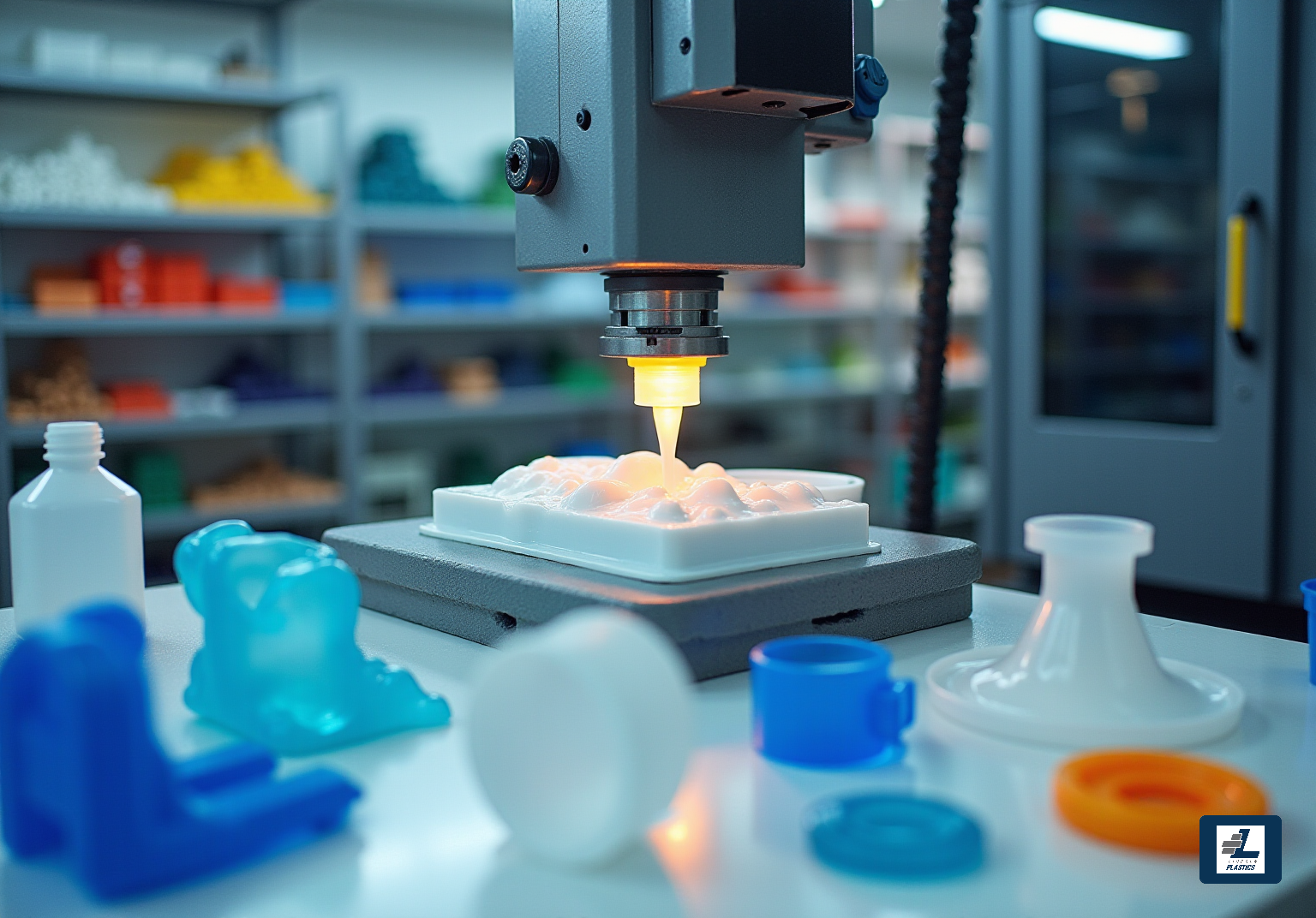
- Injection Molding: This is a go-to method that injects molten thermoplastic into a carefully crafted mold. It’s perfect for producing intricate shapes in high volumes, making it a staple in industries like automotive and healthcare. You might be surprised to learn that advancements have boosted precision and efficiency, making this technique even more reliable. Experts say that the design and integrity of the mold play a huge role in how well the process works, controlling everything from polymer flow to cooling.
- Extrusion: In this process, an thermoplastic material is melted and pushed through a die to create continuous shapes, such as pipes and sheets. This method shines in making plastic films and cord covers, showcasing its versatility. Lincoln Plastics really excels in this area, offering solutions that cater to OEM needs, including design tweaks and material selection advice. Plus, innovations in material handling and temperature control have made production more efficient, cutting down on waste and boosting output. Did you know that these improvements have led to a 20% increase in production efficiency over the last five years?
- Thermoforming: This technique heats a plastic sheet, which serves as a substrate, until it’s pliable, then forms it over a mold. It’s often used for packaging and creating larger parts, providing a lightweight alternative for components. Experts point out that thermoforming is especially beneficial for low-volume production runs since it has lower tooling costs compared to injection molding.
- Blow Molding: If you’re looking to create hollow objects, blow molding is the way to go. It inflates a heated plastic tube inside a mold to make containers and bottles. This method is crucial for producing durable packaging, especially as the demand for lightweight and recyclable materials grows. More and more producers are exploring sustainable methods in packaging, including biodegradable options to replace traditional plastics.
Each of these techniques is an important choice, chosen based on your needs regarding product properties, production volume, and costs. As the industry keeps evolving, Lincoln Plastics is committed to quality and collaboration with OEMs. With over 75 years of experience since 1948, they’re at the forefront of thermoplastic processing, integrating sustainable practices and advanced materials to shape the future of manufacturing. So, what do you think? Which technique resonates with your needs?

Conclusion
Thermoplastics are pretty fascinating, right? They can be reshaped and remolded, which really shows off their versatility and recyclability. With their unique properties, they find a home in all sorts of industries, making them essential in today’s manufacturing world. If you’re looking to tap into their benefits for product design and production, understanding thermoplastics is a must.
Throughout this article, we’ve highlighted some key characteristics like recyclability, durability, and ease of processing. We’ve also touched on different types of thermoplastics - think amorphous, semi-crystalline, engineering, and commodity plastics. Each type has its own specific properties that cater to a variety of applications. And let’s not forget the real-world uses, from automotive parts to medical devices, which really show how significant these materials are in our daily lives.
As industries keep evolving, we can’t overlook the importance of thermoplastics. They help cut down production costs, boost product performance, and play a big role in sustainability efforts. This makes them a key focus for manufacturers and engineers alike. Embracing the potential of thermoplastics not only sparks innovation but also supports a more sustainable future. So, why not dive in and explore how you can leverage these amazing materials in your own projects?
Frequently Asked Questions
What are thermoplastics?
Thermoplastics are plastic polymers that become pliable when heated and solidify as they cool down, allowing them to be reshaped multiple times without major chemical changes.
What is a key characteristic of thermoplastics regarding recyclability?
Thermoplastics can be melted down and remolded, making them highly recyclable and environmentally friendly. Recent advancements in recycling practices have improved the efficiency of recycling these materials.
In what applications are thermoplastics commonly used?
Thermoplastics are versatile and used in various applications, including everyday consumer goods, automotive, medical, and heavy-duty industrial components.
How durable are thermoplastics?
Many thermoplastics are known for their durability, as they resist impacts, chemicals, and UV light, which allows them to last longer in different environments.
What are some common types of thermoplastics?
Common thermoplastics include polyethylene (PE), polypropylene (PP), polyvinyl chloride (PVC), and polystyrene (PS), which are essential in many industries due to their adaptability and performance.
How are thermoplastics processed?
Thermoplastics can be processed in various ways, including injection molding, extrusion, and thermoforming, allowing manufacturers to create intricate designs and components.
List of Sources
- Define Thermoplastic: Key Characteristics and Properties
- atlasfibre.com (https://atlasfibre.com/understanding-thermoplastic-versatile-materials-for-modern-applications)
- fun-play.co.uk (https://fun-play.co.uk/what-is-thermoplastic)
- lincoln-plastics.com (https://lincoln-plastics.com/news-post/plastic-profiles-vs-traditional-materials-key-insights-for-oe-ms?dcc2137a_page=24)
- nexpcb.com (https://nexpcb.com/blog/summary-of-common-thermoplastic-material-properties)
- l-i.co.uk (https://l-i.co.uk/knowledge-centre/an-introduction-into-the-fundamentals-of-thermoplastics)
- Explore Types of Thermoplastics: Variations and Classifications
- xometry.com (https://xometry.com/resources/materials/semi-crystalline-vs-amorphous-polymers)
- atlasfibre.com (https://atlasfibre.com/understanding-thermoplastic-versatile-materials-for-modern-applications)
- industryarc.com (https://industryarc.com/Research/Thermoplastics-Market-Research-503156)
- resmart.com (https://resmart.com/news/post/unraveling-the-distinctions-amorphous-vs-crystalline-thermoplastics.html)
- Examine Applications of Thermoplastics: Real-World Uses and Benefits
- globenewswire.com (https://globenewswire.com/news-release/2025/12/30/3211462/28124/en/Global-Thermoplastic-Polyurethane-TPU-Market-Report-2025-2033-Insights-by-Type-Raw-Material-Application-End-Use-and-County-with-Competition-Analysis.html)
- proto3000.com (https://proto3000.com/resources/case_studies/3d-printed-tooling-saves-time-cuts-costs)
- kydex.com (https://kydex.com/about-thermoplastics/benefits-of-thermoplastics)
- automationplastics.com (https://automationplastics.com/news/exploring-the-versatility-of-thermoplastic-parts-across-industries)
- sterlingplasticsinc.com (https://sterlingplasticsinc.com/insights/how-the-automotive-industry-is-driving-engineered-plastics)
- Understand Processing Techniques for Thermoplastics: Manufacturing Insights
- atlasfibre.com (https://atlasfibre.com/understanding-thermoplastic-versatile-materials-for-modern-applications)
- acomold.com (https://acomold.com/essential-elements-in-the-injection-moulding-process-a-detailed-view.html)
Related posts

Right-Sized Production Runs: Flexibility Without the Waste
Lincoln Plastics offers right-sized production runs with a 10-hour minimum — balancing efficiency with flexibility so OEMs avoid oversized orders.


Co-Extrusion: Combining Two Materials for Better Performance
Lincoln Plastics offers co-extrusion, combining two plastics into a single profile for greater design freedom, performance, and cost savings.
Beyond Extrusion: Value-Added Services That Simplify Production
Beyond Extrusion: Value-Added Services That Simplify Production
