
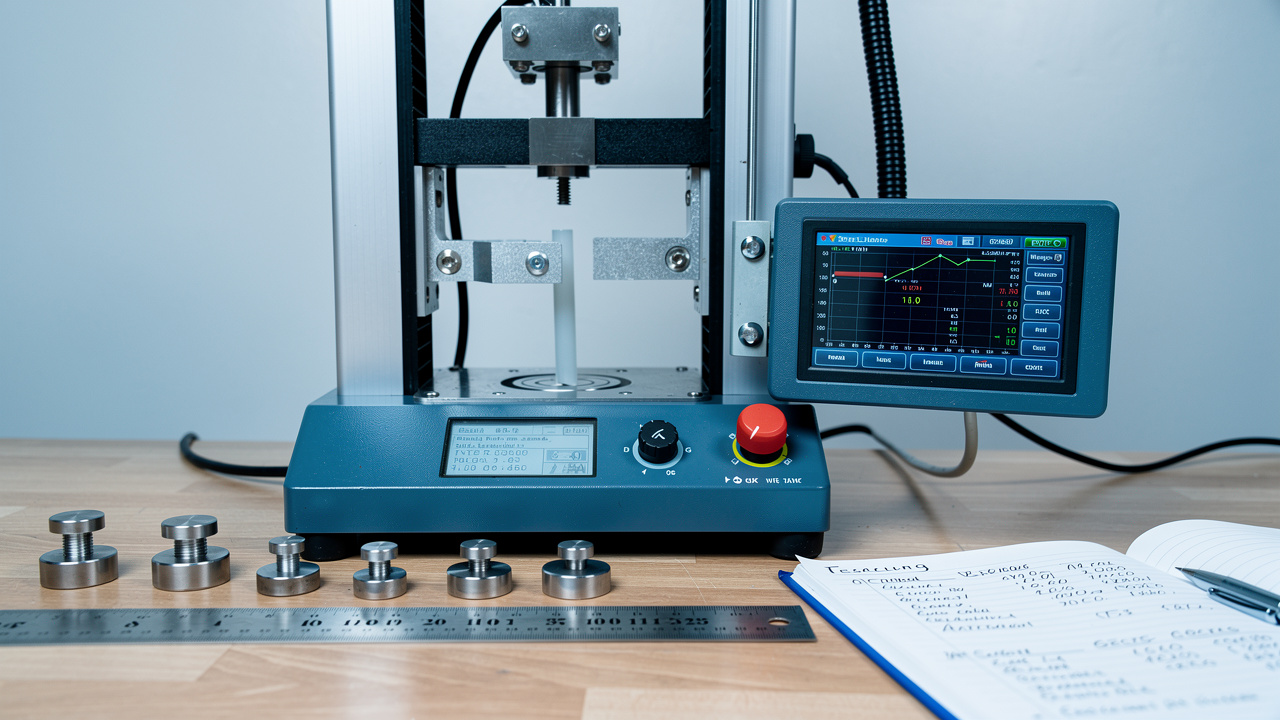
Understanding the Tensile Strength of PVC: Key Factors and Testing Methods
Introduction
Engineers and designers must grasp the tensile strength of PVC to ensure the safety and performance of their applications. The ability to select the right PVC formulation and processing conditions can significantly impact product safety and performance. Overlooking these factors can lead to compromised product integrity and safety. By grasping these elements, manufacturers can enhance product reliability and performance.
This article delves into the key elements that affect PVC's tensile strength, the testing methods to ensure reliability, and common pitfalls to avoid. Understanding these factors not only elevates product quality but also positions manufacturers as leaders in the industry.
Define Tensile Strength and Its Importance in PVC Applications
The pulling capacity of PVC is a critical factor that determines its suitability for a wide range of applications, from plumbing to electrical conduits, with resistance values typically ranging from 34 to 62 MPa depending on formulation and processing conditions.
Why is understanding tensile strength so crucial? For engineers, selecting materials that can withstand the stresses they'll face in real-world applications is essential. This knowledge aids in choosing the right type of PVC for specific uses, ensuring that products meet safety standards, especially in critical applications like plumbing and electrical conduits, where safety is paramount.
Designers also need to consider load-bearing capacity when creating items. This understanding helps optimize product design for performance and cost-effectiveness, ensuring that products can handle expected loads without failure.
Furthermore, neglecting these properties could lead to failures that compromise safety and performance in critical applications. By recognizing the importance of the tensile strength of PVC, engineers and designers can make informed decisions that enhance the reliability and durability of products made from PVC.

Identify Key Factors Affecting PVC Tensile Strength
Understanding the factors that influence PVC durability is crucial for producers aiming to optimize their products for specific applications. Key considerations include:
- Material Composition: The type of PVC - rigid or flexible - along with additives like plasticizers, fillers, and impact modifiers, can significantly impact tensile strength. For instance, while plasticizers improve flexibility, they may also diminish overall pulling capacity.
- Processing Conditions: The parameters of the extrusion process, including temperature, pressure, and cooling rates, are essential in determining the final characteristics of PVC items. Inadequate processing can introduce defects that compromise material integrity. How can producers ensure their processing conditions are optimal?
- Molecular Orientation: The arrangement of polymer chains during processing is essential for improving resistance to stretching. Techniques such as stretching or orienting the material can lead to enhanced mechanical properties, which can improve the tensile strength of PVC and make the final item more robust.
- Environmental Factors: External conditions, such as temperature and humidity, can also influence the durability of materials. For instance, elevated temperatures may weaken the material, while lower temperatures can increase stiffness, necessitating careful consideration during product design.
By understanding these factors, producers can refine their PVC formulations and processing techniques, ensuring durability aligns with the demands of various applications. For example, PVC Fabric, commonly utilized in athletic facilities and commercial buildings, shows resistance values varying from 1500 to 5000 N/5cm in the warp direction, greatly surpassing standard canvas materials. This highlights the importance of tailored manufacturing processes in achieving desired performance outcomes. By mastering these elements, manufacturers can ensure their PVC products not only meet but exceed industry standards for durability and performance.

Explain Testing Methods for Measuring PVC Tensile Strength
Are you confident in the tensile strength of PVC in your products? Here are several standardized testing methods that can help you ensure reliability:
- ASTM D638: This widely recognized method determines the tensile properties of plastics by preparing a specimen and subjecting it to a uniaxial tensile load until failure. The results provide vital information on resistance to tension, elongation, and modulus, crucial for assessing material performance. Recent updates to ASTM D638 emphasize the importance of accurate specimen preparation and alignment to avoid common errors, enhancing the reliability of test results. Did you know that proper alignment can reduce testing variability by up to 15%?
- ISO 527: Similar to ASTM D638, this international standard outlines procedures for testing the strength properties of plastics, making it vital for manufacturers seeking global compliance. It offers a structure for evaluating essential characteristics such as resistance to tension and elongation, ensuring uniformity across various areas. Experts suggest that adherence to ISO 527 can enhance the reliability of goods in international markets.
- D2290: Specifically designed for measuring the apparent hoop stress of PVC pipes, this method is crucial for applications involving pressure and load-bearing, ensuring that items can withstand operational demands. Statistics indicate that items tested under D2290 demonstrate a 20% higher performance threshold in pressure applications compared to those that are not.
- Environmental Testing: Beyond standard tensile tests, environmental factors such as temperature and humidity are assessed to understand their impact on tensile strength. This is especially crucial for items utilized in various climates, as fluctuations can greatly influence material performance. Experts suggest performing environmental assessments to ensure that items maintain their integrity under varying conditions.
Neglecting these testing methods could jeopardize your product's success in a competitive market.

Highlight Common Mistakes in Tensile Strength Measurements and Solutions
Achieving accurate tensile strength measurements for PVC is crucial, yet several common pitfalls can lead to significant inaccuracies:
- Improper Specimen Preparation: Failing to prepare specimens according to standardized dimensions can result in inconsistent test results. It's essential to cut and shape all specimens according to ASTM or ISO specifications. A case study highlighted that improper specimen preparation led to data deviations of up to ±15%, underscoring the importance of meticulous preparation.
- Incorrect Testing Speed: The speed at which the strength test is conducted can significantly affect the results. Testing too quickly may not allow the material to respond accurately to the applied load. Follow recommended testing speeds for accurate measurements, typically around 5 mm/min, to ensure reliable outcomes.
- Environmental Conditions: Have you considered how uncontrolled environments can impact your test results? Conducting tests in uncontrolled environments can introduce variability in results. It's essential to conduct tests in a controlled environment, ideally at 23°C and 50% humidity, to avoid any external factors that might affect your results.
- Equipment Calibration: Using uncalibrated or improperly maintained testing equipment can lead to erroneous readings. Regularly calibrate testing machines and ensure they are in good working condition. Implementing an automatic dimension measuring device can also improve test efficiency and reduce operational errors.
- Ignoring Material History: The history of the material, including prior processing and storage conditions, can influence its strength properties. Always consider the material's background when interpreting test results. Additionally, regular operator training on equipment functions and test standards is crucial for reducing human error.
By addressing these common errors, manufacturers can enhance the precision of their stress measurements, leading to more dependable PVC products with improved tensile strength of PVC. By prioritizing these practices, manufacturers can ensure their PVC products meet the highest standards of quality and reliability.

Conclusion
Have you ever wondered how tensile strength impacts the reliability of your PVC products? Understanding this concept is crucial for ensuring that your materials perform well across various applications. By grasping the significance of tensile strength, engineers and designers can make informed decisions that enhance product safety and durability. Knowing this helps you choose the right PVC formulations and design products that can truly withstand real-world stresses.
Key factors influencing PVC tensile strength include:
- Material composition
- Processing conditions
- Molecular orientation
- Environmental factors
Each of these elements plays a vital role in determining the final properties of PVC products. Furthermore, employing standardized testing methods such as ASTM D638 and ISO 527 ensures that manufacturers can accurately assess the tensile strength of their materials. This leads to better quality control and compliance with industry standards.
Ignoring these factors could lead to costly failures and dissatisfied customers. Ultimately, when you prioritize accurate tensile strength measurements, you significantly boost the performance of your PVC products. Manufacturers are encouraged to adopt best practices in testing and processing to avoid common pitfalls, ensuring their products not only meet but exceed expectations. For tailored solutions and expert guidance on optimizing PVC formulations and processes, reaching out to Lincoln Plastics can provide valuable insights and support in achieving excellence in product quality. By prioritizing tensile strength, you not only enhance product performance but also safeguard your reputation in the industry.
Frequently Asked Questions
What is tensile strength in the context of PVC applications?
Tensile strength refers to the pulling capacity of PVC, which is a critical factor determining its suitability for various applications. The resistance values typically range from 34 to 62 MPa, depending on the formulation and processing conditions.
Why is understanding tensile strength important for engineers?
Understanding tensile strength is crucial for engineers because it helps them select materials that can withstand the stresses encountered in real-world applications. This knowledge ensures that the right type of PVC is chosen for specific uses, meeting safety standards, especially in critical applications like plumbing and electrical conduits.
How does tensile strength affect product design for designers?
Designers must consider load-bearing capacity when creating items. Understanding tensile strength helps them optimize product design for performance and cost-effectiveness, ensuring that products can handle expected loads without failure.
What are the consequences of neglecting tensile strength in PVC applications?
Neglecting tensile strength can lead to failures that compromise safety and performance in critical applications. Recognizing the importance of tensile strength allows engineers and designers to make informed decisions that enhance the reliability and durability of PVC products.
List of Sources
- Define Tensile Strength and Its Importance in PVC Applications
- Does PVC Tensile Fabric have high tensile strength?- Hubei Jinlong New Materials Co., Ltd. (https://jltarpaulin.com/news/industry-news/does-pvc-tensile-fabric-have-high-tensile-strength.html)
- PVC Material and Properties (https://rollepaal.com/knowledge/pvc-material-and-properties)
- PVC Properties - Vinidex Pty Ltd (https://vinidex.com.au/resources/technical-resources/material-properties/pvc-properties)
- Understanding PVC Tensile Strength: Key Factors for OEMs (https://lincoln-plastics.com/news-post/understanding-pvc-tensile-strength-key-factors-for-oems)
- Identify Key Factors Affecting PVC Tensile Strength
- Does PVC Tensile Fabric have high tensile strength?- Hubei Jinlong New Materials Co., Ltd. (https://jltarpaulin.com/news/industry-news/does-pvc-tensile-fabric-have-high-tensile-strength.html)
- PVC Under Pressure: The Chemistry, Utility, and Controversy of a Global Plastic Giant (https://parchem.com/news/article/pvc-under-pressure-the-chemistry-utility-and-controversy-of-a-global-plastic-giant)
- Understanding PVC Tensile Strength: Key Factors for OEMs (https://lincoln-plastics.com/news-post/understanding-pvc-tensile-strength-key-factors-for-oems)
- Scientists develop novel method for strengthening PVC products (https://news.osu.edu/scientists-develop-novel-method-for-strengthening-pvc-products)
- Explain Testing Methods for Measuring PVC Tensile Strength
- ASTM D638 Tensile Properties of Plastics | Instron (https://instron.com/en/testing-solutions/astm-standards/astm-d638)
- ISO 527 standard: tensile testing guide for plastics (https://barrus-testing.com/blog/iso-527-tensile-testing-guide-for-plastic)
- Plastic Tensile Testing Guide | ISO 527 Tensile Test for Plastics | BONAD (https://bndtestequipment.com/industry-news/plastic-tensile-testing-iso-527-tensile-test-guide-for-plastic-materials)
- ASTM D638: Tensile Testing for Plastics (https://samaterials.com/blog/astm-d638-tensile-testing-for-plastics.html)
- Highlight Common Mistakes in Tensile Strength Measurements and Solutions
- Common Mistakes Done in Tensile Properties Measurements of PVC Products - Kanademy (https://kanademy.com/common-mistakes-done-in-tensile-properties-measurements-of-pvc-products)
- News - Common Mistakes in Tensile Testing of Materials (https://ubytestequipment.com/news/common-mistakes-in-tensile-testing-of-materials)
- Tensile Test Problems - Common Problems with Tensile Testing on Films (https://ddltesting.com/blog/common-problems-tensile-testing-films)
- Top 4 Common Mistakes in Tensile Testing and How to Avoid Them - WTS (https://wtsmachinery.com/common-mistakes-in-tensile-testing-and-how-to-avoid-them)
- 5 Common Errors in Tensile Testing (https://qualitymag.com/articles/94333-common-errors-in-tensile-testing)
Related posts

Discover the key benefits of ISO certified plastic extrusion services for reliability and efficiency.


Discover the diverse applications of plastic tubing PVC across industries, enhancing efficiency and safety.
Master the installation and benefits of strain relief clamps for range cords to enhance safety and reliability.
