
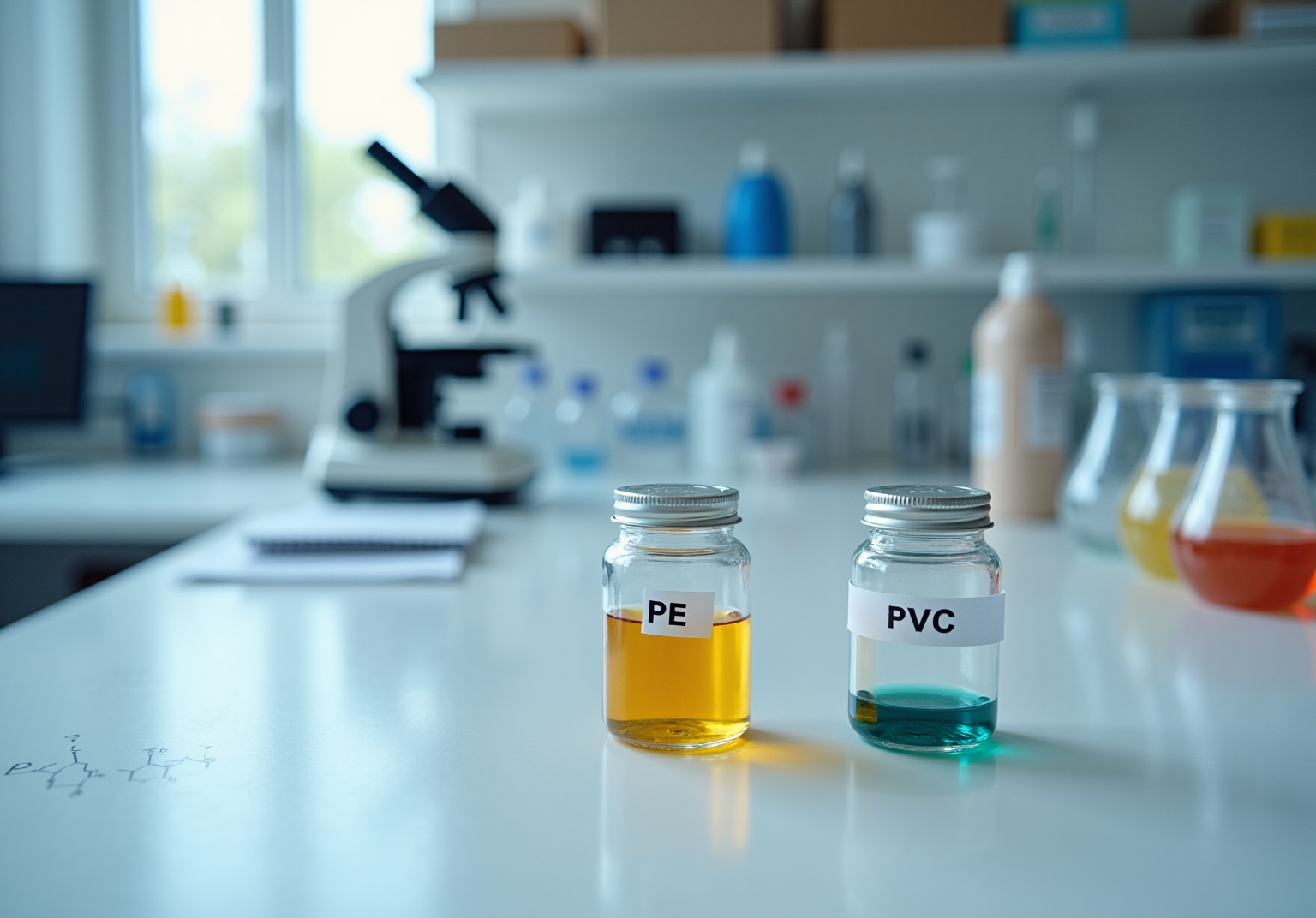
Understanding the Plastic Chemical Formula: Definition and Types
Introduction
Plastics are everywhere in our lives, right? But how many of us really get the chemistry behind these amazing materials? They’re made up of polymers that come from different monomers, and that chemical formula is what gives plastics their unique traits. It’s no wonder they’re so essential across various industries!
In this article, we’ll explore the different types of plastics and their chemical compositions. We’ll also see how these formulas shape their uses. Plus, we’ll highlight some exciting innovations aimed at boosting sustainability and performance.
Now, you might be wondering: what challenges do manufacturers face in this complex world of plastic materials? And how can a better understanding of these chemical formulas lead to smarter solutions? Let’s dive in!
Define Plastic: Composition and Characteristics
Plastics, huh? They’re materials made up of polymers - big molecules that come from smaller building blocks called monomers. The composition contains elements like carbon, hydrogen, oxygen, nitrogen, and chlorine, with each one contributing to the unique traits of these materials. Among the different types of polymers, thermoplastics such as PVC, polyethylene, and polypropylene are popular in manufacturing due to their specific properties. Why? Because they’re so flexible and versatile! When you heat them up, they can be molded into just about any shape, and they harden as they cool. That’s what we call plasticity.
Now, let’s talk about why this flexibility matters, especially in industrial OEM machinery. These materials are key for making things work efficiently. Take Lincoln Plastics, for example. They use PVC and polyethylene to whip up tailored components like fittings and housings. These are designed to meet the specific needs of OEMs, especially in areas like agricultural irrigation and cable protection systems. Their knack for running any synthetic resin in accordance with the specifications really boosts their expertise in production. This means they can offer solutions that fit a variety of operational demands.
And guess what? There’s always something new happening in the world of polymers. Recent research is shining a light on how these materials can improve efficiency in manufacturing. As the industry keeps evolving, there’s a growing focus on creating innovative, sustainable products. This way, manufacturers can adapt to changing market needs. So, what do you think? Isn’t it exciting to see how plastics are shaping the future?

Explore the Chemical Formula of Plastics
Understanding the chemistry of synthetic materials is key to grasping their characteristics and uses. Take polyethylene, for instance. Its formula, (C2H4)n, shows it’s made up of repeating ethylene units, which is why it’s one of the most popular plastics out there. This versatility allows for various tweaks, leading to different types suitable for everything from household items to industrial components.
Now, let’s talk about polyvinyl chloride. Its structure is a bit more complex, represented as (C2H3Cl)n, and it includes chlorine atoms. This unique mix gives PVC some standout features, like a density of 1.4 g/cm and the ability to take on a lot of plasticizer, which lets it shift from rigid to flexible forms.
For manufacturers like Lincoln's company, which has been a leader in the field since 1948, understanding the chemical structure is crucial. They directly influence material traits like strength, flexibility, and how well they hold up against the environment. Did you know that about 66% of the residential market in the U.S. is for private homeowner uses? This really highlights how widely it’s used in products like pipes and tubing for fluid transfer. It’s a big deal for Lincoln, especially when it comes to wiring and cable management solutions.
In the world of industrial OEM machinery, the choice of polymer can really make a difference in performance. Thanks to recent advances in extrusion technology, Lincoln has been able to produce high-quality medical-grade materials. This is super important for applications like IV lines and catheters. Not only does this innovation boost product durability, but it also meets the strict regulatory standards in medical manufacturing.
And let’s not forget about agriculture! Lincoln creates tailored profiles for irrigation systems that can withstand tough environmental conditions. By using their expertise in polymer science, they provide solutions that meet the specific needs of various sectors, ensuring their products are reliable and efficient. As the industry keeps evolving, innovation remains essential for optimizing manufacturing processes and improving product quality.

Trace the Evolution of Plastics: From Inception to Modern Use
The story of synthetic materials kicks off in the mid-19th century with Parkesine, which is often hailed as the first man-made substance. But it was Bakelite, invented in 1907, that really shook things up, marking the start of the modern era. What made Bakelite stand out? Its unique properties opened up a world of possibilities across various industries. Fast forward a few decades, and the evolution of different polymers has broadened their applications, making them vital in today’s economy.
Now, let’s talk about how plastic has been a game changer for industries that rely on manufacturing, like OEM machinery and agricultural equipment. Take our company, for example. We focus on plastic solutions, crafting products like connectors and cord covers tailored to our clients' specific needs. Our facility is designed to keep things clean and organized, which helps us maintain quality and ensure quick order turnarounds. By leveraging the innovations from the past, Lincoln is all about innovation, providing solutions that adapt to the ever-changing demands of the industry. We’re committed to making plastic materials easily accessible for all those essential uses.

Identify Different Types of Plastics and Their Chemical Structures
Let’s dive into the world of plastics! You might be surprised to learn that they mainly fall into two categories: thermoplastics and thermosetting plastics. Thermoplastics, like polyethylene and polypropylene, are pretty cool because you can melt and reshape them over and over again. This makes them perfect for processes like extrusion. For instance, the plastic chemical formula for polyethylene provides it with flexibility and durability. That’s why it’s a great choice for outdoor applications - it's tough enough to handle the elements.
Now, let’s talk about polypropylene. This material is known for its strength and resistance to chemicals, making it a go-to for packaging solutions. It’s reliable for all sorts of industrial applications.
At Lincoln Plastics, we specialize in producing these thermoplastics, ensuring our clients get products that fit their specific industrial and agricultural needs. Our expertise in plastic manufacturing means we can create solutions that meet strict performance standards. Plus, we offer services like co-extrusion and laser etching, which really boost operational efficiency for businesses that need dependable and durable plastic profiles.
So, if you’re looking for reliable plastic solutions, why not reach out? We’re here to help you find exactly what you need!

Conclusion
Plastics are pretty fascinating, right? They’re complex materials that play a huge role in modern manufacturing, thanks to their unique chemical compositions and versatile properties. Understanding the plastic chemical formula is key - it not only reveals what these materials are all about but also shows how they’re used across different industries. Think about thermoplastics like polyethylene and polypropylene, or the more intricate structures of PVC. Each type of plastic meets specific needs, proving their importance in both industrial and agricultural settings.
Now, let’s talk about some key insights! The article dives into how the chemical structures of different plastics influence their performance and utility. It highlights the evolution of synthetic materials, showcasing innovations that have led to better product durability and adaptability. Plus, there’s a focus on custom profile solutions, especially in sectors like OEM machinery and agriculture. Companies are really tapping into advancements in polymer technology to meet diverse operational demands.
As we look ahead, the landscape of plastic manufacturing is changing, and sustainability and recycling are becoming more important than ever. Embracing these innovations not only tackles environmental concerns but also opens doors for future developments in material science. Engaging with the latest advancements in plastic chemistry can empower industries to optimize their processes while contributing to a more sustainable future. So, what do you think? Are you ready to dive into the world of plastic chemistry and see how it can make a difference?
Frequently Asked Questions
What are plastics made of?
Plastics are synthetic or semi-synthetic materials made up of polymers, which are large molecules formed from smaller building blocks called monomers.
What elements are commonly found in the chemical composition of plastics?
The chemical formula of plastics typically contains elements like carbon, hydrogen, oxygen, nitrogen, and chlorine.
What are thermoplastics and why are they important?
Thermoplastics, such as PVC, polyethylene, and polypropylene, are types of polymers that are flexible and versatile. They can be molded into various shapes when heated and harden as they cool, making them important for manufacturing.
How does flexibility in plastics benefit industrial OEM machinery?
Flexibility is crucial for creating custom profiles that enhance efficiency in industrial OEM machinery, allowing for tailored components that meet specific operational needs.
Can you give an example of a company that utilizes plastics for custom manufacturing?
Lincoln Plastics is an example of a company that uses PVC and polyethylene to create tailored components like flexible cord covers and cable management solutions for OEMs.
What recent trends are emerging in the field of polymers?
Recent research is focused on enhancing product performance and sustainability in manufacturing, with an emphasis on creating innovative, recyclable materials to meet operational needs and environmental standards.
List of Sources
- Define Plastic: Composition and Characteristics
- statista.com (https://statista.com/topics/5127/plastic-waste-in-the-united-states?srsltid=AfmBOopZPpE8usA6bzmc1Fb3L67TEwBHg7s--fGDZ9tLlwy902myir-t)
- 8 Trends in Plastic Materials and Packaging for 2026 (https://productsandsolutions.pttgcgroup.com/en/market-movement/8-trends-in-plastic-materials-and-packaging-for-2026)
- plasticsoupfoundation.org (https://plasticsoupfoundation.org/en/plastic-facts-and-figures)
- Plastic Waste Factsheet (https://css.umich.edu/publications/factsheets/material-resources/plastic-waste-factsheet)
- un.org (https://un.org/sustainabledevelopment/blog/2023/08/explainer-what-is-plastic-pollution)
- Explore the Chemical Formula of Plastics
- prm-taiwan.com (https://prm-taiwan.com/blog/case-studies-in-pvc-medical-tube-production-realworld-examples-success_518)
- findoutaboutplastics.com (https://findoutaboutplastics.com/2021/11/my-quote-selection-of-chemical-and.html)
- ntotank.com (https://ntotank.com/blog/what-is-polyethylene?srsltid=AfmBOoqnLCuVyMVYjFlHEMon0S0mT49lsKy4ahHPdFesAbdGDLTqywS-)
- Polyvinyl chloride - Wikipedia (https://en.wikipedia.org/wiki/Polyvinyl_chloride)
- Trace the Evolution of Plastics: From Inception to Modern Use
- usplasticspact.org (https://usplasticspact.org/case-studies)
- epc.ac.uk (https://epc.ac.uk/toolkit/case-study-from-plastic-waste-to-infrastructure-understanding-circular-business-models-in-context)
- earth.org (https://earth.org/plastic-pollution-quotes)
- nepis.epa.gov (https://nepis.epa.gov/Exe/ZyPURL.cgi?Dockey=10000UXP.TXT)
- Identify Different Types of Plastics and Their Chemical Structures
- Thermosetting Plastics Market Size & Share, Forecast Report 2035 (https://researchnester.com/reports/thermosetting-plastics-market/5892)
- earth.org (https://earth.org/plastic-pollution-quotes)
- Thermosetting and Thermoplastics Market Research Report 2033 (https://dataintelo.com/report/global-thermosetting-and-thermoplastics-market)
- southwestplastics.com (https://southwestplastics.com/articles/case-study-thermoset-plastics)
Related posts

Why Custom Pipe Extrusion Matters More Than Ever
Standard pipe sizes don’t always work. Learn how Lincoln Plastics delivers custom diameters, wall thicknesses, and finishes in right-sized runs.


Reducing Trip Hazards with Custom Cord Management
Loose cords are more than messy — they’re a safety hazard. Lincoln Plastics’ custom cord covers and Flexiduct solutions improve safety and efficiency.
The Power of Custom Plastic Profiles for OEMs
Off-the-shelf profiles force compromises. Learn how Lincoln Plastics designs custom extruded profiles for OEMs with exact specs and right-sized runs.
