
Understanding the Composition of Plastics: Definition and Importance
Introduction
In an era where sustainability is paramount, the role of plastics in manufacturing is both pivotal and complex. Plastics offer unparalleled versatility and efficiency across various industries, primarily composed of polymers and enhanced by additives. As the industry grapples with the environmental implications of plastic use, the need for innovative solutions becomes increasingly urgent. This necessity drives innovation in recycling technologies and sustainable material development.
Let’s take a closer look at the fascinating world of plastics, exploring their composition, historical evolution, and the critical role they play in shaping a sustainable future.
Define Plastics: Composition and Importance
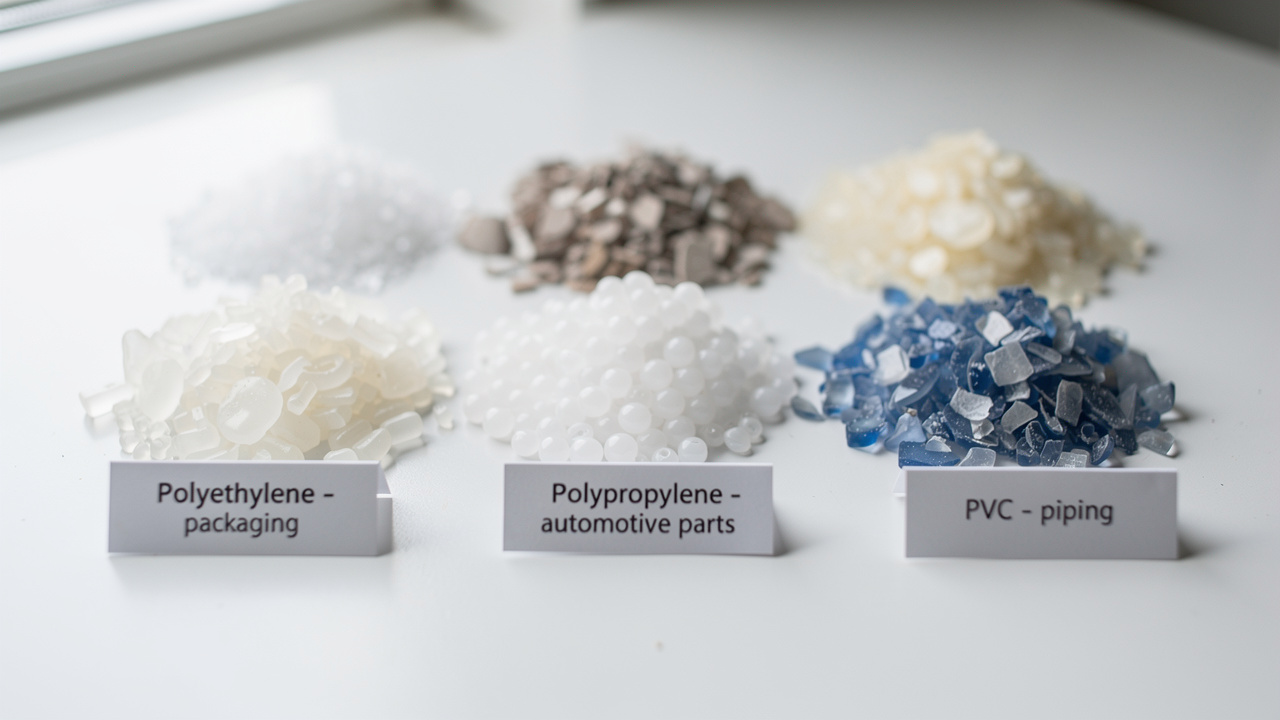
Plastics, with their unique properties, are revolutionizing industries by offering unmatched versatility and efficiency. The composition of plastics, primarily made up of polymers, enables these synthetic or semi-synthetic substances to be molded into various shapes when heated and to retain those shapes upon cooling. This plasticity is what makes them essential across numerous applications, including packaging, automotive components, and construction materials.
The importance of synthetic materials goes beyond their versatility and resilience; they significantly improve energy efficiency and minimize weight in products. Have you considered how much lighter synthetic packaging is compared to traditional materials? On average, it's 3.6 times lighter than glass and aluminum, leading to lower resource consumption during production and transportation. This lightweight feature not only makes shipping easier but also helps cut down on greenhouse gas emissions.
In 2026, the significance of synthetic materials in manufacturing will be highlighted by their role in sustainability initiatives. Recycling and recovery efforts can reduce the overall energy requirement of materials by 24% and decrease greenhouse gas emissions by 27%. These initiatives are crucial as the U.S. materials industry evolves, with over $11 billion invested in recycling since 2017, aiming to divert significant waste from landfills and strengthen economic resilience.
The composition of plastics in synthetic substances enables sophisticated recycling methods that can repeatedly convert difficult-to-recycle items into new products, thereby improving their sustainability profile. However, the industry struggles with raising awareness about proper disposal and boosting recycling capacity. If we don't tackle these issues, we risk losing the benefits of synthetic materials. The ongoing development of innovative solutions remains critical.
Overall, the incorporation of synthetic materials into manufacturing not only enhances operational efficiency but also aligns with broader environmental objectives. As we embrace synthetic materials, we not only enhance production efficiency but also take significant strides toward a sustainable future.

Trace the History of Plastics: Origins and Evolution
The evolution of synthetic materials has revolutionized industries, driven by the relentless pursuit of innovation and efficiency. Can you imagine a world without Bakelite, the first entirely synthetic polymer created by Leo Baekeland in 1907? This innovation marked a significant turning point in material science. Over the decades, advancements in synthetic chemistry have led to the creation of various materials, including polyethylene and polypropylene, which are now commonplace in everyday products. As industries evolve, the demand for innovative materials continues to grow, pushing the boundaries of synthetic chemistry. This evolution has not only transformed manufacturing but has also enhanced product performance across industries, making synthetic materials vital in sectors ranging from automotive to healthcare. Understanding this history is crucial for recognizing the pivotal role synthetic materials play in shaping our modern world.

Examine the Components of Plastics: Polymers and Additives
Understanding the fundamental types of polymers is essential for navigating the complexities of modern material applications. The composition of plastics is fundamentally based on polymers, which fall into two primary categories: thermoplastics and thermosetting substances. Thermoplastics, such as polyethylene and polyvinyl chloride (PVC), can be melted and reshaped multiple times, making them versatile for various applications. In contrast, thermosetting plastics, like epoxy, undergo a chemical change when set, resulting in a permanent hardening that cannot be remolded.
In addition to these fundamental substances, various additives enhance specific characteristics like flexibility, color, and resistance to degradation. Common additives include:
- Plasticizers, which increase flexibility
- Stabilizers, which protect against environmental factors
- Fillers, which modify the physical and chemical characteristics of the base polymer
How do these modifications impact the performance of products in applications ranging from consumer goods to industrial components?
Recent studies suggest that the rising use of thermoplastics is significantly influenced by the composition of plastics, with a substantial share of the materials market depending on these substances due to their recyclability and ease of processing. For instance, thermoplastics represented about 70% of the overall plastic production in 2026, indicating their increasing significance in manufacturing. However, managing these additives presents significant challenges that complicate sustainability efforts. As Aline Rotzetter, Senior Investment Manager in Advanced Materials & Sustainability, notes, "Additives are both a blessing and a curse," highlighting the complexities they introduce in achieving sustainability goals.
Case studies demonstrate the practical uses of both thermoplastics and thermosetting materials. For instance, the creation of impact-resistant materials through the incorporation of mechanophores has shown promising outcomes in improving durability for consumer products. Likewise, the utilization of thermosetting materials in automotive applications showcases their capacity to endure elevated temperatures and mechanical stress, making them ideal for essential components. The challenges posed by additives, such as limited transparency around formulations and potential health and environmental concerns, further underscore the need for systematic studies on their interactions and effects.
Ultimately, mastering the interplay between polymers and additives is vital for driving innovation and sustainability in the industry.

Explore Applications of Plastics: Impact of Composition on Industries
As industries evolve, the demand for innovative synthetic materials is more critical than ever. Plastics play a crucial role across various sectors, particularly in automotive and construction. In the automotive industry, lightweight synthetic materials significantly boost fuel efficiency. By 2025, the average North American vehicle is projected to contain about 428 pounds of these materials, marking an 18% increase over the past decade. This trend is driven by the industry's shift towards electric vehicles and the need for advanced materials that meet stringent safety and performance standards.
In construction, synthetic materials are preferred for their durability and versatility, making them ideal for applications such as pipes, insulation, and even structural components. The construction sector is expected to account for 17% of global synthetic material consumption, with forecasts suggesting this figure could nearly double by 2050. The specific composition of plastics for each polymer type - ranging from polypropylene (PP) to polycarbonate (PC) - determines its suitability for particular applications, influencing key factors like strength, flexibility, and chemical resistance.
At Lincoln Plastics in Lincoln, Nebraska, we collaborate closely with OEMs to guarantee our products meet all quality standards, including special checks for ‘fit and function.’ Our robust quality management program, certified to ISO 9001:2015, includes dedicated quality plans and in-process checks, ensuring that your rigid profiles are precisely what you specified for critical dimensions. We employ various kinds of check gauges to ensure a suitable end-use fit, and our quality system features a dedicated quality book for each profile, complete with drawings and run documentation.
Expert insights emphasize the ongoing innovation in synthetic materials, with manufacturers increasingly investing in high-performance polymers that reduce environmental impact while enhancing product functionality. For example, the automotive sector is experiencing a growing use of bio-based materials, which not only aid in sustainability but also align with consumer preferences for eco-friendly vehicles. As industries continue to evolve, the strategic use of the composition of plastics remains essential for developing efficient and sustainable solutions that meet modern demands.
How can we help you achieve your goals? Reach out to Lincoln Plastics experts today to explore tailored solutions for your needs.

Conclusion
The composition of plastics is not just a technical detail; it’s a cornerstone of modern manufacturing and sustainability. The unique properties of plastics, derived from their polymer-based composition, enable them to be molded into various forms, making them indispensable across multiple industries. As the demand for innovative materials grows, recognizing the role of plastics in enhancing efficiency and reducing environmental impact becomes increasingly important.
Throughout this article, we’ve explored key insights into the history, components, and applications of plastics. From the origins of synthetic materials to the evolution of polymers and additives, we’ve highlighted how these elements influence product design and functionality. The impact of plastics on industries such as automotive and construction underscores their critical role in driving advancements and meeting modern demands. Furthermore, Lincoln Plastics' commitment to quality management, backed by ISO 9001:2015 certification, ensures that products meet rigorous standards for performance and sustainability.
As industries evolve, understanding plastic composition is crucial for staying relevant. Embracing innovative solutions and sustainable practices will be vital for future growth. By not engaging with experts in the field, you risk falling behind in a rapidly evolving industry. Reach out today to explore how Lincoln Plastics can support your goals in leveraging the power of synthetic materials.
Frequently Asked Questions
What are plastics made of?
Plastics are primarily composed of polymers, which are synthetic or semi-synthetic substances that can be molded into various shapes when heated and retain those shapes upon cooling.
Why are plastics important in various industries?
Plastics offer unmatched versatility and efficiency, significantly improving energy efficiency and minimizing weight in products. They are essential in applications such as packaging, automotive components, and construction materials.
How do synthetic materials compare to traditional materials in terms of weight?
On average, synthetic packaging is 3.6 times lighter than glass and aluminum, which leads to lower resource consumption during production and transportation.
What environmental benefits do synthetic materials provide?
The lightweight nature of synthetic materials helps reduce greenhouse gas emissions and makes shipping easier, contributing to sustainability initiatives.
What role will synthetic materials play in sustainability by 2026?
Synthetic materials will be crucial in sustainability initiatives, with recycling and recovery efforts projected to reduce overall energy requirements by 24% and decrease greenhouse gas emissions by 27%.
How much has been invested in recycling efforts in the U.S. materials industry since 2017?
Over $11 billion has been invested in recycling since 2017, aiming to divert significant waste from landfills and strengthen economic resilience.
What challenges does the plastics industry face regarding recycling?
The industry struggles with raising awareness about proper disposal and boosting recycling capacity, which are critical to maintaining the benefits of synthetic materials.
How do synthetic materials contribute to a sustainable future?
The incorporation of synthetic materials into manufacturing enhances operational efficiency and aligns with broader environmental objectives, making significant strides toward sustainability.
List of Sources
- Define Plastics: Composition and Importance
- The importance of plastic for society - Valgroup (https://valgroupco.com/en/esg/the-importance-of-plastic-for-society)
- Does Using Plastic Help or Hurt Our Fight Against Climate Change? - America's Plastic Makers (https://plasticmakers.org/does-using-plastic-help-or-hurt-our-fight-against-climate-change)
- U.S. Plastics Industry Statistics & Data (https://americanchemistry.com/chemistry-in-america-industry-innovation-impact/chemical-industry-statistics-u.s.-jobs-economic-impact/u.s.-plastics-industry-statistics-data)
- Plastic Packaging: Environmental Benefits in Supply Chains (https://plasticsindustry.org/articles/the-environmental-benefits-plastic-packaging-modern-supply-chains)
- Trace the History of Plastics: Origins and Evolution
- The History of Plastics Part II from 1935- 1980 by Advanced Plastiform (https://advancedplastiform.com/blog/the-history-of-plastics-part-ii-1935-through-1980)
- A brief history of plastics, natural and synthetic (https://bbc.com/news/magazine-27442625)
- The Age of Plastic: From Parkesine to pollution | Science Museum (https://sciencemuseum.org.uk/objects-and-stories/chemistry/age-plastic-parkesine-pollution)
- The History of Plastic Materials: From Bakelite to Bioplastics | Flambeau UK, Inc (https://flambeau.co.uk/plastic-manufacturing-products/history-of-plastic-materials)
- The history of plastic in 15 key dates | CARBIOS Active (https://carbios-active.com/en/news/the-history-of-plastic-in-15-key-dates-2)
- Examine the Components of Plastics: Polymers and Additives
- Discovery of new polymer class provides compostable alternative to conventional thermoplastics (https://phys.org/news/2026-04-discovery-polymer-class-compostable-alternative.html)
- Plastic additives challenge recycling science (https://plasticstoday.com/materials/hidden-challenge-plastic-additives-create-major-recycling-knowledge-gap)
- MIT chemists design impact-resistant plastics (https://news.mit.edu/2026/mit-chemists-design-impact-resistant-plastics-0603)
- How Innovation in the Field of Plastic Additives is Key for a Circular Economy (https://emerald.vc/how-innovation-field-plastic-additives-key-circular-economy)
- Understanding Plastics and Polymers – The Different Types of Plastic (https://paulmurphyplastics.com/industry-news-blog/understanding-plastics-and-polymers-the-different-types-of-plastic)
- Explore Applications of Plastics: Impact of Composition on Industries
- New Report Exposes Scale of Plastics Crisis in Building Materials and Escalating Impacts to Health, Fire, and Climate - Habitable (https://habitablefuture.org/new-report-exposes-scale-of-plastics-crisis-in-building-materials)
- Application of Plastic Wastes in Construction Materials: A Review Using the Concept of Life-Cycle Assessment in the Context of Recent Research for Future Perspectives - PMC (https://pmc.ncbi.nlm.nih.gov/articles/PMC8269554)
- Automotive Plastics Market Size & Opportunities, 2026-2033 (https://coherentmarketinsights.com/industry-reports/automotive-plastics-market)
- Today’s Safer, Smarter and More Efficient Vehicles Growing More Reliant on Plastics, New Report Finds (https://americanchemistry.com/chemistry-in-america-industry-innovation-impact/news-trends/press-release/2026/today-s-safer-smarter-and-more-efficient-vehicles-growing-more-reliant-on-plastics-new-report-finds)


