
Understanding the Chemical Properties of PVC and Their Importance
Introduction
You know, the world of materials science is always changing, but few substances have caught our eye quite like Polyvinyl Chloride, or PVC for short. This versatile polymer is everywhere, from construction sites to hospitals, thanks to its impressive durability. But here’s the catch: the very properties that make PVC so useful also spark some serious environmental and health concerns. So, how can industries make the most of PVC while keeping these risks in check?
Let’s dive into this balancing act. It’s a complex story, one that’s crucial for sustainable development in today’s manufacturing landscape. By exploring both the perks and the challenges of PVC, we can start to understand how to navigate this tricky terrain together.
Defining Polyvinyl Chloride (PVC): Composition and Importance
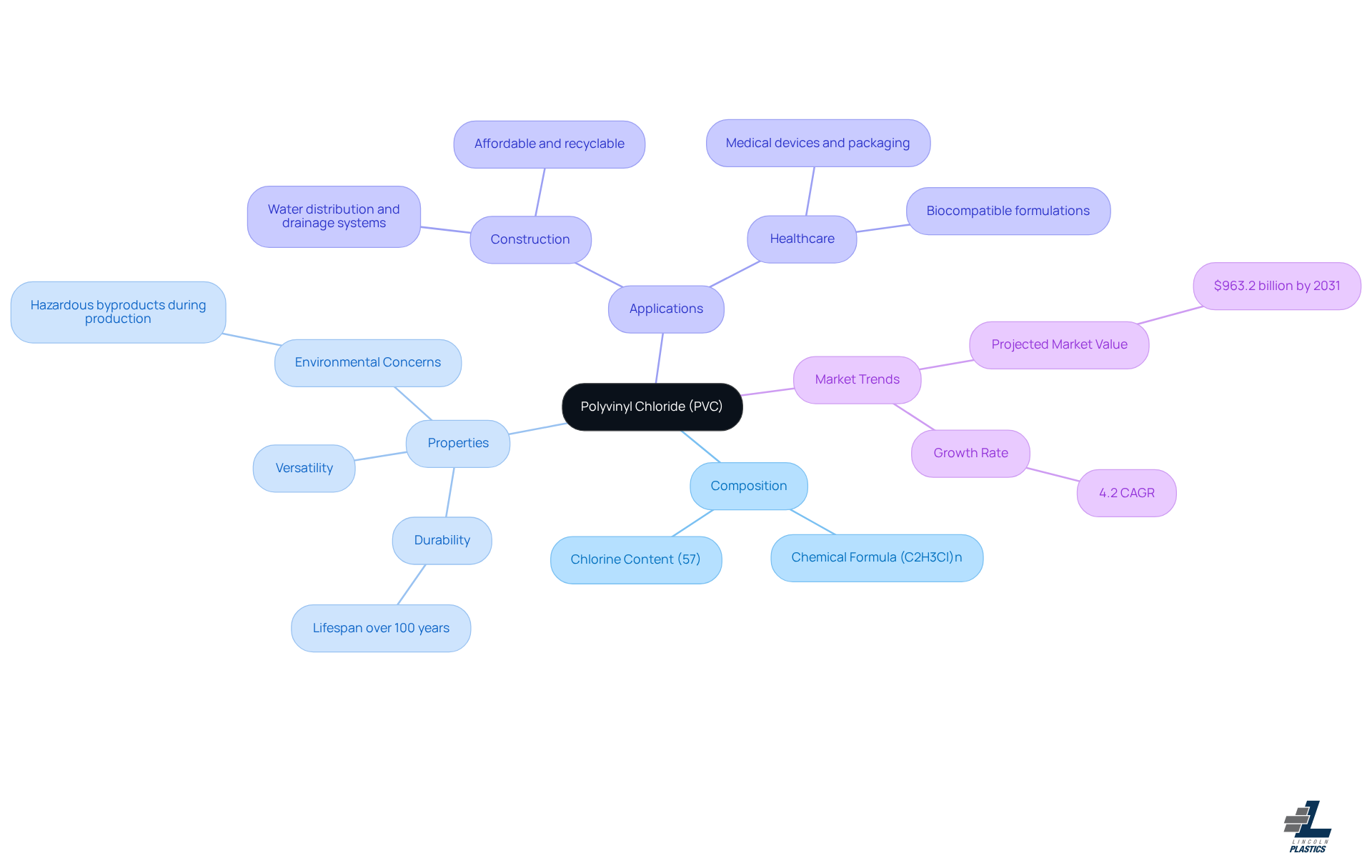
Hey there! Let’s chat about Polyvinyl Chloride, or PVC for short. This synthetic polymer is made through the polymerization of vinyl chloride monomer (VCM), which you can think of as a building block. It’s got the formula (C2H3Cl)n, where 'n' tells us how many times that building block repeats. Now, here’s the kicker: the chlorine atoms, which consist of about 57% chlorine, provide it with some pretty amazing attributes like durability and versatility. But, it’s not all sunshine and rainbows - this high chlorine content raises some eyebrows when it comes to environmental concerns, especially with the production process. That’s definitely something industries using PVC need to keep in mind.
Now, if you’re in construction, you’ll love this: PVC is incredibly durable, which means it can last over 100 years! That’s crucial for things like water distribution and drainage systems, where keeping water quality top-notch is key. Plus, the construction sector is expected to grow by about 5.2%, thanks to PVC being cost-effective. It’s shaping up to be a smart choice for building projects. In fact, the global PVC market is projected to hit around $963.2 billion by 2031. That’s a big deal, right? It shows just how important PVC is for applications across various industries.
Switching gears to healthcare, PVC really shines here too. You’ll find it in medical devices, where its flexibility and durability are essential. Industry leaders are all about the innovations in this field. For instance, there’s been some exciting progress with formulations that include bio-based plasticizers, which is opening up new possibilities. Christo Sevov, an Associate Professor in Chemistry and Biochemistry, even said, "This is truly one of the rare instances that we have where there’s this much control over altering the characteristics of PVC."
So, what’s the takeaway? The versatility of PVC, combined with its unique composition and the ability to tweak its characteristics with additives, make it a vital player in modern manufacturing. It’s all about improving performance and sustainability across the board. And let’s not forget how the COVID-19 pandemic has changed the game for supply chains, highlighting the need for flexibility in production and supply chains. This really drives home the importance of sustainable practices in the industry.
What do you think? PVC is definitely worth keeping an eye on!
Exploring the Chemical Properties of PVC: Stability, Reactivity, and Performance
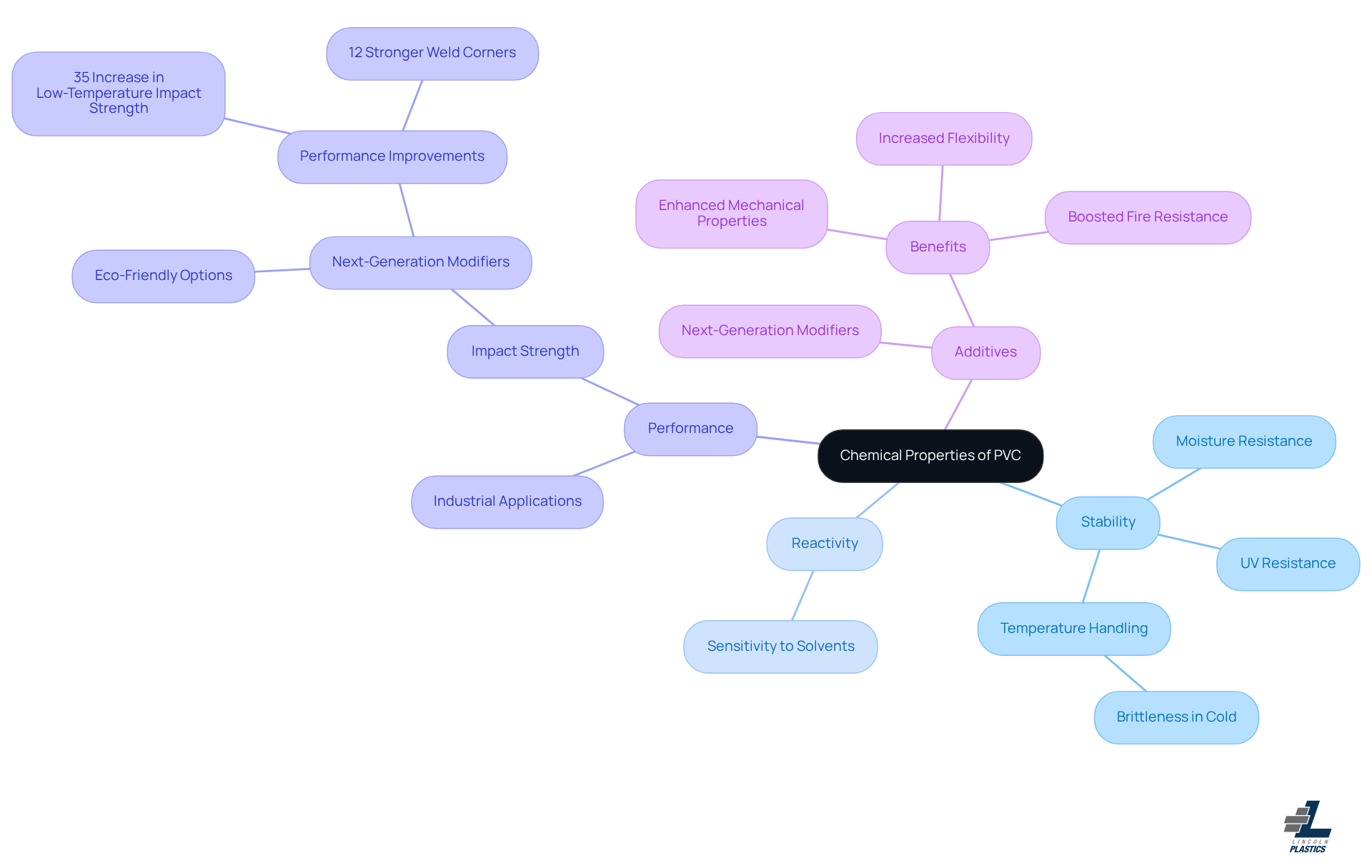
PVC is pretty impressive when it comes to stability. It stands strong against environmental factors like moisture and UV radiation, which means it doesn’t degrade easily. The properties enable it to handle a wide range of temperatures, though it might become a bit brittle in extremely cold conditions. Plus, it’s resistant to many acids, alkalis, and salts, making it a go-to choice for various applications.
But here’s the catch: PVC can be sensitive to certain organic solvents, so it’s important to handle it carefully in those situations. Now, if you’re wondering how to make PVC even better, that’s where additives come in. These little game-changers can tweak its mechanical properties, boost performance, and increase flexibility, opening up a world of possibilities for its use.
Speaking of advancements, have you heard about the latest in additive technology? New formulations are making waves! These are chlorine-free and heavy-metal-free, meeting REACH and RoHS standards. For example, a study in Central Asia reported a whopping 35% increase in low-temperature impact strength after switching to these modern modifiers. Not to mention, they saw a significant drop in customer complaints!
Now, while PVC is generally tough, it’s good to remember that certain organic solvents can still affect its performance, leading to swelling or deterioration. Proper handling is key for manufacturers looking to improve durability and ensure their products last. Overall, the ongoing development in PVC technology, driven by better additives and a deeper understanding of the material, truly highlights PVC as a versatile material that meets the demands of today’s applications.
Applications of PVC: Leveraging Chemical Properties in Industry
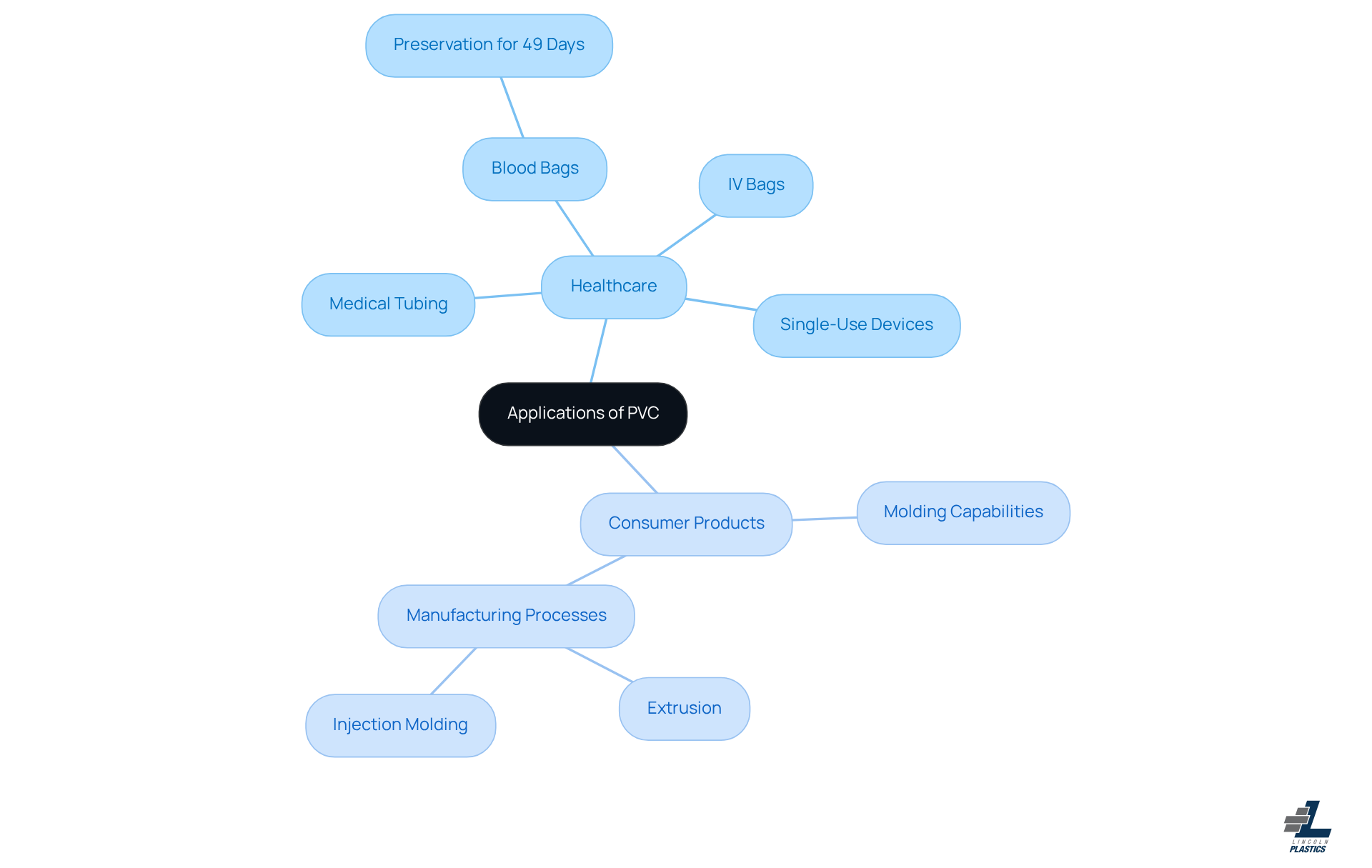
PVC is a key player in the healthcare world. You might not realize it, but it’s used in everything from medical devices to IV bags. Why? Because it’s biocompatible and stable, making it a go-to material. Looking ahead to 2025, demand for PVC is expected to grow, thanks to the rising popularity of medical supplies and pharmaceutical packaging. Did you know that about a quarter of all medical devices are made with PVC? That really highlights its importance in the field.
Take blood bags, for example. They can keep blood safe for up to 49 days, which is crucial for transfusion services. In the U.S., over 14 million units of blood are transfused each year! Plus, PVC’s durability and flame retardancy make it perfect for electrical insulation, ensuring safety and reliability in wiring and cable sheathing.
Now, let’s talk about some recent innovations. Manufacturers have developed new plasticizers that boost performance while addressing regulatory concerns. This means they can keep all the great benefits of PVC without compromising safety. As Timothy Greene puts it, "PVC continues to evolve."
But it doesn’t stop there! PVC is also super versatile in consumer products. From toys to packaging. And with its adaptability to different manufacturing processes like extrusion, it’s no wonder PVC is a preferred material across so many sectors. So, next time you come across PVC, remember just how essential it is in our everyday lives!
Environmental and Health Considerations: The Impact of PVC's Chemical Properties
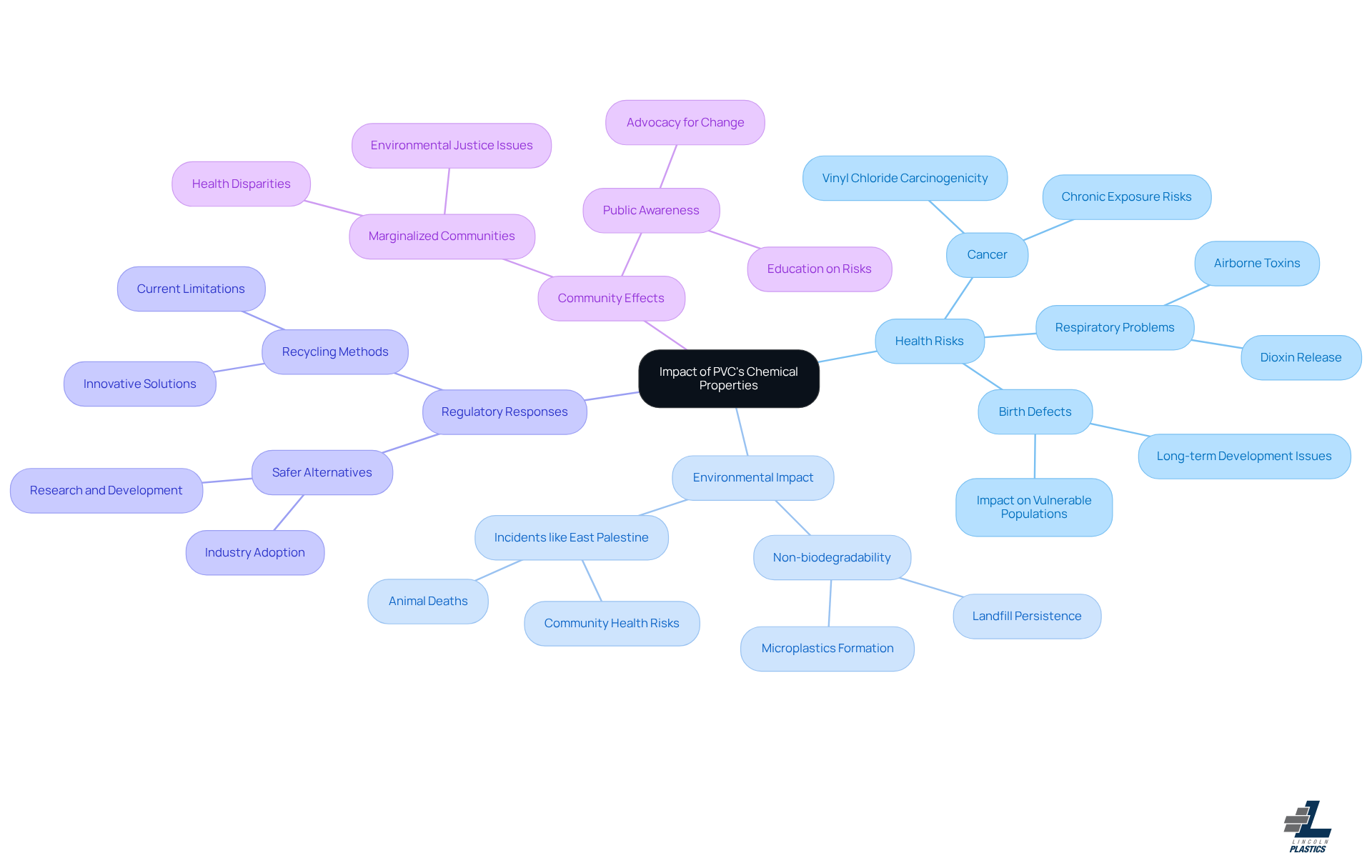
PVC is everywhere, right? It’s super versatile, but it also brings some serious environmental and health challenges along for the ride. The manufacturing process? Not so great. It releases harmful substances like dioxins and phthalates, which are linked to some pretty scary health issues. And let’s not forget about vinyl chloride, a key ingredient in PVC. Chronic exposure to this stuff is classified as a human carcinogen, which is alarming, especially for vulnerable populations. You know, like those living near production facilities, often in low-income communities. Dr. Val Z. Schüll, the Water Equity & Ocean Program Director, points out that this exposure not only raises cancer risks but can also lead to birth defects. It’s a cycle of pollution that hits marginalized communities the hardest.
Now, let’s talk about waste. PVC waste is a significant concern. When it breaks down, it turns into microplastics, and that’s a whole new set of problems for wildlife and human health. Just look at the East Palestine train derailment in February 2023. It resulted in the death of nearly 45,000 animals! Incidents like this really shine a light on the dangers tied to PVC transportation and production, sparking calls for stricter regulations.
In light of all this, activists are advocating for change. They’re pushing for safer alternatives and better recycling methods. The European Chemicals Agency even published a report in November 2023, labeling PVC as a hazardous material. They’re calling for comprehensive regulatory action because, let’s face it, the current controls just aren’t cutting it. As the industry feels the heat to tackle these sustainability challenges, it’s crucial for both manufacturers and consumers to understand the health risks associated with the material. This knowledge can guide us all toward more sustainable choices.
Conclusion
When we think about Polyvinyl Chloride (PVC), it’s hard not to notice its unique properties and how it fits into so many industries. This synthetic polymer, made up of about 57% chlorine, is known for its durability and resistance to environmental factors. That’s why it’s a go-to material in construction, healthcare, and even consumer products. But let’s not forget the environmental and health concerns that come with its production and disposal. It’s important to look at both the benefits and the challenges.
As we dive deeper, some key points about PVC stand out:
- Its stability and adaptability are impressive, especially in construction, where it has a long lifespan.
- There are exciting innovations in biocompatible formulations for healthcare applications.
- However, we can’t ignore the hazardous byproducts from its production and the long-term environmental impact of PVC waste.
These are serious issues that need our attention, both from industry leaders and consumers alike.
So, what can we do about it? It’s crucial to push for sustainable practices in the PVC industry. By focusing on safer alternatives and ramping up recycling efforts, we can help reduce the negative effects tied to PVC’s chemical properties. Taking on this responsibility not only supports environmental stewardship but also ensures that we can enjoy the benefits of PVC without putting public health or our planet at risk. Moving toward a more sustainable future in PVC production isn’t just a nice idea; it’s essential for the well-being of our communities and the Earth.
Frequently Asked Questions
What is Polyvinyl Chloride (PVC)?
Polyvinyl Chloride, or PVC, is a synthetic polymer made through the polymerization of vinyl chloride monomer (VCM). It has the chemical formula (C2H3Cl)n, where 'n' indicates the number of repeating units.
What are the key chemical properties of PVC?
PVC consists of about 57% chlorine, which gives it attributes such as durability and versatility. However, its high chlorine content raises environmental concerns due to potentially hazardous byproducts during production.
How long can PVC last in construction applications?
PVC is highly resistant to corrosion and degradation, allowing it to last over 100 years, making it ideal for applications like water distribution and drainage systems.
What is the growth projection for the PVC market?
The global PVC market is projected to reach around $963.2 billion by 2031, indicating its importance in sustainable product development across various industries.
How is PVC used in the healthcare industry?
In healthcare, PVC is utilized in medical devices and packaging due to its biocompatible formulations, which enhance safety and performance.
What advancements are being made with PVC formulations?
There have been developments in PVC formulations that include bio-based plasticizers, providing new possibilities for its applications.
Why is PVC considered important in modern manufacturing?
The chemical properties of PVC, along with its ability to be modified with additives, make it a crucial material in modern manufacturing, focusing on improving performance and sustainability.
How has the COVID-19 pandemic affected PVC demand?
The pandemic has highlighted the need for flexibility in production and supply chains, which has increased the demand for PVC in various applications.
List of Sources
- Defining Polyvinyl Chloride (PVC): Composition and Importance
- fortunebusinessinsights.com (https://fortunebusinessinsights.com/polyvinyl-chloride-pvc-market-109398)
- Understanding PVC Pipe Manufacturing: Importance and Process Explained (https://lincoln-plastics.com/news-post/understanding-pvc-pipe-manufacturing-importance-and-process-explained)
- Scientists develop novel method for strengthening PVC products (https://news.osu.edu/scientists-develop-novel-method-for-strengthening-pvc-products)
- argusmedia.com (https://argusmedia.com/en/news-and-insights/latest-market-news/2729109-us-pvc-exports-to-india-may-rise-on-lower-duties)
- anhaochemical.com (https://anhaochemical.com/blog/versatility-of-pvc-resin-innovations-and-applications)
- Exploring the Chemical Properties of PVC: Stability, Reactivity, and Performance
- upupstars.com (https://upupstars.com/news/the-end-of-pvc-production-risks-breakthroughs-85281770.html)
- Scientists develop novel method for strengthening PVC products (https://news.osu.edu/scientists-develop-novel-method-for-strengthening-pvc-products)
- argusmedia.com (https://argusmedia.com/en/news-and-insights/latest-market-news/2748322-westlake-sees-rebounding-pvc-demand-in-2026)
- azom.com (https://azom.com/news.aspx?newsID=65058)
- nbinno.com (https://nbinno.com/article/plastic-materials/innovations-pvc-resin-enhancing-performance-future-applications-kb)
- Applications of PVC: Leveraging Chemical Properties in Industry
- pvc.org (https://pvc.org/applications/healthcare)
- vinylinfo.org (https://vinylinfo.org/news/pvc-applications-are-critical-to-achieving-the-united-nations-sdgs)
- Applications of PVC: Versatile Utility Across Modern Industries (https://chemanalyst.com/NewsAndDeals/NewsDetails/applications-of-pvc-versatile-utility-across-modern-industries-37716)
- openpr.com (https://openpr.com/news/4309230/medical-pvc-plastic-market-accelerates-with-expanding-demand)
- Environmental and Health Considerations: The Impact of PVC's Chemical Properties
- plasticpollutioncoalition.org (https://plasticpollutioncoalition.org/resource-library/toxic-free-future-investigates-pvc-production)
- New Website Highlights Public Health & Environmental Risks of PVC - GreenLatinos (https://greenlatinos.org/new-website-highlights-public-health-environmental-risks-of-pvc)
- clientearth.org (https://clientearth.org/latest/news/what-is-pvc-and-why-we-need-to-ban-it)
- ehn.org (https://ehn.org/expansion-of-pvc-industry-continues-despite-environmental-concerns-after-ohio-disaster)
- PVC — News Stories About Plastic Pollution — Beyond Plastics - Working To End Single-Use Plastic Pollution (https://beyondplastics.org/news-stories/tag/PVC)
Related posts

Custom Colors & Branding in Extrusion
Lincoln Plastics delivers Pantone-matched colors, striping, and finishes in extrusion for OEMs — combining performance with branding.


How We Solve Problems When Standard Parts Don’t Work
Lincoln Plastics solves challenges OEMs face when standard parts don’t work — delivering custom extrusions that improve fit, cost, and reliability.
Cable & Cord Protection in High-Traffic Environments
Lincoln Plastics manufactures durable cord covers and management solutions to keep high-traffic environments safe, organized, and compliant.
