
Understanding PVC: Key Applications for OEM Purchasing Managers
Introduction
Understanding the materials that shape modern manufacturing is super important for OEM purchasing managers, and few substances are as key as Polyvinyl Chloride (PVC). It’s known for its amazing versatility and durability, playing a vital role in various industries, from construction to medical applications. But as its use grows, so do the complexities around its safety and environmental impact.
So, how can OEMs enjoy the benefits of PVC while tackling the pressing concerns of sustainability and health risks? Let's dive in!
Define Polyvinyl Chloride (PVC) and Its Properties
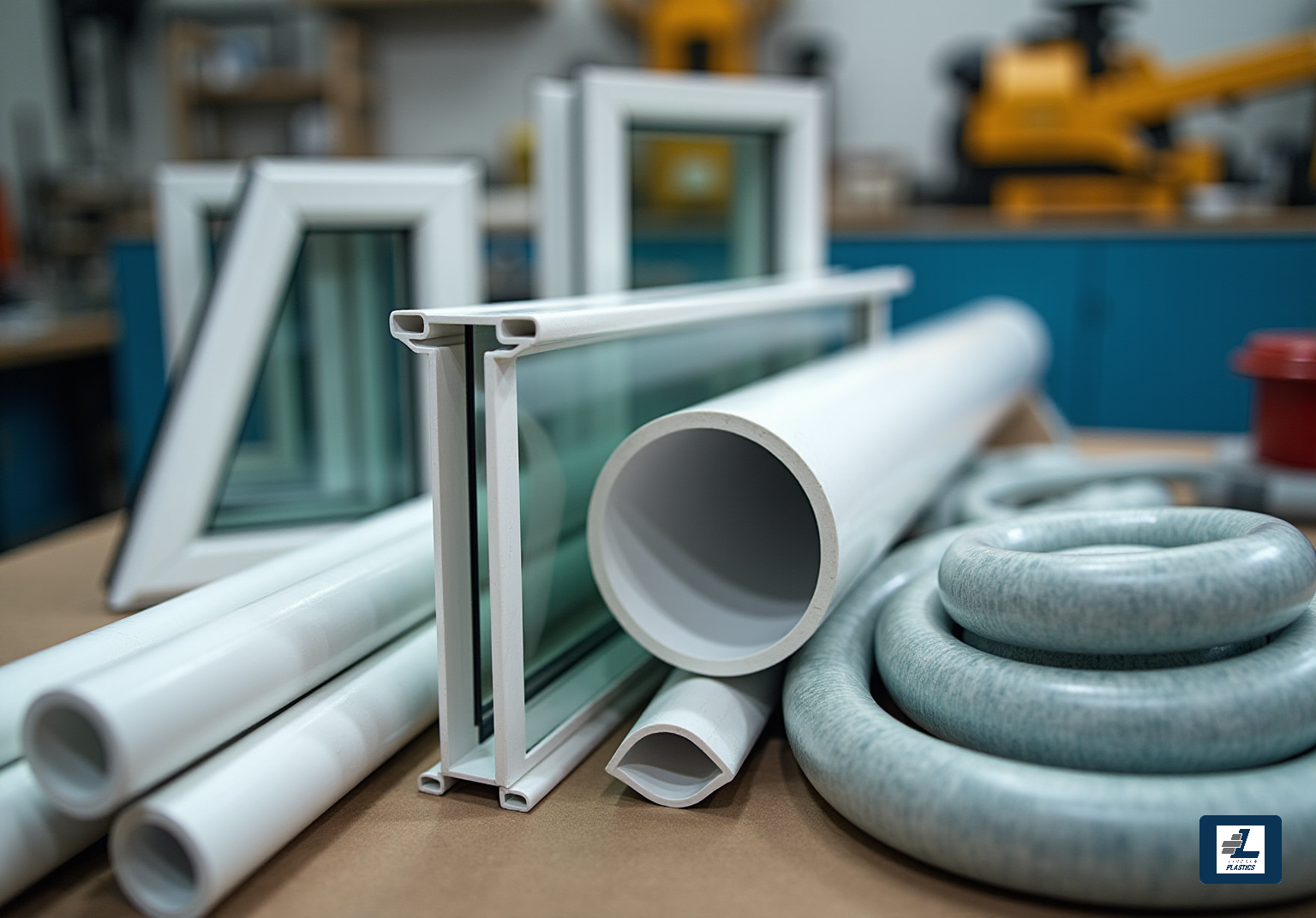
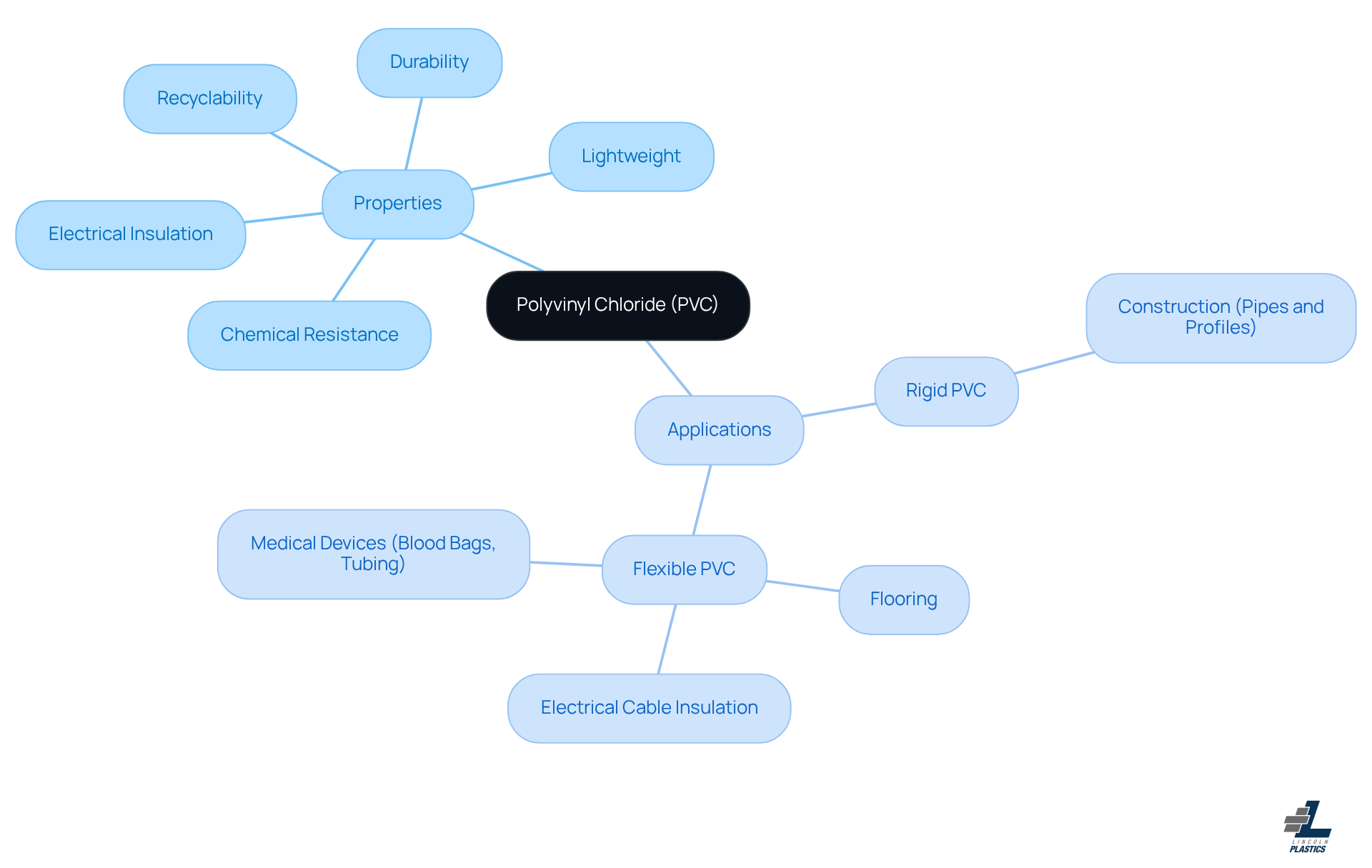
Hey there! Have you ever wondered about the materials that make our world work? Let’s dive into the topic, which stands for Polyvinyl Chloride. This material, widely recognized for its versatility, is derived from the polymerization of vinyl chloride monomers and is one of the most commonly used plastics out there. Why? It’s durable, affordable, and super versatile! PVC comes in two main forms: rigid and flexible. Rigid PVC is perfect for construction—think pipes and profiles—while flexible PVC is widely used in various applications, including electrical cable insulation and flooring.
Now, what makes PVC so special? Here are a few key properties:
- Durability: PVC is tough! It resists wear and tear, making it a go-to for outdoor and industrial projects. This durability is crucial in construction, where materials need to stand up to the elements.
- Lightweight: Thanks to its low density, PVC is easy to handle. This saves time and cuts down on labor costs, which is always a win!
- Chemical Resistance: PVC is highly resistant to chemicals, making it essential for plumbing and chemical processing. You can count on it to keep systems running smoothly.
- Electrical Insulation: As a fantastic insulator, PVC is widely used in power-related fields, enhancing safety by protecting against hazards.
- Recyclability: Did you know PVC can be recycled? Recent studies show that flexible medical PVC can be recycled without losing quality. This is super important as industries work to reduce waste and embrace sustainable practices.
In construction, the applications of PVC are essential in creating robust piping systems and profiles that enhance the structural integrity of buildings. In the electrical industry, the properties of PVC, especially its insulating properties, ensure that electrical systems operate safely and efficiently. The exploration of PVC continues to grow, highlighting its significance across various sectors. So, next time you encounter PVC, remember its role as a reliable material in modern manufacturing processes. Isn’t that cool?
Explore Key Properties of PVC Relevant to Applications
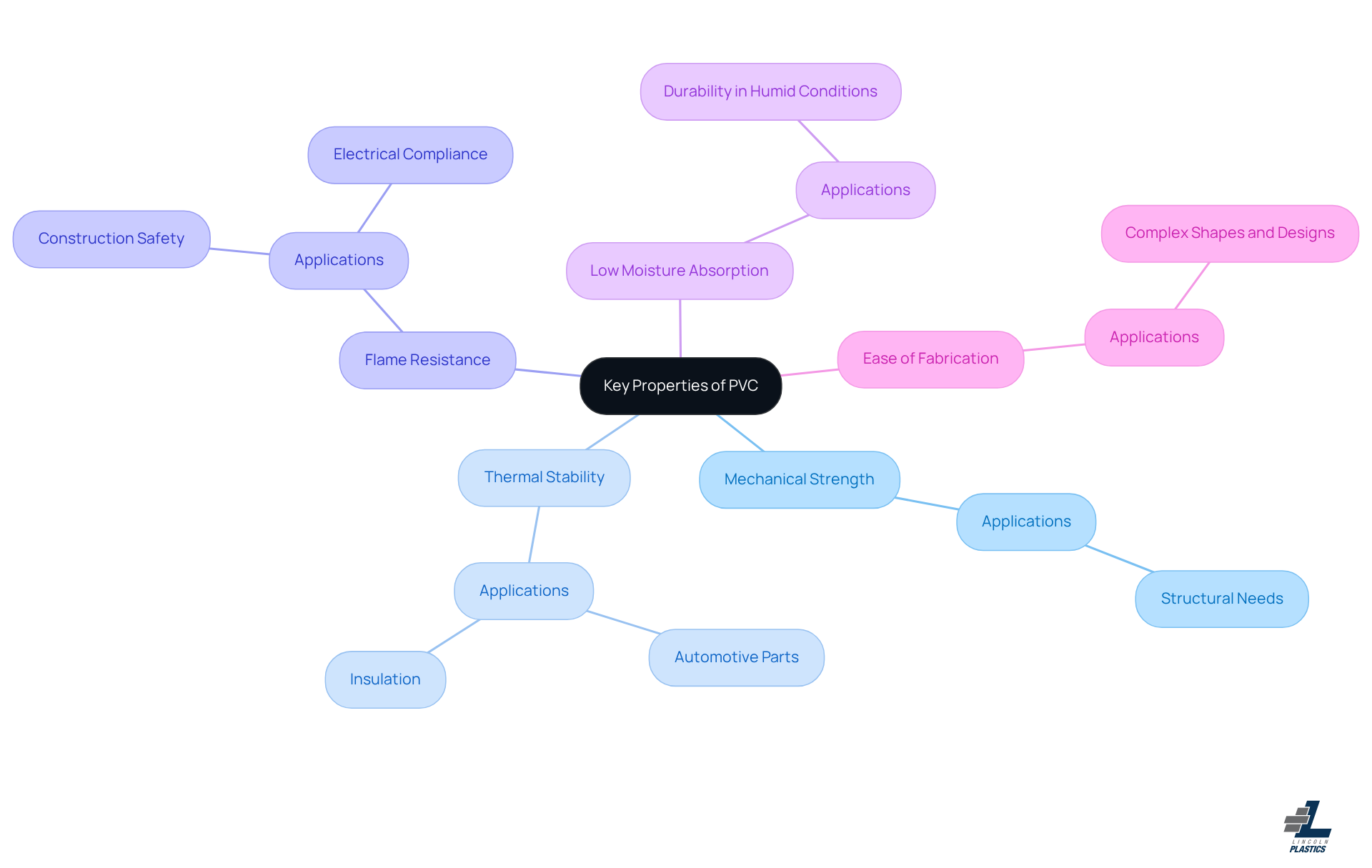
Let’s dive into what makes PVC such a popular choice for many applications! First off, we have its high tensile strength. The materials are recognized for their high tensile strength and rigidity, making them perfect for structural needs. Pretty impressive, right?
Now, let’s talk about temperature stability. PVC holds up well across a wide temperature range, with a melting point hovering around 75-105 °C (167-221 °F). This stability is crucial for items that face varying temperatures—think automotive parts and insulation.
Another cool feature is its flame-retardant properties. Due to its natural flame-retardant properties, PVC is a popular choice for many applications in the construction and electrical industries. Materials scientists really highlight how this property is vital for safety and compliance in various industries.
Then there’s moisture resistance. This means PVC doesn’t swell or degrade in humid conditions, which really boosts its durability.
And let’s not forget about ease of fabrication. PVC is super easy to cut, weld, and mold, which opens the door for all sorts of possibilities in manufacturing.
So, how do these properties play out in real life? Well, additives like heat and UV stabilizers really step up the game. They enhance durability and prevent degradation from sunlight. If you’ve ever wondered why outdoor PVC products last longer, it’s largely thanks to those UV stabilizers. They help maintain performance and extend the service life by fending off the effects of sunlight. Plus, these stabilizers do wonders in prolonging the lifespan of PVC products by tackling degradation from heat, light, and chemicals. It’s clear that these additives are key players in enhancing PVC performance!
Examine the Diverse Applications of PVC in Various Industries
PVC is a pretty versatile material that you’ll find in all sorts of industries, and it's easy to see why! Let’s dive into some of its applications:
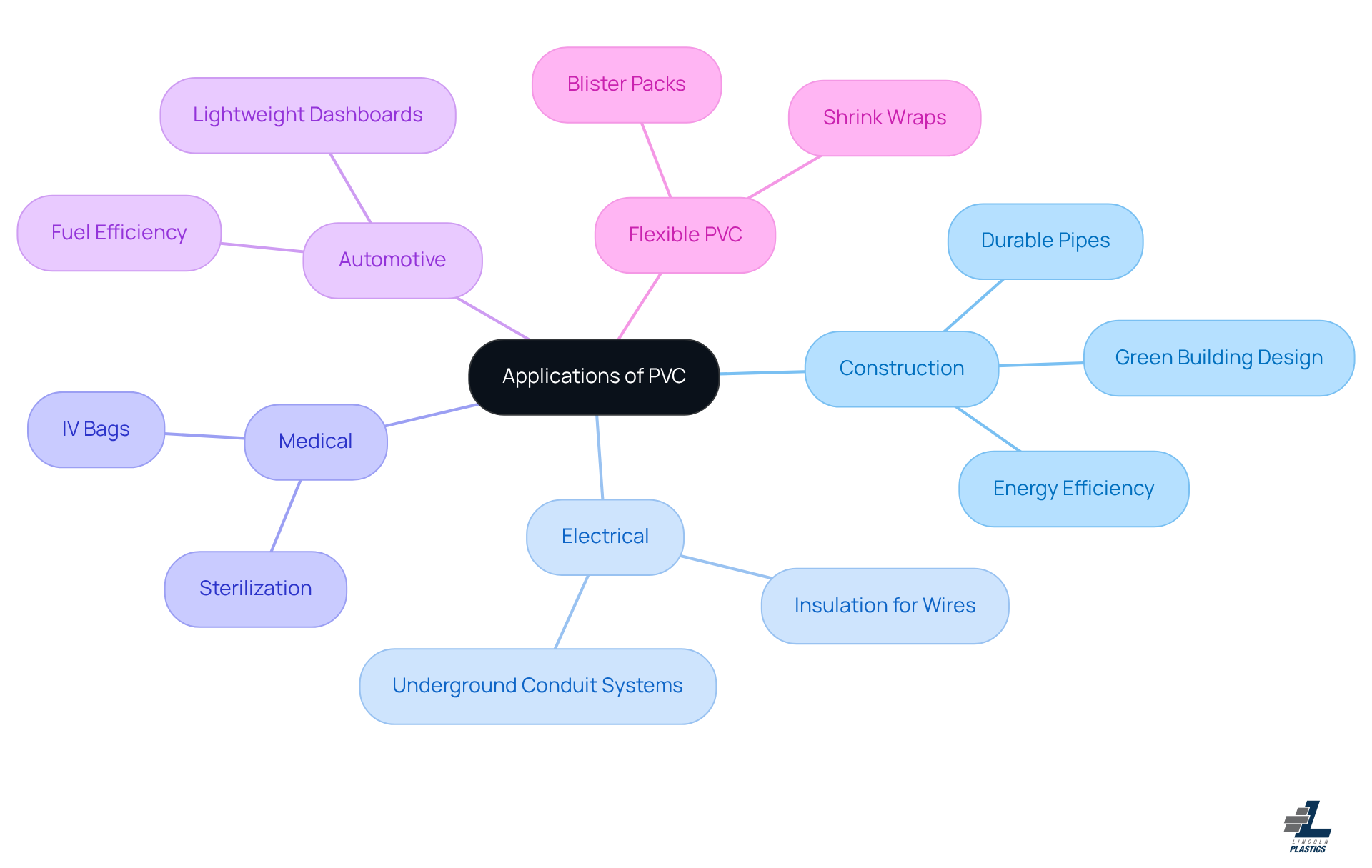
- Construction: You’ll often see PVC being put to work for pipes, window frames, roofing materials, and flooring. It’s durable, making it a go-to choice. Did you know PVC can last over 100 years? That’s a game changer for maintenance costs and even helps cut down on greenhouse gas emissions over time. Industry data backs this up, showing that PVC can have useful lives that exceed a century!
- Electrical: Now, let’s talk about the electrical applications. PVC is a fantastic insulator for wires and cables, ensuring everything stays safe and reliable. Its non-conductive nature makes it perfect for underground conduit systems, keeping installations secure and power flowing smoothly. This is super important for protecting electrical systems!
- Medical: The medical field really counts on the material for products like IV bags, tubing, and blood bags. Its biocompatibility and easy sterilization are key to maintaining safety and hygiene in medical settings.
- Automotive: In the automotive sector, the applications include dashboards, door panels, and seat covers. Its versatility not only boosts vehicle safety and aesthetics but also helps improve fuel efficiency by reducing the overall weight. Plus, lighter vehicles mean lower transportation emissions, making PVC a friendlier choice for the environment.
- Packaging: PVC is frequently used in the packaging industry, including blister packs and shrink wraps. Its clarity and strength make it a smart choice for protecting products while keeping them visible to consumers.
The growing applications in these areas truly highlight its importance. The material's share in electrical insulation applications is on the rise, thanks to its reliability and performance. And as industry experts note, the versatility and durability of PVC-C pipes are changing the game in construction, especially in green building design. So, what do you think? Isn’t PVC fascinating?
Assess Safety and Environmental Considerations of PVC Usage
While PVC has its perks, we really need to chat about the risks that come along with it.
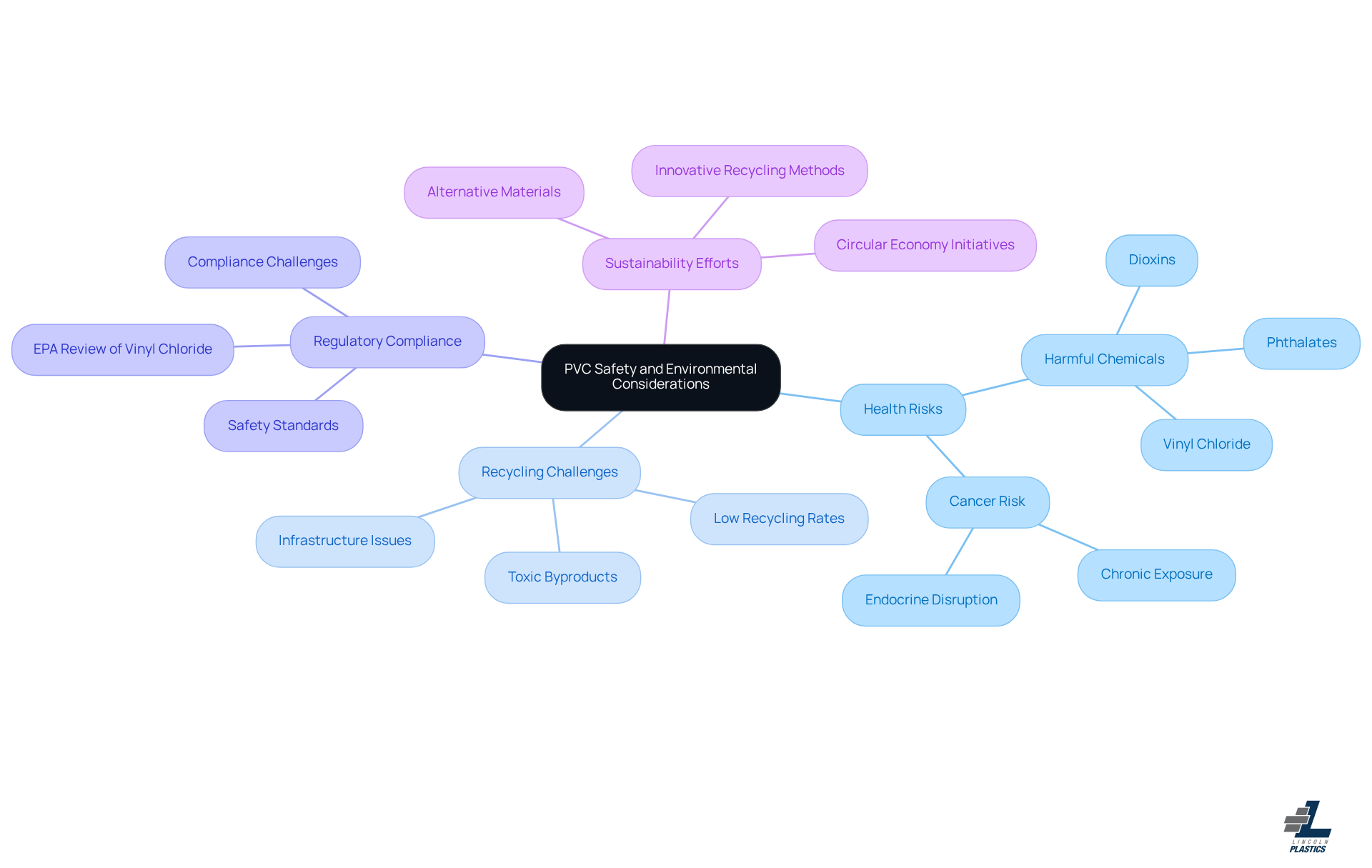
Did you know that making and disposing of PVC can release harmful chemicals? We're talking about dioxins and phthalates, which are linked to serious health issues. Chronic exposure to vinyl chloride, a key ingredient in PVC, can significantly up your cancer risk, and health experts are rightly worried. The U.S. Environmental Protection Agency even labels vinyl chloride as a human carcinogen, highlighting just how urgent these concerns are.
Recycling Challenges: Now, you might think PVC is recyclable, but the truth is, the process is pretty tricky because of its chlorine content. When burned, PVC can let off toxic fumes, making recycling efforts much more complicated. Unfortunately, many manufacturers find it tough to reclaim this material without releasing harmful byproducts. Reports show that the lack of infrastructure and technology to safely process PVC is a big hurdle, leading to increased environmental risks.
For OEMs, compliance and regulations can be a real challenge, especially in sensitive areas like medical and food packaging. The U.S. Environmental Protection Agency is currently prioritizing the review of vinyl chloride under the Control Act. This is a big deal, as it emphasizes the need for strict compliance measures, especially since vinyl chloride is recognized as a human carcinogen. Regulatory oversight is crucial for protecting public health.
So, what’s being done about the environmental impact of PVC? Many manufacturers are on the hunt for sustainable alternatives. These efforts aim to promote a circular economy, helping to reduce our reliance on PVC and lessen its ecological footprint. There have been successful phase-outs of PVC in various applications, demonstrating that safer alternatives exist. The push for sustainable practices is gaining momentum, especially as more people recognize PVC as one of the most environmentally damaging plastics. This is prompting calls for its phase-out in favor of safer options.
Conclusion
Polyvinyl Chloride (PVC) is a key player in many industries, thanks to its unique properties and versatile applications. For OEM purchasing managers, understanding PVC's significance is vital in finding reliable and cost-effective solutions. This synthetic polymer is known for being durable, lightweight, and chemically resistant, making it essential in construction, electrical, medical, and automotive sectors. It's clear that PVC has a broad utility in modern manufacturing.
Now, let’s dive into some key insights! We explored PVC's mechanical strength, thermal stability, and ease of fabrication, which highlight why it’s often the go-to choice for various applications. But it’s not just about the benefits; we also discussed safety and environmental considerations. It’s important to be aware of the potential health risks and recycling challenges that come with PVC. As industries aim for sustainability, finding safer alternatives and improving recycling methods is becoming increasingly important.
So, what does this mean for you? While PVC offers many advantages, it’s crucial for purchasing managers to stay informed about its implications. By embracing innovative solutions and proactively addressing environmental concerns, businesses can help pave the way for a more sustainable future. The journey toward responsible PVC usage isn’t just a necessity; it’s an opportunity for growth and positive change in the industry. Let’s take this journey together!
Frequently Asked Questions
What is Polyvinyl Chloride (PVC)?
Polyvinyl Chloride (PVC) is a synthetic polymer derived from the polymerization of vinyl chloride monomers and is one of the most commonly used plastics.
What are the two main forms of PVC?
The two main forms of PVC are rigid PVC, which is used in construction applications like pipes and profiles, and flexible PVC, which is used for applications such as electrical cable insulation and flooring.
What are the key properties of PVC?
Key properties of PVC include durability, lightweight nature, chemical resistance, excellent electrical insulation, and recyclability.
Why is the durability of PVC important?
PVC's durability is important because it resists weathering, chemicals, and abrasion, making it ideal for outdoor and industrial projects, particularly in construction where materials must withstand the elements.
How does the lightweight nature of PVC benefit its use?
The lightweight nature of PVC makes it easy to handle and install, which saves time and reduces labor costs.
In what applications is PVC's chemical resistance particularly valuable?
PVC's chemical resistance is particularly valuable in plumbing and chemical processing applications, as it can handle a wide range of chemicals, ensuring systems run smoothly.
How does PVC contribute to electrical safety?
PVC is a fantastic electrical insulator, which enhances safety in power-related fields by protecting against electrical hazards.
Can PVC be recycled, and if so, how many times?
Yes, PVC can be recycled. Recent studies indicate that flexible medical PVC can be mechanically recycled up to six times without losing quality.
What are some applications of PVC in construction?
In construction, PVC is used to create robust piping systems and profiles that enhance the structural integrity of buildings.
How is PVC significant in the electrical industry?
In the electrical industry, PVC's insulating properties ensure that electrical systems operate safely and efficiently.
List of Sources
- Define Polyvinyl Chloride (PVC) and Its Properties
- Polyvinyl Chloride (PVC) Market in APAC to Grow by USD 9.63 Billion from 2024-2028, Driven by Rising Demand from Construction and AI-Redefined Market Landscape - Technavio (https://prnewswire.com/news-releases/polyvinyl-chloride-pvc-market-in-apac-to-grow-by-usd-9-63-billion-from-2024-2028--driven-by-rising-demand-from-construction-and-ai-redefined-market-landscape---technavio-302296615.html)
- US housing starts and permits down, PVC oversupplied | Latest Market News (https://argusmedia.com/en/news-and-insights/latest-market-news/2733016-us-housing-starts-and-permits-down-pvc-oversupplied)
- vinylplus.eu (https://vinylplus.eu/news/groundbreaking-recycling-study-and-new-platform-sustainable-healthcare)
- plasticsnews.com (https://plasticsnews.com/topic/pvc)
- compositesworld.com (https://compositesworld.com/news/ineos-to-close-two-chlorvinyl-specialty-pvc-plants-in-germany)
- Explore Key Properties of PVC Relevant to Applications
- abiprofils.co.uk (https://abiprofils.co.uk/pvc-as-a-technical-material-properties-advantages-and-industrial-applications)
- blog.lgchem.com (https://blog.lgchem.com/en/2025/05/30_ultra-high-molecular-weight-pvc)
- teknorapex.com (https://teknorapex.com/en-us/news/new-nsf-61-compliant-rigid-vinyl-compounds-provide-heat-stability-in-potable-water-beverage-and-irrigation-systems)
- polypvc.com (https://polypvc.com/news/PVC-stabilizers.html)
- phys.org (https://phys.org/news/2024-10-scientists-method-pvc-products.html)
- Examine the Diverse Applications of PVC in Various Industries
- wisconsindailyjournal.com (https://wisconsindailyjournal.com/article/856512013-the-shift-toward-durability-why-more-commercial-roofers-are-adopting-duro-last-pvc-roofing-systems)
- poolmagazine.com (https://poolmagazine.com/pool-equipment/how-reinforced-pvc-membranes-are-redefining-icf-pool-construction)
- grmpipe.com (https://grmpipe.com/blog/beyond-pipe-pvc-c-in-construction)
- Highlighting the Advantages of PVC Products in Building and Construction - Vinyl (https://vinylinfo.org/news/highlighting-the-advantages-of-pvc-products-in-building-and-construction)
- Assess Safety and Environmental Considerations of PVC Usage
- clientearth.org (https://clientearth.org/latest/news/what-is-pvc-and-why-we-need-to-ban-it)
- greenlatinos.org (https://greenlatinos.org/new-website-highlights-public-health-environmental-risks-of-pvc)
- ehn.org (https://ehn.org/is-vinyl-chloride-dangerous)
- europe.noharm.org (https://europe.noharm.org/news/why-pvc-remains-problematic-material)
Related posts

Discover the benefits and limitations of plastic profiles compared to traditional materials for OEMs.


Master plastic extrusion die design with best practices for optimal quality and efficiency.
Discover the top 10 benefits of plastic u channel push-on trim for OEMs and enhance your projects.
