

Understanding Propiedades del Plastico and Their Manufacturing Impact
Introduction
Understanding the properties of plastics is super important, especially as we lean more on synthetic materials in our daily lives. Think about it: these properties - like mechanical strength and thermal stability - play a huge role in how plastics are made and used in different industries. But with all the rapid advancements in polymer technology and the push for sustainable solutions, you might be wondering: how can manufacturers keep up and make smart choices about the materials they pick?
Let’s dive into the essential characteristics of plastics and see how they impact manufacturing processes. We’ll uncover the challenges and opportunities that lie ahead, making it easier for you to navigate this ever-evolving landscape.
Define Plastic Properties: Understanding the Basics
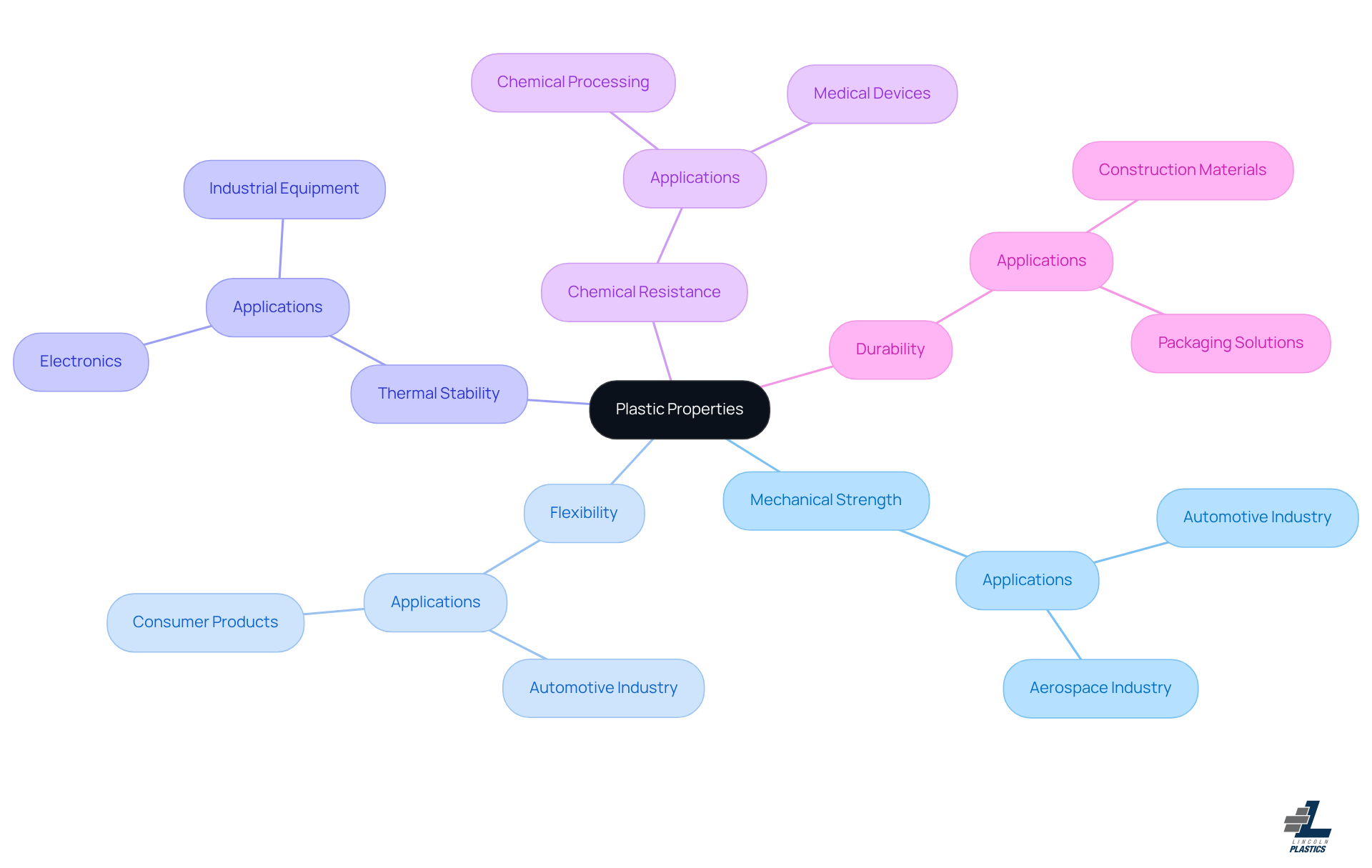
When we think about polymers, it’s all about the traits that make these materials tick. You know, things like strength, flexibility, chemical resistance, and durability. Understanding these characteristics is super important for producers because they really influence how plastics are processed and used across different industries. For example, tensile strength tells us how well a material can handle pulling forces, while thermal stability shows how it holds up at high temperatures. These basics are key when picking the right material for specific manufacturing needs.
Now, let’s talk about real-world applications. Plastics are huge players here. Take the automotive industry, for instance. They’re using more and more advanced polymers to boost fuel efficiency without losing strength. And in electronics? Plastics are the go-to for their awesome insulation properties, making sure everything runs smoothly even in tough conditions.
Statistics show that the plastic market is set to grow significantly, which means there’s a rising demand for advanced materials with better characteristics. Plus, materials scientists are pointing out that the strength and flexibility of these materials are vital for crafting innovative products. As the industry evolves, staying updated on these traits will be essential for manufacturers looking to improve their processes and products.
Explore the Role of Plastic Properties in Manufacturing Processes
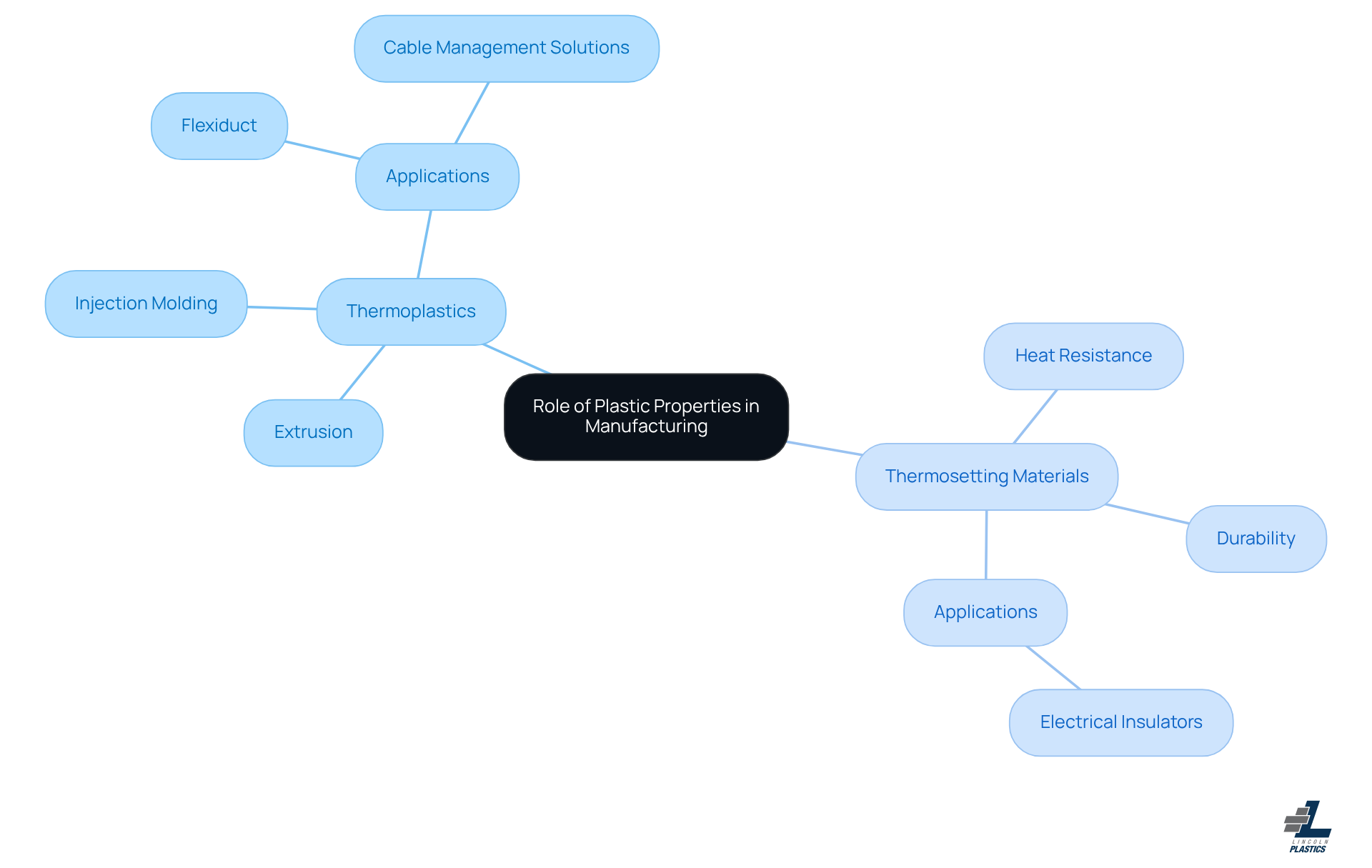
Have you ever thought about how the materials we use can really shape the way we manufacture products? For companies like Lincoln Plastics, which specializes in plastic products and solutions, understanding the properties of plastic is key. Take thermoplastics, for instance. These materials can be melted and reshaped, making them perfect for manufacturing processes like injection molding and extrusion. Their flexibility allows for intricate designs, which is why they’re a go-to choice for innovative solutions like Lincoln Plastics' custom products. Not only do these solutions help keep cords and cables organized, but they also boost efficiency and productivity.
Now, let’s talk about thermosetting plastics. Unlike thermoplastics, these materials solidify permanently after being formed. They’re ideal for applications that need to withstand high durability and heat, like electrical insulators. By understanding the propiedades del plástico, manufacturers can fine-tune their processes, cut down on waste, and enhance product quality. This is especially important when it comes to safety and compliance. So, next time you think about manufacturing, remember how crucial these materials are in creating effective and safe solutions!
Trace the Evolution of Plastic Materials and Their Properties
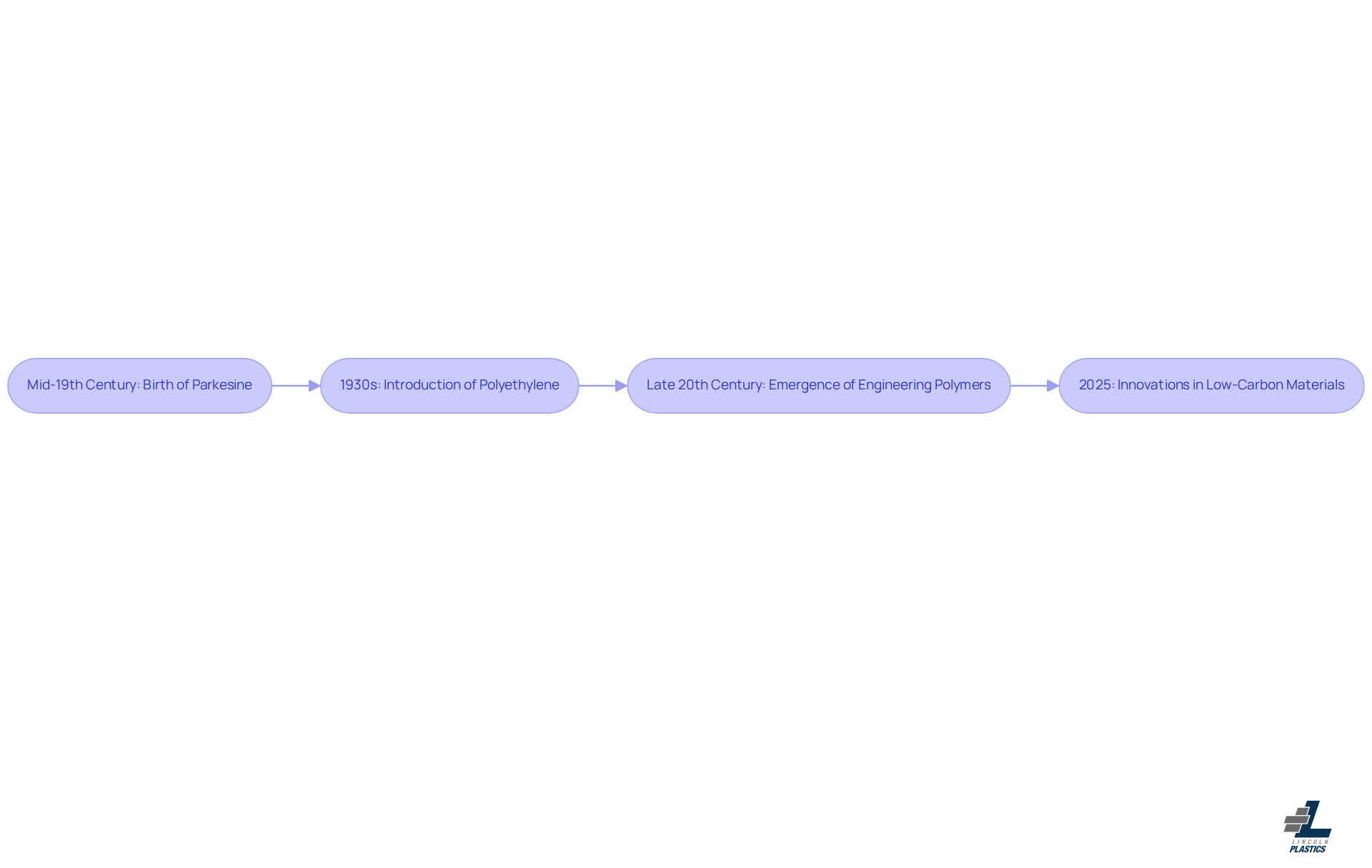
Did you know that the journey of plastic began way back in the mid-19th century? That’s when parkesine was created, marking the birth of the first man-made polymer. This was just the start of an exciting adventure in material science, leading to all sorts of innovations.
Fast forward to the 1930s, and we see the introduction of polyethylene. This was a game changer, thanks to its lightweight and durable nature. As the years rolled on, new plastics made their debut in the late 20th century, bringing us materials that could withstand extreme conditions. This opened up a world of possibilities in crucial industries like aerospace and automotive.
Now, let’s talk about what’s happening today. In 2025, we’re seeing some amazing innovations focused on biodegradable plastics and recycling technologies. It’s clear that the industry is committed to sustainability. This historical journey not only highlights the evolution of materials but also underscores their importance. They’re shaping the landscape across various sectors, and that’s pretty exciting!
Identify Key Characteristics of Common Plastic Types
When it comes to plastics, you might be wondering which types are best for your needs. Let’s break down some common ones: polyethylene, polypropylene, PVC, and polystyrene. Each of these has its own unique traits that make them suitable for different uses across various sectors.
Take polyethylene, for example. It’s known for its flexibility and excellent chemical resistance, which is why it’s a go-to for packaging solutions. In fact, by 2025, we expect the global demand for PE to stay strong, with a market growth rate of about 4.0% CAGR projected between 2025 and 2035. This growth is largely driven by its widespread use in consumer goods.
Now, let’s talk about polypropylene. This one stands out because of its strength and lightweight nature, making it perfect for automotive parts and durable consumer products. Plus, recent advancements in PP processing technologies have really boosted its performance, leading to a projected annual market growth rate of 4.0% through 2035.
Then there’s PVC, which is highly valued for its durability and versatility. You’ll often find it in applications like pipes and siding. With the construction sector increasingly focusing on sustainability, PVC’s market presence is expected to grow, especially as innovations in recycling processes make it even more appealing.
Polystyrene, on the other hand, is lightweight and cost-effective. It’s commonly used in disposable products and packaging. Even though it faces some environmental challenges, it still plays a significant role in food service and consumer products. By 2025, the PS market is likely to adapt to new regulations, with a push towards developing more sustainable alternatives.
Industry experts emphasize the importance of selecting the right material for specific applications. A leading materials scientist once said, "the choice of polymer can significantly impact product performance and lifecycle sustainability." By understanding the properties and current trends of these materials, manufacturers can make informed decisions that enhance performance and cost-effectiveness in their product development. So, what do you think? Are you ready to dive deeper into the world of plastics?

Conclusion
Understanding plastics can feel a bit overwhelming, right? But for manufacturers, getting a grip on their properties is key to boosting efficiency and sparking innovation. Think about it: traits like mechanical strength, flexibility, and thermal stability play a huge role in choosing the right synthetic materials for different industries. When producers really understand these characteristics, they can make smarter choices that enhance product design and performance.
Now, let’s talk about the different types of plastics. You’ve got thermoplastics and thermosetting materials, each with their own unique applications tailored to industry needs. It’s fascinating to see how plastic materials have evolved from their historical roots to today’s cutting-edge advancements, especially when it comes to sustainability and recyclability. As the demand for high-performance materials keeps climbing, knowing these properties becomes even more crucial for manufacturers.
Ultimately, diving into the world of plastics reminds us just how vital they are in modern manufacturing. Embracing knowledge about plastic properties not only leads to better production practices but also paves the way for safer, more efficient solutions. As industries continue to evolve, staying informed about these materials will empower manufacturers to tackle future challenges and drive progress in their fields. So, let’s keep the conversation going and explore how we can all contribute to this exciting journey!
Frequently Asked Questions
What are the key properties of plastics that are important to understand?
The key properties of plastics include mechanical strength, flexibility, thermal stability, chemical resistance, and durability.
Why is it important for producers to understand plastic properties?
Understanding plastic properties is crucial for producers because these traits influence how synthetic materials are processed and utilized across different industries.
What does tensile strength indicate about a material?
Tensile strength indicates how well a material can handle pulling forces.
How does thermal stability affect the use of plastics?
Thermal stability shows how well a material holds up at high temperatures, which is important for ensuring reliable performance in various applications.
Can you provide examples of how plastic properties are applied in real-world industries?
In the automotive industry, lightweight materials are used to enhance fuel efficiency without sacrificing strength. In electronics, high-performance thermoplastics are favored for their thermal stability, ensuring reliable operation under challenging conditions.
What is the trend in the global polymer nanocomposites market?
The global polymer nanocomposites market is expected to grow significantly, indicating a rising demand for advanced synthetic materials with improved characteristics.
Why are mechanical strength and flexibility vital for materials scientists?
Mechanical strength and flexibility are vital for materials scientists because they are essential for developing innovative solutions to industry challenges as the materials industry evolves.
List of Sources
- Define Plastic Properties: Understanding the Basics
- tpplasticusa.com (https://tpplasticusa.com/plastic-manufacturing-trends-in-2025-what-businesses-need-to-know-tp-plastic-usa-guide)
- news.mit.edu (https://news.mit.edu/2025/ai-helps-chemists-develop-tougher-plastics-0805)
- specialchem.com (https://specialchem.com/plastics/news/k-2025-key-highlights-what-is-driving-the-plastic-industry-today)
- startus-insights.com (https://startus-insights.com/innovators-guide/polymer-industry-trends)
- nrel.gov (https://nrel.gov/news/detail/program/2025/plastics-recycling-with-enzymes-takes-a-leap-forward)
- Explore the Role of Plastic Properties in Manufacturing Processes
- gknaerospace.com (https://gknaerospace.com/news-insights/news/thermoplastics-at-the-forefront-of-composite-technology)
- jeccomposites.com (https://jeccomposites.com/news/spotted-by-jec/the-future-of-aerospace-isplastics?news_type=announcement,business&end_use_application=aerospace)
- Thermosetting Plastics Market Size & Share, Forecast Report 2035 (https://researchnester.com/reports/thermosetting-plastics-market/5892)
- statista.com (https://statista.com/topics/5266/plastics-industry?srsltid=AfmBOoplNeE4JbAesNUMYE7wwL6U_i76LKwQ0fLtri87qA6uMP3wVn3h)
- statista.com (https://statista.com/statistics/1192886/thermoplastics-production-volume-by-type-globally?srsltid=AfmBOootkcp59yaoloGrWGcRZ_ffyY4h3vz1oj1tw5vE-Ffr734FSlln)
- Trace the Evolution of Plastic Materials and Their Properties
- braskem.com.br (https://braskem.com.br/usa/news-detail/braskem-unveils-bio-based-product-innovations-at-k-2025)
- plasticsengineering.org (https://plasticsengineering.org/2025/07/k-2025-preview-game-changing-plastics-technologies-on-the-horizon-009327)
- plasticsindustry.org (https://plasticsindustry.org/newsroom/2025-size-and-impact-report-u-s-plastics-industry-remains-robust-impactful-and-vital)
- stout.com (https://stout.com/en/insights/industry-update/plastics-industry-update-fall-2025)
- Checking your browser - reCAPTCHA (https://pmc.ncbi.nlm.nih.gov/articles/PMC5517107)
- Identify Key Characteristics of Common Plastic Types
- plasticsnews.com (https://plasticsnews.com/news/pvc-ps-prices-slide-september-polypropylene-and-pe-hold-steady)
- futuremarketinsights.com (https://futuremarketinsights.com/reports/plastic-market)
- ptonline.com (https://ptonline.com/articles/november-2025-prices-for-pe-pp-ps-and-pvc-flat-to-down-pet-an-outlier)
- statista.com (https://statista.com/statistics/1479044/share-of-global-demand-for-plastics-by-type?srsltid=AfmBOoqbtLQsVNB1dJX9Ut0z5LttH4wSKXgASX22Sow7ZiyqSNy_jrfn)
- Checking your browser - reCAPTCHA (https://pmc.ncbi.nlm.nih.gov/articles/PMC5517107)
Related posts

Why Custom Pipe Extrusion Matters More Than Ever
Standard pipe sizes don’t always work. Learn how Lincoln Plastics delivers custom diameters, wall thicknesses, and finishes in right-sized runs.


Reducing Trip Hazards with Custom Cord Management
Loose cords are more than messy — they’re a safety hazard. Lincoln Plastics’ custom cord covers and Flexiduct solutions improve safety and efficiency.
The Power of Custom Plastic Profiles for OEMs
Off-the-shelf profiles force compromises. Learn how Lincoln Plastics designs custom extruded profiles for OEMs with exact specs and right-sized runs.
