
Understanding Polypropylene Plastic Uses: Key Applications and Benefits
Introduction
Polypropylene stands at the forefront of thermoplastic innovation, transforming industries with its unmatched versatility and durability. From food packaging to automotive components, this lightweight material delivers exceptional resistance to chemicals and moisture, making it a favorite among manufacturers.
However, as industries strive for sustainability, the challenge lies in maximizing polypropylene's benefits while minimizing its environmental impact.
How can we leverage polypropylene's unique properties to tackle modern production challenges while ensuring performance aligns with environmental priorities?
Define Polypropylene: Characteristics and Importance
Polypropylene (PP) stands out as a leading thermoplastic polymer, offering unmatched versatility and performance across various industries. Lightweight, highly resistant to chemicals, and exceptionally durable, polypropylene maintains its shape under stress while remaining flexible for diverse applications. Its low moisture absorption and high melting point make it ideal for uses ranging from packaging to automotive components.
How does polypropylene's cost-effectiveness and adaptability impact manufacturing and agriculture? In 2026, the worldwide market for this type of plastic is anticipated to be valued at around USD 175.56 million, with expectations to attain USD 252.04 million by 2035, indicating a consistent growth rate of 4.1% each year. This growth is driven by increasing demand for safe food packaging, pharmaceuticals, and eco-friendly materials, particularly in the Asia Pacific region, which is expected to dominate the market. As demand for safe food packaging and eco-friendly materials rises, manufacturers must adapt to remain competitive in the expanding Asia Pacific market.
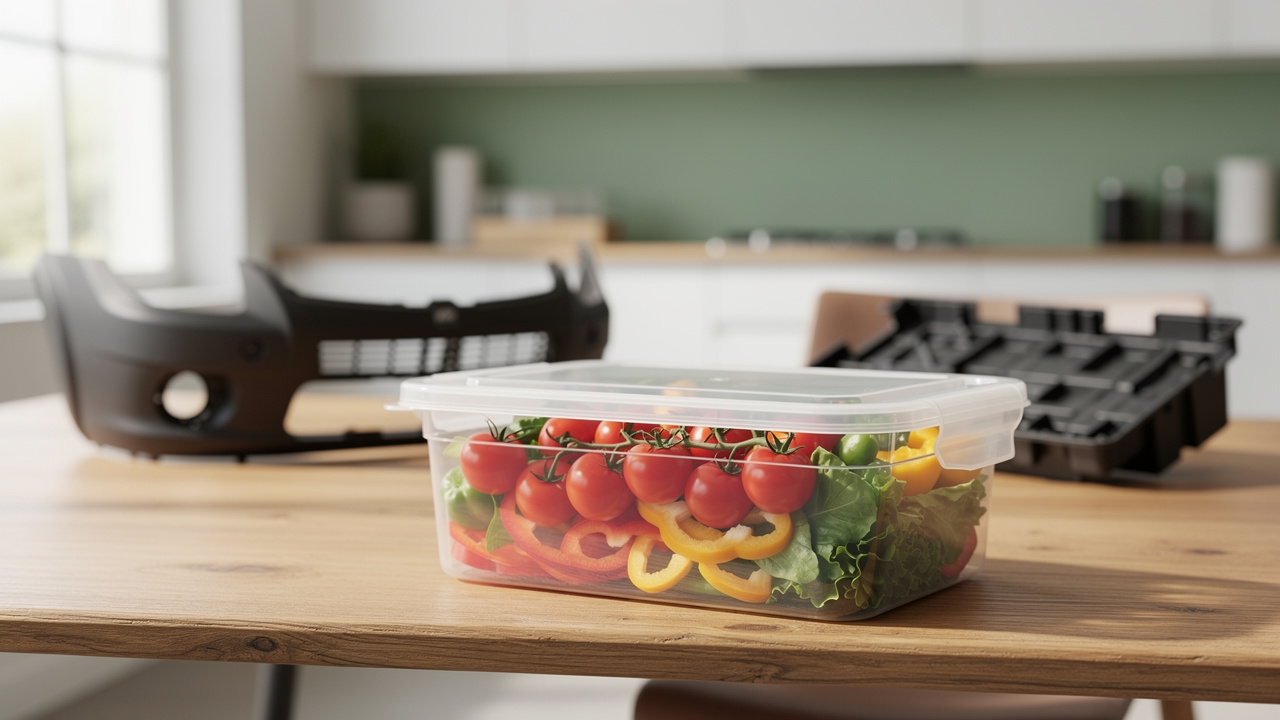
Real-world applications of polypropylene plastic uses span various sectors. In the automotive industry, polypropylene plastic uses include components such as bumpers and interior trims, contributing to weight reduction and improved fuel efficiency. While other materials may falter under environmental stressors, the polypropylene plastic uses make it essential for manufacturing irrigation pipes and other durable products. Additionally, the material's recyclability aligns with sustainability initiatives, making it a preferred choice in today's environmentally conscious market.
Recent research highlights advancements in plastic properties, including innovations in toughening mechanisms that enhance performance at low temperatures. These developments not only enhance the material's utility across industries but also support the growing trend towards sustainable and recyclable solutions. As producers increasingly embrace recycled plastic and mono-material designs, the market is set for ongoing growth, fueled by both consumer demand and regulatory pressures for eco-friendly practices. As the market evolves, those who leverage polypropylene's unique properties will not only meet current demands but also shape the future of sustainable manufacturing.

Explore Key Applications of Polypropylene in Industries
Polypropylene plastic uses stand out as highly adaptable, making it essential for various industries seeking reliable solutions. In the packaging sector, the polypropylene plastic uses are preferred for:
- Food containers
- Bottles
- Flexible packaging
How can a single material offer such moisture protection and durability? In the automotive sector, polypropylene plastic uses include producing parts like:
- Bumpers
- Interior trim
- Battery casings
Here, lightweight construction and chemical resistance are crucial for performance and safety. In the healthcare sector, the polypropylene plastic uses are essential for the creation of:
- Syringes
- Surgical tools
- Medical trays
This guarantees both safety and sterility in medical applications. Furthermore, the adaptability of polypropylene plastic uses is highlighted in agricultural irrigation systems, particularly in center pivot irrigation pipes. Manufacturers often struggle to find a single material that meets the varied demands of different industries. Lincoln Plastics addresses these challenges with custom solutions that ensure reliability and quality across applications. With Lincoln Plastics, you gain a partner committed to delivering tailored polypropylene solutions that elevate your production standards.

Assess Advantages and Disadvantages of Polypropylene
Polypropylene stands out in the plastics industry for its lightweight and durable nature, but its limitations can pose challenges for manufacturers. Renowned for its high chemical durability and cost-effectiveness, polypropylene is a favored option for large-scale production. Its durability and ability to withstand fatigue enable it to endure repeated use, while its recyclability supports sustainable practices. Yet, manufacturers must navigate challenges when choosing polypropylene for high-temperature applications. Notably, its limited heat resistance, with melting temperatures ranging from 130°C to 171°C, restricts its application in high-temperature environments. Additionally, the non-polar surface of this material can complicate bonding with adhesives or paints, necessitating special surface treatments for effective adhesion.
For manufacturers like Lincoln Plastics, these factors are crucial to consider as they develop custom extrusion solutions tailored to meet specific operational requirements. Lincoln Plastics provides a variety of value-added services, such as laser etching and custom packaging, which can improve the functionality and attractiveness of plastic products. Recent research has underscored these difficulties, stressing the necessity for creative methods to improve the material's efficacy in challenging uses.
Furthermore, it is important to consider the environmental concerns associated with polypropylene, including its non-biodegradability and the importance of recycling to mitigate its impact. These limitations can lead to increased costs and operational inefficiencies if not addressed.

Identify Real-World Examples of Polypropylene Products
In a world where material performance can make or break an industry, polypropylene stands out as a game-changer. This remarkably versatile material has extensive polypropylene plastic uses across multiple sectors. In the packaging sector, how often do you consider the materials that keep your food safe? Polypropylene is the answer, commonly used for food containers, bottle caps, and reusable bags, thanks to its lightweight and moisture-resistant characteristics.
The automotive sector also benefits significantly from this durable plastic. Parts like battery trays, bumpers, and interior panels are produced from polypropylene, enhancing vehicle performance. The strength and resilience of this material contribute to improved fuel efficiency and safety in vehicles, making it an essential choice for manufacturers.
In the medical field, polypropylene plays a crucial role in producing syringes, surgical trays, and personal protective equipment, where maintaining safety and sterility is paramount. Furthermore, Lincoln Plastics showcases this versatility by crafting custom profiles for agricultural irrigation systems and cable management solutions, effectively addressing outdoor application needs.
These diverse examples underscore the essential role of polypropylene plastic uses in both everyday products and specialized industrial applications. Choosing polypropylene isn't just a decision; it's a commitment to quality and reliability that can redefine your production capabilities.

Conclusion
In a rapidly evolving plastics industry, polypropylene stands out as a game-changer for manufacturers seeking reliability and versatility. Its unique characteristics - lightweight durability, chemical resistance, and recyclability - make it an essential choice for manufacturers who need to meet diverse industry demands. As the market for polypropylene continues to expand, understanding its applications is crucial for businesses looking to leverage its benefits effectively.
Have you considered how polypropylene is revolutionizing sectors like packaging, automotive, healthcare, and agriculture? From food containers that ensure safety and freshness to automotive components that enhance vehicle efficiency, polypropylene's adaptability is evident. Its role in medical equipment underscores its importance in maintaining safety and sterility, while innovations in recycling and sustainability further enhance its appeal in a conscious market.
By embracing polypropylene, you’re not just fostering innovation; you’re also meeting the rising demand for sustainable practices. As industries evolve, manufacturers are encouraged to explore the potential of polypropylene, not just as a material of choice but as a catalyst for enhancing production capabilities. By integrating polypropylene into your production, you not only enhance efficiency but also position your business at the forefront of sustainable innovation.
Frequently Asked Questions
What is polypropylene and what are its key characteristics?
Polypropylene (PP) is a leading thermoplastic polymer known for its lightweight nature, high chemical resistance, exceptional durability, low moisture absorption, and high melting point. It maintains its shape under stress while remaining flexible, making it suitable for various applications.
What is the projected market value of polypropylene by 2035?
The worldwide market for polypropylene is anticipated to be valued at around USD 175.56 million in 2026 and is expected to reach USD 252.04 million by 2035, indicating a consistent growth rate of 4.1% each year.
What factors are driving the growth of the polypropylene market?
The growth of the polypropylene market is driven by increasing demand for safe food packaging, pharmaceuticals, and eco-friendly materials, particularly in the Asia Pacific region, which is expected to dominate the market.
How is polypropylene used in the automotive industry?
In the automotive industry, polypropylene is used for components like bumpers and interior trims, contributing to weight reduction and improved fuel efficiency.
What role does polypropylene play in agriculture?
Polypropylene is essential for manufacturing durable products such as irrigation pipes, which are vital for agricultural applications.
How does polypropylene align with sustainability initiatives?
Polypropylene's recyclability supports sustainability initiatives, making it a preferred choice in today's environmentally conscious market. Recent advancements in plastic properties, including toughening mechanisms, enhance its utility while promoting recyclable solutions.
What trends are influencing the future of polypropylene manufacturing?
The market is evolving with a trend towards sustainable and recyclable solutions, driven by consumer demand and regulatory pressures for eco-friendly practices. Producers are increasingly embracing recycled plastic and mono-material designs to meet these demands.
List of Sources
- Define Polypropylene: Characteristics and Importance
- Polypropylene Market Trends, Share and Forecast, 2026-2033 (https://coherentmarketinsights.com/industry-reports/polypropylene-market)
- towardspackaging.com (https://towardspackaging.com/insights/polypropylene-containers-market-sizing)
- Polypropylene Market: Versatility and Wide Range of Applications to boost market growth (https://maximizemarketresearch.com/market-report/polypropylene-market/2055)
- Polypropylene Containers Market Trends & Size 2026-35 (https://finance.yahoo.com/news/polypropylene-containers-market-trends-size-140000762.html)
- New Composite Structure Boosts Polypropylene’s Low-Temperature Toughness | Newswise (https://newswise.com/articles/new-composite-structure-boosts-polypropylene-s-low-temperature-toughness)
- Explore Key Applications of Polypropylene in Industries
- towardspackaging.com (https://towardspackaging.com/insights/recycled-polypropylene-in-packaging-market-sizing)
- plasticsnews.com (https://plasticsnews.com/news/polypropylene-market-faces-prolonged-oversupply-global-capacity-surges-demand-stalls)
- linkedin.com (https://linkedin.com/pulse/indias-polypropylene-industry-growth-challenges-future-sashi-kumar-cuysc)
- fortunebusinessinsights.com (https://fortunebusinessinsights.com/industry-reports/polypropylene-pp-market-101583)
- Trends & Strategies Shaping the $219 Billion Polypropylene Industry, 2025-2035 - Packaging End-Use Leads; Automotive Gains Momentum in Polypropylene Use (https://globenewswire.com/news-release/2025/12/08/3201326/28124/en/trends-strategies-shaping-the-219-billion-polypropylene-industry-2025-2035-packaging-end-use-leads-automotive-gains-momentum-in-polypropylene-use.html)
- Assess Advantages and Disadvantages of Polypropylene
- What are the advantages and disadvantages of PP?|News|POLYPVC (https://polypvc.com/news/What-are-the-advantages-and-disadvantages-of-PP.html)
- Polypropylene: Benefits, Challenges, and Applications. (https://prototek.com/article/polypropylene-benefits-challenges-and-applications)
- Polypropylene (PP): Understand the Key Benefits and Applications (https://protolabs.com/materials/polypropylene)
- New Composite Structure Boosts Polypropylene’s Low-Temperature Toughness | Newswise (https://newswise.com/articles/new-composite-structure-boosts-polypropylene-s-low-temperature-toughness)
- Identify Real-World Examples of Polypropylene Products
- palmetto-industries.com (https://palmetto-industries.com/what-is-polypropylene-used-for?srsltid=AfmBOoqfcm-HqsuGvjkmR8zVzbiSPcDNKZpvnb7KscIzgsjDGAZAOLHf)
- Nouryon launches first commercially available solution to restore recycled polypropylene performance in packaging, automotive and consumer goods (https://nouryon.com/news-and-events/news-overview/2026/nouryon-launches-first-commercially-available-solution-to-restore-recycled-polypropylene-performance-in-packaging-automotive-and-consumer-goods)
- packagingdive.com (https://packagingdive.com/news/usitc-trade-determination-packaging-materials-duties-q1-2026/814800)
- Polypropylene Market is expected to reach USD 155.57 Billion by 2026 (https://paulmurphyplastics.com/industry-news-blog/polypropylene-market-is-expected-to-reach-usd-155-57-billion-by-2026)
- Polypropylene Containers Market Trends & Size 2026-35 (https://finance.yahoo.com/news/polypropylene-containers-market-trends-size-140000762.html)
Related posts

Why Custom Pipe Extrusion Matters More Than Ever
Standard pipe sizes don’t always work. Learn how Lincoln Plastics delivers custom diameters, wall thicknesses, and finishes in right-sized runs.


Reducing Trip Hazards with Custom Cord Management
Loose cords are more than messy — they’re a safety hazard. Lincoln Plastics’ custom cord covers and Flexiduct solutions improve safety and efficiency.
The Power of Custom Plastic Profiles for OEMs
Off-the-shelf profiles force compromises. Learn how Lincoln Plastics designs custom extruded profiles for OEMs with exact specs and right-sized runs.
